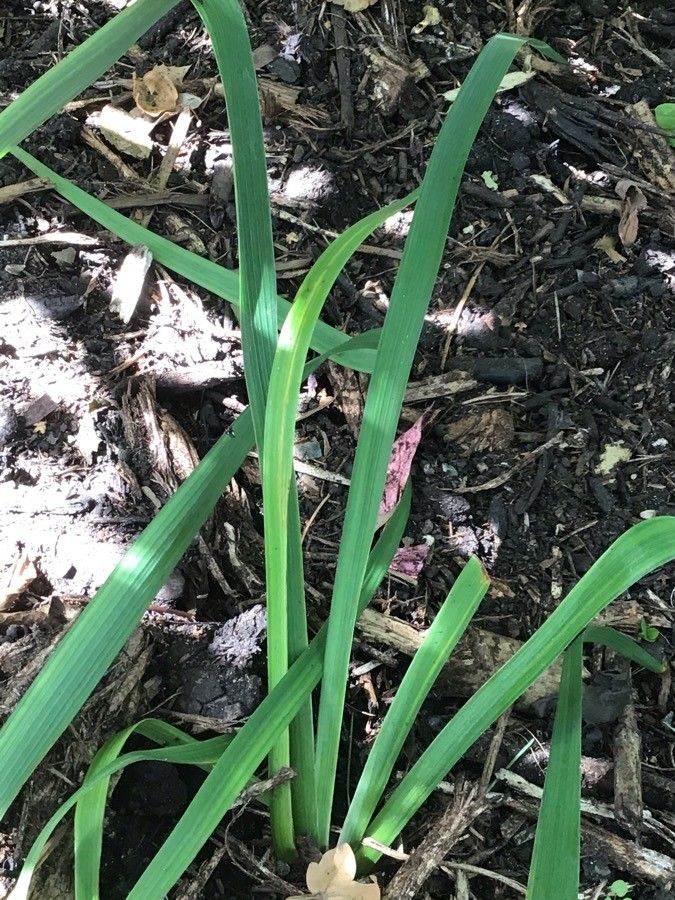
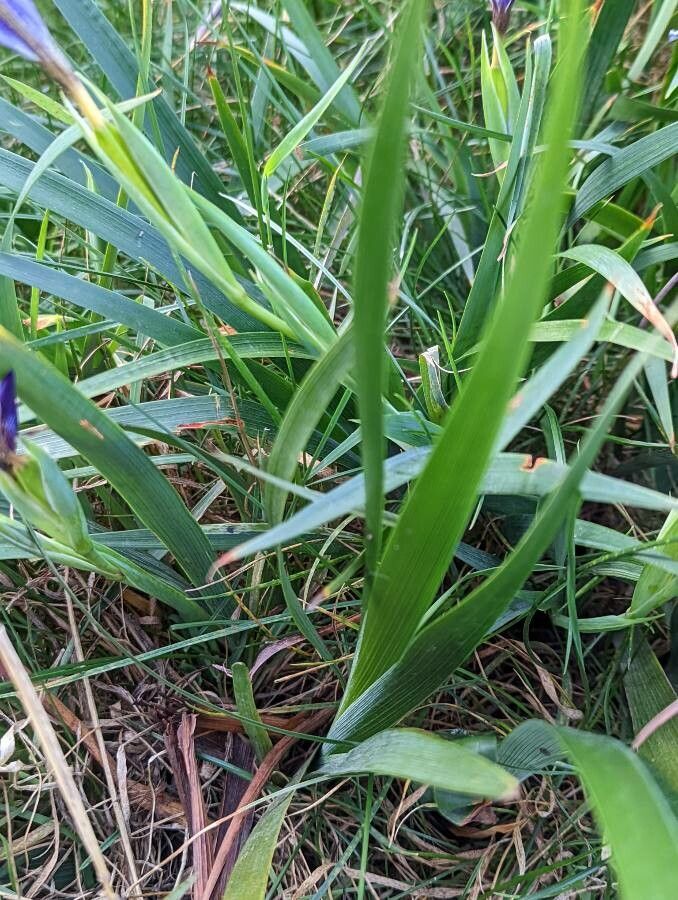
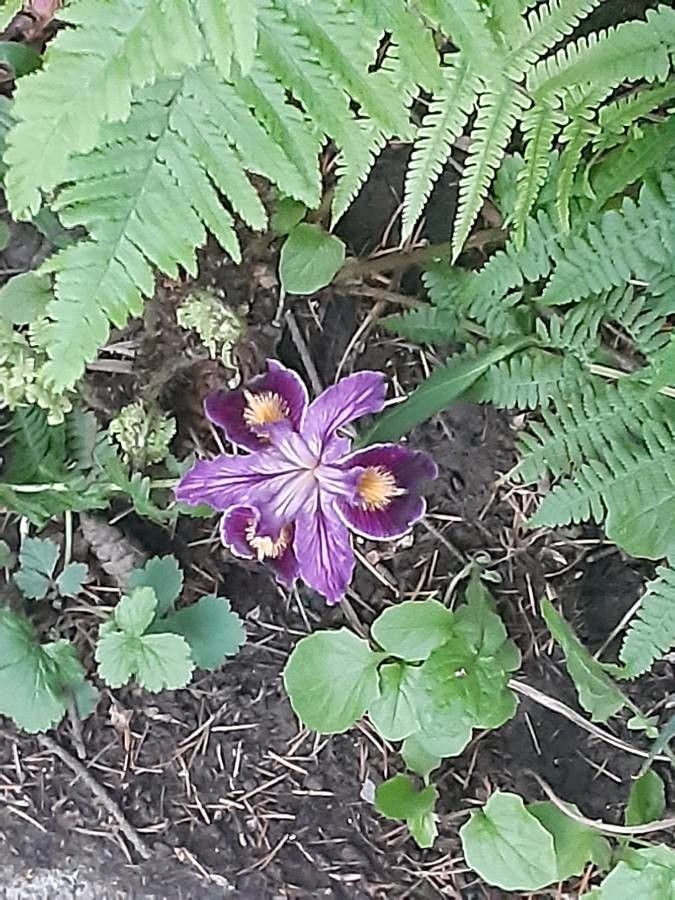
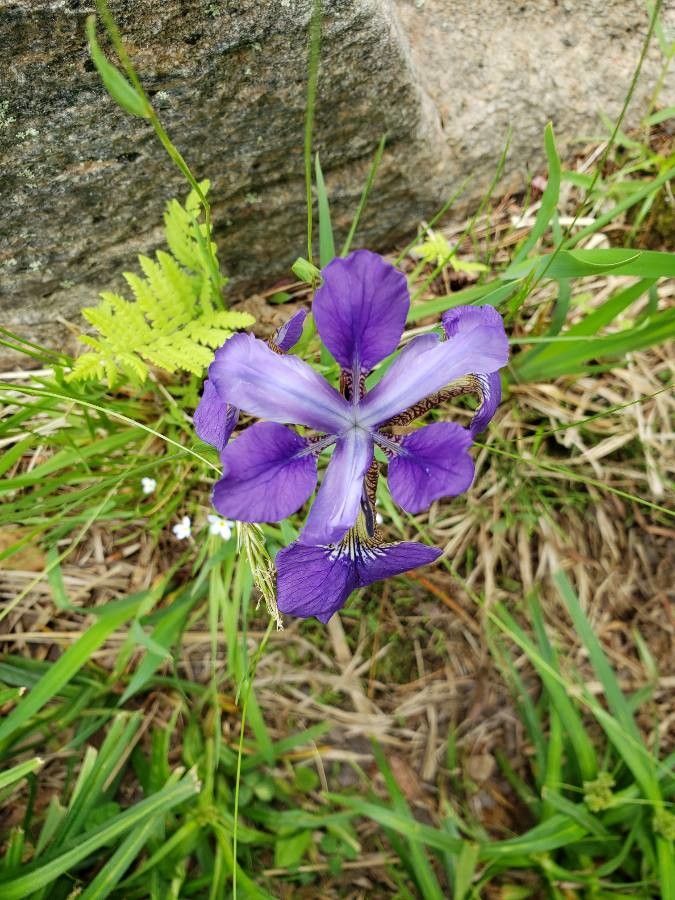
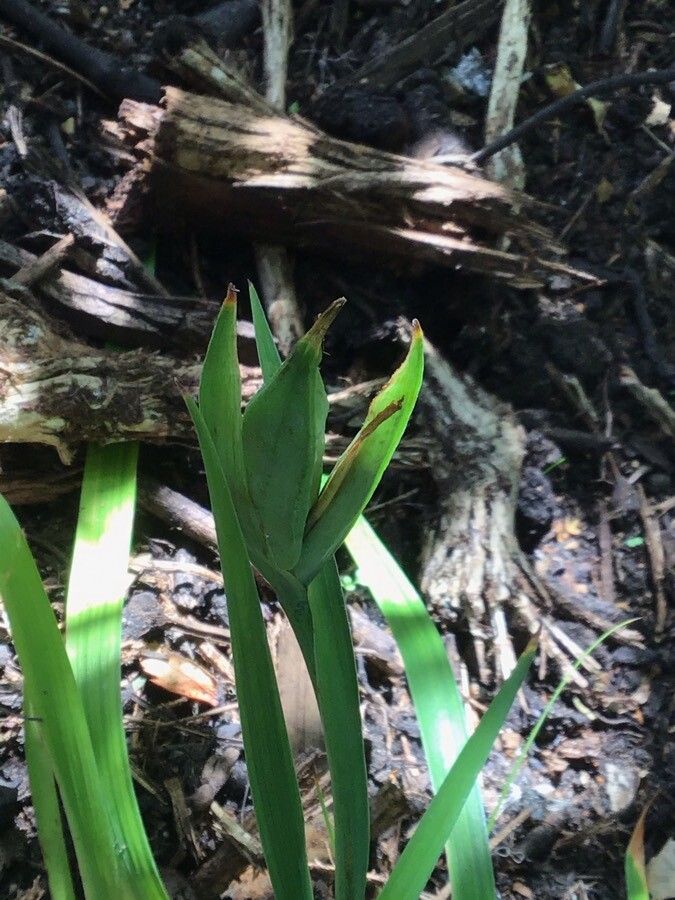
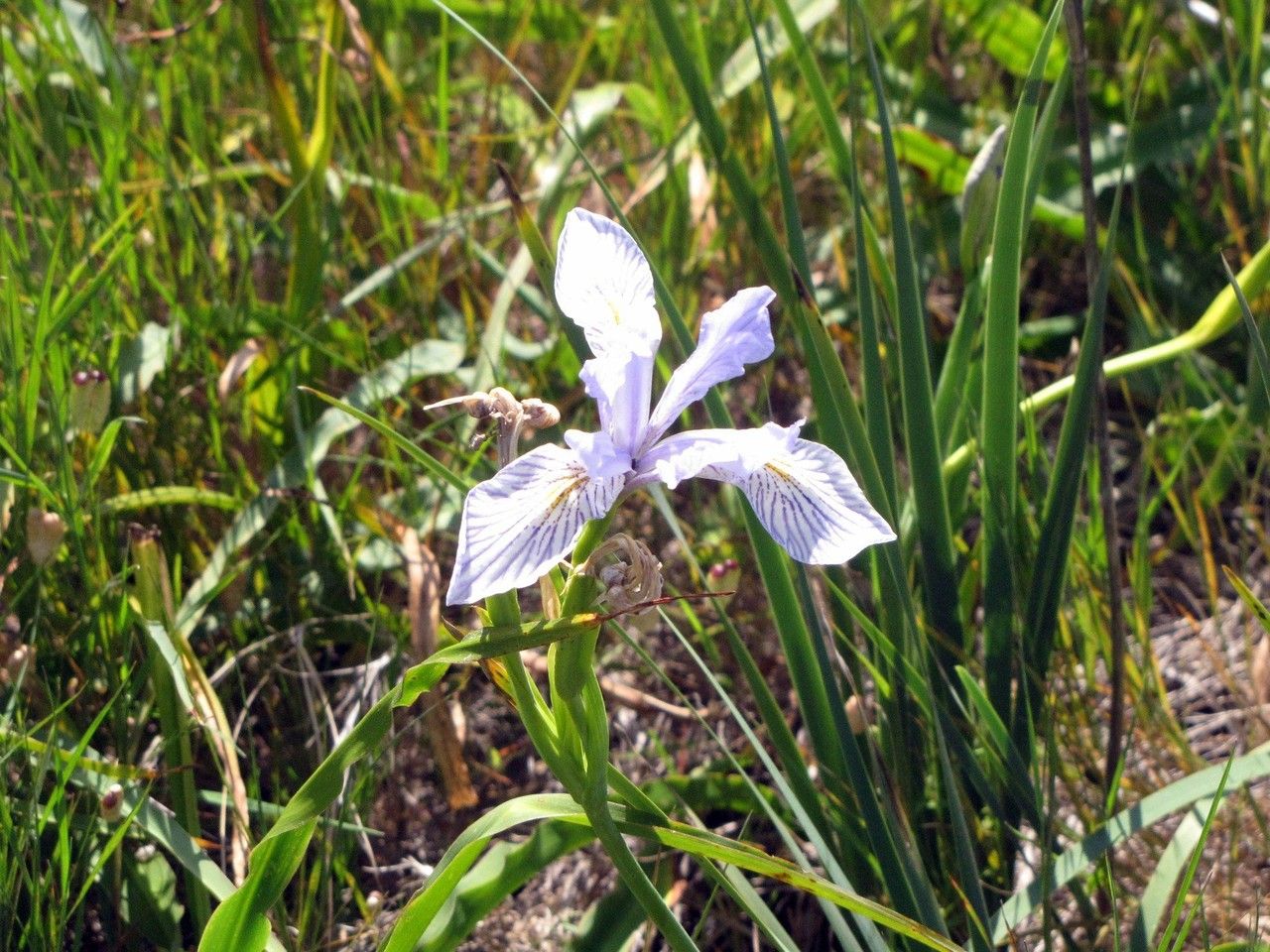
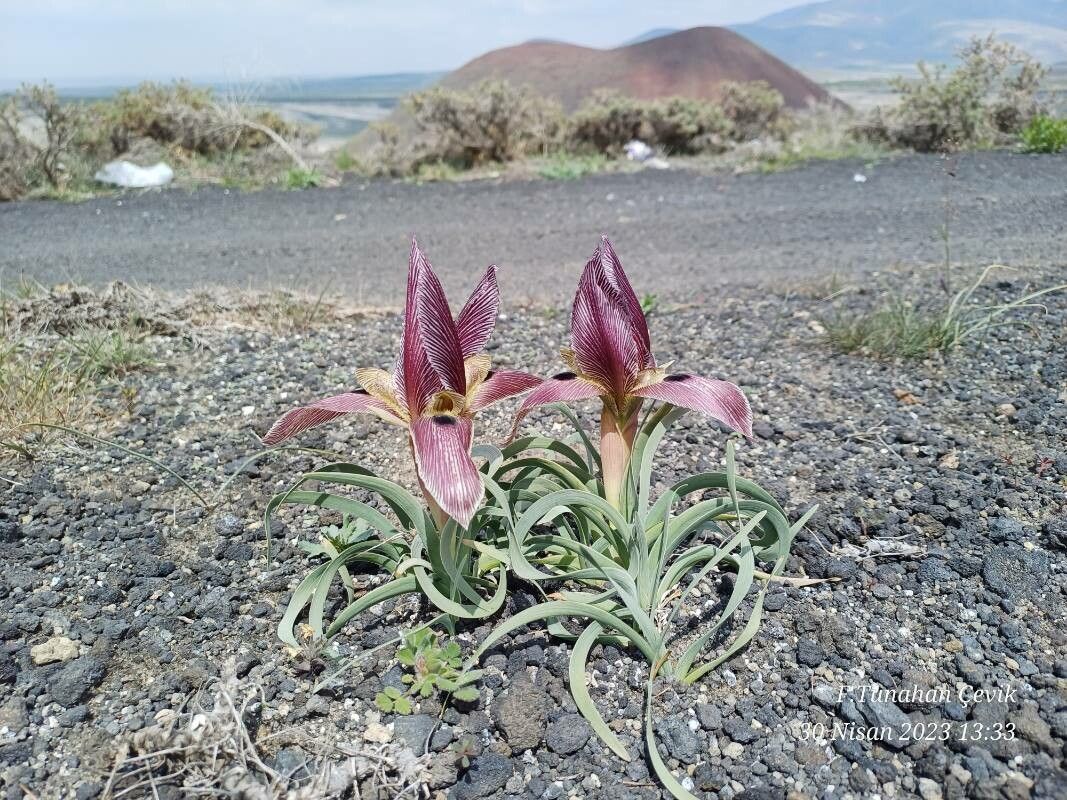
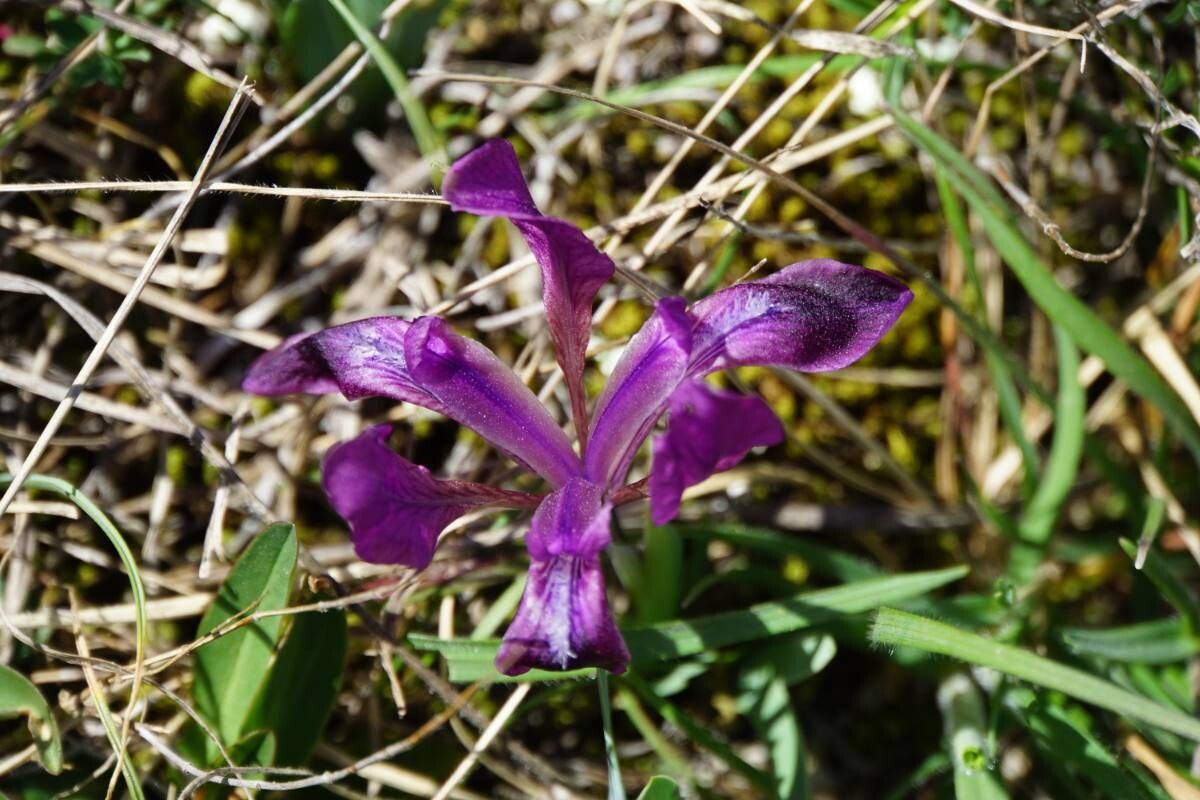
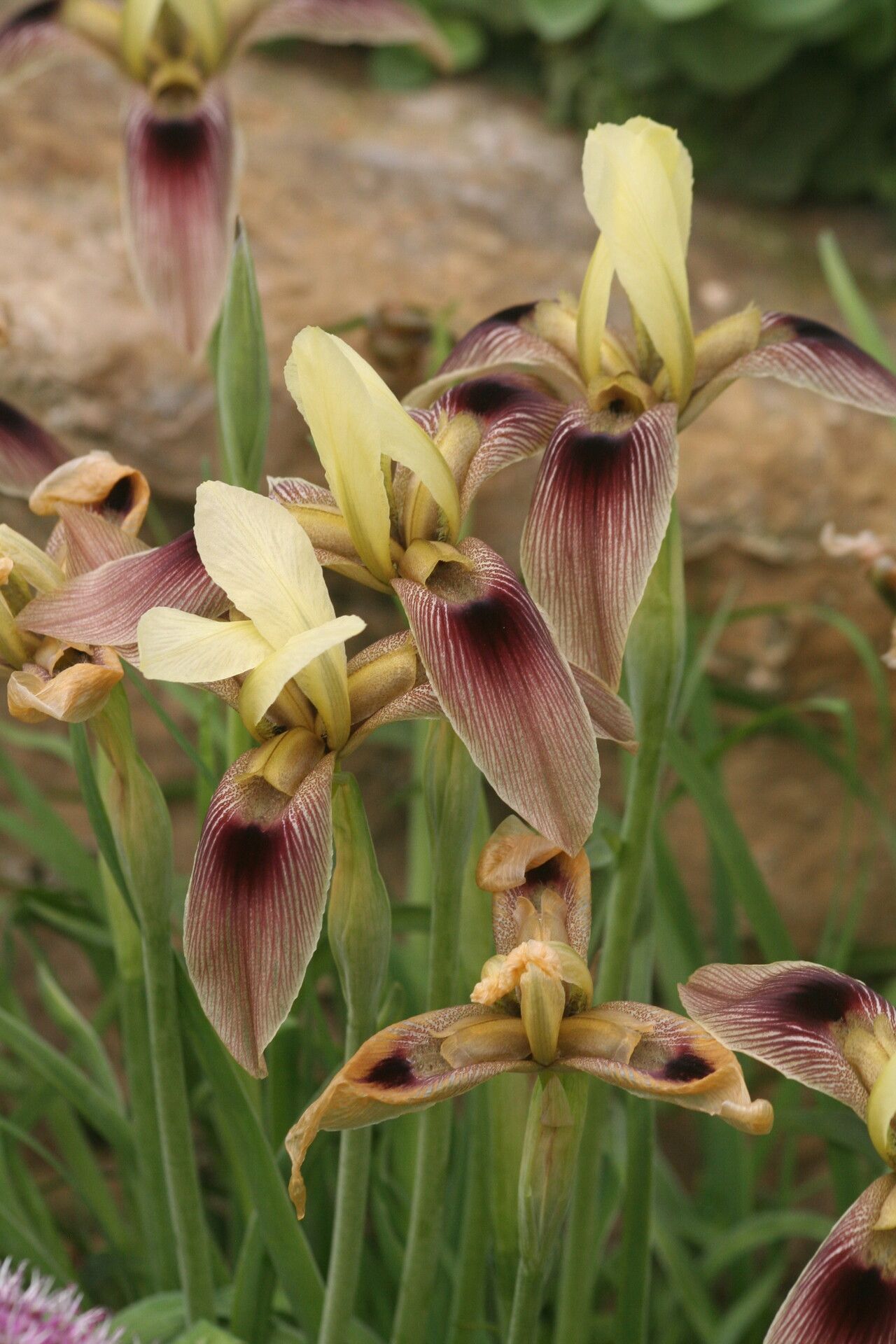
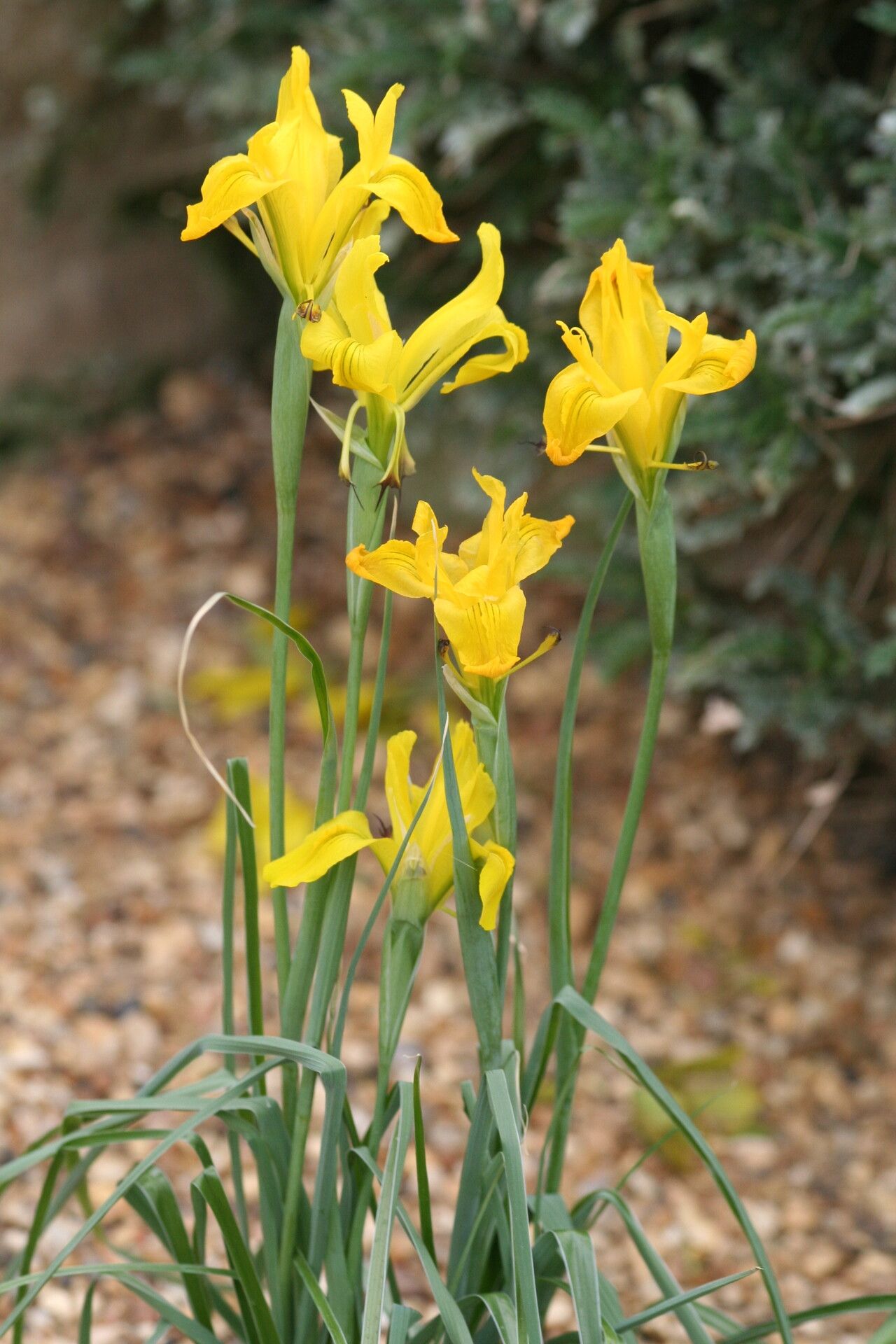
Iris douglasiana, commonly known as Douglas iris, is a perennial plant species native to the Pacific Northwest region of North America. A member of the iris family, this plant typically grows to about 1-2 feet tall. It produces striking flowers that are usually blue or purple, adorned with distinctive yellow markings on their petals. These flowers bloom in late spring or early summer and are pollinated by bees and other insects.
Douglas iris thrives in moist, well-drained soils and prefers partially shaded areas such as woodland edges or meadows. It can tolerate full sun if provided with sufficient moisture. The plant spreads by rhizomes (underground stems), which can form large clumps over time.
Besides its ornamental value, Douglas iris has been used for medicinal purposes by indigenous peoples for centuries. The roots were traditionally used to treat various ailments, including headaches, toothaches, and skin irritations.
Overall, Iris douglasiana is a beautiful native plant that adds color and interest to gardens while providing ecological benefits for pollinators like bees.
Botanical profile.
- Plant Type
- Herb
- Life Cycle
- Perennial
- Genus
- Iris
- Family
- Iridaceae
- Hardiness Zone
- 6-9
- Mature Height
- 15 cm to 91 cm
- Mature Spread
- 49 cm
- Leaf Color
- Green, Blue
- Leaf Type
- Evergreen
- Flower Color
- Purple, Lavender, Blue
- Flower Size
- 7.62 cm
- Bloom Time
- Spring
- Planting Time
- Spring
- Harvest Time
- Summer
- Native Area
- Europe, Asia, North America
Other names.