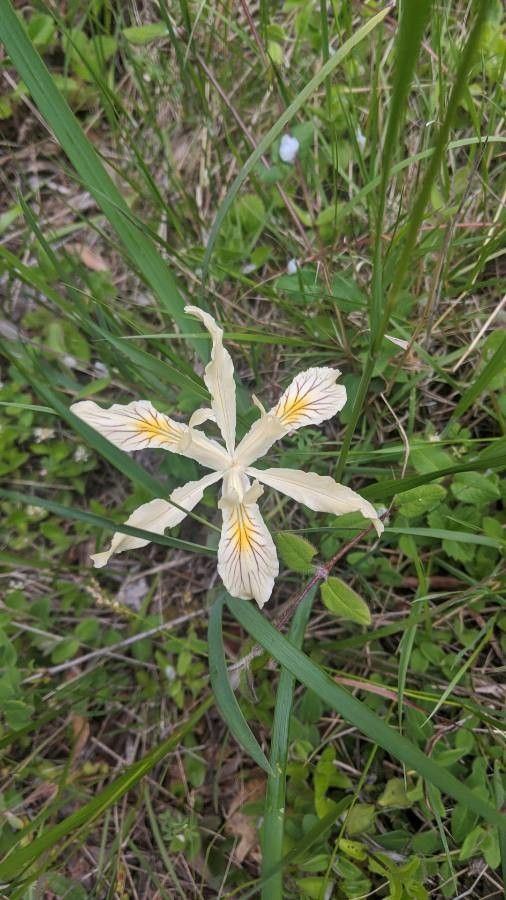
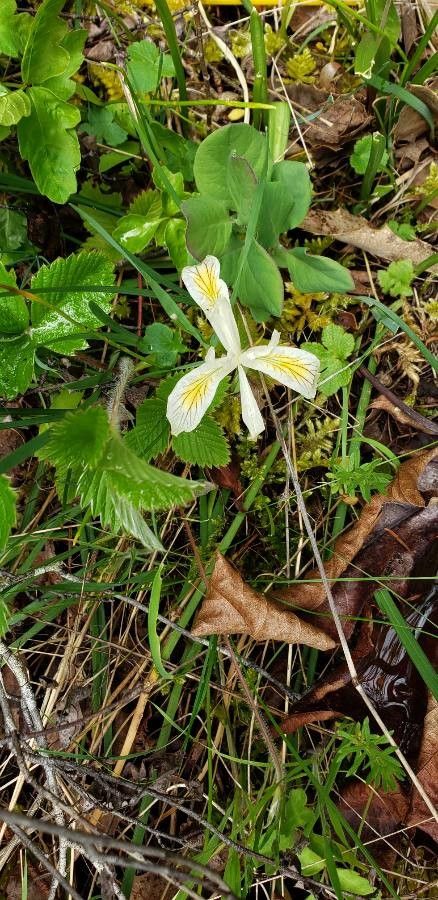
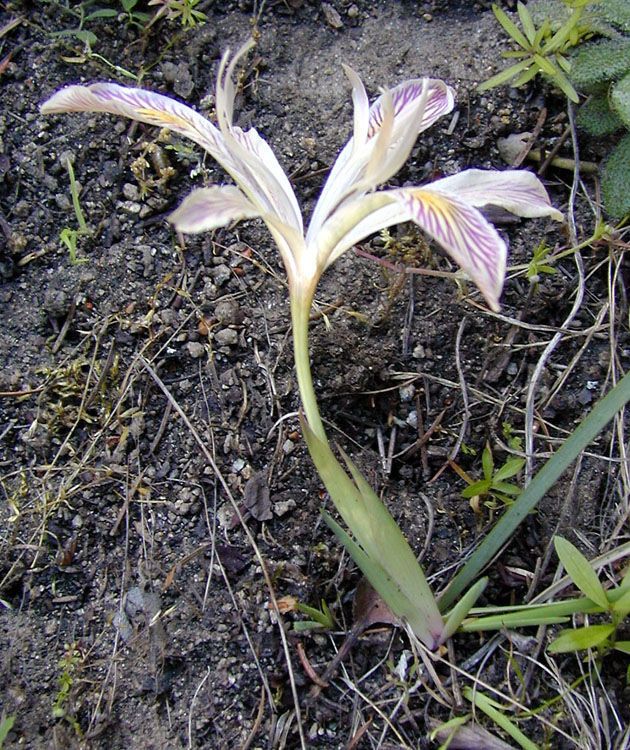
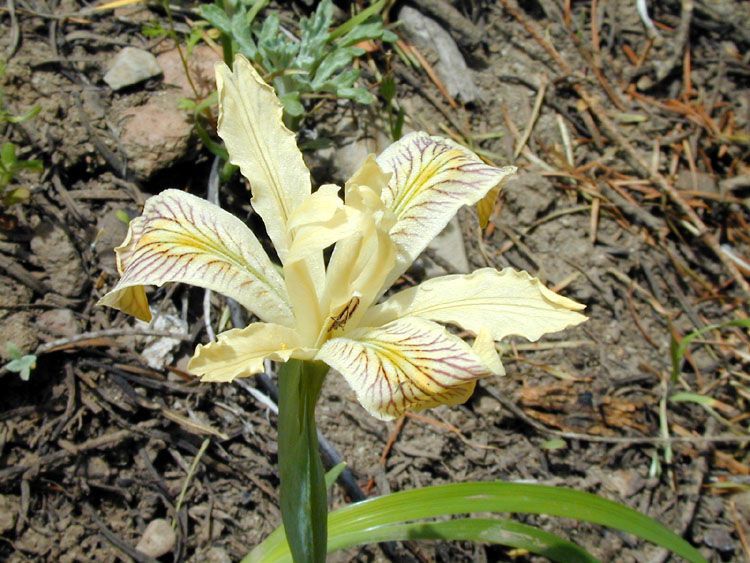
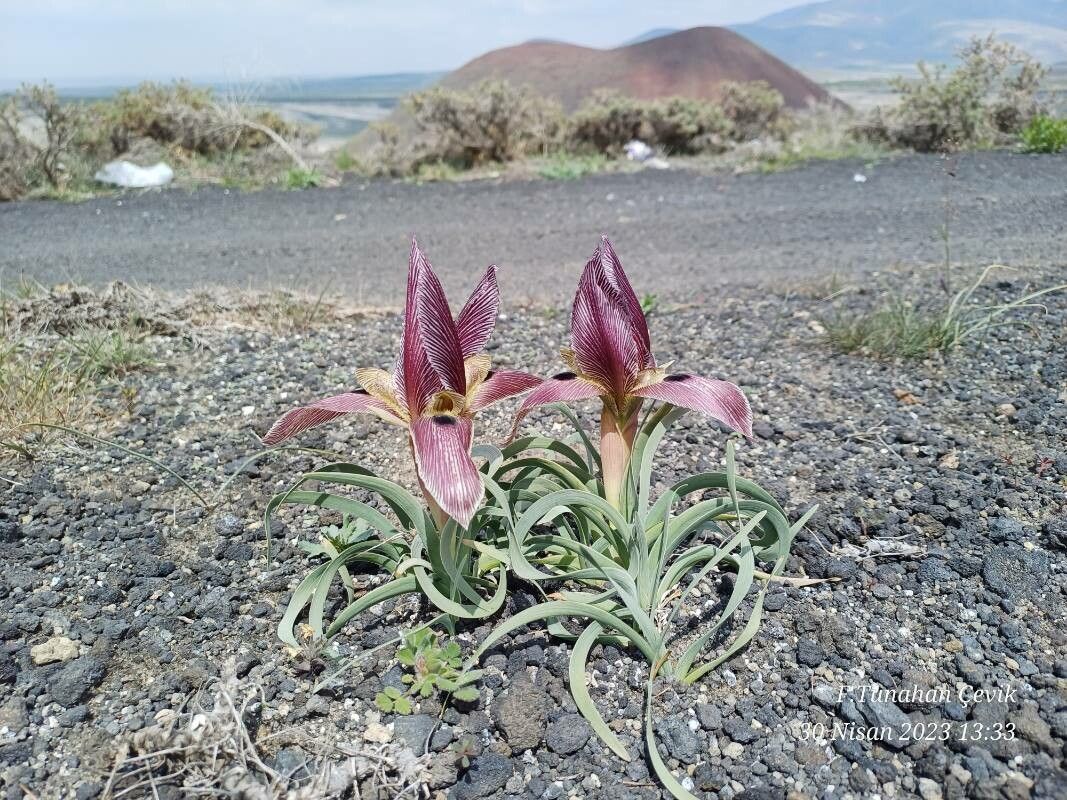
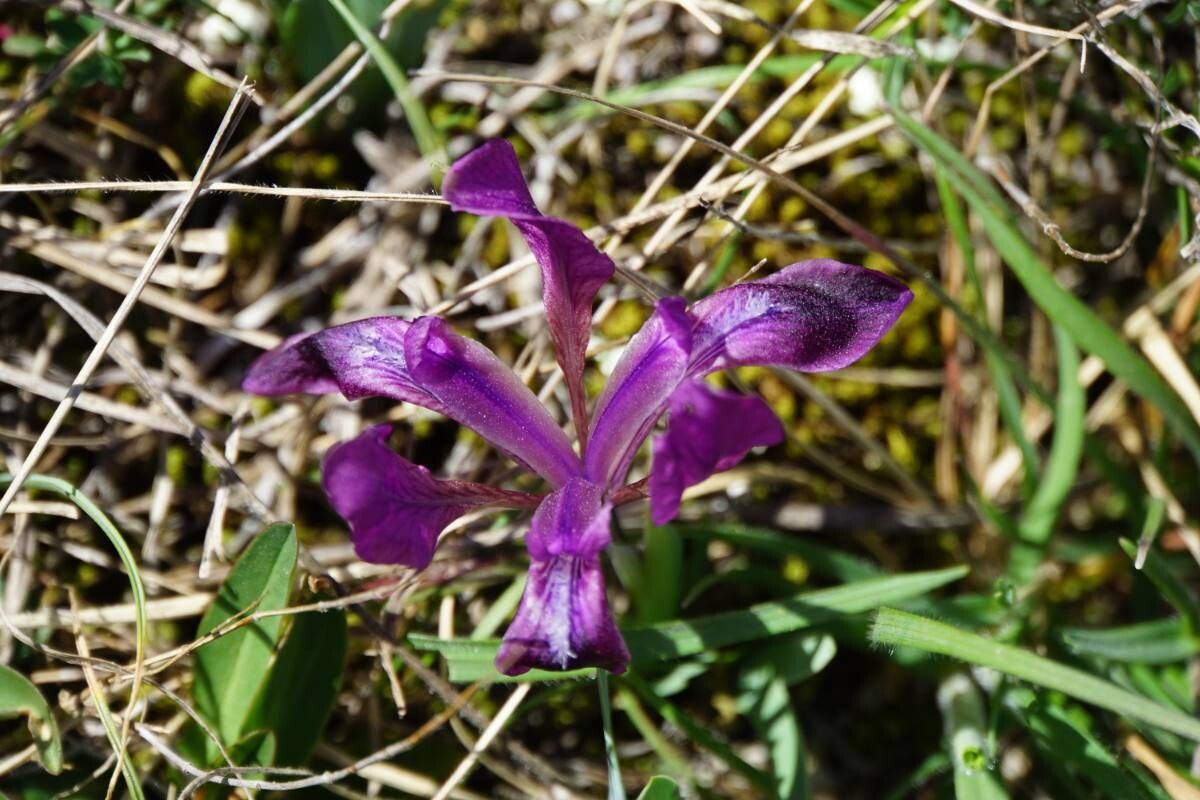
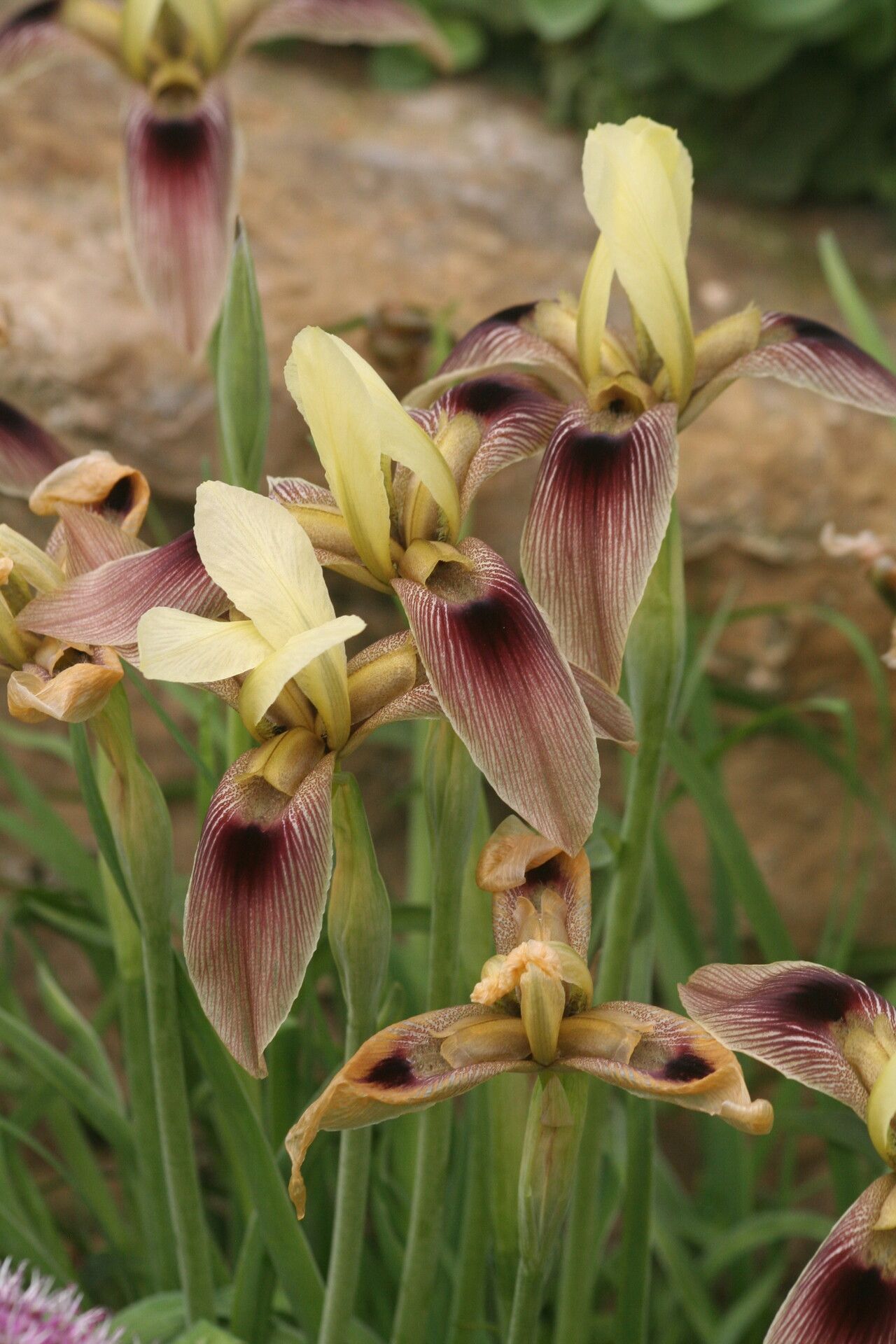
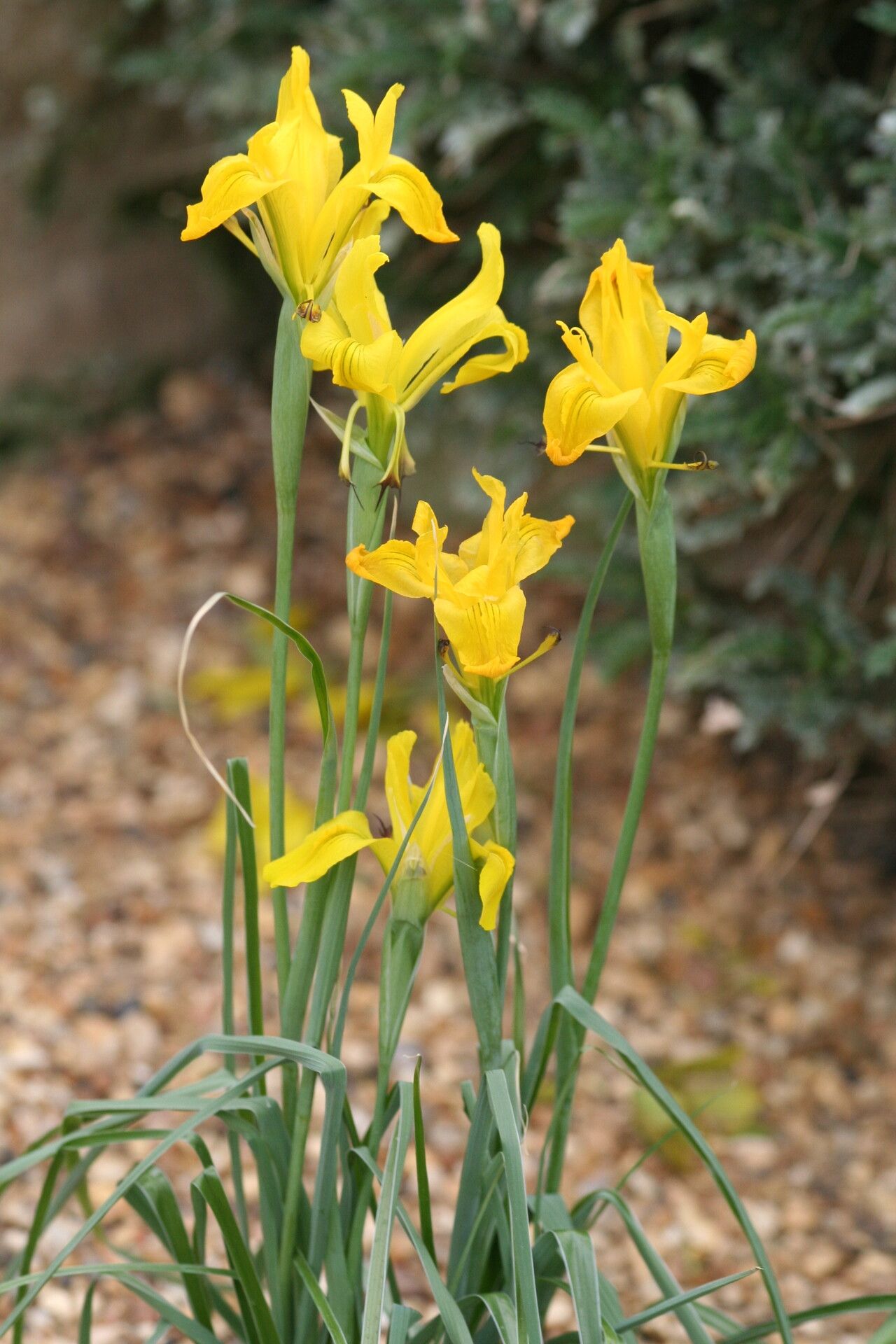
Iris chrysophylla, the yellowleaf iris, is a wildflower which ranges from midwestern and southern Oregon west of the Cascades and south to the crest of the Siskiyou Mountains in northern California. The yellowleaf iris grows up to 5,500 feet (1,700 m) elevation, most commonly in open, coniferous forests.
Yellow-leaf iris is fairly disease-resistant and typically not prone to illnesses. That said, it can be vulnerable to pests and diseases present in its environment. Such infections are usually not serious. Carewise, the plant requires moderate attention. It should be pruned regularly to keep a good appearance and support healthy growth. Fertilizing can also help encourage flowering. Yellow-leaf iris is appropriate for anyone with outdoor space, such as a garden or patio, and does not demand much prior care experience. It may need increased maintenance when grown indoors.
How to keep Iris Chrysophylla.
Light
Yellow-leaf iris is native to habitats like forest understories and rocky areas, where it grows in natural shade. It prefers partial sun but can tolerate full sun or full shade, illustrating its hardy and adaptable nature.
Water
Different species of yellow-leaf iris have distinct water needs. The bearded yellow-leaf iris requires minimal watering and should only be watered when the soil is dry. On the other hand, the Siberian yellow-leaf iris needs the soil to remain consistently moist. It's important to note that most yellow-leaf irises cannot tolerate standing water, as it can cause root rot in poorly drained soil.
Temperature
Yellow-leaf iris can tolerate a wide range of temperatures, though its distribution may still be restricted by particular combinations of moisture and heat. It grows best in warm summer conditions with sufficient rainfall or watering. Extended periods of cloudy, rainy weather, as well as prolonged high temperatures, increase the chance that Yellow-leaf iris will die. In winter, appropriate protection from the cold can enhance the plant's survival rate.
Fertilizer
The primary time to fertilize Yellow-leaf iris is in early spring when flowers are forming. Using the proper fertilizer promotes better blooms and helps the Yellow-leaf iris produce attractive flowers. Fertilizing in early spring ensures strong flowers during the season and supplies energy for dormant growth phases.
Pruning
The yellow-leaf iris is known for its vibrant yellow foliage and beautiful blooms. To encourage healthy growth and maintain its shape, it's best to prune the plant in early spring after it has finished flowering. Pruning at this time helps prevent overcrowding and improves air circulation, which reduces the risk of disease. Be sure to use clean, sharp tools when pruning to avoid infections and promote robust blooming in the next season.
Botanical profile.
- Plant Type
- Herb
- Life Cycle
- Perennial
- Genus
- Iris
- Family
- Iridaceae
- Hardiness Zone
- 5-9
- Mature Height
- 5 cm to 20 cm
- Mature Spread
- 30 cm
- Leaf Color
- Green
- Leaf Type
- Deciduous
- Flower Size
- 5.08 cm to 6.35 cm
- Bloom Time
- Mid spring, Late spring
- Planting Time
- Spring, Summer
- Harvest Time
- Early summer, Mid summer
Other names.
Reader questions.
What are the sunlight requirements for a Yellow-leaf iris?
The Yellow-leaf iris, also known as Iris chrysophylla, thrives in specific sunlight conditions to maintain its health and beauty. For optimal growth, it requires 'Full sun' exposure, which means the plant should receive above 6 hours of sunlight daily. However, it can also grow under 'Partial sun' conditions, requiring about 3-6 hours of sunlight. When choosing a location for your Iris chrysophylla, it's crucial to observe how sunlight moves through your garden throughout the day. This observation will help you identify spots that provide the perfect balance of light and shade, ensuring the happiness and well-being of your plant.