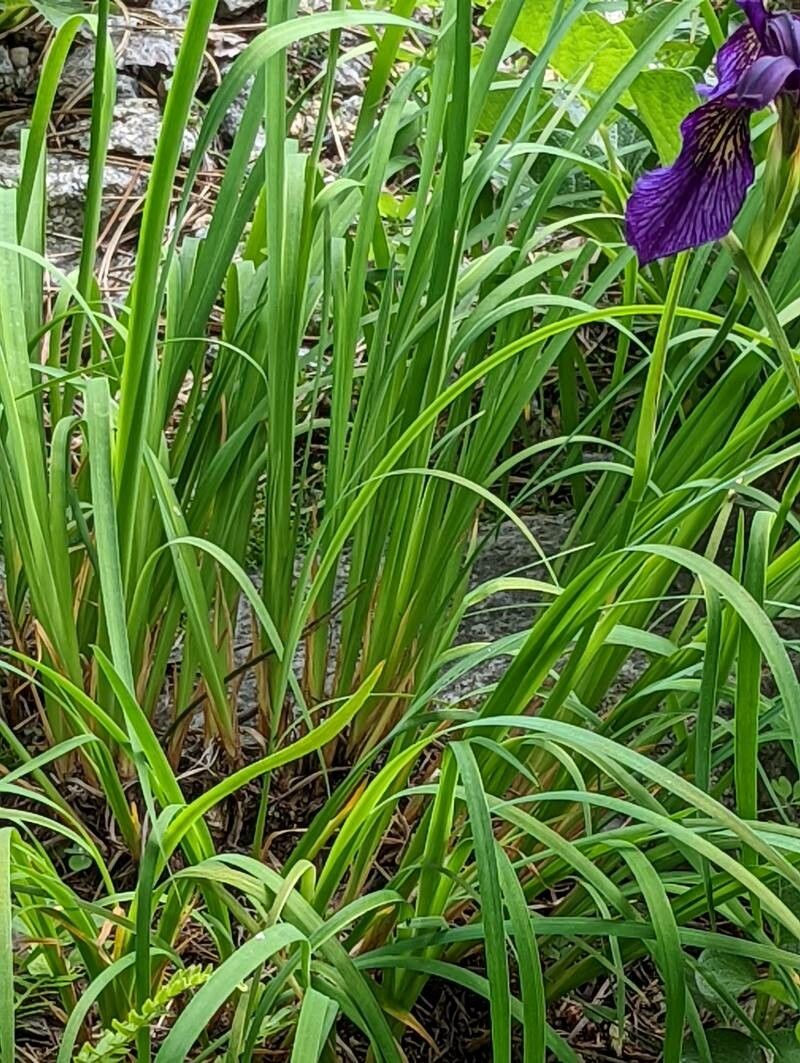
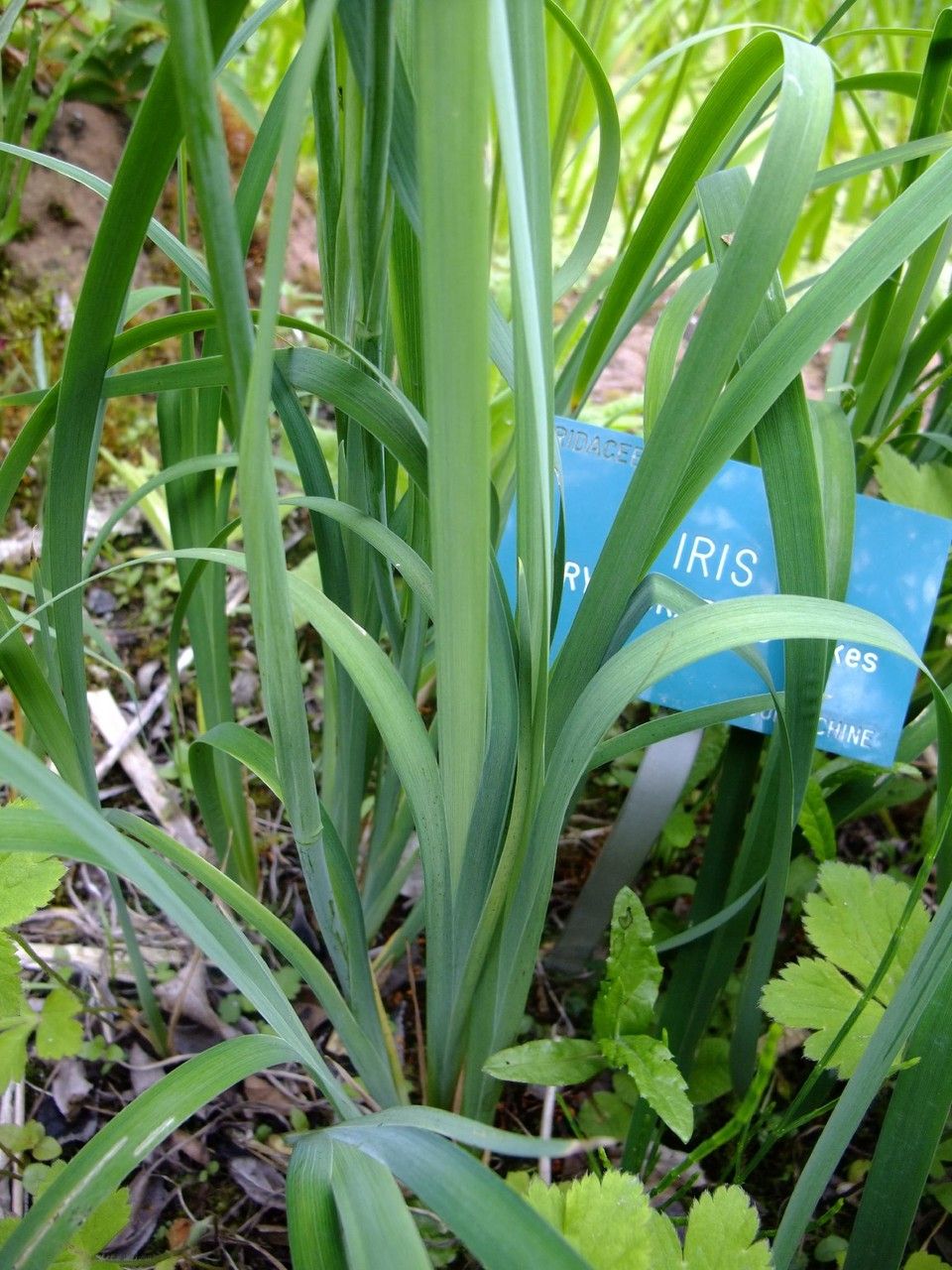
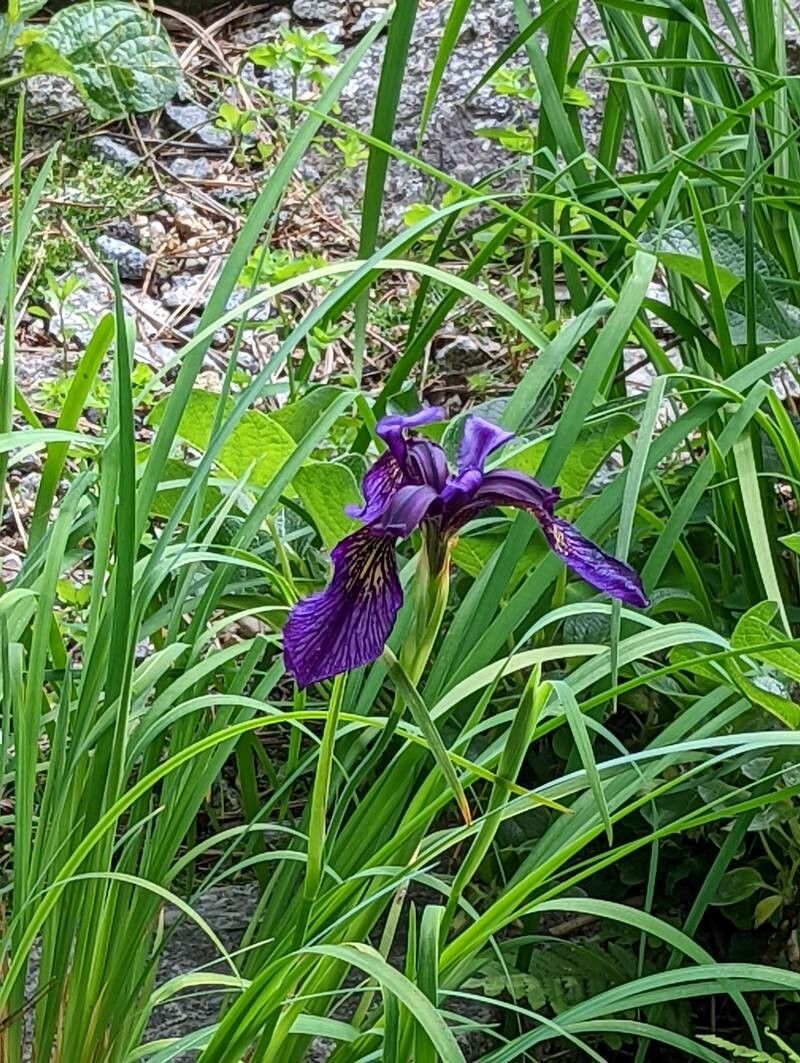
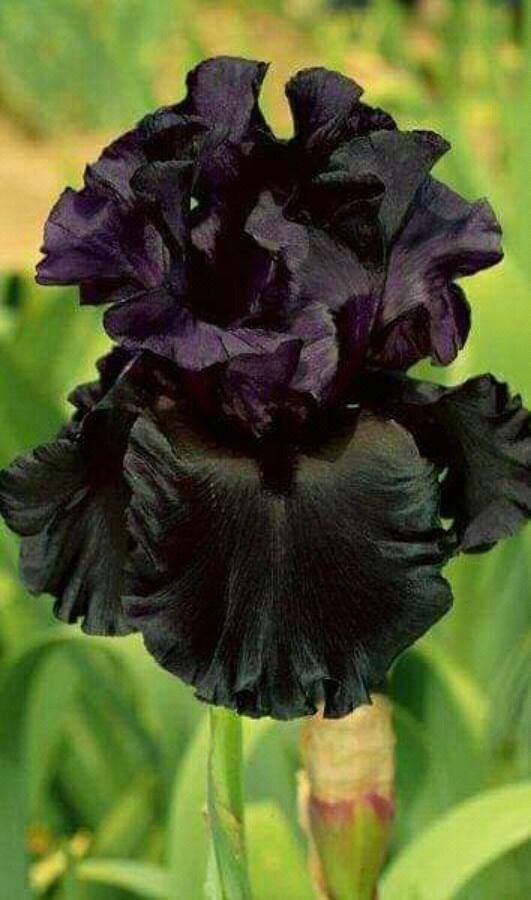
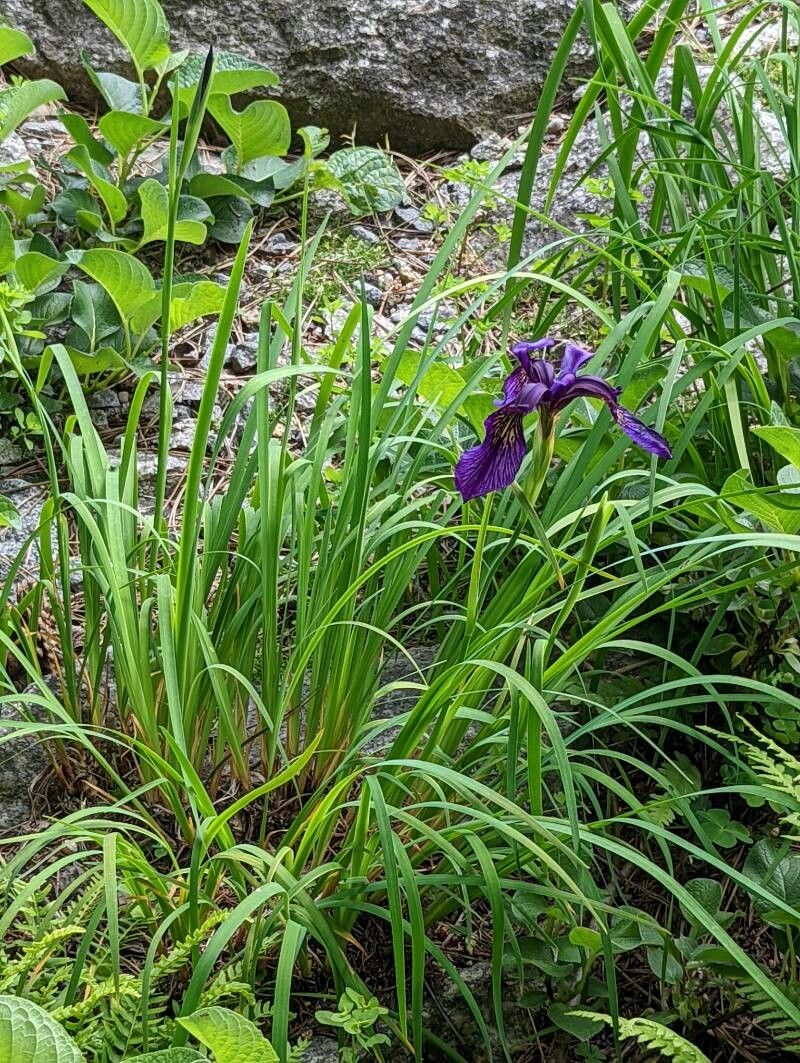
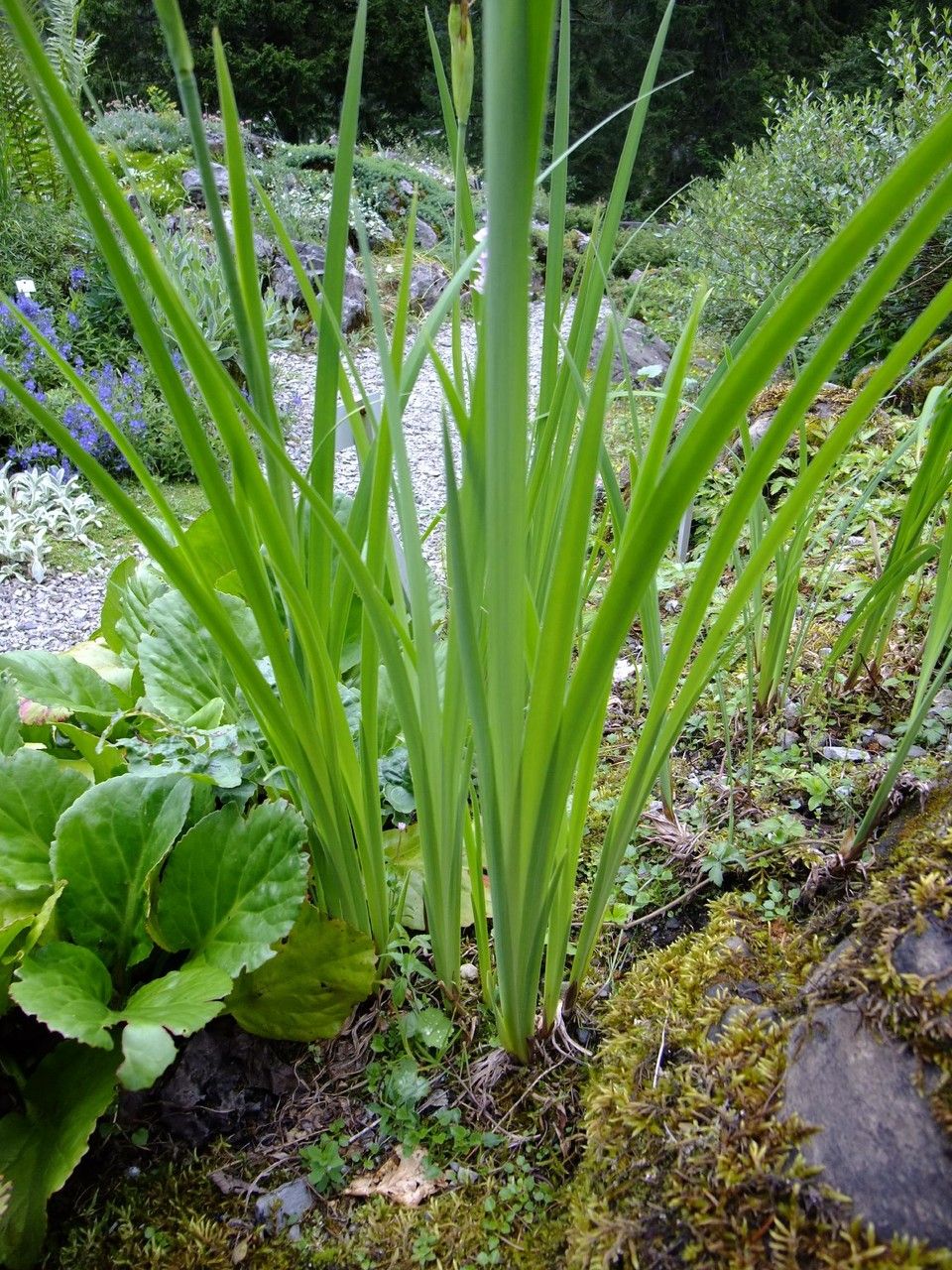
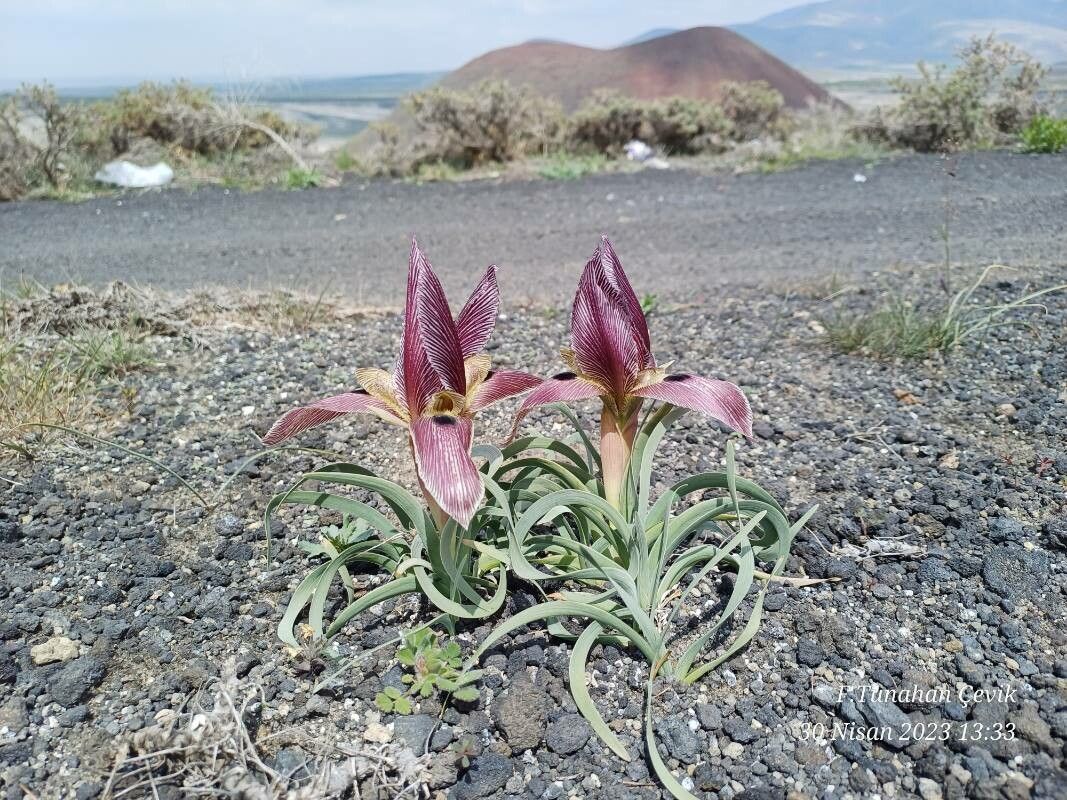
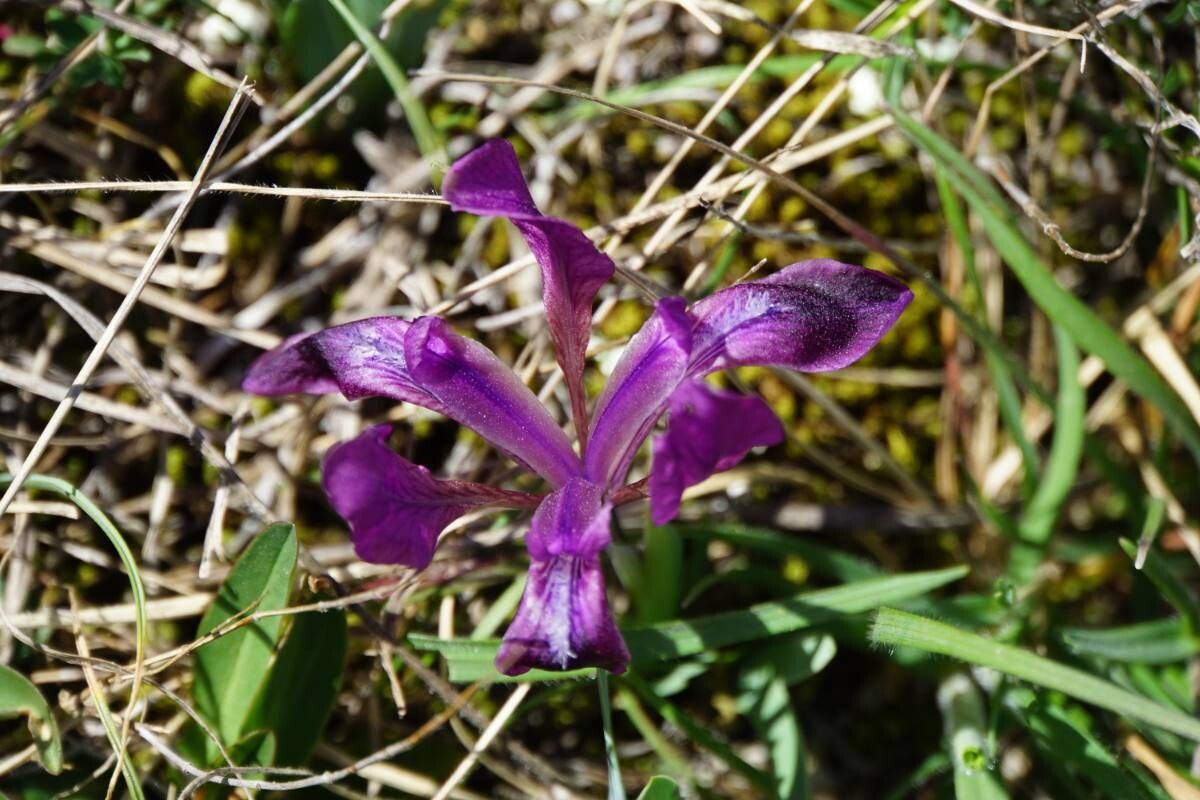
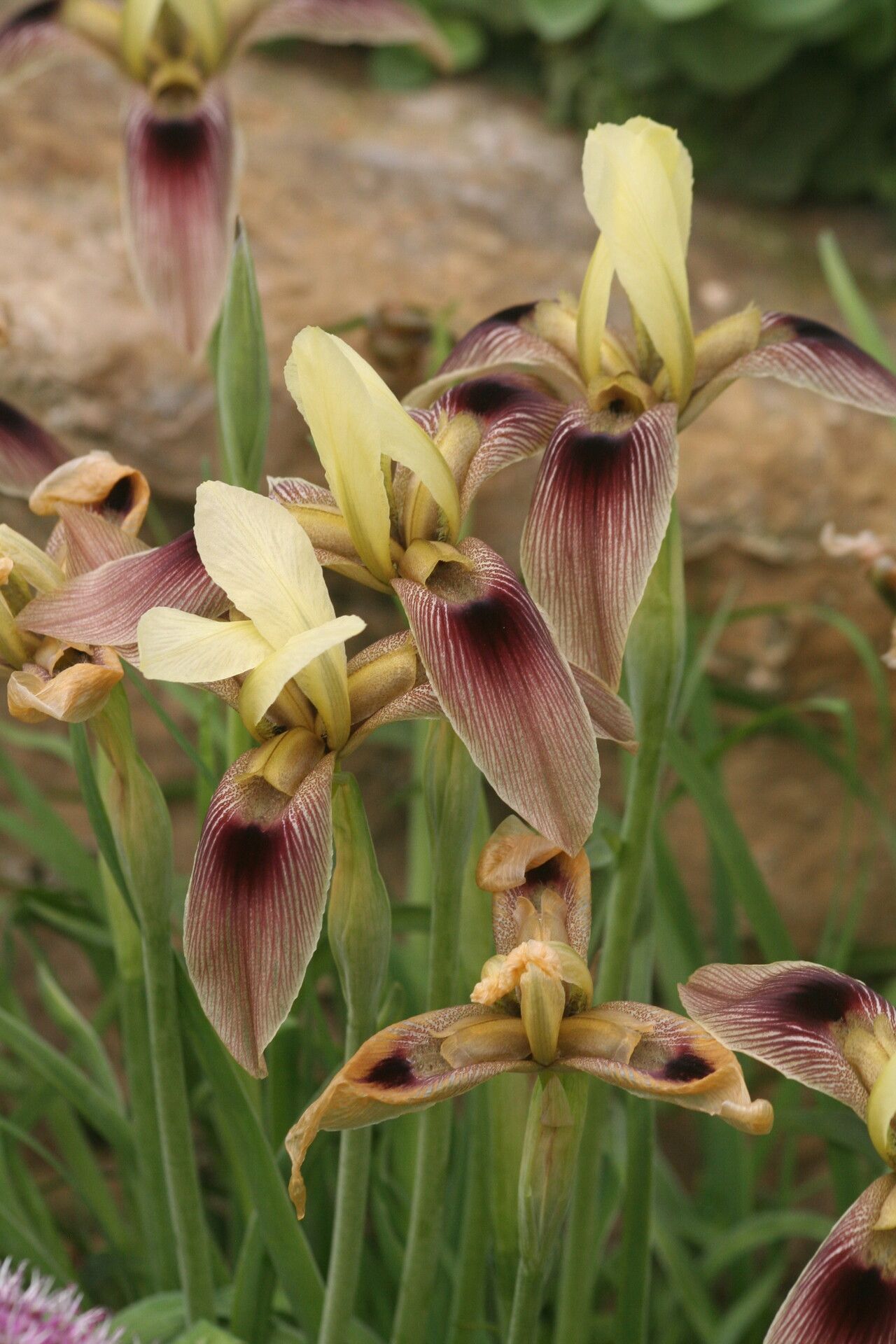
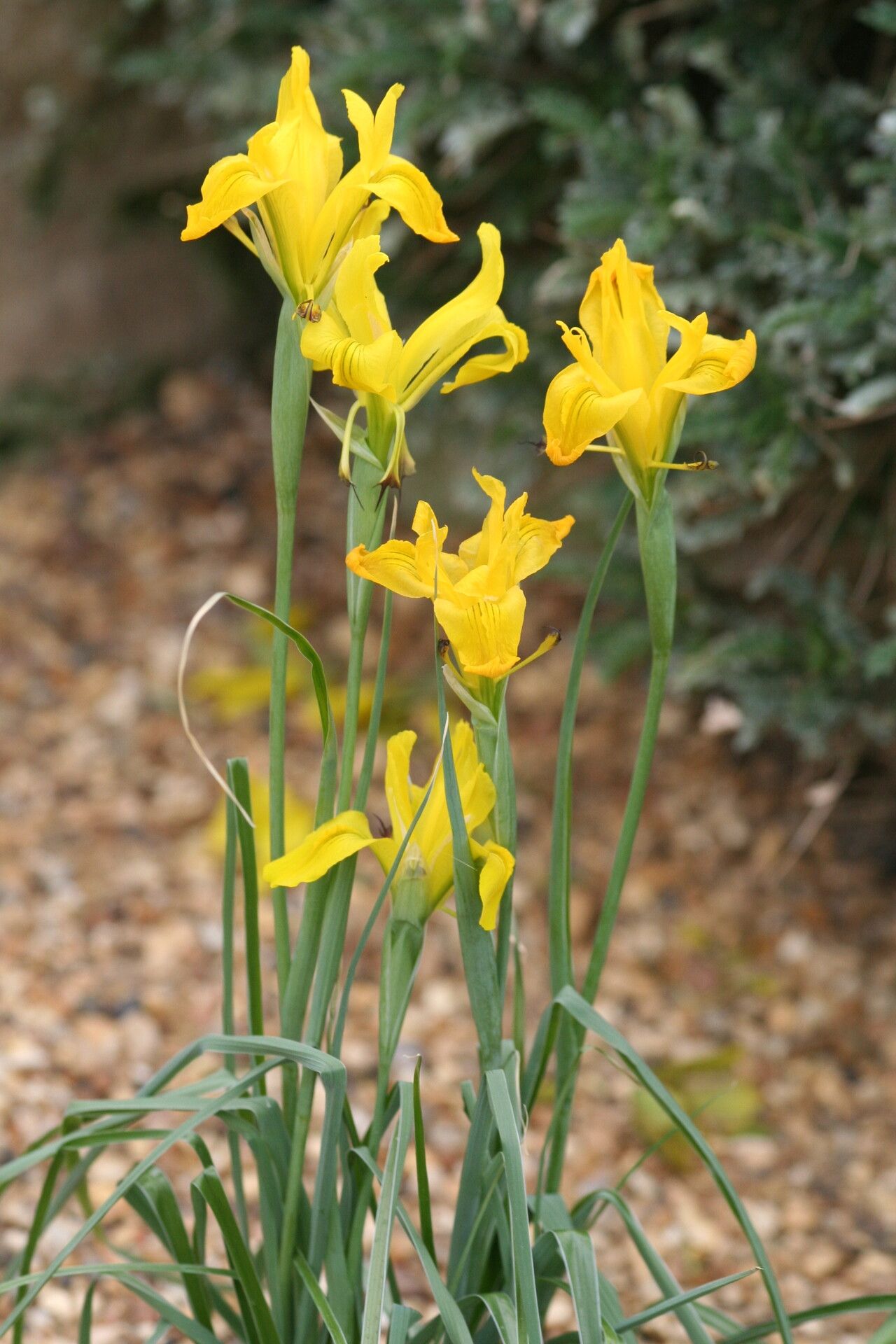
Iris chrysographes, the black iris, is a plant species that belongs to the genus Iris. It is native to Southern China and Myanmar (Burma), growing in meadows, streamsides, hillsides and forest margins.Other irises with black flowers include Iris nigricans (the national flower of Jordan), Iris petrana, Iris atrofusca, Iris atropurpurea, Iris susiana, and some varieties of Iris germanica.
Black iris is fairly disease-resistant and typically not prone to illnesses. However, it can be affected by pests and diseases present in its environment. These issues are usually mild. In terms of care, the plant requires moderate maintenance. It should be pruned regularly to keep a good appearance and support healthy growth. Fertilizing can also help encourage flowering. Black iris is suitable for anyone with outdoor space, such as a garden or patio, and does not demand extensive care experience. It may need more attention when grown indoors.
How to keep Iris Chrysographes.
Light
The black iris does best with plenty of sunlight for vigorous growth. Its native habitat allows it to tolerate partially shaded spots as well. Too much sun can scorch the leaves, while too little light can impede its growth and flowering.
Water
The black iris flourishes in environments with consistent moisture and prefers soil that remains evenly moist. It requires watering once a week but demonstrates a moderate tolerance to drought once it is established. As an outdoor plant, the black iris benefits from seasonal rains, which support its growth cycle and enhance its resilience during periods of fluctuating water availability.
Temperature
Black iris comes from regions where temperatures range from 32 to 95 °F (0 to 35 ℃). Because it favors cool to moderately warm conditions, seasonal adjustments may be necessary in areas with more extreme climates.
Fertilizer
For Black iris, the primary time to fertilize is in early spring when the flowers are forming. The appropriate fertilizer promotes better blooms and helps the Black iris produce attractive flowers. Fertilizing in early spring ensures excellent flowers throughout the season and supplies energy for dormant growth phases.
Pruning
To encourage healthy growth and blooming in black irises, prune them from early to late spring. This will remove dead foliage and stimulate vigorous development. Pruning at this time also enhances summer displays and improves air circulation, helping to prevent disease. Be sure to use clean, sharp tools for precise cuts, minimizing any damage to new shoots.
Botanical profile.
- Plant Type
- Herb
- Life Cycle
- Perennial
- Genus
- Iris
- Family
- Iridaceae
- Hardiness Zone
- 3-9
- Mature Height
- 40 cm to 52 cm
- Mature Spread
- 37 cm to 46 cm
- Leaf Color
- Green
- Leaf Type
- Deciduous
- Flower Color
- Purple, Red, Black
- Flower Size
- 6.35 cm to 10.16 cm
- Bloom Time
- Late spring, Early summer
- Planting Time
- Spring, Summer, Autumn
- Harvest Time
- Mid summer, Late summer
- Native Area
- Myanmar, China
Other names.
Reader questions.
What should I do if I give too much or too little water to my Black iris?
Overwatering is a common issue for Black irises and can lead to wilting, yellowing leaves, and diseases like root rot. It is important to recognize the signs of overwatering and adjust your watering schedule accordingly. If you notice early signs, reduce watering immediately and consider replacing poorly draining soil. Underwatering is less common but can cause brittle, brown leaves. Simply water more regularly if you suspect underwatering.
Why is it necessary for me to add fertilizer to my Black iris plant?
Fertilization plays a crucial role in the growth of the Black iris and other plants, as it provides essential nutrients for both above and below ground development. Although Black irises have relatively low fertilization needs and can sometimes survive without it, annual fertilization greatly benefits the plant. It not only helps the plant survive but also promotes the production of better and longer-lasting flowers. Therefore, to ensure that your Black iris looks its best, consistent annual fertilization is recommended.
What kind of sunlight does Black iris need?
The black iris is a plant that requires full sun every day to stay healthy. It specifically needs at least six hours of sunlight to keep its leaves, roots, and blooms in good condition. While most perennials also need six hours of sunlight each day, there are certain plants like the Orange Daylily or Giant Coreopsis that can survive with only three hours of sun. However, these flowering perennials won't be able to thrive as effectively as they would in sunnier conditions.
What temperature is best for Black iris?
Black iris has specific temperature requirements depending on the time of year. Let's break it down into two seasons: the growing season and the dormancy season. During the growing season, which is when the plant starts to sprout, the ideal temperature range for Black iris is 65-80℉ (18-27℃). If the temperature drops below 15℉(-10℃), the plant may suffer, with brown and wilted leaves. However, if it's just a short period of cold weather, the plant can still survive with some assistance. On the other hand, during the warmer parts of the year, it's important to protect Black iris from temperatures exceeding 95-105℉ (35-40℃). Anything above that can harm the foliage and blooms of the plant, causing wilting, drooping, and even sunburn on the leaves. Recovering from such damage can be challenging for Black iris. Fortunately, there are various simple and fast ways to deal with these temperature-related issues.
How often do I need to give water to my Black iris?
If your Black iris plant is in a pot, the best way to determine if it needs water is by sticking your finger in the soil. If the top two to three inches of soil feel dry, it's time to water. If you are growing your Black iris outdoors in the ground, you can use a similar method to check the soil. Once the first few inches of soil have dried out, it's time to give it water. During spring and early fall, you will likely need to water this plant about once per week using this method. In extremely hot weather, you may need to increase watering to about twice a week or more. However, it's worth noting that mature, well-established Black iris plants can withstand drought well.
When should I fertilize my Black iris plant?
To ensure optimal growth, it is best to fertilize a Black iris during late winter to early spring when it is transitioning from its dormant phase to active growth. Fertilizing during this time kickstarts healthy growth for the season. Alternatively, fertilizing in the fall is also acceptable, but it is not recommended to fertilize during summer or winter.
Can the sun harm Black iris? How can I keep Black iris safe from sunlight and heat damage?
In warm climates, some Perennial Flowering Plants may struggle with excessive heat and suffer from sun damage. They can wilt, dry out, or even experience growth problems if they are consistently exposed to the intense afternoon sun. However, not all plants require protection from the light afternoon sun. For those that are harmed by intense afternoon exposure, it is recommended to provide them with some shade in warmer climates. Gardeners can achieve this by planting these plants in areas that do not receive direct heat during the afternoon, such as under trees or behind bushes.
The first year or young Black iris plants need specific temperatures to grow well.
If you are planting a Black iris outside for the first time, it may need extra care during the coldest months. Frost can cause severe damage and prevent it from growing back in the spring. To protect the plant, you should keep it at a temperature of 40℉ (5℃) or above until it is established. You can achieve this by either bringing the Black iris inside for a month or two or using mulch or fabric barriers to shield it from frost. During the first year or two, it is best to plant the Black iris in a shadier location. Smaller and weaker plants struggle to regulate their own temperature in the heat. Therefore, the Black iris should only receive up to five hours of direct sunlight per day, especially if the daytime temperature exceeds 80℉ (27℃). To control summer heat, use shadecloth and make sure to water or mist the plant frequently.
How frequently should I water my Black iris?
To properly water your Black iris, don't be afraid to give it generous amounts of water. Make sure the top two to three inches of soil are dry before watering. It's best to thoroughly soak the soil, allowing the water to flow out through the drainage holes at the bottom of the pot. If you don't see excess water draining, you may be underwatering. However, be careful not to let water accumulate in the soil as it can harm the plant. On the other hand, if water is not draining well, it could be a sign of poorly draining soil, which is harmful to the plant. Finally, if the Black iris is outdoors, one inch of rain per week is sufficient.
When should I not put fertilizer on my Black iris?
To ensure the health of your Black iris, it's best to fertilize it only in late winter and early spring. This plant has low fertilization needs, so a single annual feeding is sufficient. Fertilizing during spring, summer, and fall can lead to overfertilization and its complications unless you skipped fertilizing in spring, in which case feeding in fall is fine. Also, avoid fertilizing during winter when the Black iris is in a dormant phase and not actively growing.
Should I keep Black iris out of the sun to keep it safe?
Certain perennial plants require ample sunlight to reach their maximum bloom. However, in warmer climates, some of these plants actually benefit from less sun. For instance, individuals residing in hotter regions might find it beneficial to shade their flowering perennials during the intense afternoon sun, especially during summer months. Although many perennial flowering plants prefer partial shade in the hottest climates, there are exceptions. Take the Giant Coreopsis, for example, as it is not bothered by excessive sun exposure. These plants can flourish even when placed in the full sun during scorching weather.
How do I keep Black iris safe from very hot or very cold temperatures?
If cold temperatures below 15℉(-10℃) occur while Black iris plants are growing, there are ways to protect them from frost or cold damage. If you are growing Black iris in a container, simply bring the container inside where it can get bright, indirect light until temperatures rise above the lower threshold. If the Black iris is planted in the ground, you can use mulch or horticultural fabric to create a barrier around the plant that insulates it from frost and cold wind. On days when temperatures are hotter than 80℉(27℃) in the shade, be cautious about exposing Black iris to more than six hours of direct sunlight per day, preferably in the morning. To reduce direct sunlight, you can put up shade cloth or a fine plastic mesh during the hottest parts of the day. Another option is to install a misting system that releases a cooling mist around the base of the plant, which lowers ground temperatures.