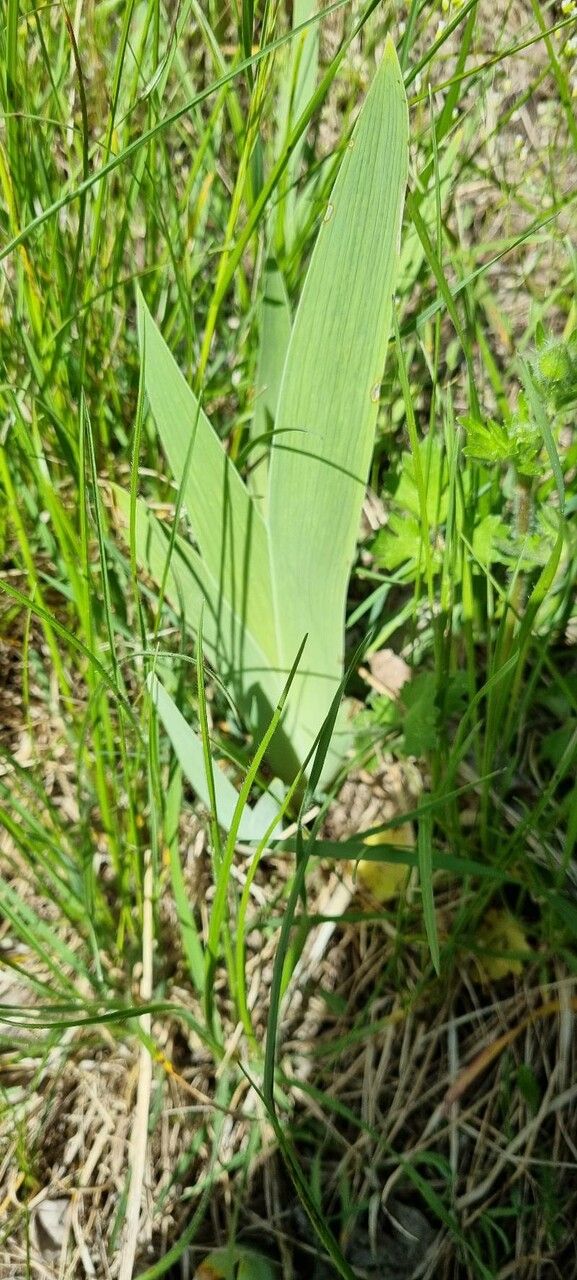
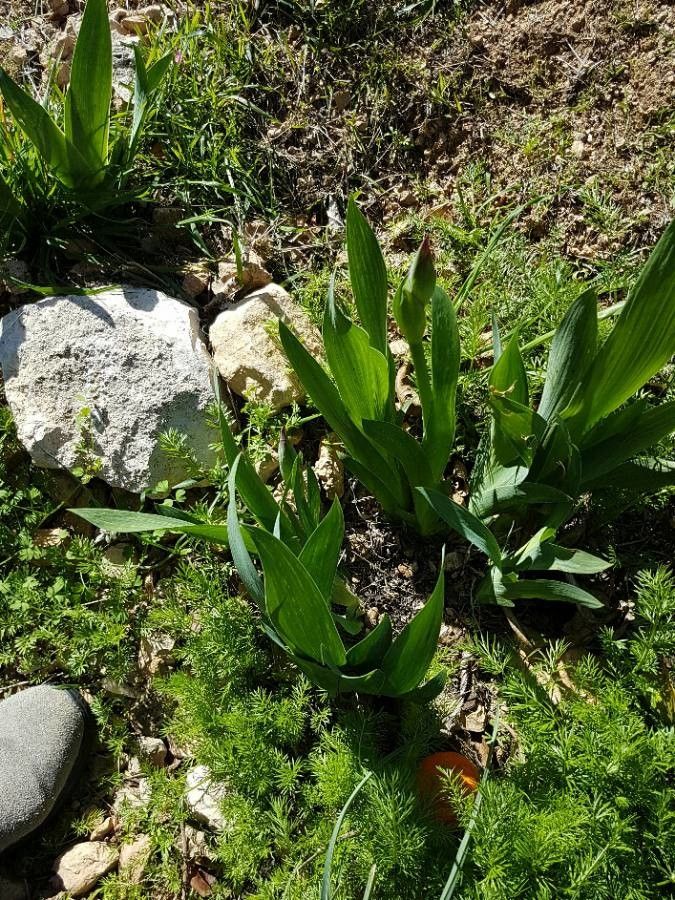
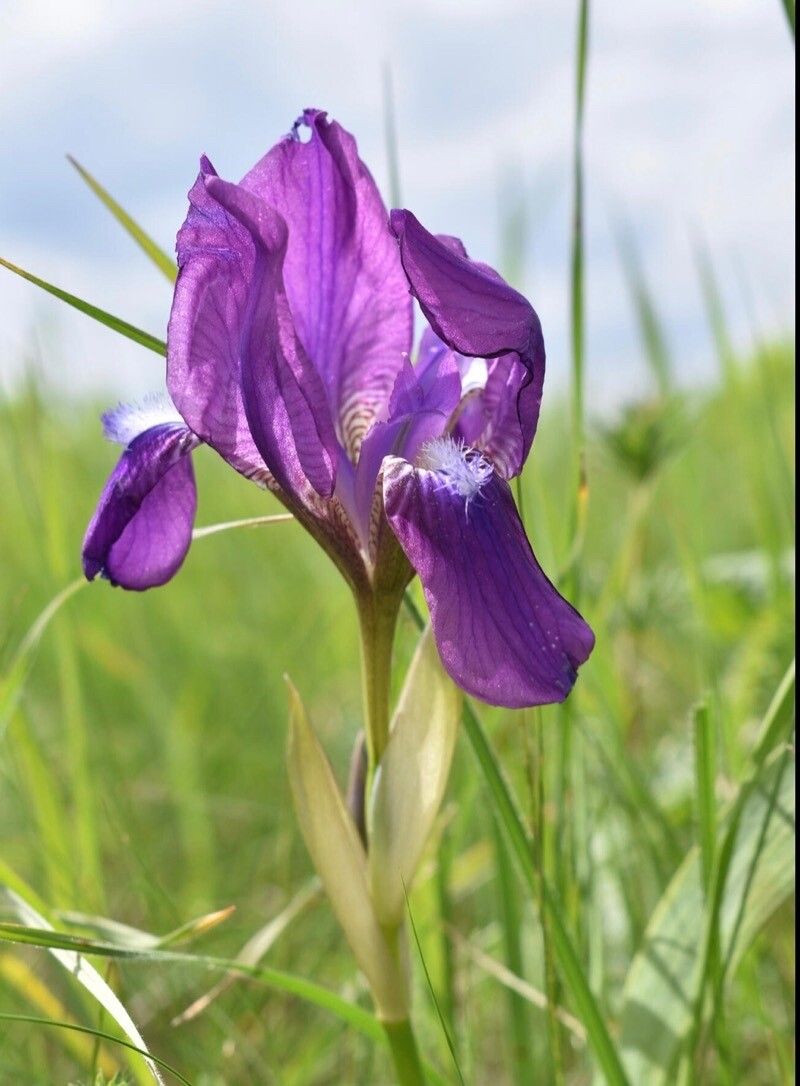
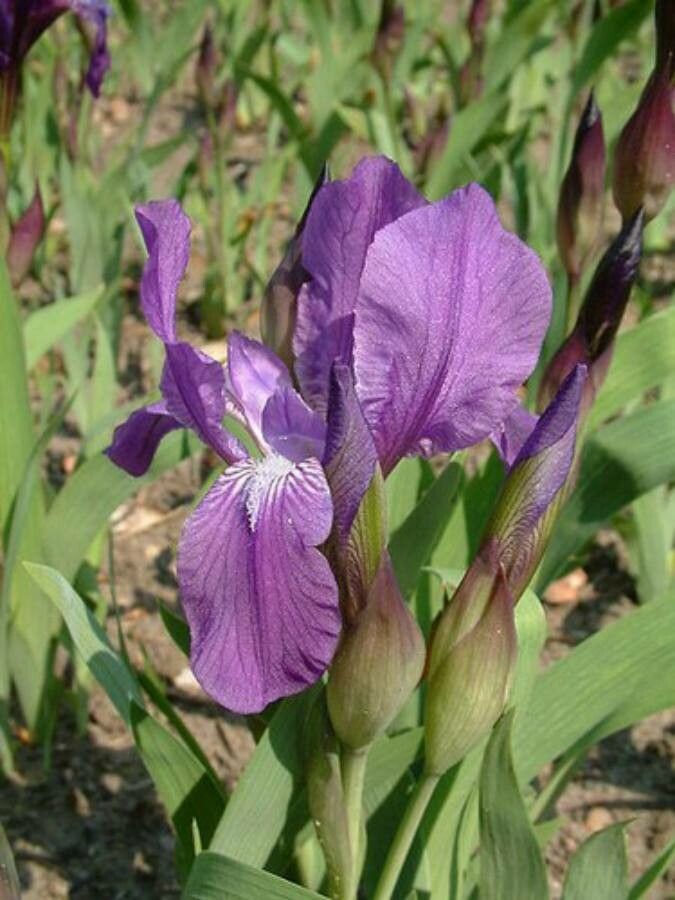
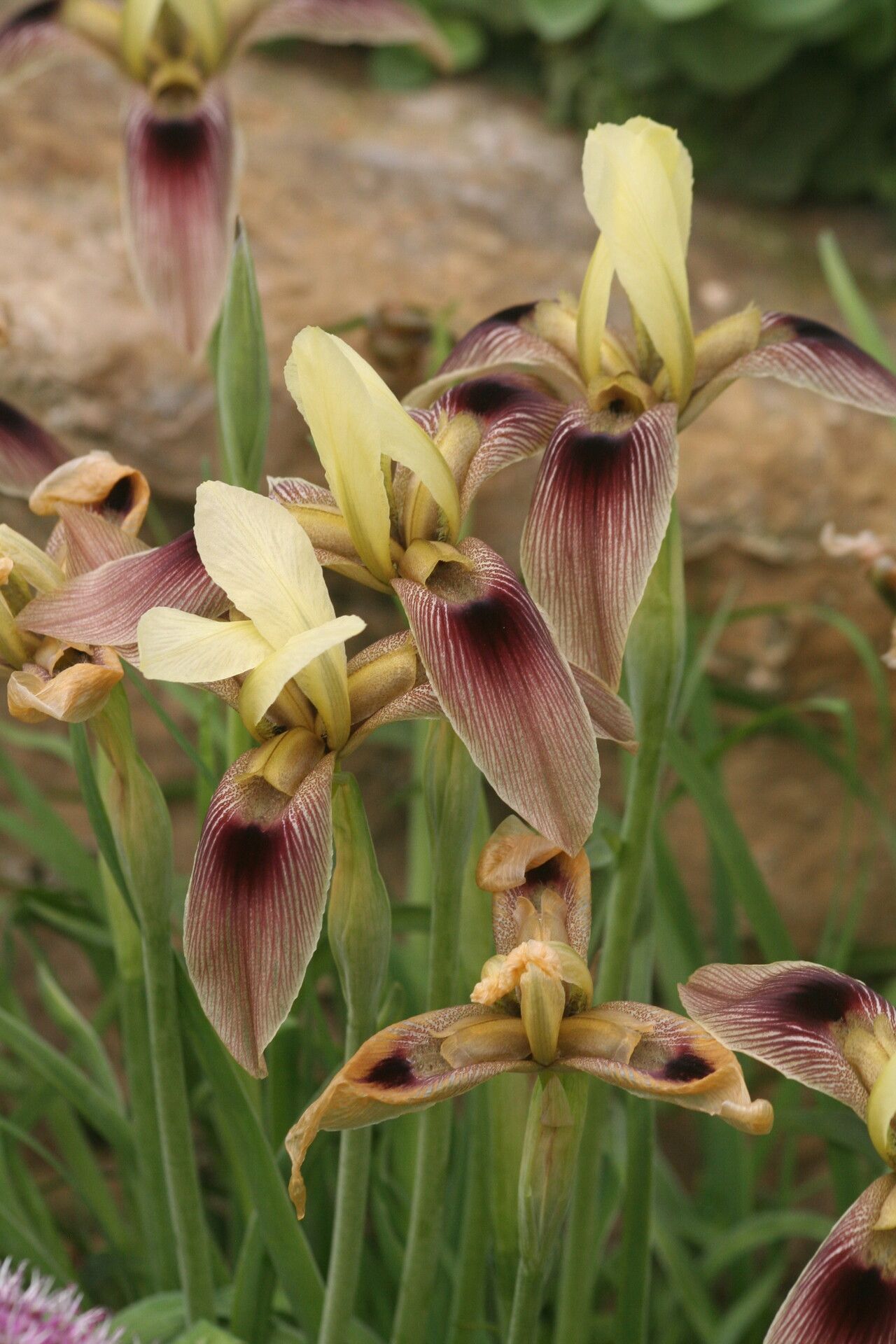
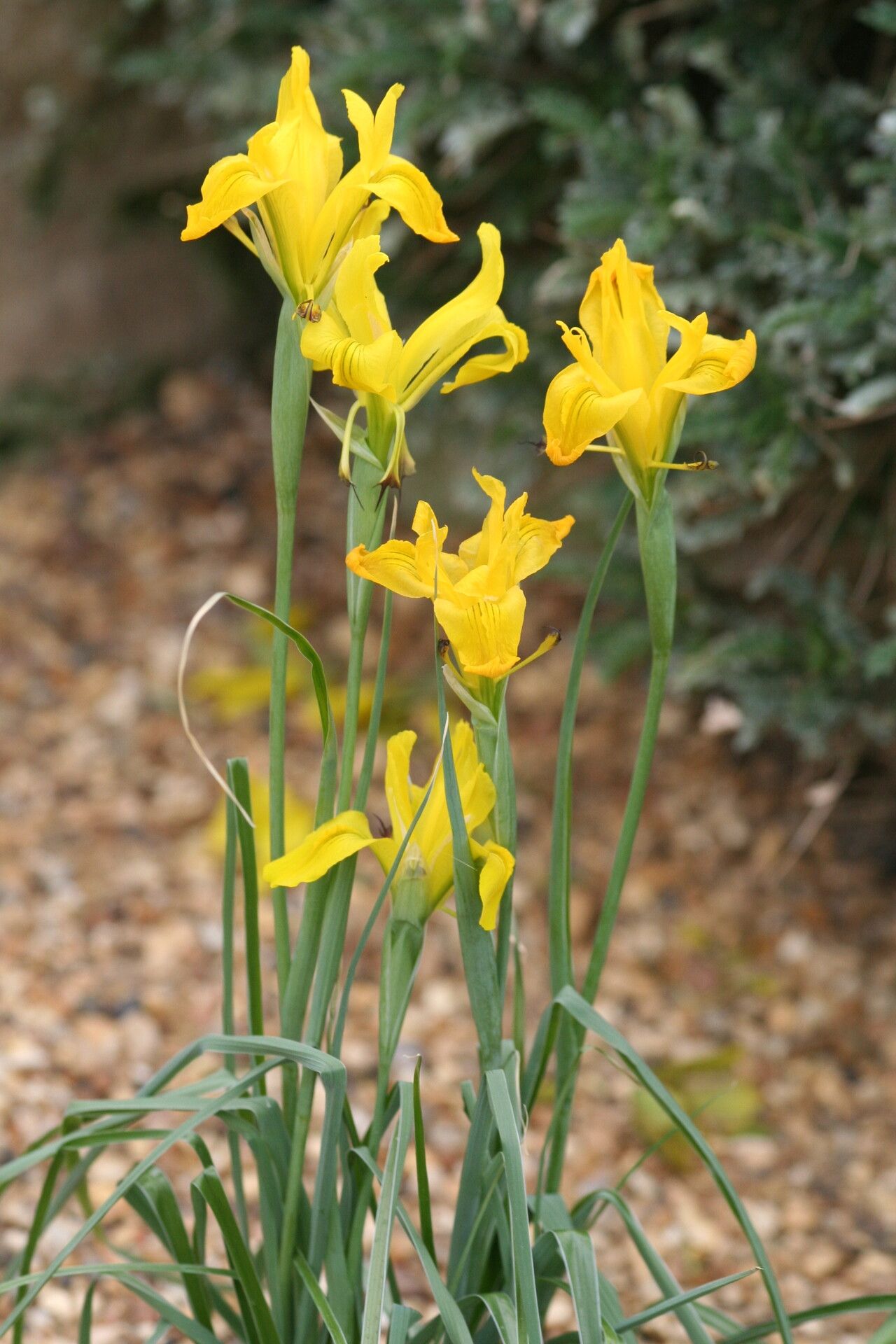
Iris aphylla, commonly known as the Siberian iris, is a herbaceous perennial plant in the family Iridaceae. Native to Europe and Asia, it thrives in wet meadows, marshes, and along riverbanks.
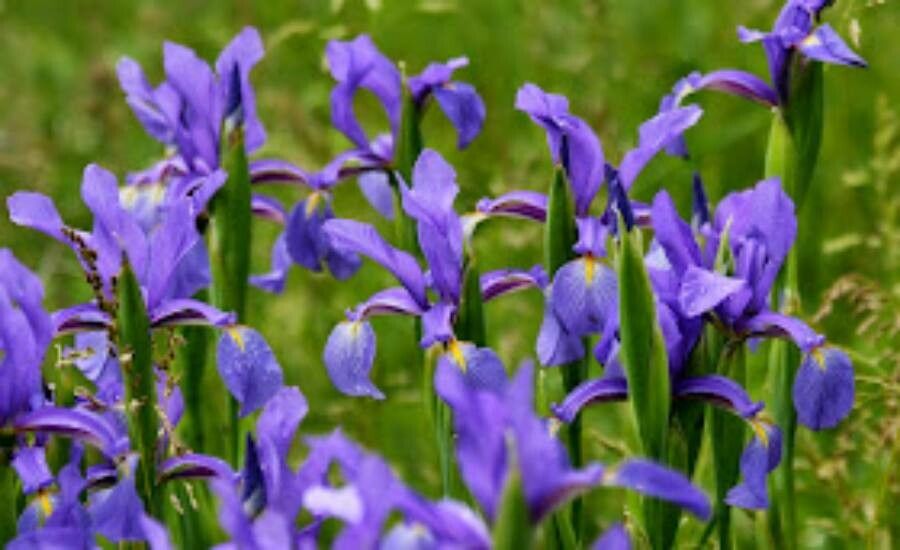
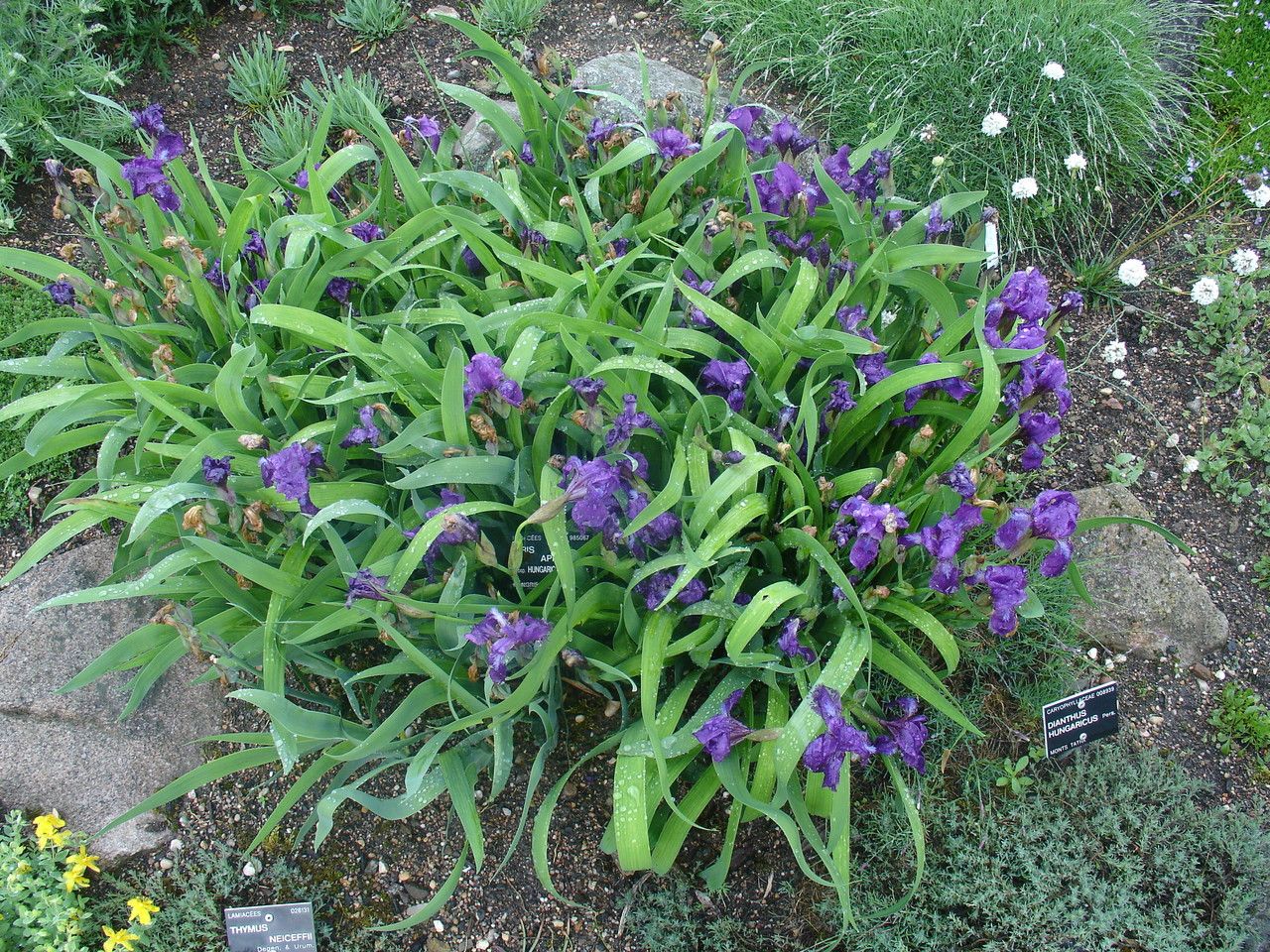
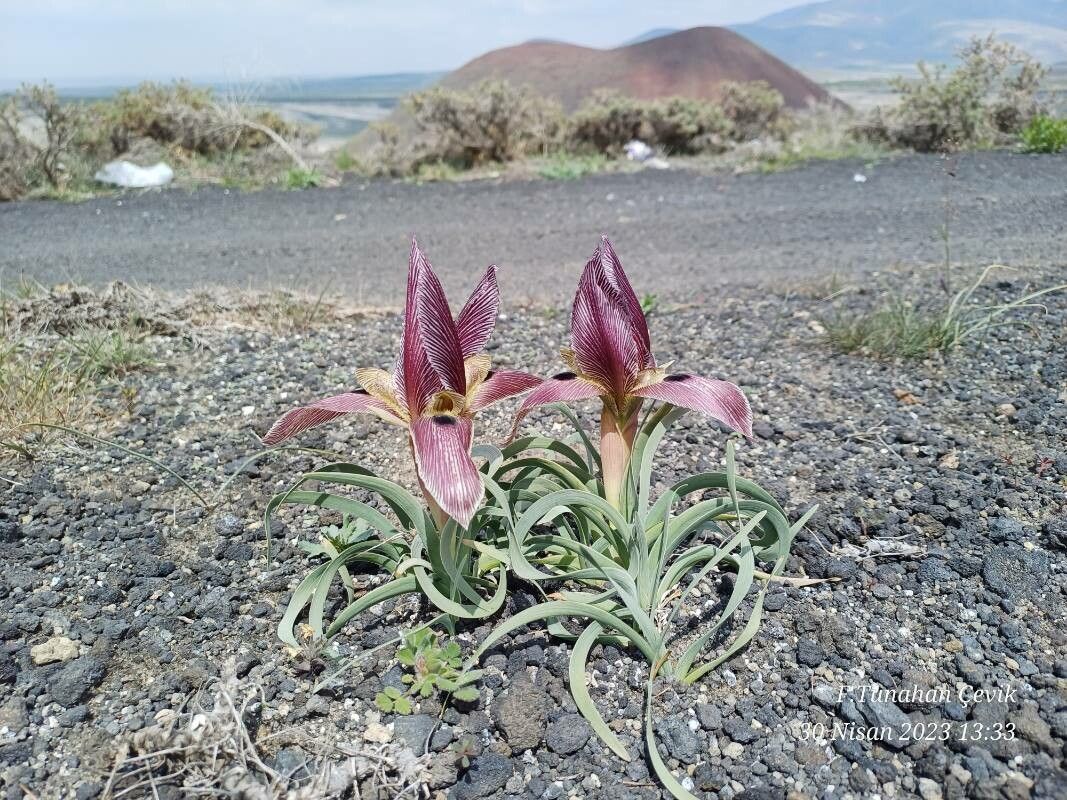
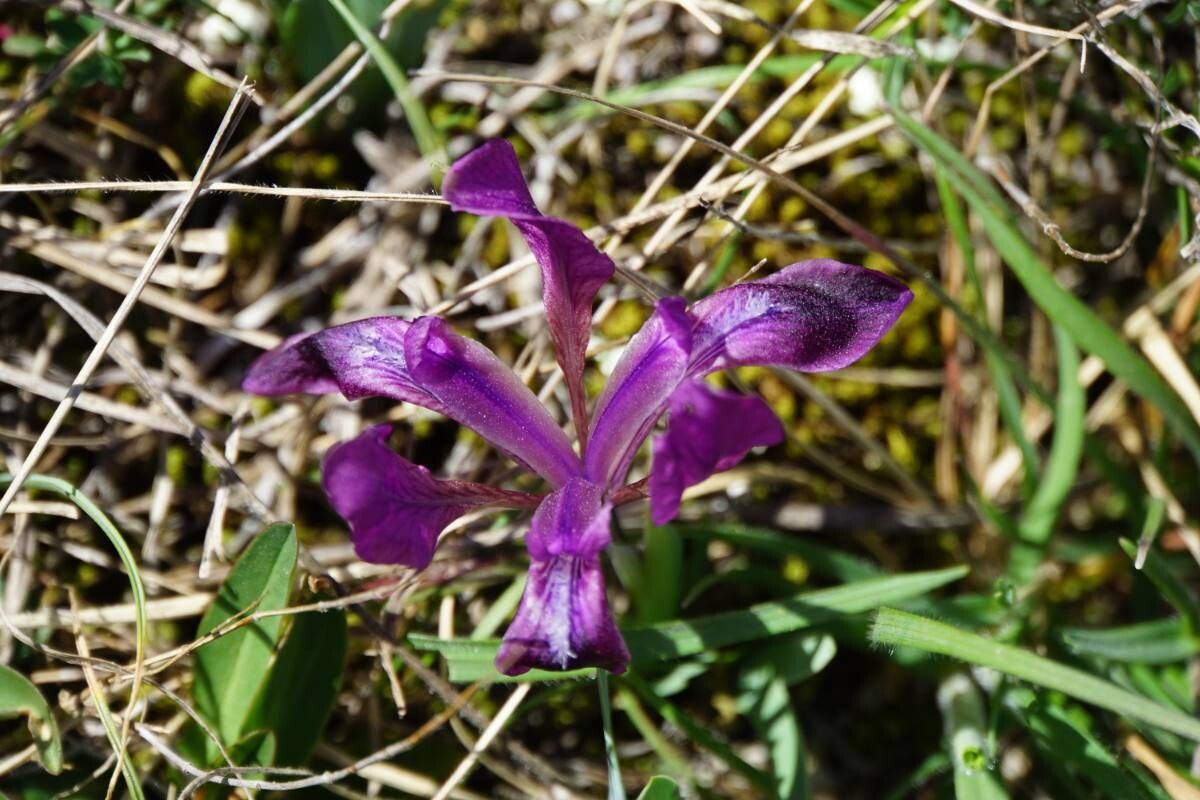
This plant grows up to 60 cm tall and features narrow leaves arranged in a fan-like pattern. The flowers are large and striking, with six petals that appear in shades of blue-violet or purple. They bloom from late spring to early summer on tall stems that rise above the foliage.
Iris aphylla prefers moist soil conditions but can tolerate some drought once established. It is easy to grow and requires minimal maintenance.
For centuries, the plant has been used for its anti-inflammatory properties. Additionally, its roots were historically used as a natural dye for textiles.
Overall, Iris aphylla is an attractive perennial that adds color and interest to any garden or landscape, while also offering some medicinal benefits.
Stool iris is fairly resistant to disease and typically not prone to illnesses. Still, it can be affected by pests and diseases present in its environment, though these problems are generally mild. Regarding care, the plant needs moderate maintenance. It should be pruned regularly to maintain an attractive appearance and healthy growth. Applying fertilizer can also encourage flowering. Stool iris is appropriate for anyone with outdoor space, such as a garden or patio, and does not require extensive care experience. Grown indoors, it may demand more attention.
How to keep Iris Aphylla.
Light
Stool iris does best with full sun for most of the day. It can tolerate moderate shade, but that is not ideal for growth. In the wild, the species flourishes in open, sunny locations. Insufficient light can stunt growth, while excessive exposure may cause dehydration or other damage.
Water
Stool iris thrives in temperate zones and prefers well-drained soil with consistent moisture. To keep it healthy, water it weekly, but also rely on rainwater, which provides natural nutrients that boost its growth during its active season. While it can withstand brief dry periods without significant stress, maintaining regular watering is beneficial.
Temperature
Stool iris is native to habitats with temperatures between 32 °F and 90 °F (0 °C to 32 °C). It favors mild climates and, with proper care, can endure colder conditions.
Fertilizer
The best time to fertilize a Stool iris is in early spring, as it comes out of dormancy and starts active growth. Fertilization supplies the essential nutrients needed for healthy development. Although Stool iris has relatively low fertilizer requirements, applying fertilizer annually can improve its survival and encourage better, longer-lasting flowers.
Pruning
Pruning stool iris from early to late spring encourages healthy growth. To improve their appearance and prevent seed formation, remove any dead foliage and cut the spent flower stalks down to the base. Deadheading can also extend the flowering period. Pruning after flowering also helps prepare the stool iris for the next growth cycle, boosting their vigor and reducing the risk of disease.
Botanical profile.
- Plant Type
- Herb
- Life Cycle
- Perennial
- Genus
- Iris
- Family
- Iridaceae
- Hardiness Zone
- 3-8
- Mature Height
- 15 cm to 20 cm
- Mature Spread
- 30 cm
- Leaf Color
- Green, Dark Green
- Leaf Type
- Deciduous
- Flower Color
- Purple
- Flower Size
- 4.06 cm to 6.35 cm
- Bloom Time
- Mid spring, Late spring
- Planting Time
- Summer, Autumn
- Harvest Time
- Early summer, Mid summer
- Native Area
- Russia, Germany, Italy, Serbia, Czech Republic, Slovakia, Romania, Moldova, Albania, Poland, Hungary, Ukraine, Belarus, France
Other names.
Reader questions.
How should I water my Stool iris plant?
To properly water the Stool iris, follow these steps for best results. First, use filtered water at room temperature or slightly warmer. This is important because tap water can have harmful particles. Since the Stool iris is used to a warm environment, cold water can be a shock to its system. Additionally, avoid overhead watering as it may cause problems with the foliage. Instead, focus on watering the soil directly. Use your filtered, room temperature water to thoroughly soak the soil. This helps the roots stay moist and spread out to collect the necessary nutrients.
Why is it important to put fertilizer on my Stool iris plant?
Fertilization is important for the growth of Stool iris and other plants as it provides essential nutrients for both above and below ground. While the fertilization needs of Stool iris are generally low, annual fertilization can greatly benefit the plant by improving its overall health and promoting the growth of vibrant flowers. Therefore, those wanting their Stool iris to look its best should regularly fertilize the plant.
What are the sunlight requirements for Stool Iris?
Stool Iris, or Iris aphylla, flourishes when it has comprehensive exposure to sunlight for the majority of the day but is also tolerant of moderate shade. Ideally, it thrives in conditions of full sun, defined as receiving above 6 hours of sunlight per day, or partial sun, which is about 3-6 hours of sunlight. Ensuring the right balance of light and shade is crucial for the plant's health, as warned that observing the movement of sunlight through one's garden to find the perfect spot is key. Inadequate sunlight may stunt the plant's growth, while too much can lead to dehydration or damage.
What is the native climate for Stool Iris?
Stool iris, with its botanic name Iris aphylla, thrives in environments where temperatures range from 32 °F to 90 °F (0 °C to 32 °C). It is best suited to mild climates but has a strong resistance to cold, meaning it can tolerate colder temperatures with the proper care.
What do I do if I give my Stool iris plant too much or too little water?
Overwatering is a more common issue than underwatering for Stool iris plants, and it can cause wilting and yellowing of the stems and leaves. Overwatering over a long period can also lead to diseases like root rot, mold, and mildew, which can be fatal for the plant. While Stool iris plants are not prone to underwatering, it can still happen and cause brittle, brown leaves. It's important to identify signs of overwatering early on because some of the resulting diseases, like root rot, may not be reversible if left untreated. If you notice signs of overwatering, reduce your watering schedule and consider replacing the poorly draining soil with a loose, well-draining potting mix. If your Stool iris shows signs of underwatering, simply water more regularly until the signs improve.
When should I fertilize my Stool iris?
The best time to fertilize a Stool iris is in late winter to early spring when the plant is transitioning from dormancy to active growth. Fertilizing during this time promotes healthy growth and sets the plant up for a successful season. While early spring is preferred, fertilizing in the fall is also acceptable. However, it is not recommended to fertilize a Stool iris during summer or winter.
How can artificial lighting supplement sunlight for Stool Iris?
When natural sunlight is insufficient for Stool Iris, especially in indoor settings or during less sunny seasons, artificial lighting can be a significant supplement. Suitable artificial lights promote healthier and faster growth by providing the necessary wavelengths of light. LED lights are recommended due to their ability to mimic natural sunlight and be customized to plant needs. The intensity of light required varies: full sun plants need 30-50W/sq ft, partial sun plants need 20-30W/sq ft, and full shade plants require 10-20W/sq ft. The light source should be placed 12-36 inches above the plant and should be on for 8-12 hours per day to imitate natural sunlight conditions.
How does Stool Iris cope with cold weather?
Stool iris has a remarkable tolerance for cold. Special frost protection measures are generally not necessary. However, if temperatures are expected to plummet below -35°C, it's crucial to provide some form of cold protection, such as covering the plant with soil or straw. Additionally, before the onset of the first freeze in autumn, watering the plant generously to maintain moist soil can be beneficial. This preparation helps prevent drought and ensures the plant has access to water during the winter and early spring.
How frequently should I give water to my Stool iris plant?
If you have a potted Stool iris, you can check if it needs water by sticking your finger into the soil. If the top two to three inches of soil are dry, it's time to water it. The same method can be used if you have a Stool iris planted in the ground. During spring and early fall, watering once a week should be enough. However, in very hot weather, you might need to water it twice or more per week. It's worth noting that mature and well-established Stool irises are quite resilient and can handle some drought.
When should I not use fertilizer on my Stool iris?
To properly care for your Stool iris, it is best to only fertilize it during late winter and early spring. This plant has low fertilization needs, so one annual feeding is enough. Fertilizing during spring, summer, or fall can lead to overfertilization and complications. However, if you missed fertilizing in spring, it is acceptable to feed the plant in fall. Additionally, there is no need to fertilize the Stool iris during winter since it is in a dormant growth phase and won't produce new growth.
What are the symptoms of inappropriate light exposure in Stool Iris?
Inappropriate light exposure, either too much or too little, can cause various symptoms in Stool Iris. Insufficient light may lead to smaller leaves, leggy or sparse growth, faster leaf drop, slower or no new growth, and lighter-colored new leaves. Too much sunlight can cause chlorosis, where leaves lose their green color, sunscald with visible damage on leaves or stems, leaf curling as a defense mechanism against excessive sunlight, wilting due to rapid water loss, and leaf scorching characterized by brown, dry edges or patches on leaves. These symptoms indicate the plant's struggle to adapt to its lighting environment.
How should I care for Stool Iris in low temperatures?
In extremely low temperatures, below -35°C, Stool iris shows incredible resilience, although its sprouting can be affected during the winter. There may be a noticeable decrease in sprouting, or in some cases, no sprouting at all come springtime. In such situations, it is advisable to remove any parts of the plant that have failed to sprout as part of your spring care routine.