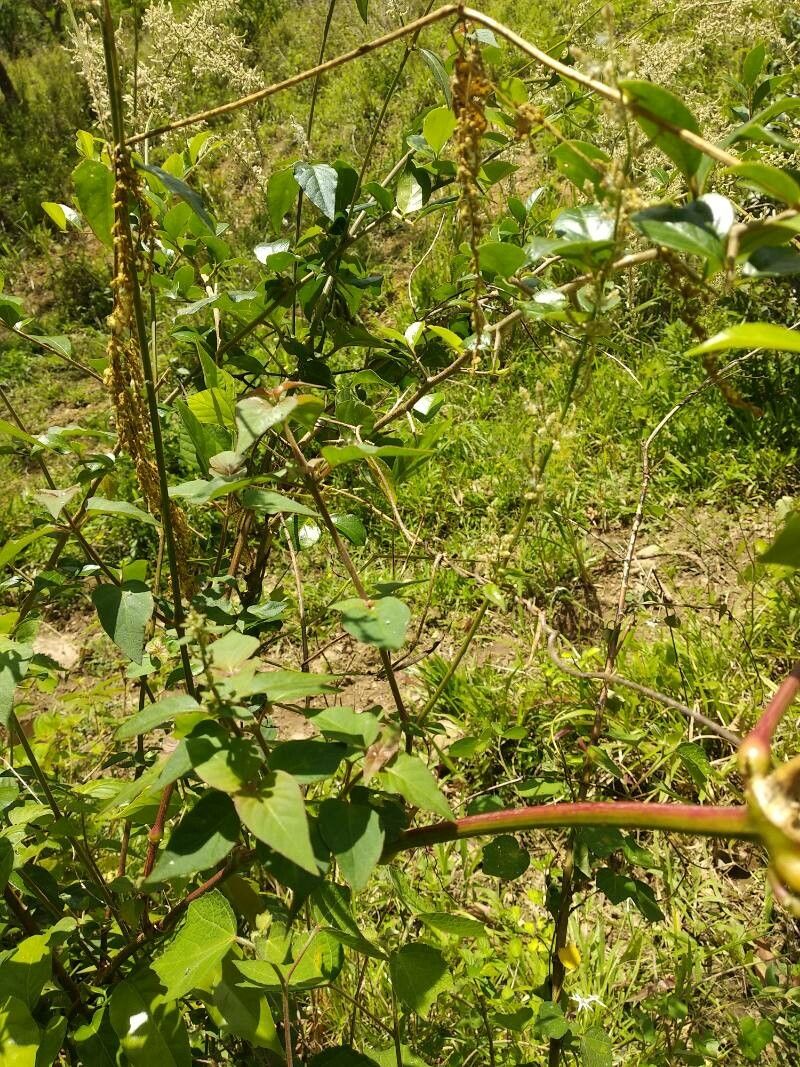
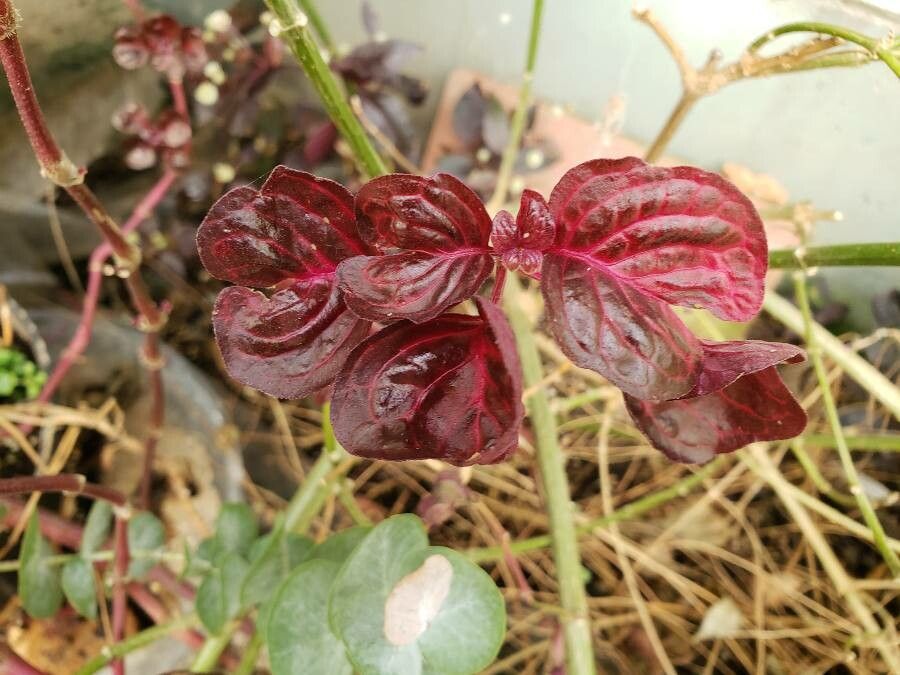
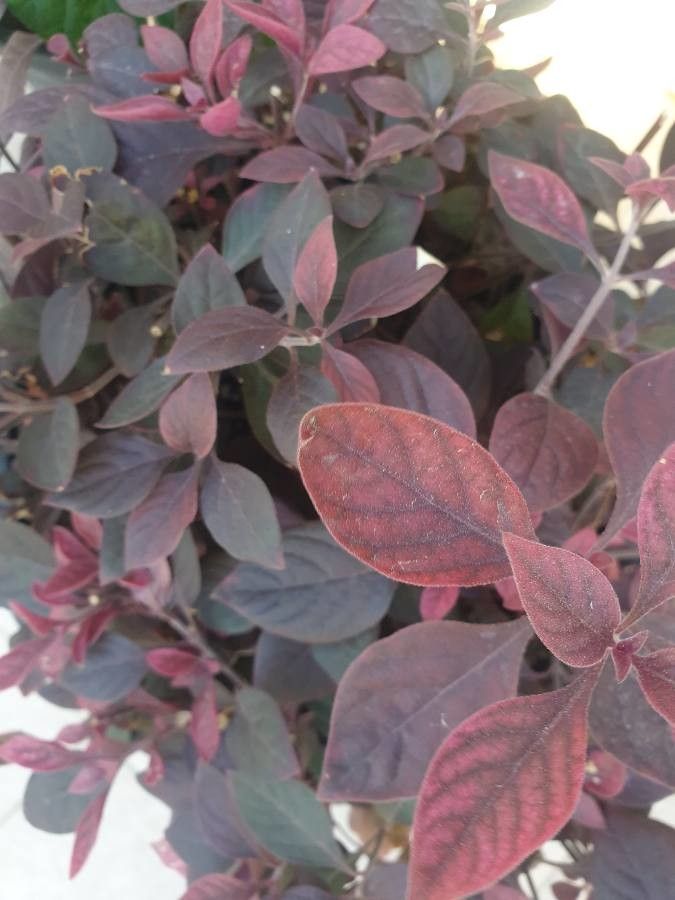
Iresine rhizomatosa is a species of plant in the family Amaranthaceae. It is native to the Americas. In the United States, it has a spotty distribution, being concentrated in the Ozark and Ouachita Mountains and along the coast. It is often found in thin woods over sandy alluvial soil, often along rivers or dunes. It is a rhizomatous perennial that produces white flowers in the fall. It is dioecious, with male and female flowers on separate individuals.
Juda's bush has strong resistance to disease and is generally not vulnerable to illnesses. Still, it can be affected by pests and diseases present in its environment. When infections do occur, they are typically mild. For care, this plant requires a moderate level of upkeep. It should be pruned regularly to preserve a neat appearance and support healthy growth. Applying fertilizer can also encourage more flowering. Juda's bush is well suited for anyone with outdoor space, such as a garden or patio, and does not demand extensive plant-care experience. It may need more attention if kept indoors.
How to keep Iresine Rhizomatosa.
Light
Juda's bush grows best in warm sunlight and prefers ample, consistent rays. Though it originates from sun-soaked habitats, it is hardy enough to tolerate spots with less light or even shade. Provide plenty of light for optimal growth.
Water
Juda's bush thrives in humid conditions and needs consistent moisture to stay healthy. Water it weekly to ensure it remains well-hydrated. During its active growing season, it can particularly benefit from rainwater, which promotes better health and growth.
Temperature
Juda's bush is a temperate woody species that favors a temperature range of 59℉ to 95℉ (15℃ to 35℃). It grows naturally in areas where average temperatures fall within that range and tolerates temperature fluctuations well. During colder months, it can benefit from supplemental heat or grow lights to maintain optimal growth.
Fertilizer
Usually one fertilizing in spring is enough for Juda's bush, although several feedings can help it grow more. Apply fertilizer about every month to every month and a half. Fertilizing improves the leaves' appearance and function, helping maintain even color and a healthy texture. It also encourages root development and better nutrient uptake for the plant's long-term health.
Pruning
Pruning Juda's bush effectively is key to its health and appearance. By removing damaged stems and thinning out overcrowded branches, you can improve airflow and encourage robust growth. The best times for pruning are early to late spring. Regular pruning helps maintain an attractive shape, prevents legginess, and promotes overall plant health. Remember to sterilize your tools before you start, and make your cuts just above the leaf nodes for best results.
Botanical profile.
- Plant Type
- Herb
- Life Cycle
- Perennial
- Genus
- Iresine
- Family
- Amaranthaceae
- Hardiness Zone
- 8-10
- Mature Height
- 30 cm to 91 cm
- Mature Spread
- 61 cm to 91 cm
- Leaf Color
- Green, Blue
- Leaf Type
- Evergreen
- Flower Color
- White
- Flower Size
- 0.10 cm to 0.13 cm
- Bloom Time
- Late summer, Early fall, Mid fall
- Planting Time
- Spring, Summer, Autumn
- Harvest Time
- Mid fall, Late fall, Early winter
- Native Area
- Colombia, Paraguay, Mexico, Bolivia, Venezuela, Peru, Guyana, Ecuador, Suriname
Other names.
Reader questions.
How should I water my Juda's bush?
To properly water the Juda's bush, it is recommended to use filtered water at room temperature. Tap water may contain harmful particles that could affect the plant's health. It is important to consider the temperature of the water, as the Juda's bush is accustomed to warm environments and cold water may be stressful for it. It is best to avoid overhead watering, as it can lead to issues with the foliage. Instead, water the plant by applying filtered room temperature water directly to the soil until it is completely saturated. This ensures that the roots are properly moistened and can spread through the soil to absorb necessary nutrients.
Why should I put fertilizer on my Juda's bush?
The Juda's bush has leaves that play a crucial role in its overall structure. Fertilization is key to ensuring that these leaves not only look amazing but also function effectively. By properly fertilizing, you can maintain consistent leaf color and a healthy texture. Fertilization also supports the development of new roots and the maintenance of existing ones below the soil's surface. This means that fertilization not only keeps your plant healthy presently but also enhances its ability to absorb soil nutrients for the future.
What kind of sunlight does Juda's bush need?
Juda's bush requires full sun every day, with at least six hours of sunlight to keep its leaves, roots, and blooms healthy. While most perennials also need six hours of sunlight, certain plants like the Orange Daylily or Giant Coreopsis can survive with only three hours of sun each day. However, these flowering plants won't thrive as much as they would in sunnier conditions.
What temperature is best for Juda's bush?
Plants are affected by colder temperatures because they adjust to match the air around them. When plants are in the sun, they can warm up, but this doesn't happen in winter. The Juda's bush typically thrives in temperatures between 70-85℉ (21-30℃). It may tolerate 20-30℉ (-6-0℃) or even 15℉ (-10℃), but not for extended periods as it can lead to frost damage. To keep the Juda's bush healthy, it's important to maintain temperatures within the 70-85℉ (21-30℃) range, and regularly spray them with water and provide shade to prevent wilting.
What should I do if I give too much or too little water to my Juda's bush?
Overwatering is a common issue that can harm your Juda's bush. It causes wilting, yellowing of leaves, and can lead to diseases like root rot, mold, and mildew. Underwatering is less common but still possible. It can cause brittle, brown leaves. It's important to notice signs of overwatering early because some diseases may not be treatable if you wait too long. Reduce watering if you see signs of overwatering and check the soil's drainage. Replace poorly draining soil with a loose, well-draining potting mix. If your Juda's bush needs more water, increase your watering schedule until the signs of underwatering subside.
When should I fertilize my Juda's bush?
If you grow your Juda's bush outdoors, it will send out new growth in early spring as a sign that it's time to fertilize. A single application of fertilizer in spring is usually enough, but if you want maximum growth, you can fertilize multiple times throughout spring and early summer. In this case, you can feed your Juda's bush once every month to a month and a half.
Can the sun harm Juda's bush? How can Juda's bush be protected from sun and heat damage?
In warm climates, some Perennial Flowering Plants may struggle with excessive heat and suffer from sun damage. They can wilt, dry out, or even experience growth problems if they are consistently exposed to the intense afternoon sun. However, not all plants require protection from the light afternoon sun. For those that are harmed by intense afternoon exposure, it is recommended to provide them with some shade in warmer climates. Gardeners can achieve this by planting these plants in areas that do not receive direct heat during the afternoon, such as under trees or behind bushes.
Do I need to change the temperature for Juda's bush at different stages of growth?
To optimize the growth of Juda's bush, it is important to consider the right temperature. Some growers may choose to lower the plants' thermostats during the growing season to save on HVAC costs. However, it is crucial to understand that temperature can impact flowering, pest management, and overall plant quality. During winter, some species of Juda's bush may enter a dormant state, causing growth to stop at a certain temperature point. As the seasons change, the base temperature rises, leading to faster growth for Juda's bush. It is worth noting that species naturally found in warmer habitats have higher optimum temperatures compared to those adapted to cooler climates. Exposing Juda's bush seeds to cool temperatures can lead to reduced uniformity and delays in growth. Lowering the temperature during flowering may be beneficial but not during other phases. Additionally, cooler nighttime temperatures require less water, so irrigation adjustments may be necessary.
How often should I water my plant called Juda's bush?
If your Juda's bush is in a pot, the most accurate way to determine if it needs water is to stick your finger into the soil. If the top two to three inches of soil are dry, it's time to water. If your Juda's bush is planted in the ground outdoors, you can use the same method to test the soil. Once again, if the top few inches of soil have dried out, it's time to water. During spring and early fall, watering about once a week is often sufficient. However, when it's extremely hot, you may need to water twice a week or more. It's worth mentioning that mature, well-established Juda's bushes have a remarkable ability to endure drought.
When is the best time to not put fertilizer on my Juda's bush?
During late fall and winter, your Juda's bush goes into a dormant phase where it stops growing. So, it's best not to fertilize it during this period. In spring and summer, if you choose to fertilize your Juda's bush multiple times, you should start reducing the amount of fertilizer as summer approaches because its growth rate slows down as well. It's important to remember that it's never a good idea to fertilize your Juda's bush when the weather is excessively hot or the soil is very dry. Fertilizing in these conditions can stress the bush and cause it to die prematurely.
Should I make sure Juda's bush doesn't get too much sun?
Certain perennial plants require ample sunlight to reach their maximum bloom. However, in warmer climates, some of these plants actually benefit from less sun. For instance, individuals residing in hotter regions might find it beneficial to shade their flowering perennials during the intense afternoon sun, especially during summer months. Although many perennial flowering plants prefer partial shade in the hottest climates, there are exceptions. Take the Giant Coreopsis, for example, as it is not bothered by excessive sun exposure. These plants can flourish even when placed in the full sun during scorching weather.
How can I make sure Juda's bush stays warm during the cold seasons?
To help the Juda's bush better withstand colder temperatures, stop fertilizing it to prevent new growth and allow established growth to become hardier. To keep the plant warm, consider building structures such as cages or trellises around it. Additionally, using heat mats to gently warm the soil can create an ideal temperature range for the Juda's bush.