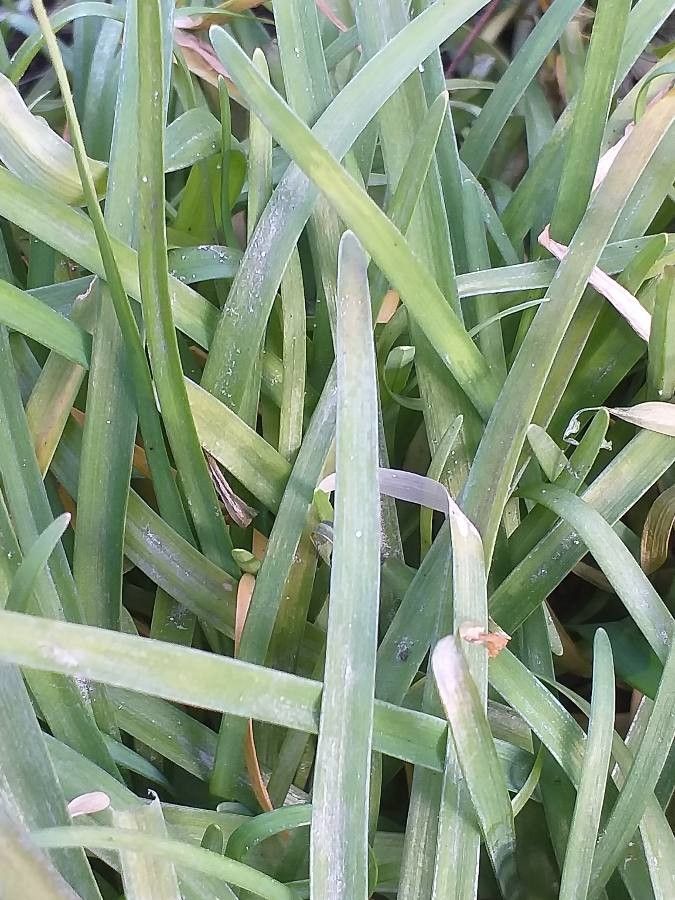
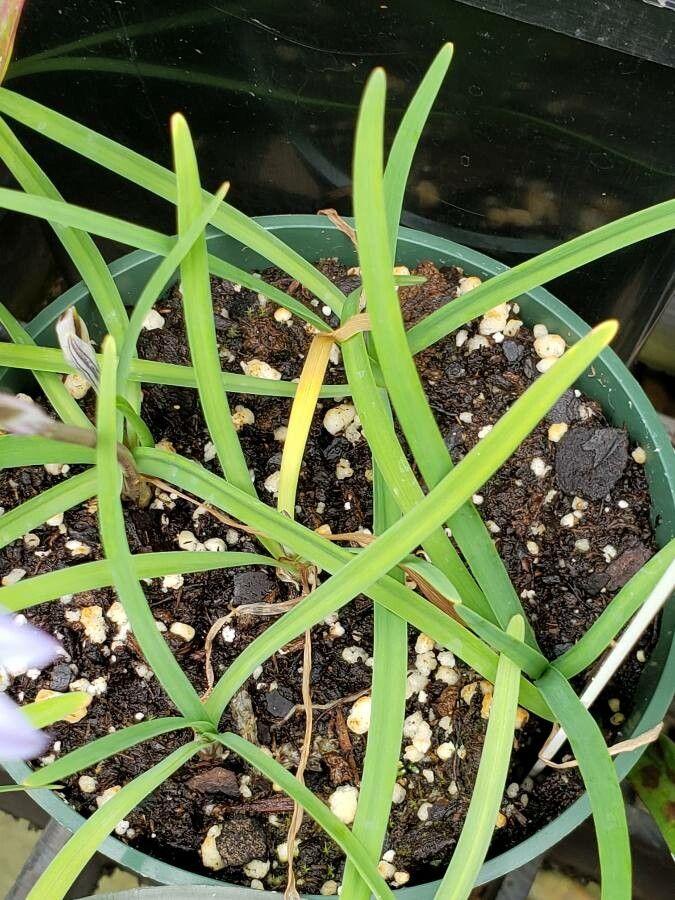
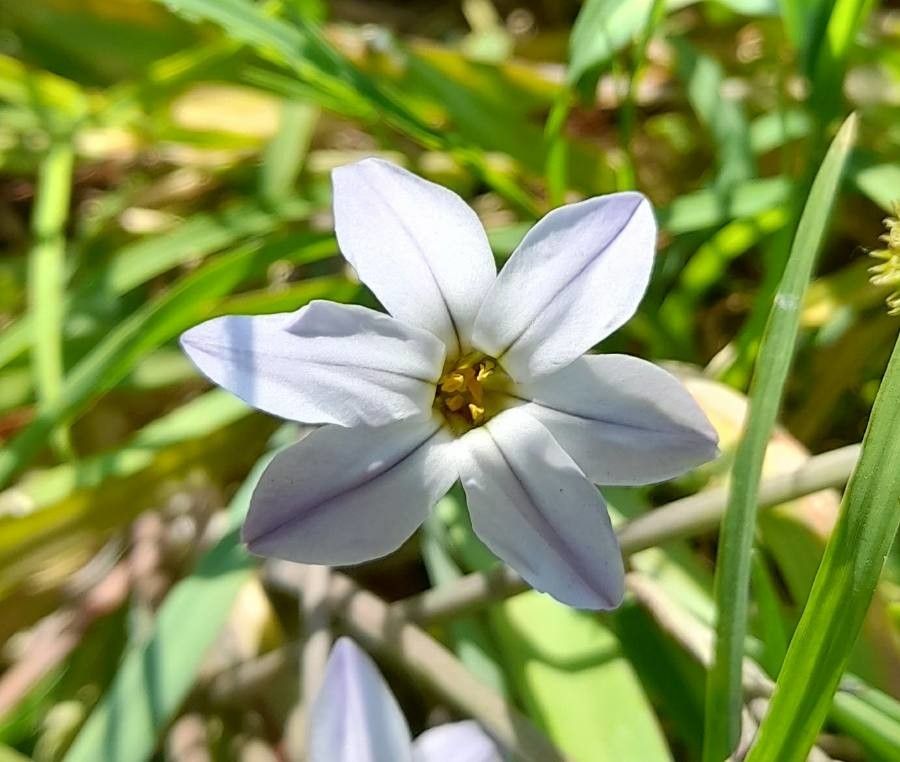
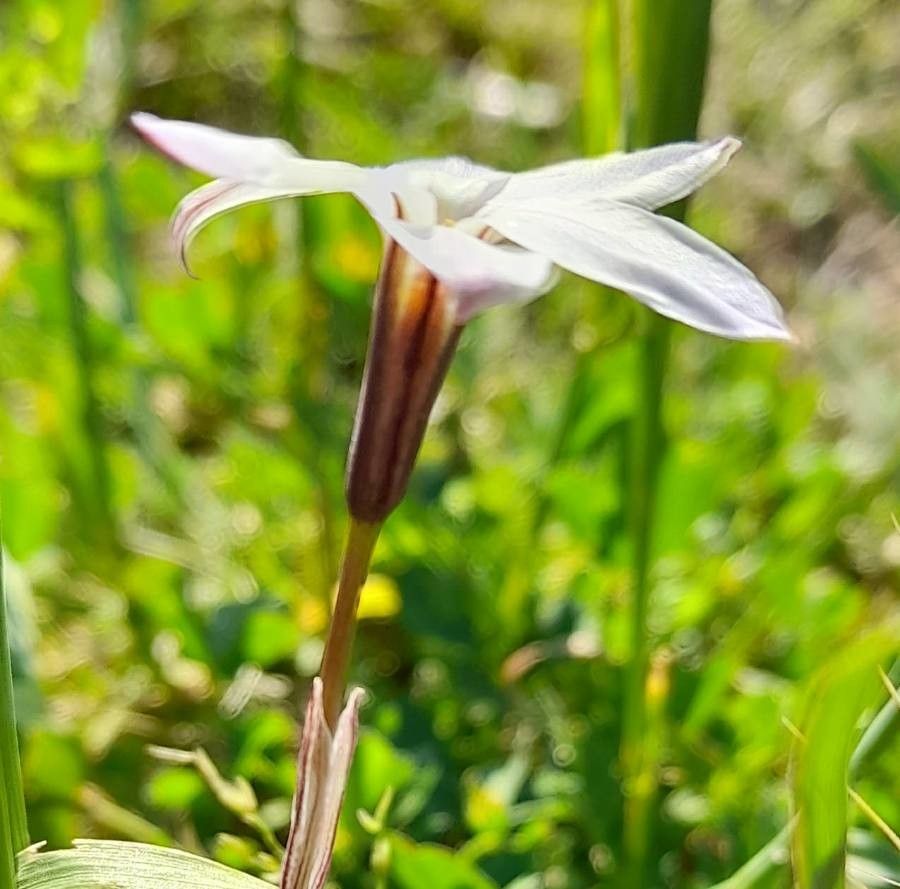
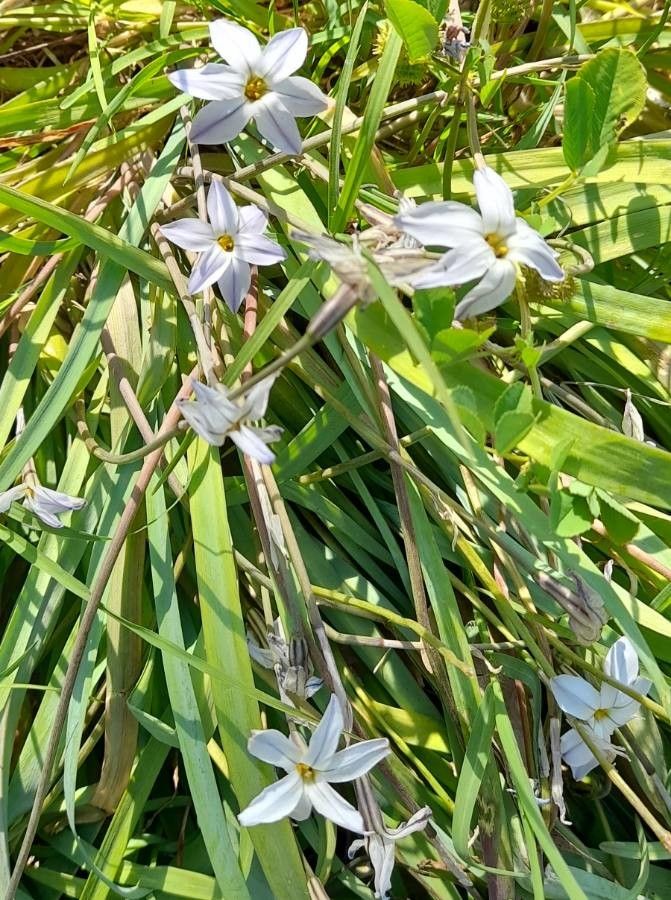
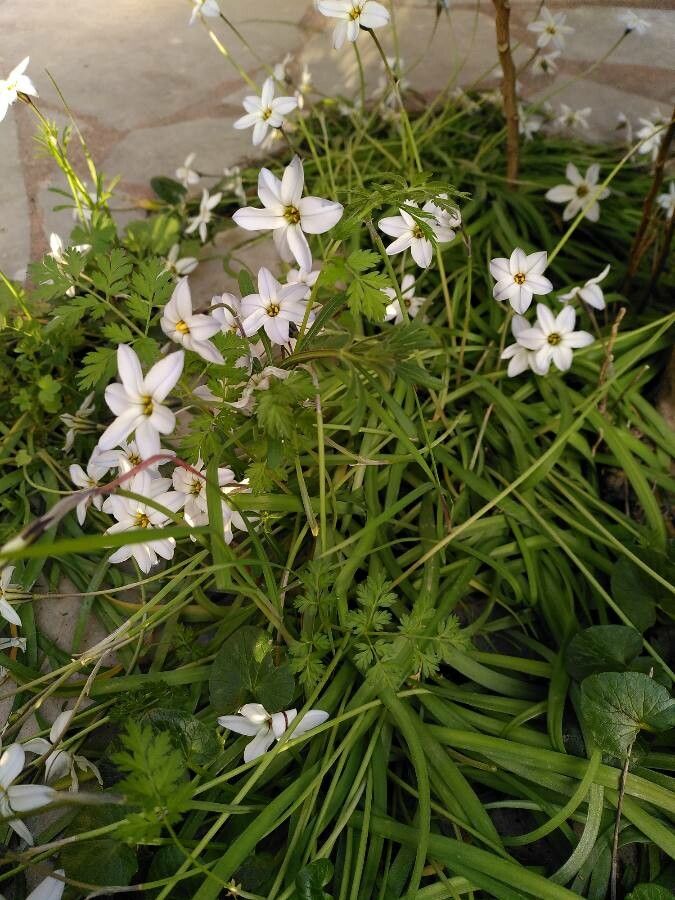
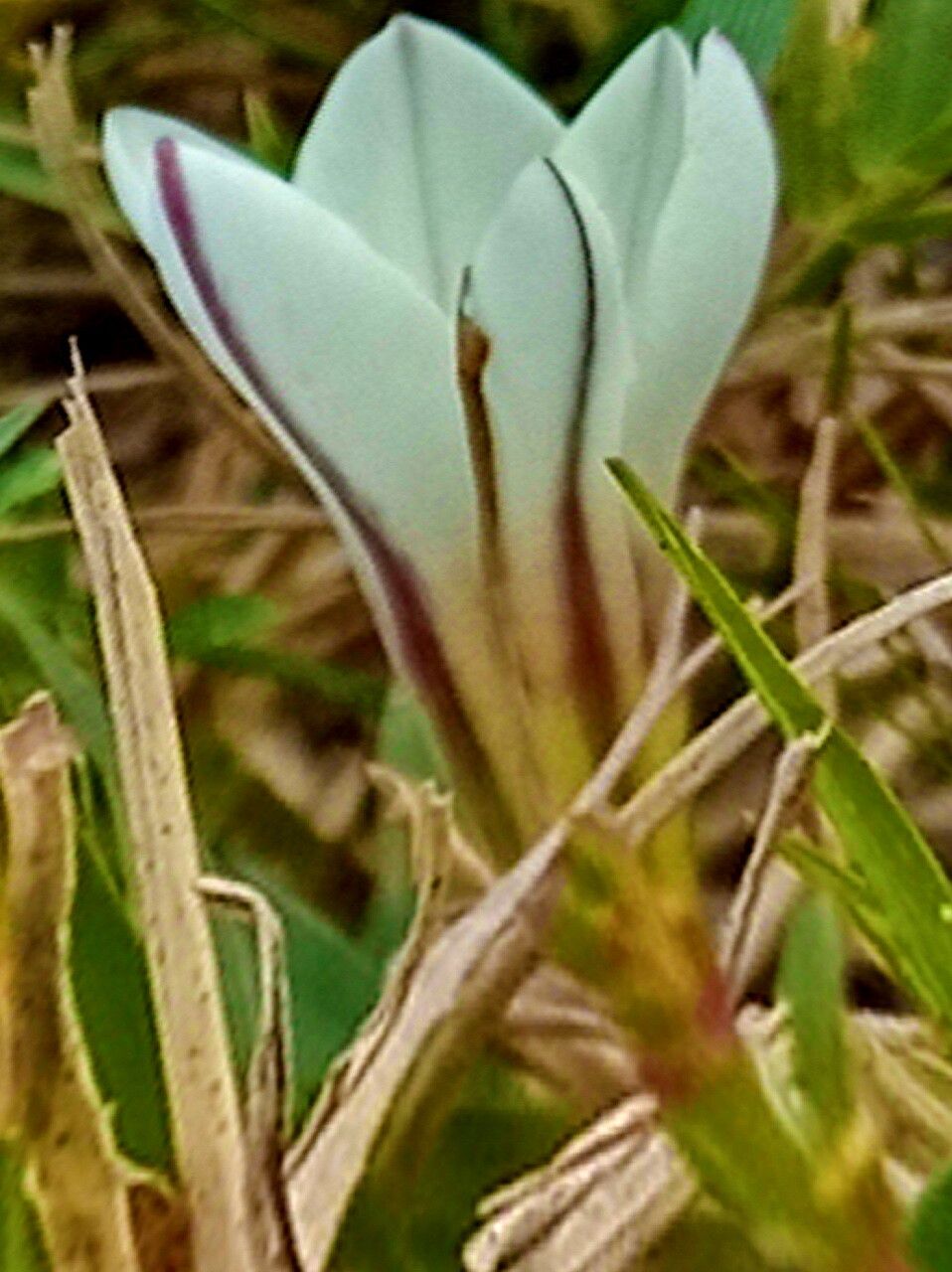
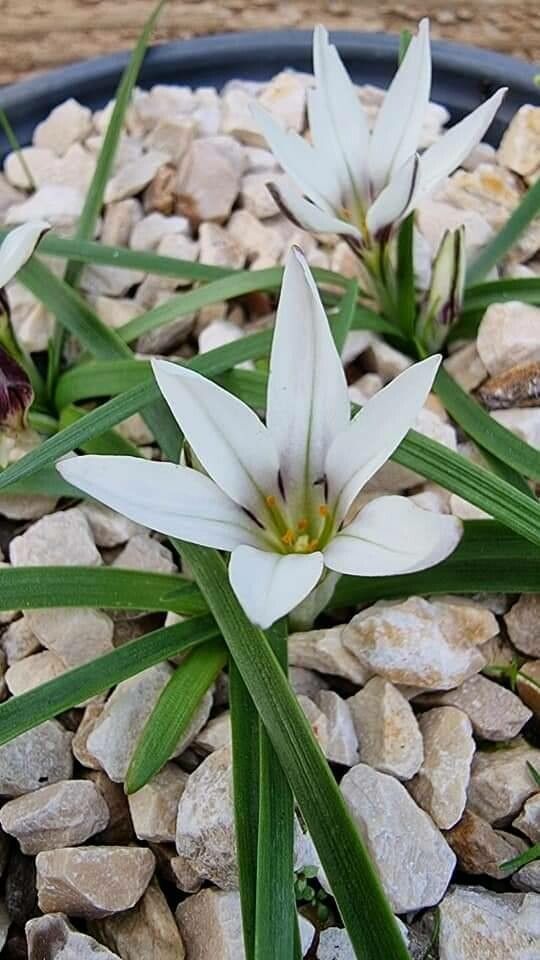
Ipheion uniflorum is a species of flowering plant, related to the onions, so is placed in the allium subfamily (Allioideae) of the Amaryllidaceae. It is known by the common name springstar, or spring starflower. Along with all the species of the genus Ipheion, some sources place it in the genus Tristagma, but research published in 2010 suggested that this is not correct. It is native to Argentina and Uruguay, but is widely cultivated as an ornamental and reportedly naturalized in Great Britain, France, Australia, New Zealand and the United States.
Spring starflower has strong resistance to disease and is generally unlikely to develop illnesses. However, it can be affected by pests and diseases present in its surroundings. Such infections are typically mild. Care-wise, this plant needs moderate maintenance. It should be pruned regularly to preserve a neat appearance and support healthy growth. Applying fertilizer can also help encourage flowering. Spring starflower is appropriate for anyone with outdoor space, like a garden or patio, and does not demand much care experience. It may need more attention when kept indoors.
How to keep Ipheion Uniflorum.
Light
The spring starflower does best in a setting that receives bright light for most of the day. This encourages healthy growth, though the plant can also tolerate areas with dappled or filtered light. These conditions are common in its natural habitat. However, too much or too little light can impede its proper development.
Water
The Spring starflower flourishes in temperate grasslands, where it prefers consistent moisture but can endure short periods of dryness. For optimal growth, it requires weekly watering. As a herbaceous perennial, its bulbs store nutrients, allowing it to continue blooming even during brief droughts.
Temperature
Spring starflower can tolerate a wide span of temperatures, but its distribution may still be restricted by different combinations of moisture and heat. It performs best in warm summer conditions with sufficient rainfall or watering. Extended stretches of cloudy, rainy weather, as well as prolonged high temperatures, increase the chance of Spring starflower dying. In winter, appropriate protection from cold can enhance the plant's survival rate.
Fertilizer
For Spring starflower, the primary time to apply fertilizer is in early spring while the flowers are forming. The appropriate fertilizer promotes better blooms and helps Spring starflower produce attractive flowers. Fertilizing in early spring ensures excellent flowers during the season and supplies energy for dormant growth phases.
Pruning
The Spring starflower is known for its star-shaped, fragrant blooms. To keep the plant healthy, it's best to prune it in early to late spring after the flowers have finished blooming. When pruning, focus on removing any dead foliage. Make light cuts to encourage health and flowering, and try to avoid heavy pruning. Regularly removing spent blooms not only enhances the plant's appearance but also ensures vibrant displays every year.
Pot & Repot
For the Spring starflower to thrive in pots, excellent drainage is essential. Proper drainage encourages healthy root growth and prevents waterlogging, which can cause root rot.
Botanical profile.
- Plant Type
- Herb
- Life Cycle
- Perennial
- Genus
- Ipheion
- Family
- Amaryllidaceae
- Hardiness Zone
- 5-9
- Mature Height
- 10 cm to 49 cm
- Mature Spread
- 6 cm to 15 cm
- Leaf Color
- Green, Blue
- Leaf Type
- Deciduous
- Flower Color
- White
- Flower Size
- 2.54 cm
- Bloom Time
- Spring
- Planting Time
- Spring
- Harvest Time
- Late spring, Early summer
Other names.
Reader questions.
How should I water my Spring starflower plant?
When watering the Spring starflower, it's best to use filtered water at room temperature. Tap water can have harmful particles, so filtered water is preferred. The Spring starflower is accustomed to a warm environment, so avoid using cold water as it can be a shock. Additionally, overhead watering should be avoided to prevent foliage complications. Instead, apply filtered room temperature water directly to the soil until it is completely soaked. This helps moisten the roots and allows them to spread and gather nutrients properly.
Why should I add fertilizer to my Spring starflower?
Fertilization is important for the Spring starflower because it provides essential nutrients for the plant to grow above and below ground. Although the Spring starflower has relatively low fertilization needs and can sometimes survive without it, annual fertilization can greatly benefit the plant. It helps to keep the plant alive and may result in better and longer-lasting flowers. Therefore, if you want your Spring starflower to look its best, it is recommended to fertilize it annually.
What are the sun requirements for the Spring starflower?
The Spring starflower (Ipheion uniflorum) thrives in areas that are saturated with light for the majority of the day, which aids in its healthy growth. The plant requires full sun, which is above 6 hours of sunlight, but can also manage in partial sun, receiving about 3-6 hours of sunlight. Despite its ability to adapt to varying light conditions, obtaining the correct amount of sunlight is crucial for the plant’s development. Inadequate or excessive sunlight can hinder its growth. It’s important to observe the movement of sunlight through your garden to find spots that offer the ideal balance of light and shade, ensuring the plants' wellbeing.
What should I do if I give too much or too little water to my Spring starflower?
Overwatering is a more common problem for the health of your Spring starflower compared to underwatering. When the plant receives too much water, its stems and leaves may wilt and turn yellow. Overwatering for a long time can lead to diseases like root rot, mold, and mildew that can kill the plant. On the other hand, underwatering is less likely because the Spring starflower tolerates drought well. However, when underwatering occurs, the leaves become brittle and brown. It's important to recognize the signs of overwatering early to avoid irreversible damage. If you notice early signs of overwatering, reduce your watering schedule immediately. Additionally, check if the soil drains poorly and replace it with a loose, well-draining potting mix if needed. If you notice signs of underwatering, simply water the plant more regularly until the signs improve.
When should I fertilize my Spring starflower to get the best results?
The best time to fertilize a Spring starflower is in late winter to early spring when the plant is coming out of its dormancy and starting to grow. Fertilizing at this time encourages healthy growth and helps the plant start the season off well. Fertilizing a Spring starflower in the fall is also acceptable, but it is not recommended to feed the plant during summer or winter.
How can artificial lighting be used for the Spring starflower?
Indoor Spring starflowers can benefit significantly from artificial lighting, especially when natural sunlight is insufficient, such as in winter or less sunny spaces. LED lights are a popular choice because they can be customized to provide the specific wavelengths of light that plants need. For optimal growth, full sun plants need 30-50W/sq ft of artificial light, partial sun plants require 20-30W/sq ft, and full shade plants need 10-20W/sq ft. The artificial light source should be placed 12-36 inches above the plant to mimic natural sunlight and turned on for 8-12 hours per day to simulate the length of natural daylight hours for your plant species.
How often should I give water to my Spring starflower?
If your Spring starflower is in a pot, you can determine if it needs water by sticking your finger into the soil. If the top two to three inches of soil is dry, then it is time to water it. Similarly, if you have planted your Spring starflower in the ground outdoors, you can use the same method to test the soil. Again, if the top few inches of soil are dry, it is time to water. Typically, during spring and early fall, watering once a week is sufficient. However, during extremely hot weather, you may need to increase the frequency to twice or more per week. It is worth noting that mature, well-established Spring starflowers have a strong ability to tolerate drought.
When is it not a good idea to fertilize my Spring starflower plant?
To ensure proper growth of the Spring starflower, it is best to only fertilize it during the late winter and early spring. This plant has low fertilization needs, so a single annual feeding is sufficient. Fertilizing during spring, summer, and fall can easily lead to overfertilization and its associated issues, unless you missed fertilizing in spring, in which case fall fertilization is allowed. Additionally, there is no need to fertilize the plant during winter when it is in a dormant phase and not producing new growth.
What are the symptoms of inadequate lighting for the Spring starflower?
Spring starflower may exhibit several symptoms when subjected to inadequate lighting. These include small leaves, which are smaller in size compared to older ones, leggy or sparse growth characterized by long spaces between leaves or stems, and faster leaf drop as the plant tries to conserve resources. Additionally, the plant may experience slower or halted growth as it enters a survival mode due to poor light. Other signs include lighter-colored new leaves indicating a lack of chlorophyll, chlorosis where leaves lose their green color and turn yellow, sunscald evident by damaged leaves or stems from intense sun exposure, leaf curling as a defense against excessive sunlight, wilting from increased water loss, and leaf scorching characterized by brown, dry, and crispy edges on leaves due to too much sunlight.
How much water does my Spring starflower require?
When it's time to water your Spring starflower, don't hold back on the amount of water you give. Make sure the top two to three inches of soil are dry, and then give the plant a deep watering, enough to thoroughly saturate the entire soil. This should cause any excess water to drain from the bottom of the pot. If you don't see water draining, it's likely you haven't given enough water. However, be careful not to let water accumulate in the soil, as this is harmful to the plant. On the other hand, if water doesn't drain well from the pot, it could indicate that the soil is not draining properly, which can harm the plant's health. If the plant is outside, you should aim for about 1 inch of rain per week.
What kind of fertilizer does my Spring starflower need?
For a Spring starflower, almost any general-purpose fertilizer with a balanced amount of the three main nutrients will work well. However, there are specific blends that can be even more beneficial. Many gardeners believe that higher levels of phosphorus lead to stronger roots and better flowers. Therefore, using a phosphorus-rich fertilizer may be the best approach. Whether in granular or liquid form, the key is to ensure that plenty of nutrients are present. In addition to manufactured fertilizers, you can also use organic materials such as compost and manure to improve the soil for your Spring starflower. These materials will help create a healthy growing medium.
What solutions can address light-related issues for the Spring starflower?
To address light-related issues in Spring starflower, gradual relocation to sunnier spots is recommended. Indoor plants can be moved closer to a south-facing window or supplemented with artificial light for at least 8 hours daily. Outdoor plants should be moved gradually to avoid sunburn. Obstructions blocking sunlight should be minimized, and smaller plants may be transplanted to locations with ample sunlight and good drainage during their dormant period. While parts of the plant affected by insufficient sunlight might not recover, new growth should be healthy with improved light exposure.