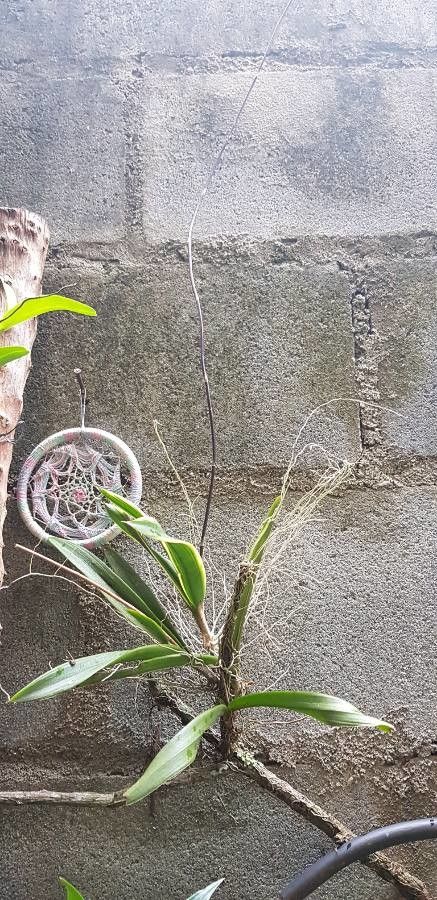
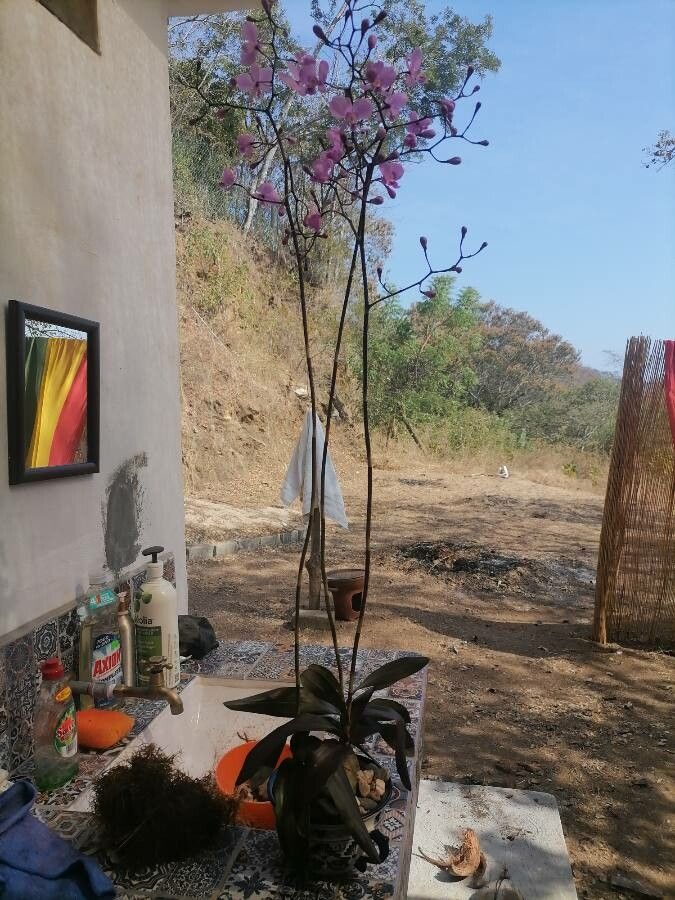
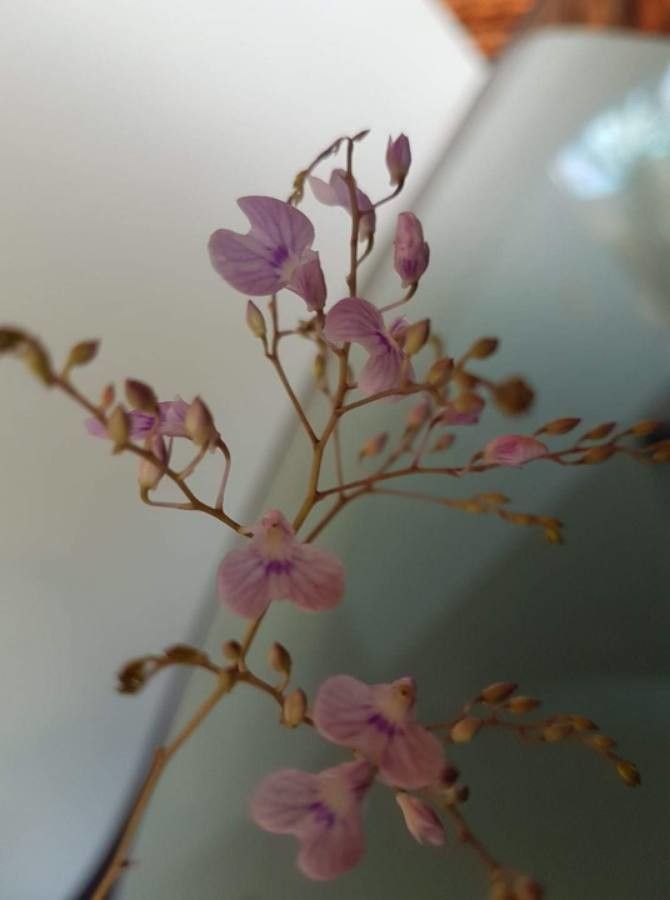
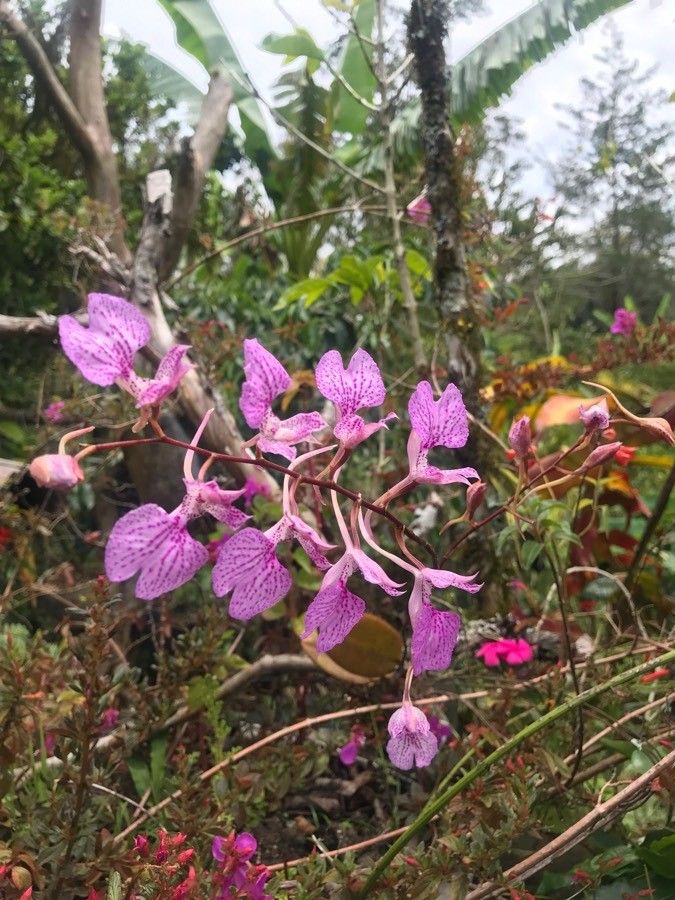
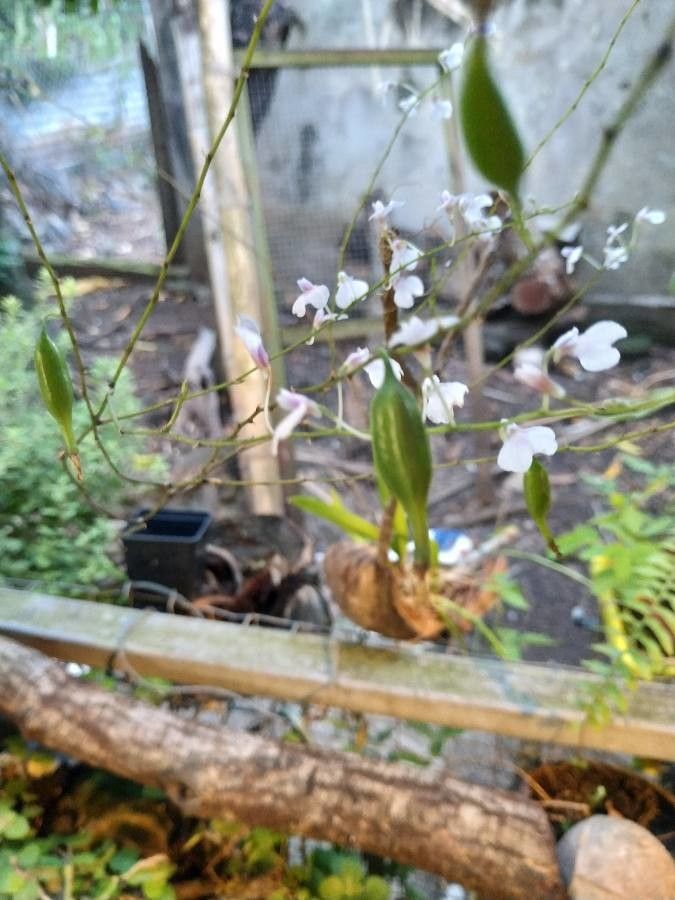
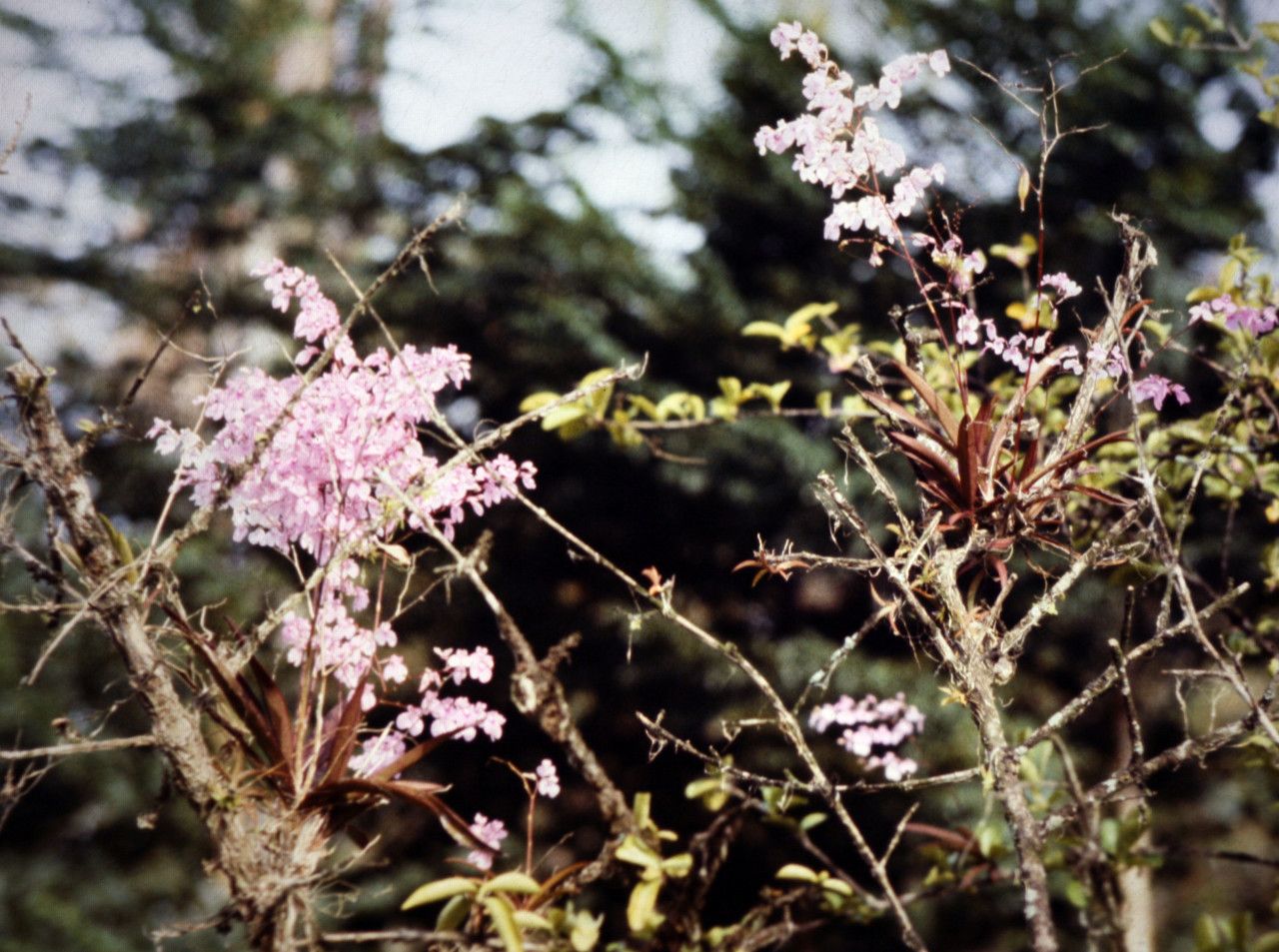
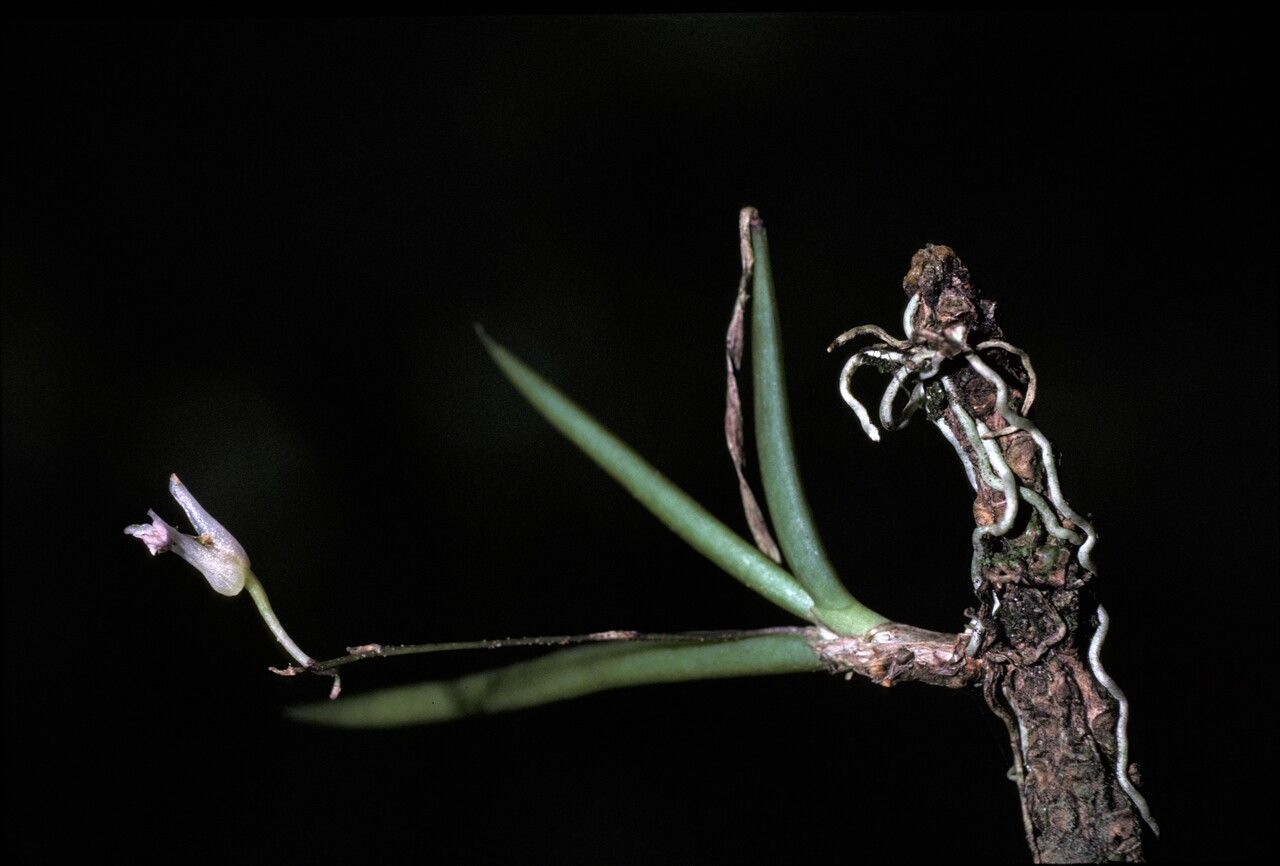
Ionopsis utricularioides, the delicate violet orchid, is an epiphytic orchid native to the warmer parts of the Americas. It is reported from Florida, Mexico (from Nayarit to Quntana Roo), Central America (all 7 countries), much of the West Indies including the Cayman Islands, South America as far south as Paraguay, and the Galápagos.
Delicate violet orchid typically has strong resistance to disease and is relatively free of insect pests. Its care is considered difficult because it needs high humidity while also having good ventilation and minimal harmful pathogens. Overwatering can cause root rot. Anyone can grow Delicate violet orchid, but keeping it healthy and getting it to bloom again requires more growing experience.
How to keep Ionopsis Utricularioides.
Light
The delicate violet orchid prefers bright, unobstructed sunlight, though it will tolerate a little shade now and then. It comes from regions with abundant sun. Excessive exposure can cause damage, whereas too little light can result in lackluster growth.
Water
The delicate violet orchid flourishes in humid climates with frequent rainfall, as it requires consistent moisture. For optimal growth, it should be watered weekly. Indoors, the orchid benefits from high humidity and should be planted in well-draining soil to prevent root rot.
Humidity
This plant will thrive in moderate humidity, which is probably the level in your home. However, misting it a few times a week can be very beneficial. Make sure the room has good ventilation.
Temperature
The delicate violet orchid originates from habitats where temperatures typically range from 68 to 100 °F (20 to 38 ℃), favoring this warm, temperate band. During winter months, adjustments may be needed to maintain those ideal temperatures.
Fertilizer
Proper fertilization is essential for the health and appearance of the Delicate violet orchid. Fertilize the Delicate violet orchid in summer, repeating the treatment monthly throughout the season. Nutrients power growth and help maintain the plant’s parts. Fertilizing boosts the Delicate violet orchid’s flower display, ensuring the best blooms.
Pruning
To encourage growth and blooms in your delicate violet orchid, prune it in early spring or late winter. During this time, trim away dead leaves and remove any spent flower stalks. Pruning while the plant is dormant enhances air circulation and reduces the risk of disease. Always use sterilized tools to prevent infection.
Pot & Repot
When repotting a Delicate violet orchid, select a slightly larger pot with good drainage, preferably a clear orchid pot. Use an orchid-specific, well-draining mix that includes bark or moss. Carefully clean the roots and remove any that are dead or rotting. Repot after the plant has finished flowering, usually in spring or fall, water thoroughly, and set it in bright, indirect light. Avoid disturbing the roots once it is repotted.
Botanical profile.
- Plant Type
- Herb
- Life Cycle
- Perennial
- Genus
- Ionopsis
- Family
- Orchidaceae
- Hardiness Zone
- 12
- Mature Height
- 15 cm to 49 cm
- Mature Spread
- 10 cm to 15 cm
- Leaf Color
- Green
- Leaf Type
- Evergreen, Semi-evergreen
- Flower Color
- Lavender, Pink, White
- Flower Size
- 2.54 cm
- Bloom Time
- Spring, Summer
- Planting Time
- Spring, Summer
- Harvest Time
- Late spring, Summer, Early fall, Mid fall
- Native Area
- Belize, Honduras, Mexico, Guatemala, Peru, Panama, Jamaica, Colombia, Cuba, Bolivia, Venezuela, Guyana, El Salvador, Nicaragua, Brazil, Ecuador, Costa Rica
Other names.
Reader questions.
What do I need to do if I give my Delicate violet orchid too much or too little water?
Delicate violet orchids can suffer from both overwatering and underwatering. Overwatering can be identified by limp and wrinkled leaves, yellowing or decay, and a general failure to thrive. It is important to look beyond the leaves and examine the roots, which will appear mushy, limp, and brown or black if the plant has been overwatered. To rescue an overwatered orchid, cut off any rotted roots and repot them into a new growing medium. It is best to avoid overwatering altogether, as root rot can be difficult to recover from. The initial symptoms of underwatering are similar to those of overwatering in delicate violet orchids. To determine if the plant is underwatered, check the moisture levels of the growing medium using your finger or a moisture meter. Increasing the frequency of watering may be necessary. Again, examining the roots is key. Underwatered roots will be crisp, brown, and brittle, while healthy roots are pliable and green. If there are still healthy roots left, trim off any dried or dead root pieces, repot the plant, and water thoroughly. Within a week or two, the leaves should begin to firm up and regain their health. If the leaves are too damaged, they can be removed to make room for new growth.
Why do I have to give plant food to my delicate violet orchid?
Fertilizer and soil nutrients are like a fuel source for your Delicate violet orchid, helping it grow healthily. Plants use the nutrients in the soil to create new plant material and maintain their existing components. For the Delicate violet orchid, fertilization is especially important for vibrant flowers. Since the flowers are the main attraction of this plant, most gardeners want to do everything they can to ensure the flowers look their best. Fertilization is a reliable way to help your Delicate violet orchid produce its most beautiful blooms.
What are the sunlight requirements for a Delicate violet orchid?
The Delicate violet orchid, known botanically as Ionopsis utricularioides, thrives in environments where it can receive full sun, which is above 6 hours of sunlight daily, but it can also manage with partial sun, approximately 3-6 hours of sunlight. It's crucial to observe your garden's sunlight patterns to ensure your orchid is placed in a location that optimally balances light and shade, enhancing its growth and health. Overexposure to sunlight can damage the plant, while insufficient light may result in poor growth.
What is the ideal temperature range for the Delicate violet orchid?
The Delicate violet orchid, scientifically known as Ionopsis utricularioides, thrives in temperatures between 68 to 100 °F (20 to 38 °C). This tropical plant prefers warm and temperate conditions, and during winter, necessary adjustments should be made to maintain these ideal temperatures to ensure the plant's health and growth.
How frequently should I water my fragile purple orchid?
To properly water your Delicate violet orchid, you should wait until the potting mix is mostly dry, but not completely. The frequency of watering may differ based on the surroundings, typically being around once or twice a week during summer and as little as once every 2 weeks in winter.
When should I fertilize my delicate violet orchid?
The Delicate violet orchid has two main phases throughout the year. The first phase is the dormant phase during winter, where minimal new growth occurs. The second phase is the active growth phase during spring and fall, when fertilization is most important. It is recommended to start fertilizing your Delicate violet orchid in the spring and continue doing so once a month throughout the rest of spring and most of summer. As fall approaches, you can reduce the frequency of fertilization.
How should I care for my Delicate violet orchid in terms of lighting?
Caring for your Delicate violet orchid involves providing it with clear, unobstructed sunlight, as it originates from regions with abundant solar exposure. To mimic these conditions indoors or when natural light is insufficient, especially during winter or in less sunny areas, artificial lighting can be employed. LEDs are suitable for providing the specific wavelengths of light needed. Full sun plants require 30-50W/sq ft, partial sun plants need 20-30W/sq ft, and full shade plants require 10-20W/sq ft of artificial light. Maintain the artificial light source 12-36 inches above your orchid and ensure it receives 8-12 hours of light per day to facilitate optimal growth.
How should the Delicate violet orchid be cared for in winter?
During winter, if the temperature falls below 15°C, it's advisable to bring the Delicate violet orchid indoors to protect it from the cold. Keeping the indoor temperature above 20°C and placing the plant near a south-facing window for ample sunlight is highly beneficial. Regularly misting the plant or using a humidifier helps maintain necessary humidity levels. For orchids that must remain outdoors, ensure they are sheltered and receive sunlight, and consider using a temporary greenhouse or wrapping them with plastic film or fabric to protect from colder temperatures.
How should I water a fragile purple orchid?
The Delicate violet orchid is a unique plant that doesn't grow in soil like most plants. To ensure its well-being, it's important to select the right growing medium. Regardless of the medium chosen, the container should have good drainage. Delicate violet orchid pots are specifically designed with lots of ventilation and are taller and narrower than other plant pots to promote air circulation around the roots. One popular medium for Delicate violet orchids is bark, which drains well but requires more frequent watering. Another common medium is sphagnum moss, which is lightweight and economical but requires careful watering to avoid root rot. If using sphagnum moss, it's recommended to water the orchid from below to prevent water from splashing on the leaves, stem, and flowers. After watering, ensure thorough drainage before returning the orchid to its original location.
When should I not put fertilizer on my fragile violet orchid?
To support delicate violet orchid growth without causing root burn, it's important to provide extra nutrients when the plant is actively growing in the spring and summer. However, during the fall and winter when the plant enters its dormancy stage, it is best to refrain from fertilizing.
What are the common symptoms of light deficiency in Delicate violet orchids?
Delicate violet orchids may exhibit several symptoms due to insufficient lighting, including smaller new leaves, leggy or sparse growth, faster leaf drop, reduced or halted growth, lighter-colored new leaves, and symptoms of overexposure like chlorosis, sunscald, leaf curling, wilting, and leaf scorching. These symptoms indicate the orchid is not receiving ideal light conditions, leading to a decrease in its overall health and vitality.
What are the symptoms of low temperature exposure in Delicate violet orchids?
Exposure to low temperatures is harmful to Delicate violet orchids. If the temperature drops below 10°C, the leaves may show signs of water-soaked necrosis, wilting, and drooping, indicating that the plant is not tolerating the cold well. This plant grows best when the temperature remains above 20°C and should be kept above 15°C during winter to avoid cold damage.