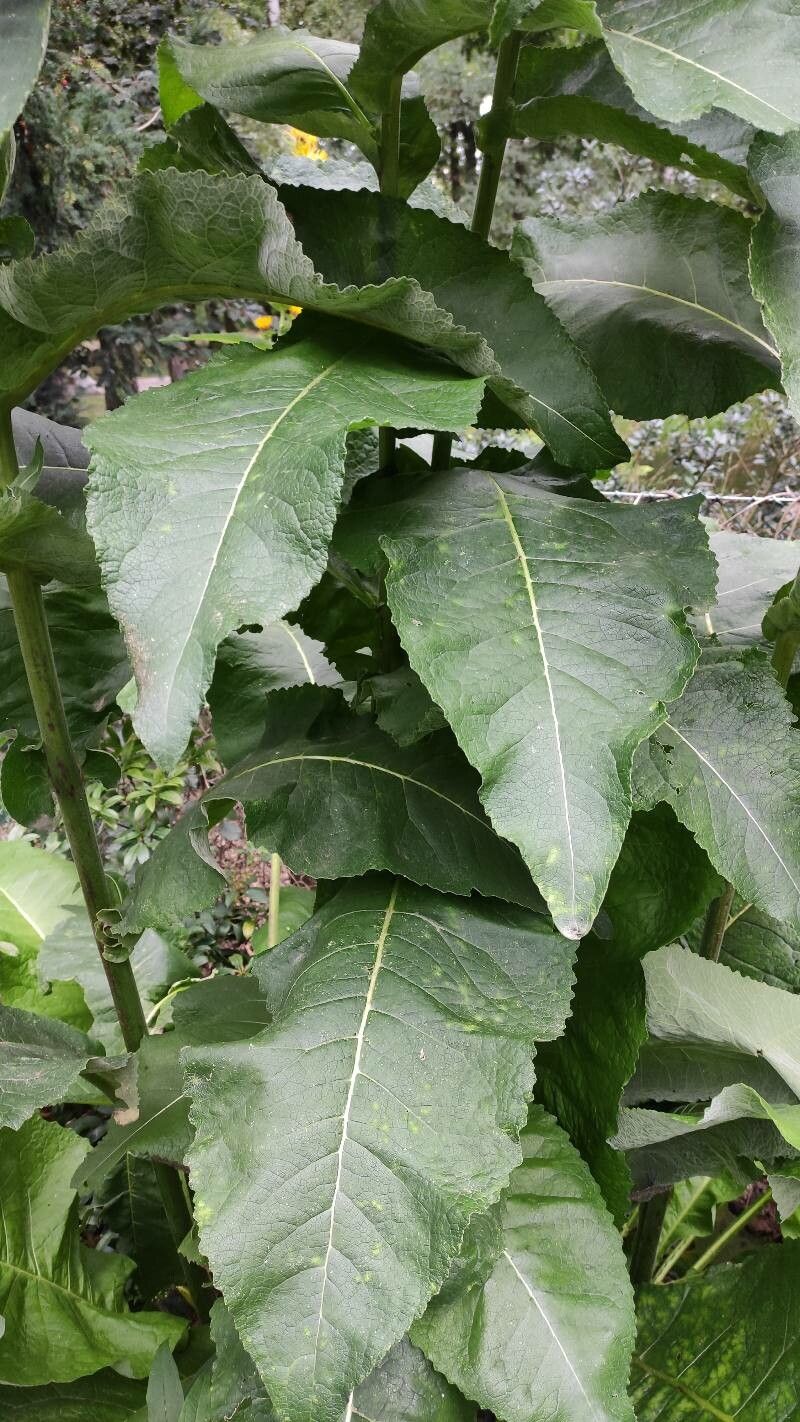
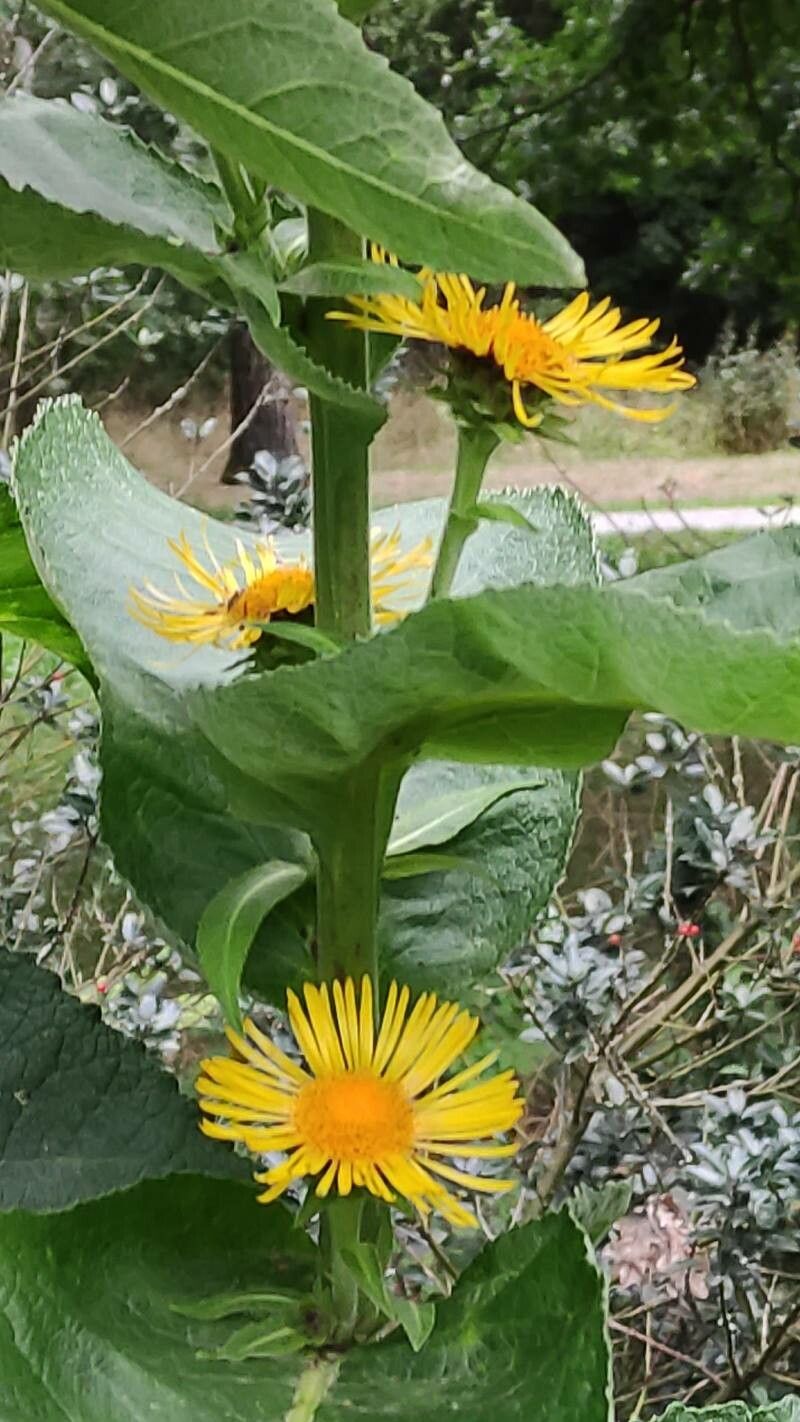
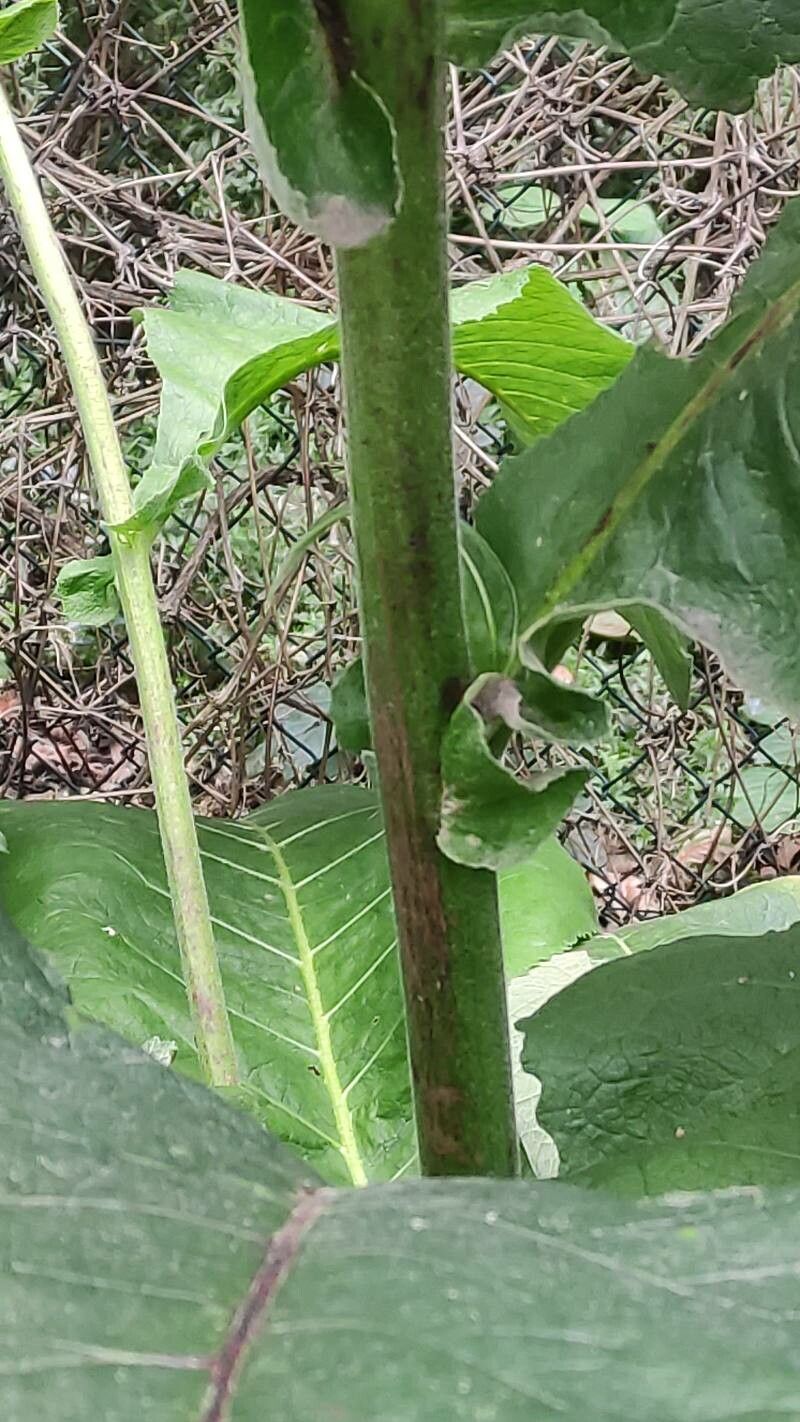
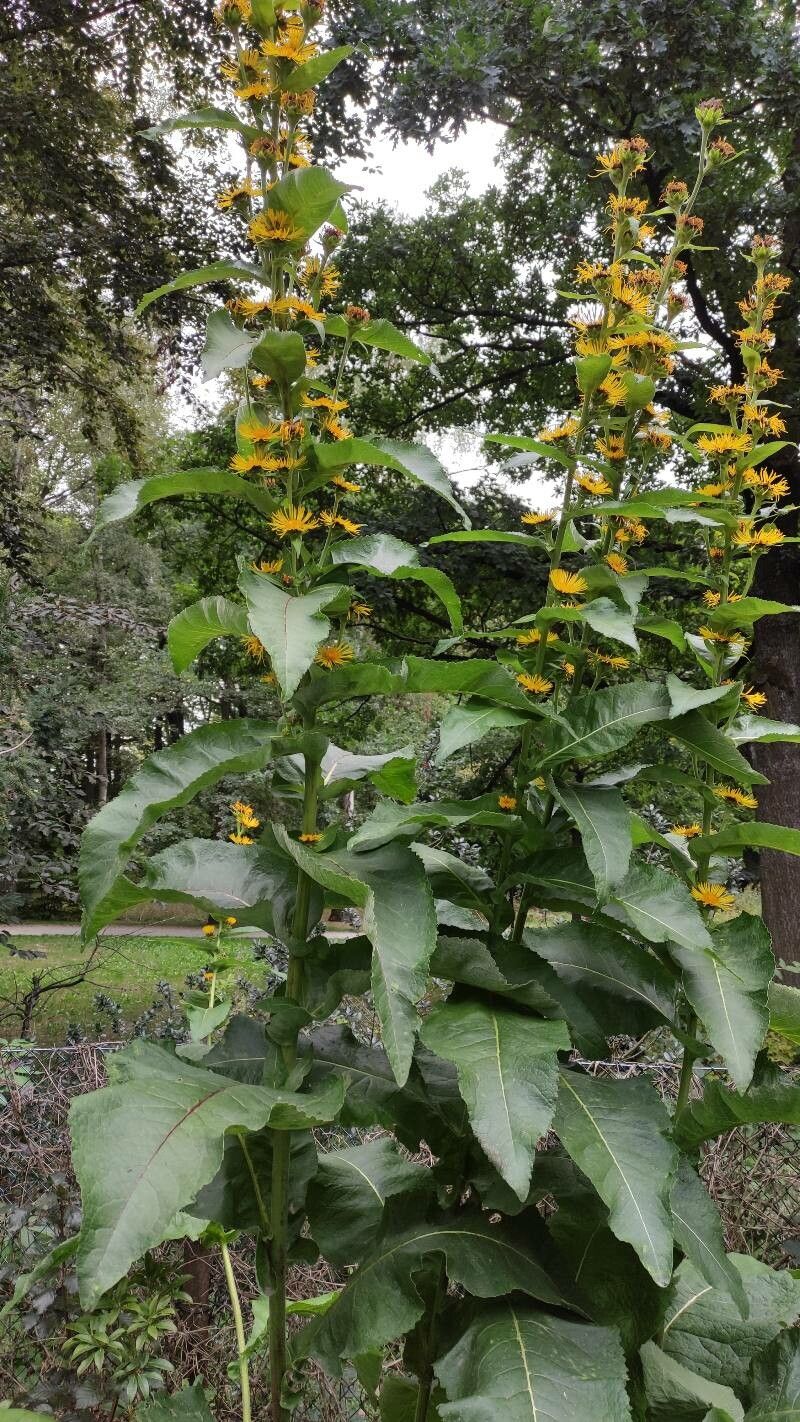
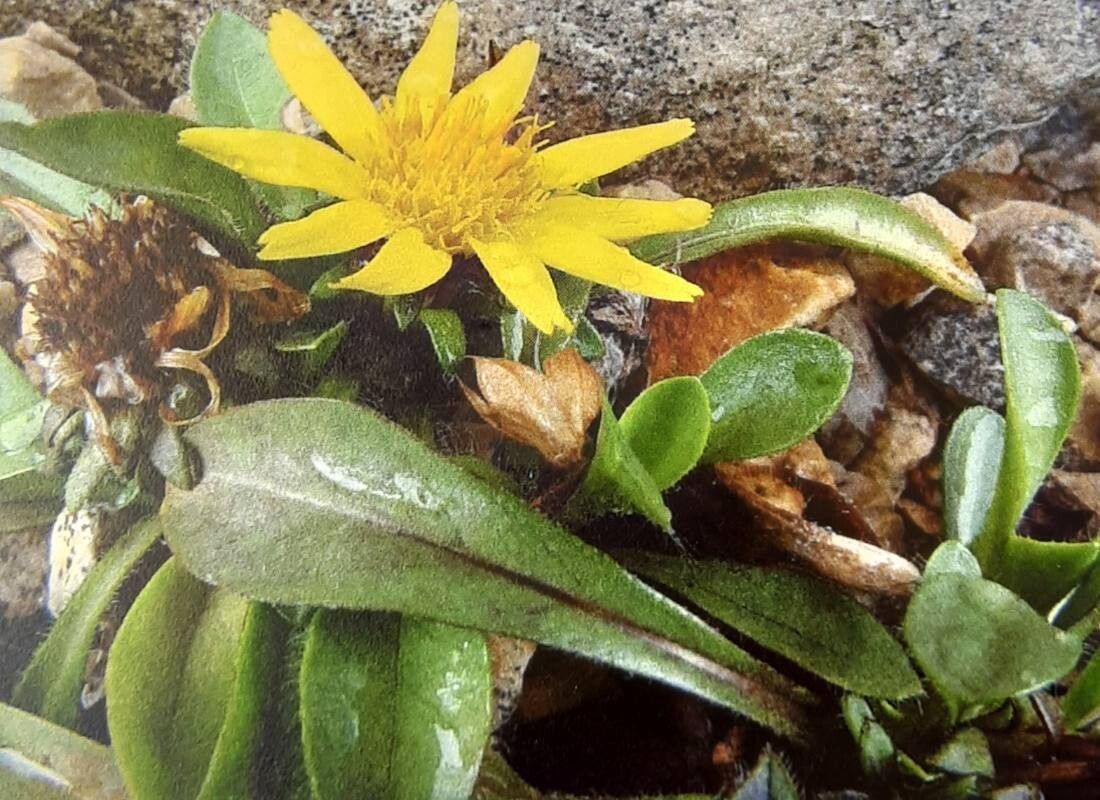
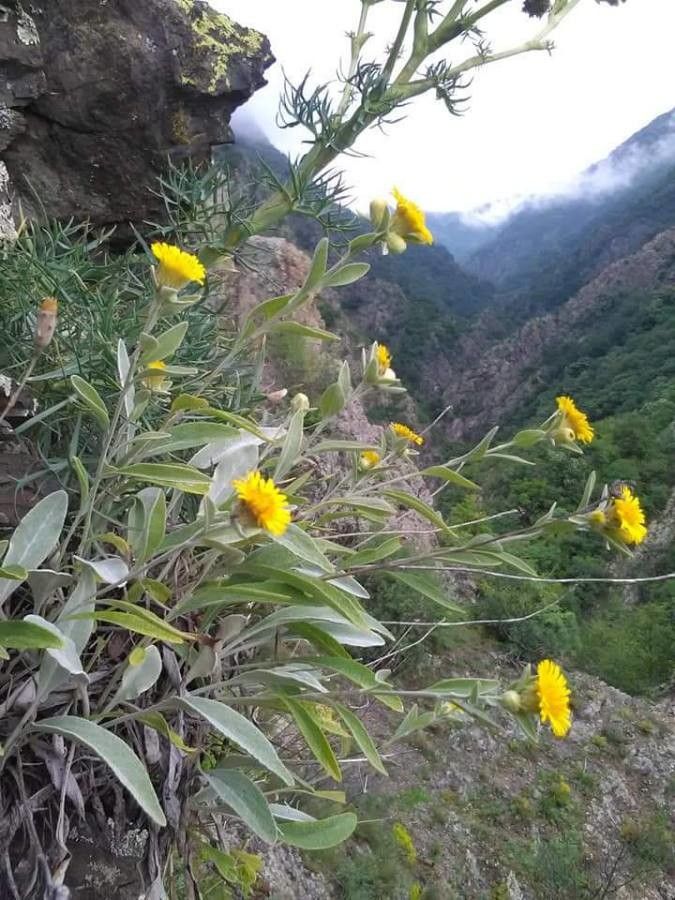
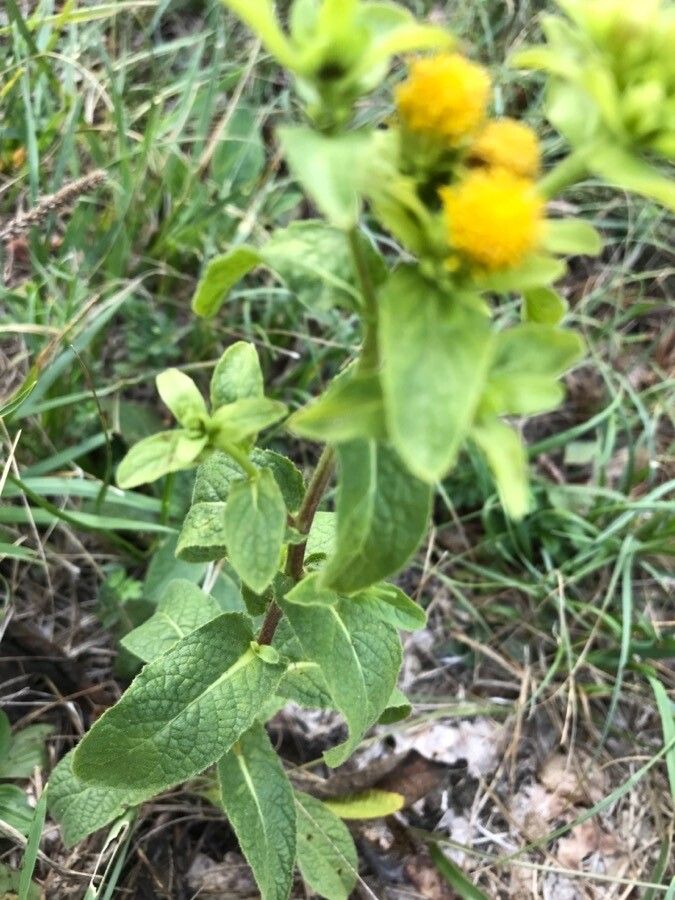
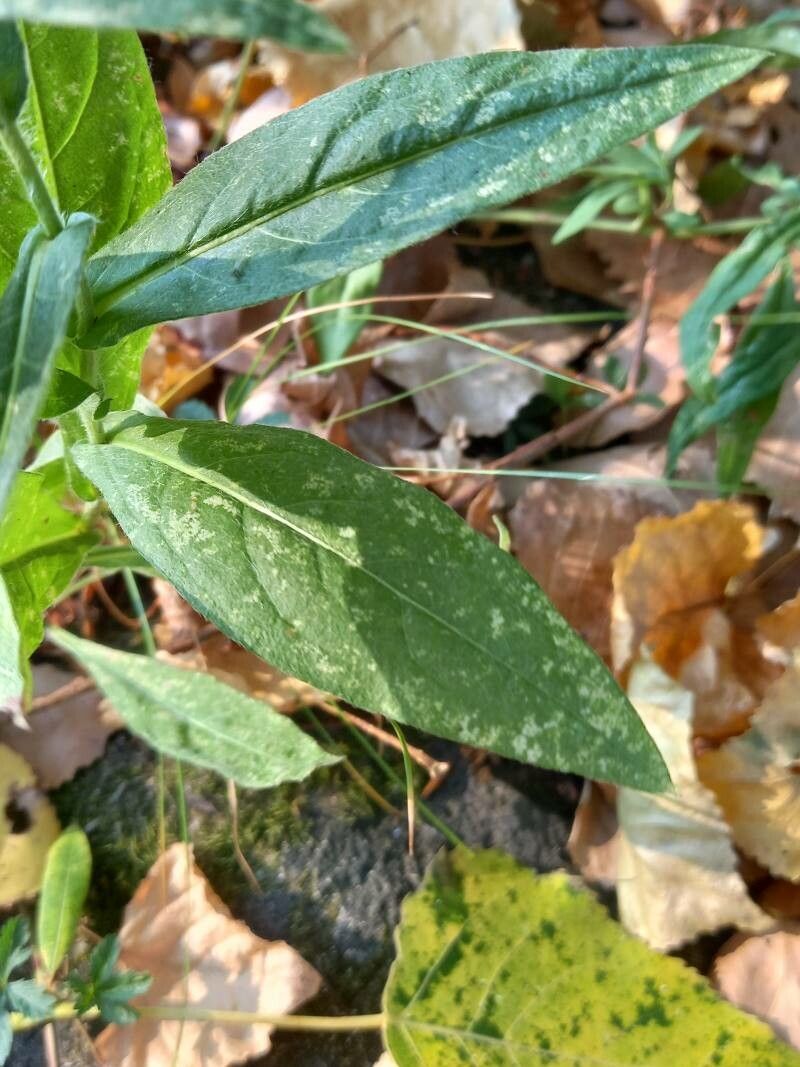
Inula racemosa is an Asian plant in the daisy family native to the temperate and alpine western Himalayas of Xinjiang, Afghanistan, Kashmir, Nepal, Pakistan. Seeds are positive photoblastic thus require light for germination or show surface germination
Indian elecampane has strong disease resistance and is generally not likely to suffer from illnesses. However, it can be vulnerable to pests and diseases present in its environment. These problems are usually mild. Regarding care, this plant needs a moderate amount of attention. Regular pruning is required to keep a good appearance and support healthy growth. Fertilizing can also encourage flowering. Indian elecampane is suitable for anyone with outdoor space, such as a garden or patio, and does not demand extensive care experience. It may need more attention when grown indoors.
How to keep Inula Racemosa.
Light
Indian elecampane is a sun-loving, perennial herbaceous plant that originates from open habitats and commonly flourishes in meadows and grasslands. It prefers full sun but can also tolerate partial sun.
Temperature
Indian elecampane can tolerate a wide range of temperatures, but its distribution may still be restricted by various combinations of moisture and heat. It performs best in warm summer conditions with adequate rainfall or watering. Extended periods of cloudy, rainy weather or prolonged high temperatures can raise the chance of the plant dying. In winter, protecting it from cold can increase its survival rate.
Fertilizer
The best time to fertilize an Indian elecampane is in early spring, as it comes out of dormancy and begins active growth. Fertilizing supplies essential nutrients for healthy growth. Although Indian elecampane needs relatively little fertilizer, annual feeding can improve its survival and encourage better, longer-lasting flowers.
Pruning
Indian elecampane is characterized by its tall stems and yellow flowers. To maintain its health and vibrant appearance, prune it in early to late spring by cutting back one-third of the plant. This helps improve its shape, boosts air circulation, reduces the risk of disease, and encourages blooming. By following this care routine, you can ensure a healthy and lively Indian elecampane during its flowering season.
Botanical profile.
- Plant Type
- Herb
- Life Cycle
- Perennial
- Genus
- Inula
- Family
- Asteraceae
- Hardiness Zone
- 5-9
- Mature Height
- 2.44 m
- Mature Spread
- 1.52 m
- Leaf Color
- Green
- Leaf Type
- Deciduous
- Flower Color
- Yellow
- Flower Size
- 4.06 cm to 6.35 cm
- Bloom Time
- Early summer, Mid summer
- Planting Time
- Spring, Summer
- Harvest Time
- Late summer, Early fall
- Native Area
- Nepal, India, Vietnam, Pakistan, China
Other names.
Reader questions.
What are the sun requirements for Indian elecampane (Inula racemosa)?
Indian elecampane, or Inula racemosa, thrives under specific conditions based on the amount of sunlight received daily. Full sun exposure, defined as more than 6 hours of sunlight a day, is essential for optimal growth. However, the plant can also tolerate partial sun, which means it can grow in areas that receive about 3-6 hours of sunlight daily. It's crucial to observe the movement of sunlight through your garden meticulously, selecting locations that provide a harmonious balance of light and shade. This careful placement ensures the plant's health and happiness, enabling it to grow vigorously.