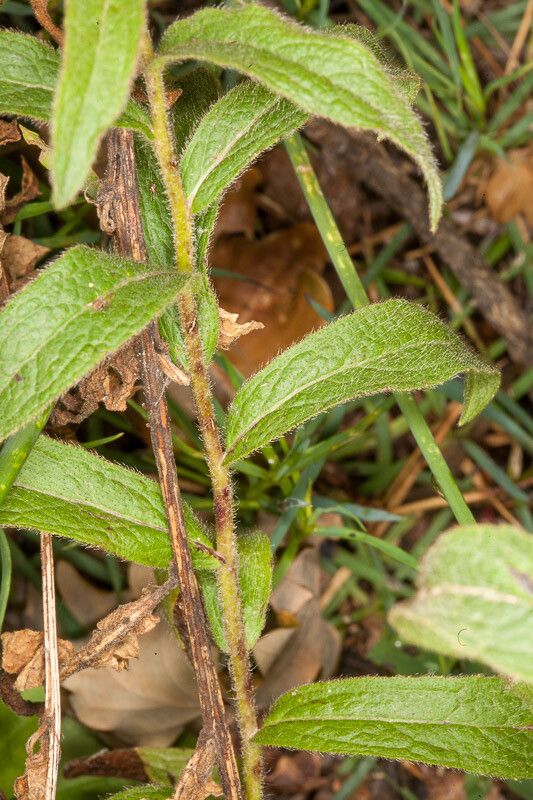
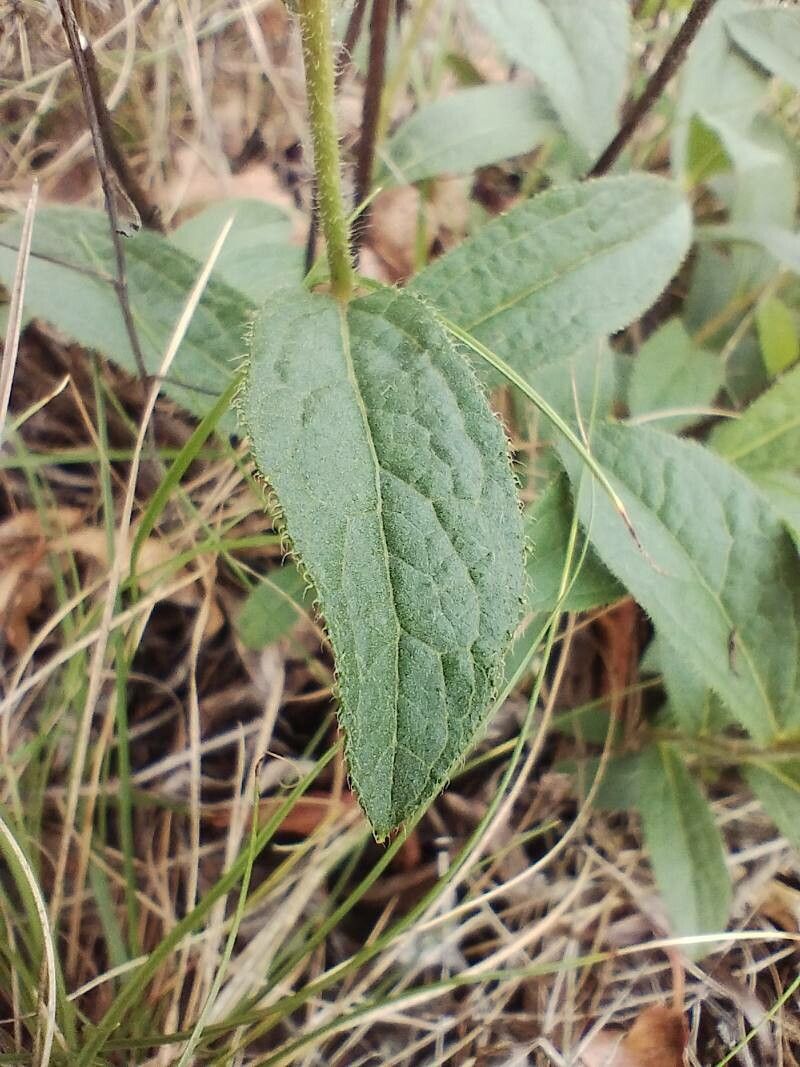
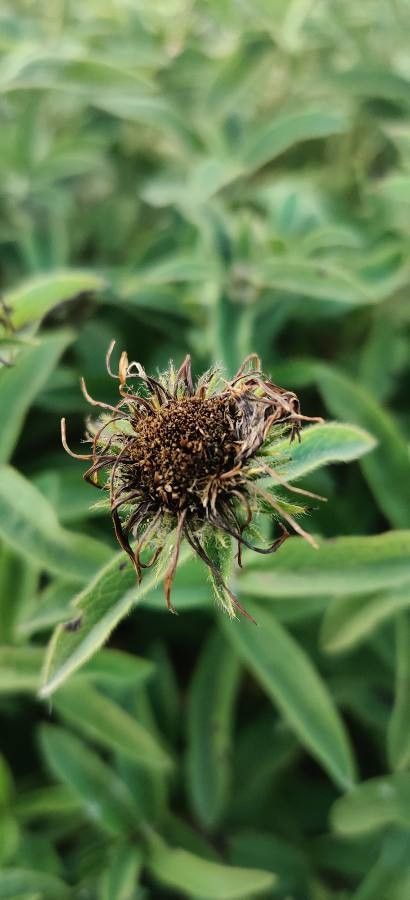
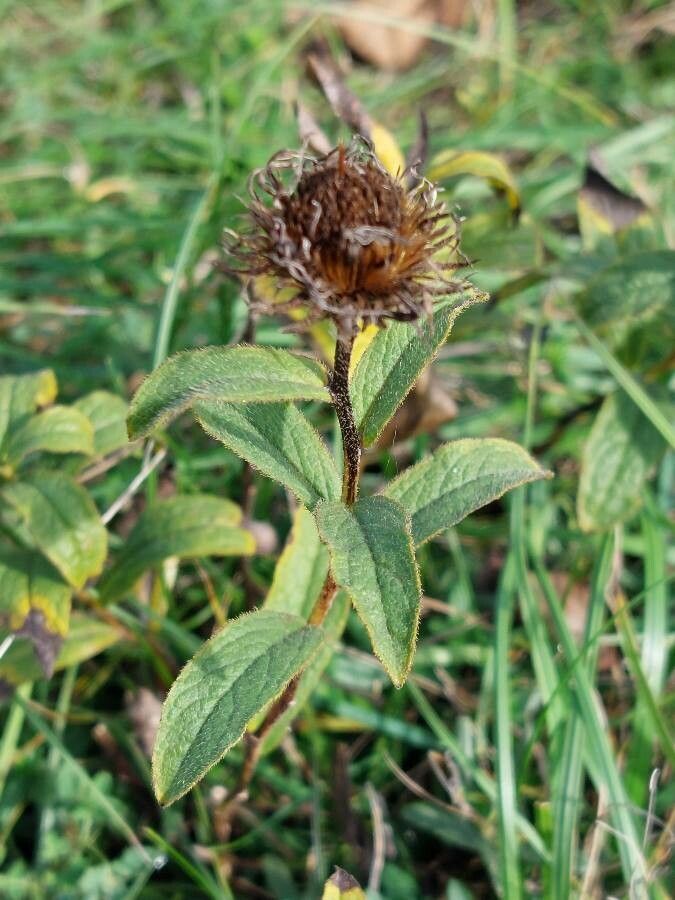
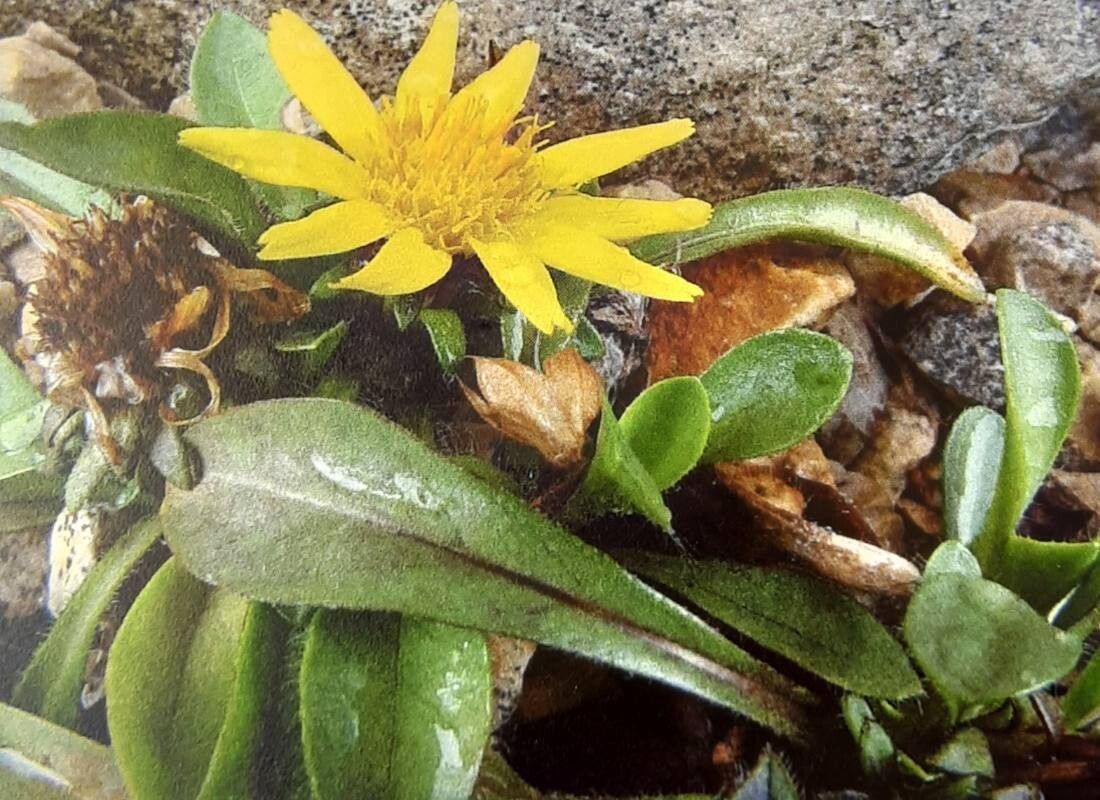
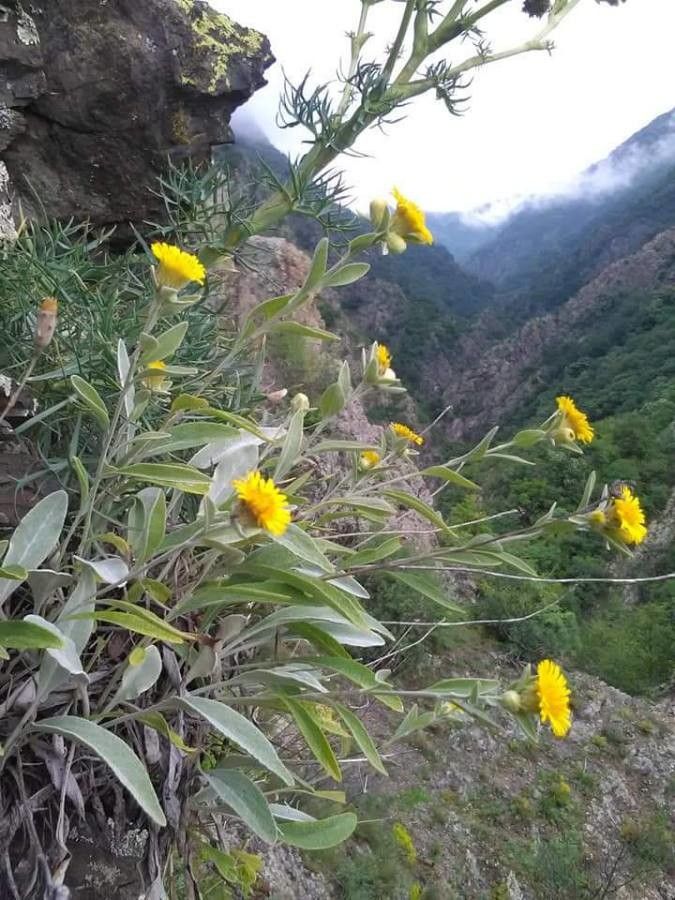
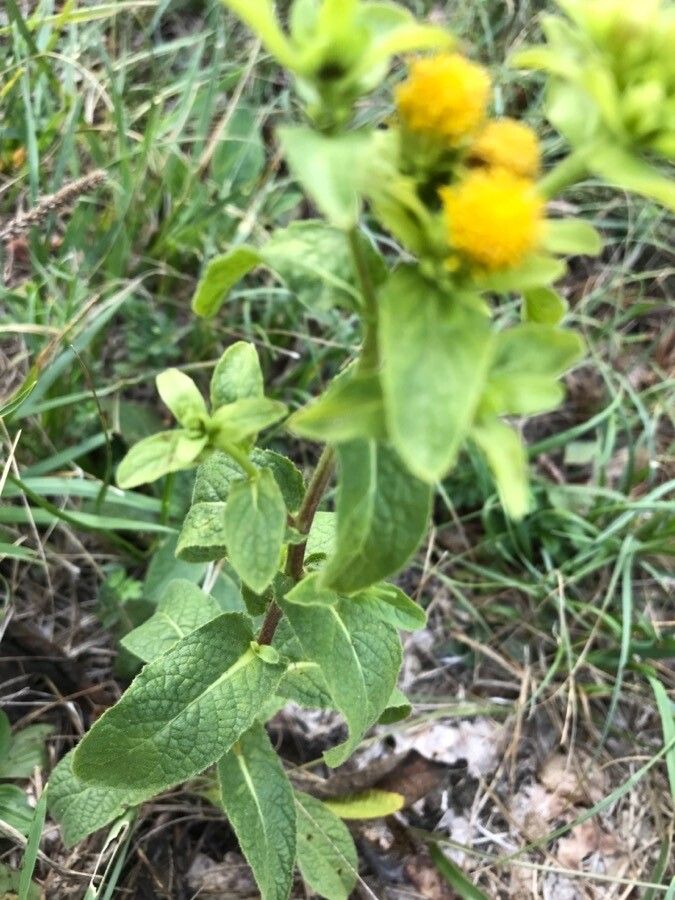
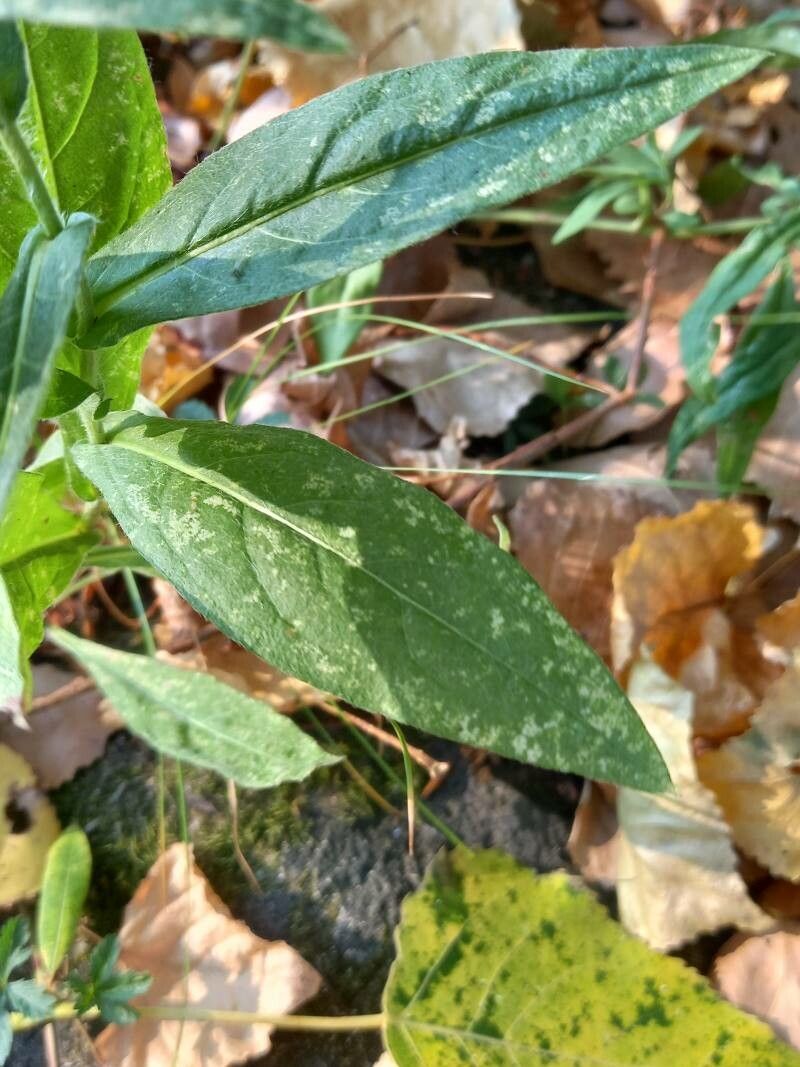
Inula hirta, commonly known as hairy elecampane, is a perennial herbaceous plant that belongs to the Asteraceae family. Native to Europe and Asia, it thrives in meadows, pastures, and along roadsides. This plant can grow up to 1 meter in height and features a woody stem that branches into several smaller stems. The leaves are lance-shaped, serrated at the edges, and covered in fine hairs.
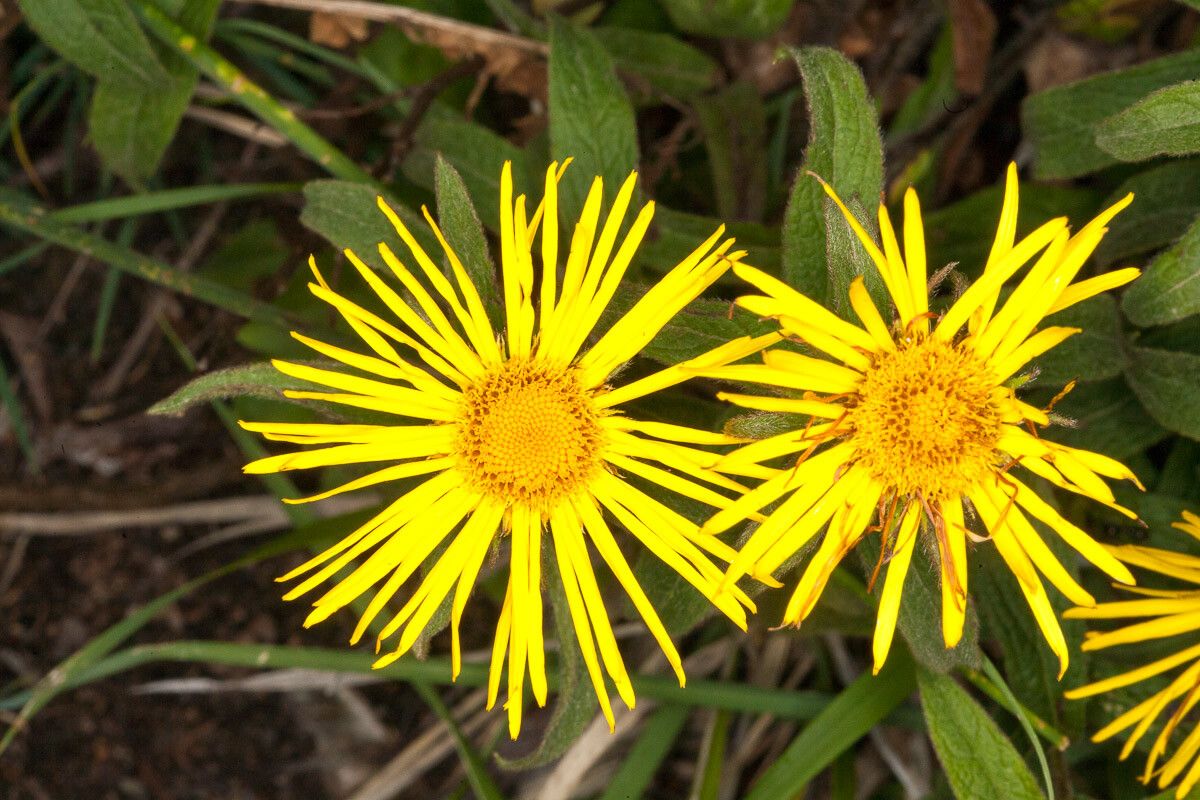
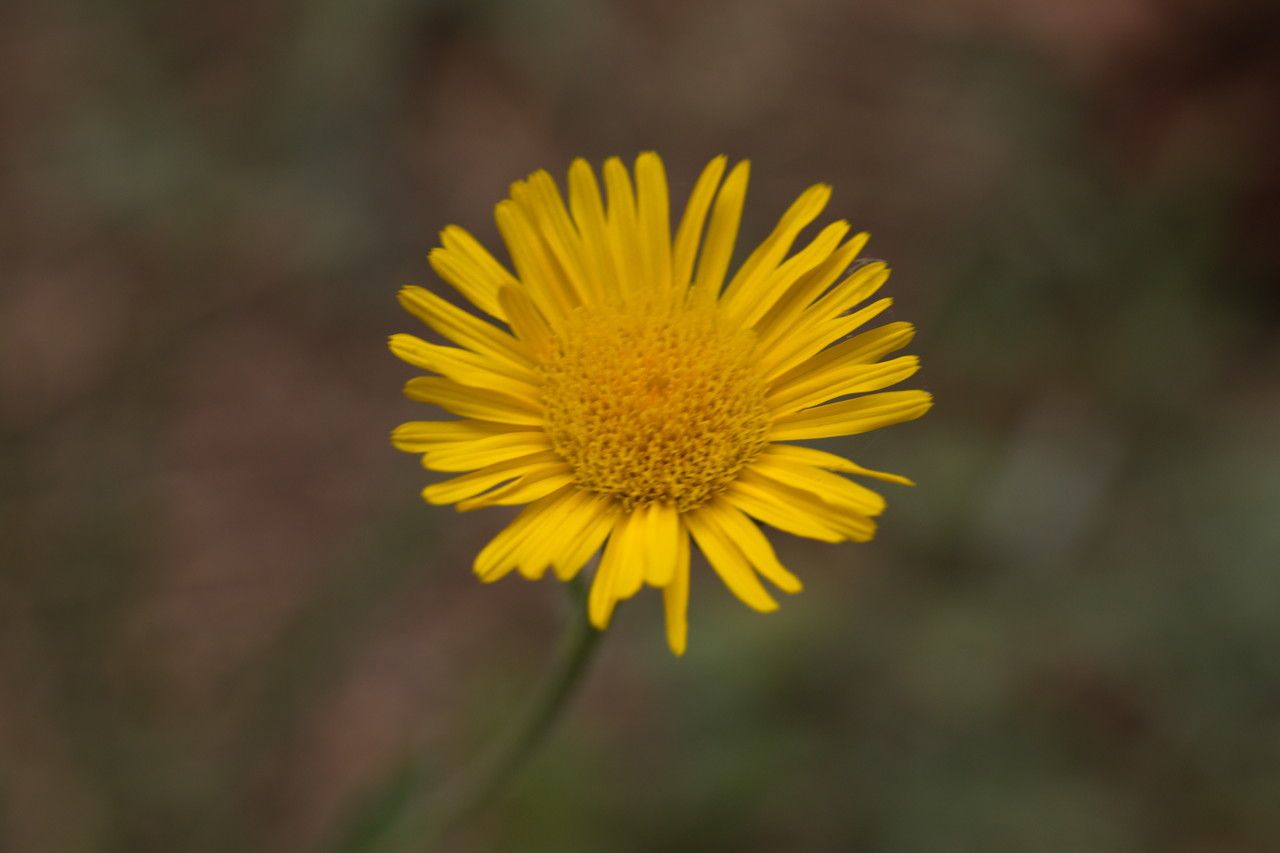
Inula hirta produces bright yellow flowers that bloom from July to September. These flowers are arranged in clusters at the tops of the stems and have a distinctive cone-shaped center surrounded by numerous petals.
Historically, the plant has been valued for its medicinal properties, particularly its anti-inflammatory benefits. It has been used as a natural remedy for respiratory ailments such as bronchitis, asthma, coughs, and colds.
Apart from its medicinal uses, Inula hirta is also prized as an ornamental plant due to its attractive yellow flowers, which attract bees and butterflies.
Overall, Inula hirta is an intriguing herbaceous perennial with both medicinal and ornamental value, making it an excellent addition to any garden or landscape design project.
Downy elecampane has strong resistance to disease and is typically not susceptible to them. However, it can be affected by pests and diseases present in its environment. Such infections are generally mild. In terms of care, this plant requires moderate attention. It should be pruned regularly to keep a pleasant appearance and support healthy growth. Fertilizing can also aid in encouraging flowering. Downy elecampane is suitable for anyone with outdoor areas like a garden or patio and does not demand extensive gardening experience. It may need more attentive care when grown indoors.
How to keep Inula Hirta.
Light
Downy elecampane is a perennial herbaceous plant that prefers sunny, open habitats and commonly occurs in meadows and grasslands. It thrives in full sun but can also tolerate partial sun conditions.
Water
Downy elecampane is native to temperate regions and grows best in well-drained soil with moderate moisture. It needs to be watered weekly to maintain the right balance between hydration and drainage. Typically grown outdoors, downy elecampane benefits from natural rainfall during its active growing season, which helps it thrive.
Temperature
Downy elecampane can tolerate a wide range of temperatures, but its distribution may still be restricted by different combinations of moisture and heat. It does best in warm summer climates with adequate rainfall or watering. Extended periods of cloudy, rainy weather or prolonged high temperatures can increase the chance of Downy elecampane dying. In winter, proper protection from cold can raise the plant's survival rate.
Fertilizer
Early spring, when Downy elecampane is coming out of dormancy and beginning active growth, is the best time to fertilize. Fertilization supplies essential nutrients for healthy growth. Although Downy elecampane has relatively low fertilizer requirements, applying fertilizer annually can improve its survival and promote better, longer-lasting flowers.
Pruning
Downy elecampane is a resilient perennial known for its woolly leaves and yellow flowers. To encourage healthy growth, remove dead stems, and enhance blooming, prune it from early to late spring. Regular pruning also improves air circulation, reduces the risk of disease, and supports the plant's overall health and vitality.
Botanical profile.
- Plant Type
- Herb
- Life Cycle
- Perennial
- Genus
- Inula
- Family
- Compositae
- Hardiness Zone
- 8
- Mature Height
- 20 cm to 40 cm
- Mature Spread
- 30 cm to 46 cm
- Leaf Color
- Green, Dark Green
- Leaf Type
- Semi-evergreen
- Flower Color
- Yellow
- Flower Size
- 3.56 cm to 5.08 cm
- Bloom Time
- Summer
- Planting Time
- Spring, Summer
- Harvest Time
- Late summer, Early fall, Mid fall
Other names.
Reader questions.
How should I water my Downy elecampane plant to keep it healthy?
To properly water the Downy elecampane, it is best to use filtered water at room temperature. Tap water may contain harmful particles that can negatively affect its health. Keep in mind that the water should be at room temperature or slightly warmer because this plant thrives in warm environments and cold water can be a shock to its system. Additionally, avoid watering from above as it can lead to problems with the foliage. Instead, gently pour the filtered room temperature water onto the soil until it is completely soaked. This method will benefit the plant by providing moisture to the roots, allowing them to spread and gather necessary nutrients from the soil.
What is Downy elecampane?
Downy elecampane, known botanically as Inula hirta, is a plant with unspecified essentials and symptoms data at this moment. Further details regarding its characteristics or uses are not provided in the provided data.
What should I do if I give my Downy elecampane plant too much or too little water?
Overwatering and underwatering can both harm your Downy elecampane, but overwatering is more common. If you give your plant too much water, its stems and leaves may wilt and turn yellow. Overwatering for a long period can also cause diseases like root rot, mold, and mildew, which can kill the plant. Underwatering is less likely since this plant can tolerate drought, but it can still happen. When a plant experiences underwatering, its leaves may become brittle and turn brown. To care for your Downy elecampane, it's important to quickly identify signs of overwatering. Some diseases like root rot may be irreversible if not addressed promptly. If you notice early signs of overwatering, reduce your watering schedule and check the soil's drainage. If the soil doesn't drain well, replace it with a loose, well-draining potting mix. Conversely, if your plant shows signs of underwatering, simply increase the frequency of watering until the signs improve.
How often do I need to water my Downy elecampane plant?
If your Downy elecampane is in a pot, the easiest way to know if it needs water is by checking the soil with your finger. If the top two to three inches of soil feel dry, it's time to water it. If you have planted your Downy elecampane outside in the ground, you can use the same method to check the soil. Again, if the top few inches of soil are dry, it needs watering. Typically, in the spring and early fall, you'll need to water this plant about once a week using this method. However, during extremely hot weather, you may have to water it two or more times per week. Nonetheless, mature and well-established Downy elecampane plants are quite resilient and can tolerate drought well.
How much water does my Downy elecampane plant need?
To properly water your Downy elecampane, make sure to use an adequate amount of water. Check if the top two to three inches of soil are dry, and if so, give the plant a thorough watering until the soil is completely soaked. It is important for excess water to flow out of the pot's drainage holes. If you don't see water draining, you may have not given enough water. However, be cautious of letting water accumulate in the soil as it can harm the plant. On the other hand, if water is not draining properly, it may be due to poorly draining soil, which is not good for the plant's health. If your plant is outside, providing 1 inch of rain per week should be enough.
How do I water my Downy elecampane as it grows?
The water needs of the Downy elecampane vary throughout its different growth stages. When the plant is young or recently transplanted, it requires more water to support the growth of new roots. These roots need extra moisture to develop properly. As the plant matures, it will require less water. However, during the bloom period, the plant may need additional water to support flower development.
How should I water my Downy elecampane throughout the year?
The Downy elecampane has different water needs throughout the year. During the hottest months, it will require the most water. In the summer, you may need to water the plant more than once a week, depending on how quickly the soil dries. On the other hand, in winter, the plant will enter a dormant phase and need much less water than usual. In fact, you may not need to water it at all during this time. However, if you choose to water it in winter, make sure to only do so about once a month. Overwatering during this time can increase the chances of the plant getting a disease.
What's the difference between watering my Downy elecampane inside and outside?
For gardeners who don't live in temperate or tropical regions, it's common to cultivate Downy elecampane indoors. However, it's important to note that soil in containers tends to dry out faster than ground soil. Additionally, if there are drying elements like air conditioning units present, the Downy elecampane may require more frequent watering compared to if it were planted outside. In outdoor conditions with regular rainfall, watering may not be necessary as the plant can survive on rainwater alone. Conversely, indoor growers will need to water the plant more often since relying on rainfall to soak the soil is not possible.