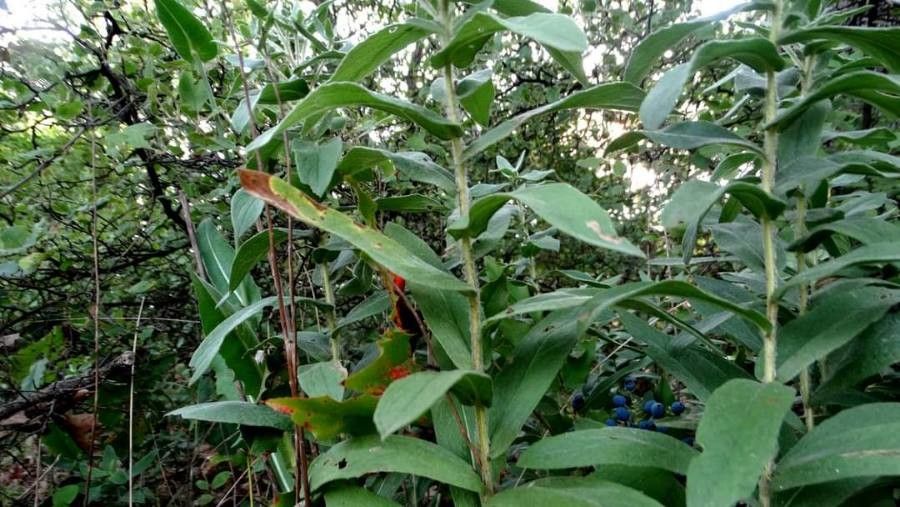
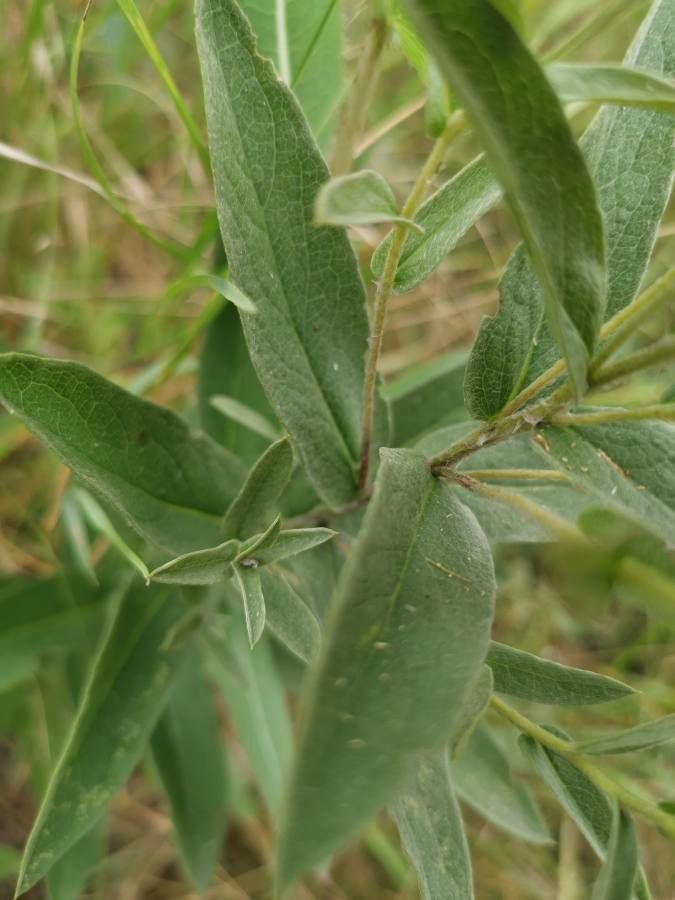
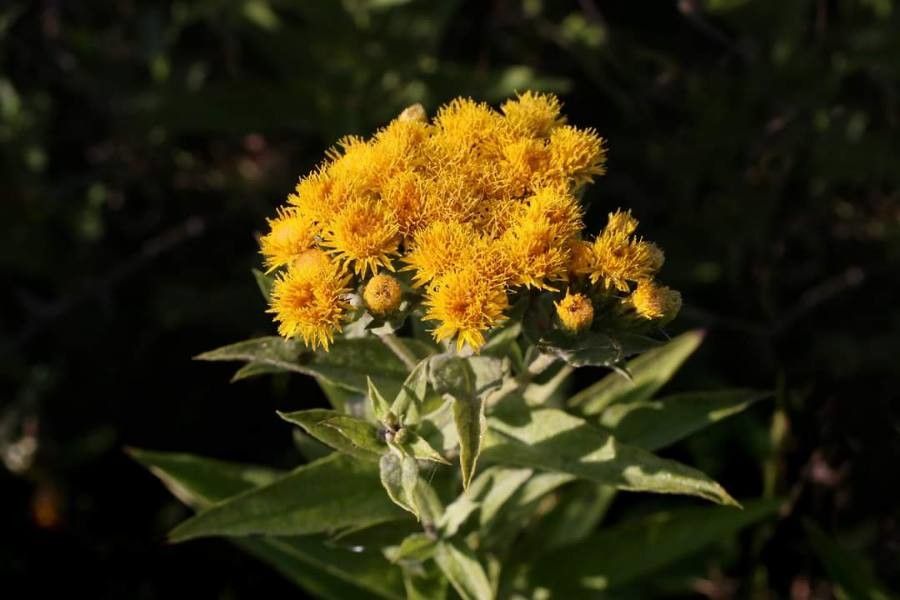
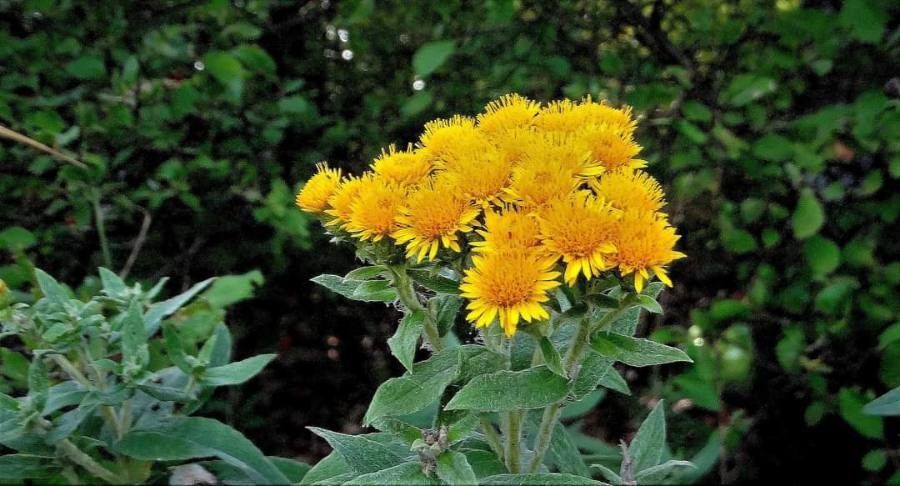
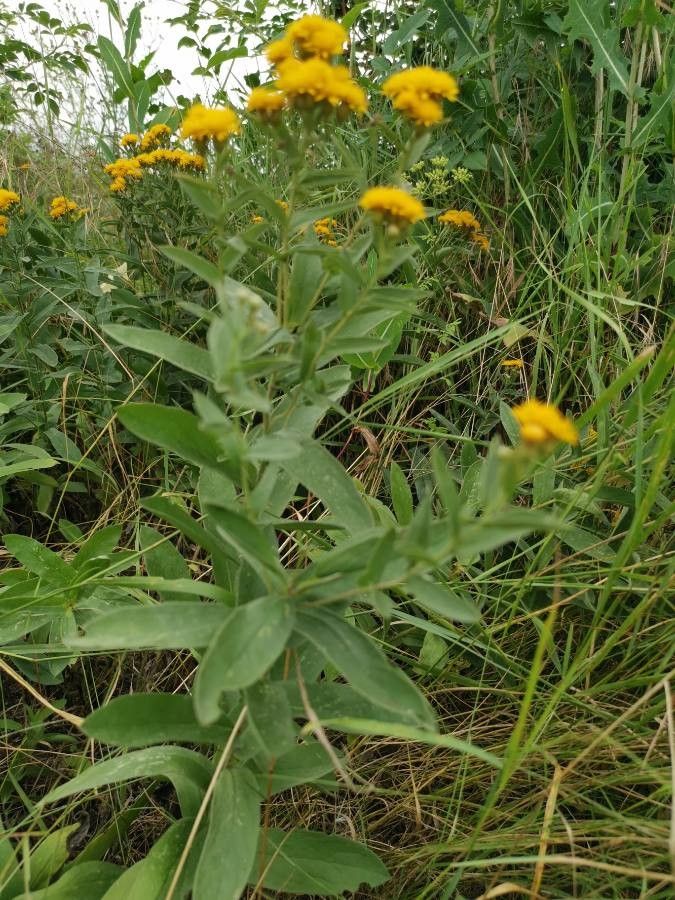
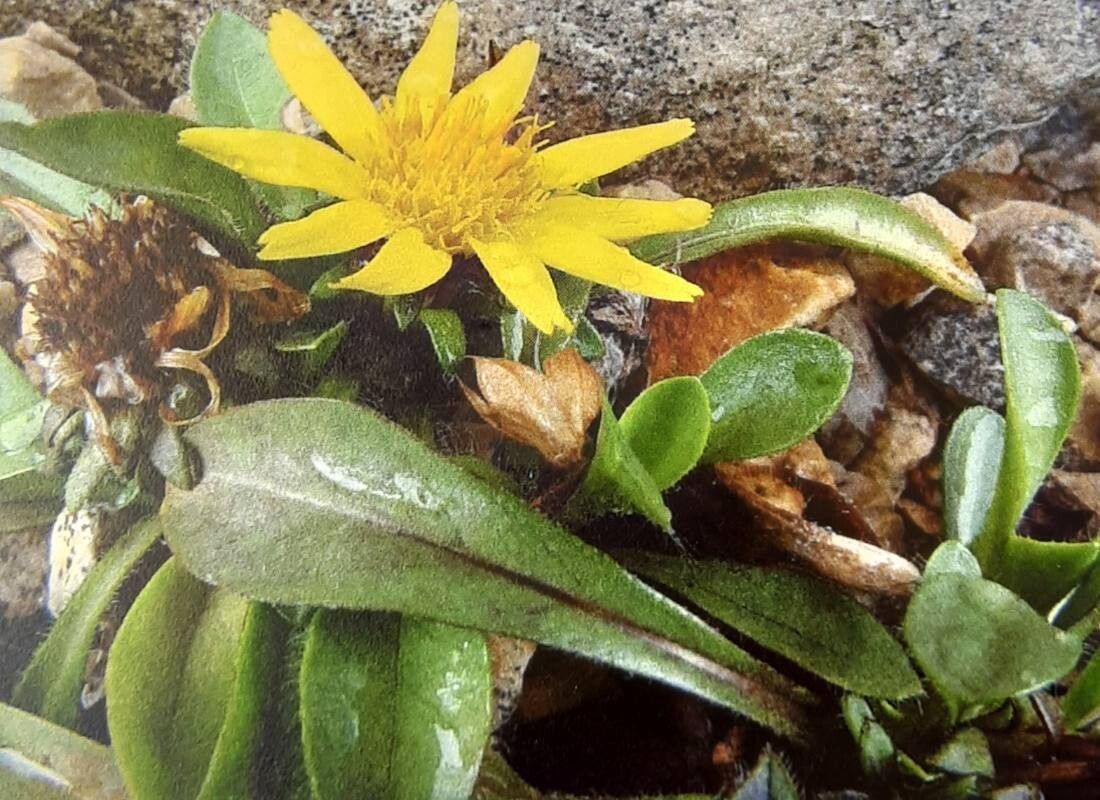
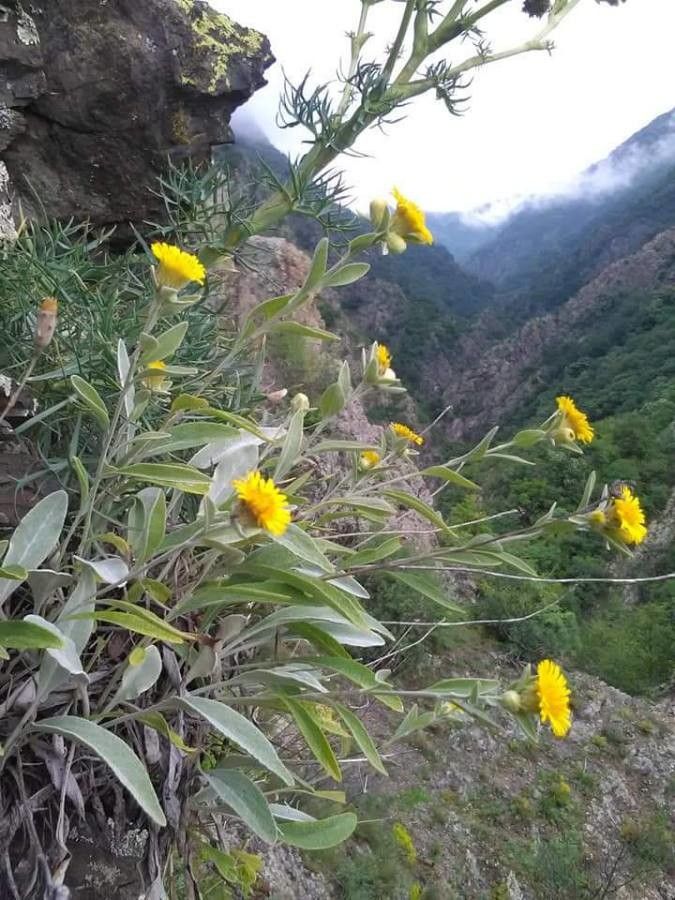
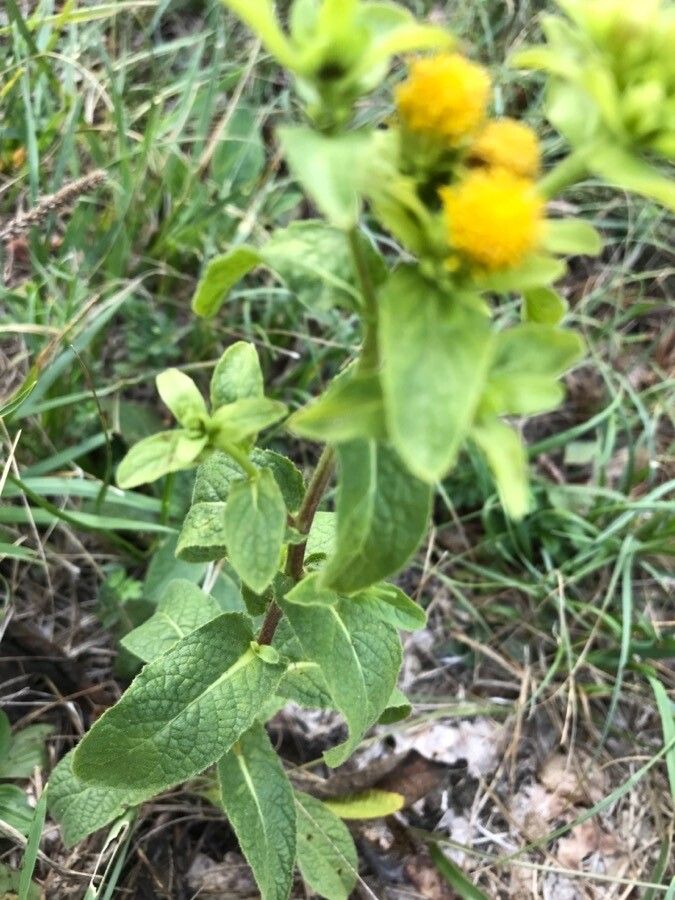
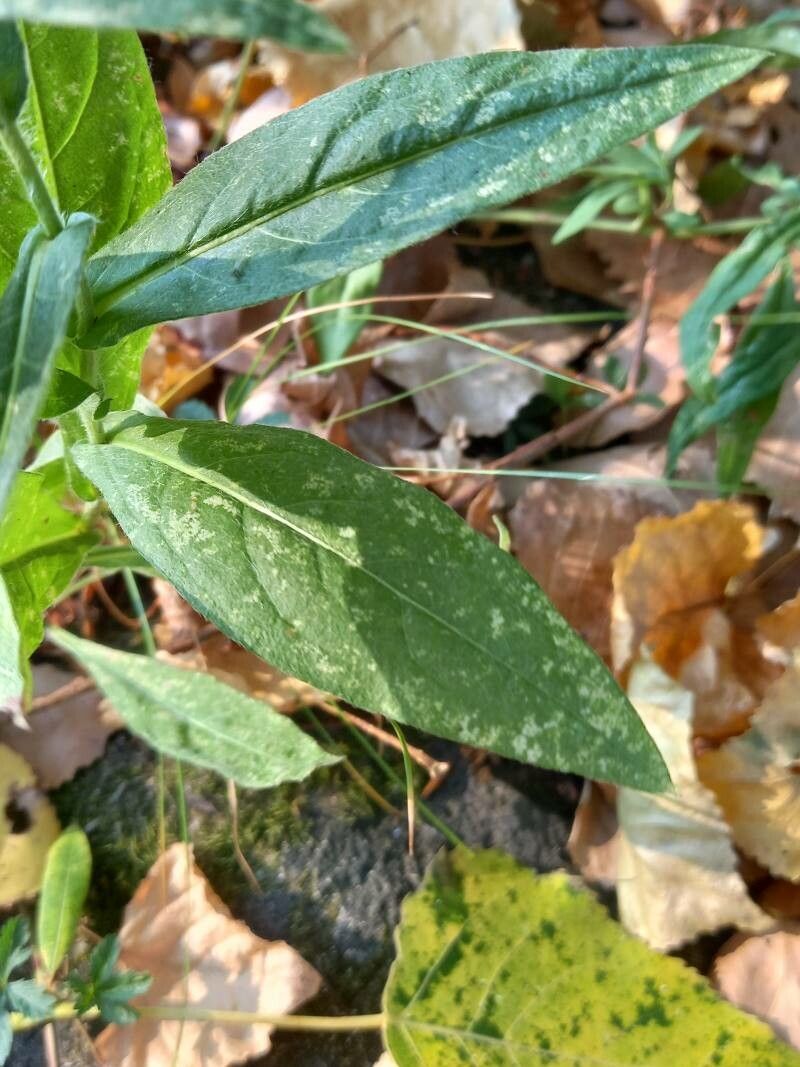
Pentanema spiraeifolium is a species perennial herbaceous plant belonging to the family Asteraceae. It is found from Europe to Iran.
German fleabane is fairly disease-resistant and generally not prone to illness. However, it can be affected by pests and diseases present in its surroundings. Such infections are typically not severe. As for care, this plant needs moderate maintenance. It should be pruned regularly to keep a neat appearance and support healthy growth. Fertilizing can also help encourage flowering. German fleabane is suitable for anyone with outdoor space, like a garden or patio, and does not require extensive care experience. It may need more attention when grown indoors.
How to keep Inula Germanica.
Light
German fleabane, a perennial herbaceous plant, typically originates from open areas and is often found flourishing in meadows and grasslands. It is fond of full sunlight but can also survive under partial sun conditions. This plant enjoys the sun and is a perennial herb.
Temperature
German fleabane possesses the capability of adjusting to varying temperature circumstances, however, its spread might still be restricted due to distinct combinations of hydration and warmth circumstances. It flourishes optimally in heated environments over the summer with sufficient precipitation or irrigation. Extended durations of overcast and wet weather, along with sustained high temperatures, can heighten the risk of German fleabane perishing. During winter, adequate safeguarding against the cold can enhance the survival ratio of the plant.
Fertilizer
The best period to feed a German fleabane is during the initial phase of spring, as it transitions from dormancy to active growth. Fertilizing supplies essential nutrients necessary for robust growth. Even though the German fleabane does not require a high amount of fertilizer, fertilizing it once a year can improve its lifespan and stimulate the development of superior, more durable blooms.
Pruning
German fleabane, recognized for its yellow, daisy-like flowers, benefits from early spring pruning to encourage growth and blooming. To maintain continuous flowering, trim any damaged stems and remove spent flowers. Regular pruning also helps improve air circulation, which can reduce the risk of disease. Be sure to use clean, sharp tools to prevent injury to the plant.
Botanical profile.
- Plant Type
- Herb
- Life Cycle
- Perennial
- Genus
- Inula
- Family
- Compositae
- Hardiness Zone
- 4-9
- Mature Height
- 30 cm to 61 cm
- Mature Spread
- 30 cm to 46 cm
- Leaf Color
- Green, Dark Green
- Leaf Type
- Deciduous
- Flower Color
- Yellow
- Flower Size
- 3.05 cm to 5.08 cm
- Bloom Time
- Early summer, Mid summer
- Planting Time
- Spring, Summer
- Harvest Time
- Late summer, Early fall
Other names.