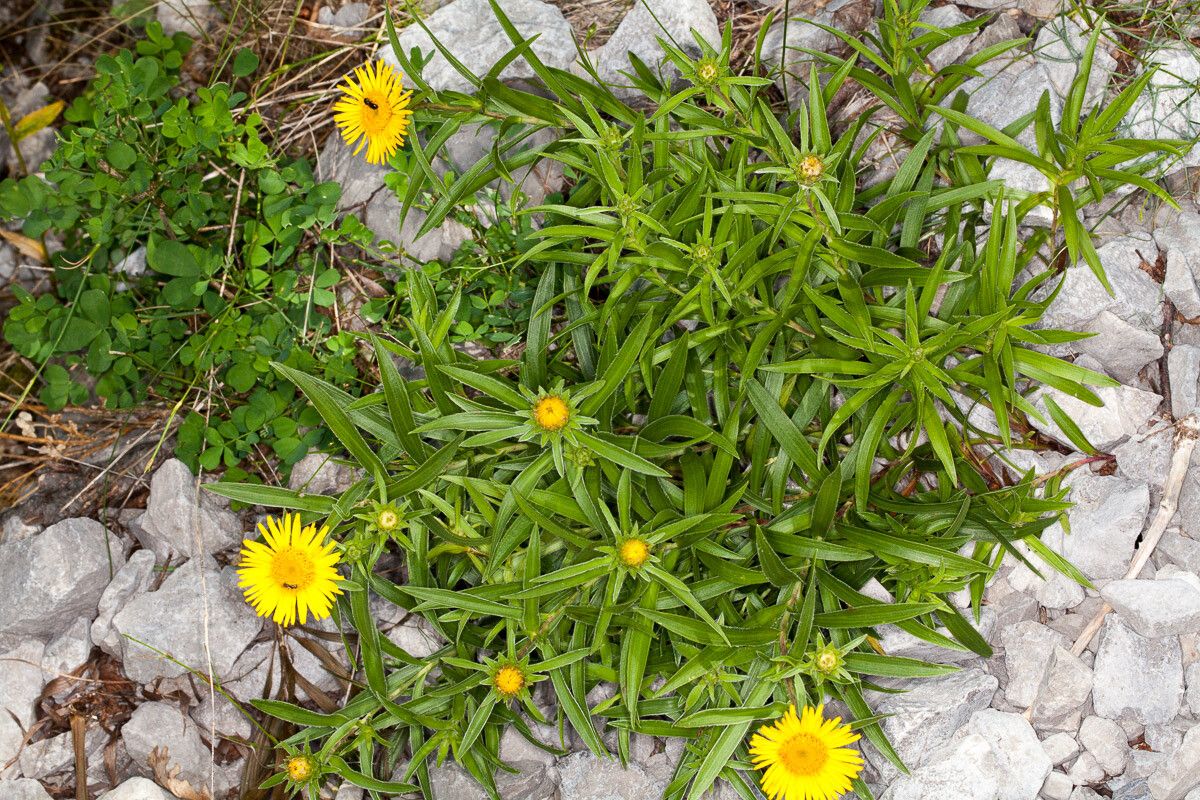
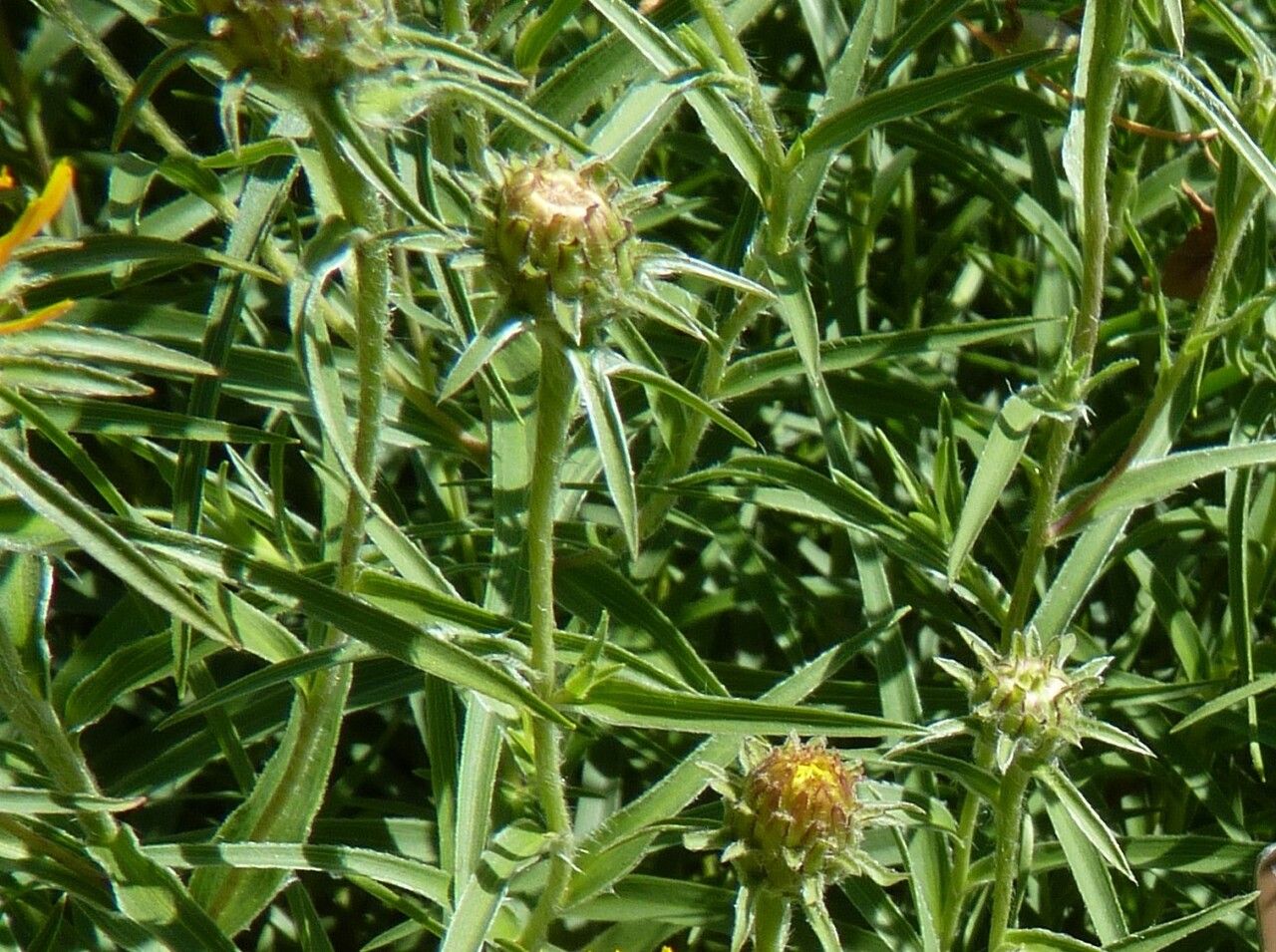
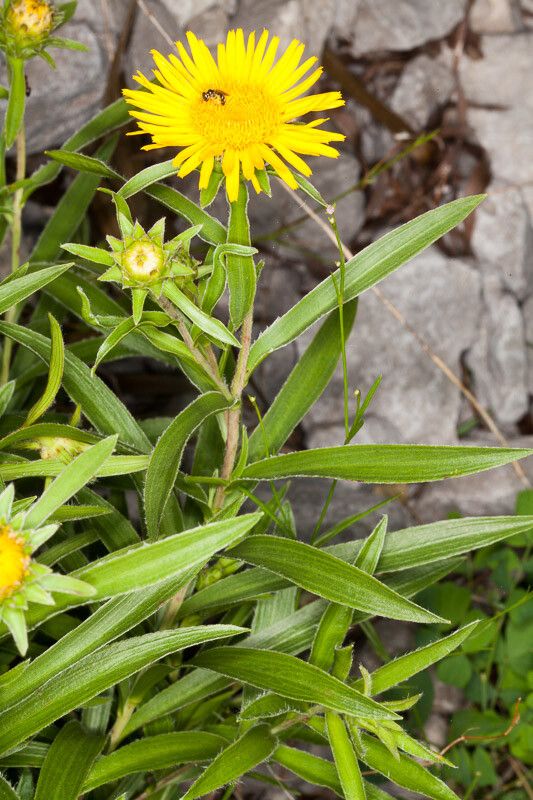
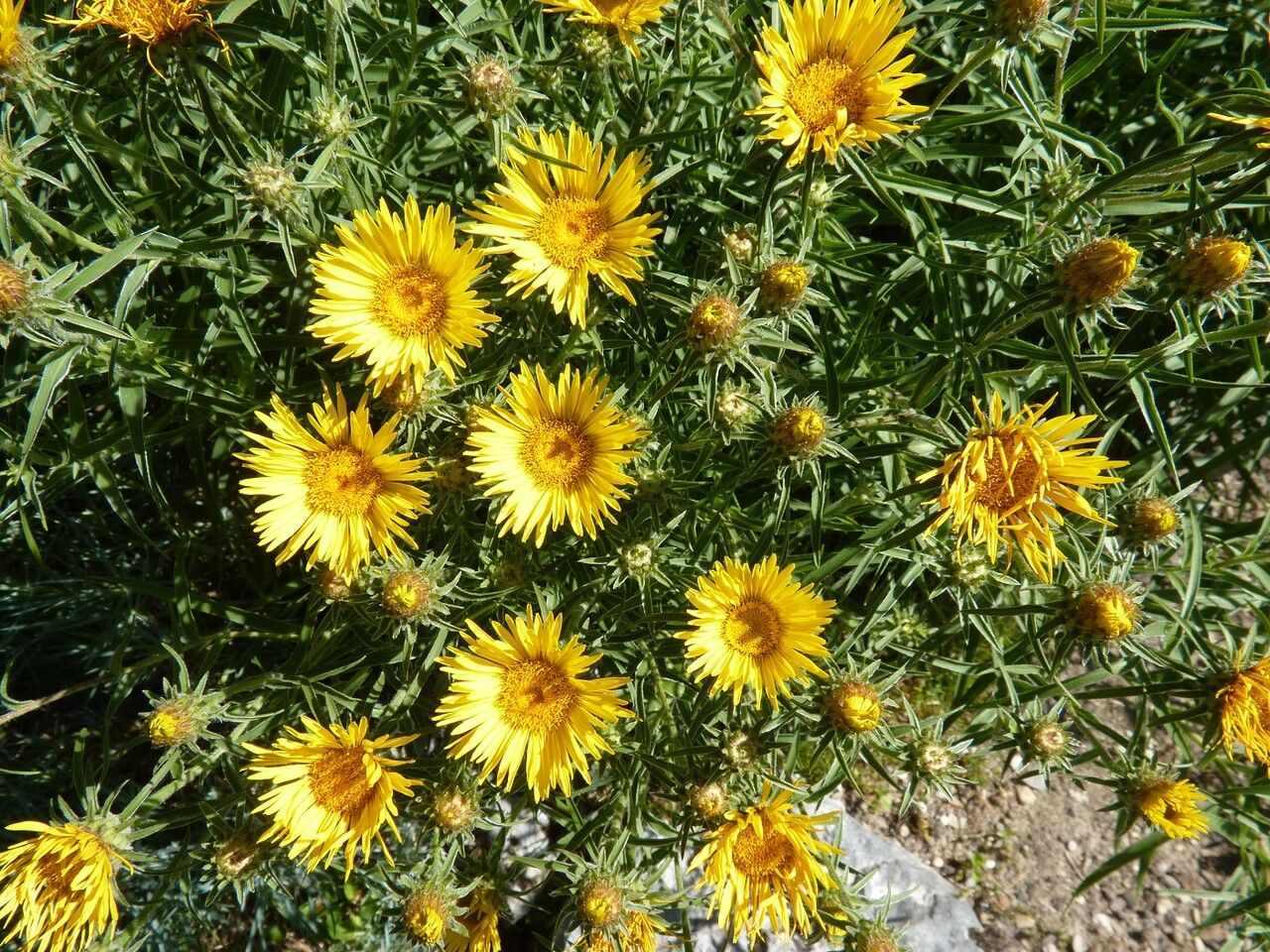
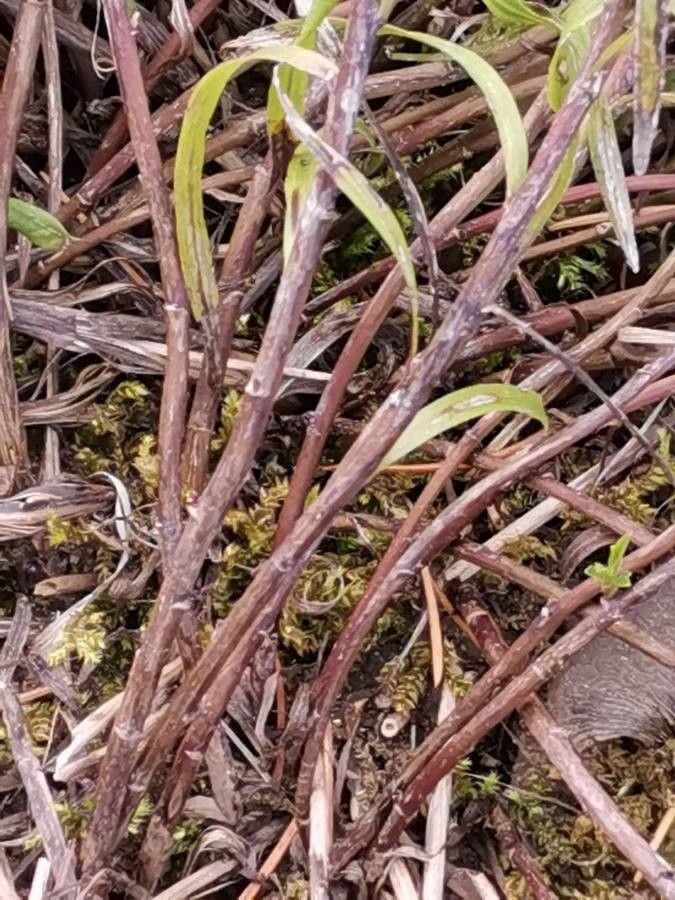
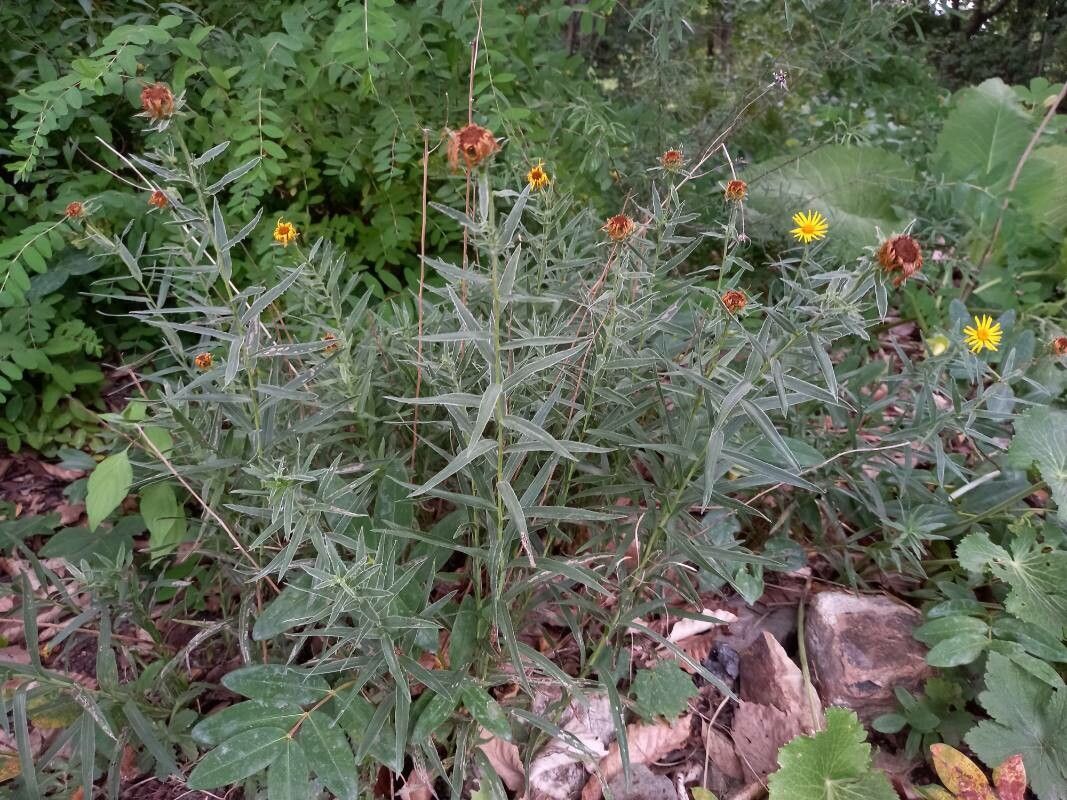
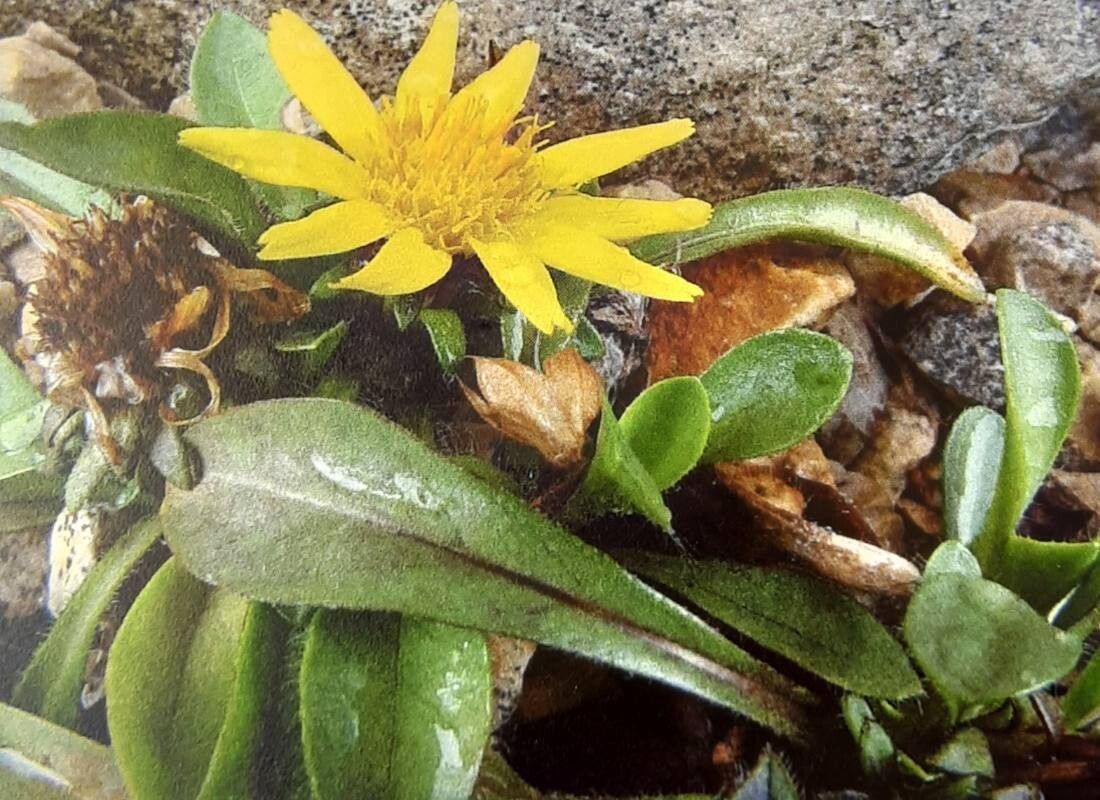
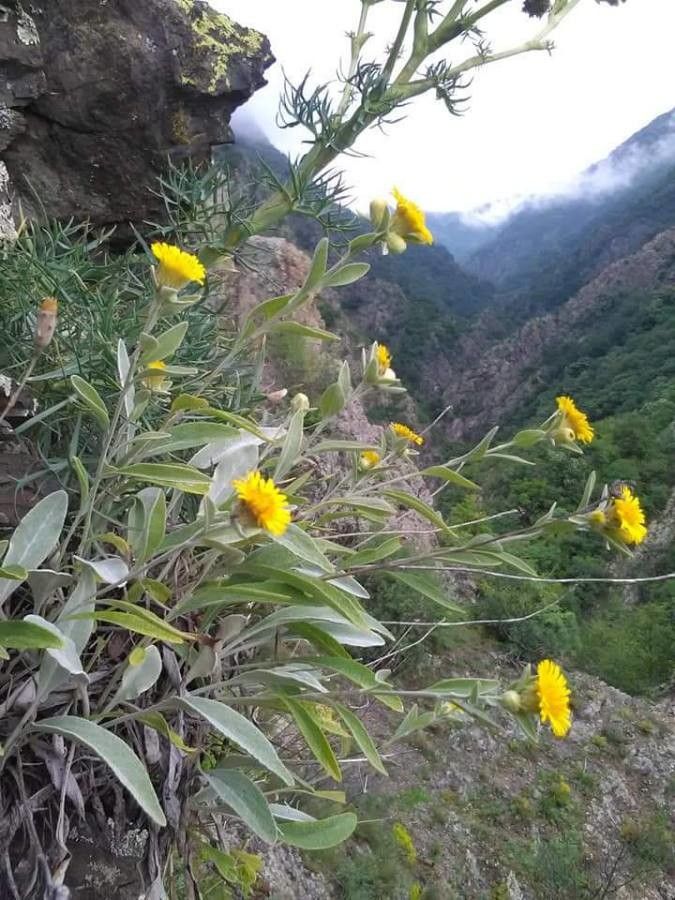
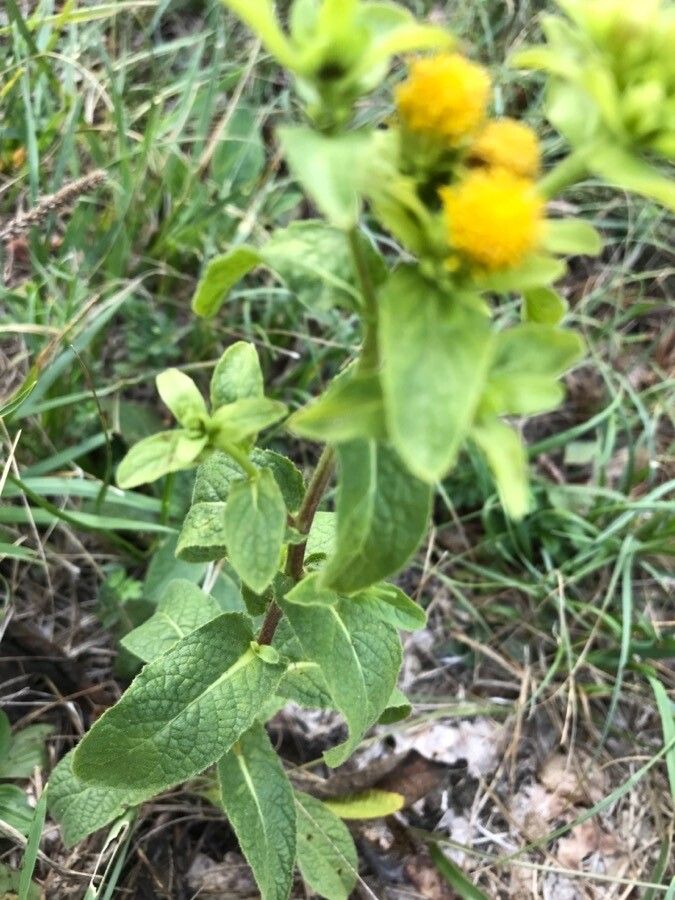
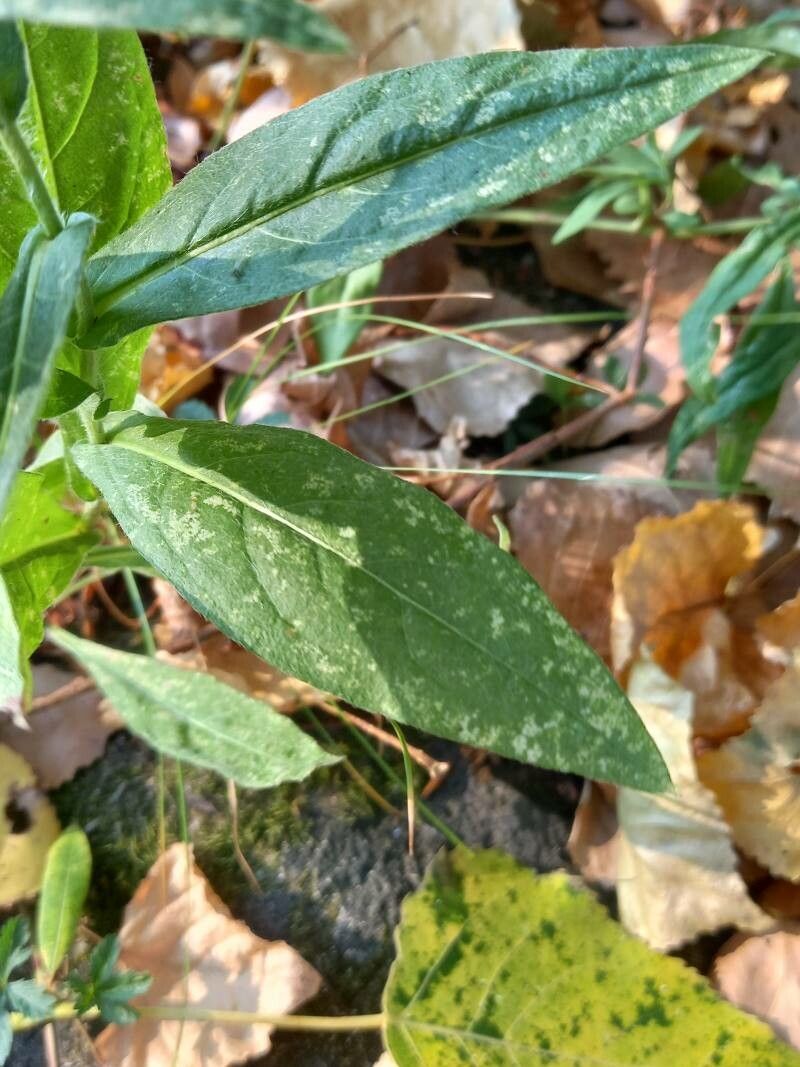
Sword-leaved inula has strong resistance to disease and typically does not suffer from illnesses. Nevertheless, it can be affected by pests and diseases present in its environment. Such infections are generally mild. Regarding care, this plant is moderately demanding. It should be pruned on a regular basis to preserve an attractive appearance and encourage healthy growth. Applying fertilizer can also support increased flowering. Sword-leaved inula is appropriate for anyone with outdoor space, like a garden or patio, and does not demand extensive gardening experience. It may need extra attention when cultivated indoors.
How to keep Inula Ensifolia.
Light
Sword-leaved inula is a sun-loving perennial herbaceous plant that originates from open habitats and often thrives in meadows and grasslands. It prefers full sun but can also tolerate partial sun.
Water
Sword-leaved inula flourishes in well-drained soil with moderate humidity and needs to be watered weekly to replicate the rainfall of its native habitat. As an outdoor perennial herb, it can adapt to various climate zones and endure seasonal changes, as long as it receives consistent moisture.
Temperature
Sword-leaved inula can tolerate a wide range of temperatures, but its distribution may still be restricted by various combinations of moisture and heat. It grows best in warm summer conditions with sufficient rainfall or watering. Long periods of cloudy, rainy weather or sustained high temperatures can increase the chance of Sword-leaved inula dying. In winter, adequate protection from cold can boost the plant's survival rate.
Fertilizer
One spring application of fertilizer is generally enough for Sword-leaved inula, but repeated feedings can enhance growth. Feed every month to a month and a half. Fertilization improves the leaves' appearance and function, supporting uniform color and a healthy texture. It also encourages root development and nutrient uptake for the plant's long-term health.
Pruning
Sword-leaved inula is characterized by its sword-like leaves and yellow flowers. For optimal growth, prune the old stems early in the spring. Regularly remove faded flowers to extend the blooming period, improve air circulation, and reduce the risk of disease. Make sure to use clean, sharp tools for precise cuts to encourage healthy regrowth.
Botanical profile.
- Plant Type
- Herb
- Life Cycle
- Perennial
- Genus
- Inula
- Family
- Compositae
- Hardiness Zone
- 5-9
- Mature Height
- 30 cm to 61 cm
- Mature Spread
- 20 cm to 40 cm
- Leaf Color
- Green
- Leaf Type
- Deciduous
- Flower Color
- Yellow, Gold
- Flower Size
- 2.03 cm to 3.05 cm
- Bloom Time
- Late summer, Early fall, Mid fall
- Planting Time
- Spring, Summer, Autumn
- Harvest Time
- Mid fall, Late fall
Other names.