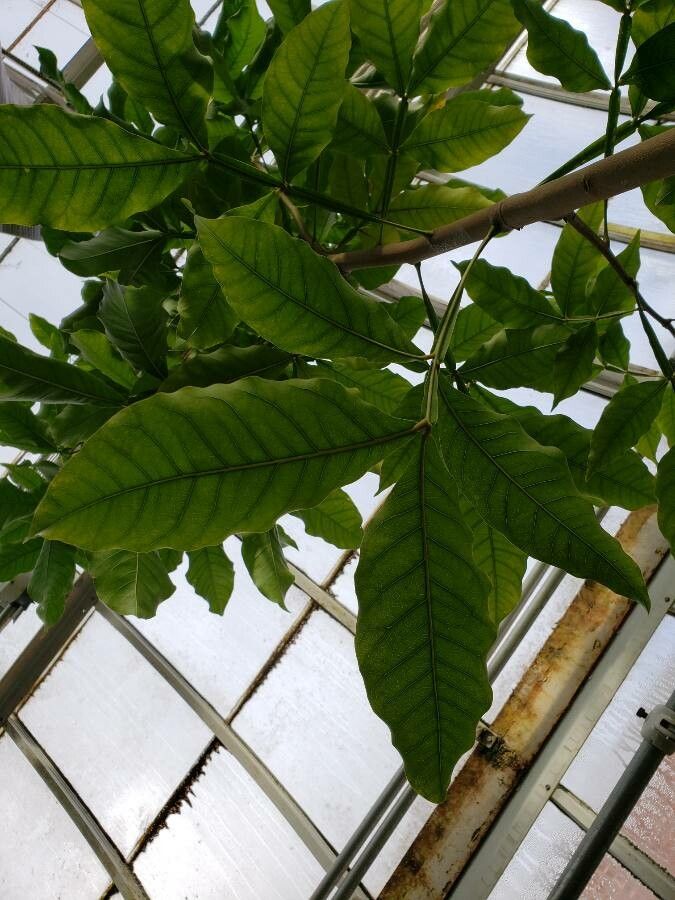
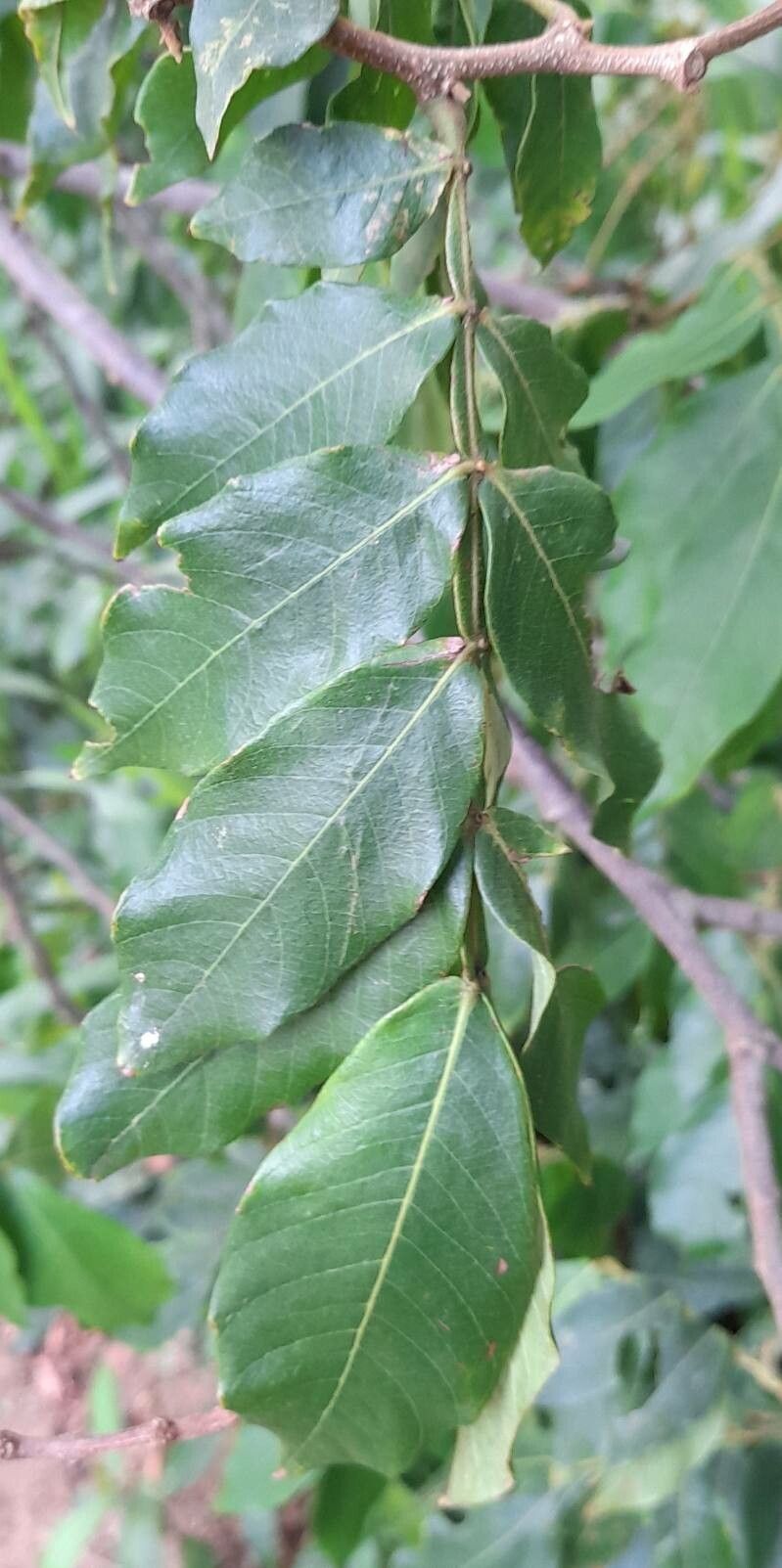
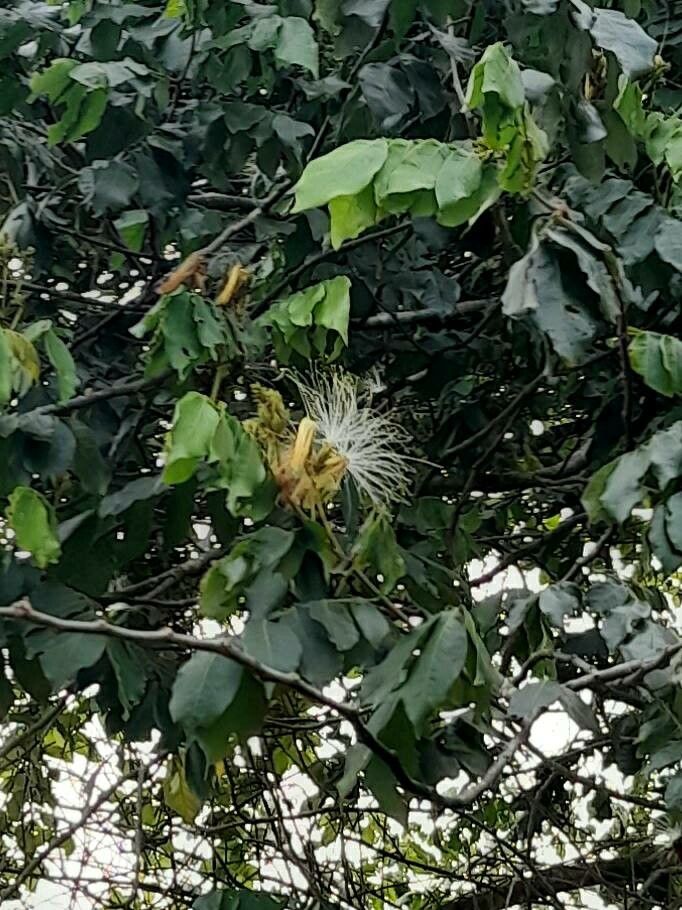
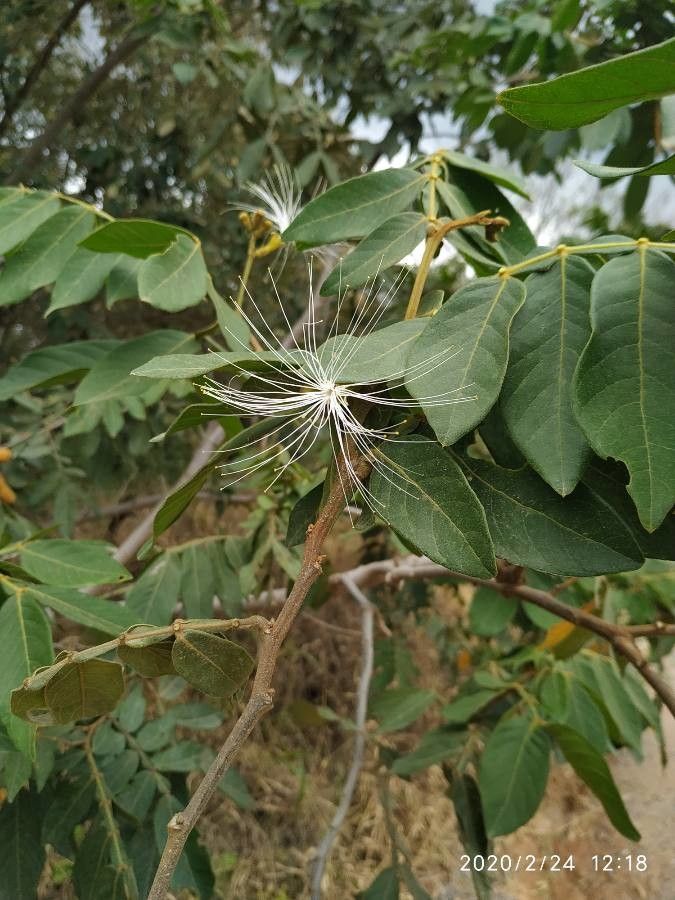
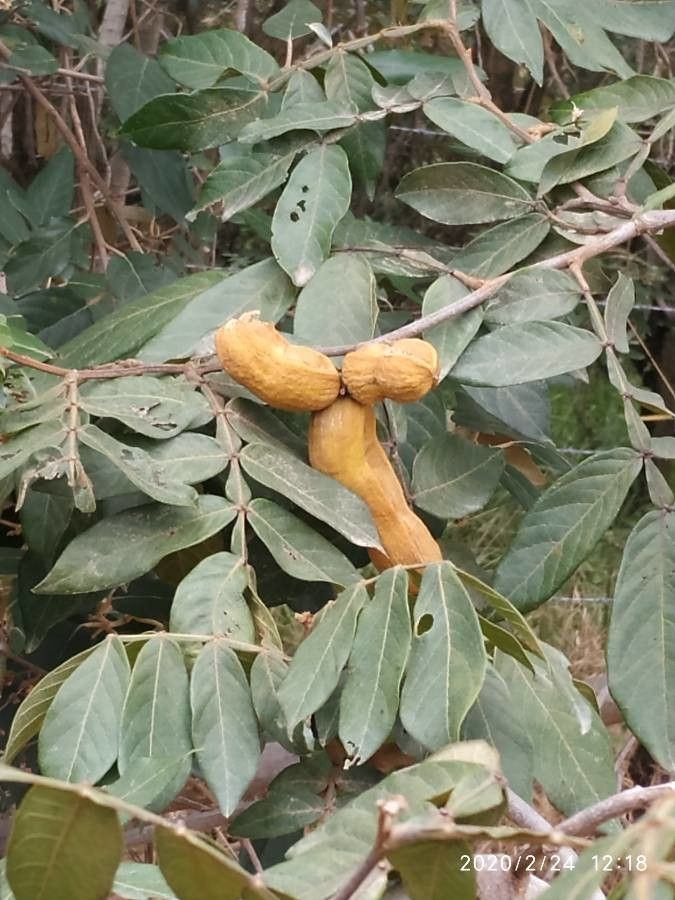
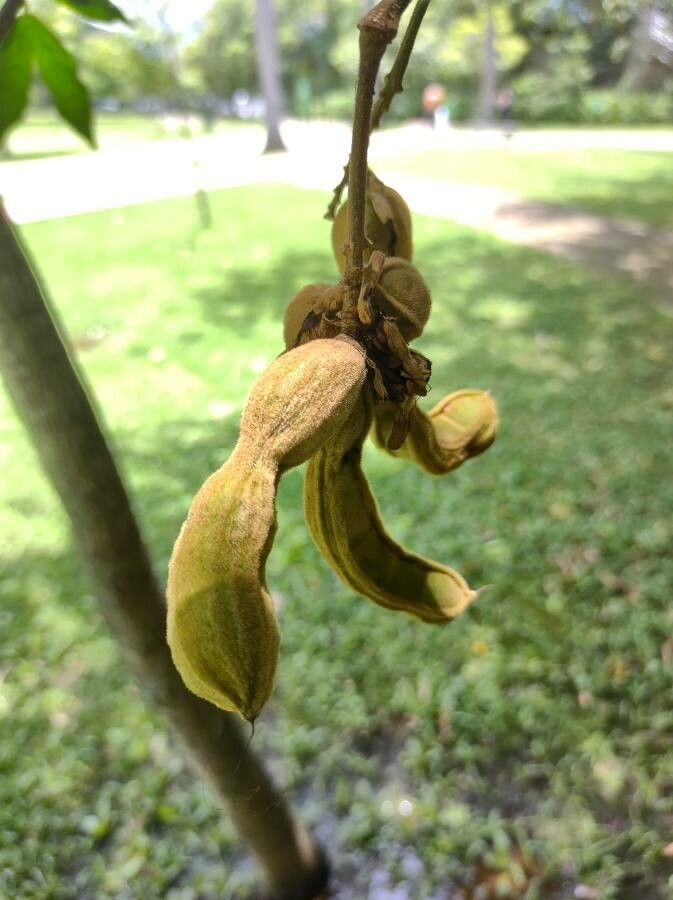
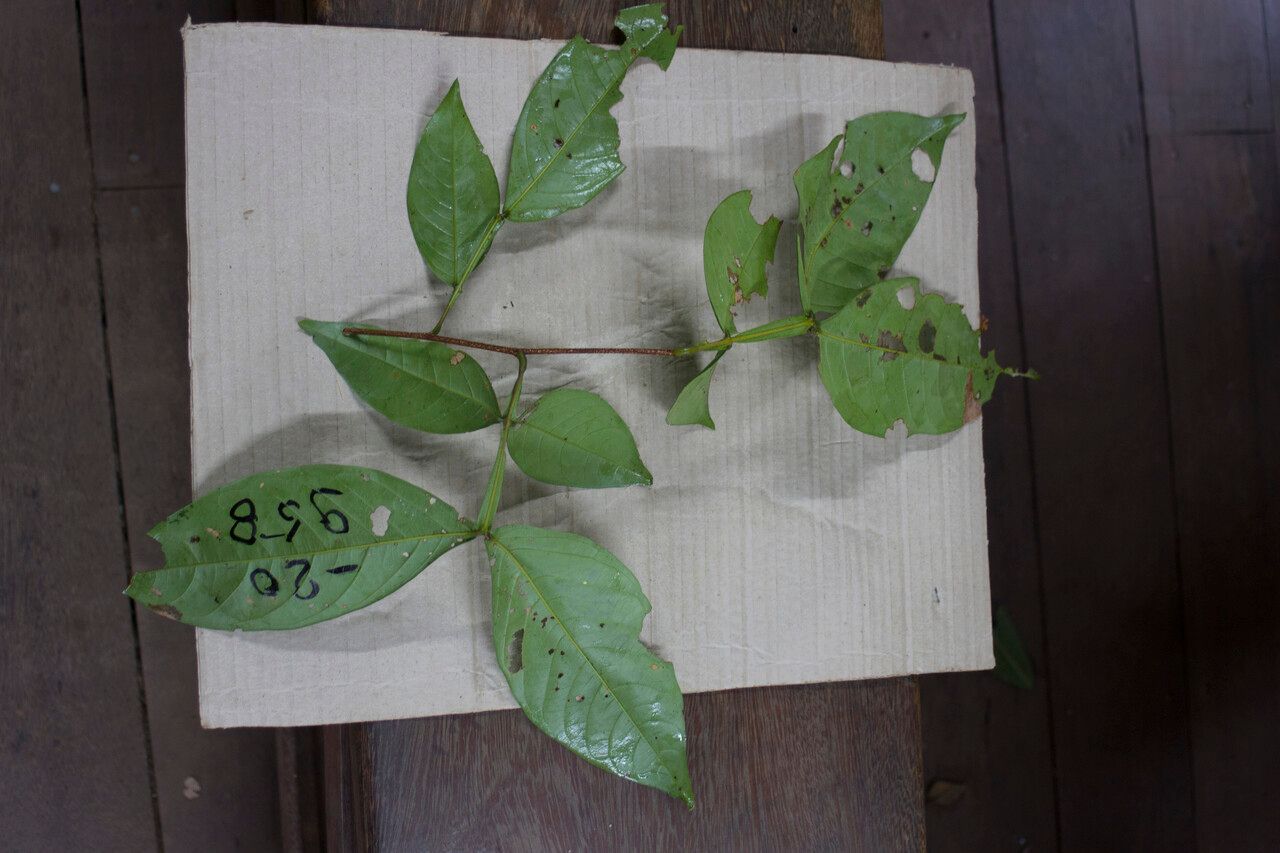
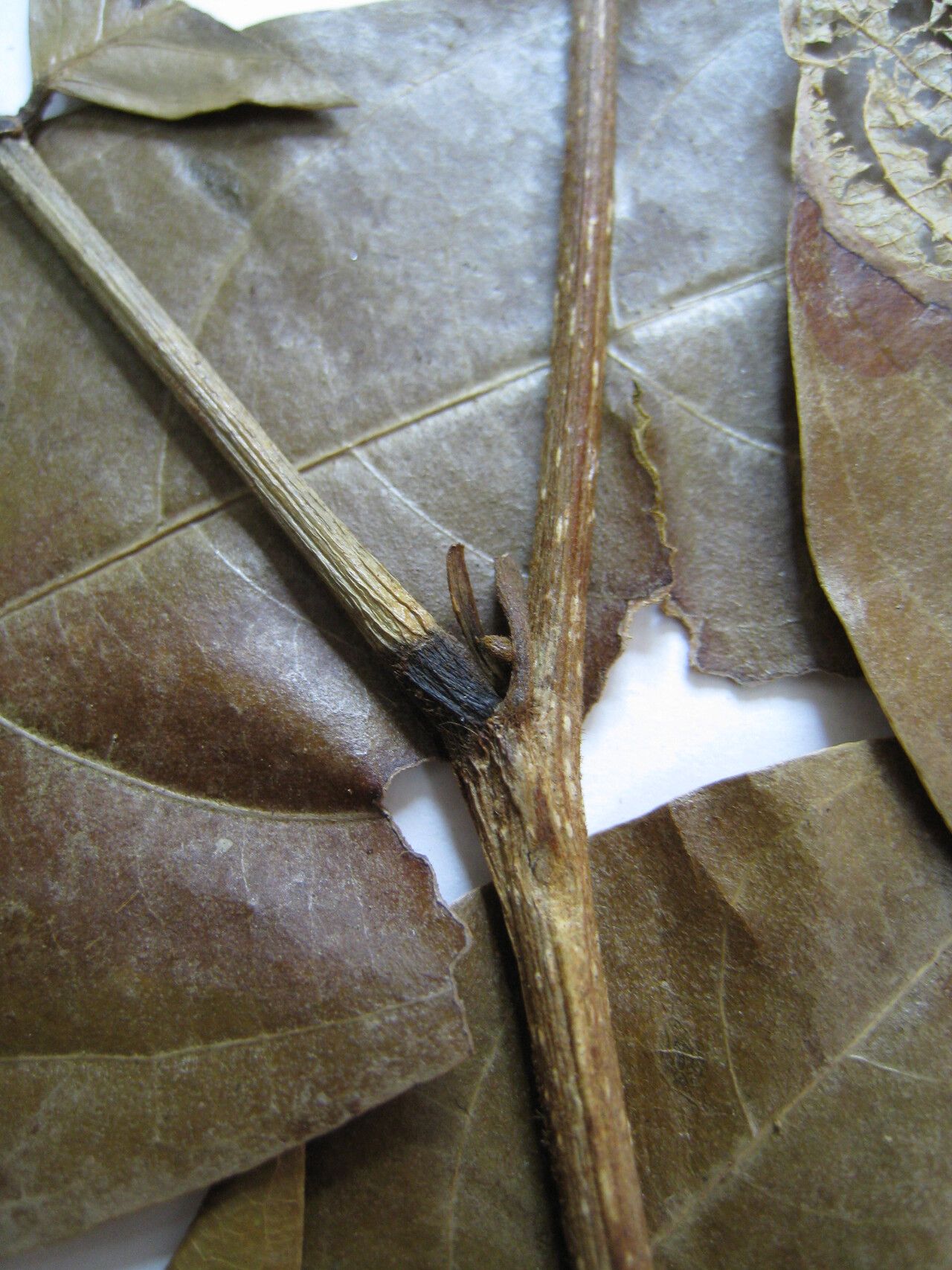
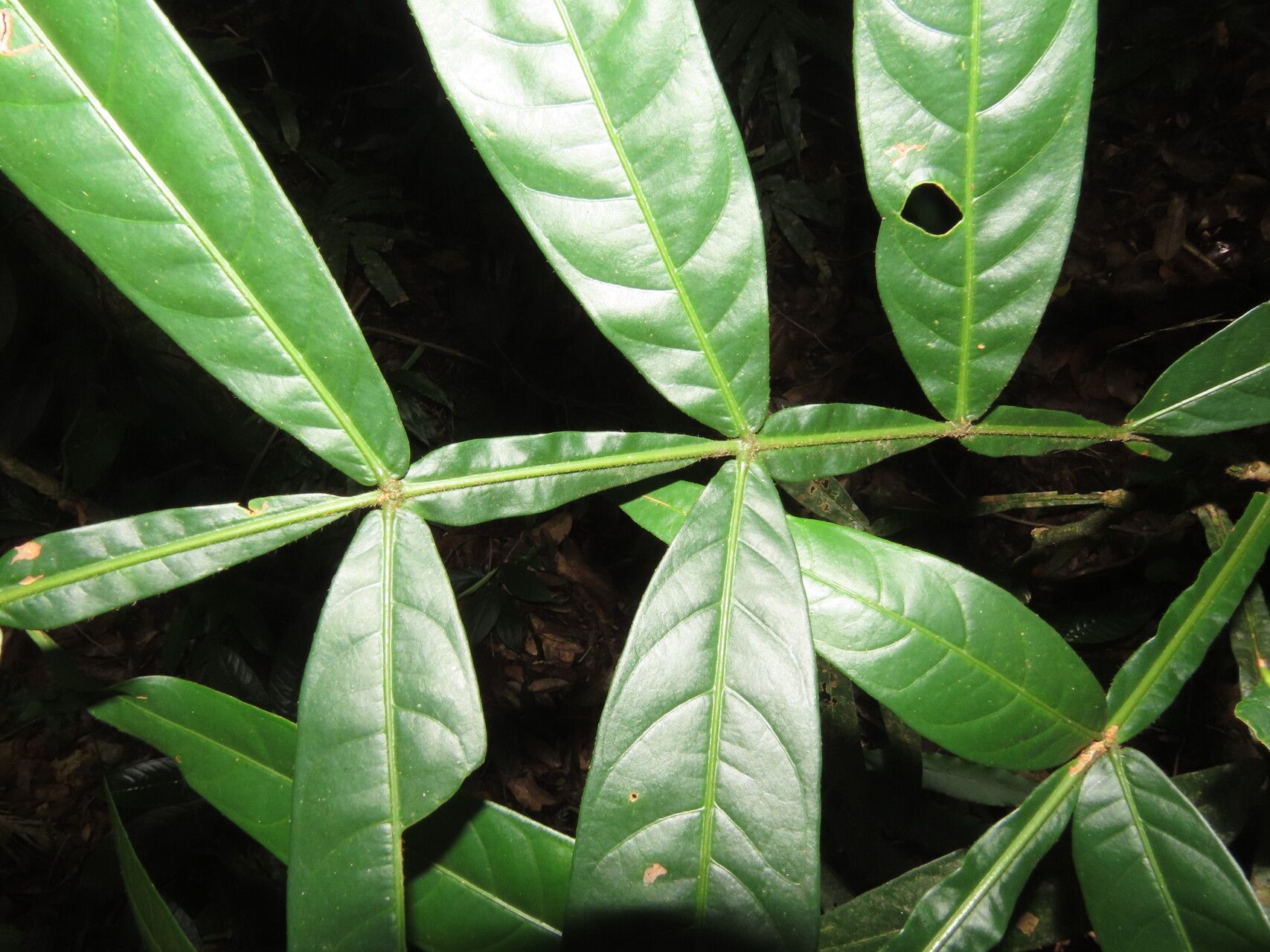
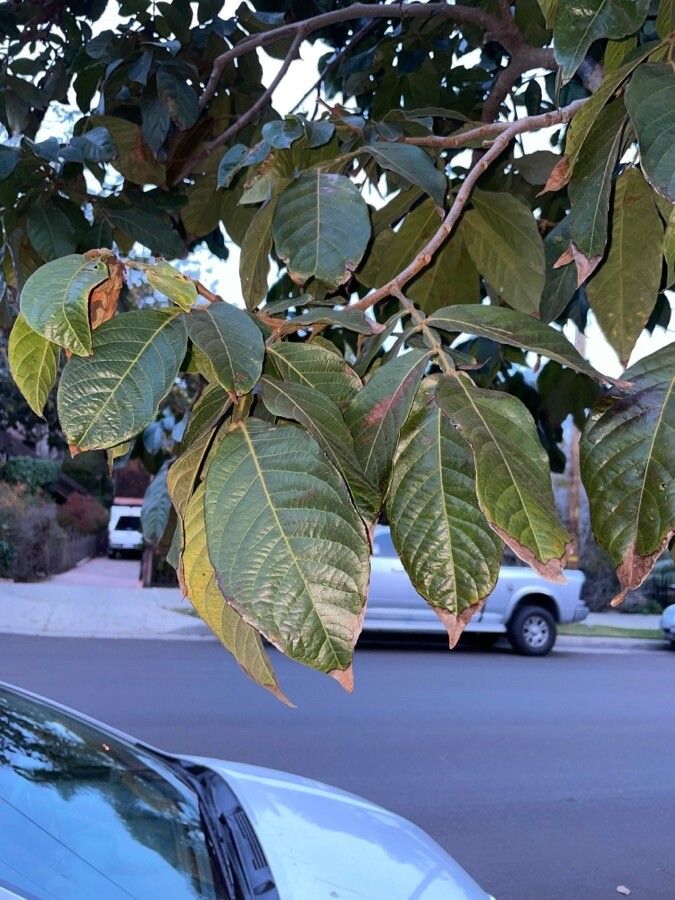
Inga vera, commonly known as the ice-cream bean tree, is a species of flowering plant in the legume family. Native to Central and South America, this tree can grow up to 25 meters in height. It produces large pods filled with a sweet pulp that tastes like vanilla ice cream, which gives the tree its popular name. Beyond its culinary appeal, Inga vera also offers several medicinal benefits. Traditional medicine has utilized the tree's bark as an antipyretic and analgesic agent. Additionally, the bark contains compounds known to have anti-inflammatory properties. Inga vera is also valuable for soil conservation due to its ability to fix nitrogen through symbiotic relationships with nitrogen-fixing bacteria. This capability makes it a significant plant in agroforestry systems. Overall, Inga vera is a versatile plant that offers numerous benefits for both humans and the environment.
River koko is resistant to disease and is generally not susceptible to illnesses. Regarding care, this plant is fairly low-maintenance. When grown outdoors it needs little watering, and larger specimens usually do not require pruning. Smaller plants, however, should be trimmed after they finish blooming. River kokot is suitable for anyone with an outdoor area, such as a garden or deck, and does not demand much care experience.
How to keep Inga Vera.
Light
River koko comes from open habitats, such as sunny meadows and forest margins, which offer abundant light. It thrives in Full Sun but can also tolerate Partial Sun, adapting well to various sunlight conditions.
Temperature
River koko comes from tropical areas, where the climate is usually warm and humid. Consequently, it is well suited to high temperatures and moisture. It does not tolerate sudden temperature changes and prefers a steady thermal environment, so avoiding indoor temperature fluctuations is important. It typically cannot withstand cold conditions and needs warmer temperatures to grow. If the surrounding temperature falls too low, the plant may stop growing or even die.
Fertilizer
The best time to fertilize a River koko is in early spring when it breaks dormancy. Applying fertilizer then supports overall growth and flower development. It improves foliage, stems, and branches, and encourages flowers that are large, vibrant, and long-lasting. Fertilization also helps transport nutrients from the roots to the flowers and strengthens the plant's health and resistance to disease.
Pruning
Pruning the River Koko in early spring is vital for promoting healthy growth and maintaining its shape. Regularly removing damaged branches enhances air circulation and light exposure, which supports the plant's overall health. Be sure to use clean tools to prevent disease, ensuring optimal recovery and improving both its structural integrity and visual appeal.
Botanical profile.
- Plant Type
- Tree
- Life Cycle
- Perennial
- Genus
- Inga
- Family
- Fabaceae
- Hardiness Zone
- 10-12
- Mature Height
- 10.06 m to 24.99 m
- Mature Spread
- 7.92 m to 14.94 m
- Leaf Color
- Dark Green, Green
- Leaf Type
- Evergreen
- Flower Color
- White
- Flower Size
- 2.03 cm to 3.05 cm
- Bloom Time
- Late spring, Summer, Early fall, Mid fall
- Planting Time
- Spring, Summer, Autumn
- Harvest Time
- Late summer, Fall, Early winter, Mid winter
Other names.