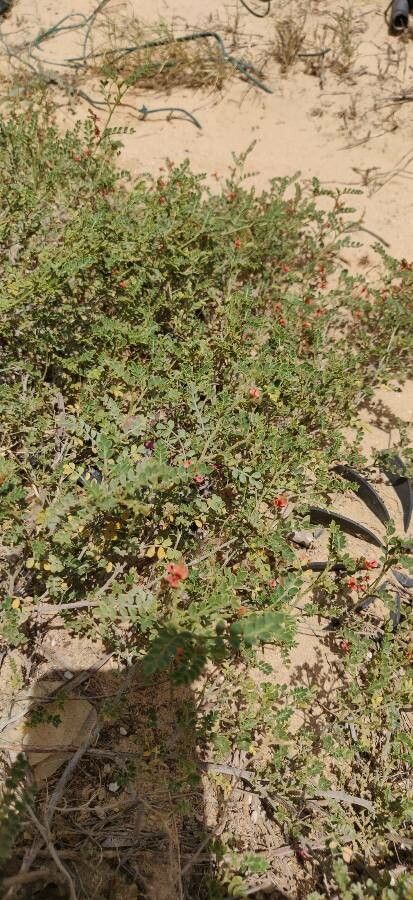
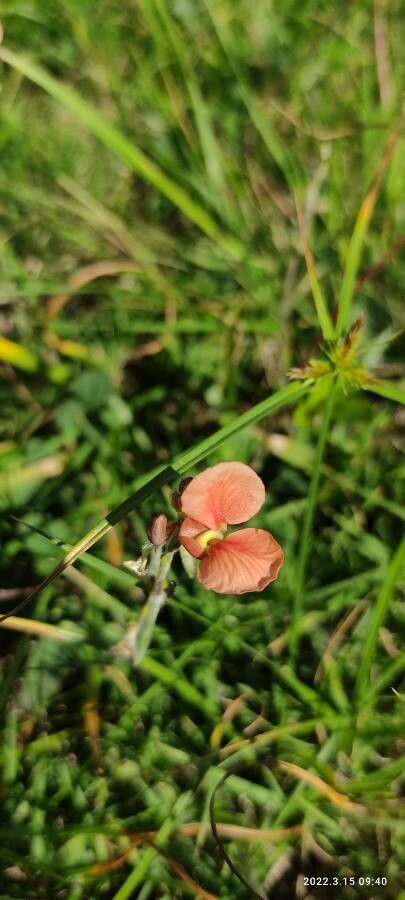
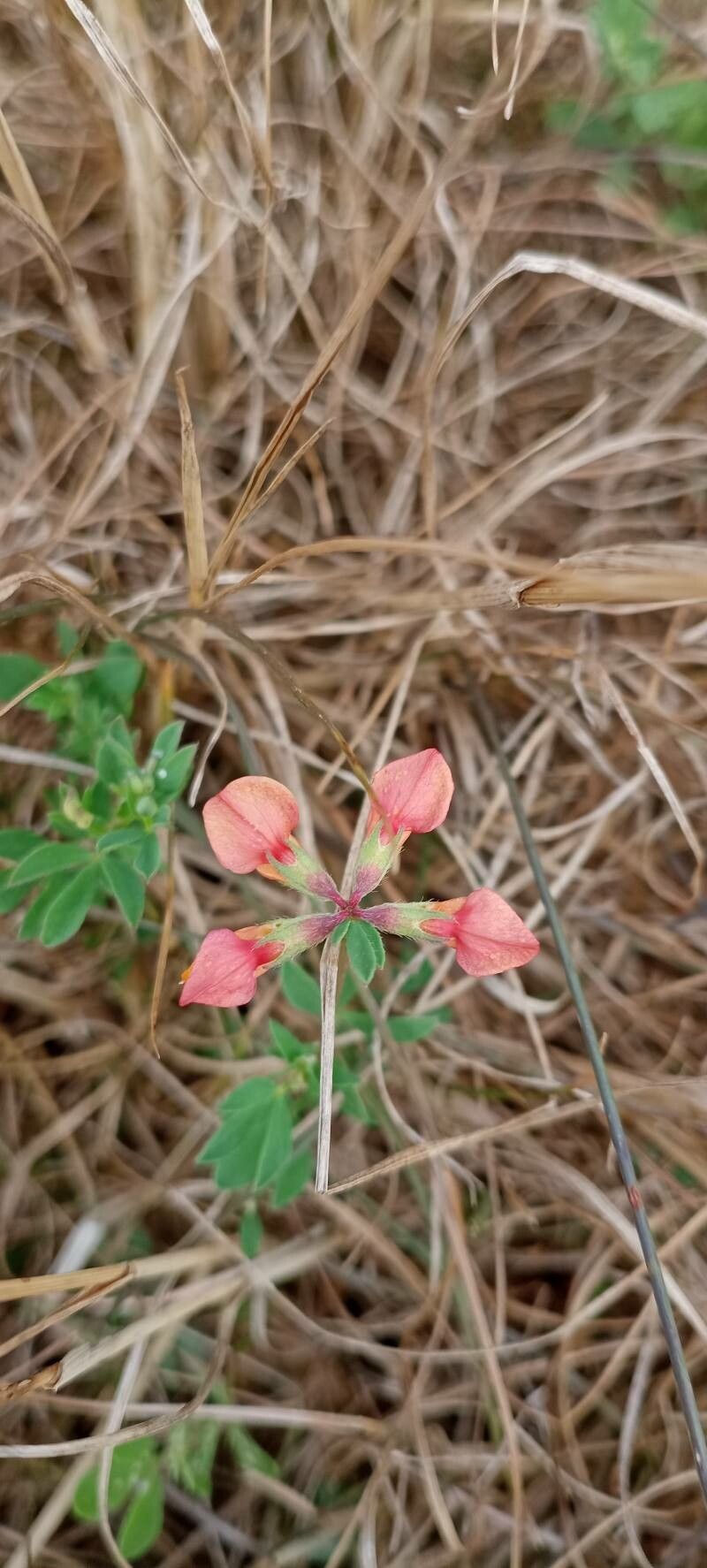
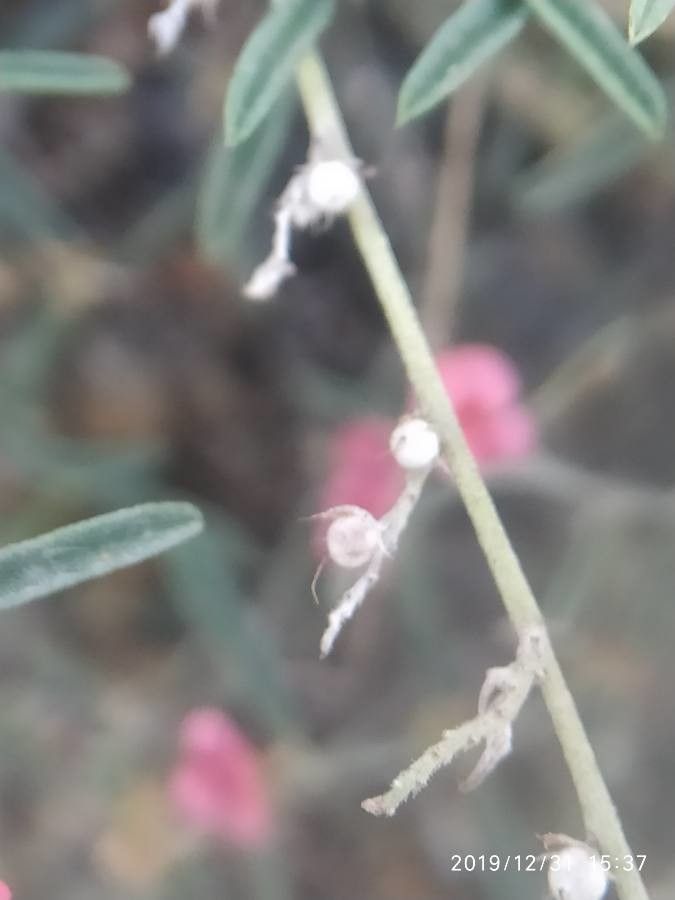
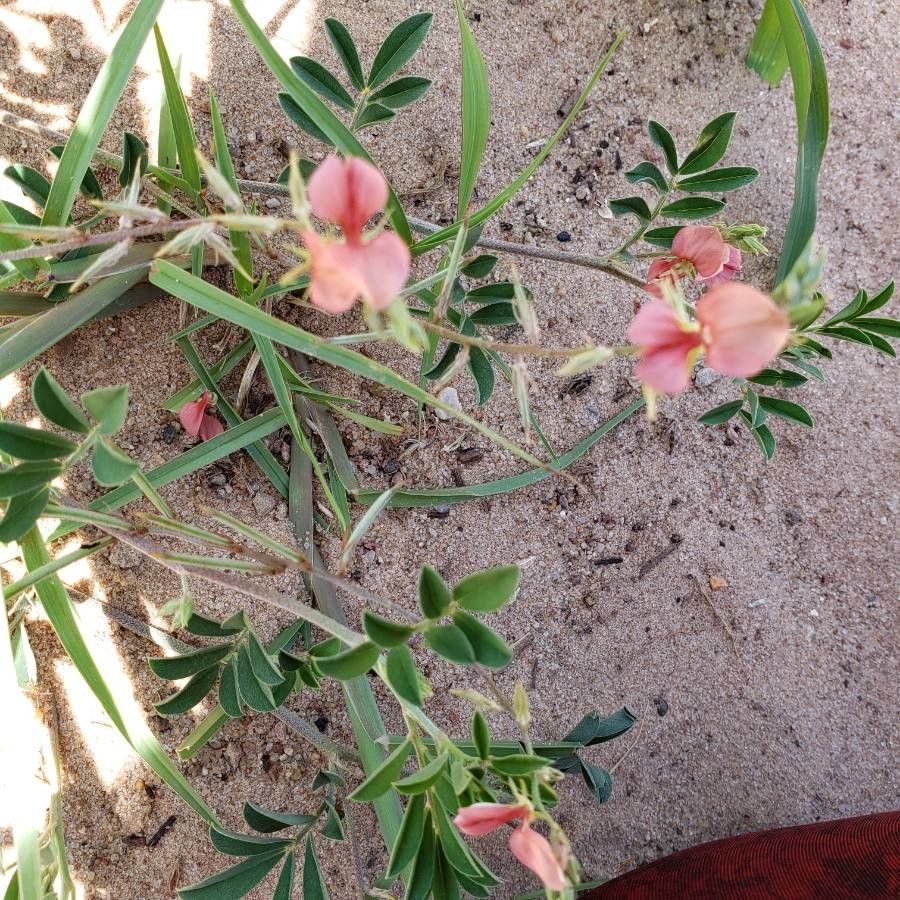
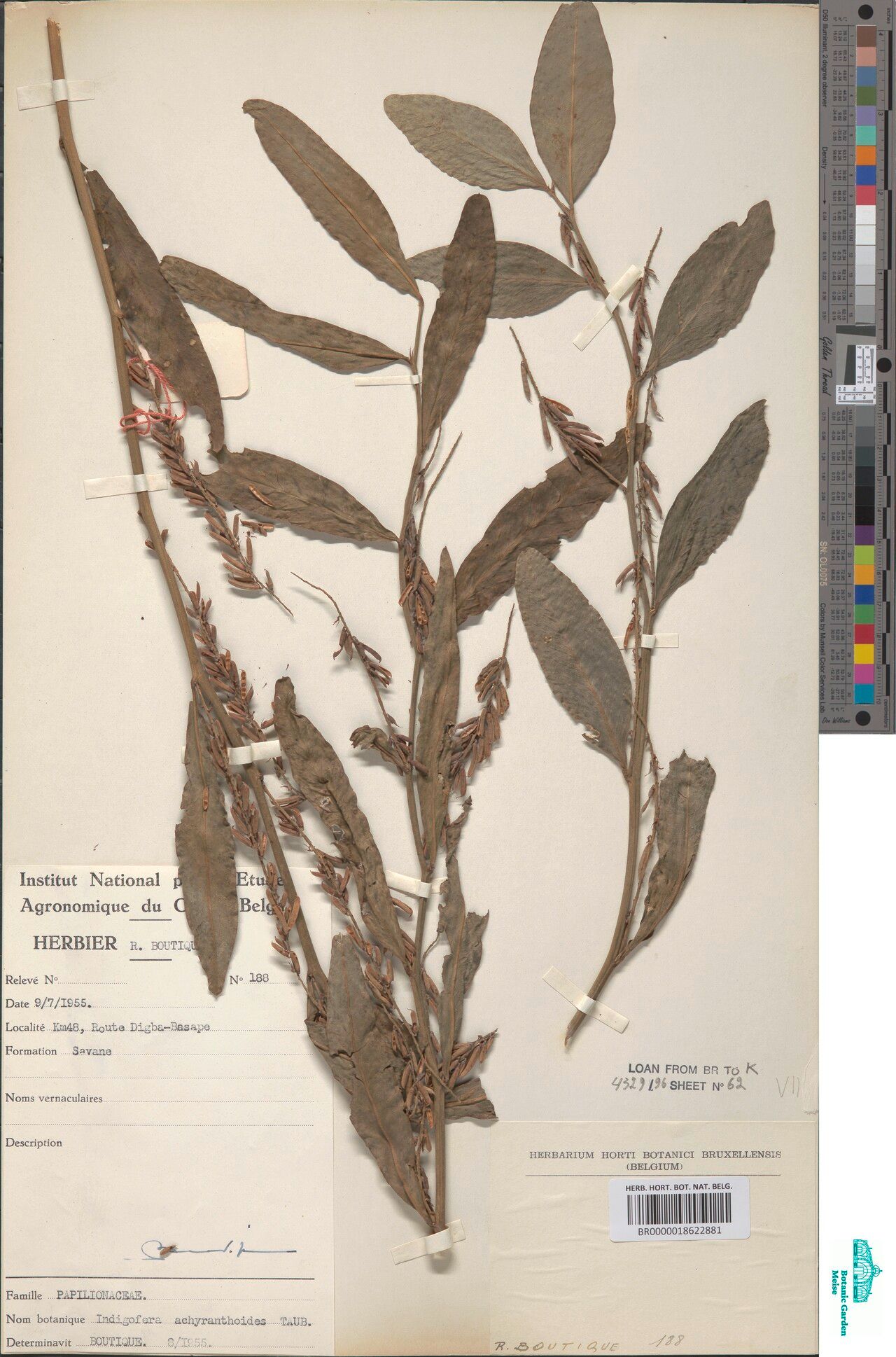
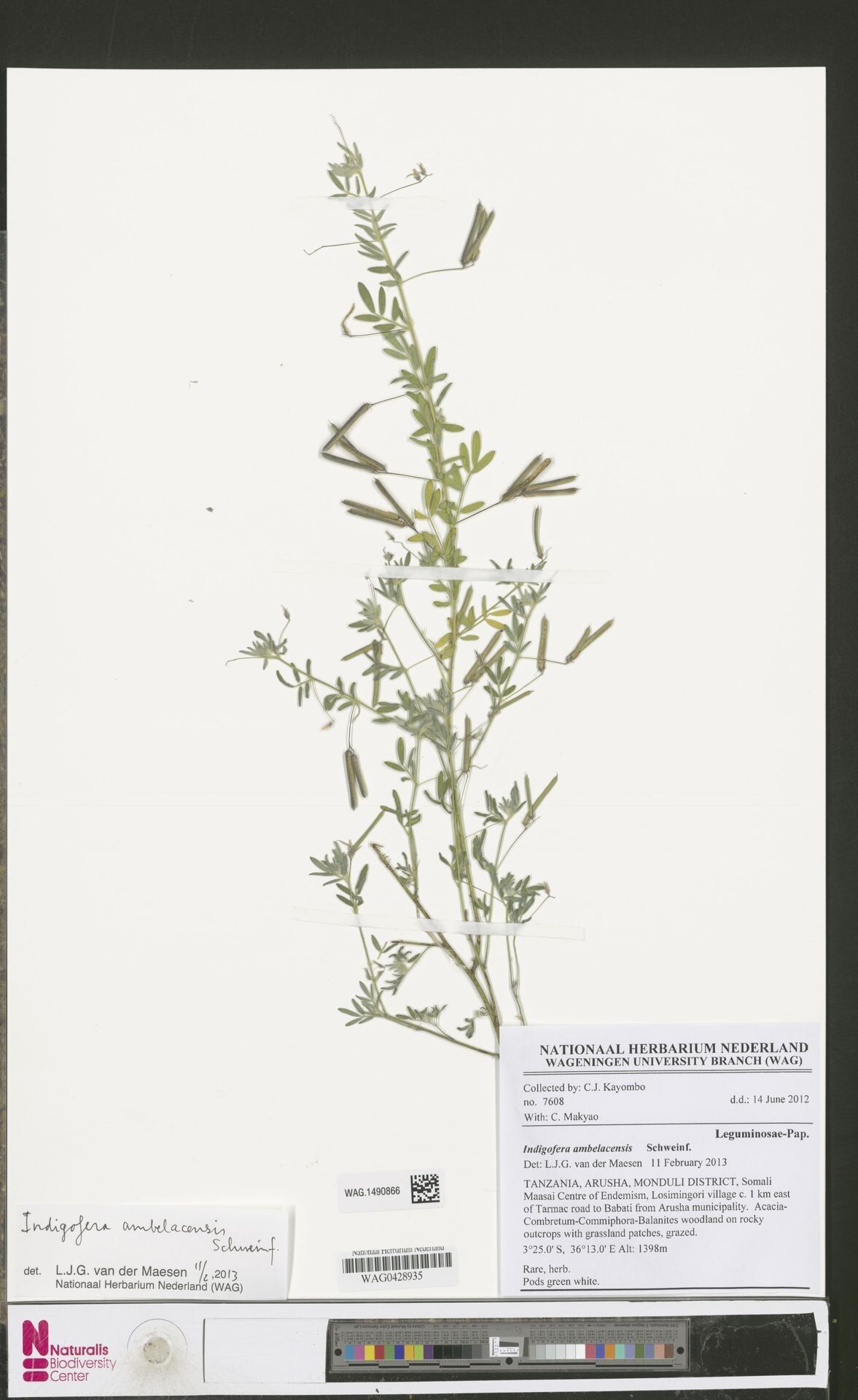
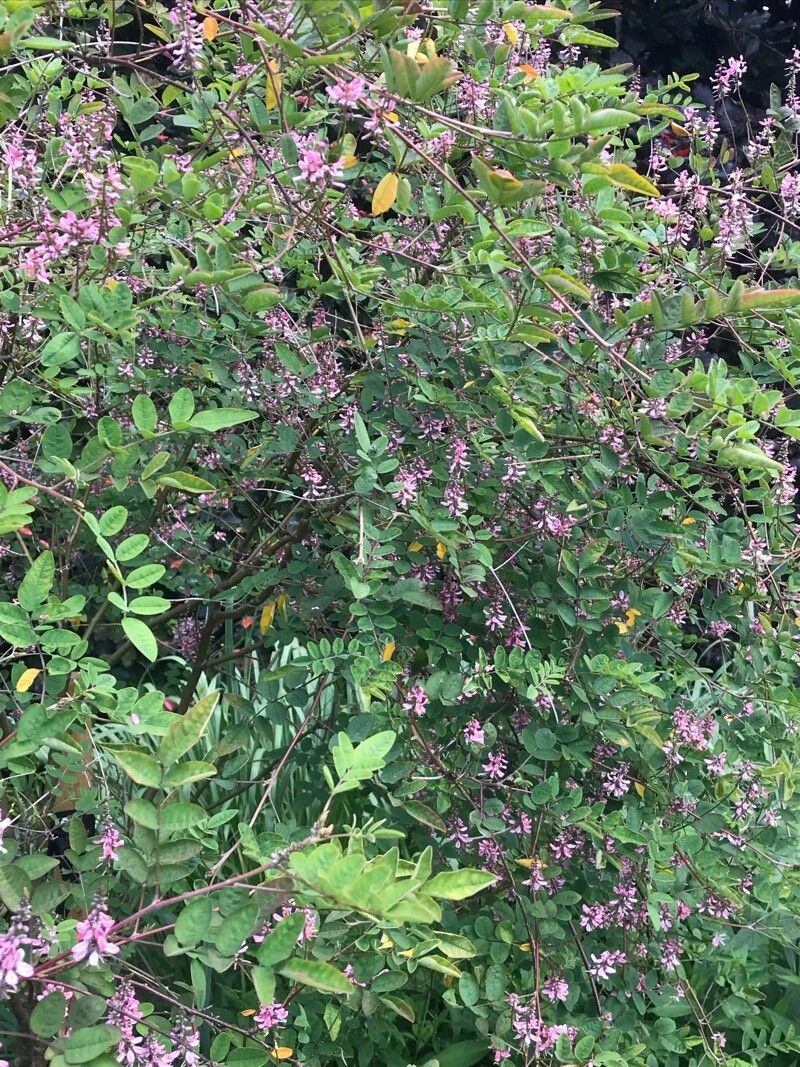
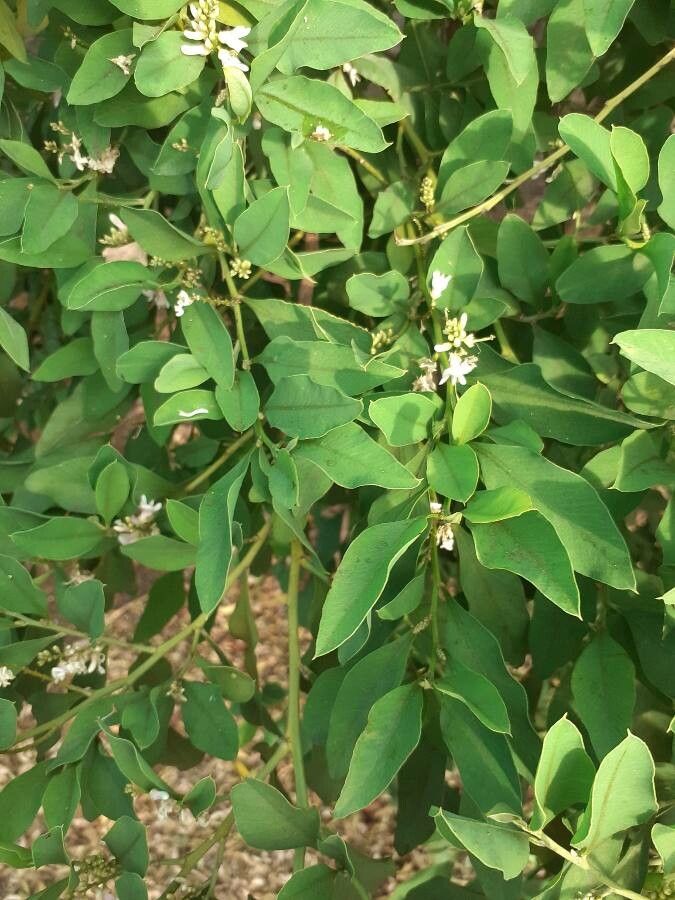
Indigofera miniata, the scarlet pea or coastal indigo, is a species of flowering plant in the family Fabaceae, native to the US states of Kansas, Oklahoma, Texas, Alabama, and Florida, and to Mexico, Guatemala, and Cuba. It is a prostrate perennial with stems that are about 60 cm (2 ft) long, and salmon pink flowers.
Coastal indigo has strong resistance to disease and is generally not prone to illnesses. However, it can be vulnerable to pests and diseases present in its environment. These problems are typically not serious. Regarding care, this plant needs a moderate amount of attention. It should be pruned regularly to keep a neat appearance and support healthy growth. Fertilizing can also help encourage flowering. Coastal indigo is well suited for anyone with outdoor space, such as a garden or patio, and does not require much experience in plant care. It may demand more attention when grown indoors.
How to keep Indigofera Miniata.
Light
Coastal indigo grows best in open, sunny spots. It can tolerate areas with less light, but still needs the abundant sunlight typical of the coastal regions where it comes from. Excessive or insufficient light can hinder its growth and may make the plant unhealthy.
Water
Coastal indigo thrives in regions with regular rainfall and prefers consistently moist conditions, ideally needing to be watered weekly. While it can tolerate moderate drought, it truly flourishes when the soil remains evenly moist. Usually grown outdoors, this plant benefits from full sun exposure. Applying mulch can also help retain moisture and reduce how often you need to water it.
Temperature
Coastal indigo comes from areas where temperatures generally fall between 59 and 100.4 °F (15 to 38 ℃). It does best within that range, so modifying the environment to imitate these conditions is advisable, particularly in cold winters or overly hot summers.
Fertilizer
The best time to fertilize a Coastal indigo is in early spring, as it comes out of dormancy and begins active growth. Fertilization supplies essential nutrients for healthy development. Although Coastal indigo has relatively low fertilizer requirements, applying fertilizer once a year can improve its survival and encourage better, longer-lasting flowers.
Pruning
To maintain a healthy and vibrant Coastal Indigo, it is beneficial to prune it from early to late spring. This involves trimming dead branches and pinching the tips to promote bushiness and blooming. Regular thinning of the plant enhances air circulation. Additionally, using clean, sharp tools helps the plant heal properly and prevents disease, ensuring it maintains a vigorous and healthy appearance.
Botanical profile.
- Plant Type
- Herb
- Life Cycle
- Perennial
- Genus
- Indigofera
- Family
- Fabaceae
- Hardiness Zone
- 8-11
- Mature Height
- 20 cm
- Mature Spread
- 46 cm to 61 cm
- Leaf Color
- Green, Blue
- Leaf Type
- Deciduous
- Flower Color
- Pink, Orange
- Flower Size
- 1.27 cm
- Bloom Time
- Mid spring, Late spring, Summer, Fall
- Planting Time
- Spring
- Harvest Time
- Summer, Fall, Early winter
- Native Area
- Mexico, Guatemala, Cuba
Other names.
Reader questions.
How should I water my Coastal indigo plant in the best way?
To properly water the Coastal indigo, follow these guidelines: First, use filtered water at room temperature. Tap water may contain harmful particles. The plant prefers warm environments, so avoid using cold water as it can be a shock to its system. Instead of overhead watering, focus on applying filtered room temperature water directly to the soil until it is fully soaked. This helps moisten the roots and allows them to spread and absorb necessary nutrients.
What are the sunlight requirements for Coastal Indigo?
Coastal Indigo requires full sunlight, defined as over 6 hours of sunlight daily, to thrive optimally, although it can also tolerate partial sun, which is about 3-6 hours of sunlight. It's important to observe how sunlight moves through your garden to ensure you're providing your plants with the ideal balance of light and shade for their well-being. Inadequate sunlight can lead to symptoms of light deficiency, affecting the plant's health.
What is the ideal temperature range for Coastal Indigo?
Coastal indigo thrives in climates where temperatures typically range from 59°F to 100.4°F (15°C to 38°C). It's important to try to adjust the environment to mimic these conditions, especially during chilly winters or excessively hot summers. Coastal indigo has some cold tolerance, generally not requiring any additional measures when the temperature is above -5°C. However, protection is necessary when the temperature drops below -5°C, such as wrapping the plant in plastic film, fabric, or other materials, and then removing once temperatures rise.
What should I do if I give my Coastal indigo plant too much water or too little water?
Overwatering and underwatering can both harm your Coastal indigo plant, but overwatering is more prevalent. When this species is overwatered, its leaves and stems may become limp and turn yellow. Overwatering for extended periods can also lead to diseases like root rot, mold, and mildew, which can be fatal. Underwatering is less common due to the plant's drought tolerance, but it can still occur. If your Coastal indigo is underwatered, the leaves may become dry and brown. It's crucial to recognize signs of overwatering early to prevent irreversible damage like root rot. If you notice these signs, reduce your watering frequency and check the soil's drainage. Replace poorly draining soil with a loose, well-draining potting mix. If your plant lacks water, simply increase your watering schedule until the signs disappear.
How does inadequate light affect Coastal Indigo, and what are the symptoms?
Inadequate lighting can have several impacts on Coastal Indigo, including smaller new leaves, leggy or sparse growth, faster leaf drop, slower or no new growth, lighter-colored new leaves, chlorosis, sunscald, leaf curling, wilting, and leaf scorching. These symptoms can manifest when the plant is either underexposed or overexposed to sunlight, indicating the plant is struggling due to improper lighting conditions.
How does Coastal Indigo tolerate low temperatures?
Coastal indigo has a moderate tolerance to low temperatures, thriving best above 15°C. During winter, keeping it above -5°C is advised. If temperatures fall below -10°C, the leaves might start to droop; they can recover in mild cases, but severely affected leaves will wilt and fall off. To handle low temperatures, trim off frost-damaged parts and wrap the plant with non-woven fabric or cloth while constructing a wind barrier to protect it from cold winds.
How frequently should I water my Coastal indigo?
If your Coastal indigo plant is potted, the best way to check if it needs watering is by sticking your finger in the soil. If the top two to three inches of soil feel dry, it is time to water it. If you have your Coastal indigo planted in the ground outdoors, you can use the same soil-checking method. Once the first few inches of soil have dried out, it is time to water. Typically, during the spring and early fall, you will need to water this plant about once a week using this method. However, during very hot weather, you may need to water it twice a week or even more frequently. That being said, mature and well-established Coastal indigo plants can tolerate drought quite well.
Can artificial lighting be used for Coastal Indigo, and if so, how?
Yes, artificial lighting can be used for Coastal Indigo, particularly when natural sunlight is insufficient. It's advised to opt for LED lights as they can be tailored to provide specific wavelengths needed by the plant. Full sun plants should receive 30-50W/sq ft, partial sun plants 20-30W/sq ft, and full shade plants 10-20W/sq ft of artificial light. The light source should be placed 12-36 inches above the plant for 8-12 hours per day to mimic natural daylight conditions effectively.
What should be done if Coastal Indigo experiences high temperatures?
During summer, it's important to keep Coastal indigo below 38°C. If temperatures exceed 43°C, the leaves may lighten in color, the tips could dry out and wither, leaves might curl, and the plant can become prone to sunburn. To mitigate damage from high temperatures, trim away sunburned and dried parts of the plant. Additionally, moving the plant to a shaded location during the midday and afternoon sun or using a shade cloth can help, along with watering the plant in the morning and evening to maintain soil moisture.
How much water does my Coastal indigo plant require?
When watering your Coastal indigo, don't be afraid to give it a generous amount of water. Make sure the top two to three inches of soil are dry before watering, and then give it a thorough soak. You want the water to completely saturate the soil and excess water should drain through the pot's holes. If you don't see any excess water draining, you may have not watered enough. However, be cautious not to let water accumulate in the soil, as that can harm the plant. If there is no water draining through the pot, it could indicate that the soil doesn't drain well, which is not good for the plant's health. If the plant is outside, it should receive about 1 inch of rain per week.
What strategies can be employed to solve light-related issues for Coastal Indigo?
To address light-related issues for Coastal Indigo, gradually acclimatize your plant to sunnier conditions by moving them to a location with at least 6 hours of direct sunlight daily. Use a south-facing window for indoor plants or consider using artificial lighting if moving the plant is not feasible. Outdoors, choose a spot with the best sunlight and allow the plant to adapt gradually. If sunlight is blocked by obstacles like trees, consider pruning them or transplanting smaller plants to sunnier spots during their dormant period to improve light exposure.
What are the botanical characteristics of Coastal Indigo?
Coastal indigo, botanically known as Indigofera miniata, is a plant known for its resilience in specific temperature ranges, including a moderate tolerance to cold and an ability to endure high temperatures within certain limits. It originates from climates with temperatures ranging from 59°F to 100.4°F (15°C to 38°C), naturally adapting to these conditions for optimal growth.