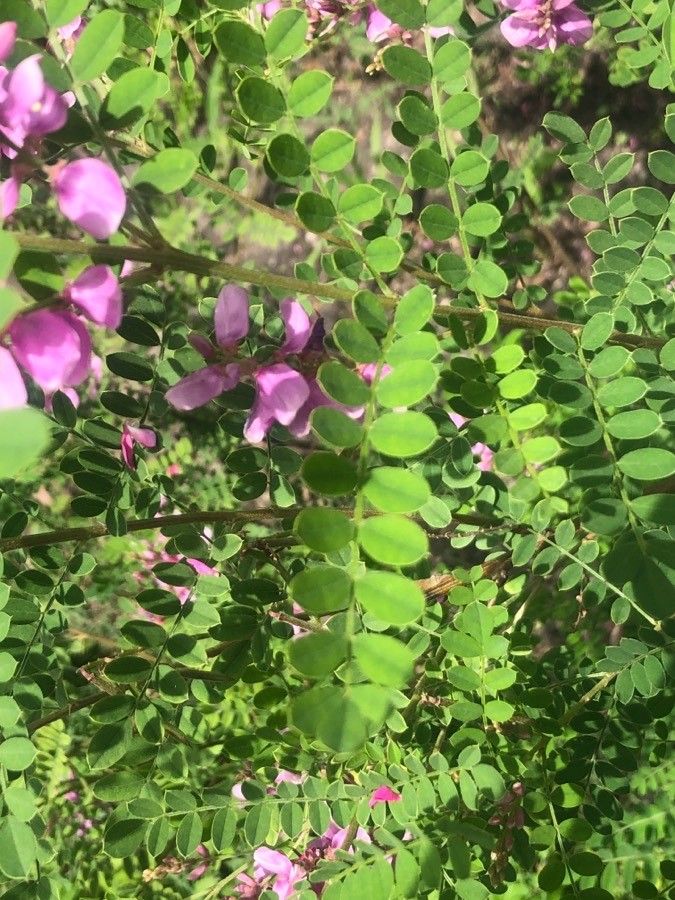
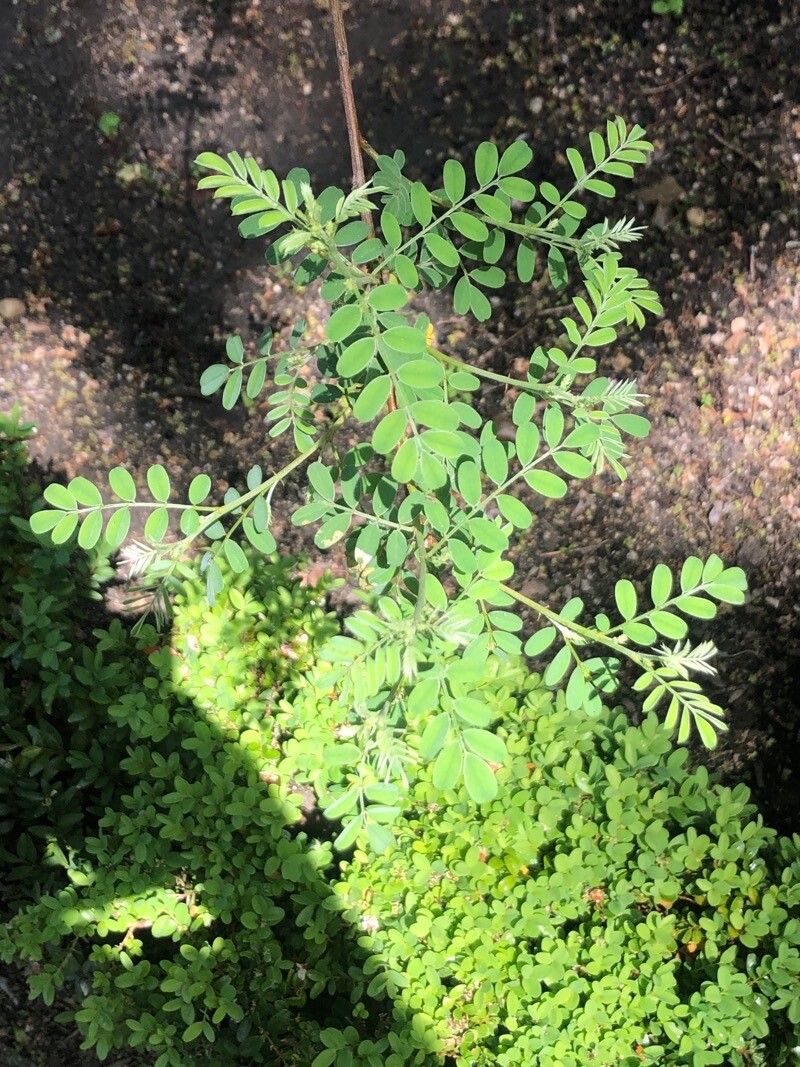
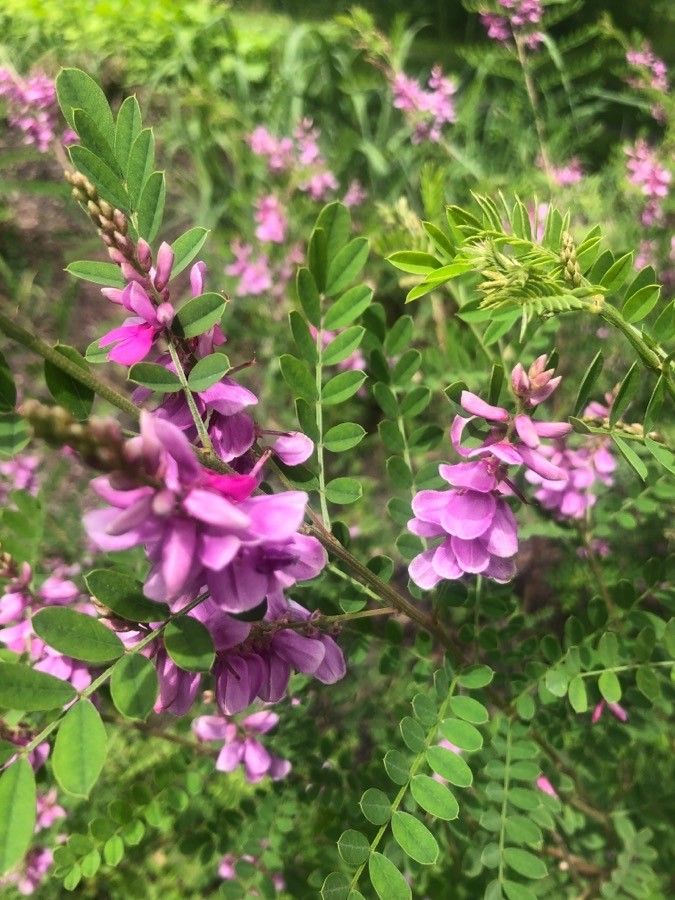
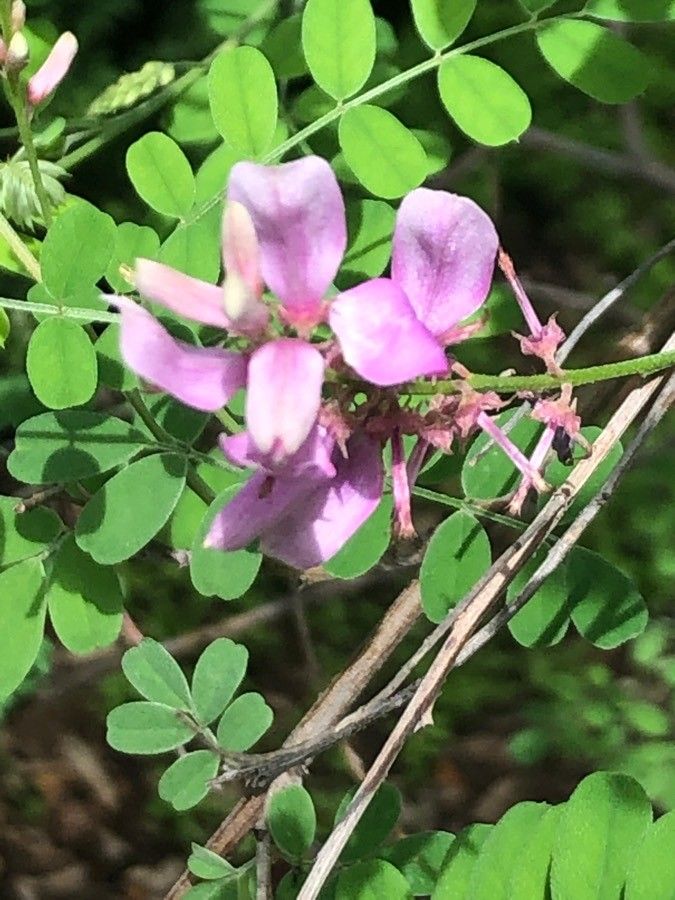
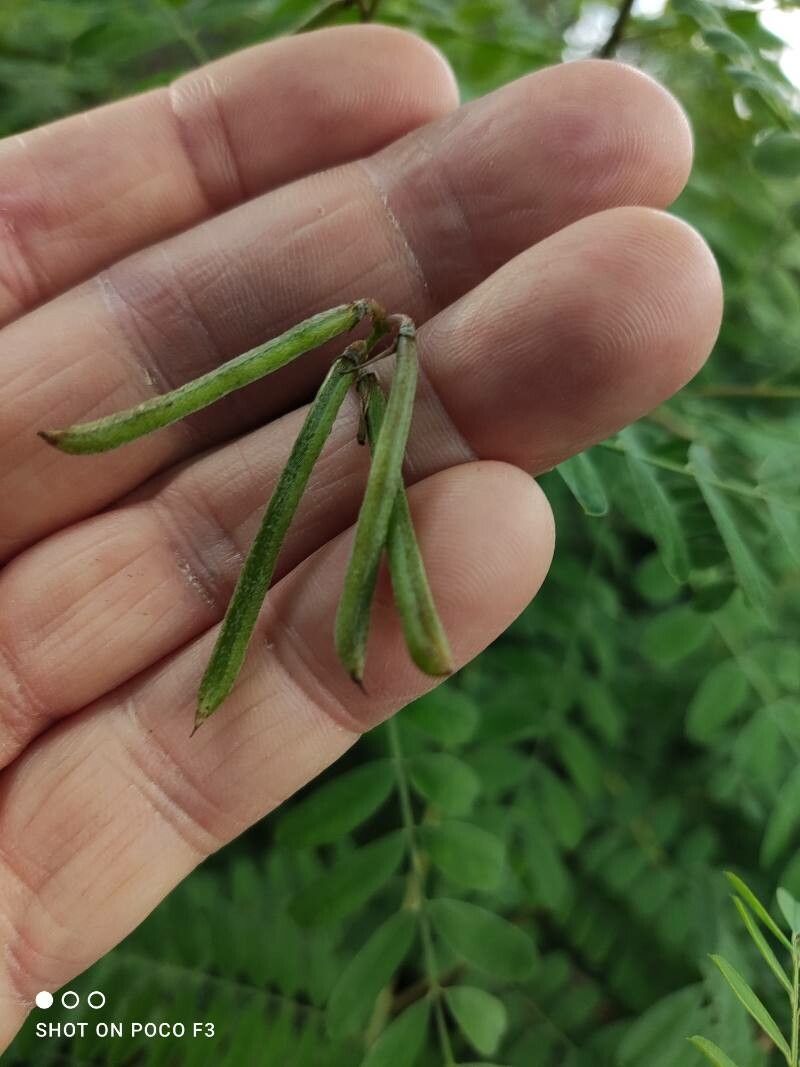
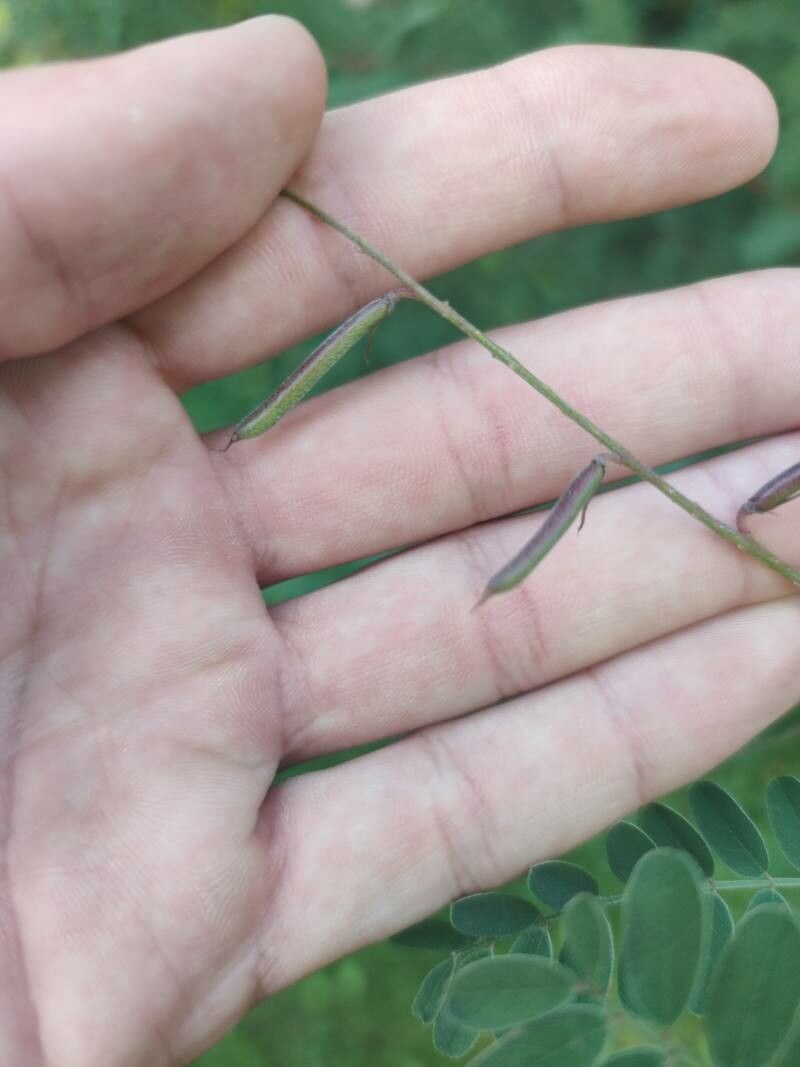
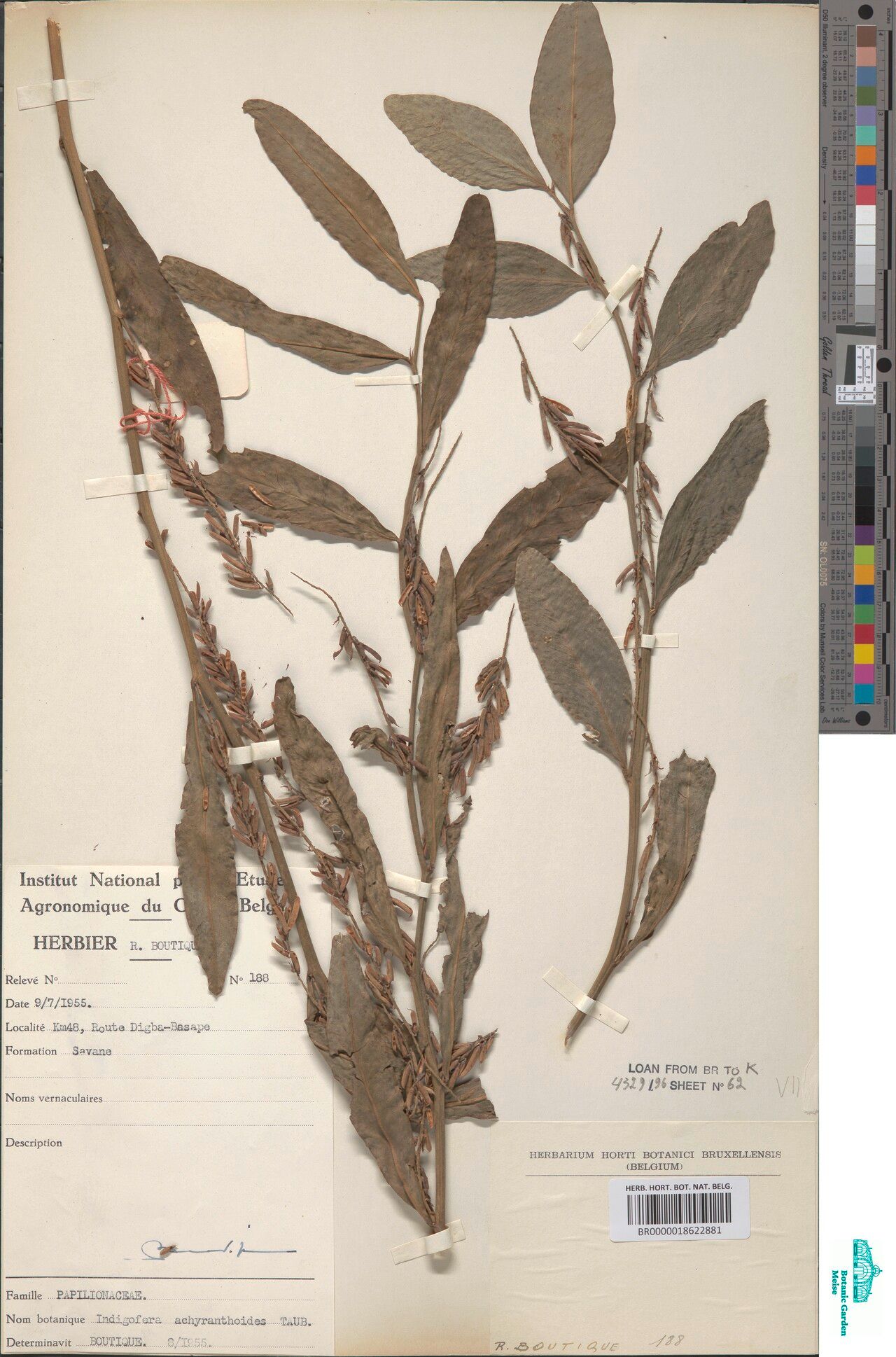
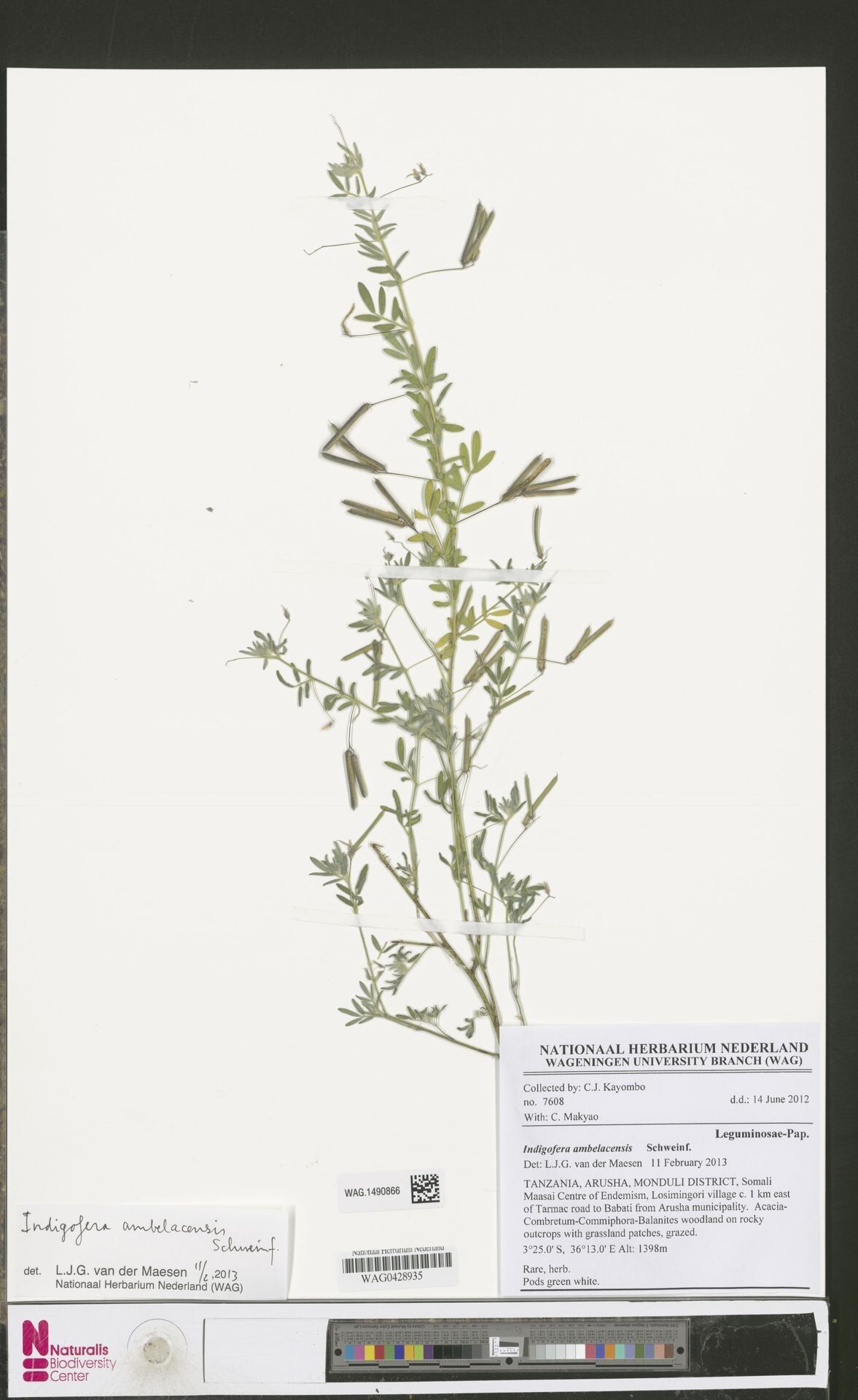
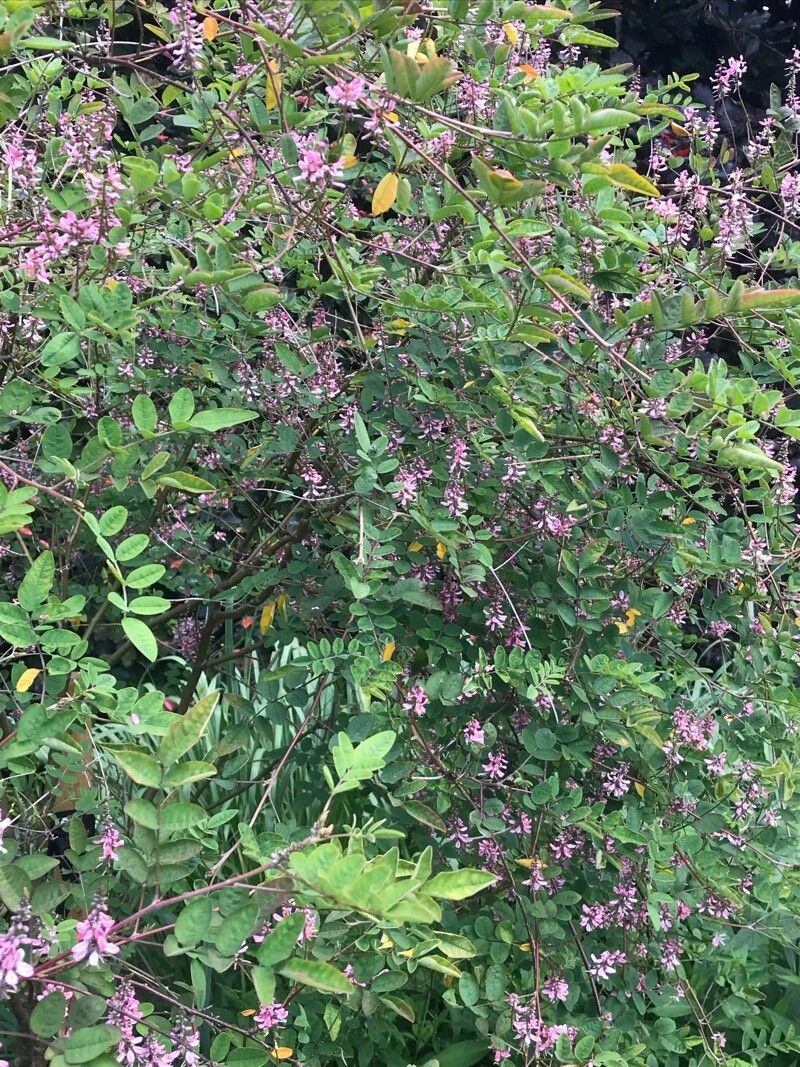
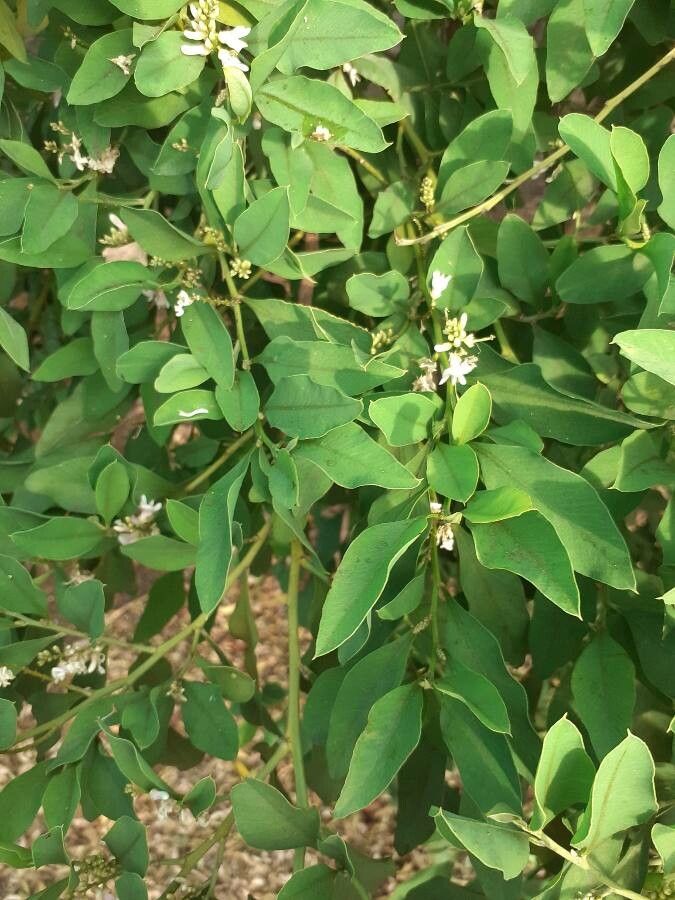
Indigofera heterantha, commonly known as Himalayan indigo, is a deciduous shrub that belongs to the family Fabaceae. It is native to the Himalayan regions of India, Nepal, and Bhutan. This plant can grow up to 2 meters in height and has a spreading habit with arching branches. The leaves of Indigofera heterantha are pinnate, consisting of 7-13 oblong leaflets with a smooth texture. The flowers are pinkish-purple and grow on long spikes that emerge from the leaf axils. They bloom from June to September. The plant has several medicinal properties due to its various bioactive compounds such as indigotin, indican, flavonoids, and alkaloids, which possess anti-inflammatory and antioxidant properties. Traditionally, it has been used to treat various ailments such as fever, coughs, and colds. Indigofera heterantha prefers well-drained soil with full sun exposure but can also tolerate partial shade. It can be propagated through seeds or cuttings during the spring or autumn seasons. Overall, Indigofera heterantha is an attractive shrub valued for its ornamental beauty, featuring stunning flowers and foliage. Its medicinal properties further enhance its importance as a plant species in traditional medicine practices across parts of Asia, including India and Nepal, where it grows natively.
Himalayan indigo is fairly resistant to diseases and typically does not suffer from them. As for care, this plant is relatively low-maintenance. Planted outdoors, it needs little watering, and larger plants usually do not require pruning. Smaller plants, however, should be pruned after they finish blooming. Himalayan indigo is suitable for people with outdoor areas, like a garden or deck, and does not demand a lot of experience in plant care.
How to keep Indigofera Heterantha.
Light
Himalayan indigo comes from open habitats, such as sunny meadows and forest edges, which supply abundant light. It performs best in Full Sun but can also tolerate Partial Sun, adjusting well to different sunlight levels.
Temperature
Himalayan indigo is highly adaptable to different climate conditions, from very hot summers to cold winters. Still, it has a preferred temperature range for healthy growth. If temperatures get too high, the plant can experience heat and humidity stress that may kill it. In places where temperatures approach the lower limit of its cold tolerance, providing insulation is necessary to protect the plant.
Fertilizer
Timing is essential for fertilizing Himalayan indigo. Start fertilizing in early spring and continue once a month until early summer. Fertilizer encourages attractive blooms and provides energy during both dormant periods and active growth.
Botanical profile.
- Plant Type
- Shrub
- Life Cycle
- Perennial
- Genus
- Indigofera
- Family
- Fabaceae
- Hardiness Zone
- 6-9
- Mature Height
- 1.22 m to 1.83 m
- Mature Spread
- 1.22 m to 1.83 m
- Leaf Color
- Green, Gray, Silver
- Leaf Type
- Deciduous
- Flower Color
- Pink, Purple
- Flower Size
- 2.54 cm
- Bloom Time
- Summer
- Planting Time
- Spring, Autumn
- Harvest Time
- Early fall, Mid fall
- Native Area
- Nepal, Afghanistan, India, Myanmar, Bhutan, Pakistan, China
Other names.