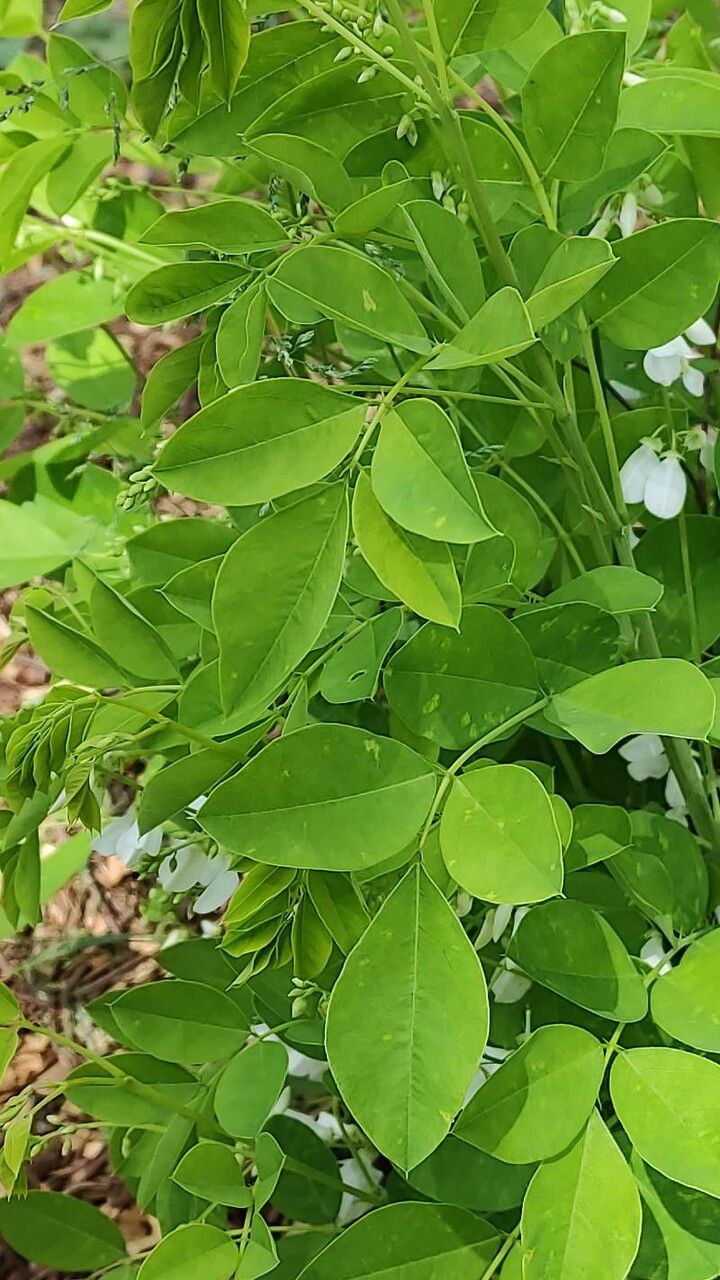
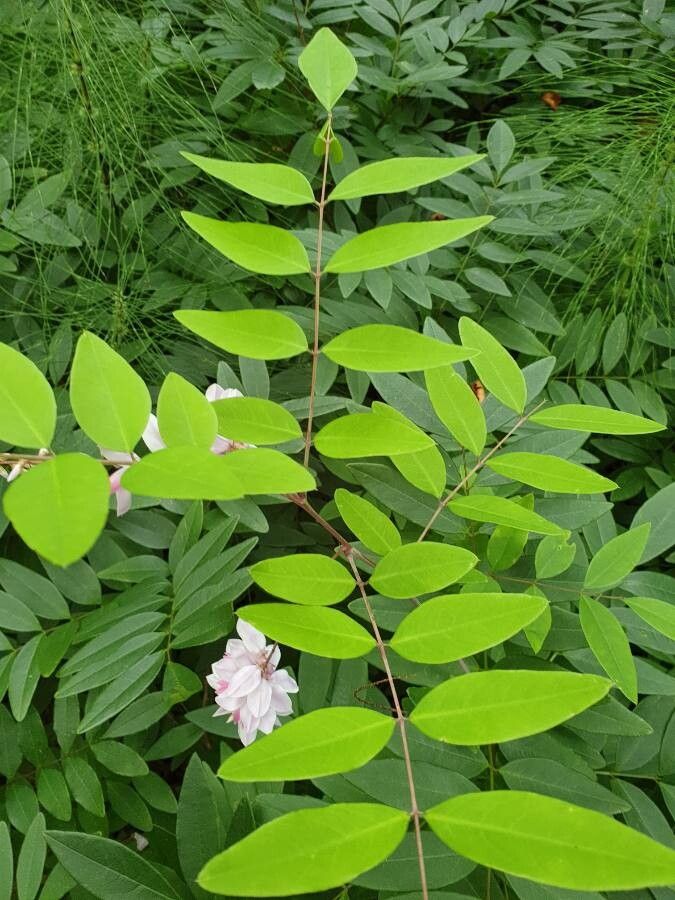
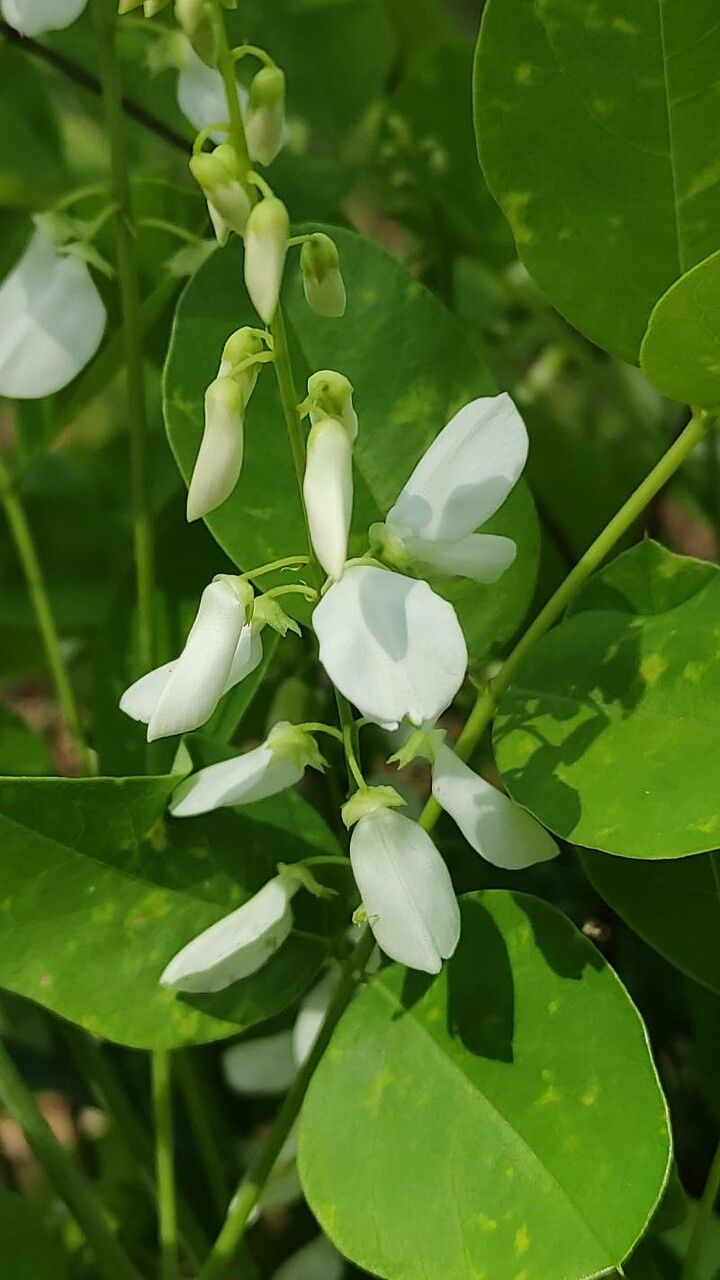
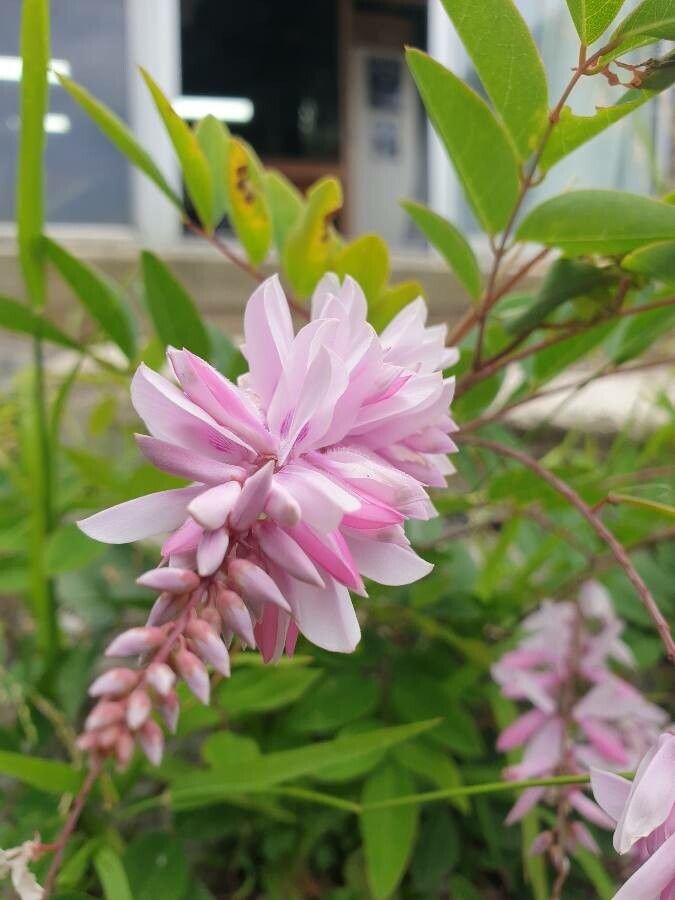
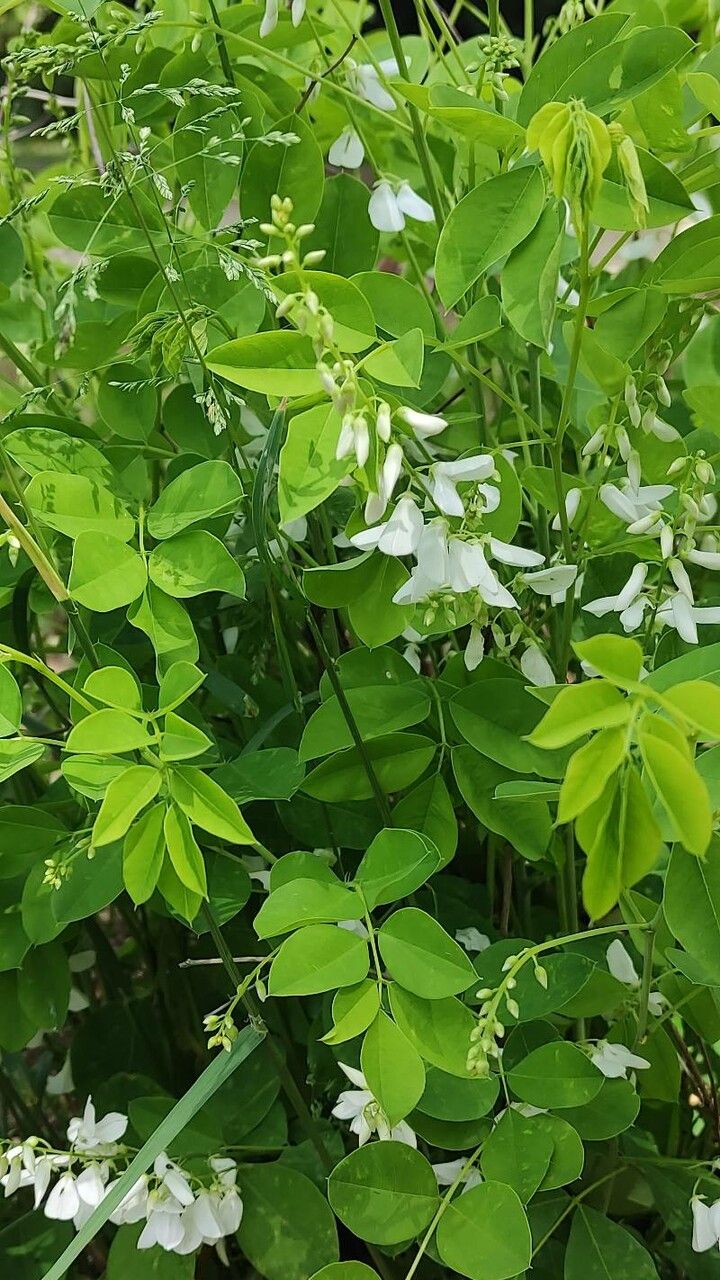
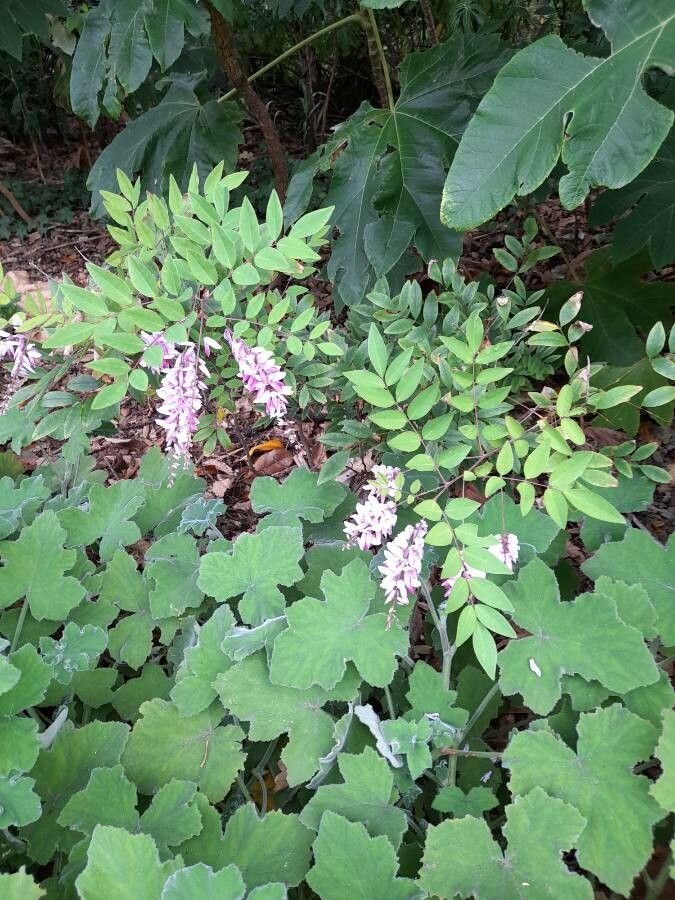
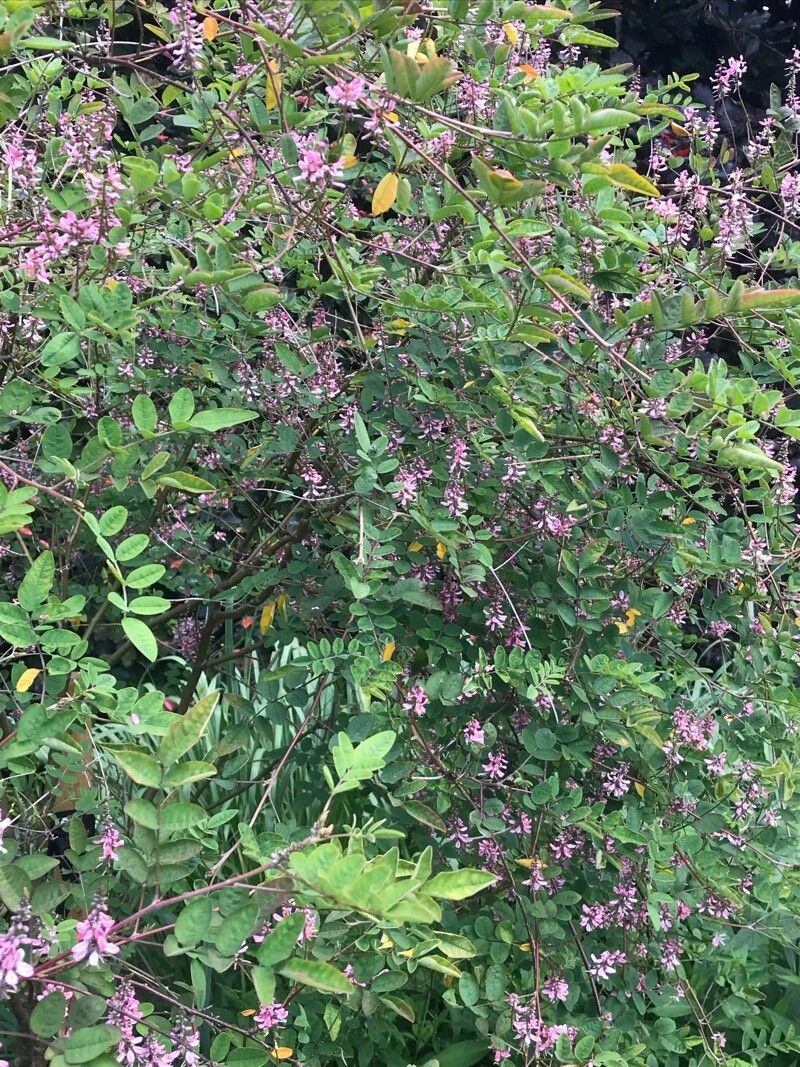
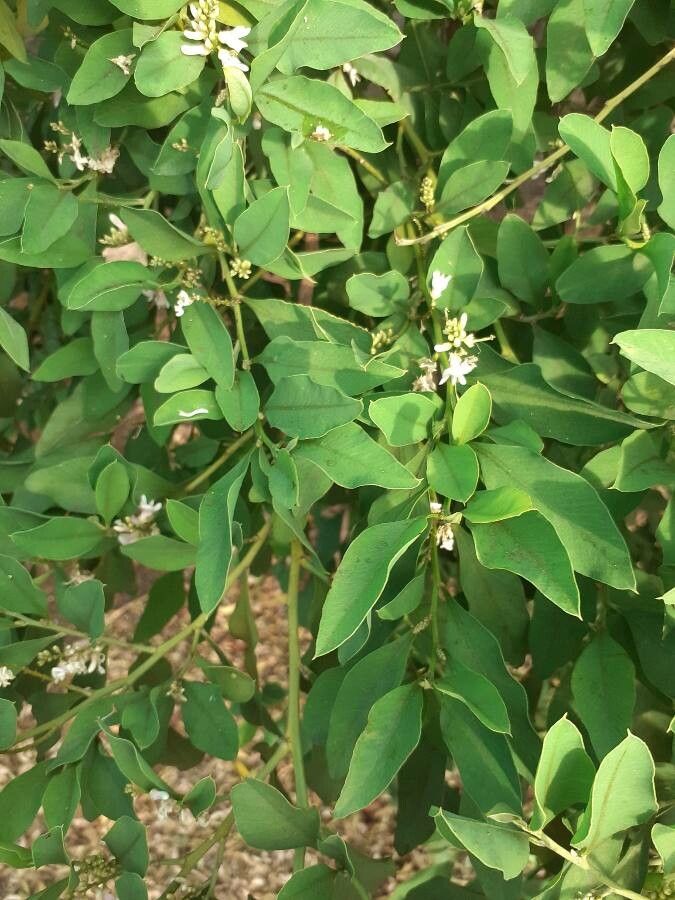
Indigofera decora, commonly known as summer wisteria, is a species of shrub native to China and Japan that has since been introduced to Australia and Sri Lanka. A member of the genus Indigofera, its family is Fabaceae and is used primarily for decorative purposes, though it has also been used to make indigo-colored dye.I. decora is a deciduous, spreading shrub. It often grows 1–2.5 feet tall and 3-4 feet wide. It features compound, pinnate leaves up to 8 inches long with 7-13 elliptic, dark green leaflets. In the summer, it produces axillary racemes of light pink or purple pea-like flowers. Each raceme may boast twenty to forty flowers, and the calyxes have broadly triangular lobes.I. decora is best suited to well-drained, neutral to slightly alkaline soils. It is somewhat heat and drought tolerant, but benefits from afternoon shade in hot, humid environments. It is cold hardy in the US in zones 7–11.
Chinese indigo has strong disease resistance and is generally unlikely to be affected by illnesses. In terms of care, this plant is fairly low-maintenance. Planted outdoors, it needs only minimal watering, and larger specimens usually do not require pruning. Smaller plants, however, should be pruned after they have finished blooming. Chinese indigo is suitable for anyone with outdoor space, such as a garden or deck, and does not demand extensive gardening experience.
How to keep Indigofera Decora.
Light
Chinese indigo originates from habitats like forest understories and rocky sites, where it grows in natural shade. It prefers partial sun but can tolerate both full sun and full shade, showing its hardy, adaptable character.
Water
Chinese indigo, which originates from areas with varying moisture levels, is moderately drought-tolerant and typically requires watering every 1-2 weeks. This plant is best suited for outdoor cultivation, where it benefits from the natural water cycle. During rainy periods, it needs less supplemental watering.
Temperature
Chinese indigo is fairly adaptable to temperature, able to withstand high heat and considerable temperature swings. In hot weather, care should be taken with irrigation and providing proper shade to avoid sunburn. On the other hand, Chinese indigo is less tolerant of low temperatures. It can endure some cold, but very low temperatures may cause frost damage.
Fertilizer
Timing is essential for fertilizing Chinese indigo. Apply fertilizer in early spring and continue on a monthly schedule until early summer. Fertilizer encourages attractive blooms and provides energy during both dormant periods and active growth.
Botanical profile.
- Plant Type
- Shrub
- Life Cycle
- Perennial
- Genus
- Indigofera
- Family
- Leguminosae
- Hardiness Zone
- 6-9
- Mature Height
- 30 cm to 76 cm
- Mature Spread
- 0.91 m to 1.22 m
- Leaf Color
- Green, Dark Green
- Leaf Type
- Deciduous
- Flower Color
- Pink
- Flower Size
- 7.62 cm to 15.24 cm
- Bloom Time
- Summer
- Planting Time
- Spring, Summer, Autumn
- Harvest Time
- Late summer, Early fall, Mid fall
- Native Area
- Philippines, Japan, China
Other names.