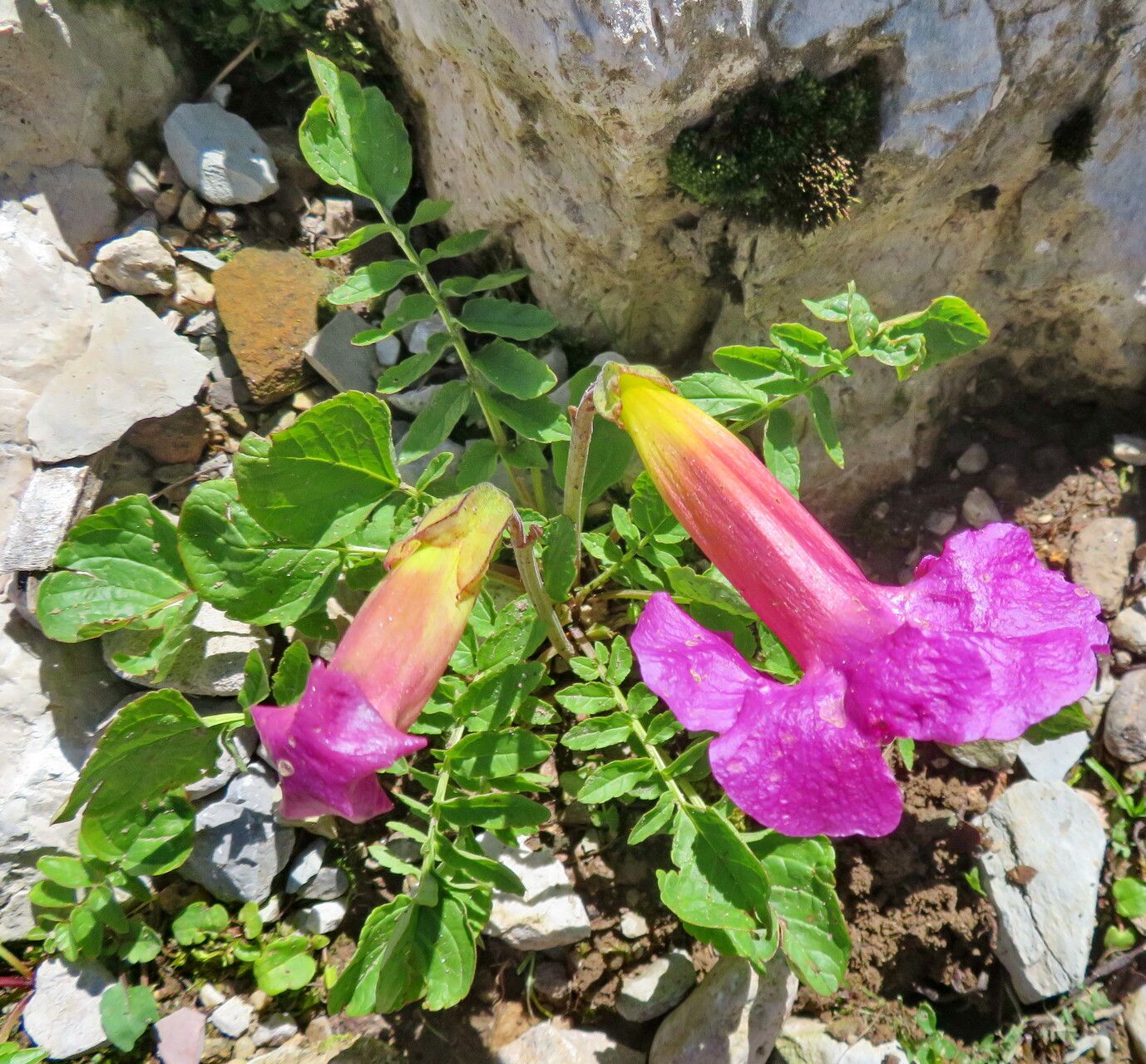
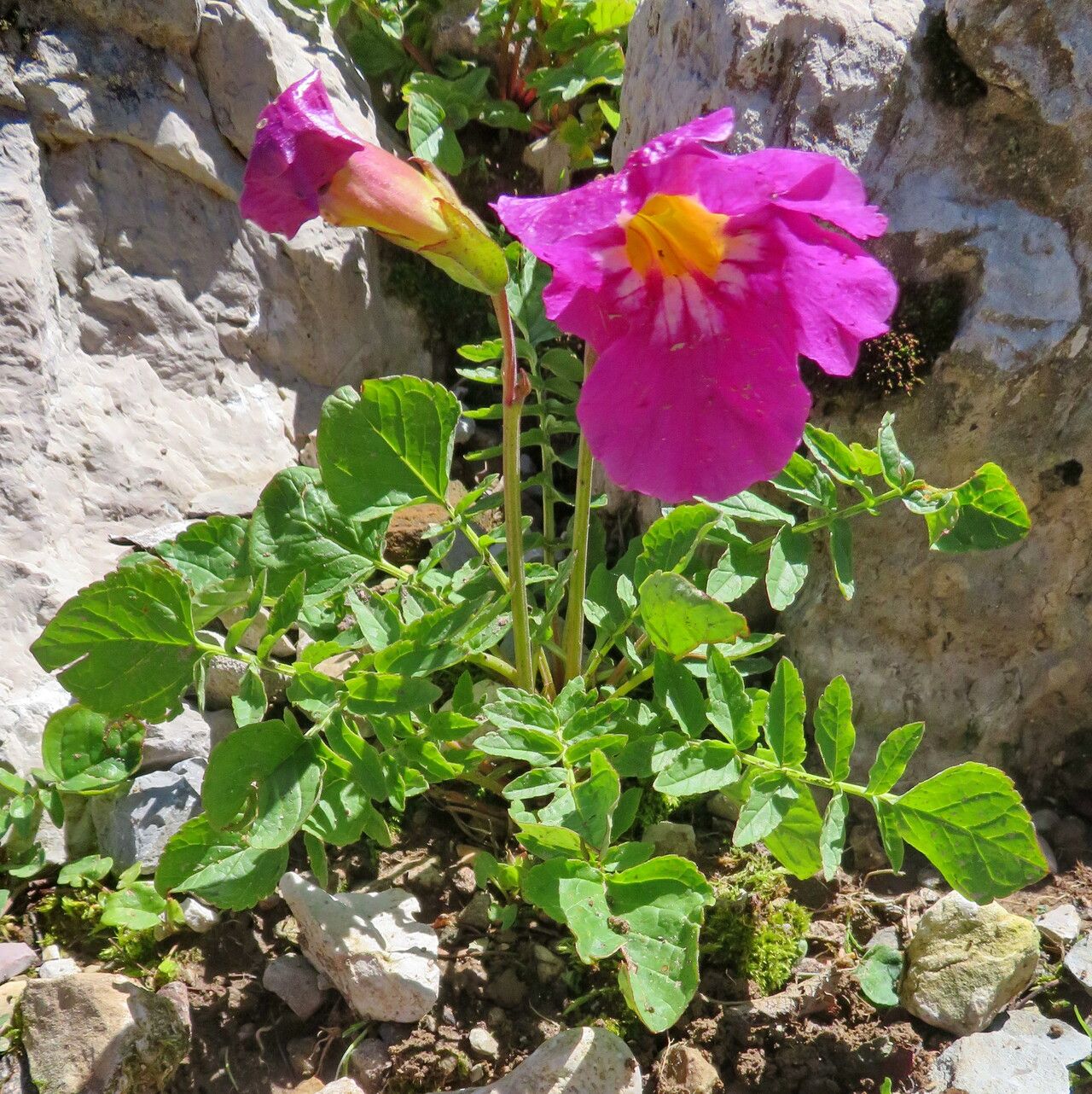
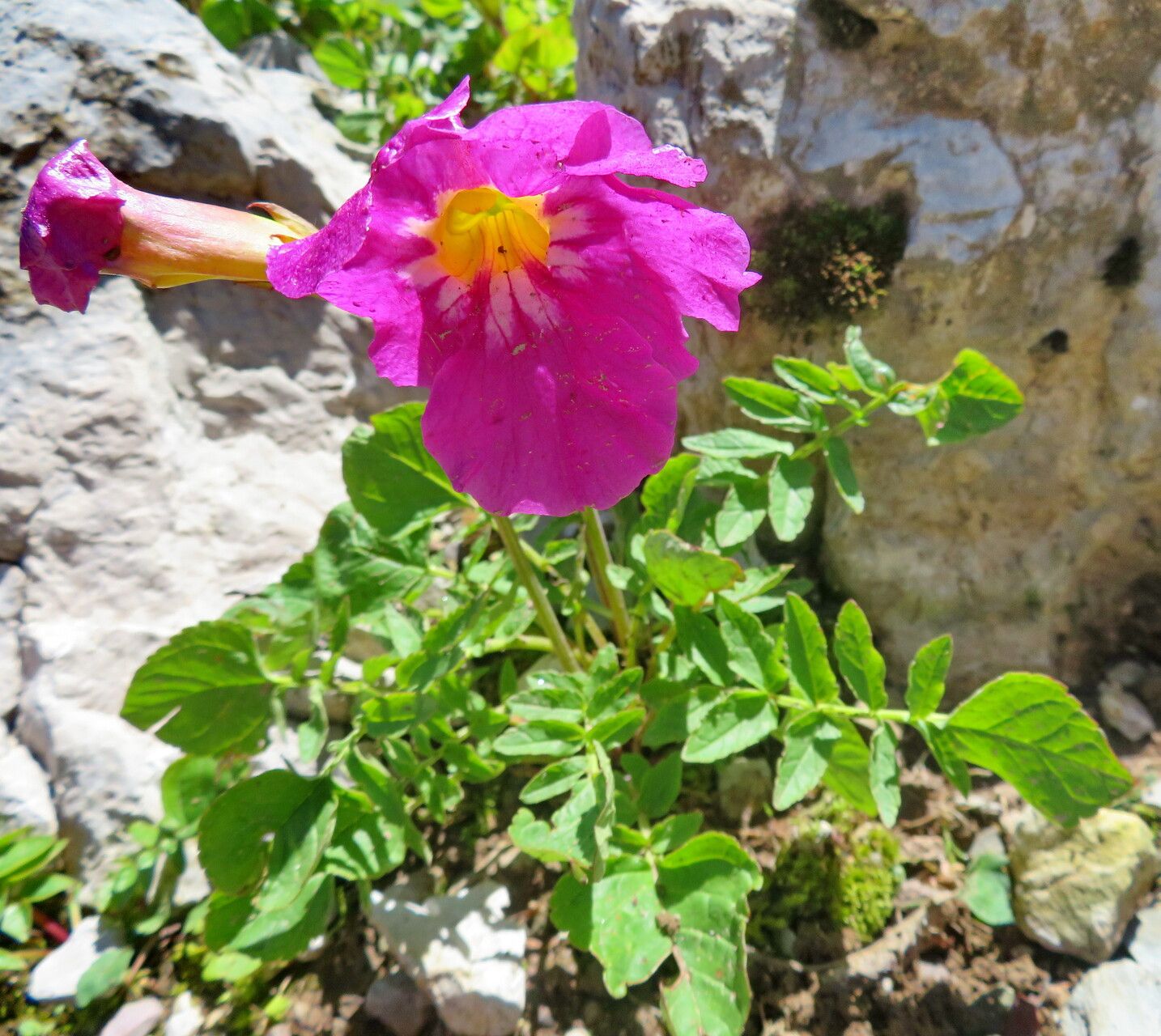
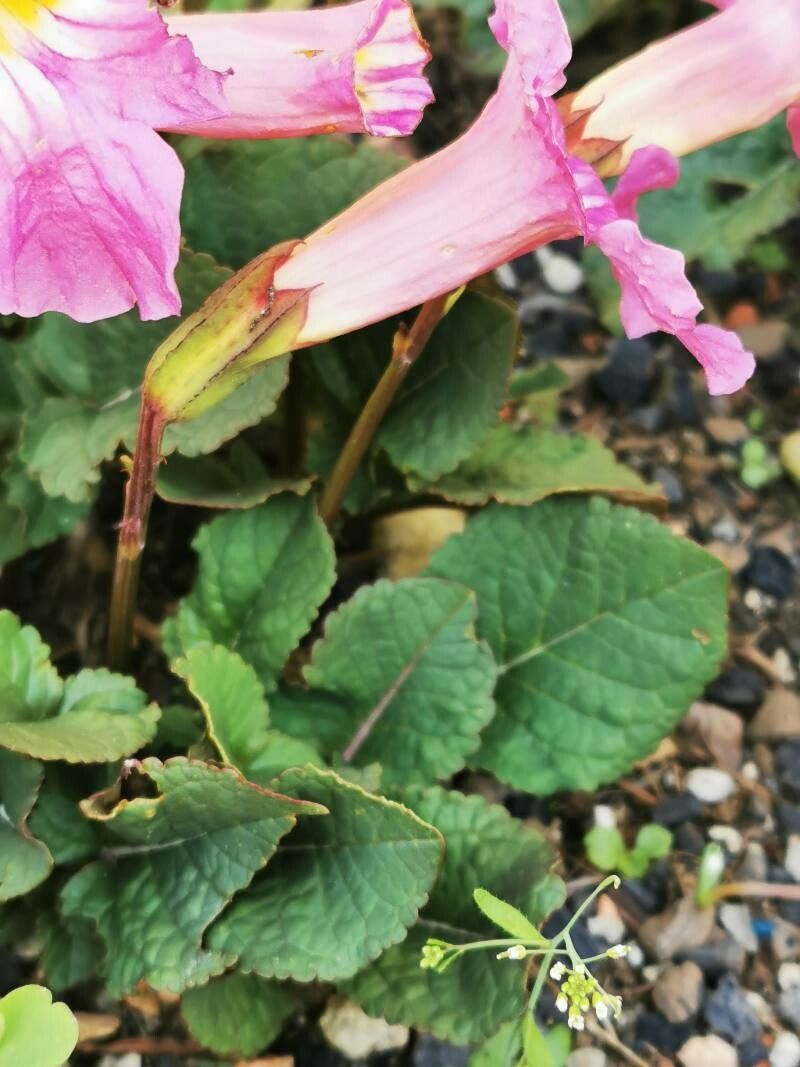
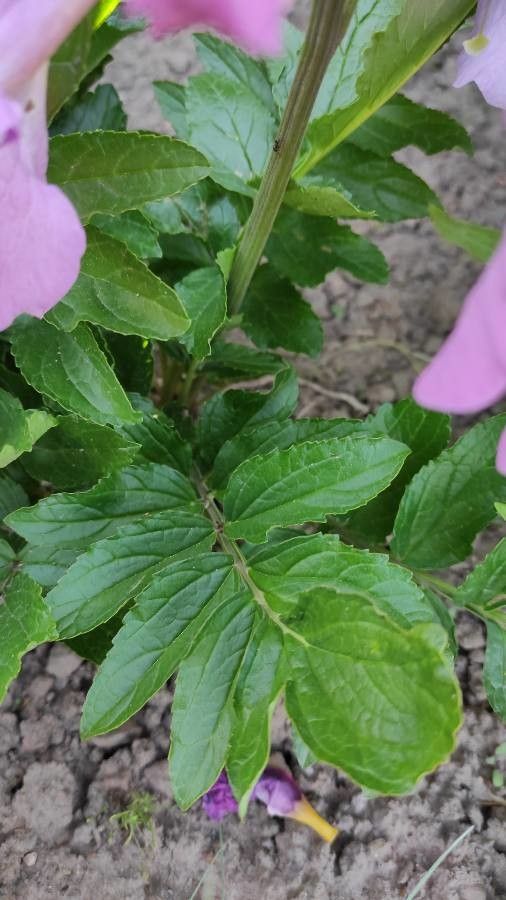
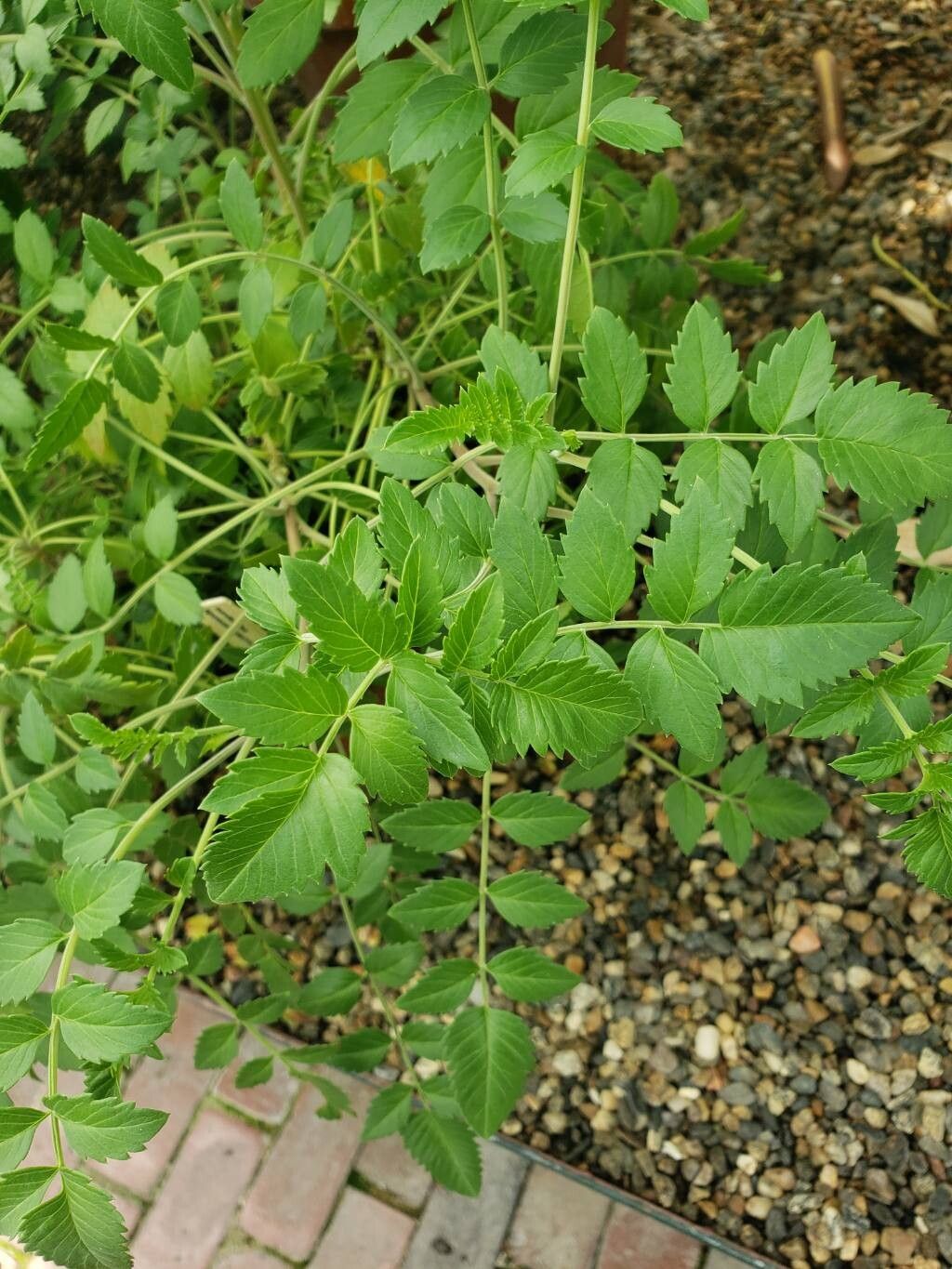
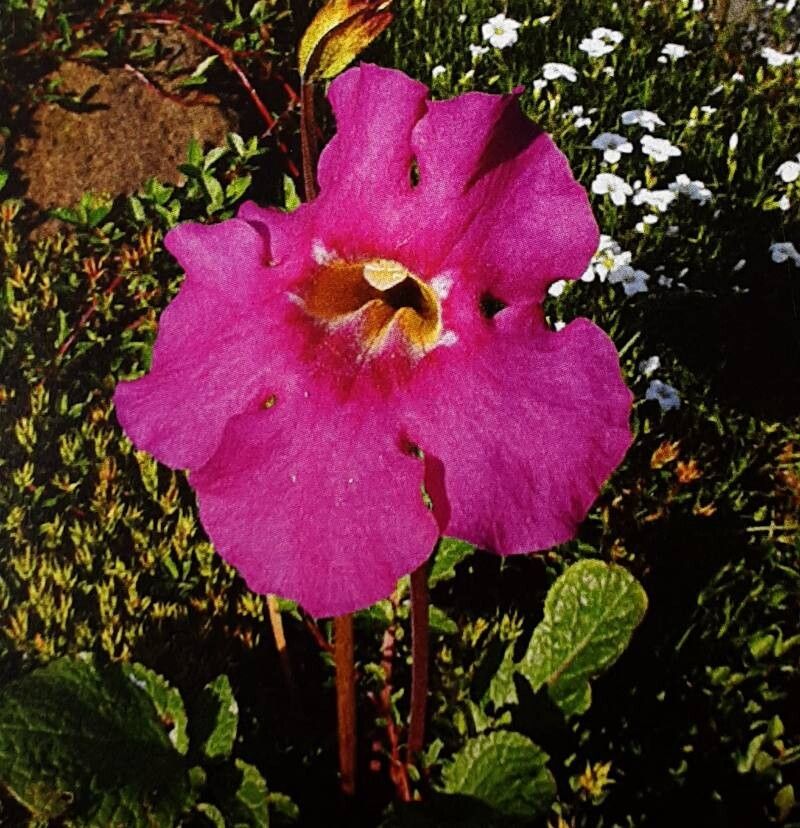
Chinese trumpet flower is fairly disease-resistant and usually not prone to illnesses. However, it can be vulnerable to pests and diseases present in its environment, and such issues are typically mild. For care, this plant needs moderate maintenance. It should be pruned regularly to preserve a neat appearance and support healthy growth. Fertilizing can also encourage flowering. The Chinese trumpet flower is suitable for anyone with outdoor space, like a garden or patio, and does not demand extensive gardening experience. It may need more attention when cultivated indoors.
How to keep Incarvillea Zhongdianensis.
Light
The chinese trumpet flower does best with abundant, unobstructed sunlight, which is essential for its optimal growth. Originating from areas that receive generous sunlight, this plant requires comparable conditions to thrive. Too much or too little light can hinder its development and impair its overall health.
Water
The Chinese trumpet flower flourishes in moist conditions and prefers high humidity. For optimal growth, it should be watered weekly. As a deciduous plant, it benefits from rainwater during its growing season, making it an excellent choice for gardens in temperate climates.
Fertilizer
For Chinese trumpet flower, the primary time to apply fertilizer is in early spring when the flowers are forming. The appropriate fertilizer promotes better blooms and helps the plant produce attractive flowers. Fertilizing in early spring ensures strong blooms during the season and supplies energy for dormant growth phases.
Pruning
The Chinese trumpet flower is known for its trumpet-shaped blooms and lush foliage. It thrives with strategic pruning from early to late spring. By removing dead stems, you can encourage new growth and more flowers. Deadheading, or removing spent blooms, further boosts flowering. Pruning helps maintain the plant's shape, prevents overgrowth, and enhances its vigor, resulting in a more attractive appearance throughout the growing season.
Pot & Repot
Repot your Chinese trumpet flower every 2 to 3 years during the spring to promote healthy growth. Choose a larger container with good drainage, and place the plant in indirect light. Keep the soil consistently moist, but be careful not to overwater it. Provide gentle fertilization to support recovery and encourage blooming, taking into account its specific care requirements.
Botanical profile.
- Plant Type
- Herb
- Life Cycle
- Perennial
- Genus
- Incarvillea
- Family
- Bignoniaceae
- Hardiness Zone
- 5-8
- Mature Height
- 30 cm to 61 cm
- Mature Spread
- 20 cm to 40 cm
- Leaf Color
- Green, Dark Green
- Leaf Type
- Deciduous
- Flower Color
- Pink
- Flower Size
- 2.54 cm to 5.08 cm
- Bloom Time
- Mid spring, Late spring, Early summer
- Planting Time
- Spring, Autumn
- Harvest Time
- Mid summer, Late summer, Early fall
- Native Area
- China