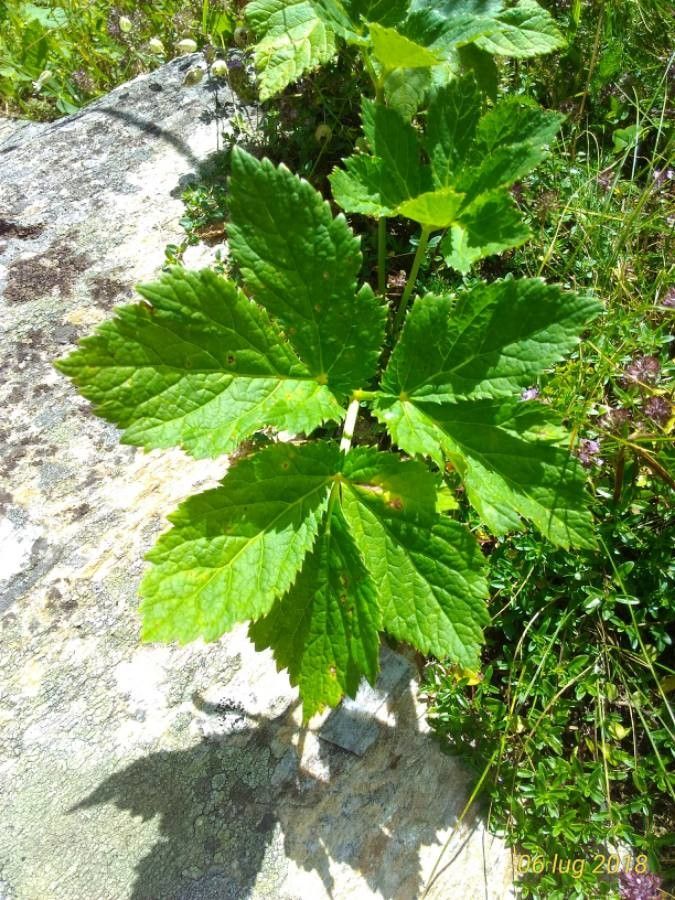
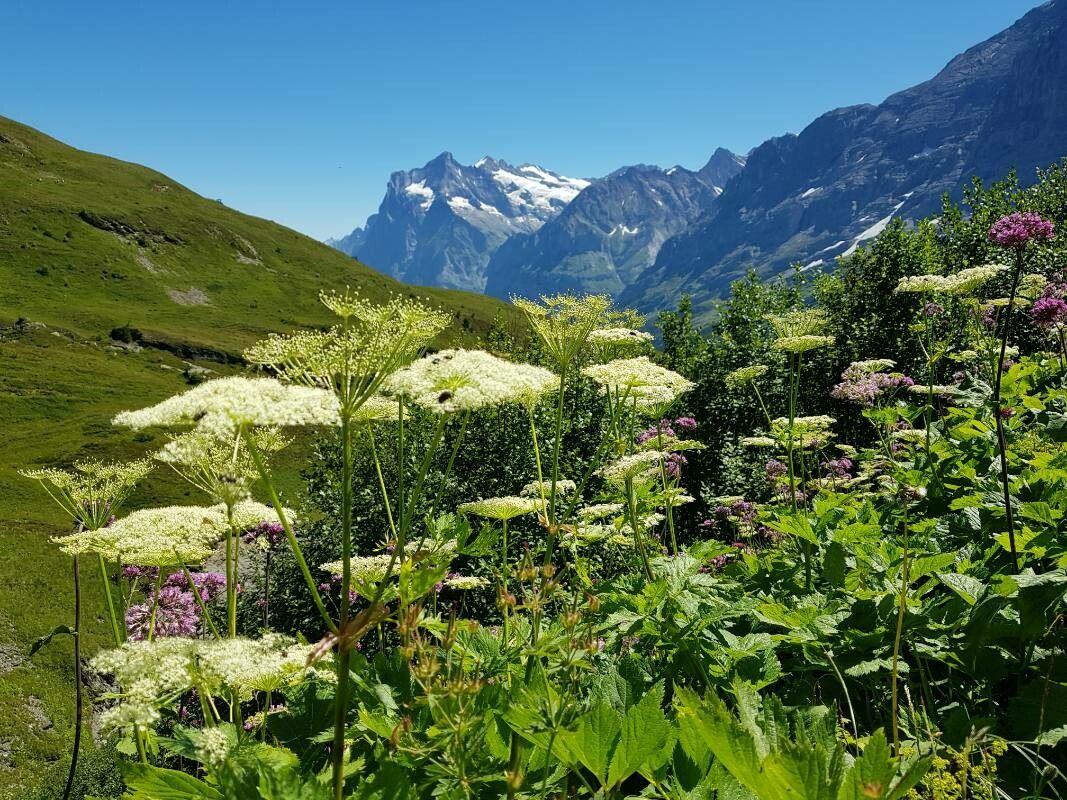
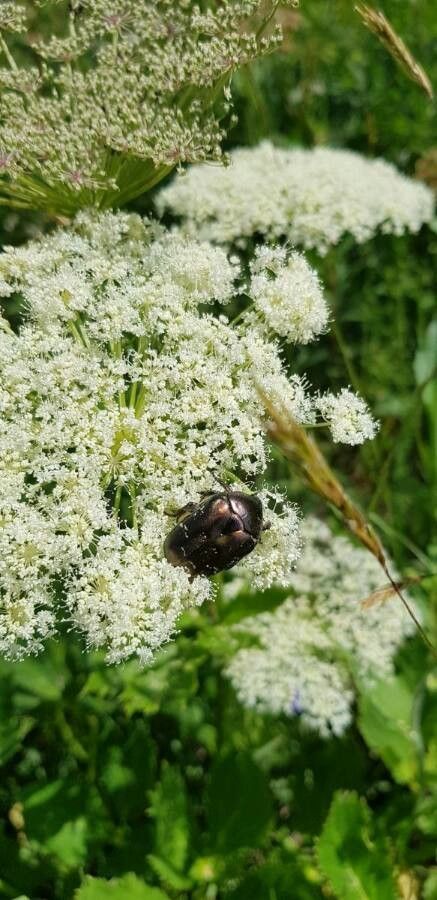
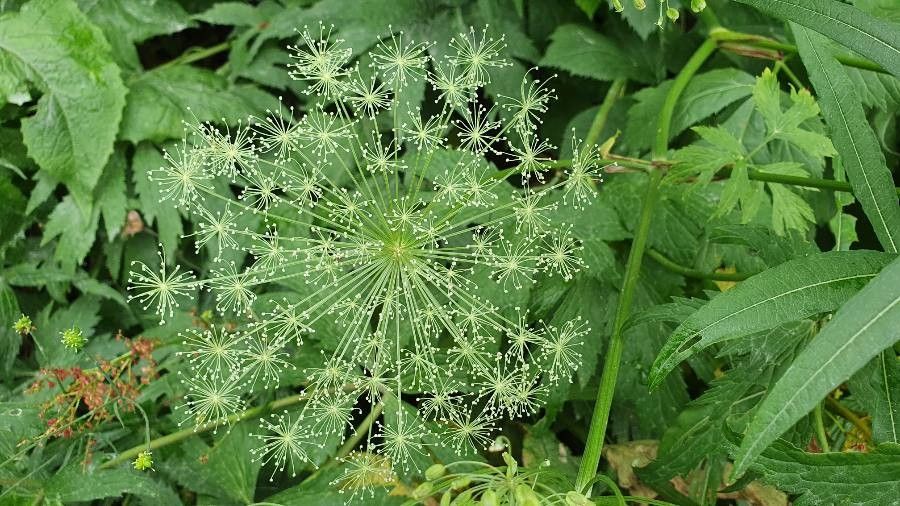
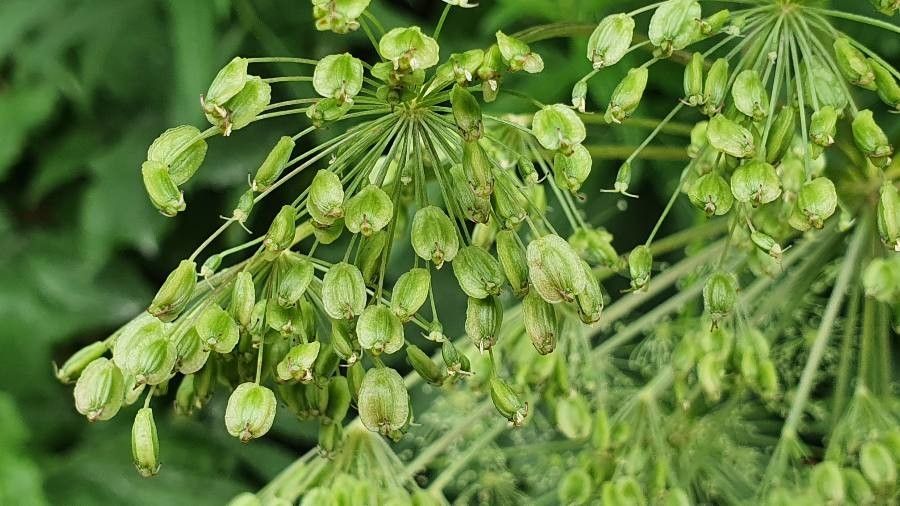
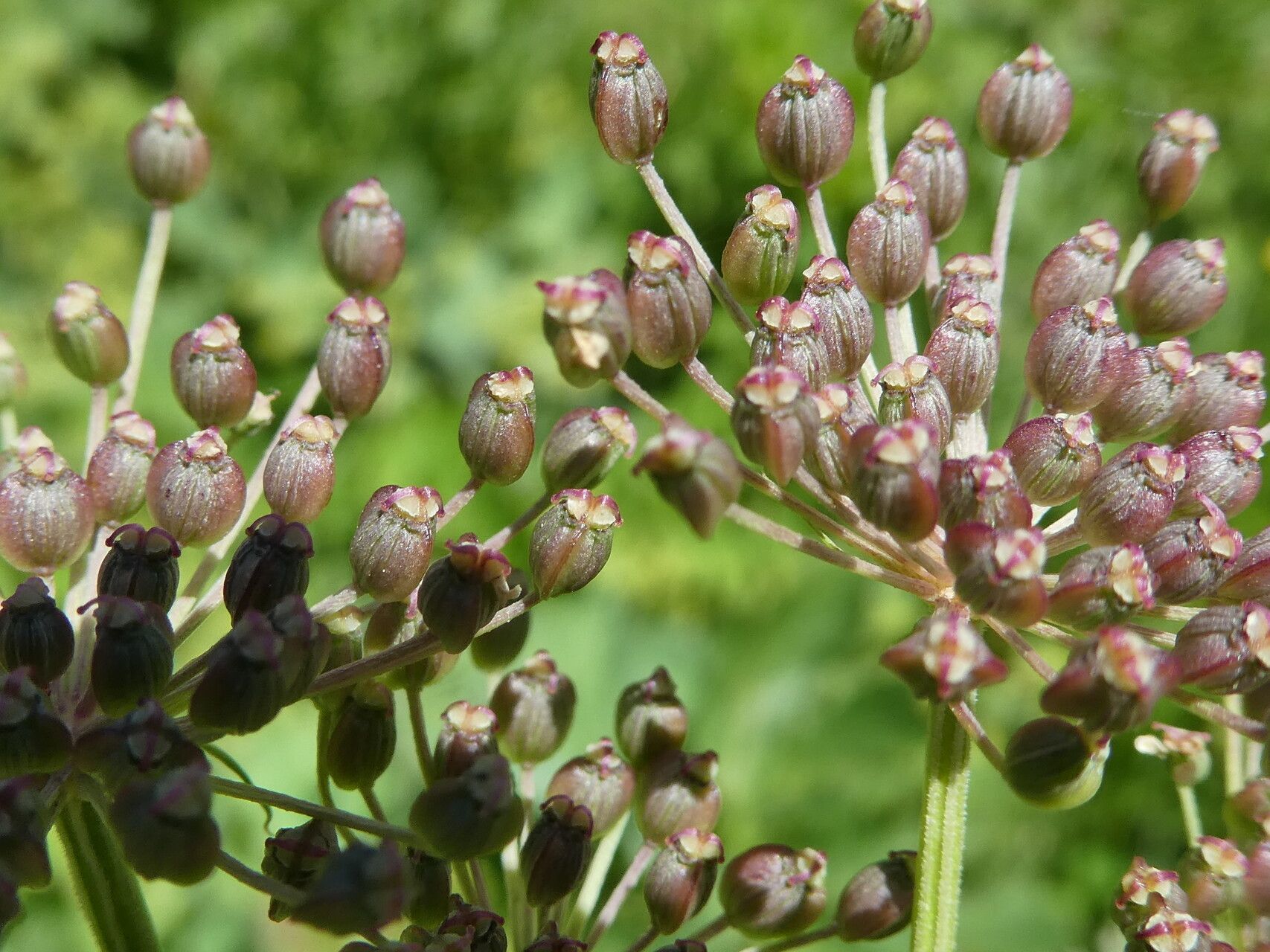
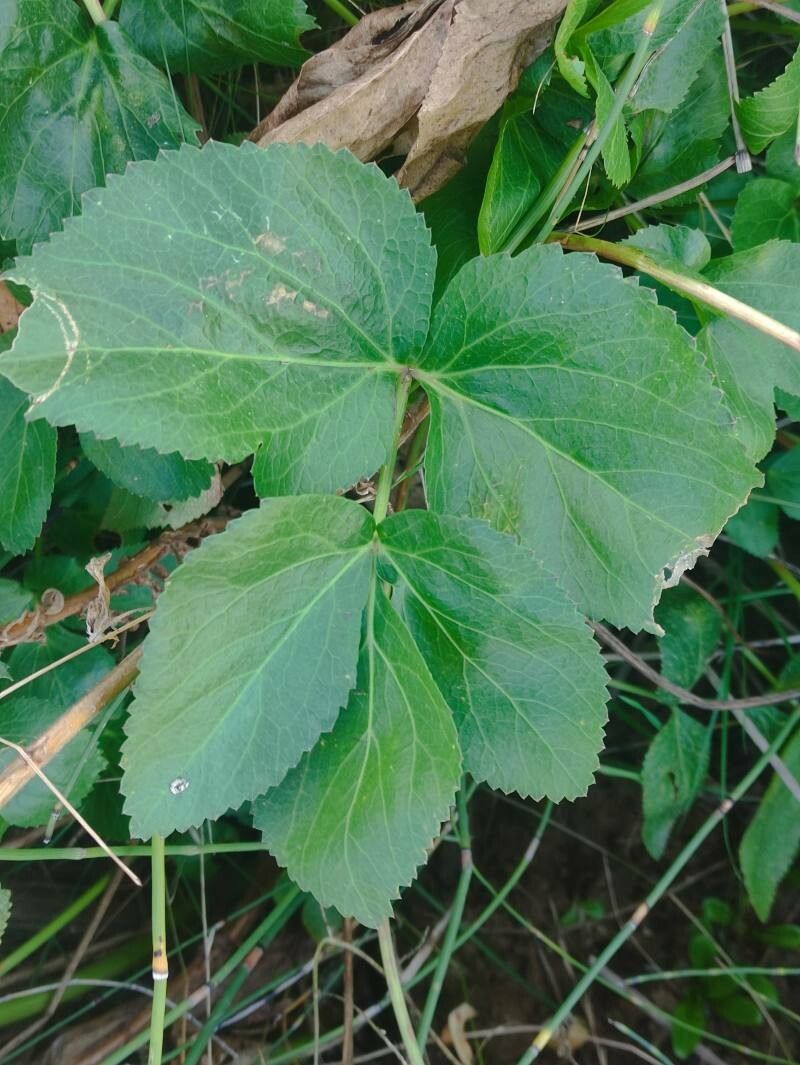
Peucedanum ostruthium or Imperatoria ostruthium, masterwort, is a species of flowering plant in the family Apiaceae. It is native to the mountains of Central and Southern Europe, but has been widely introduced outside its native range.
Masterwort shows good resistance to disease and is generally not likely to suffer from illnesses. Still, it can be vulnerable to pests and diseases present in its environment. Such infections are generally not serious. Regarding care, this plant needs moderate maintenance. It should be pruned regularly to preserve a good appearance and encourage healthy growth. Fertilizing can also help stimulate flowering. Masterwort is appropriate for anyone with outdoor space, like a garden or patio, and does not demand much gardening experience. It may need extra care if cultivated indoors.
How to keep Imperatoria Ostruthium.
Light
Masterwort grows best with a steady supply of sunlight but can tolerate places with less sun. Too much shade is harmful and results in weak growth. In the wild it is usually found in open, sunny areas. However, both too little and too much sunlight can negatively affect its health.
Water
Masterwort flourishes in damp woodlands and requires consistent moisture to thrive. To promote healthy, lush growth, it should be watered weekly. Although primarily grown outdoors, masterwort benefits from natural rainfall, which complements its regular watering schedule and boosts its growth cycle.
Temperature
Masterwort is indigenous to areas with a moderate temperature range of 41 to 90 °F (5 to 32 ℃). The plant favors cooler climates and may need to be given shaded or cooler conditions in hotter seasons.
Fertilizer
The best time to fertilize Masterwort is in early spring, as it comes out of dormancy and begins active growth. Fertilization supplies essential nutrients needed for healthy development. Although Masterwort has relatively low fertilizer requirements, an annual application can improve its survival and encourage better, longer-lasting flowers.
Pruning
Masterwort is a herbaceous perennial characterized by tall stems, green leaves, and clusters of white flowers. To maintain its health and appearance, prune it from early to late spring. In late summer or fall, cut back the old stems to encourage new growth and prevent self-seeding. Be sure to use sharp, sterilized tools for clean and effective cuts.
Pot & Repot
Spring is the ideal time to repot masterwort, which should be done every 2–3 years. Use a slightly larger pot to give the roots more space. After repotting, make sure to keep the soil consistently moist and avoid placing the plant in direct sunlight. This will help masterwort thrive and showcase its unique umbel flowers.
Botanical profile.
- Plant Type
- Herb
- Life Cycle
- Perennial
- Genus
- Imperatoria
- Family
- Apiaceae
- Hardiness Zone
- 4-8
- Mature Height
- 1.22 m
- Mature Spread
- 91 cm
- Leaf Color
- Green, Variegated, Silver
- Leaf Type
- Deciduous
- Flower Color
- White
- Flower Size
- 2.54 cm to 3.30 cm
- Bloom Time
- Early summer, Mid summer
- Planting Time
- Spring, Autumn
- Harvest Time
- Late summer, Early fall
- Native Area
- Russia, Germany, Austria, Italy, Spain, Switzerland, Slovakia, Poland, Romania, Croatia, Slovenia, France
Other names.
Reader questions.
How should I water my Masterwort plant?
To properly water the Masterwort plant, use filtered water that is at room temperature. Tap water may contain harmful particles, so filtering it is better. The Masterwort is accustomed to a warm environment, so avoid using cold water which can shock its system. Instead of overhead watering, which can cause leaf problems, thoroughly soak the soil with the filtered room temperature water. This helps moisten the roots and supports their spread in the soil, facilitating nutrient absorption.
What are the sunlight requirements for Masterwort?
Masterwort requires full sun exposure of more than 6 hours of sunlight daily but can still perform well under partial sun conditions, which entails about 3-6 hours of sunlight. It's essential to observe how sunlight moves through your garden to pick spots that provide an ideal balance of light and shade, ensuring your plants thrive. In its natural habitat, Masterwort is typically found in open spaces benefiting from generous sunlight, though it can adapt to less sunny locations. Excessive shade, however, may harm the plant by causing poor growth.
What is the native environment of Masterwort?
Masterwort is native to environments that experience a moderate range of temperatures, specifically between 41 to 90 °F (5 to 32 °C). This plant prefers cooler climates and may require shaded or cooler conditions during hotter seasons to thrive.
What should I do if I give too much or too little water to my Masterwort plant?
Masterwort can be harmed by both overwatering and underwatering, but overwatering is more common. Overwatering can cause wilting, yellowing leaves, and diseases like root rot, mold, and mildew. Masterwort is more tolerant of drought, but underwatering can still occur, leading to brittle, brown leaves. It is important to recognize signs of overwatering early as some diseases may not be reversible if left untreated. If you notice early signs of overwatering, reduce watering immediately and consider the soil's drainage. If the soil drains poorly, replace it with a loose, well-draining potting mix. If your Masterwort is not receiving enough water, simply increase watering until the signs improve.
How can artificial lighting be used for indoor Masterwort plants?
For indoor Masterwort plants that don't get enough natural sunlight, especially during winter or in less sunny areas, artificial lighting is a crucial alternative. It promotes faster, more robust growth. Opt for the right type of light, such as LED lights, since they can be tailored to provide specific wavelengths needed by the plants. Full sun plants require 30-50W/sq ft of light, partial sun plants need 20-30W/sq ft, and full shade plants 10-20W/sq ft. The lights should be placed 12-36 inches above the plant, mimicking natural sunlight conditions as closely as possible, and kept on for 8-12 hours per day, depending on plant species.
Does Masterwort need frost protection during winter?
Masterwort has strong cold resistance and usually does not require special frost protection measures during winter. However, if temperatures are expected to plummet below -30°C, it's crucial to provide cold protection by covering the plant with soil or straw. Additionally, watering the plant abundantly before the first freeze in autumn to ensure the soil remains moist can help prevent drought and water scarcity for the plant during the colder months.
How frequently do I need to water my Masterwort?
If your Masterwort plant is in a pot, you can check if it needs water by sticking your finger into the soil. If the top two to three inches of soil are dry, it's time to water it. If you have your Masterwort planted outdoors in the ground, you can use the same method to test the soil. Once the top few inches of soil have dried out, it's time to water. Generally, you may need to water this plant about once a week in the spring and early fall. However, during extremely hot weather, you may need to water it twice a week or even more. It's important to note that mature, well-established Masterwort plants have a good tolerance for drought.
What are the symptoms of insufficient or excessive sunlight in Masterwort?
Symptoms of inadequate light include smaller new leaves, leggy or sparse growth, faster leaf drop, slower or ceased growth, and paler new leaves. These signs indicate that the plant is struggling to photosynthesize properly due to insufficient light. On the other hand, excessive sunlight can lead to chlorosis, where leaves lose their green color, sunscald resulting in damaged tissues, leaf curling as a defense against too much light, wilting due to increased water loss, and leaf scorching characterized by brown, dry leaf edges. These symptoms highlight the plant's distress under too much sunlight exposure.
How does low temperature affect Masterwort, and what are the solutions?
Masterwort thrives best at temperatures above 5°C and should be maintained above -25°C during winter. If temperatures fall below -30°C, there might not be immediate visible damage, but it could lead to a decreased sprouting or complete lack of sprouting in spring. The recommended solution for any parts of the plant that have failed to sprout in spring is to remove them.
How much water does my Masterwort plant need?
When watering your Masterwort plant, don't be hesitant to give it a generous amount of water. Wait until the top two to three inches of soil are dry, then thoroughly soak the soil with enough water to ensure it is completely saturated. Make sure to add enough water so that excess water drains out of the pot through the drainage holes at the bottom. If you don't see any excess water draining, you may not have given the plant enough water. However, be careful not to let water accumulate in the soil, as this can harm the plant. On the other hand, if water does not drain properly through the pot, it could indicate poor soil drainage, which is not good for the plant's health. If the plant is outside, one inch of rainfall per week should be enough.
How can Masterwort's growth be optimized in terms of light?
To encourage optimal growth in Masterwort, gradually expose it to more sunlight until it receives at least 6 hours of direct sunlight daily, especially if moved from a location with less sun. Use south-facing windows for indoor plants and keep curtains drawn to maximize exposure. If the plant is large or hard to move, consider supplementing with artificial light, keeping lamps on for at least 8 hours daily. For outdoor plants, move them gradually to avoid shock and sunburn. Reducing obstructions like pruning trees can also help increase sunlight access. If necessary, transplanting during the dormant period to a sunnier location can boost growth. Remember, parts of the plant damaged by previous low light exposure may not recover, but adapting these practices will ensure new growth is healthy.
What impact does high temperature have on Masterwort, and how can it be mitigated?
During the summer, it's essential to keep Masterwort's temperature below 32°C. Exceeding 35°C may cause the leaves to lighten in color, become prone to curling, susceptible to sunburn, and, in severe cases, cause the plant to wilt and dry out. To mitigate these effects, it's advisable to trim away sunburned and dried parts, move the plant to a shaded location, or use a shade cloth to protect it from midday and afternoon sun. Additionally, watering the plant in the morning and evening helps keep the soil moist and supports the plant's health during high temperatures.