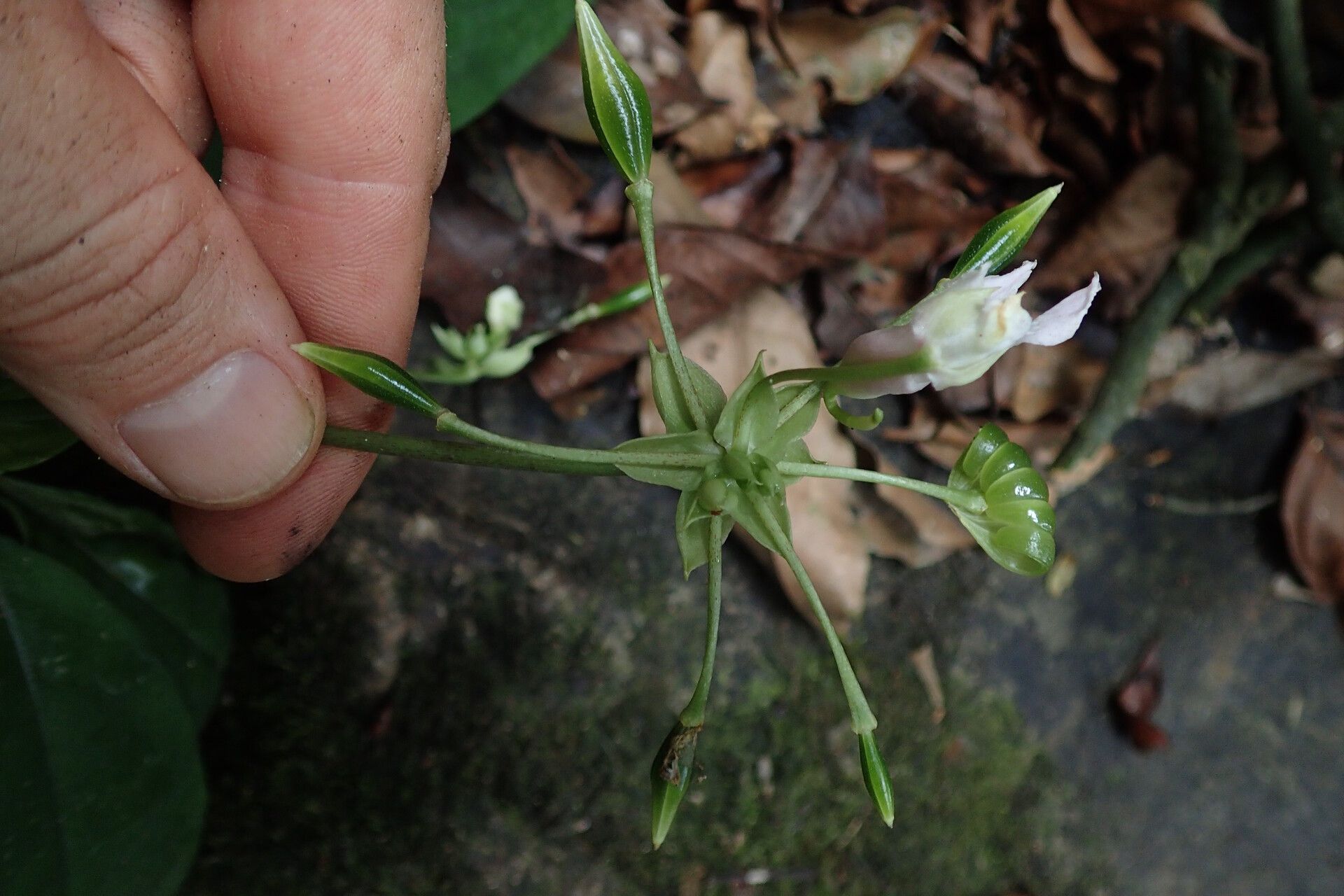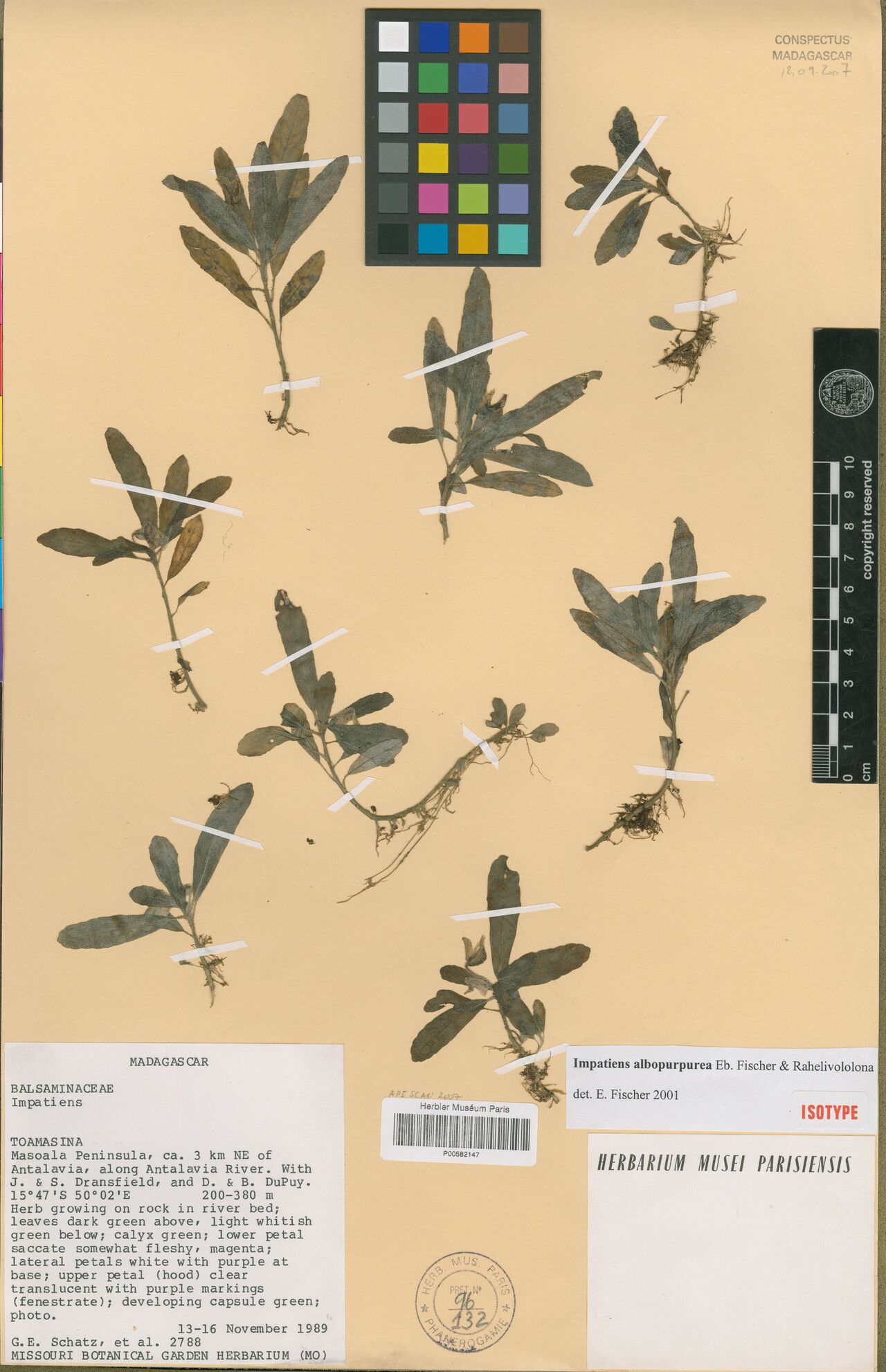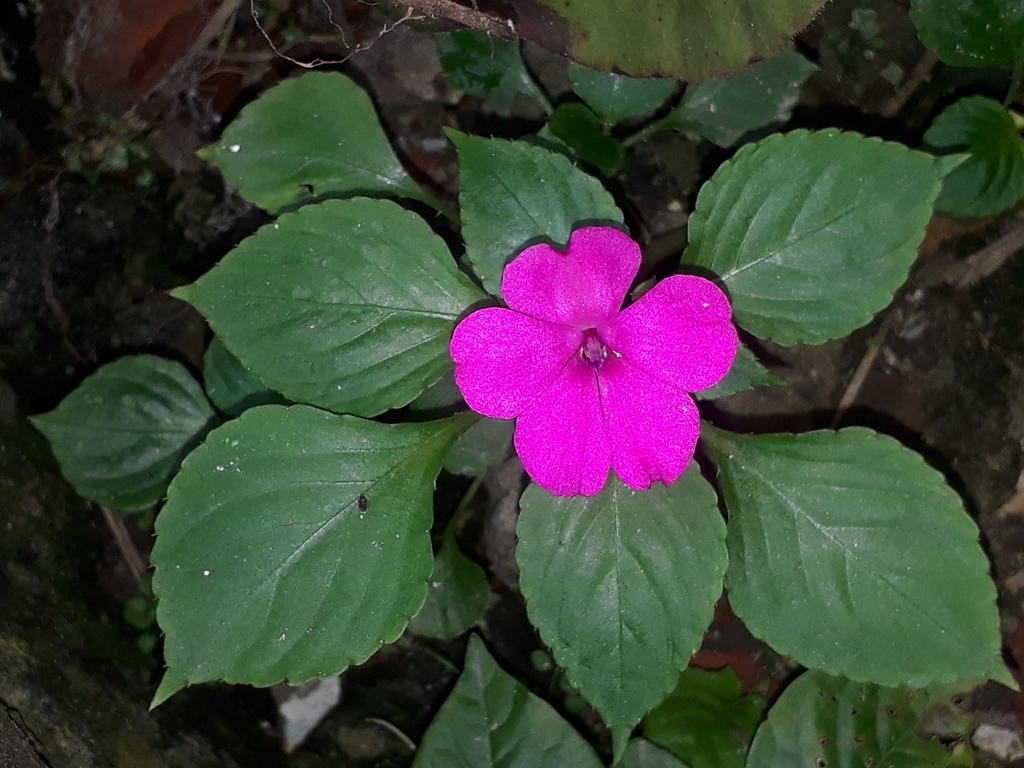
Impatiens Big is a popular flowering plant from the Balsaminaceae family. Native to East Africa, this plant can grow up to 2 feet tall. It features bright green leaves and produces large, showy flowers in a variety of colors, including pink, red, orange, white, and purple.
This plant thrives in partial shade or filtered sunlight and prefers well-drained, moist soil. Depending on the climate, it can be grown as either an annual or a perennial.
Often used as a bedding plant in gardens or as a potted houseplant, Impatiens Big is favored for its attractive flowers that bloom continuously throughout the growing season. Additionally, it attracts pollinators such as bees and butterflies.
Impatiens Big requires regular watering but should not be overwatered, as this can cause root rot. Fertilizing every two weeks during the growing season will support healthy growth.
Overall, Impatiens Big is an easy-to-grow flowering plant that adds vibrant color and beauty to any garden or indoor space with minimal care.
The Busy Lizzie is known for its beautiful flowers, which have captivated the attention of countless people. Not only are the flowers stunning, but the plant also blooms continuously from summer to autumn. It's as if the plant is so busy blooming that it earned the name Busy Lizzie.
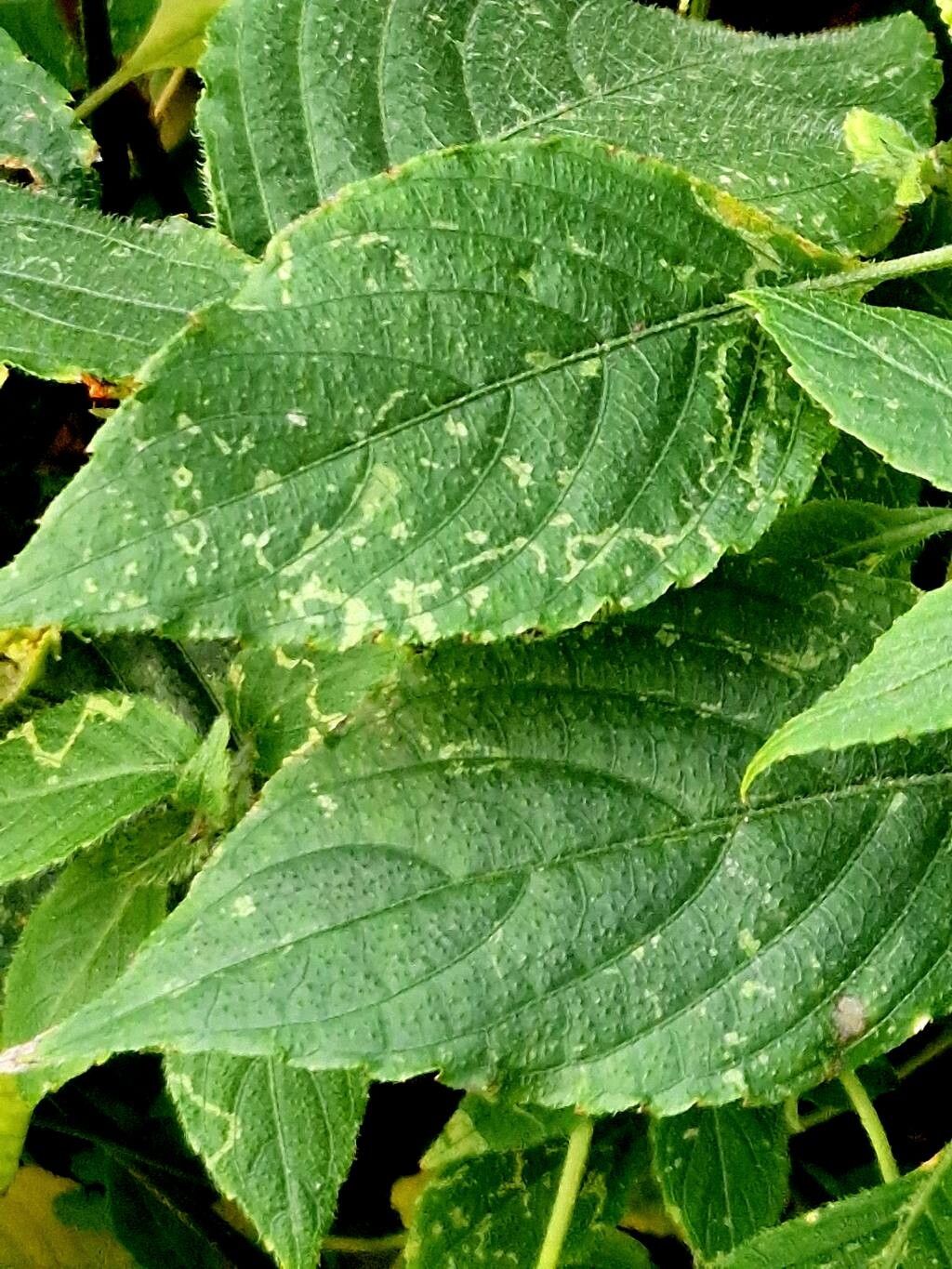
Impatiens is generally disease-resistant and is seldom prone to illnesses. However, it can develop leaf spots if light and ventilation are poor or if watering is excessive. The plant's care level is considered easy, since it mainly needs regular watering and little else. Impatiens is well suited to people who do not have the time and energy to provide regular care.
How to keep Impatiens Walleriana.
Light
Impatiens prefers locations with a balanced combination of sun and shade and can tolerate both heavy canopy cover and direct sunlight. Its native habitat mirrors this adaptability. Too little or too much sun can impede its growth and lessen the vibrancy of its blooms.
Water
Busy Lizzie thrives in tropical environments, where it prefers consistent moisture and high humidity. To maintain the right soil moisture without causing waterlogging, you should water it twice a week. When grown indoors, higher humidity levels can enhance its growth and blooming as they mimic its natural habitat.
Humidity
This plant needs special care because it loves high humidity levels of 60-80% or more. The best way to achieve this is by placing a humidifier near the plant. Daily misting is also essential! Make sure the room has good ventilation.
Temperature
Impatiens favors a temperature range of 68 to 100 ℉ (20 to 38 ℃). In its native habitat, it prospers in tropical and subtropical regions. To accommodate seasonal temperature changes, place the plant in a cooler location during the peak heat of summer.
Fertilizer
Proper fertilization is essential to the health and appearance of Impatiens. Fertilize Impatiens during the summer, applying fertilizer once a month throughout the season. Nutrients feed growth and help maintain the plant's parts. Fertilization improves Impatiens' flower display, ensuring the best blooms.
Pruning
To keep your busy lizzie thriving, make a habit of regular pruning from early to late spring. Focus on removing any spent flowers, yellowing leaves, and damaged stems. This practice encourages bushier growth and enhances air circulation. Always use clean, sharp tools, and be sure to avoid heavy pruning in the fall to prevent stressing the plant.
Pot & Repot
When repotting Impatiens, select a pot 1-2 inches (2.5–5.1 cm) larger that has ample drainage. Use a well-draining potting mix. Repot in spring or fall, making sure the root ball sits slightly lower than the rim of the flower pot. Water thoroughly after repotting and place it in a warm spot with indirect sunlight.
Toxicity
The African queen plant has no reported toxic effects on people or pets, making it safe as either an indoor and outdoor houseplant. However, ingesting too much may cause mild symptoms, like diarrhea and vomiting.
Further reading →
The toxicity and danger assessments provided are for reference only. We do not assure their accuracy, so it's crucial not to depend on them. Seek professional advice when necessary for accurate guidance.
Botanical profile.
- Plant Type
- Herb
- Life Cycle
- Perennial, Annual
- Genus
- Impatiens
- Family
- Balsaminaceae
- Hardiness Zone
- 10-11
- Mature Height
- 15 cm to 61 cm
- Mature Spread
- 30 cm to 91 cm
- Leaf Color
- Green
- Leaf Type
- Deciduous
- Flower Color
- White, Red, Orange, Pink, Purple, Mauve
- Flower Size
- 2.03 cm to 5.08 cm
- Bloom Time
- All year round
- Planting Time
- Spring
- Harvest Time
- All year round
- Native Area
- Malawi, Mozambique, Zambia, Kenya, Tanzania, Zimbabwe
Other names.
Reader questions.
When Should I Water My Busy Lizzie?
Watering your Busy Lizzie (Impatiens walleriana) appropriately is vital for its health and growth. To determine when to water, check the top 1-2 inches of the potting mix; if it feels dry, it's time to water. Observing the leaves can also provide clues; drooping leaves suggest it's too dry. Additionally, a reduction in flowering or a lighter pot weight can indicate the need for water. However, be cautious of both under and overwatering, as they can cause significant harm. The specific watering needs may vary based on the plant's environment, so it's best to rely on these signs rather than a strict schedule.
Why do I have to fertilize my Busy lizzie?
Busy lizzie plants require fertilizer and soil nutrients to fuel healthy growth and maintain their existing components. Nutrients in the soil are used by plants to develop new material and keep their existing parts in good condition. Specifically for Busy lizzies, fertilization is important to enhance the appearance of their flowers. The flowers are the main attraction of these plants, so gardeners should prioritize fertilization to ensure the best possible blooms.
What are the sunlight requirements for Busy Lizzie?
Busy Lizzie (Impatiens walleriana) flourishes in environments that balance sunlight and shade optimally. It can thrive under conditions of partial sun, which is about 3-6 hours of sunlight, and can also adapt to full sun or full shade, meaning it requires more than 6 hours of sunlight. The variation in sunlight should be considered carefully to maintain the plant's health and vibrant colors.
What is the ideal temperature range for Busy lizzie?
Busy lizzie prefers a temperature range of 68 to 100°F (20 to 38°C). This plant thrives in its native growth environments of tropical and subtropical regions. To ensure its health, it's suggested to move the plant to cooler locations during the peak summer heat to adjust to temperature changes in different seasons. During autumn, if the plant is grown outdoors, it is advised to bring it indoors and place it near a bright window while keeping it at a distance from heaters to avoid any damage. It's important to maintain temperatures above 20°C during winter, as temperatures approaching 5°C or lower can be detrimental to the plant.
How Should I Water My Busy Lizzie?
To properly water Busy Lizzie, employing a bottom-watering technique can be quite effective, allowing water to be absorbed from the bottom up, which helps prevent diseases. If you're using a watering can, choose one with a narrow spout to target the soil directly and avoid wetting the foliage. Utilizing a moisture meter can help determine the optimal watering time, ensuring the plant gets just the right amount of moisture without over or under-watering. It’s important to water when the top inch of soil feels dry and to avoid overhead watering methods to prevent wet leaves.
When should I fertilize my Busy lizzie plant?
The Busy lizzie plant experiences two main phases each year. The first phase is the dormant phase, which occurs in winter and involves minimal new growth. The second phase is the active growth phase, which happens in spring and fall, and this is when the Busy lizzie needs the most fertilization. It is recommended to start fertilizing your Busy lizzie in the spring months and continue once a month throughout spring and most of the summer. As fall approaches, you can gradually reduce the amount of fertilizer you use.
How important is the balance of light and shade for Busy Lizzie?
The balance of light and shade is crucial for the health and blooming of Busy Lizzie. It is adaptable and can grow under a broad range of light conditions, reflecting its natural environment. However, inadequate or excessive exposure to sunlight could potentially harm its growth and diminish its colorful display. Ensuring the right mix of sun and shade will help keep the plant thriving.
How does low temperature affect Busy lizzie and what are the solutions?
Busy lizzie is sensitive to low temperatures, thriving best when the temperature is above 20°C and requiring conditions to be kept above 5°C during winter. Exposure to temperatures below 1°C may result in the leaves lightening in color. Frost damage is indicated by a gradual change in color to brown or black, accompanied by wilting and drooping. The recommended solution for frost damage includes trimming off the frost-damaged parts and moving the plant to a warm environment indoors immediately for cold protection. Placing the plant near a south-facing window can ensure ample sunlight without the risk of excessive dryness caused by proximity to heaters or air conditioning vents.
How Much Water Does Busy Lizzie Really Need?
Busy Lizzie thrives in conditions that mimic its natural habitat, requiring a balanced amount of water. Use a pot with a 10-12 inch diameter for regular-sized plants, ensuring the use of well-draining soil. Water should be applied thoroughly until it starts draining from the bottom. Tepid water is preferable to cold. Monitor the plant’s health through its leaves; vibrant and firm leaves indicate adequate hydration, while wilted or yellowing leaves suggest a need for adjustment in watering. It’s crucial to balance watering to avoid both under and overwatering.
When is it a good idea to not use fertilizer on my Busy lizzie?
To support the growth of Busy Lizzie plants without causing root burn, it is important to adjust the fertilization schedule. These plants require additional nutrients during the active growth periods of spring and summer. However, it is necessary to stop fertilizing during the dormancy stage in fall and winter.
Can artificial lighting be used for Busy Lizzie, and if so, how?
Yes, artificial lighting can be used for Busy Lizzie, especially when natural sunlight is insufficient. It's important to choose the right type of artificial light, such as LED lights, which can be customized to provide specific wavelengths needed by the plant. For full sun plants, 30-50W/sq ft of artificial light is recommended, for partial sun plants 20-30W/sq ft, and for full shade plants 10-20W/sq ft. The light source should be placed 12-36 inches above the plant and turned on for 8-12 hours per day to mimic natural sunlight conditions.
What effect does high temperature have on Busy lizzie and how can it be mitigated?
During the summer, Busy lizzie should be kept at temperatures below 38°C. Exposure to temperatures exceeding 43°C can cause the leaves to lighten in color and increase the plant's susceptibility to sunburn. To mitigate damage from high temperatures, trim away the sunburned and dried-up parts and relocate the plant to a spot that offers shade from the midday and afternoon sun. Ensuring that the soil remains moist by watering the plant in the morning and evening can also help in managing the heat.