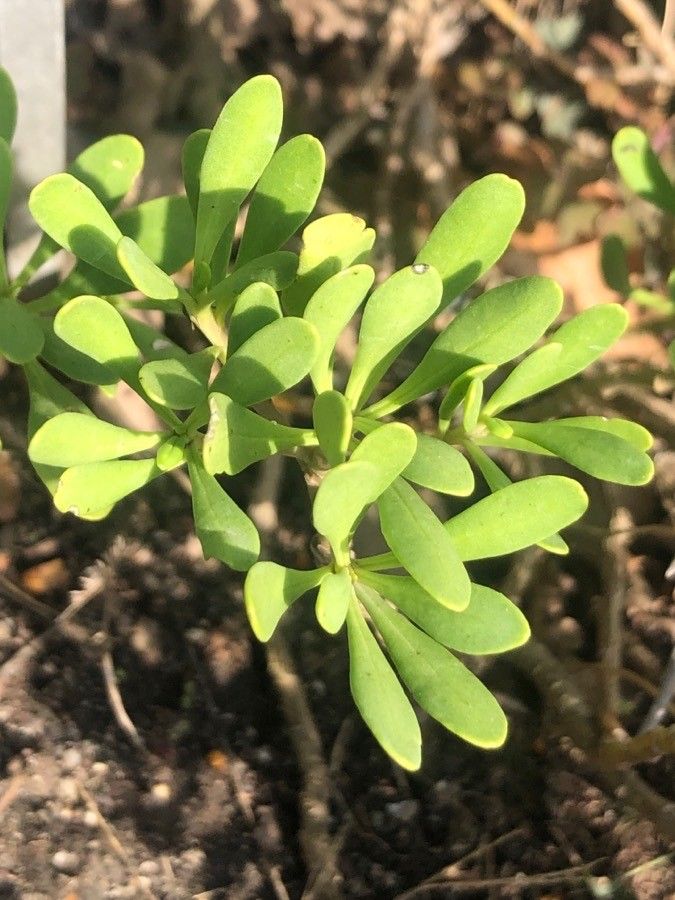
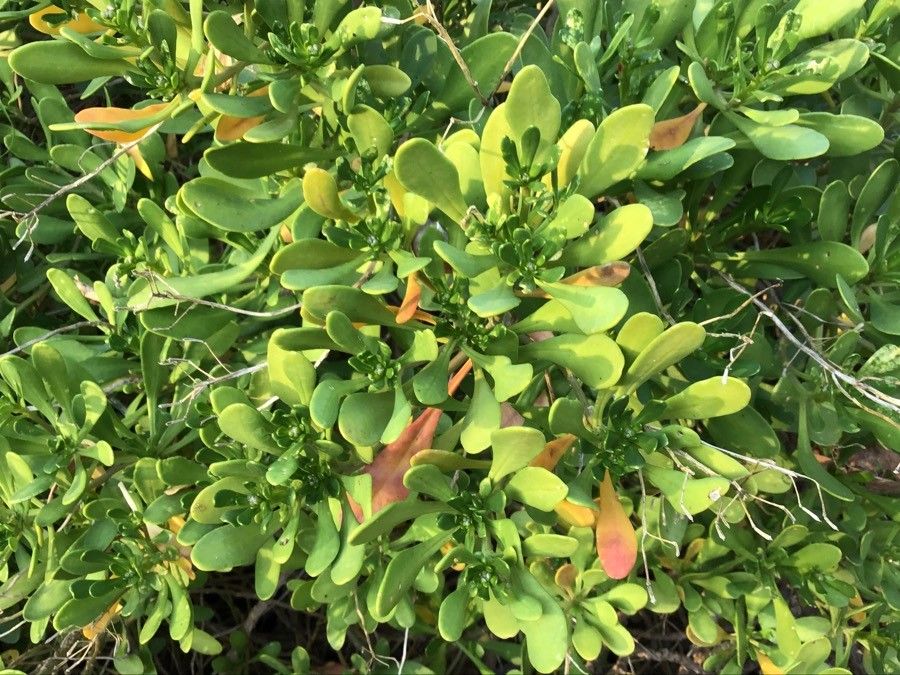
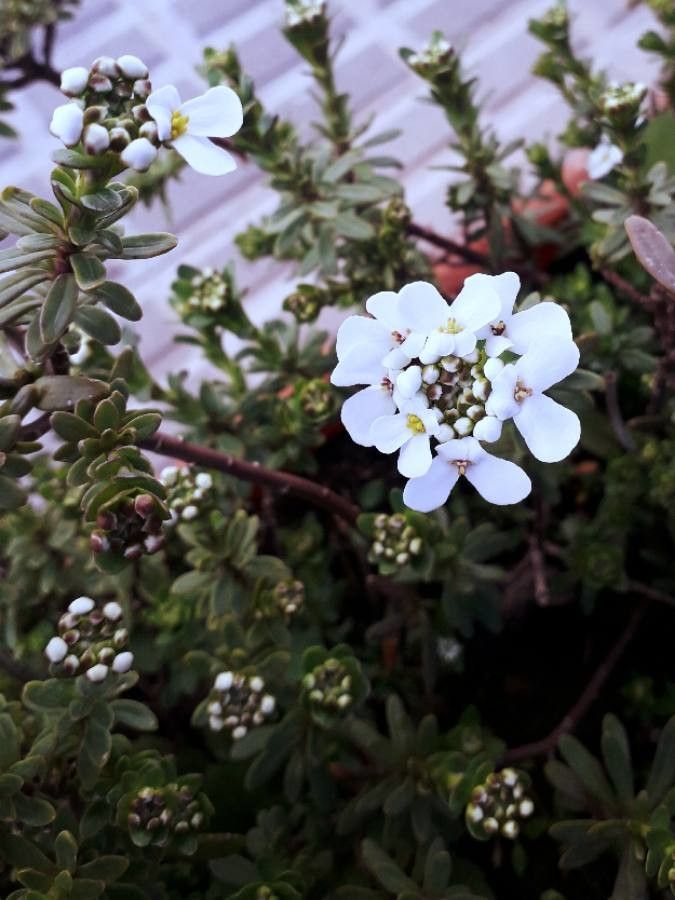
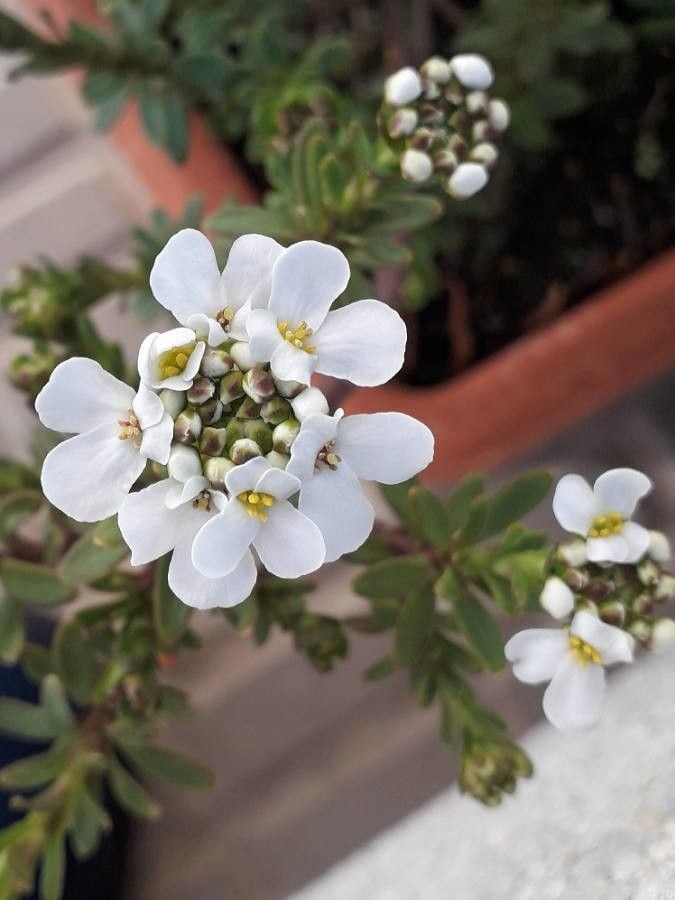
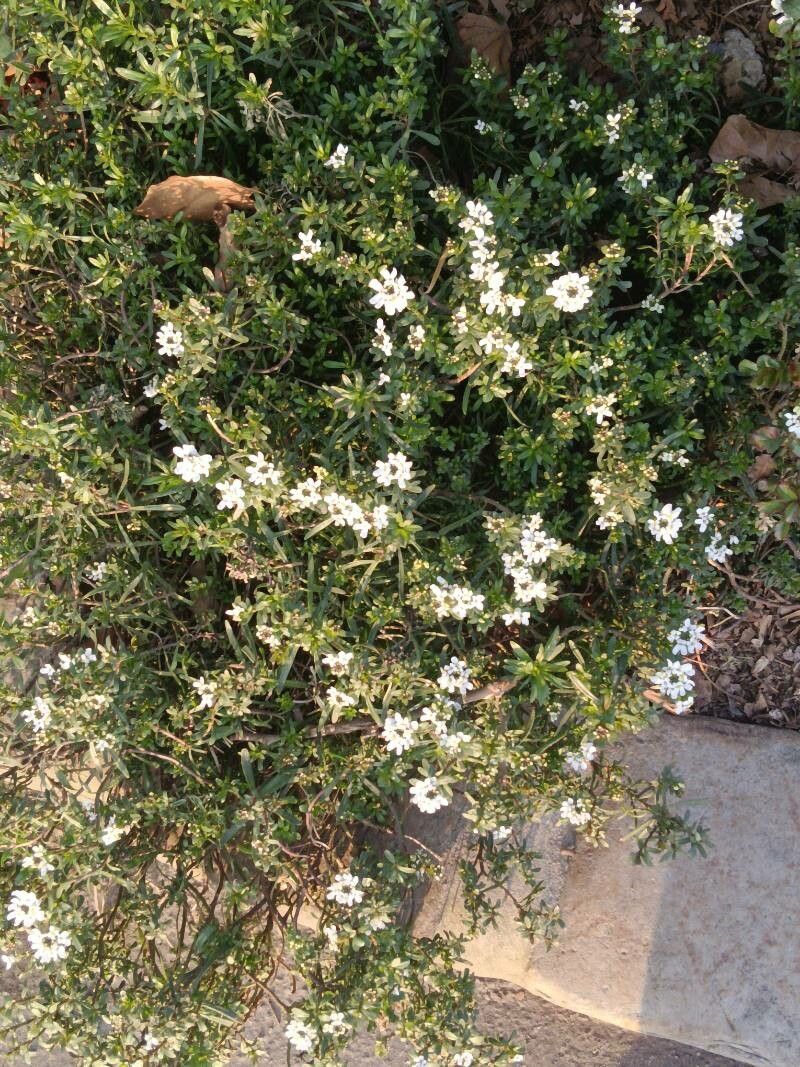
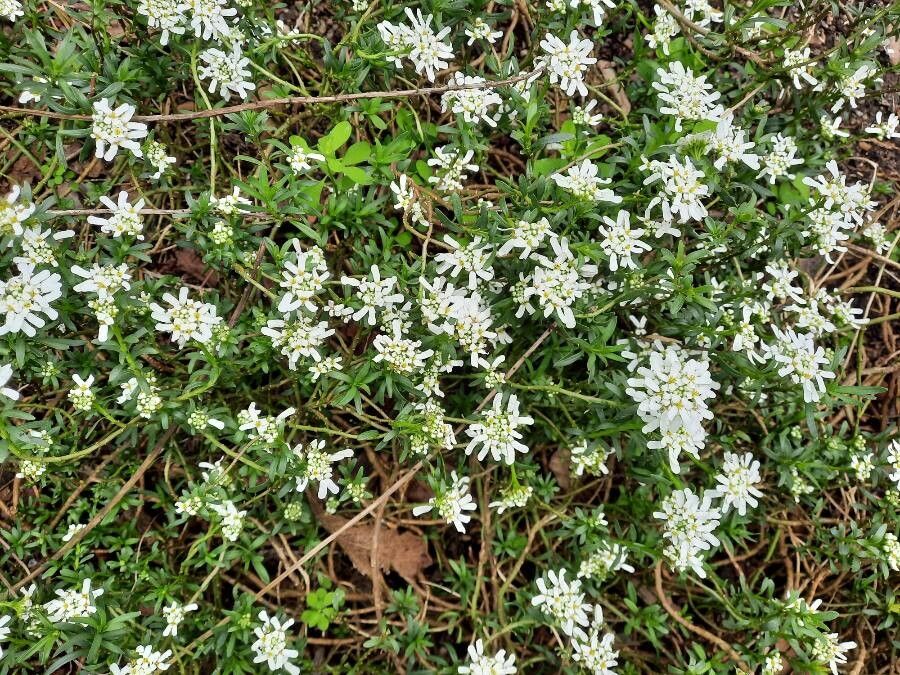
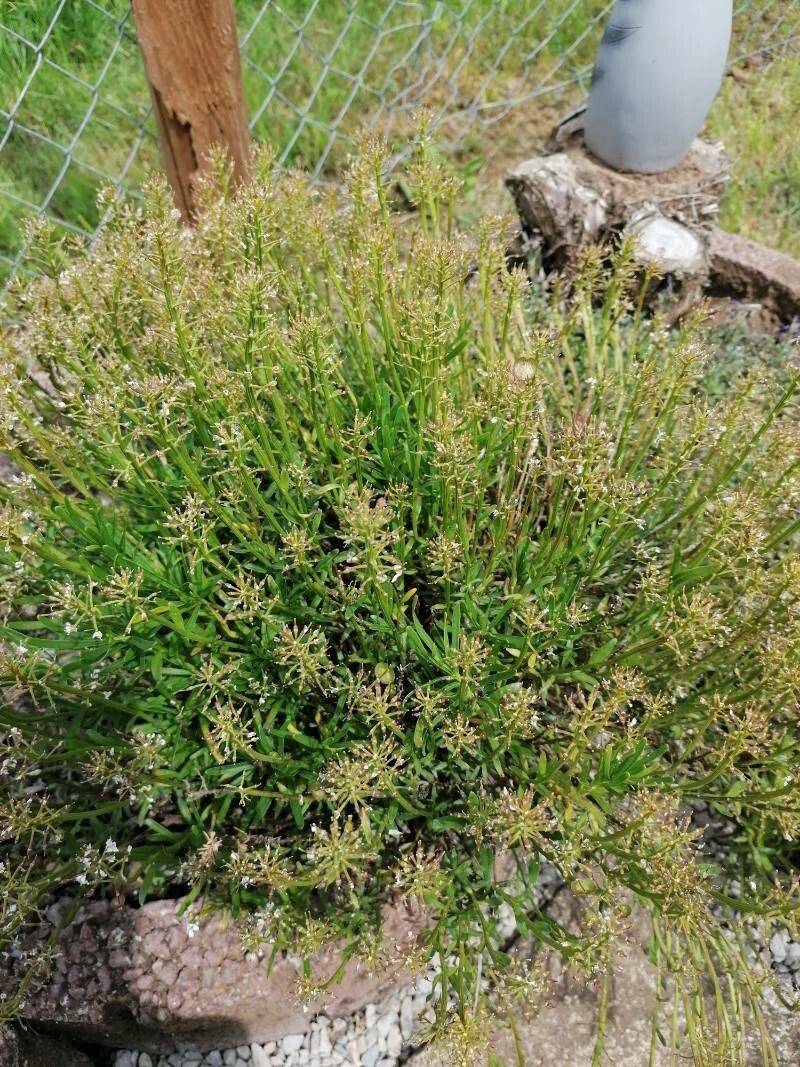
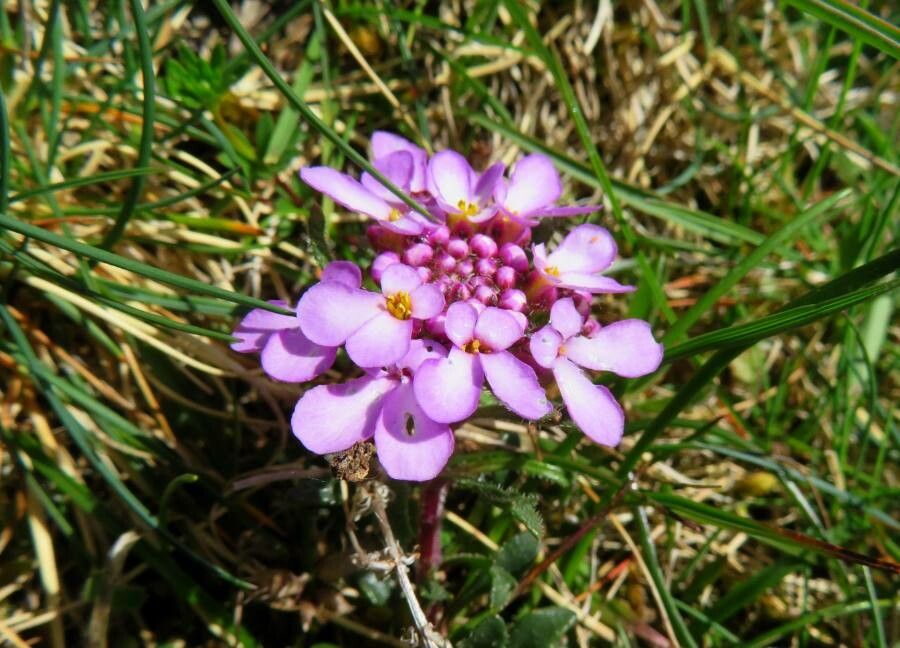
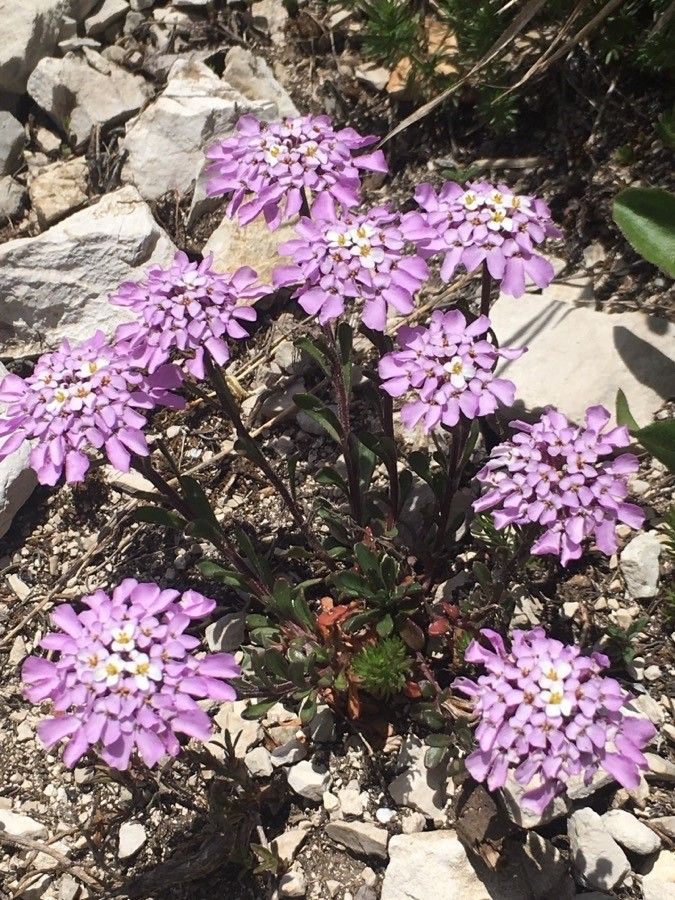
Candytuft is fairly resistant to disease and generally does not suffer from many illnesses. Still, it can be vulnerable to pests and diseases found nearby, though such problems are typically mild. Regarding care, this plant needs moderate maintenance. It should be pruned regularly to preserve a neat appearance and encourage healthy growth. Fertilizing can also help boost flowering. Candytuft is appropriate for anyone with outdoor space, like a garden or patio, and does not demand extensive gardening experience. It may require extra attention if grown indoors.
How to keep Iberis Semperflorens.
Light
Candytuft comes from bright, open habitats where it does best in full sun. It can tolerate partial sun but prefers direct sunlight to grow optimally. As an annual or biennial plant, it is known for its sun-loving nature.
Water
Candytuft is well-suited to Mediterranean climates and thrives with moderate drought tolerance. It prefers well-drained soil. For optimal growth, water it twice a week, being careful not to over-saturate the soil. When grown outdoors, Candytuft requires careful watering during its blooming season to maintain its vibrant appearance.
Fertilizer
When most of Candytuft's blooms have fully opened, it's time to resume fertilizing. Around the period of peak flowering, fertilize every three to four weeks, weather permitting. Then, once Candytuft begins producing fewer new blooms, stop fertilizing; there's no need to feed the plant when it can no longer produce more flowers.
Pruning
Candytuft is a low-growing perennial known for its clusters of white flowers. To keep it healthy and looking its best, prune it in early spring to remove any damaged parts. After it blooms, prune it again to shape the plant and promote more flowering. Regular pruning helps improve airflow, prevents disease, and maintains the plant's appearance. Always use clean, sharp tools for pruning.
Botanical profile.
- Plant Type
- Herb
- Life Cycle
- Annual
- Genus
- Iberis
- Family
- Brassicaceae
- Hardiness Zone
- 7-10
- Mature Height
- 30 cm to 46 cm
- Mature Spread
- 30 cm to 46 cm
- Leaf Color
- Dark Green
- Leaf Type
- Evergreen
- Flower Color
- White, Pink
- Flower Size
- 1.02 cm to 2.03 cm
- Bloom Time
- All year round
- Planting Time
- Spring
- Harvest Time
- All year round
- Native Area
- Tunisia, Italy
Reader questions.
What are the sunlight requirements for Candytuft plants?
Candytuft (Iberis semperflorens) thrives in conditions that meet specific sunlight requirements. For 'Full sun,' Candytuft requires above 6 hours of sunlight a day, making it ideal for spots that receive plenty of direct sunlight. For 'Partial sun,' about 3-6 hours of sunlight is sufficient, suitable for areas that get a mix of light and shade throughout the day. It's important to observe how sunlight moves through your garden to find the perfect location that provides the necessary balance of light and shade, ensuring your Candytuft plants grow healthy and happy.
What is the botanical name of Candytuft?
The botanical name of Candytuft is Iberis semperflorens.