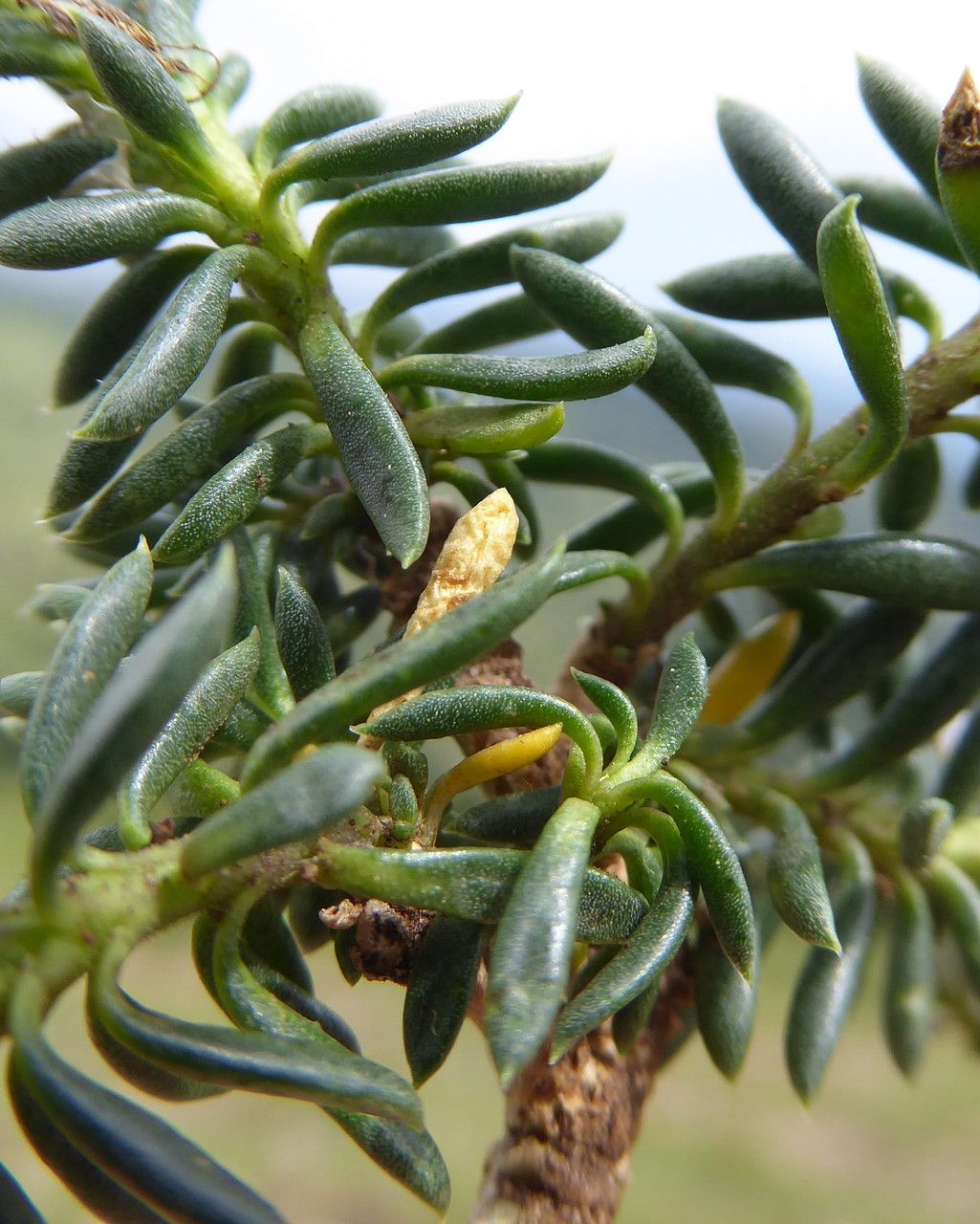
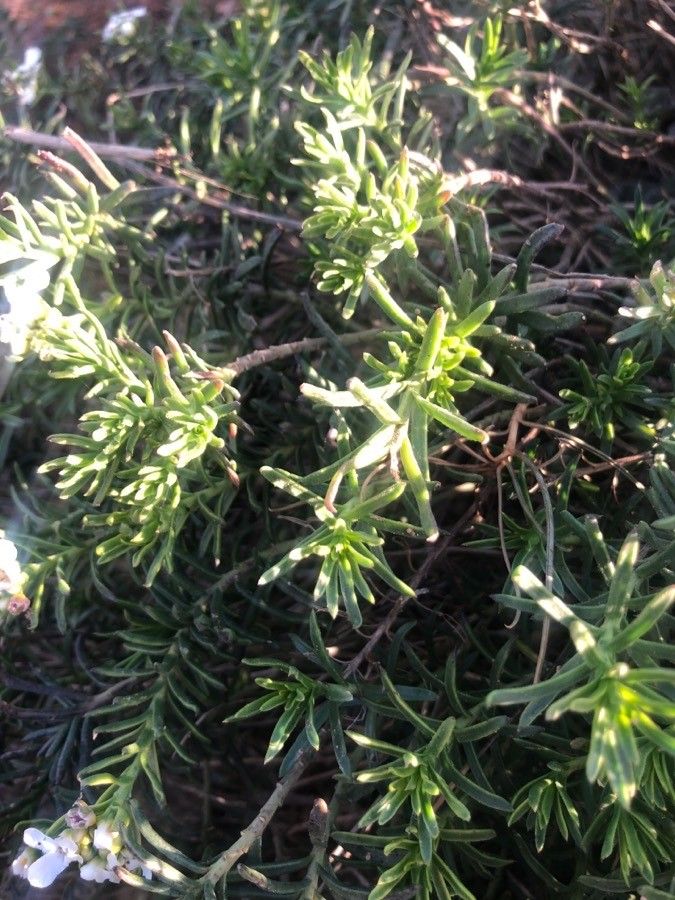
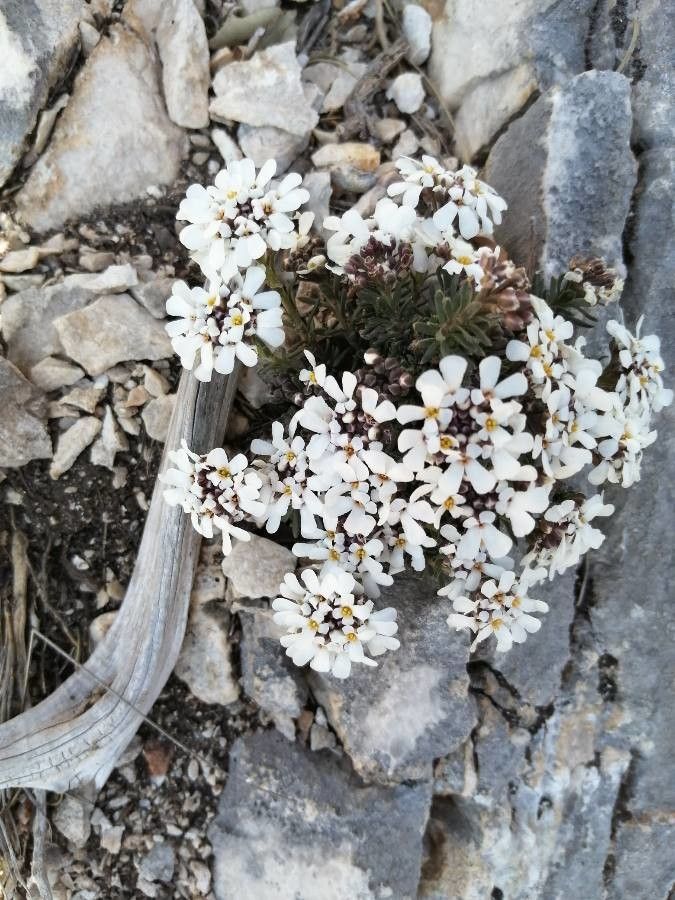
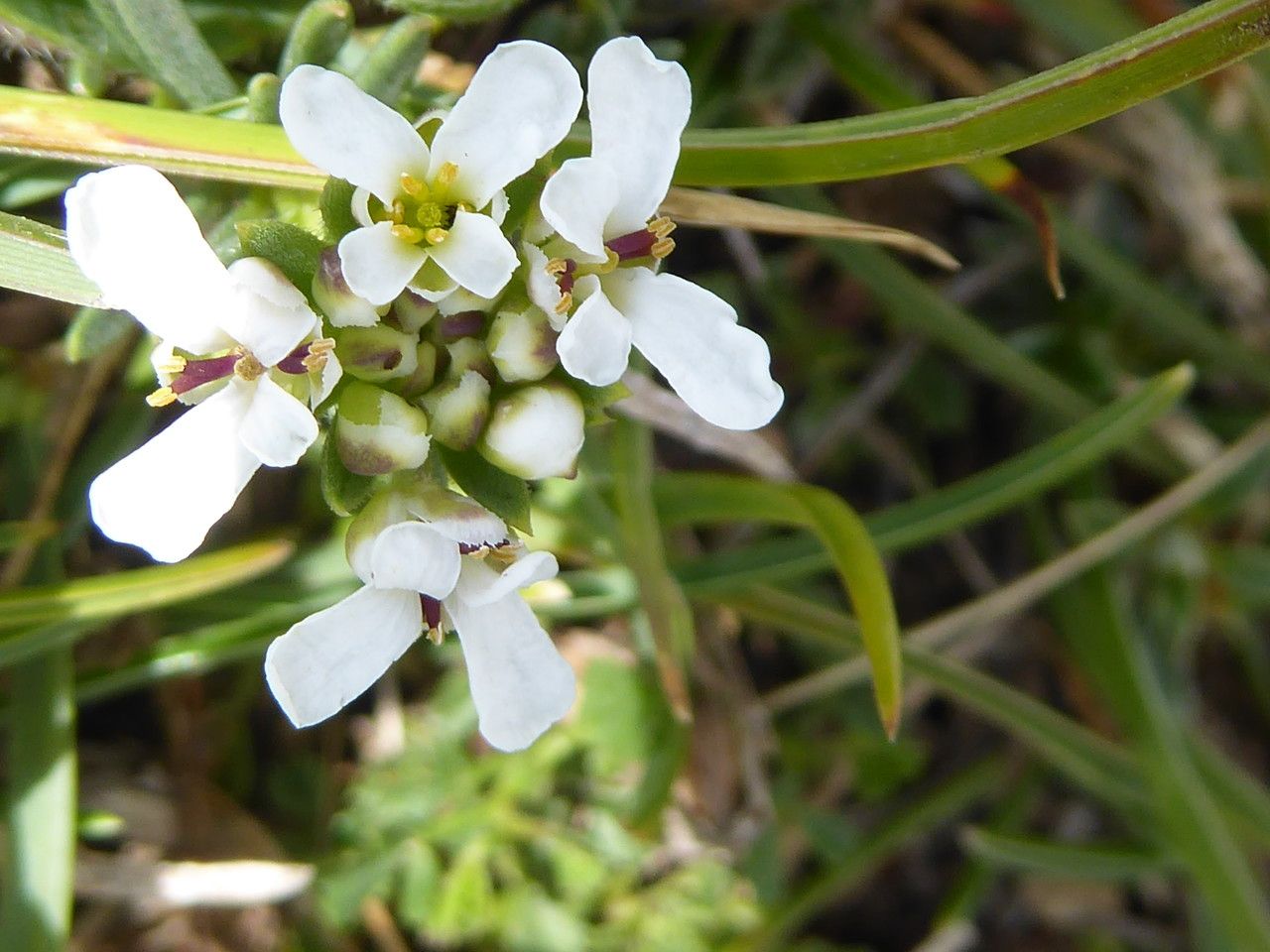
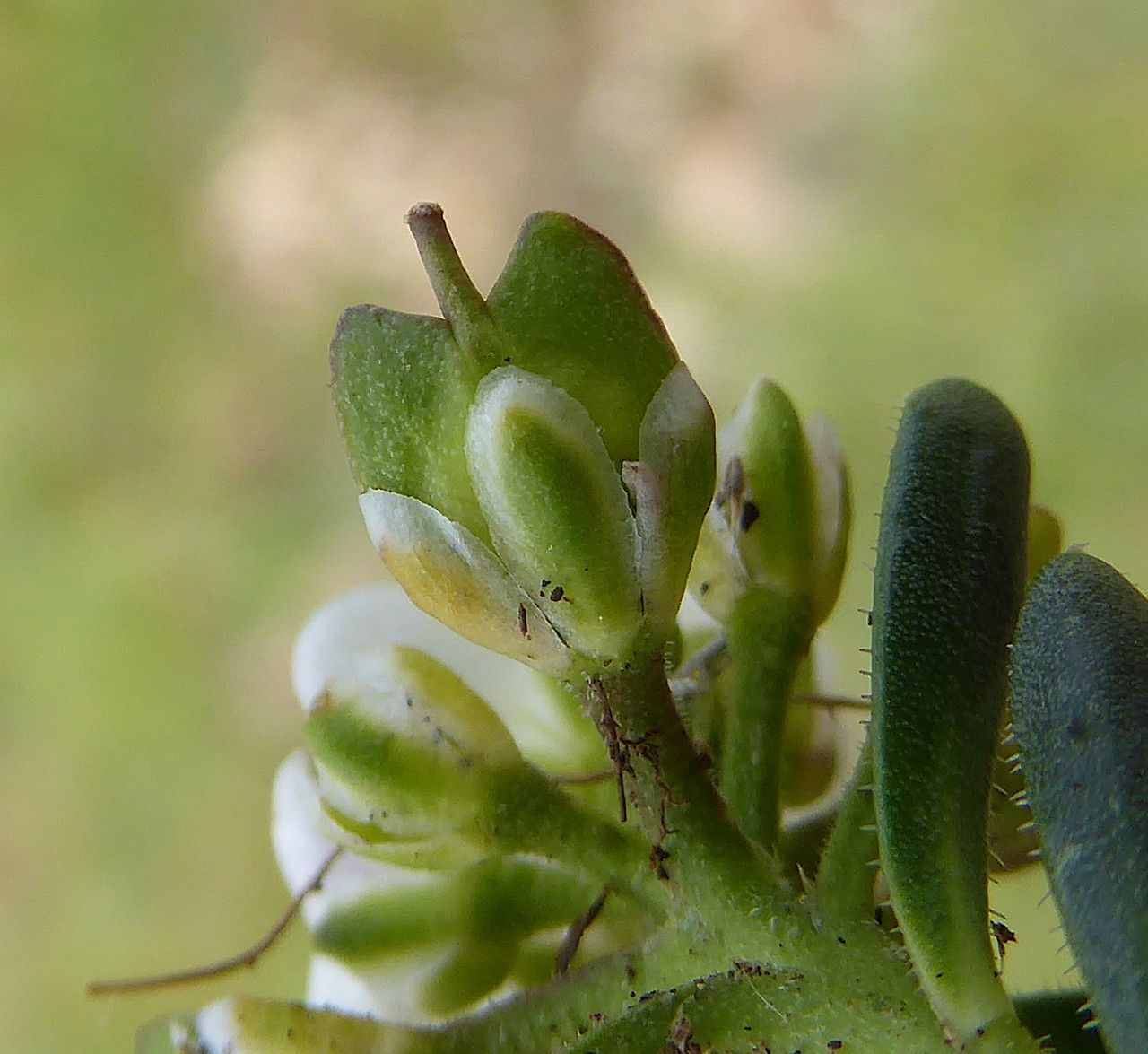
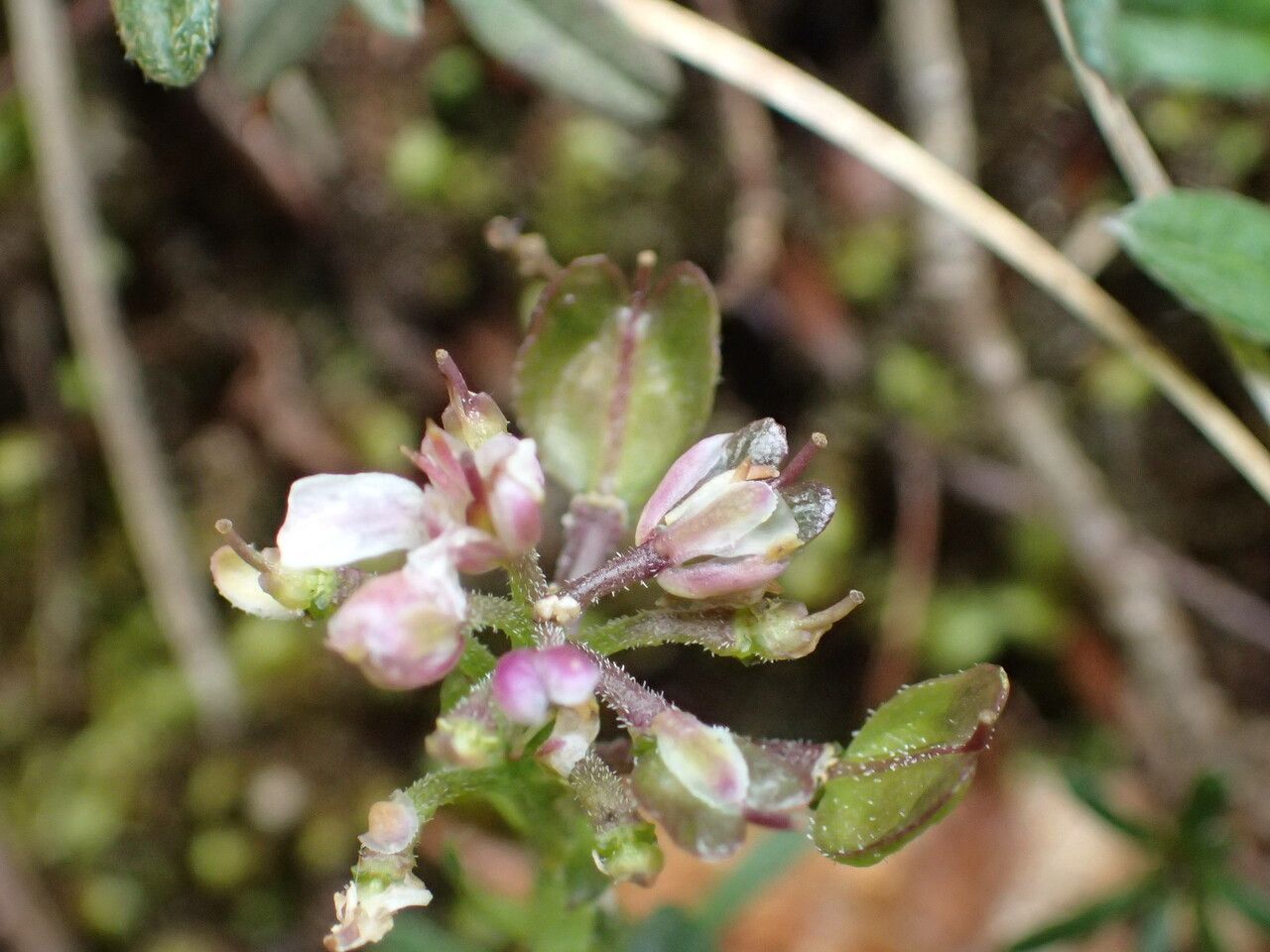
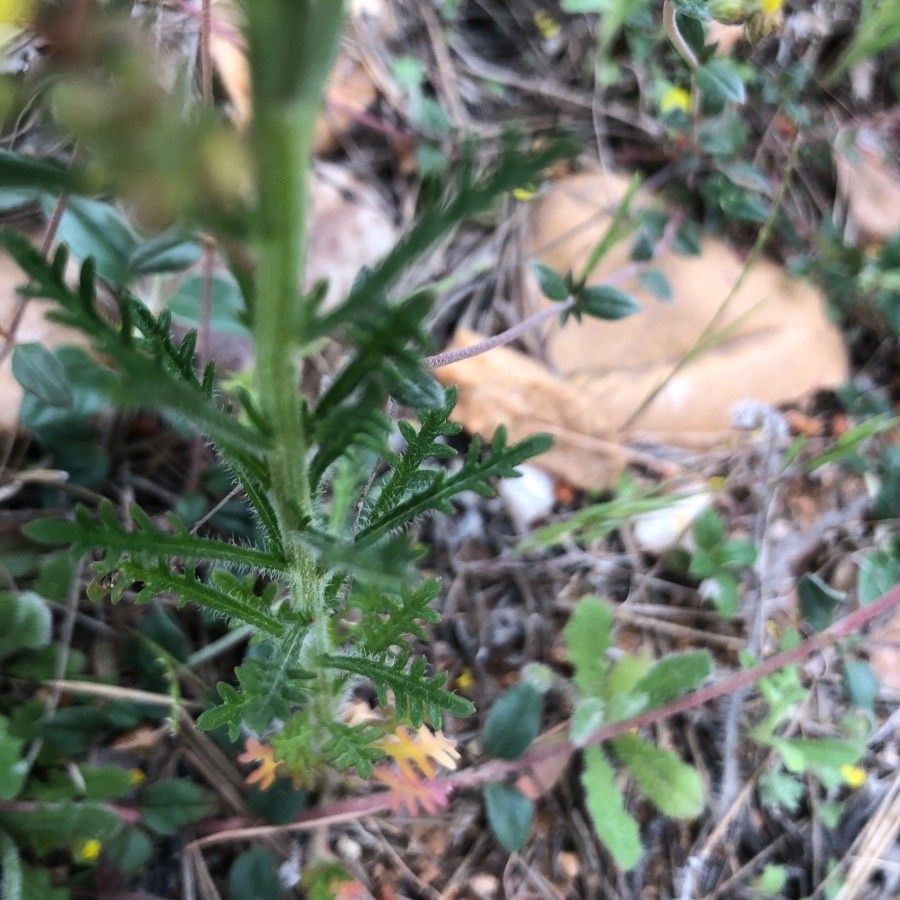
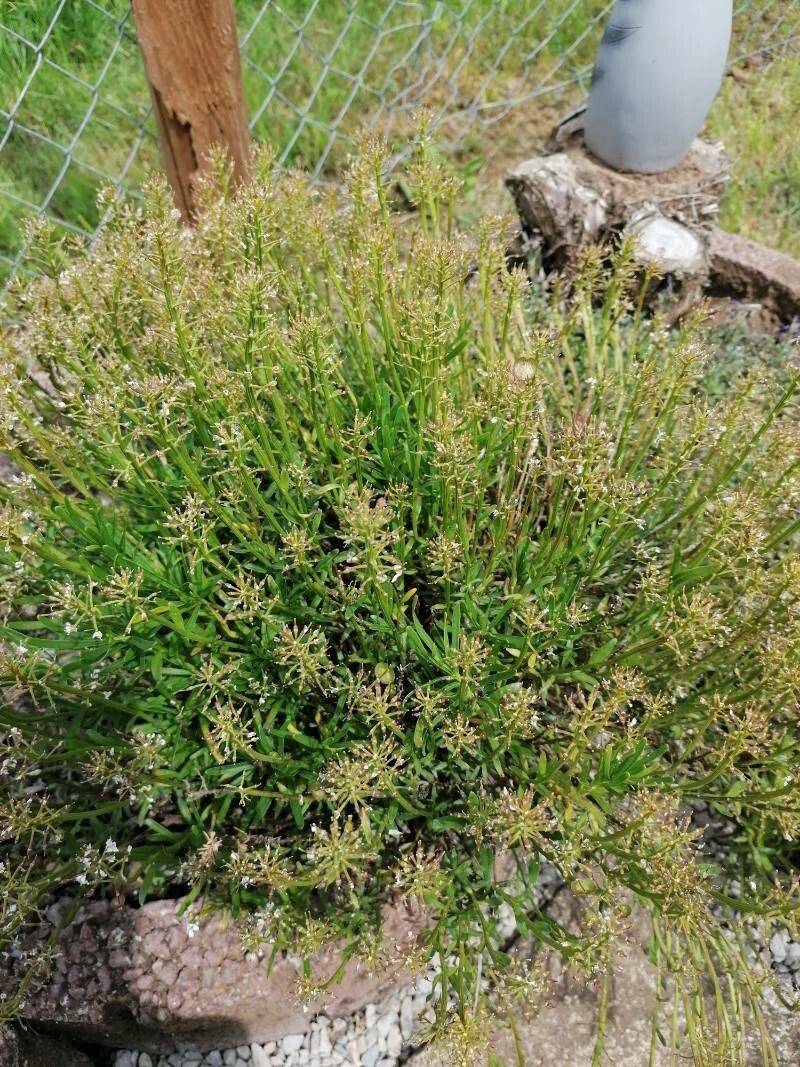
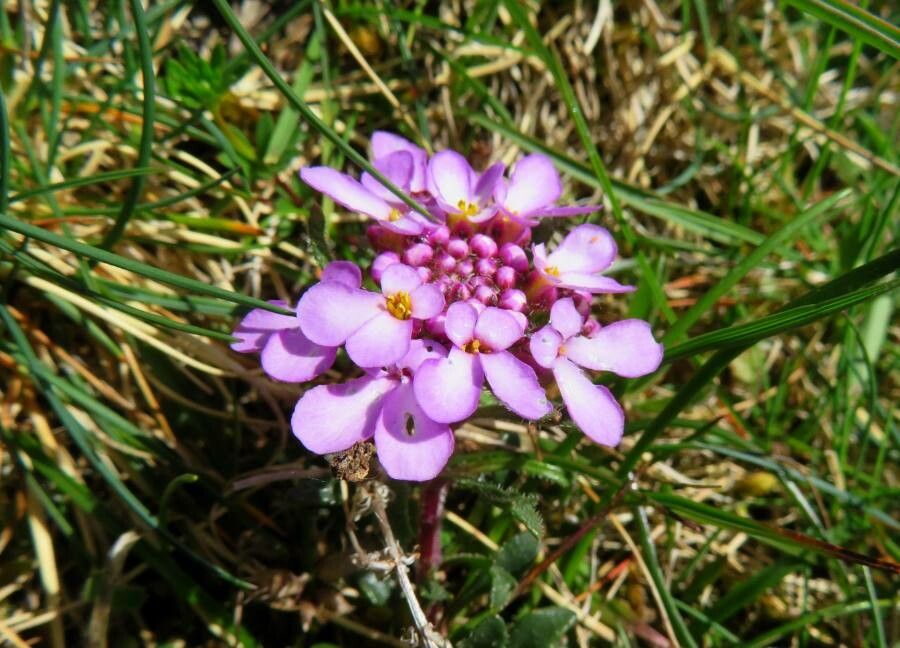
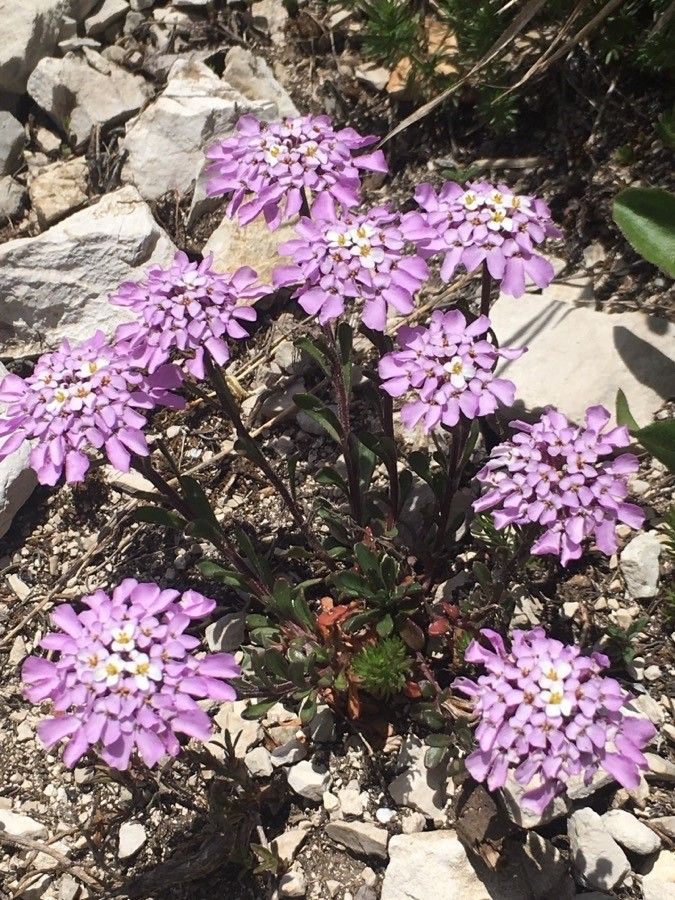
Iberis saxatilis, the rock candytuft, is a species of flowering plant in the family Brassicaceae, native to southern Europe and northwest Africa. The species is typically used as an ornamental rock and alpine garden perennial plant because of its decorative flowers and cascading growth habit. Iberis is so named because many members of the genus come from the Iberian Peninsula in south west Europe. The species name saxatilis means "growing among rocks," referring to the preferred substrate of this species.
Rock candytuft is fairly disease-resistant and usually not prone to illnesses. That said, it can be affected by pests and diseases present in its environment. These problems are typically mild. For care, the plant requires moderate maintenance. It should be pruned regularly to preserve a neat appearance and healthy growth. Fertilizing can also help encourage flowering. Rock candytuft is appropriate for anyone with outdoor space, such as a garden or patio, and does not need extensive care experience. It may demand more attention if grown indoors.
How to keep Iberis Saxatilis.
Light
The rock candytuft does best where sunlight is unfiltered and unobstructed throughout the day. It has no tolerance for shade, so it grows well only with ample sun. Excessive shade can result in impaired development and health problems. Originating from sun-exposed habitats, every stage of its growth depends on abundant sunny conditions.
Water
Rock candytuft thrives in rocky soils with minimal moisture. It prefers well-drained conditions and is somewhat drought-tolerant. For best results, water it weekly, especially during its active growth season. Growing it outdoors is ideal so it can take advantage of natural rain patterns for lush flowering.
Temperature
Rock candytuft is native to environments where temperatures range from 68 to 95°F (20 to 35℃). It grows best in areas with mild to hot summers. When exposed to extreme cold or heat, extra care is necessary — provide more shade and water during the hotter season.
Fertilizer
For Rock candytuft, the primary time to fertilize is in early spring when the flowers are forming. The appropriate fertilizer promotes better blooms and helps Rock candytuft produce attractive flowers. Fertilizing in early spring ensures excellent flowers during the season and supplies energy for dormant growth phases.
Pruning
Rock candytuft is an evergreen perennial known for its white flowers. To encourage bushier growth and more blooms, prune it lightly after it flowers, either in early spring or late winter. Be careful not to over-prune, and make sure to use sanitized tools to prevent the spread of disease. For more detailed guidance, consider consulting resources like the Royal Horticultural Society.
Toxicity
Annual Candytuft is considered non-toxic to people and pets. However, it's best to avoid ingesting large quantities as the plant may cause stomach upset, especially in sensitive individuals.
Further reading →
The toxicity and danger assessments provided are for reference only. We do not assure their accuracy, so it's crucial not to depend on them. Seek professional advice when necessary for accurate guidance.
Botanical profile.
- Plant Type
- Herb
- Life Cycle
- Perennial, Biennial
- Genus
- Iberis
- Family
- Brassicaceae
- Hardiness Zone
- 3-8
- Mature Height
- 8 cm to 15 cm
- Mature Spread
- 23 cm to 46 cm
- Leaf Color
- Dark Green
- Leaf Type
- Evergreen
- Flower Color
- White
- Flower Size
- 1.02 cm to 1.27 cm
- Bloom Time
- Spring
- Planting Time
- Spring, Summer
- Harvest Time
- Late spring, Early summer, Mid summer
Other names.
Reader questions.
How should I water my Rock candytuft?
To properly water the Rock candytuft, it is important to use filtered water at room temperature. Tap water may contain harmful particles, so filtered water is preferred. The water should be at room temperature or slightly warmer because the plant comes from a warm environment and cold water can be a shock to its system. It is also best to avoid overhead watering as it can cause issues with the foliage. Instead, apply the filtered room temperature water directly to the soil until it is completely soaked. This helps to moisturize the roots, allowing them to spread and collect necessary nutrients.
Why do I have to put fertilizer on my Rock candytuft?
Fertilization is important for the Rock candytuft because it provides essential nutrients for growth. The plant's fertilization needs are relatively low, and it can sometimes survive well without it. However, annual fertilization is highly beneficial as it helps keep the plant alive and promotes the production of better and longer-lasting flowers. To ensure your Rock candytuft looks its best, it is recommended to maintain regular annual fertilization.
What are the sunlight requirements for Rock candytuft?
Rock candytuft thrives in full sun, requiring more than 6 hours of sunlight daily, but it can also grow in partial sun with about 3-6 hours of sunlight. It's essential to observe the movement of sunlight through your garden to find spots that provide the perfect balance for your plants. Lack of sufficient sunlight, as Rock candytuft originates from sun-exposed environments, can impair its development, making it crucial to ensure it receives ample sun exposure for healthy growth.
What is the native environment and temperature requirement for Rock candytuft?
Rock candytuft, botanically known as Iberis saxatilis, is native to environments that require a temperature range between 68 to 95°F (20 to 35°C). It thrives best in regions that experience mild to hot summers. To ensure the plant adjusts well, it's important to provide more shade and increase watering during hotter seasons. The plant has strong cold resistance and typically does not need special frost protection measures in winter. However, if temperatures are expected to drop below -35°C, it's important to provide cold protection by covering the plant with materials like soil or straw. Additionally, watering the plant abundantly before the first freeze in autumn helps keep the soil moist and prevents drought and water scarcity during winter and early spring.
What should I do if I give my Rock candytuft plant too much or too little water?
Overwatering is a common problem for Rock candytuft and can cause wilting, yellowing, and diseases like root rot, mold, and mildew. Underwatering is less common but can make the leaves brittle and brown. It's important to notice overwatering signs early to prevent irreversible damage. Reduce watering immediately if you see signs and consider using well-draining soil. For underwatering, simply water regularly until the signs go away.
When should I fertilize my Rock candytuft to make it grow best?
The best time to fertilize a Rock candytuft is in late winter to early spring when it is transitioning from dormancy to active growth. Fertilizing during this period promotes healthy growth and sets the plant up for a successful season. While spring is generally the most beneficial time for fertilization, it is also acceptable to fertilize in the fall. However, it is not recommended to feed the Rock candytuft during summer and winter.
How can artificial lighting support Rock candytuft's growth indoors?
For indoor Rock candytuft plants, particularly in winter or less sunny spaces, artificial lighting can be a crucial source of light. Choosing the right type of light, such as LED lights, can provide specific wavelengths needed for optimal growth. Full sun plants require 30-50W/sq ft, partial sun plants need 20-30W/sq ft, and shade plants need 10-20W/sq ft of artificial light. The light source should be placed 12-36 inches above the plant, mimicking natural sunlight as closely as possible, and should be kept on for 8-12 hours per day to promote faster, healthier growth.
How does Rock candytuft react to low temperatures, and what measures should be taken?
Rock candytuft is cold-tolerant and performs best when the temperature stays above 20°C. It should ideally be kept above 0°C during winter. In the event that temperatures fall below -35°C, the plant may not show immediate damage but could exhibit a decrease in sprouting or fail to sprout at all come springtime. To counteract these effects, any parts of the plant that have failed to sprout by spring should be removed. This helps in promoting healthy growth and recovery from the cold stress.
How frequently do I need to water my Rock candytuft?
If your Rock candytuft is in a pot, the most precise way to determine if it needs water is by sticking your finger into the soil. If the top two to three inches of soil feel dry, then it's time to water the plant. The same method can be used if you're growing Rock candytuft outdoors in the ground. Once again, if the top few inches of soil are dry, it's time to water. Usually, in the spring and early fall, watering once a week is sufficient. However, during hot weather, you may need to water twice or even more times a week. It's worth noting that mature, well-established Rock candytuft plants have an impressive ability to tolerate drought.
When should I not add fertilizer to my Rock candytuft?
To ensure the health of your Rock candytuft, it is best to fertilize only during late winter and early spring. This plant has low fertilization needs, so a single feeding each year is sufficient. It is important to avoid fertilizing during spring, summer, and fall as excessive fertilization can cause problems. However, if you missed fertilizing in spring, it is acceptable to feed the plant in fall. Additionally, it is not necessary to fertilize during winter when the Rock candytuft is in a dormant phase and not actively growing.
What are the symptoms of insufficient sunlight in Rock candytuft?
Symptoms of light deficiency in Rock candytuft include smaller new leaves, leggy or sparse growth, faster leaf drop, slower or no new growth, lighter-colored new leaves, chlorosis (yellowing leaves), sunscald, leaf curling, wilting, and leaf scorching. These symptoms indicate that the plant is not receiving adequate light, which is crucial for its health and growth.
How should Rock candytuft be cared for in high temperatures?
During the summer, it is important to ensure that Rock candytuft's exposure to temperatures remains below 35°C. Exceeding 38°C can cause the plant's leaves to lighten in color, curl, and become susceptible to sunburn, which in severe cases, can lead to the plant wilting and drying out completely. To mitigate these issues, it's advised to trim away any sunburned or dried-up parts of the plant. Moving the plant to a location with shade during the midday and afternoon sun or using a shade cloth can also be beneficial. Additionally, watering the plant in the morning and evening will help keep the soil moist and support the plant's health during high temperatures.