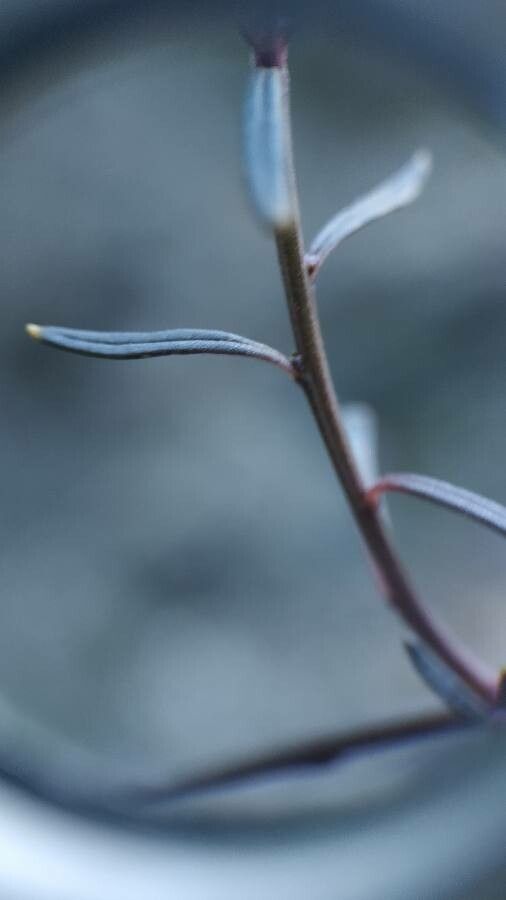
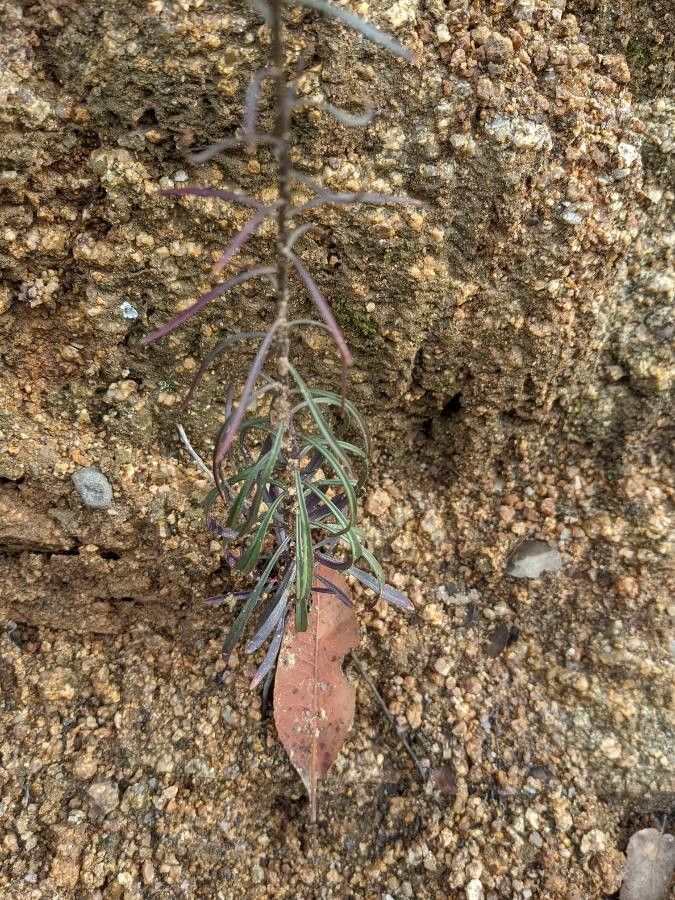
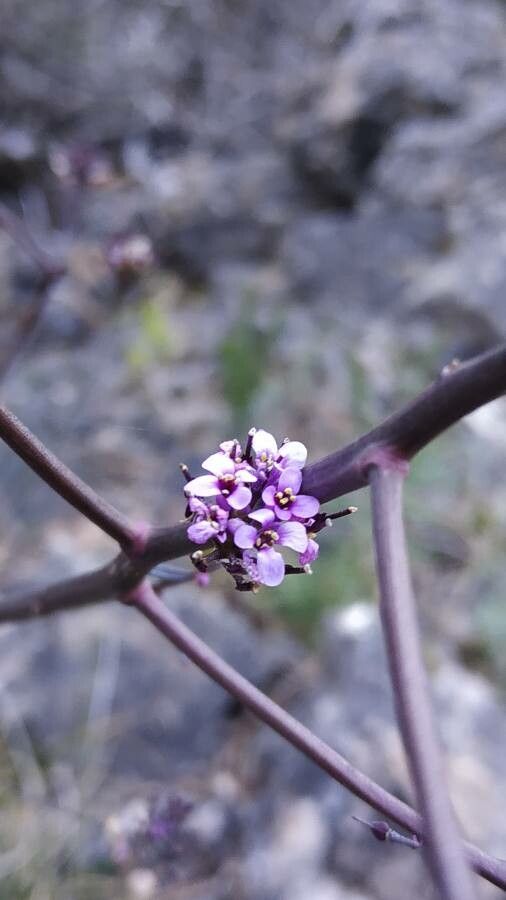
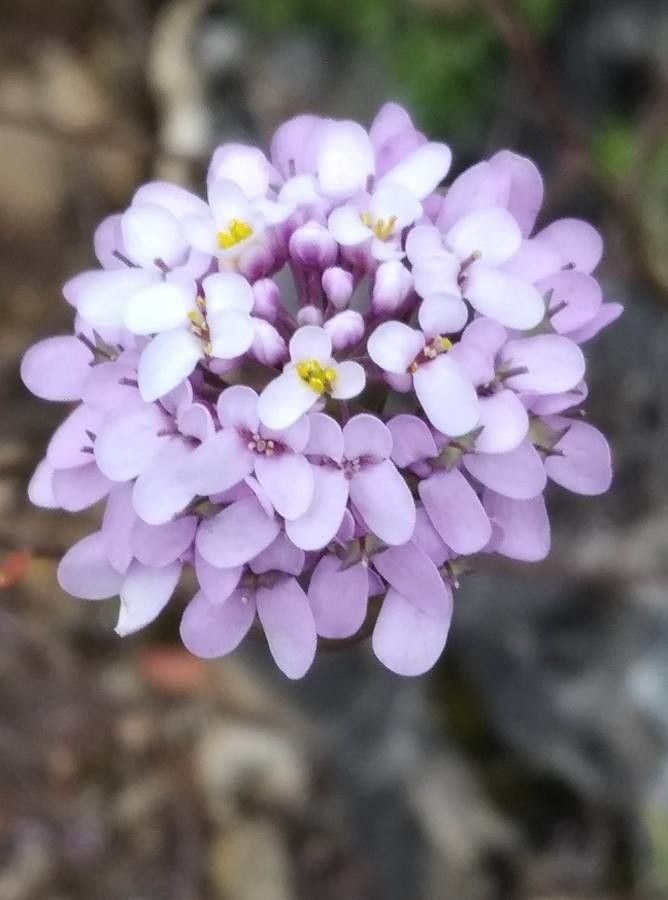
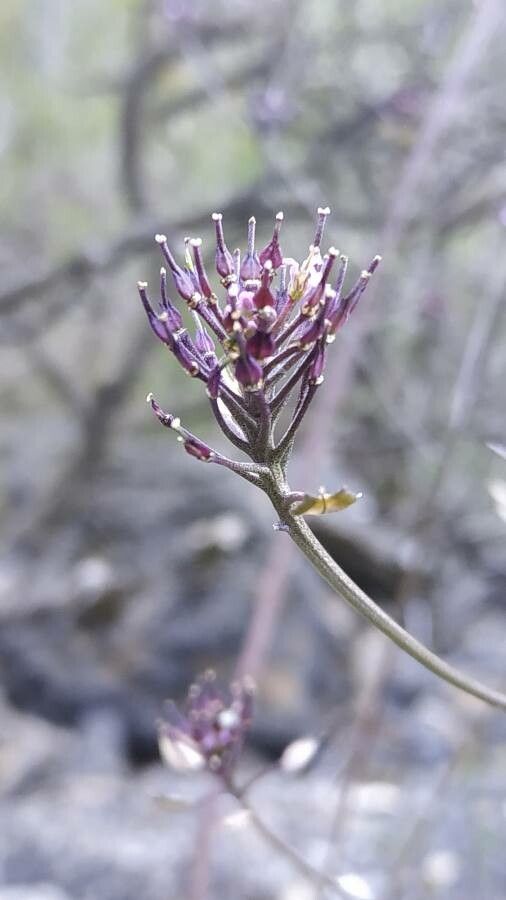
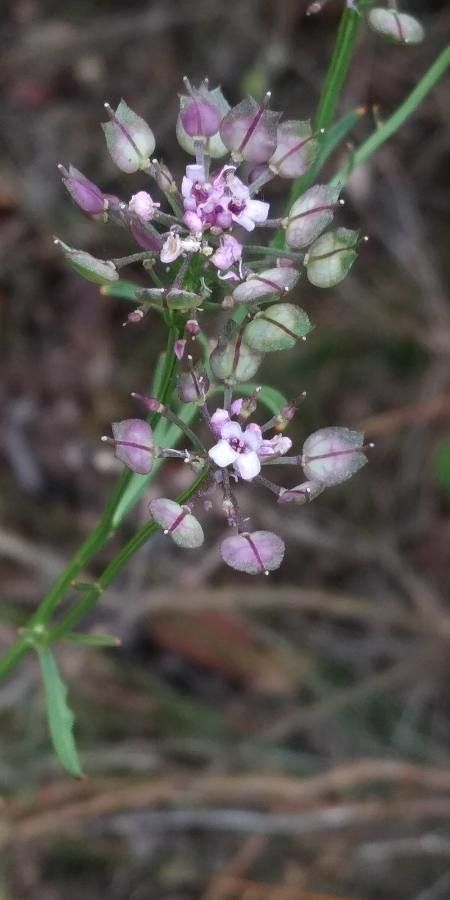
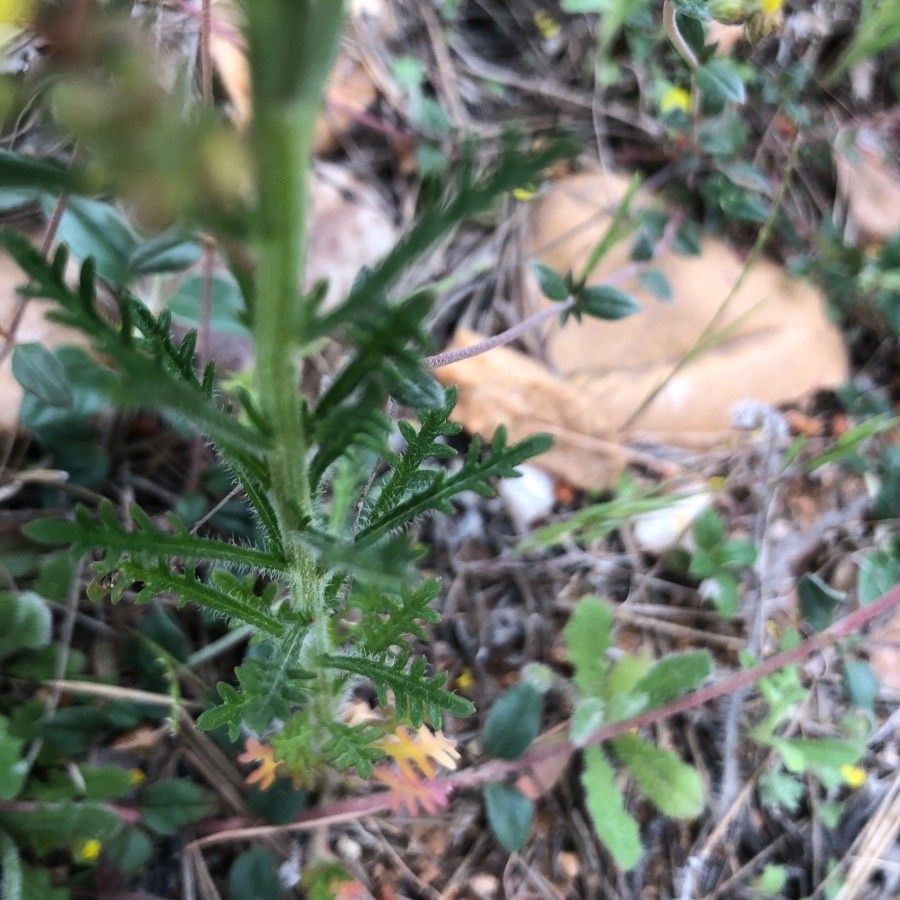
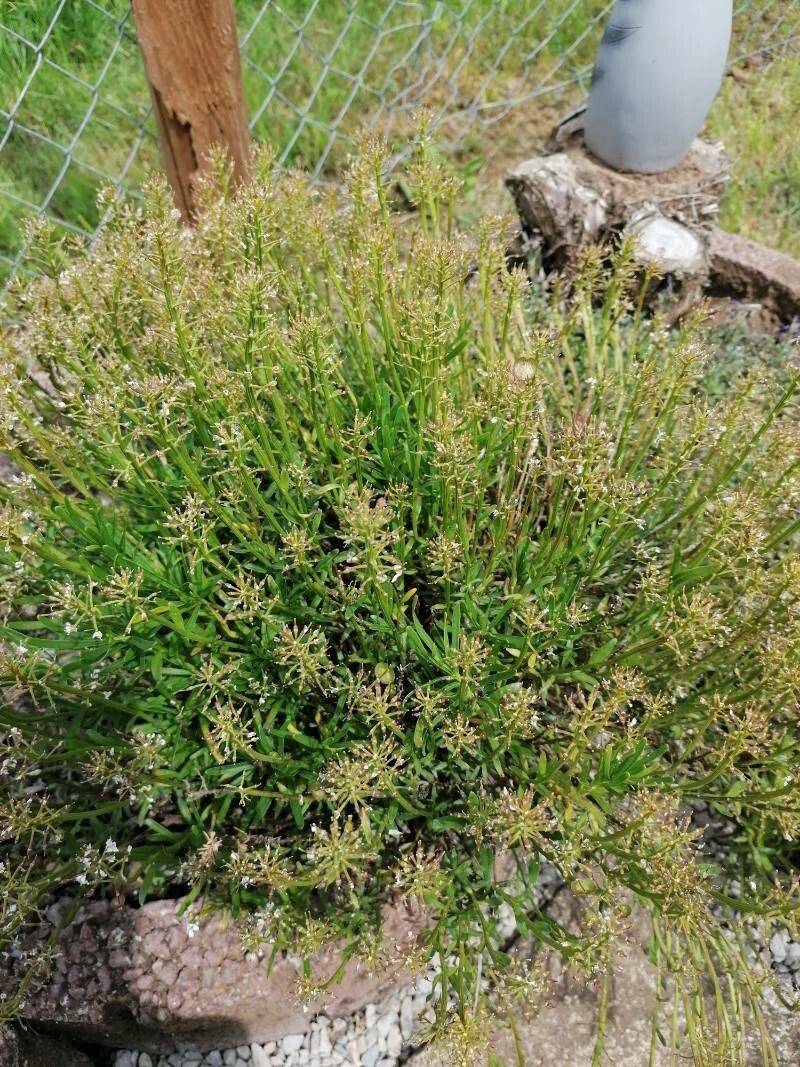
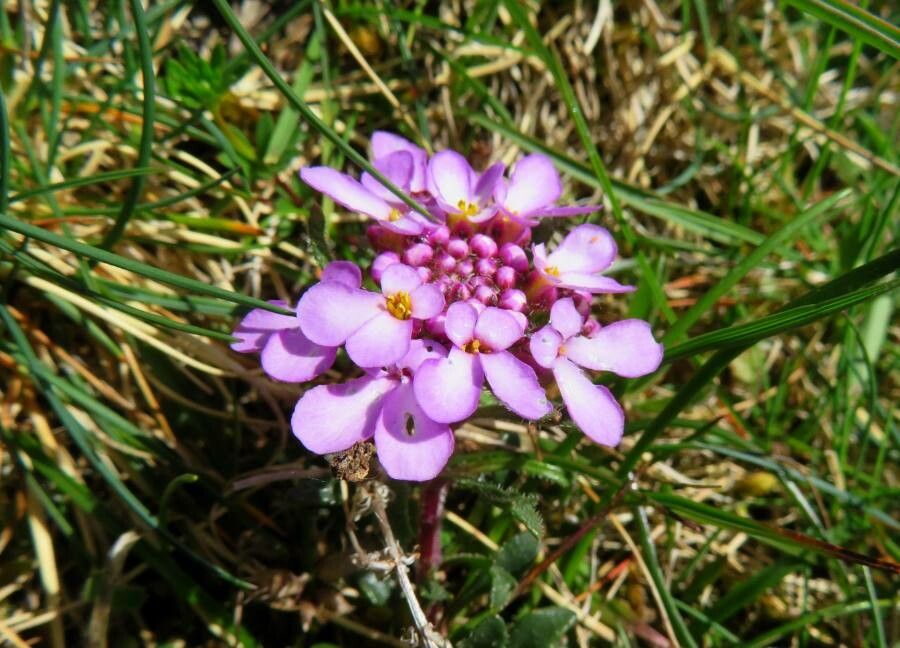
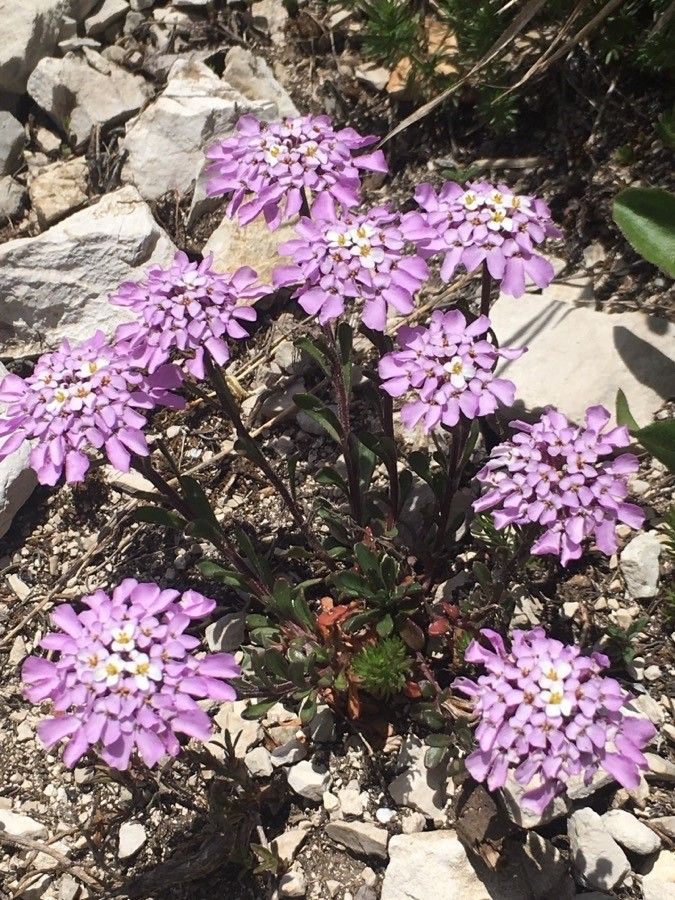
Iberis linifolia is a herbaceous annual flowering plant of the genus Iberis and the family Brassicaceae.
Flax-leaved candytuft has good resistance to disease and is generally not prone to illness. However, it can be vulnerable to pests and diseases present in its environment. These problems are typically not serious. Regarding care, the plant requires moderate upkeep. It should be pruned regularly to maintain an attractive appearance and healthy growth. Fertilizing can also encourage flowering. Flax-leaved candytuft is suitable for anyone with outdoor space, such as a garden or patio, and does not demand extensive gardening experience. It may need more attention if grown indoors.
How to keep Iberis Linifolia.
Light
Flax-leaved candytuft does best in locations where sunlight is present throughout the day. It tolerates spots with only a moderate amount of daily sun. In its native range it prospers with abundant light. Too little light impedes its growth, while too much exposure can damage the foliage.
Water
The flax-leaved candytuft thrives in Mediterranean climates, showing excellent drought tolerance and needing only moderate water. It typically requires watering once a week. For optimal growth, plant it in well-draining soil that resembles its natural environment. Providing sufficient water during the growing season will enhance its bloom, resulting in a vibrant display of flowers.
Temperature
Flax-leaved candytuft can tolerate a wide range of temperatures, though its distribution may still be restricted by different combinations of moisture and heat. It grows best in warm summer conditions with sufficient rainfall or watering. Extended periods of cloudy, rainy weather or prolonged high temperatures can raise the chance of flax-leaved candytuft dying. In winter, adequate protection from cold can improve the plant’s survival.
Fertilizer
When most of the flax-leaved candytuft’s flowers have opened and reached full size, resume fertilizing. At the peak of bloom production, apply fertilizer every three to four weeks, weather permitting. Once the plant begins to produce fewer new blooms, stop fertilizing; there’s no need to feed it when it can’t produce more flowers.
Pruning
To maintain the health and appearance of flax-leaved candytuft, it's important to prune the plant from early to late spring. This involves removing any dead or diseased stems to promote healthy growth. Shaping the plant helps it maintain a compact form and improves air circulation. Proper pruning encourages more abundant flowering and prevents the plant from becoming too leggy. Be sure to use clean, sharp tools to minimize damage and prevent disease, ensuring the plant’s appearance remains vibrant.
Toxicity
Annual Candytuft is considered non-toxic to people and pets. However, it's best to avoid ingesting large quantities as the plant may cause stomach upset, especially in sensitive individuals.
Further reading →
The toxicity and danger assessments provided are for reference only. We do not assure their accuracy, so it's crucial not to depend on them. Seek professional advice when necessary for accurate guidance.
Botanical profile.
- Plant Type
- Herb
- Life Cycle
- Annual
- Genus
- Iberis
- Family
- Brassicaceae
- Hardiness Zone
- 5-9
- Mature Height
- 20 cm to 40 cm
- Mature Spread
- 15 cm to 30 cm
- Leaf Color
- Green, Blue
- Leaf Type
- Evergreen
- Flower Color
- White
- Flower Size
- 1.02 cm to 1.52 cm
- Bloom Time
- Late spring, Early summer, Mid summer
- Planting Time
- Spring, Summer, Autumn
- Harvest Time
- Mid summer, Late summer, Early fall
Other names.
Reader questions.
How should I water my Flax-leaved candytuft plant?
To water Flax-leaved candytuft, you have multiple options. You can use a garden hose with a spray nozzle, a watering can, or any other watering tool you have available. The good news is that Flax-leaved candytuft is not very particular about the type of water it receives. It can thrive with rainwater, tap water, or even filtered water. However, it's best to avoid watering this plant from above as it can harm the leaves, flowers, and potentially lead to diseases. Instead, consider setting up a drip irrigation system, which will evenly and directly apply water to the soil. If you have a Flax-leaved candytuft growing in a container, you can follow a similar watering approach but adjust the tools you use. A cup, watering can, or your tap can be used to apply water directly to the soil in the container.
What are the sunlight requirements for Flax-leaved candytuft?
Flax-leaved candytuft thrives best in areas with full sun exposure, which means it requires more than 6 hours of sunlight daily. It can also grow in partial sun, receiving about 3-6 hours of sunlight. It's essential to watch how sunlight moves through your garden to provide the ideal balance of light and shade for these plants. In its native habitat, Flax-leaved candytuft flourishes under plentiful light, although too little sunlight can hinder its growth and too much direct exposure may harm the foliage.
What is the name of the plant?
The plant's common name is Flax-leaved candytuft.
What should I do if I give too much or too little water to my Flax-leaved candytuft?
To address underwatering of Flax-leaved candytuft, the remedy is simple. If you notice your plant lacks moisture, start watering it more regularly. Overwatering, on the other hand, can lead to more serious issues if not detected early. This can cause diseases that can harm the plant and eventually lead to its death. To prevent this, it's important to choose a suitable location for your Flax-leaved candytuft. Make sure it receives sufficient sunlight to dry the soil and has good drainage to prevent excess water from pooling and causing waterlogged soil. If your Flax-leaved candytuft is in a pot and you have overwatered it, it may be necessary to change the pot. The previous container may not have had proper drainage or enough drainage holes. When repotting the overwatered plant, use loose soils and a pot that drains efficiently for better results.
How does artificial lighting affect Flax-leaved candytuft grown indoors?
When natural sunlight is insufficient, especially in winter or less sunny spaces, artificial lighting becomes crucial for the optimal growth of indoor Flax-leaved candytuft. To ensure proper growth, it's recommended to use LED lights, which can be customized to provide specific wavelengths needed by the plant. Full sun plants will need 30-50W/sq ft, partial sun plants require 20-30W/sq ft, and full shade plants need 10-20W/sq ft of artificial light. The light source should be placed 12-36 inches above the plant, for 8-12 hours per day to mimic natural sunlight.
What is the botanical name of Flax-leaved candytuft?
The botanical name of Flax-leaved candytuft is Iberis linifolia.
How frequently should I give water to my Flax-leaved candytuft?
Flax-leaved candytuft requires regular watering throughout the growing season. In spring, water the plant once a week. As the season progresses and temperatures rise, increase watering to two to three times a week. However, be careful not to exceed this rate as it can harm the plant. Regardless of watering frequency, ensure that the soil remains moist but not wet. Watering Flax-leaved candytuft in a pot is different. Potted plants may require more frequent watering as the soil can dry out faster. Generally, water container-grown candytuft a few times per week, compared to once a week for plants in the ground.
What are the symptoms of inadequate or excessive sunlight in Flax-leaved candytuft?
Symptoms of inadequate light include smaller new leaves, leggy or sparse growth, quicker leaf drop, slower or halted growth, and lighter-colored new leaves, indicating a lack of chlorophyll and nutrients. Excessive sunlight leads to chlorosis (leaves turning yellow), sunscald (damaged leaves or stems due to intense sunlight exposure), leaf curling as a defense mechanism against sunlight, wilting from increased water loss, and leaf scorching, manifesting as brown, dry, and crispy leaf edges. These symptoms affect the plant's ability to photosynthesize and overall health.
How much water does my Flax candytuft plant need?
Determining how much water to give to your Flax-leaved candytuft can be done in a few ways. One option is to feel the soil for moisture and water until you sense that the top six inches are moist. Another approach is to use a set measurement, such as giving about two gallons of water per week, taking into account the heat and soil drying rate. However, it's important to avoid overwatering if your plant requires less water. When growing Flax-leaved candytuft in a container, the method differs. You should aim to moisten all dry soil layers, which can be checked by sticking your finger in the soil or observing excess water leaving the drainage holes.
What are the solutions for Flax-leaved candytuft experiencing inadequate or excessive sunlight?
For indoor plants, ensure they receive at least 6 hours of sunlight daily by gradually moving them to sunnier spots and using artificial light if necessary. For outdoor plants, adapt them gradually to sunnier locations to avoid sunburn. Reduce obstructions such as trees by pruning to allow more sunlight to reach the plants. When transplanting for more sunlight, do so during the plant's dormant period with careful handling of the roots. Note that parts of the plant damaged by improper light may not recover, but proper light conditions will encourage healthy new growth.
How do I know if I am watering my Flax-leaved candytuft enough?
Avoiding overwatering your Flax-leaved candytuft can be challenging. These plants have deep roots that need regular moistening, but they are also vulnerable to root rot and browning from too much water. Underwatering is less of a concern as Flax-leaved candytuft can survive without extra watering, but prolonged lack of water can lead to wilting and dry leaves.
How often should I water my Flax-leaved candytuft throughout the year?
As the seasons change, your Flax-leaved candytuft's water needs will increase. In the spring, watering once a week should be sufficient. However, as the summer heat arrives, you will need to give your Flax-leaved candytuft a bit more water, possibly up to three times per week. This is especially important for candytuft grown in containers, as the soil in containers tends to dry out faster in warm weather. In autumn, while your candytuft is still blooming, it may require less water due to cooler temperatures and less intense sunlight.