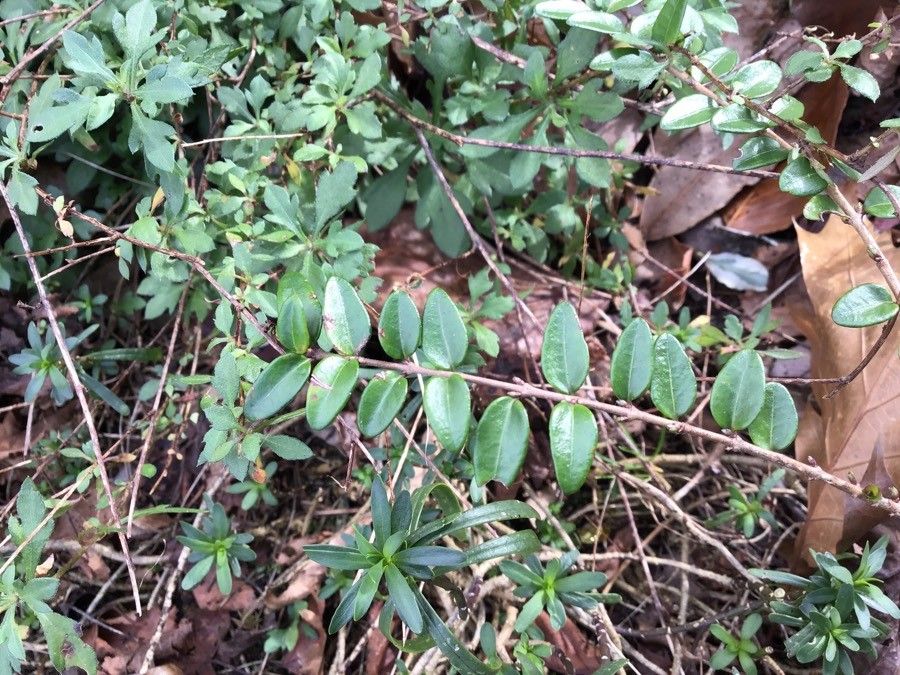
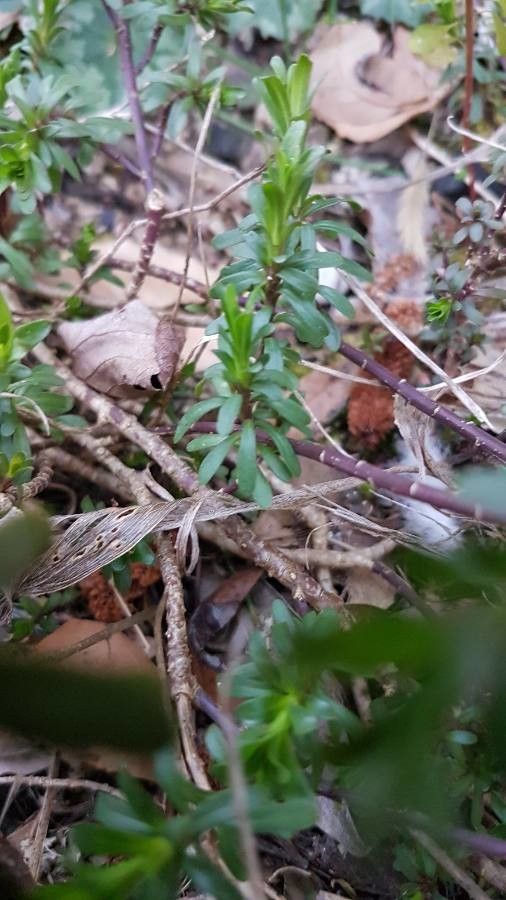
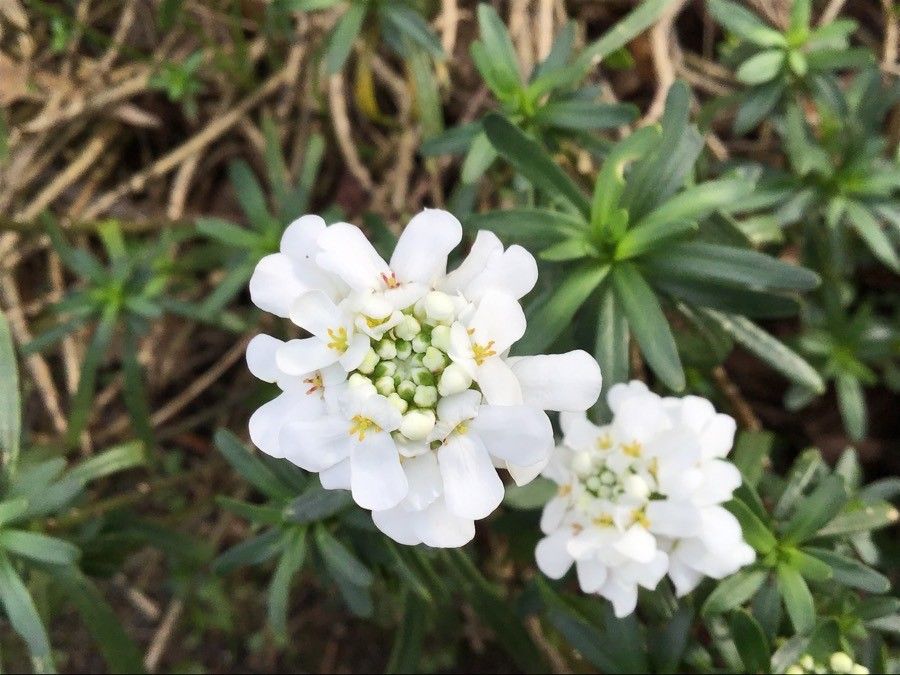
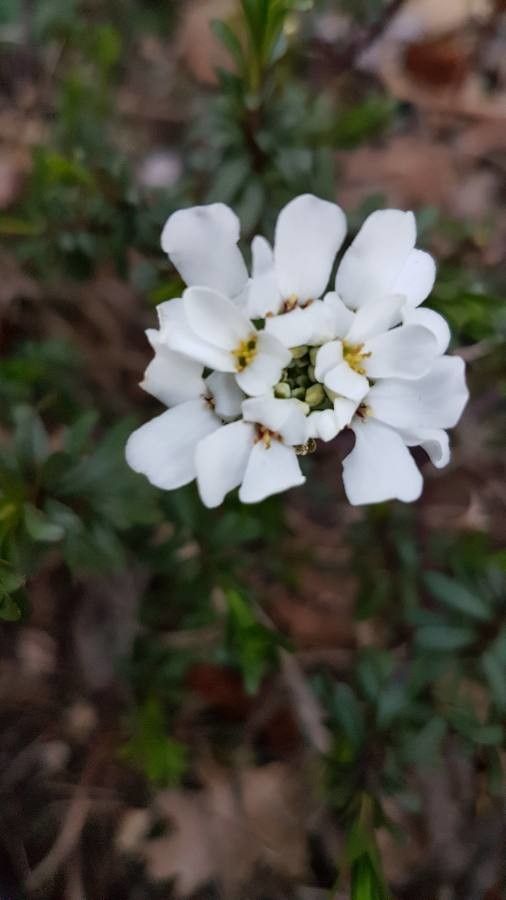
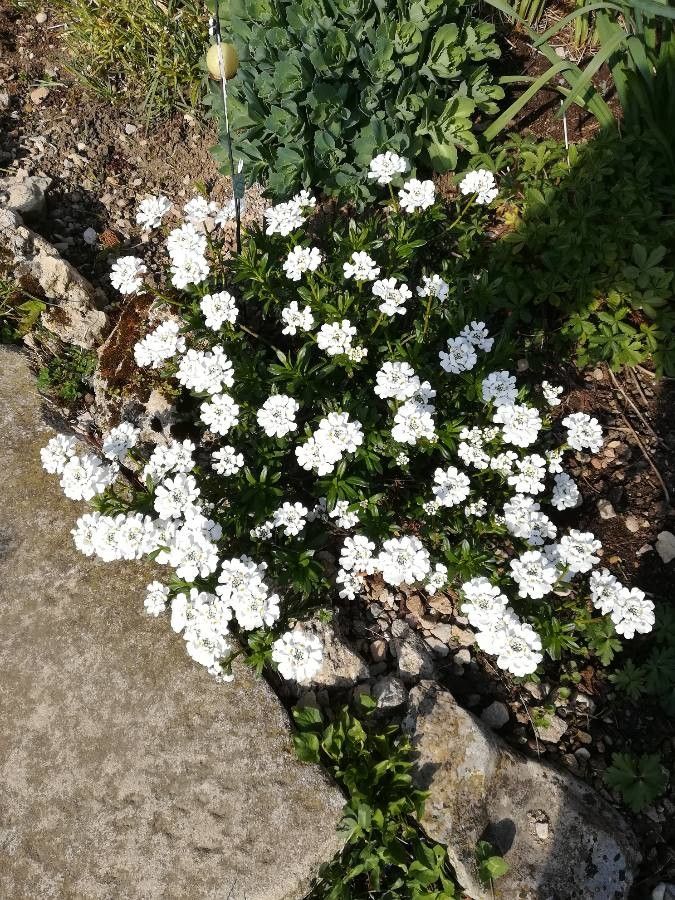
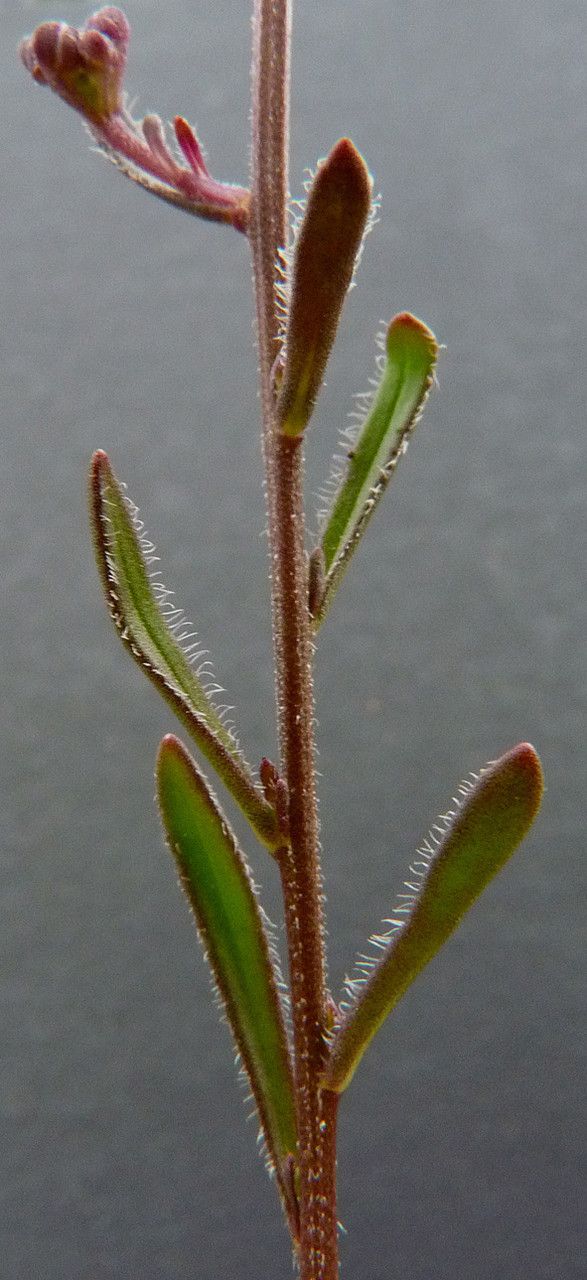
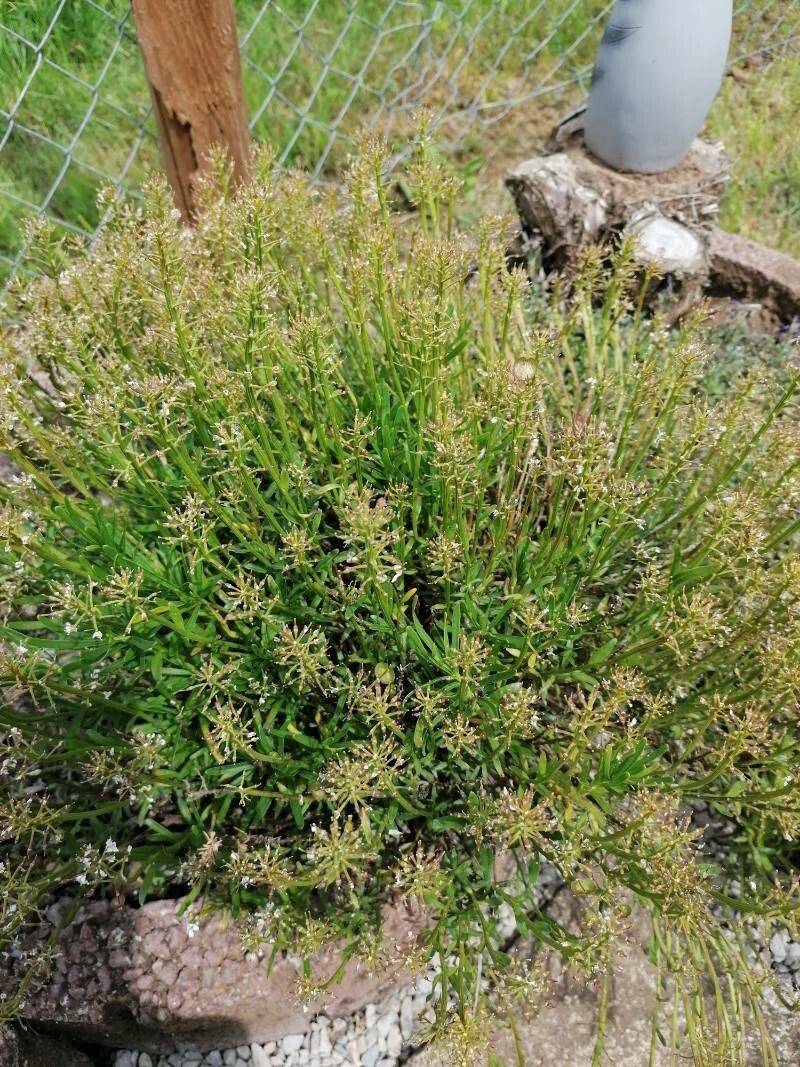
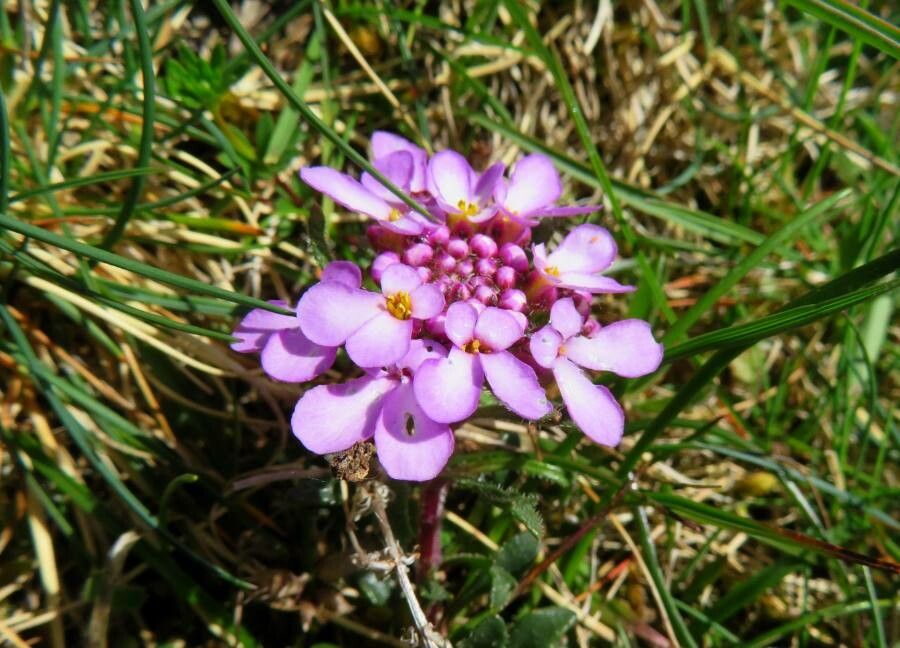
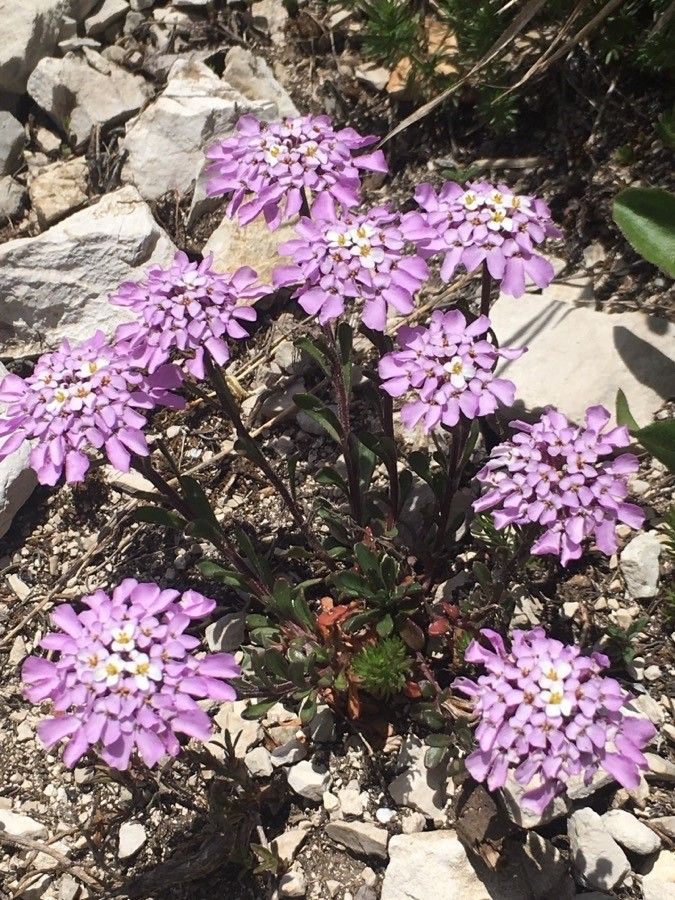
Annual Candytuft (Iberis sempervirens) is a fast-growing woody, tall plant that has small, glossy, dark green leaves and produces a cluster of unscented pink, purple, red, or white flowers. The bright color of the blooms contrasts wonderfully with the dark green leaves and forms a pretty pattern if you look closely. It is a sluggish grower that will adorn gardens for many years if planted in the early fall and is typically used as pathway edging.
Iberis ciliata has strong resistance to disease and is generally unlikely to suffer from illnesses. Nevertheless, it can be affected by pests and diseases present in its vicinity. Such infections are typically mild. Regarding care, this plant needs moderate maintenance. It requires regular pruning to retain a neat appearance and healthy growth. Applying fertilizer can also encourage flowering. Iberis ciliata is appropriate for anyone with an outdoor area, like a garden or patio, and does not demand extensive care experience. It may need more attention when cultivated indoors.
How to keep Iberis Ciliata.
Light
Iberis ciliata is a sun-loving, perennial herbaceous plant native to open habitats, frequently found in meadows and grasslands. It prefers full sun but can also withstand partial sun conditions.
Water
In the initial months, Iberis ciliata needs frequent watering, but you should let the soil dry out between watering sessions. Once established, it becomes drought-tolerant and requires minimal watering, particularly during the summer. It's best to water it infrequently yet thoroughly, aiming for an average of 2-3 cm annually. Use a soaker hose for this purpose rather than overhead irrigation.
Humidity
This plant prefers dry conditions, so don't mist it. However, watering it less often can also thrive in higher humidity.
Temperature
Iberis sempervirens thrive in ambient temperatures ranging from 70 to 85 F.
Fertilizer
Usually a single fertilizer application in spring is enough for Iberis ciliata, though repeated feedings can enhance growth. Apply fertilizer about once every month to a month and a half. Fertilization improves the leaves’ appearance and function, maintaining consistent color and a healthy texture. It also promotes root development and nutrient uptake for long-term plant health.
Pruning
After the flowers have bloomed, lightly trim Iberis ciliata by cutting back about one-third of the plant to encourage new blooms. Regularly remove wilted flowers to keep the plant tidy. Avoid pruning in the fall or early spring. Keep an eye out for any dying plants and replace them as needed. Control the plant’s growth every other year, and manage weeds by using mulch.
Toxicity
Annual Candytuft is considered non-toxic to people and pets. However, it's best to avoid ingesting large quantities as the plant may cause stomach upset, especially in sensitive individuals.
Further reading →
The toxicity and danger assessments provided are for reference only. We do not assure their accuracy, so it's crucial not to depend on them. Seek professional advice when necessary for accurate guidance.
Botanical profile.
Other names.