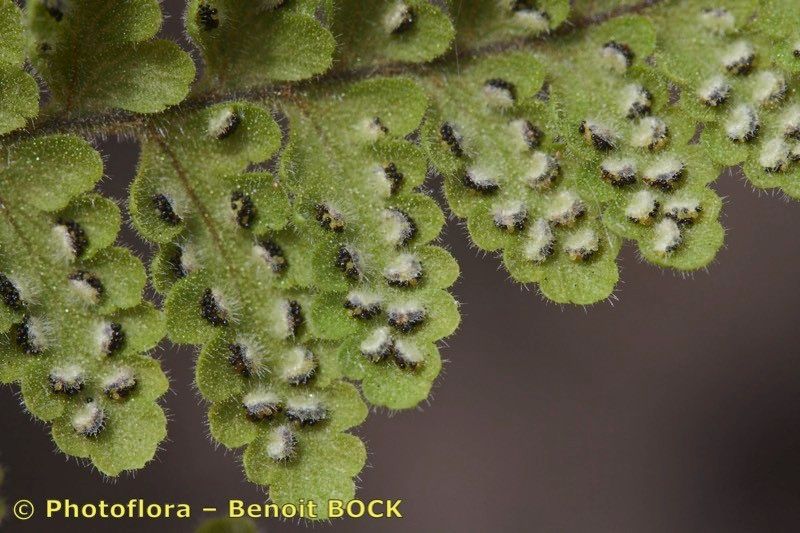
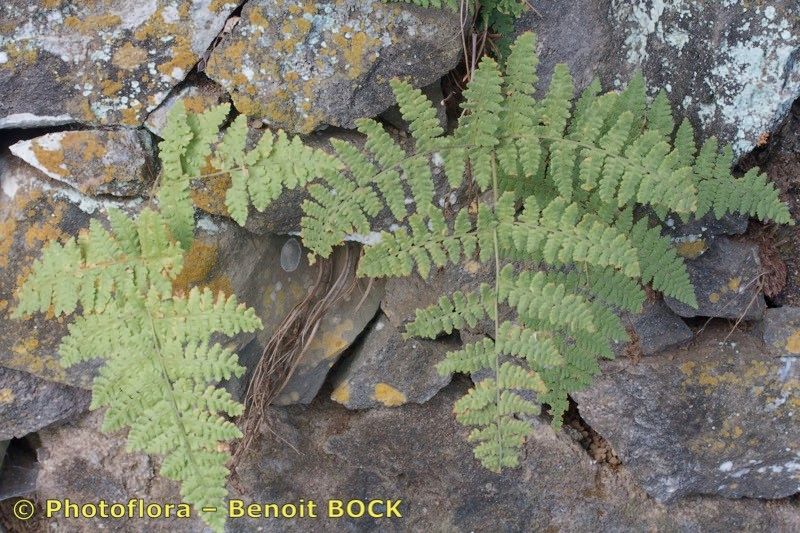
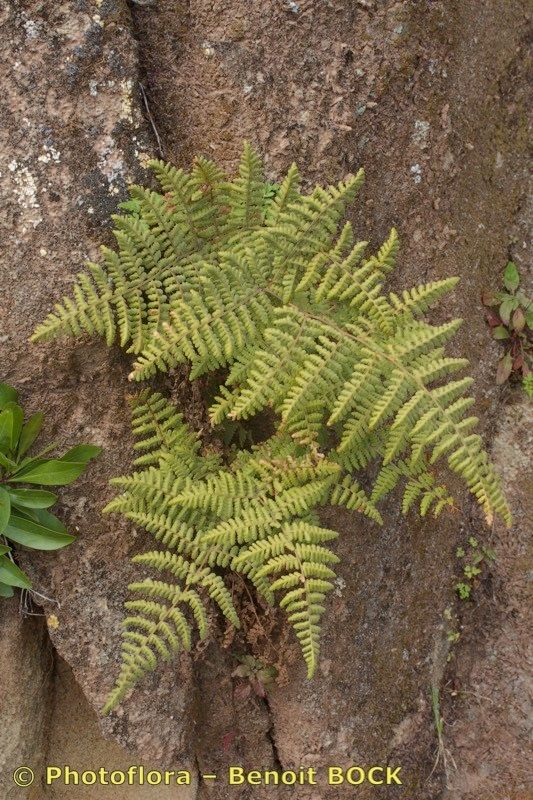
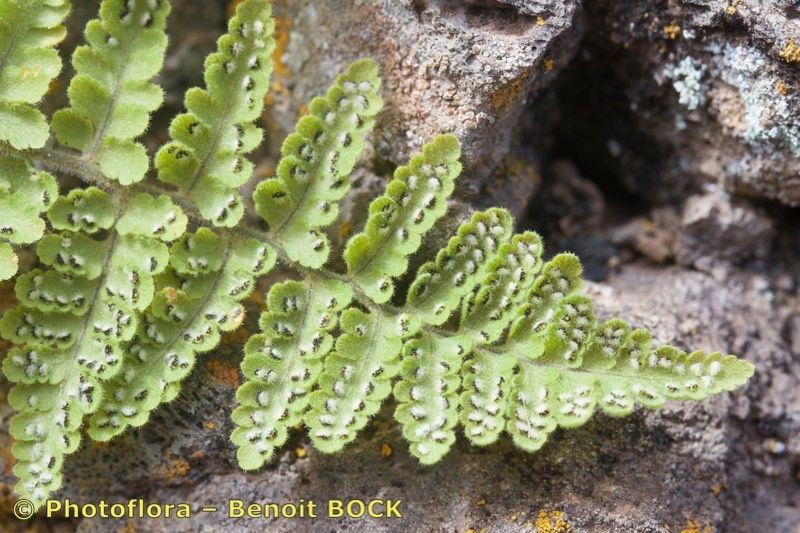
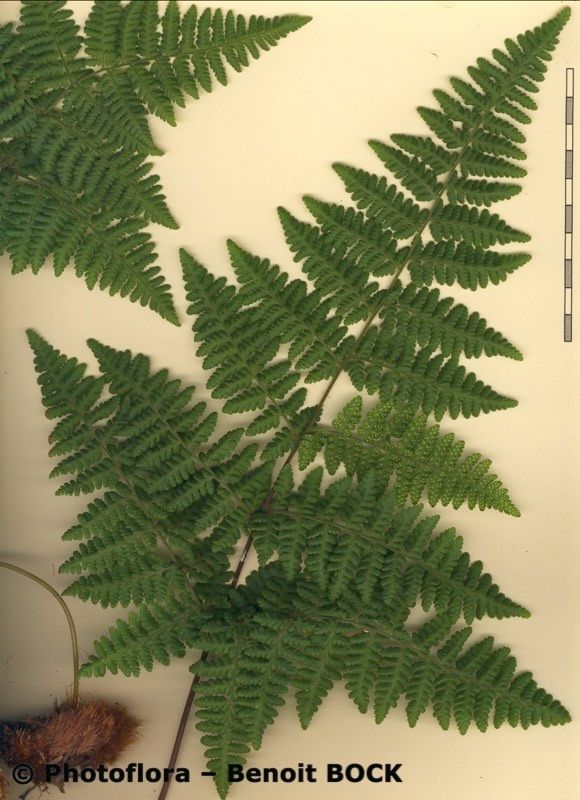
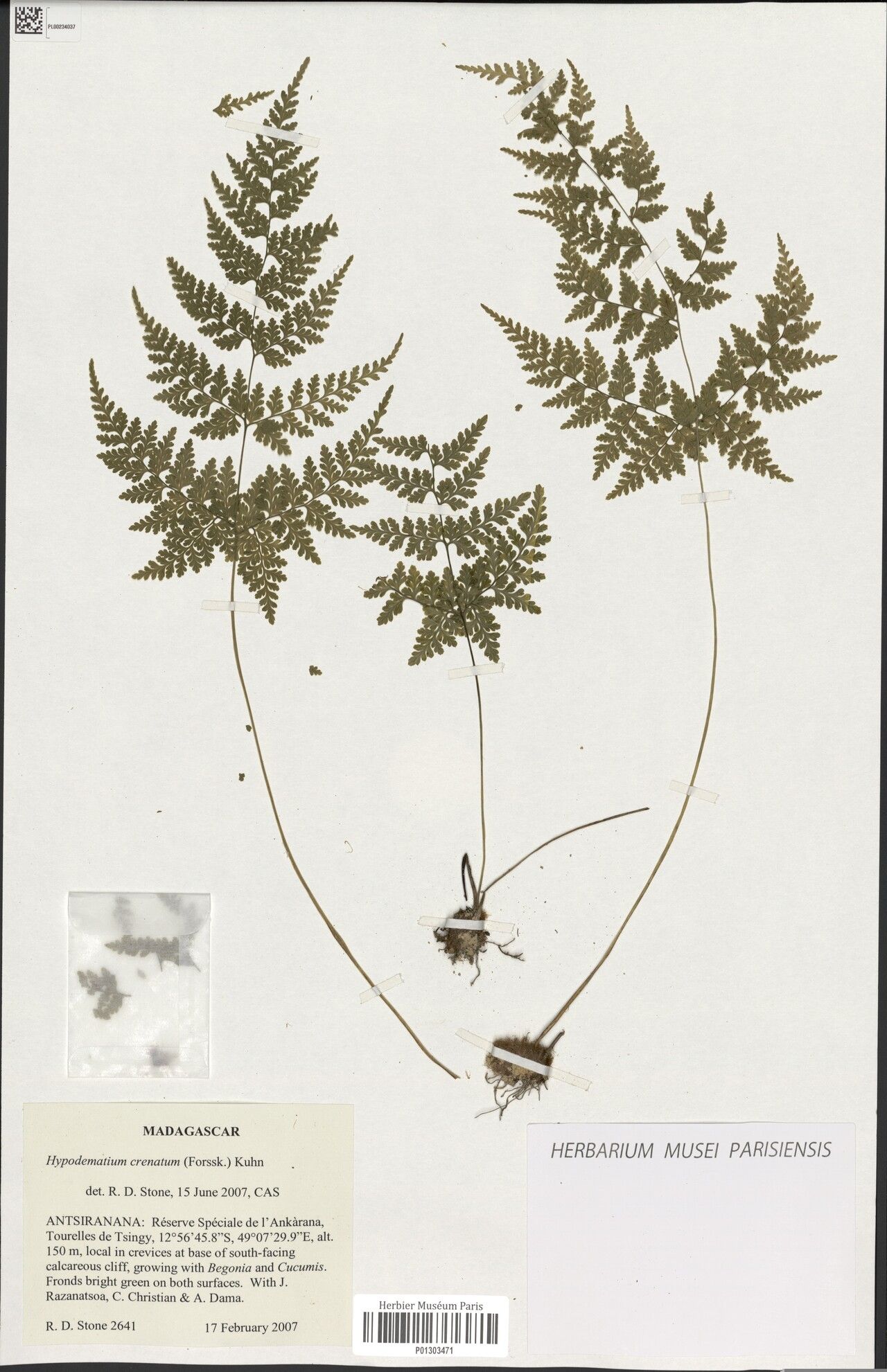
Bigfoot fern typically resists diseases well and faces relatively few insect pests. Its care is regarded as difficult because it needs a consistently moist environment and frequent watering. At the same time, the roots can rot if overwatered or if the surroundings lack good ventilation. Bigfoot fern is best suited to people with some growing experience, since many can keep it alive for a period. Nevertheless, it can struggle to thrive and its fronds may dry out and become less healthy over time.
How to keep Hypodematium Crenatum.
Light
Bigfoot fern is native to habitats such as forest understories or rocky areas that provide natural shade. It prefers Full Shade but can tolerate Partial Sun.
Temperature
The Bigfoot fern has a respectable level of resilience to temperature, allowing it to withstand both increased temperatures and significant temperature fluctuations. In instances of high heat, it becomes critical to ensure correct hydration and adequate shade to prevent damage from the sun. Conversely, the Bigfoot fern does not fare well under cooler conditions. Though it can resist a certain level of cold, exposure to extreme cold conditions could result in frost damage.
Pruning
The Bigfoot fern is a perennial plant that thrives in shaded areas. To encourage new growth and improve air circulation, it's best to prune it in early spring. Remove any dead or damaged fronds using clean, sharp tools to make precise cuts. This helps keep the plant healthy and visually appealing.
Botanical profile.
- Plant Type
- Fern
- Life Cycle
- Perennial
- Genus
- Hypodematium
- Family
- Polypodiaceae
- Hardiness Zone
- 6-9
- Mature Height
- 20 cm to 49 cm
- Mature Spread
- 20 cm to 40 cm
- Leaf Color
- Light Green, Forest Green
- Leaf Type
- Semi-evergreen
- Planting Time
- Spring, Summer, Autumn
- Native Area
- Nepal, Sri Lanka, Saudi Arabia, India, Angola, South Africa, Zambia, Madagascar, Sudan, Pakistan, Philippines, Yemen, Kenya, China, Afghanistan, Indonesia, Vietnam, Myanmar, Oman, Ethiopia, Thailand
Other names.
Reader questions.
What are the sunlight requirements for Bigfoot fern?
Bigfoot fern thrives best in environments that replicate its natural habitat, such as forest understories or rocky areas, where there is natural shade. It predominantly requires Full Shade conditions, meaning it should receive less than 3 hours of direct sunlight per day. However, it can tolerate Partial Sun environments to a certain extent. It's crucial to monitor the way sunlight moves through your garden to find a location that provides the ideal balance of light and shade, ensuring the plant's health and happiness.
How important is artificial lighting for Bigfoot fern?
Artificial lighting serves as an essential solution for Bigfoot fern's growth, especially when natural sunlight is insufficient, like in winter or less sunny spaces indoors. Indoor plants benefit significantly from adequate lighting, which encourages faster, healthier growth. LED lights are preferred for their ability to be customized to meet specific plant light wavelength needs. Depending on the plant's sunlight requirement (full sun, partial sun, full shade), the artificial light intensity should range between 10-50W/sq ft. The light should be placed 12-36 inches above the plant for 8-12 hours per day to mimic natural sunlight conditions.
What are the symptoms of improper lighting for Bigfoot fern?
Symptoms of light deficiency in Bigfoot fern include smaller new leaves, leggy or sparse growth, faster leaf drop, slower or no new growth, and leaves becoming lighter in color or developing irregular color patterns, indicating a lack of chlorophyll and essential nutrients. Conversely, excessive sunlight can lead to chlorosis, sunscald, leaf curling, wilting, and leaf scorching. These symptoms reflect the plant's struggle to adapt to improper lighting conditions, impacting its growth and health.
What solutions are available for addressing Bigfoot fern's light needs?
To address Bigfoot fern's light requirements, consider moving indoor plants to a spot where they can receive filtered light with brief periods of direct morning sunlight, ideally 1-2 meters away from a window. If a plant is large or not easily movable, using artificial light like desk or ceiling lamps for at least 8 hours a day or investing in professional grow lights can be beneficial. For outdoor plants, gradually acclimate them to sunnier locations to prevent sunburn. Minimize obstructions by pruning obstructive branches or relocating smaller plants to areas with better sunlight and drainage, especially during their dormant period in late winter or early spring. Remember, parts of the plant that suffered due to insufficient light may not recover, but new growth should be healthy with improved lighting conditions.