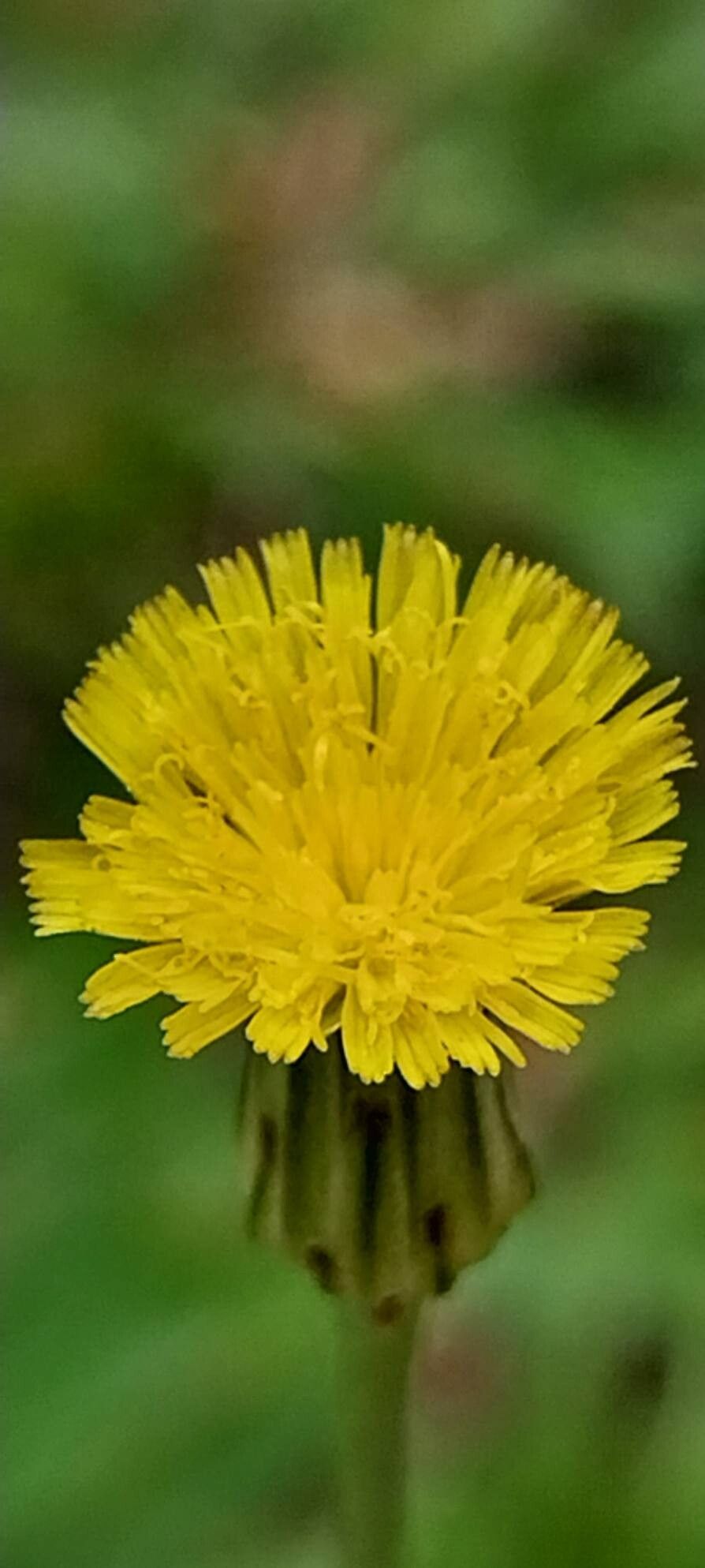
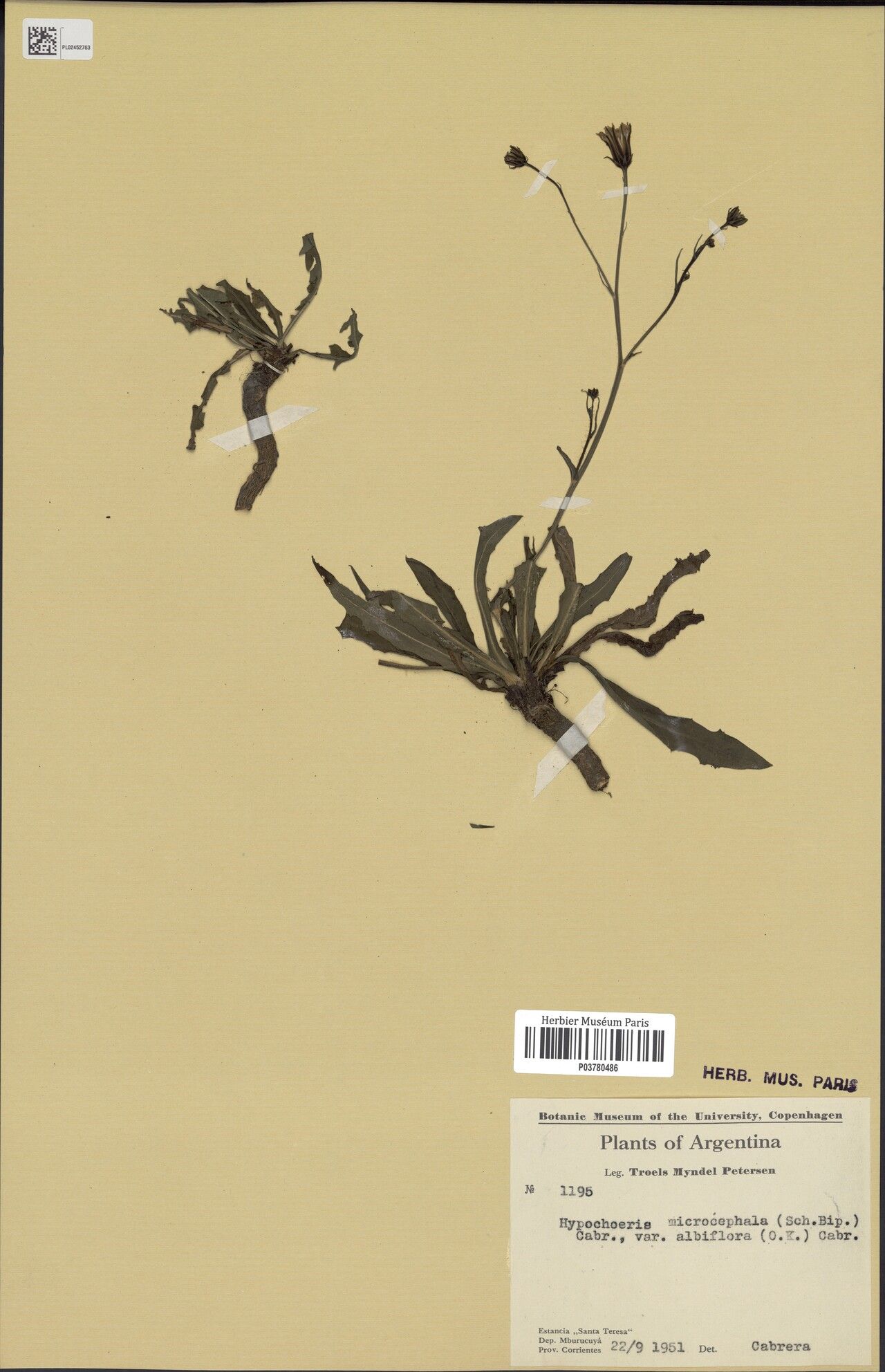
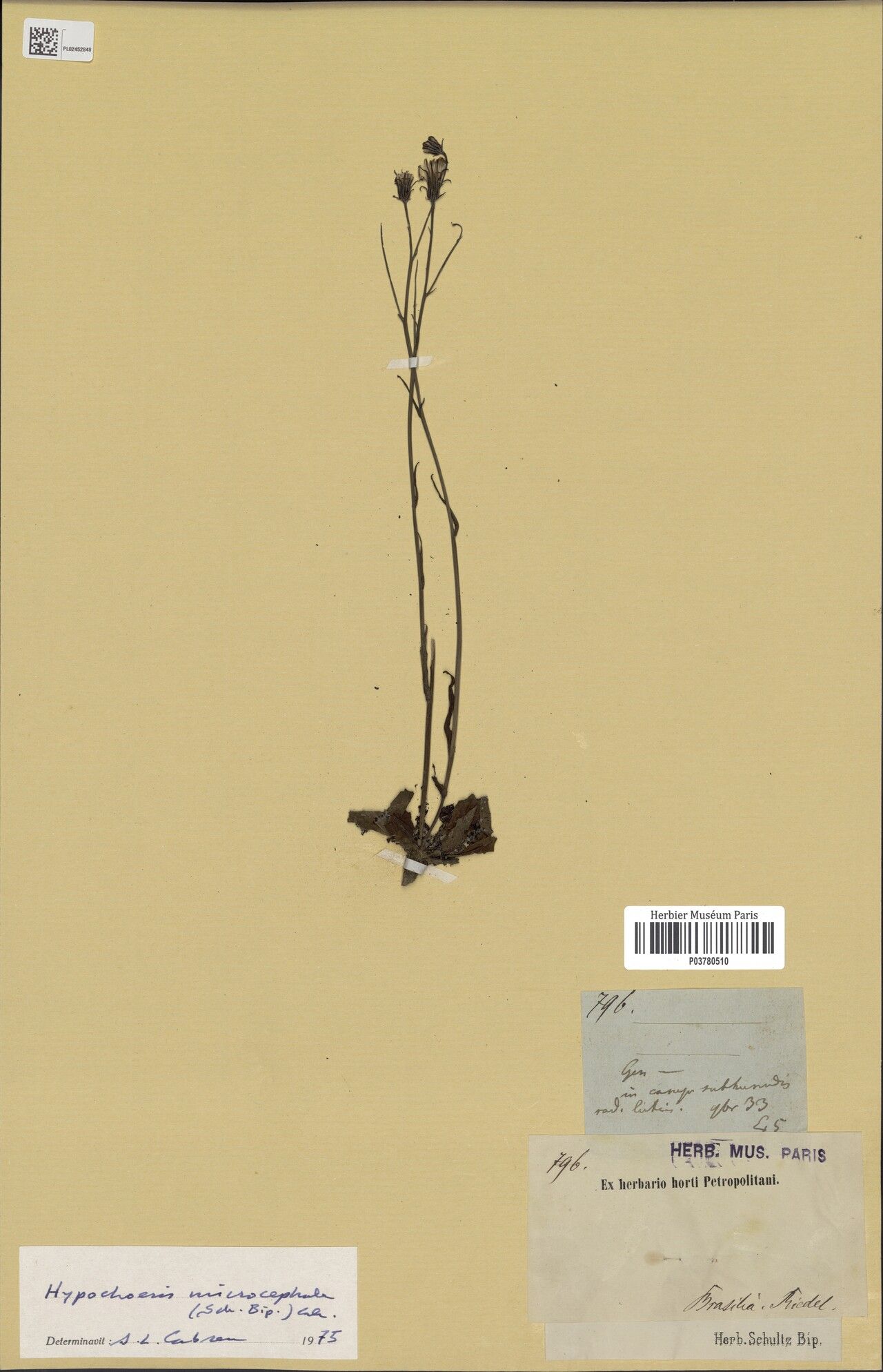
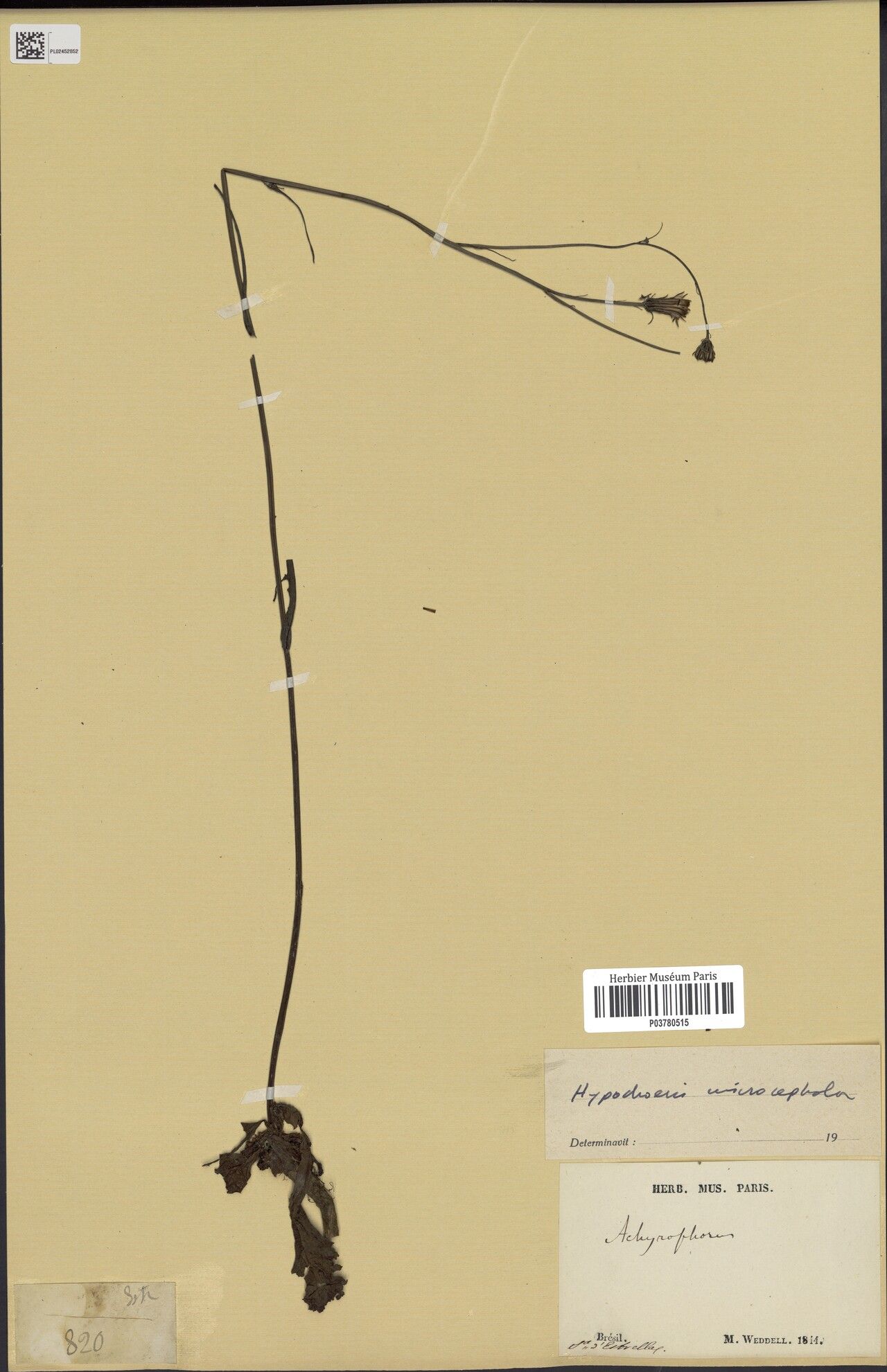
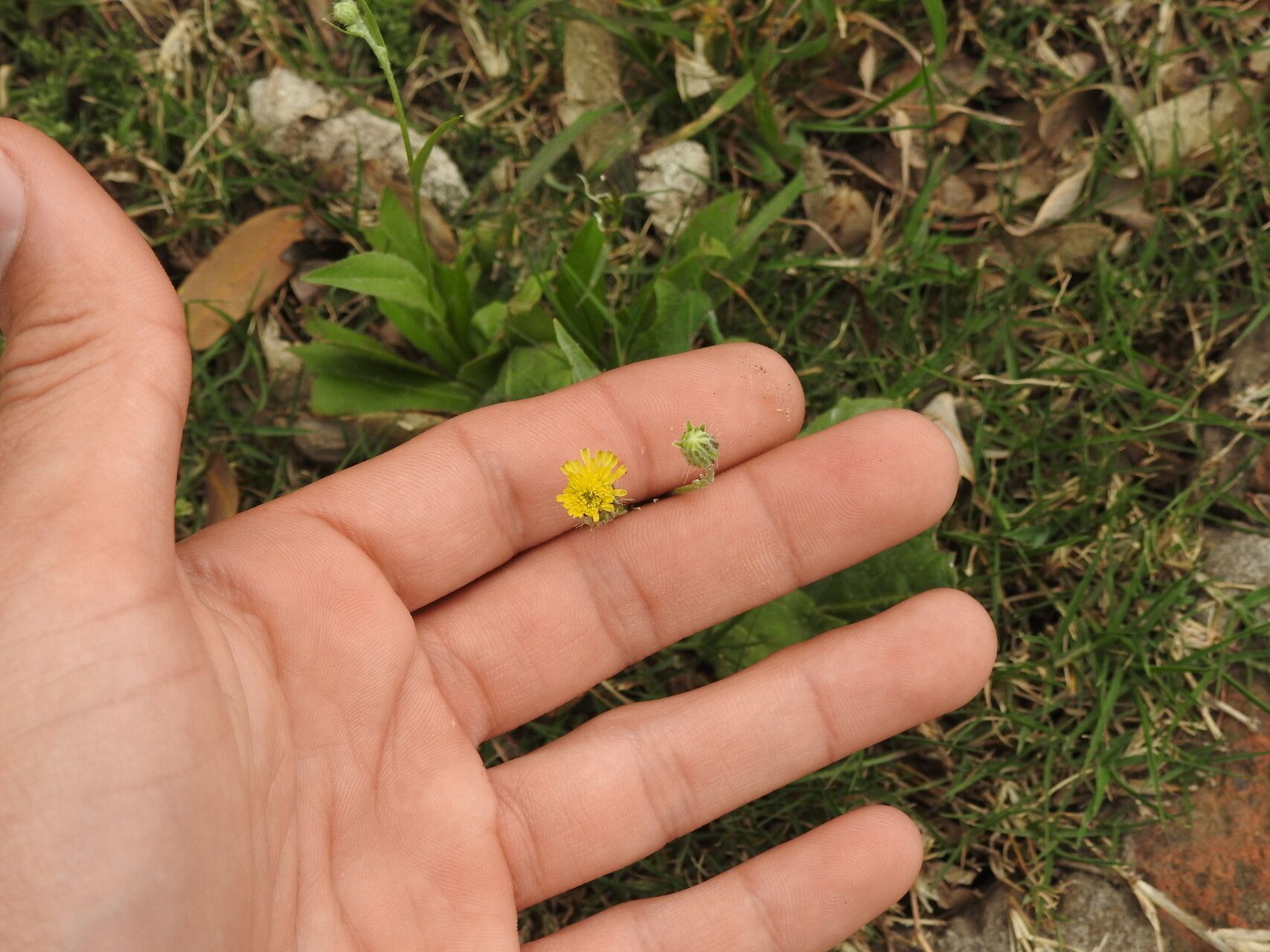
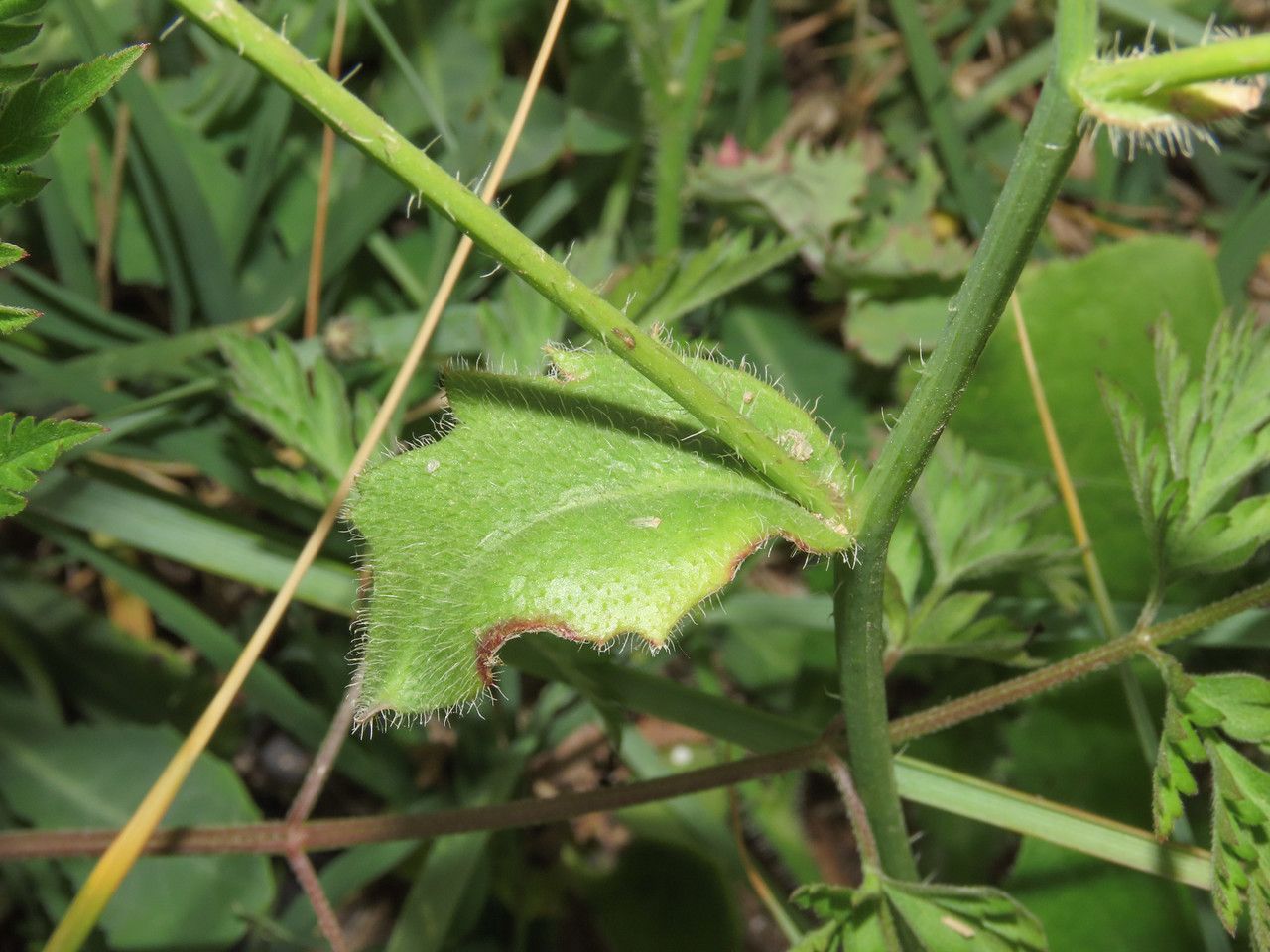
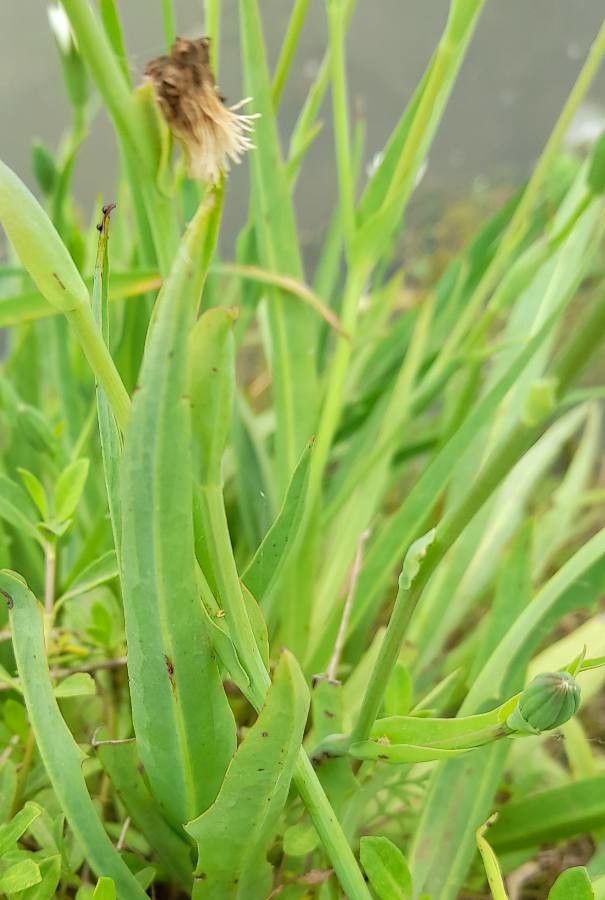
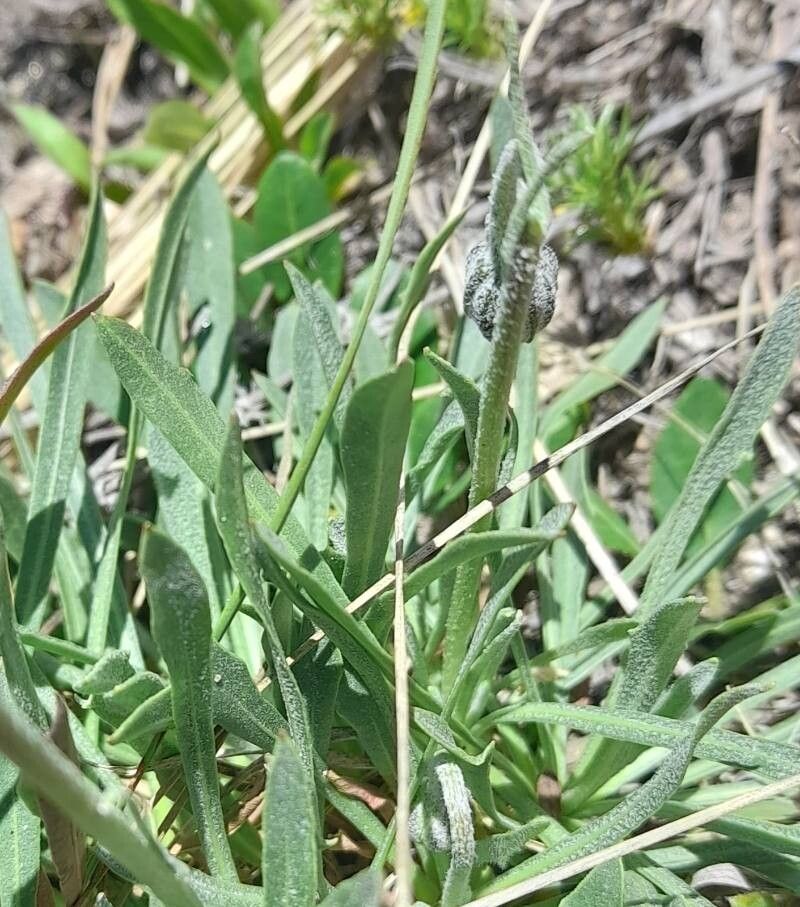
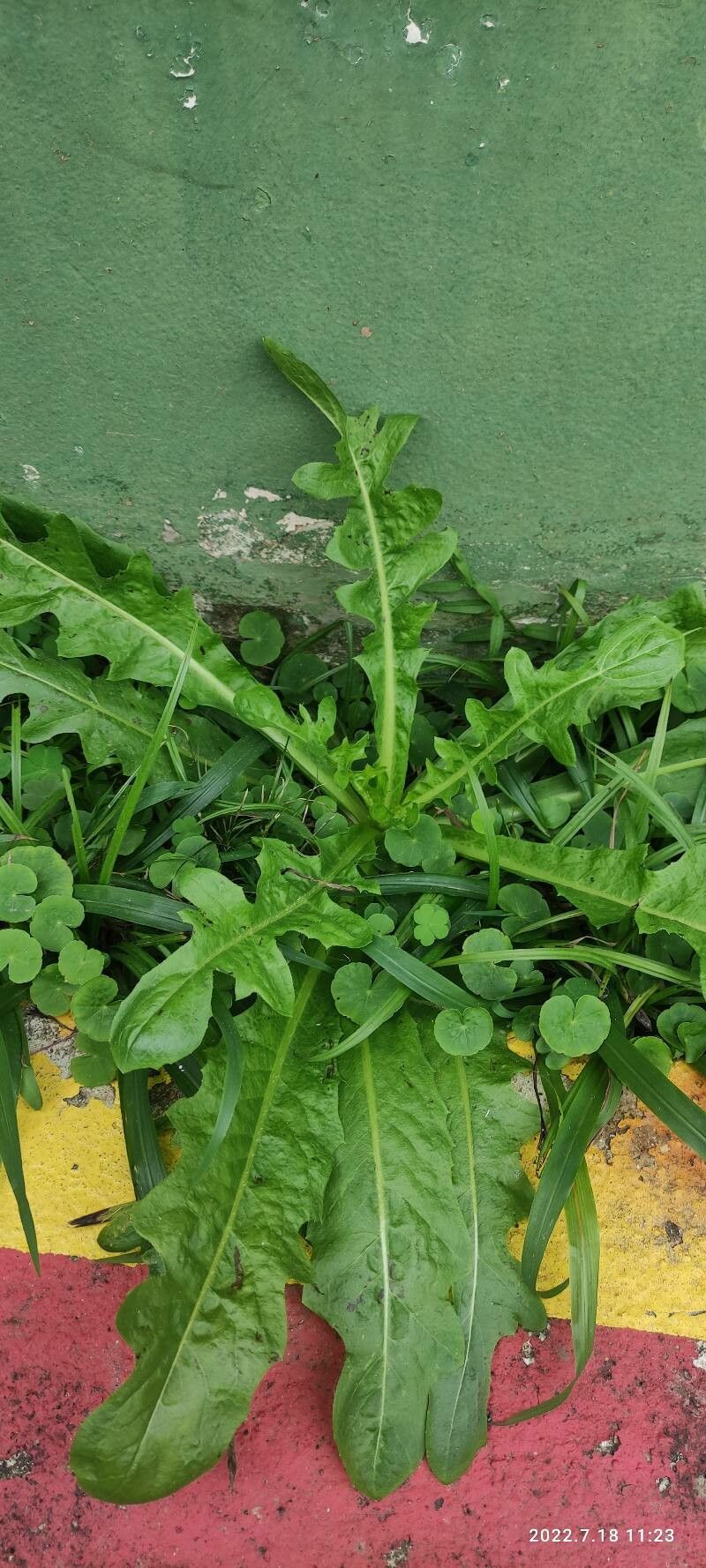
Hypochaeris microcephala, the smallhead cat's ear, is a species of plants in the tribe Cichorieae within the family Asteraceae. It is native to South America and naturalized in parts of North America.
Smallhead cat's ear has good resistance to disease and is generally not prone to illnesses. However, it can be affected by pests and diseases present in its surroundings. These infections tend not to be serious. For care, this plant needs moderate maintenance. Regular pruning is required to keep a neat appearance and support healthy growth. Fertilizing can also help encourage flowering. Smallhead cat's ear is suitable for anyone with an outdoor space, such as a garden or patio, and does not demand extensive care experience. It may need more attention when kept indoors.
How to keep Hypochaeris Microcephala.
Light
Smallhead cat's ear is an evergreen plant that loves the sun and is naturally found in open environments, commonly prospering in meadows and grasslands. It ideally requires full sun exposure but is able to withstand conditions of partial sunlight too.
Fertilizer
Typically, for Smallhead cat's ear, applying fertilizer once in the springtime is adequate, however, several applications can encourage optimum development. Provide nourishment every month to month and a half. Fertilizing enhances the look and functionality of the leaves, fostering a uniform color and a robust texture. Furthermore, it spurs the growth of the roots and helps them absorb nutrients, thereby supporting the plant's health in the long run.
Botanical profile.
- Plant Type
- Herb
- Life Cycle
- Perennial
- Hardiness Zone
- 8-11
- Mature Height
- 20 cm to 40 cm
- Mature Spread
- 15 cm to 30 cm
- Leaf Color
- Green, Dark Green
- Leaf Type
- Deciduous
- Flower Size
- 1.02 cm to 2.03 cm
- Bloom Time
- Late spring, Summer
- Planting Time
- Spring, Summer, Autumn
- Harvest Time
- Summer, Early fall
- Native Area
- Bolivia
Other names.