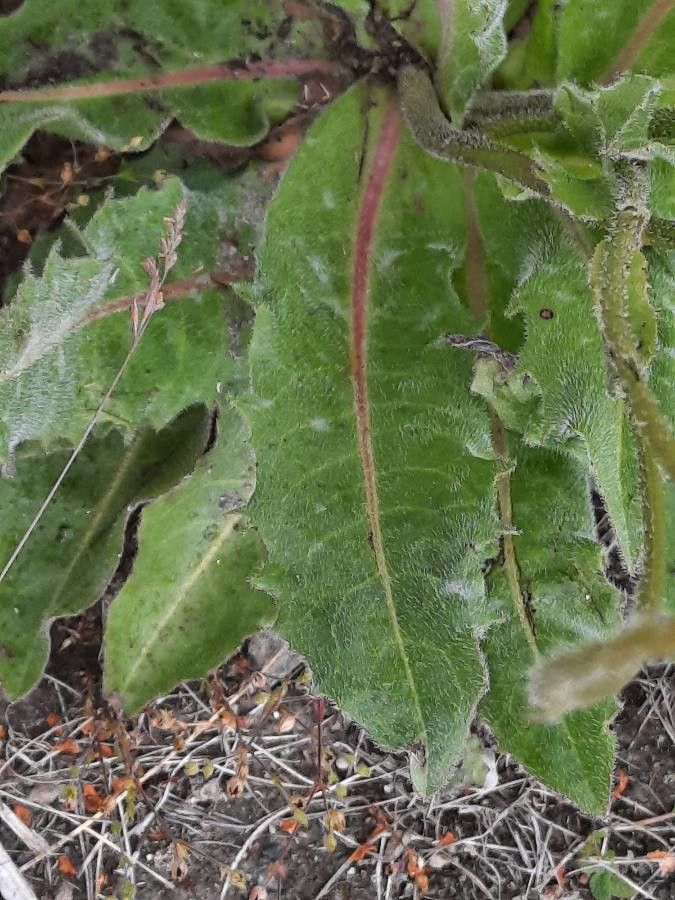
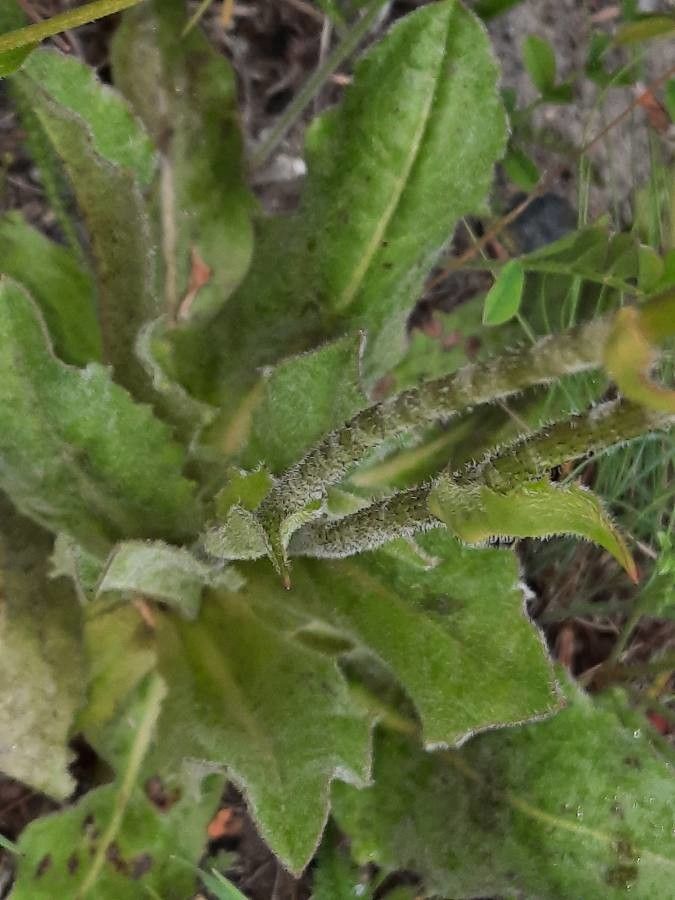
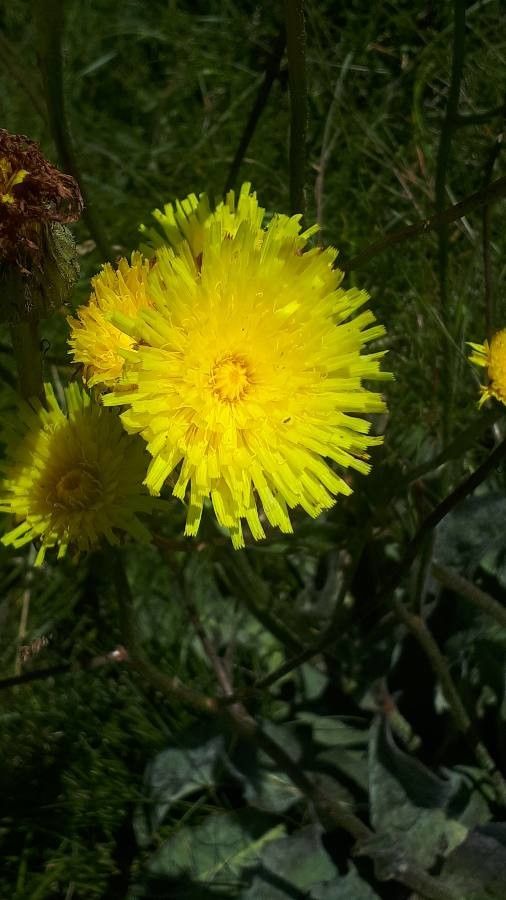
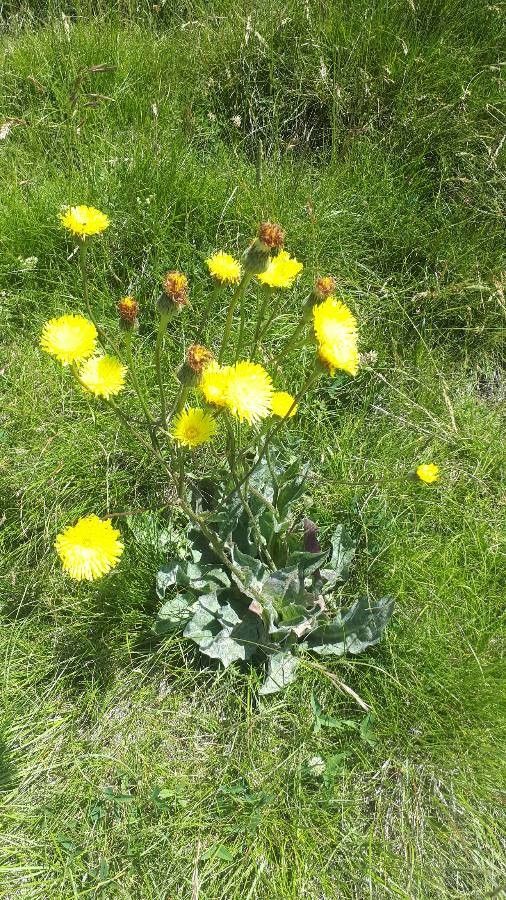
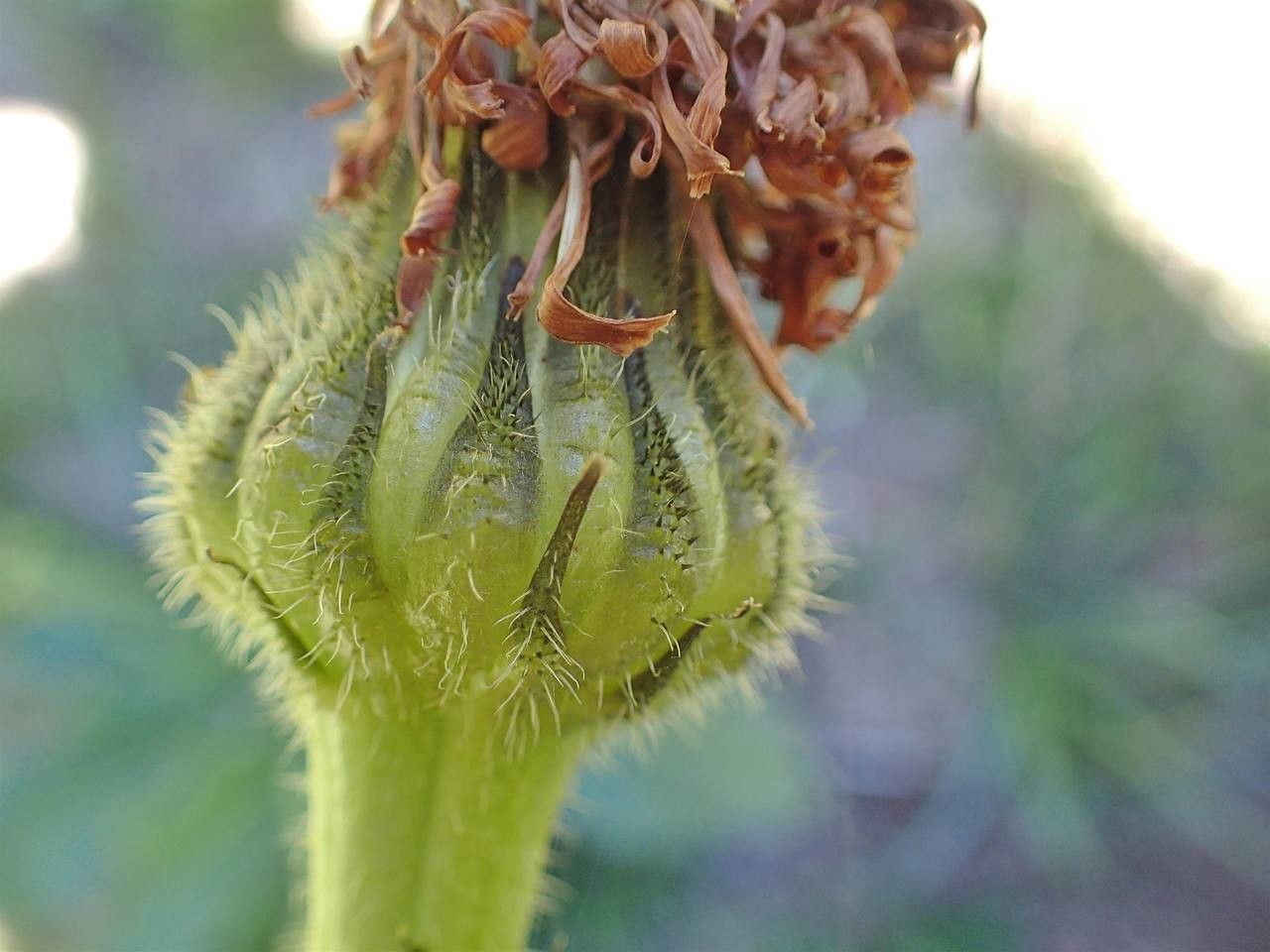
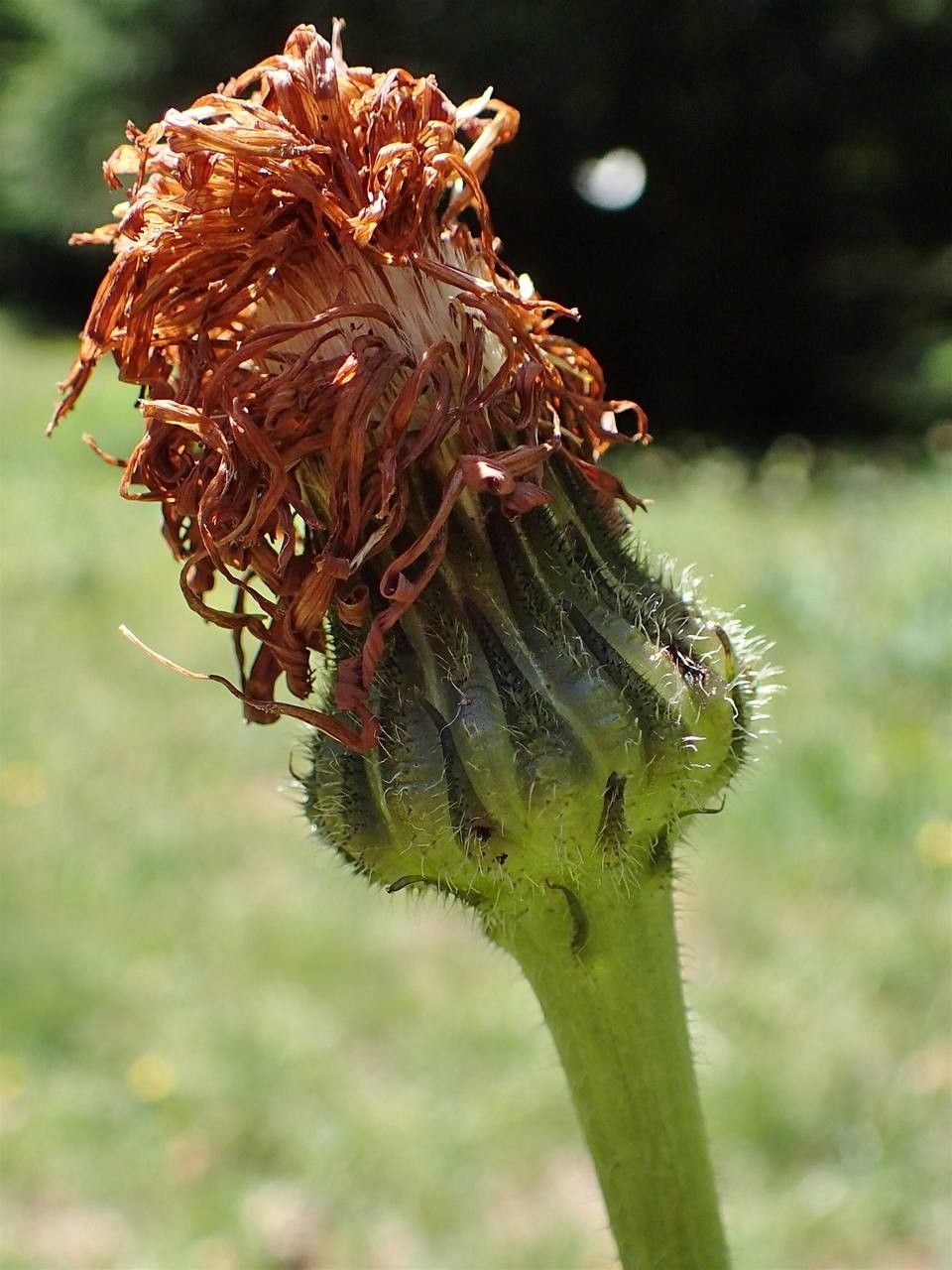
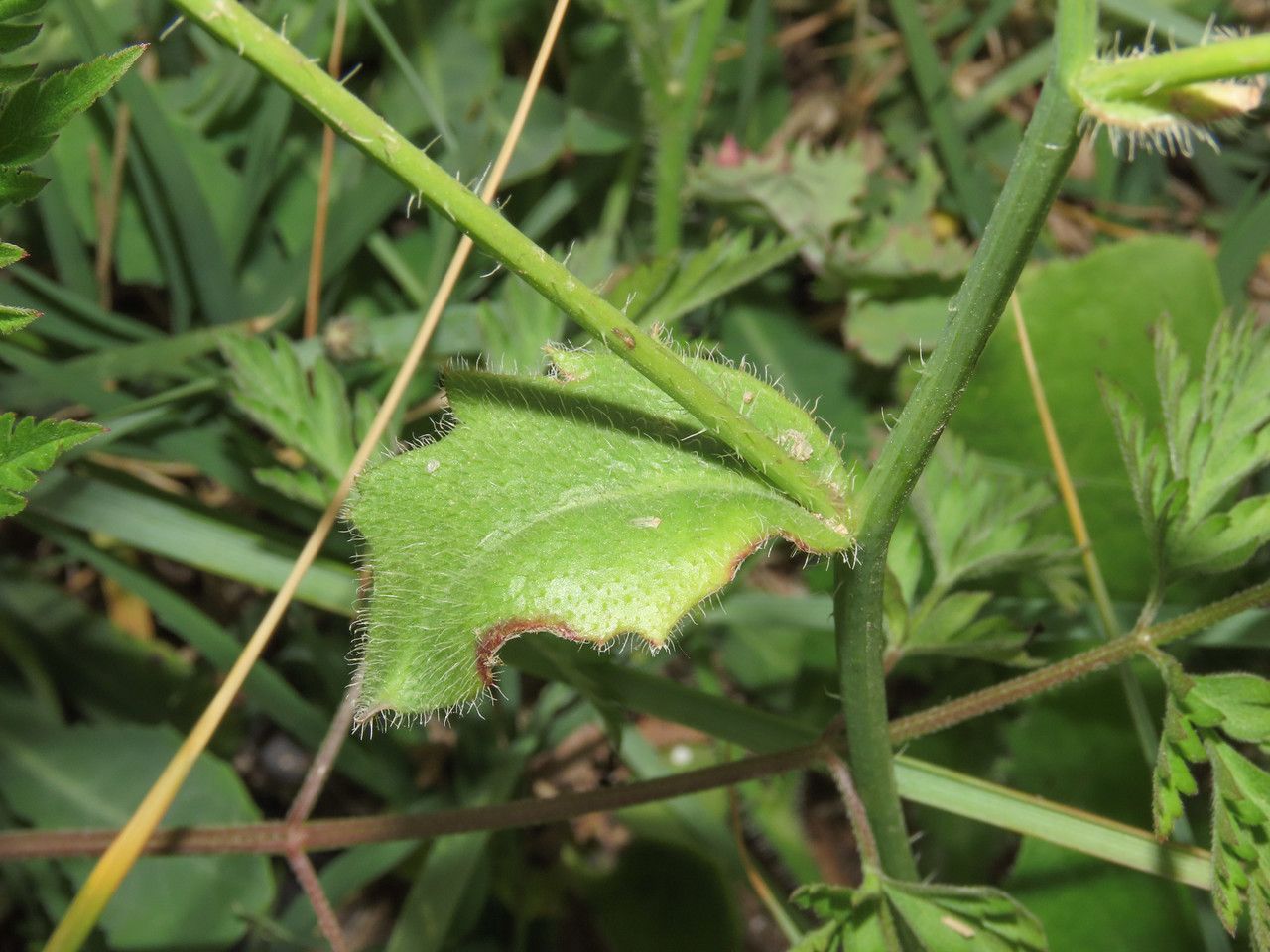
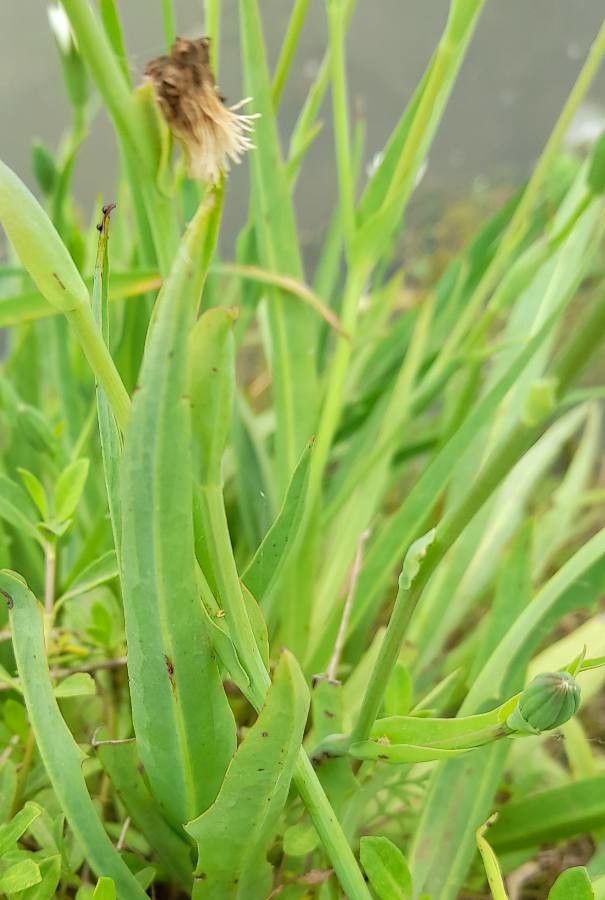
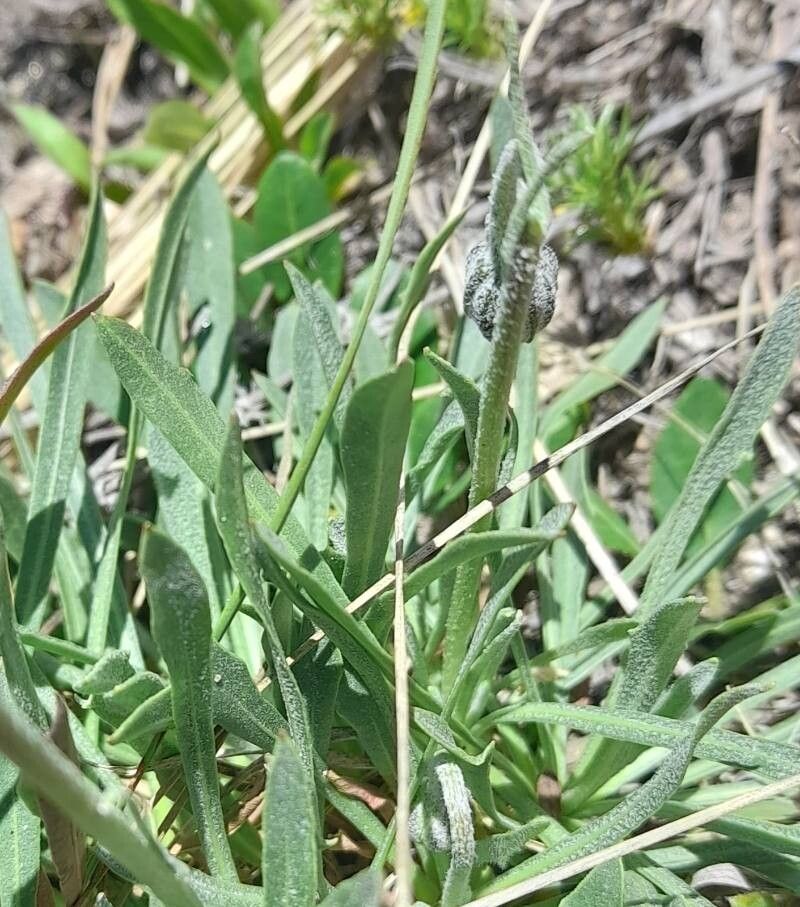
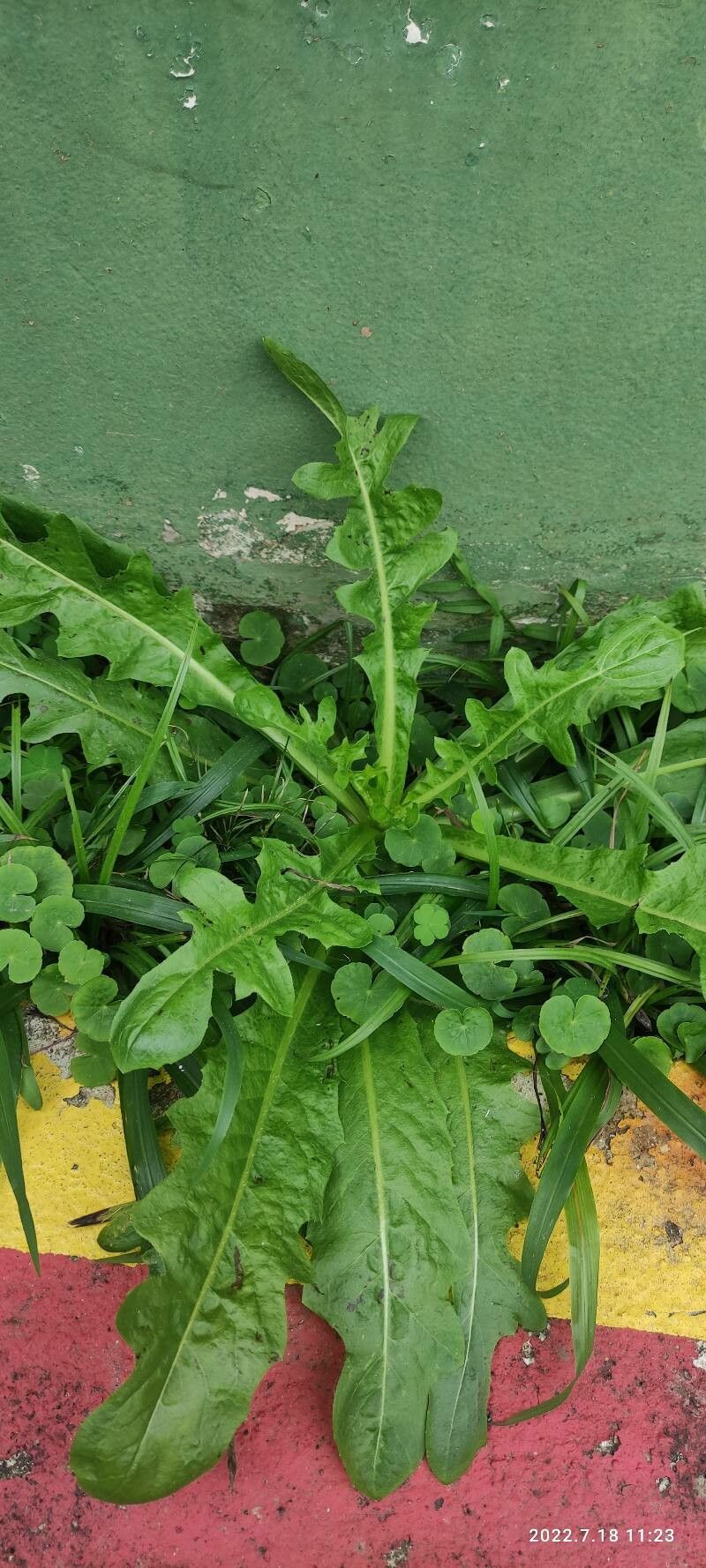
Hypochaeris maculata is a species of flowering plant belonging to the family Asteraceae.Its native range is Europe to Siberia and China.Synonym:
Trommsdorffia maculata (L.) Bernh.
Spotted cat's-ear has strong disease resistance and is generally unlikely to develop illnesses. Still, it can be vulnerable to pests and diseases present in its environment. Such infections tend to be mild. Regarding upkeep, this plant needs a moderate level of care. It should be pruned regularly to preserve an attractive appearance and healthy growth. Applying fertilizer can also encourage blooming. Spotted cat's-ear is well suited to anyone with outdoor areas like a garden or patio and does not demand extensive gardening experience. It may need more attention if kept indoors.
How to keep Hypochaeris Maculata.
Light
Spotted cat's-ear is a perennial herbaceous plant that favors sunny conditions and comes from open habitats, commonly flourishing in meadows and grasslands. It prefers full sun but can also tolerate partial sun.
Water
The spotted cat's-ear, native to temperate regions, thrives in areas with moderate moisture levels. While it is drought-tolerant, it prefers consistent conditions and requires weekly watering for optimal health. Often found growing in meadows, this plant benefits from natural rainwater and flourishes during the rainy season.
Temperature
Spotted cat's‑ear is native to environments with moderate temperatures, favoring a range of 59 to 95°F (15 to 35°C). Seasonal adjustments should be made to keep temperatures within this range for optimal growth.
Fertilizer
The best time to fertilize a Spotted cat's-ear is in early spring, as it comes out of dormancy and starts active growth. Fertilizing supplies essential nutrients for healthy development. Although Spotted cat's-ear needs relatively little fertilizer, applying it once a year can boost its survival and encourage better, longer-lasting flowers.
Pruning
The spotted cat's-ear is known for its distinct spotted leaves and bright yellow flowers. It thrives with minimal pruning. To encourage optimal growth, remove spent flowers and any damaged leaves from early to late spring. Regular maintenance not only improves its appearance but also supports its overall health, ensuring a robust growth cycle.
Botanical profile.
- Plant Type
- Herb
- Life Cycle
- Perennial
- Genus
- Hypochaeris
- Family
- Asteraceae
- Hardiness Zone
- 7-9
- Mature Height
- 40 cm to 61 cm
- Mature Spread
- 20 cm to 40 cm
- Leaf Color
- Green, Dark Green
- Leaf Type
- Semi-evergreen
- Flower Color
- Yellow
- Flower Size
- 4.57 cm
- Bloom Time
- Late spring, Early summer, Mid summer
- Planting Time
- Spring, Summer, Autumn
- Harvest Time
- Mid summer, Late summer, Early fall
Other names.
Reader questions.
How should I water my Spotted cat's-ear plant?
To properly care for the Spotted cat's-ear plant, it is important to follow a few guidelines. Firstly, use filtered water at room temperature when watering this plant. Tap water may contain harmful particles that can affect its health. The warm environment this plant thrives in means that cold water can be stressful for it, so aim for room temperature or slightly warmer water. Additionally, avoid overhead watering as it can lead to issues with the plant's foliage. Instead, focus on thoroughly moistening the soil by applying filtered room temperature water directly to it. This practice benefits the plant by keeping its roots moist and aiding in the absorption of essential nutrients.
What are the sunlight requirements for Spotted cat's-ear?
Spotted cat's-ear, or Hypochaeris maculata, thrives in locations with full sun, which means it requires more than 6 hours of sunlight a day, but can also tolerate partial sun conditions, receiving about 3-6 hours of sunlight. Observing the way sunlight moves through your garden will help you choose the best spots that offer a balance of light and shade, ensuring your plants are healthy and happy.
What is the ideal temperature range for growing Spotted cat's-ear?
Spotted cat's-ear, botanically known as Hypochaeris maculata, thrives in environments with modest temperatures, preferring a range between 59 to 95°F (15 to 35°C). It's indigenous to areas that typically maintain these temperature ranges, making seasonal adjustments important for optimal growth. The plant possesses strong cold resistance, reducing the need for special frost protection in most winter conditions. However, if temperatures are forecasted to fall below -15°C, measures such as covering the plant with soil or straw should be taken to protect it from extreme cold.
What should I do if I give my Spotted cat's-ear too much or too little water?
Both overwatering and underwatering can harm your Spotted cat's-ear plant, but overwatering is more commonly an issue. When this plant gets too much water, its stems and leaves may wilt and turn yellow. Overwatering for a long time can also cause diseases like root rot, mold, and mildew, which can kill the plant. Underwatering is less likely with the Spotted cat's-ear because it can tolerate drought to some extent. However, underwatering can still happen and will cause the leaves to become brittle and brown. It's important to notice the signs of overwatering early when taking care of your Spotted cat's-ear. Some diseases caused by overwatering, like root rot, cannot be fixed if you wait too long. If you see signs of overwatering, reduce your watering schedule immediately. Also, check the soil quality and replace it if it doesn't drain well, using a loose and well-draining potting mix. On the other hand, if you notice signs of underwatering, simply water more regularly until those signs go away.
What are the essential characteristics of Spotted cat's-ear?
Spotted cat's-ear is a sun-loving perennial herbaceous plant that naturally grows in open habitats such as meadows and grasslands. This plant prefers full sun but can also grow under partial sun. For indoor plants where natural sunlight is insufficient, artificial lighting provides a solution for optimal growth. Indoor plants might need 30-50W/sq ft of artificial light for full sun conditions, 20-30W/sq ft for partial sun, and 10-20W/sq ft for full shade conditions. Choosing the right type of artificial light, such as LED lights, determining the appropriate light distance (12-36 inches above the plant), and duration (8-12 hours per day) are crucial for healthy growth.
How does Spotted cat's-ear react to low temperatures?
Spotted cat's-ear is notably cold-tolerant and performs best when the temperature remains above 15°C. Even though it can withstand colder winters without visible damage, it is crucial to keep it above -10°C. If temperatures dip below -15°C, the plant might not show immediate distress, but there could be a noticeable decline in sprouting or complete lack of sprouting come spring. To manage any damage from low temperatures, any parts of the plant that have failed to sprout in the spring should be removed.
How frequently should I give water to my Spotted cat's-ear plant?
If your Spotted cat's-ear is in a pot, the most precise way to determine if it needs water is by checking the soil. Plunge your finger into the soil and if the first two to three inches of soil are dry, it's time to water it. If you're growing your Spotted cat's-ear outdoors in the ground, you can also use this method to test the soil. When the first few inches of soil have dried out, it's time to water. Usually, during spring and early fall, watering once a week is sufficient using this method. However, during extremely hot weather, you might need to increase watering to about twice or more per week. Keep in mind that mature and well-established Spotted cat's-ear plants have a good tolerance for drought.
What are the symptoms of poor lighting conditions in Spotted cat's-ear?
When Spotted cat's-ear does not receive adequate light, several symptoms may appear including small, new leaves that are smaller than the previous ones, leggy or sparse growth, faster leaf drop, slower or no new growth, lighter-colored new leaves, and symptoms related to too much light, such as chlorosis, sunscald, leaf curling, wilting, and leaf scorching. These symptoms indicate the plant's struggle with inadequate or excessive sunlight, affecting its overall health and growth.
What should be done if Spotted cat's-ear experiences high temperatures?
During the warmer months, it's vital to ensure that Spotted cat's-ear's environment does not exceed 35°C. Exposure to temperatures above 38°C can cause the plant's leaves to lighten in color, curl, and become susceptible to sunburn, which in severe cases can lead to the entire plant wilting and drying out. To mitigate these effects, remove any sunburned or dried parts of the plant. It's advisable to either relocate the plant to a shaded area during the peak sun hours of the day or use a shade cloth for protection. Additionally, watering the plant in the morning and evening will help keep the soil moist and support the plant's health in high temperatures.
How much water does my Spotted cat's-ear plant need?
To properly water your Spotted cat's-ear, you should be generous with the amount of water you provide. Make sure the top two to three inches of soil are dry before watering, and then give the plant a thorough soaking. It's important to add enough water that it completely saturates the soil and flows out of the drainage holes at the bottom of the pot. If you don't see excess water coming out, it means you haven't given enough water. However, it's also crucial not to let water accumulate inside the soil, as this can be harmful to the plant. On the other hand, if water doesn't drain properly from the pot, it may indicate that the soil doesn't have good drainage, which is not good for the plant's health. Finally, if the plant is outdoors, receiving about 1 inch of rain per week should be adequate.
How can you address insufficient sunlight for Spotted cat's-ear plants?
To combat insufficient sunlight for Spotted cat's-ear, gradually moving the plants to sunnier locations each week until they achieve at least 6 hours of direct sunlight daily is advisable. For indoor plants, using a south-facing window or artificial lights, like desk, ceiling lamps, or professional grow lights for at least 8 hours daily can help. Outdoors, it's important to make gradual changes to avoid sunburn, and for ground plants, reducing obstructions and considering transplanting during dormant periods can increase light exposure. Note that parts of the plant damaged by previous light conditions might not recover, but new growth will be healthy with improved light.
How do I water my Spotted cat's-ear at different stages of growth?
The water needs of the Spotted cat's-ear can vary at different growth stages. When it is in the early years or after being transplanted, it requires more water due to the energy it puts into growing new roots. These roots need additional moisture for optimal growth. As the plant matures over a few seasons, it will require less water. Another stage that requires increased watering is during the bloom period, as flower development uses up more moisture.