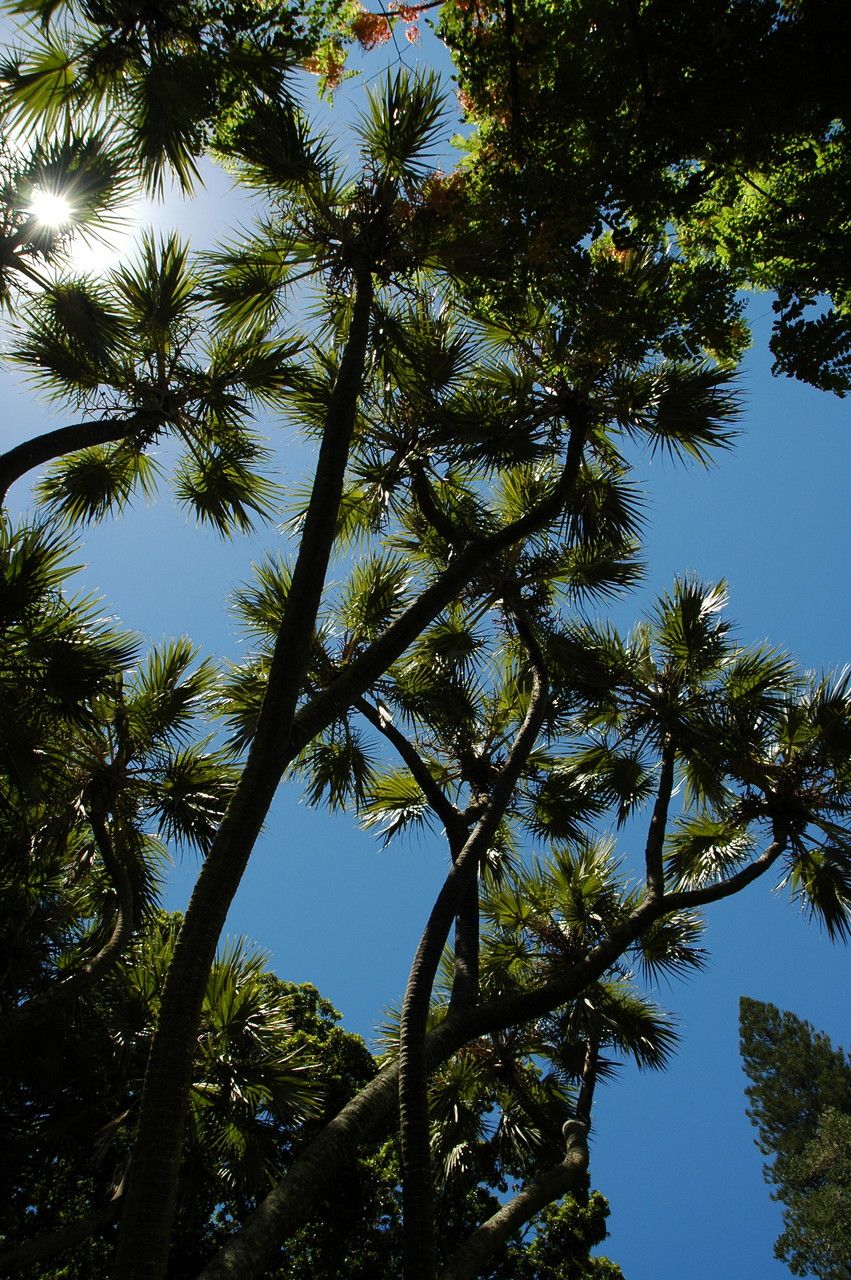
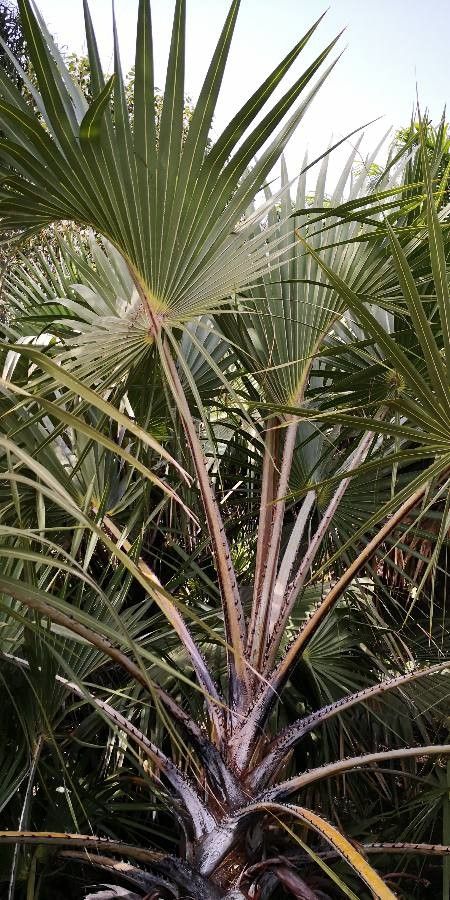
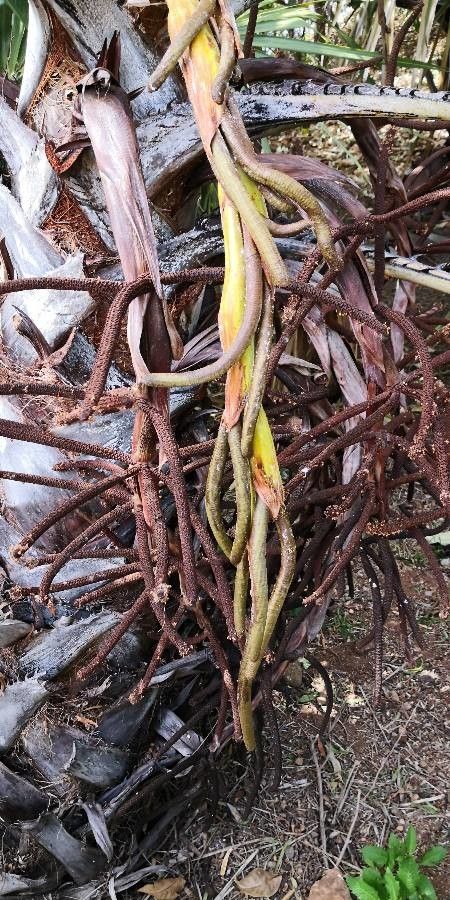
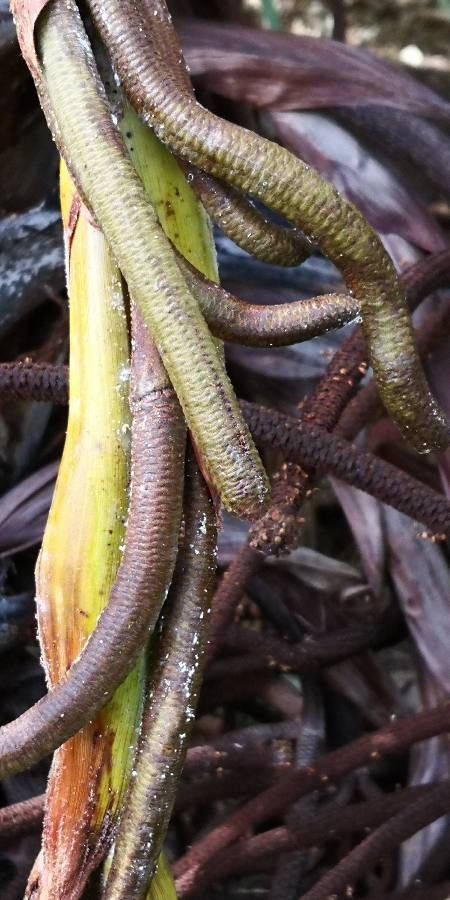
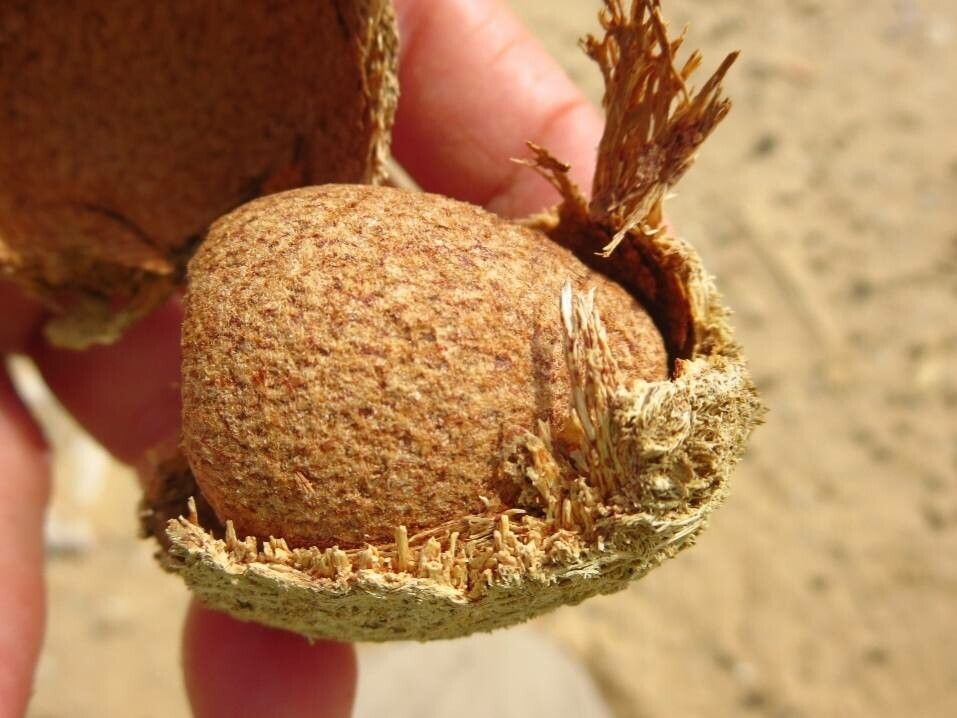
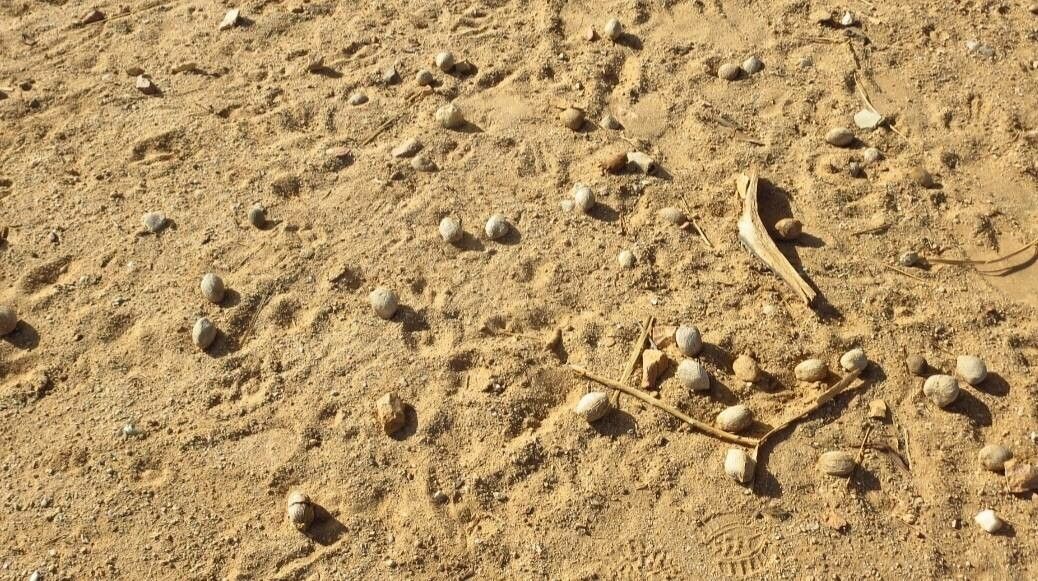
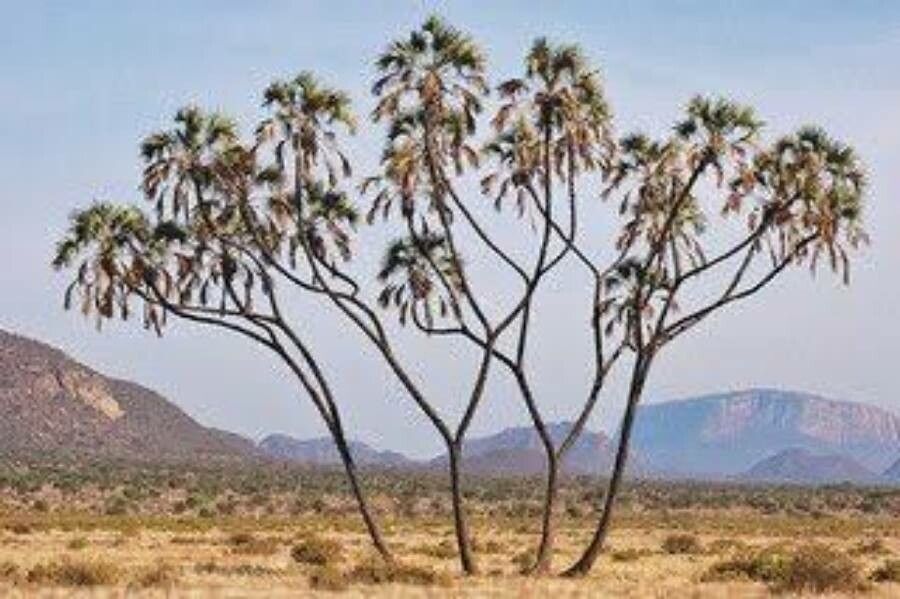
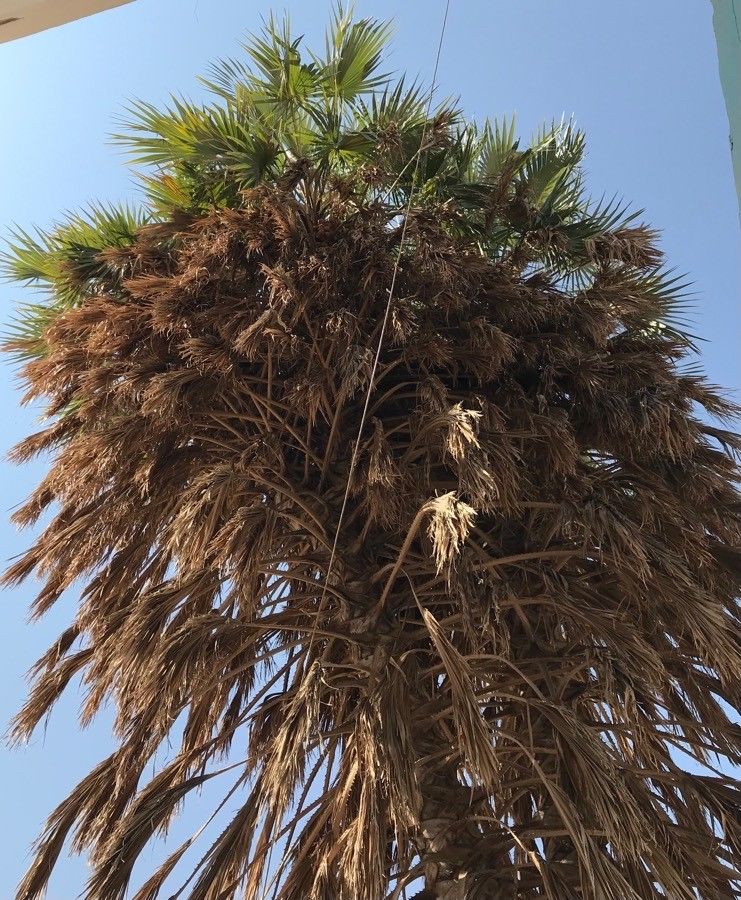
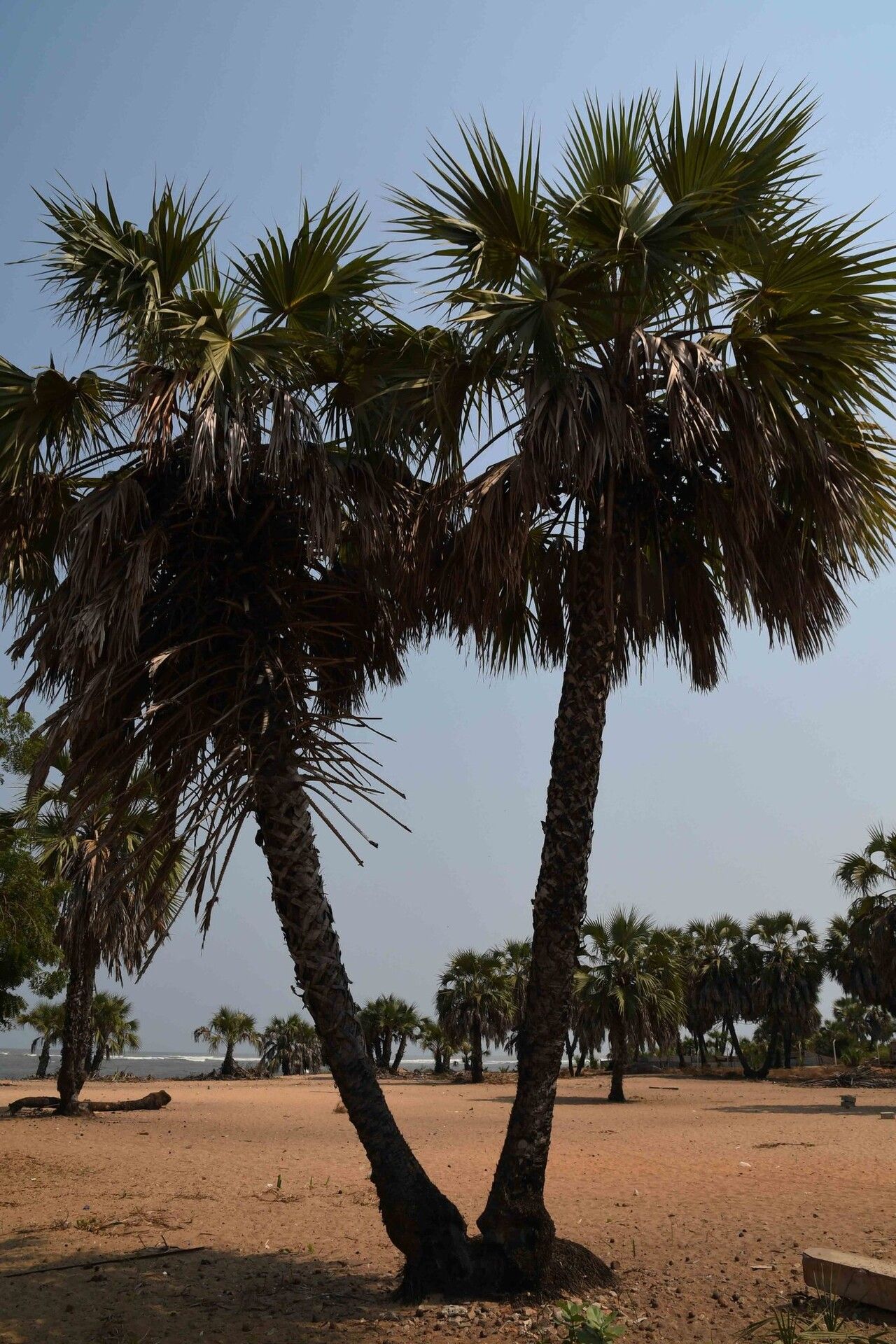
Hyphaene thebaica, with common names doum palm (Ar: دوم) and gingerbread tree (also mistakenly doom palm), is a type of palm tree with edible oval fruit. It is a native to the Arabian Peninsula and also to the northern half and western part of Africa where it is widely distributed and tends to grow in places where groundwater is present.
The Egyptian doum palm is resistant to many diseases and is generally not susceptible to illness. Regarding care, this plant is fairly low-maintenance. When grown outdoors it needs only light watering, and larger specimens typically do not require pruning. Smaller plants, however, should be pruned after they have finished blooming. The Egyptian doum palm is suitable for anyone with an outdoor area, such as a garden or a deck, and does not call for extensive care experience.
How to keep Hyphaene Thebaica.
Light
The egyptian doum palm thrives when it gets abundant sunlight, imitating the strong brightness of its native surroundings. During all stages of development, steady exposure to sunlight is essential. Too much sunlight can cause scorching, while too little can lead to stunted growth.
Water
The Egyptian doum palm, native to arid regions, is highly drought-tolerant and requires watering only every 2-3 weeks. Well-suited to hot climates, it efficiently stores water and thrives in sandy soils. This makes it an ideal choice for xeriscaping and low-maintenance gardens.
Temperature
The Egyptian doum palm comes from warm regions where temperatures usually range from 68 to 100°F (20 to 38°C). It prefers hot conditions but is adaptable and can tolerate cooler temperatures.
Fertilizer
Prefer organic fertilizers (e.g., fish emulsion, compost) over chemical ones for the Egyptian doum palm. Supply higher nitrogen and phosphorus to young plants in spring. Incorporate compost or fertilizer into the soil before or after planting. For mature plants, supplement in spring with a balanced fertilizer or one targeted to specific deficiencies. Nutrient deficiency causes small leaves, short branches, yellow or bronze foliage, acidic fruits, premature fruit drop, and splitting.
Pruning
The Egyptian doum palm is characterized by its fan-shaped fronds and multi-stemmed growth. To maintain its health and appearance, prune older fronds in early spring and remove any yellowing leaves to prevent disease. Additionally, trim offshoots at the base to maintain the desired shape. Regular pruning improves airflow and increases sunlight exposure, promoting the palm's vitality. Always use clean, sharp tools to minimize damage during the pruning process.
Botanical profile.
- Plant Type
- Tree
- Life Cycle
- Perennial
- Genus
- Hyphaene
- Family
- Arecaceae
- Hardiness Zone
- 10-12
- Mature Height
- 17.07 m
- Mature Spread
- 7.92 m
- Leaf Color
- Green
- Leaf Type
- Evergreen
- Flower Size
- 1.02 cm to 1.52 cm
- Bloom Time
- Late spring, Summer
- Planting Time
- Spring, Summer, Autumn
- Harvest Time
- Late summer, Fall
- Native Area
- Burkina Faso, Libya, Somalia, Egypt, Saudi Arabia, Sudan, Mauritania, Eritrea, Nigeria, Yemen, Guinea-Bissau, Niger, Chad, Benin, Mali, Sierra Leone, Cameroon, Togo, Ghana, Senegal, Ethiopia, Côte d'Ivoire, Gambia, Central African Republic
Other names.
Reader questions.
How should I water my Egyptian doum palm tree?
When watering your Egyptian doum palm, you have flexibility in choosing the watering tool. Options such as watering cans, hoses, and cups all work well. It's important to water directly onto the soil and ensure even moisture distribution to all parts of the root system. Using filtered water is ideal to avoid harmful particles from tap water. Additionally, it's best to use water that is at or slightly above room temperature to prevent any shock to the plant. However, the Egyptian doum palm generally thrives with any type of water.
What are the sunlight requirements for an Egyptian Doum Palm?
The Egyptian Doum Palm (Hyphaene thebaica) requires full sun, which means it needs above 6 hours of sunlight daily to thrive. It's important to watch how sunlight moves through your garden, choosing spots that provide a balance of light and shade. This ensures the plants receive the perfect conditions for growth, mimicking the intense luminosity of their native habitat. Adequate sunlight exposure is crucial throughout all growth stages of the Egyptian Doum Palm. An imbalance in sunlight exposure, either too much or too little, can lead to scorching or stunted growth respectively.
What is the native climate for the Egyptian doum palm?
The Egyptian doum palm (Hyphaene thebaica) is native to warm areas where the temperature range is between 68 to 100°F (20 to 38°C). This plant is extremely heat-loving and thrives in hot weather, though it can adapt to slightly lower temperatures as well. It's important to maintain conditions that favor its growth by keeping it in warm environments, especially since it does not tolerate cold temperatures well.
What should I do if I give my Egyptian doum palm plant too much or too little water?
When caring for outdoor plants, especially newly planted ones or plant seedlings, it is important to ensure they receive enough water as they are prone to drying out. For small or newly planted trees, consistent watering should be maintained for a few months until their roots are established. Once this happens, they can mostly rely on rain for hydration. When Egyptian doum palm is planted in pots, overwatering is a common problem. If you accidentally overwater your plant, take immediate action to minimize the damage. Stop watering it right away and inspect the roots by removing the plant from its pot. If there are no signs of root rot, you can return it to the container. However, if root rot is present, trim away the affected roots and consider using a fungicide to prevent further damage. Repot the doum palm in well-draining soil to promote healthy growth. Conversely, underwatering is relatively easy to address. If you notice drooping, dried out leaves or leaf loss, it is indicative of underwatering. Simply increase the frequency of watering, and the leaves should regain their fullness quickly. Remember to adjust your watering schedule promptly if you notice underwatering.
How can artificial lighting be used for indoor Egyptian Doum Palms?
For indoor Egyptian Doum Palms, especially in scenarios where natural sunlight is insufficient, artificial lighting can be a vital solution. During winter or in less sunny spaces, LED lights are a popular choice for supplementing light because they can mimic the specific wavelengths of light needed by plants. The ideal amount of artificial light varies depending on the plant's natural requirements: full sun plants need 30-50W/sq ft, partial sun plants 20-30W/sq ft, and full shade plants 10-20W/sq ft. To replicate natural sunlight, the light source should be placed 12-36 inches above the plant. Most plants will require 8-12 hours of artificial light each day to ensure optimal growth.
How do I care for my Egyptian doum palm during the winter?
During the winter, it's crucial to protect your Egyptian doum palm from cold temperatures. The plant should ideally be kept in temperatures above 20°C to ensure its health. It's recommended to bring outdoor-grown Egyptian doum palms indoors near a bright window, keeping in mind to place it at a certain distance from heaters to avoid damage. Ensuring the temperature does not approach 5°C is beneficial for preventing detrimental effects to the plant.
How often should I give water to my Egyptian doum palm?
To ensure your outdoor plants grow properly, consider their watering needs. If your area receives enough rainfall, the plants can rely on that. However, if rainfall is scarce, you should provide adequate watering every 2 weeks in spring and fall, and more frequently in summer. During winter, when plants require less water due to slower growth, water sparingly or not at all. For young or newly planted Egyptian doum palms, more frequent watering is necessary to help them establish and become more adaptable and drought tolerant. For potted plants like the Egyptian doum palm, there are two main approaches to determine watering frequency. One way is to follow a predetermined schedule, watering once a week or every other week. However, this may not consider the specific growing conditions of your palm. Seasonal changes also play a role. For example, during summer when the palm's water needs are highest, a set schedule may not suffice. Another option is to monitor the soil moisture. It is recommended to wait until the top 2 to 4 inches of soil, about ⅓ to ½ of the pot depth, have completely dried out before watering again.
What are common symptoms of light deficiency in an Egyptian Doum Palm?
When an Egyptian Doum Palm is cultivated indoors and exposed to insufficient lighting, especially during winter, several symptoms can indicate a light deficiency. These include smaller new leaves compared to mature ones, leggy or sparse growth, early leaf drop to conserve resources, slower or halted growth, and lighter-colored or chlorotic leaves. Excessive sunlight can also lead to issues like sunscald, leaf curling, wilting, leaf scorching, and overall reduced plant health. Each symptom offers insight into the plant's need for either more or less light to maintain optimal health.
What should I do if my Egyptian doum palm is affected by low temperatures?
If your Egyptian doum palm suffers from low temperature exposure, you may notice the leaves lightening in color or even turning brown or black after frost damage. Wilting and drooping can also occur. To address this, trim off the frost-damaged parts and immediately move the plant to a warmer indoor environment. Placing the palm near a south-facing window ensures it receives ample sunlight, but remember to keep it away from direct heat sources like heaters or air conditioning vents to avoid air dryness.
How much water does my Egyptian doum palm plant require?
Watering your Egyptian doum palm may not always require a high volume of water. If only a few inches of soil have dried since the last watering, you can support healthy growth by giving it about five to ten ounces of water each time. You can base the amount of water on the soil moisture, noting how many inches have dried out between waterings. To ensure the plant receives enough moisture, water it until all the dry soil layers are moistened. If more than half of the soil has dried, consider giving more water, making sure excess water drains from the pot. If the palm is in a rainy outdoor area, additional watering may not be necessary. For young or establishing palms, aim for 1-2 inches of rain per week. As the palm grows, it can rely on rainwater unless the weather is hot and there is no rainfall for 2-3 weeks, then give a full watering to prevent stress.
What are the solutions for light-related issues in Egyptian Doum Palms?
To address light-related issues in Egyptian Doum Palms, consider gradually moving the plants to locations with at least 6 hours of direct sunlight daily. For indoor plants, using artificial light such as desk lamps or professional plant grow lights for a minimum of 8 hours a day can supplement natural light. Outdoors, it's important to move plants to sunnier spots gradually to avoid sunburn. Obstructions blocking sunlight should be minimized by pruning trees or relocating plants to sunnier areas. Remember, affected parts of the plant might not recover, but new growth will be healthy with better light conditions.
What are the signs of high temperature stress in Egyptian doum palms and how can I mitigate it?
Egyptian doum palms should ideally be kept below 38°C during summer. Exposure to temperatures above 43°C can lead to lighter leaf colors and increased susceptibility to sunburn. To mitigate high temperature stress, trim away sunburned and dried-up parts of the plant. Relocate the palm to an area with shade from the midday and afternoon sun. Watering the plant in the morning and evening can help keep the soil moist and reduce temperature stress.