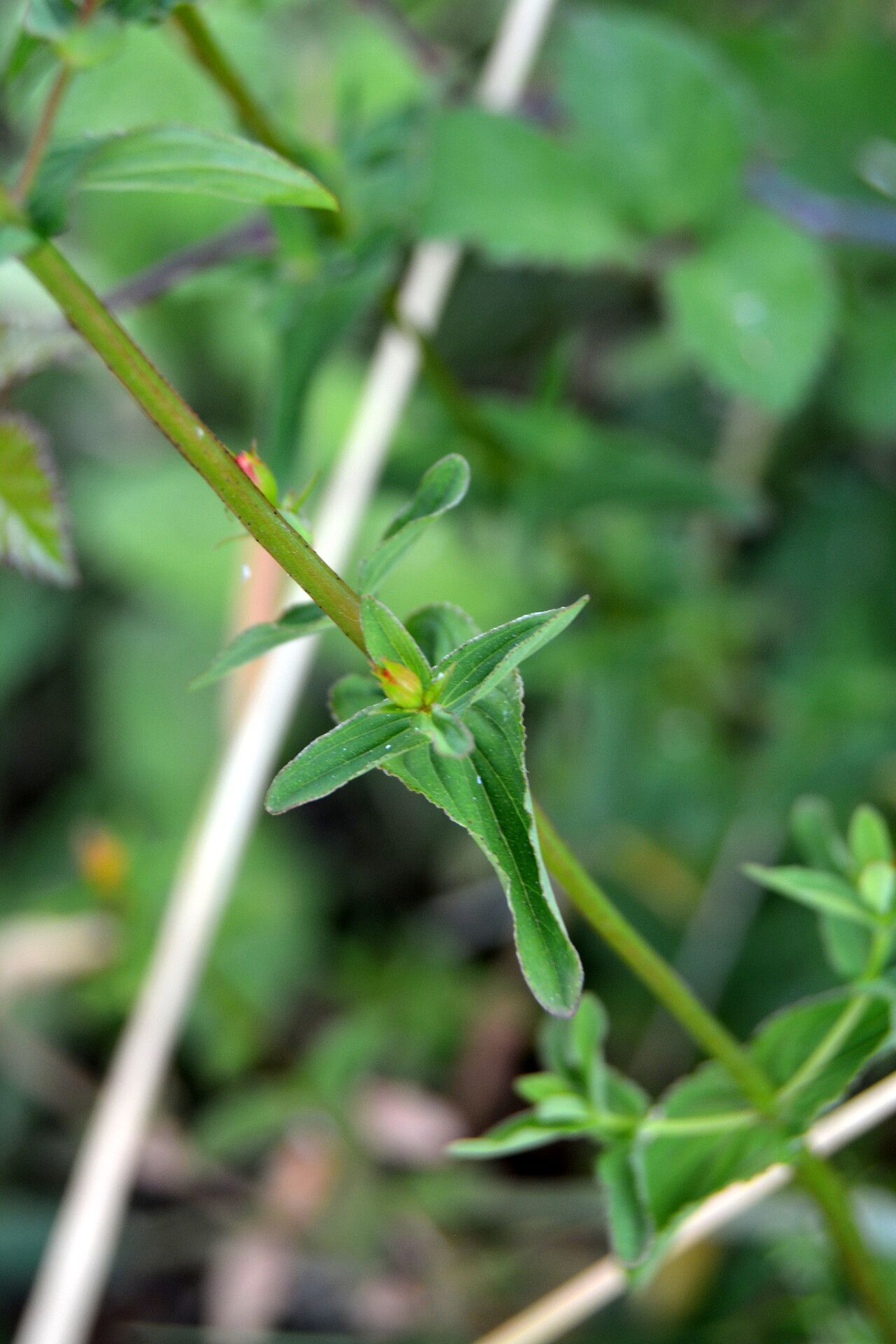
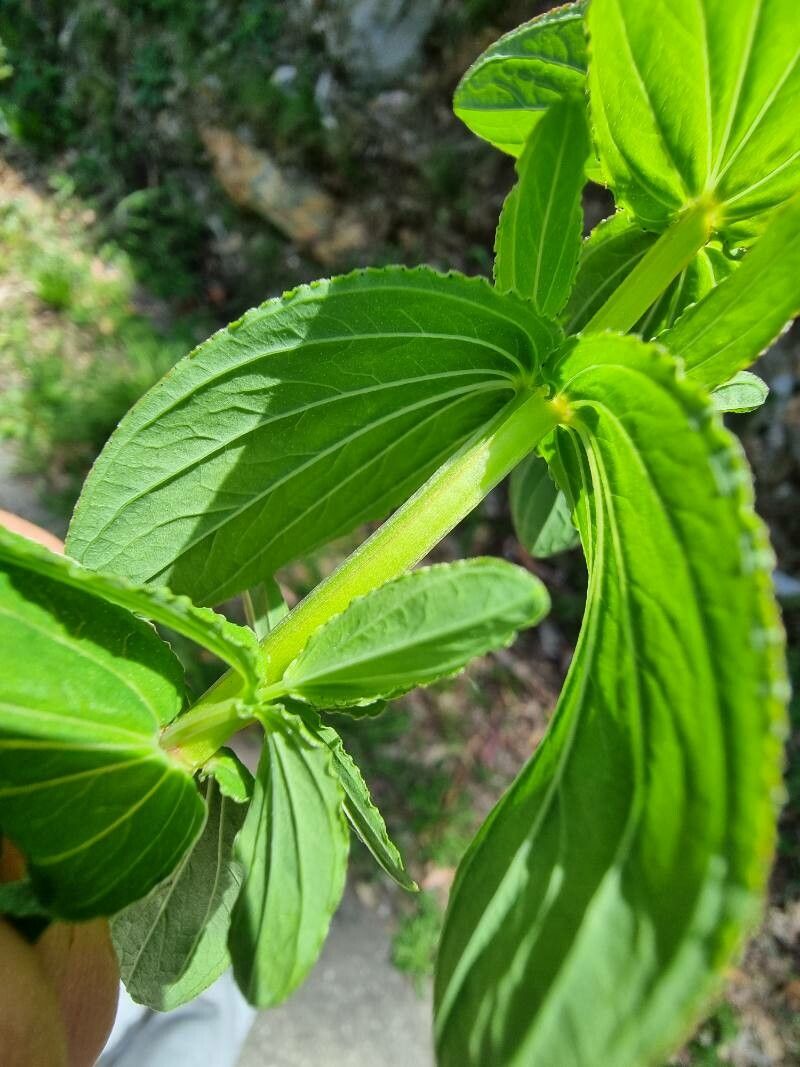
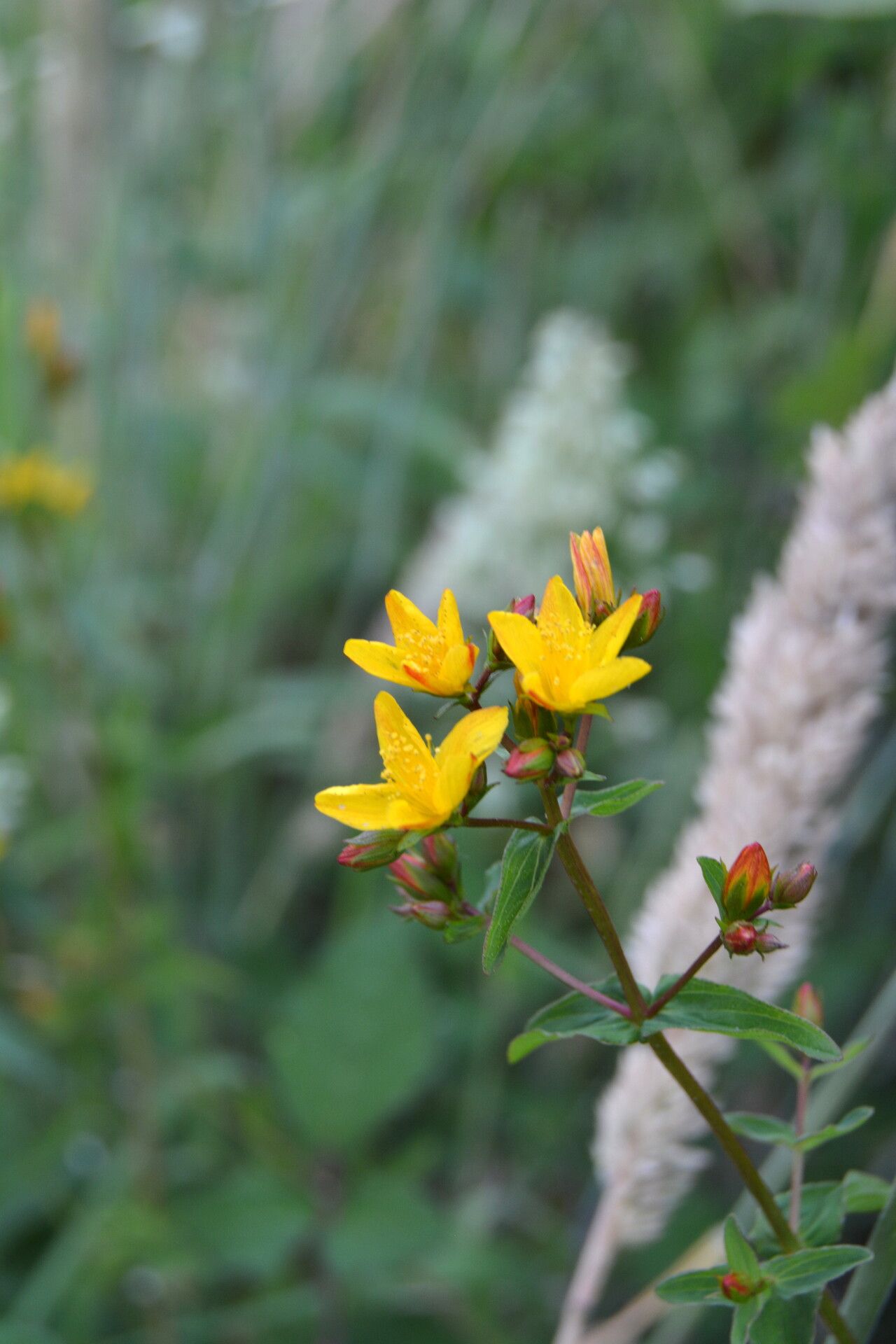
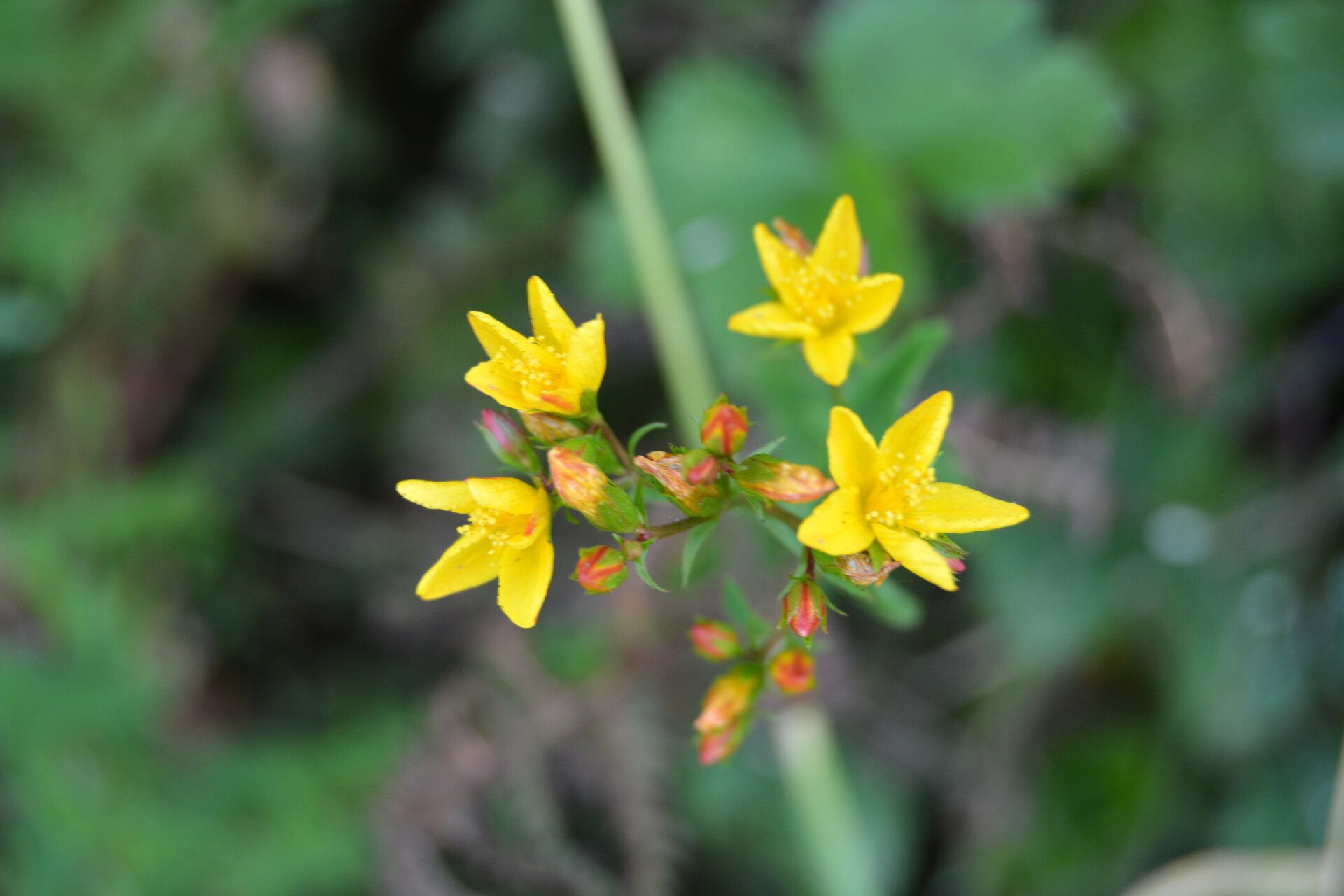
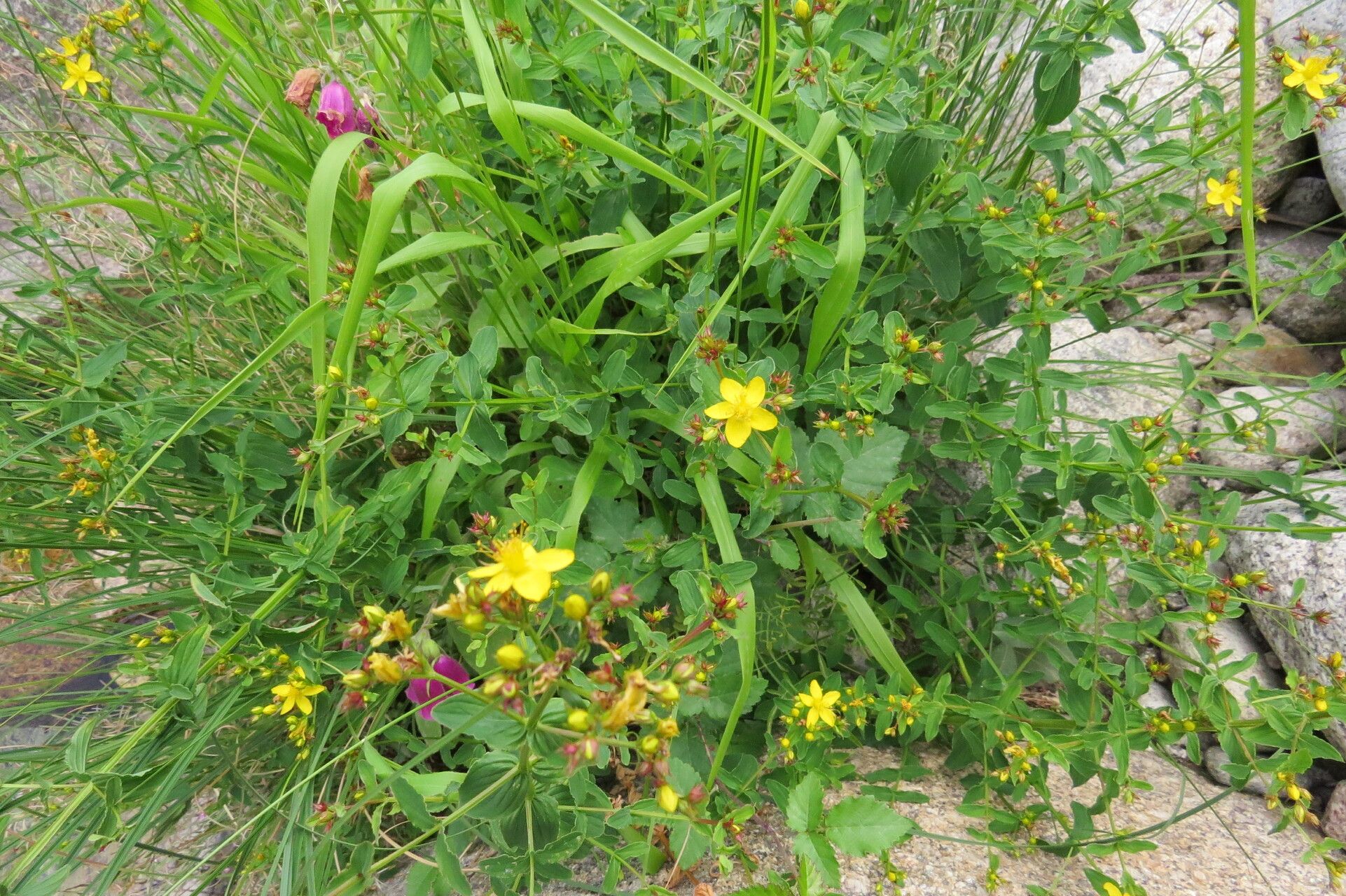
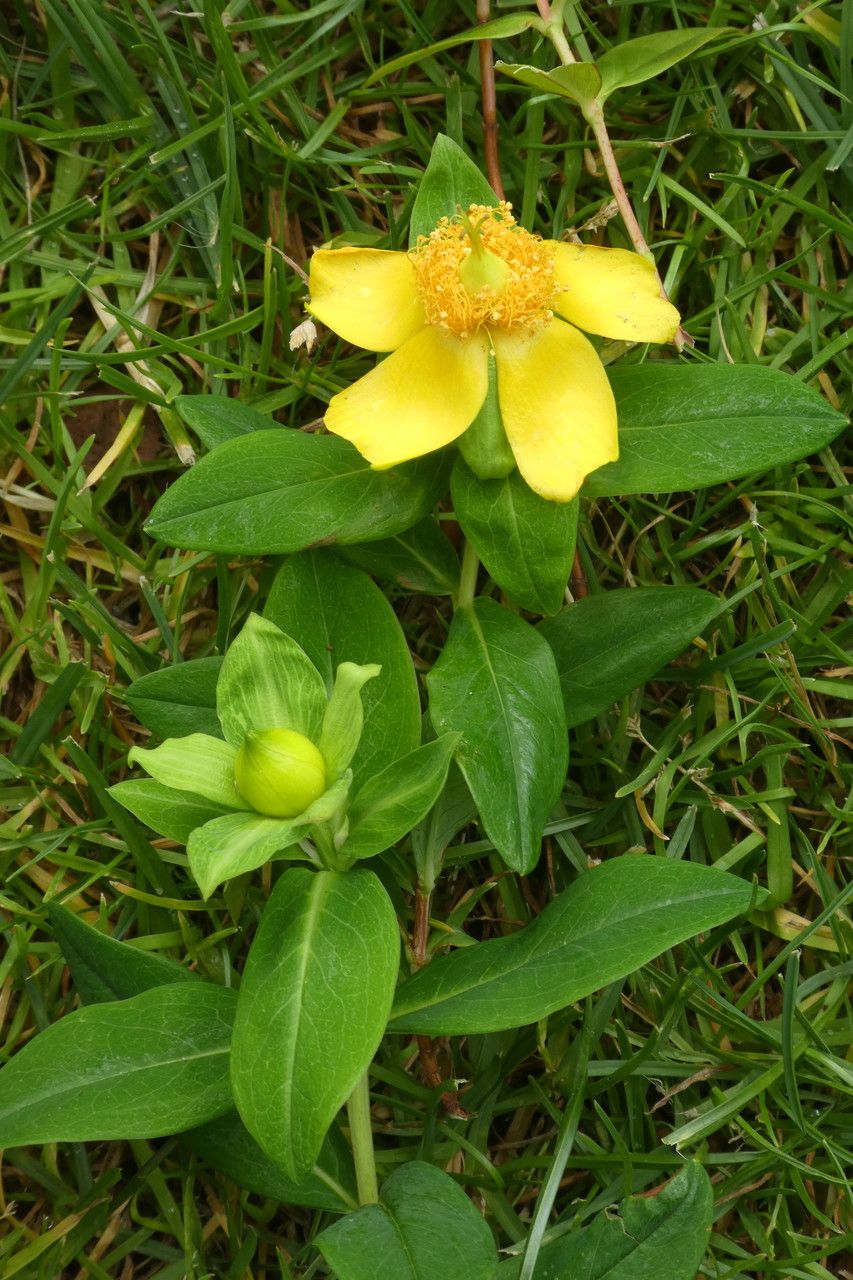
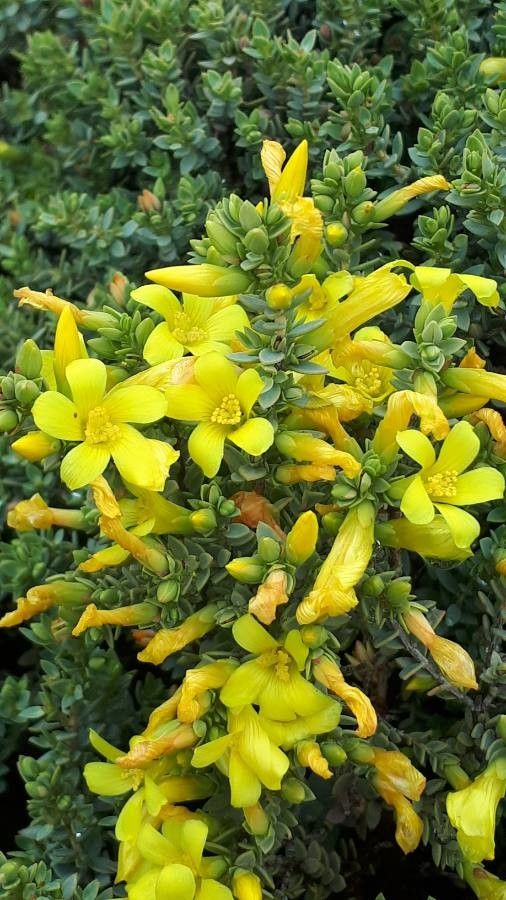
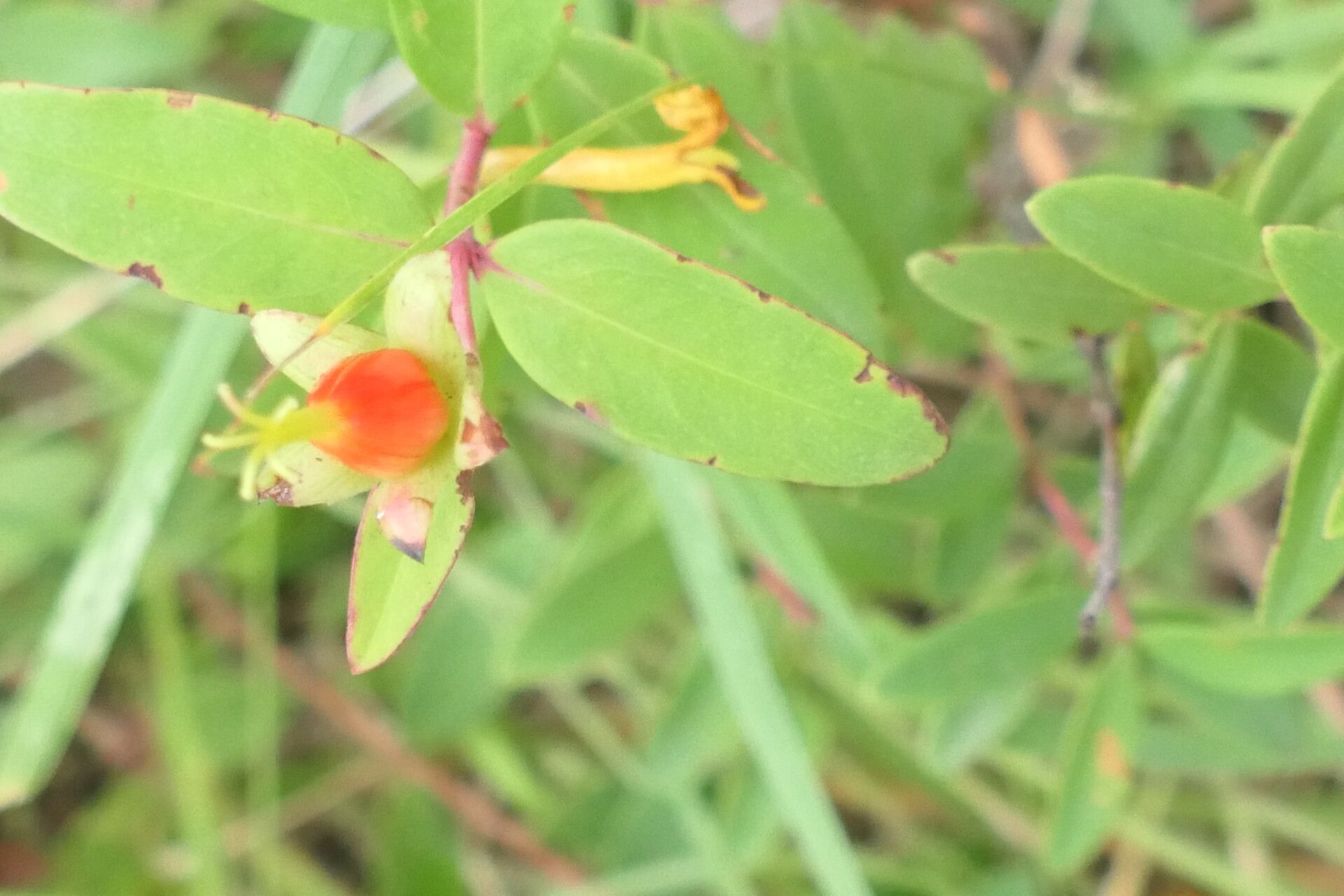
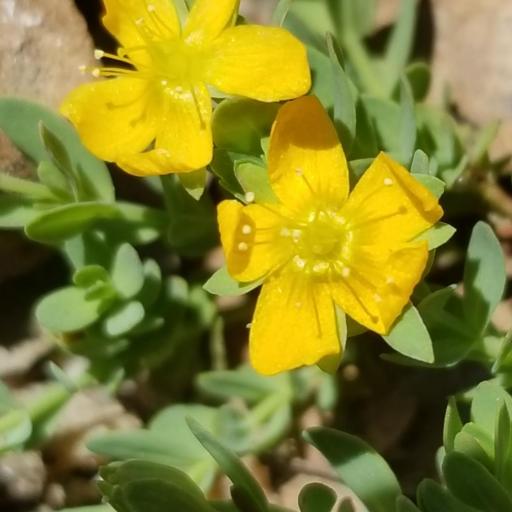
Hypericum undulatum, the wavy St Johns Wort, is a herbaceous perennial flowering plant native to western Europe and northern Africa. The specific name undulatum is Latin, meaning "wavy" or "undulated", referring, just as the common name, to the wavy leaf margins of the herb. The plant has a diploid number of 16 or 32.
Wavy St. John's wort is highly resistant to disease and is generally unlikely to develop illnesses. In terms of upkeep, this plant is fairly low-maintenance. When grown outdoors it needs only light watering, and larger plants typically do not require pruning. Smaller plants, however, should be pruned after they finish flowering. Wavy St. John's wortt is appropriate for anyone with an outdoor area, such as a garden or a deck, and does not call for extensive gardening experience.
How to keep Hypericum Undulatum.
Light
Wavy St. John's wort is native to habitats such as forest understories or rocky areas, where it grows in natural shade. It prefers partial sun but can tolerate full sun or full shade, showing its adaptable, hardy nature.
Water
Wavy St. John's Wort naturally comes from moist environments and thrives with consistent moisture, while also tolerating brief periods of dryness. Ideally, it should be watered twice a week, though it can rely on natural rainfall to maintain hydration in temperate regions with varied climates.
Temperature
Wavy St. John's wort shows strong adaptability to different climate conditions, whether in blazing summers or cold winters. It still has an optimal temperature range for growth. If temperatures become too high, the plant is susceptible to heat and humidity stress, which can lead to its death. In areas where temperatures approach the lower limit of its cold tolerance, it's important to use insulating measures to protect the plant.
Fertilizer
Timing is essential for fertilizing Wavy St. John's wort. Apply fertilizer in early spring and continue monthly through early summer. Fertilizer promotes attractive blooms and provides energy during both dormant and active growth phases.
Pruning
To ensure the health and vitality of wavy St. John's wort, prune it in early spring before new growth begins. Focus on removing any dead or damaged stems, but be careful not to cut more than one-third of the plant. This will help improve air circulation and boost flowering. Always use clean, sharp tools for this task to prevent disease and encourage strong growth throughout the season.
Botanical profile.
- Plant Type
- Shrub
- Life Cycle
- Perennial
- Genus
- Hypericum
- Family
- Hypericaceae
- Hardiness Zone
- 5-9
- Mature Height
- 30 cm to 61 cm
- Mature Spread
- 30 cm to 49 cm
- Leaf Color
- Green
- Leaf Type
- Semi-evergreen
- Flower Color
- Yellow
- Flower Size
- 1.52 cm to 2.03 cm
- Bloom Time
- Summer
- Planting Time
- Spring, Summer
- Harvest Time
- Late summer, Early fall, Mid fall
- Native Area
- Spain, France, Algeria, United Kingdom, Morocco, Portugal
Other names.
Reader questions.
What are the sunlight requirements for Wavy St. John's wort?
Wavy St. John's wort (Hypericum undulatum) thrives in environments with specific sunlight conditions. It requires full sun exposure, which means it needs to be in a spot that receives more than 6 hours of sunlight daily. However, it can also tolerate partial sun, which amounts to about 3-6 hours of sunlight each day. It's important to observe the movement of sunlight through your garden to find the ideal locations that offer a perfect balance of light and shade, ensuring your Wavy St. John's wort plants are happy and healthy.
What is Wavy St. John's wort?
Wavy St. John's wort, also known by its botanical name, Hypericum undulatum, is a specific type of St. John's wort. Currently, there are no detailed descriptions regarding its characteristics, essential uses, or symptoms it can address provided.