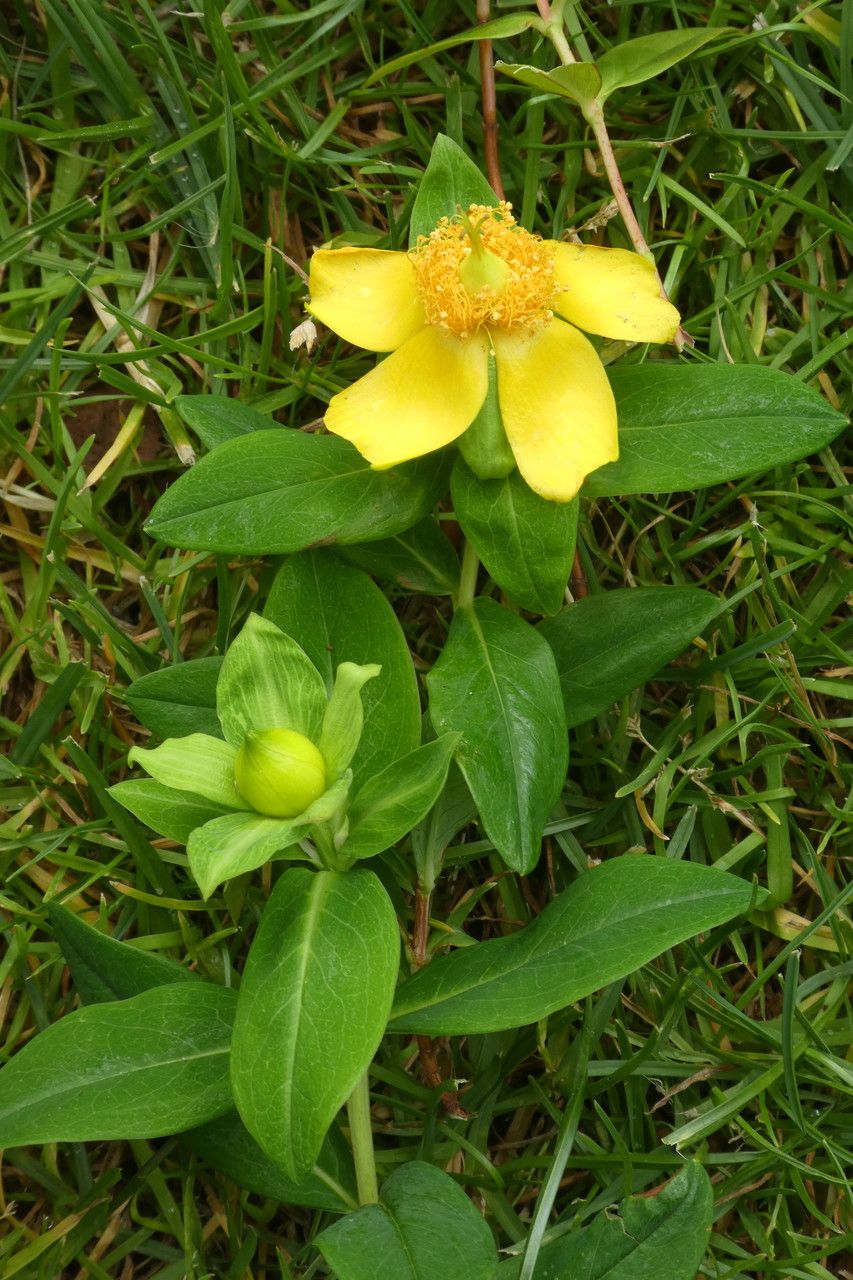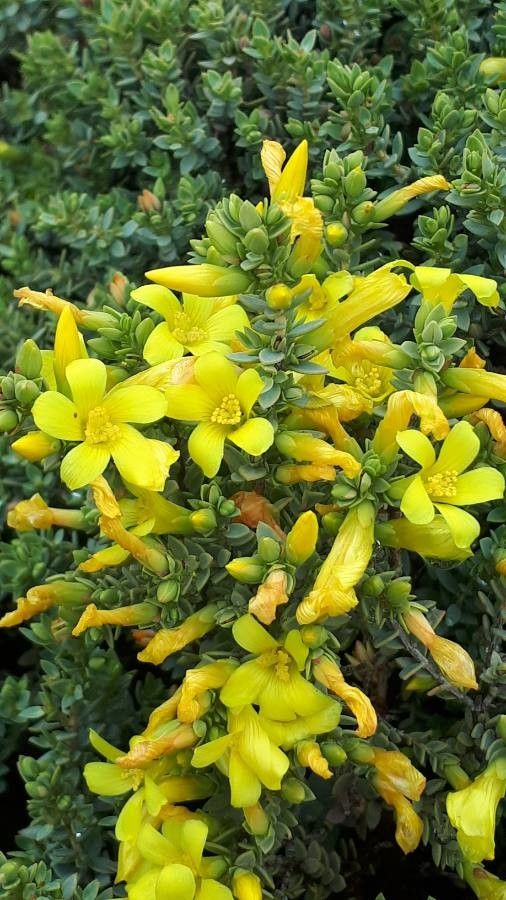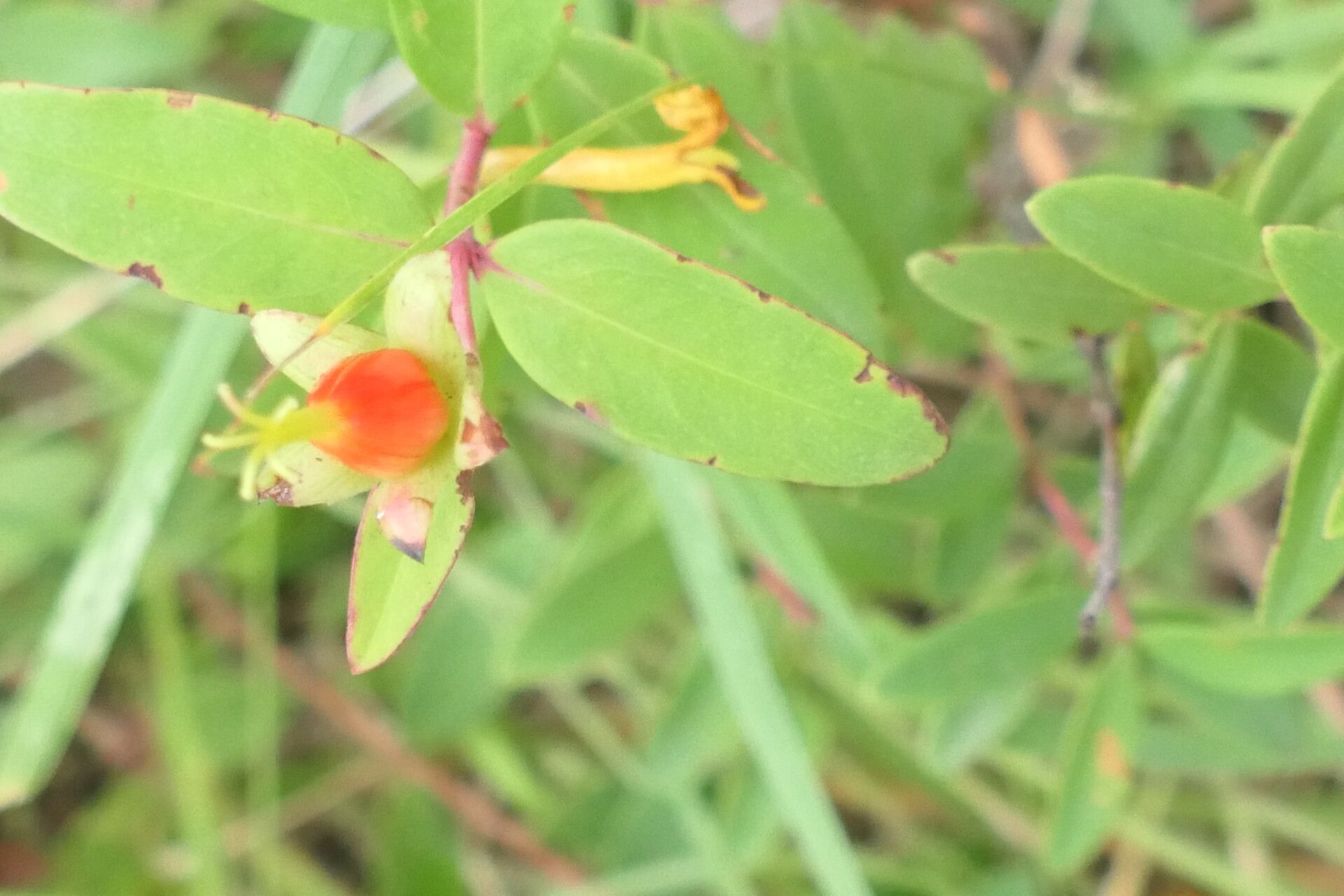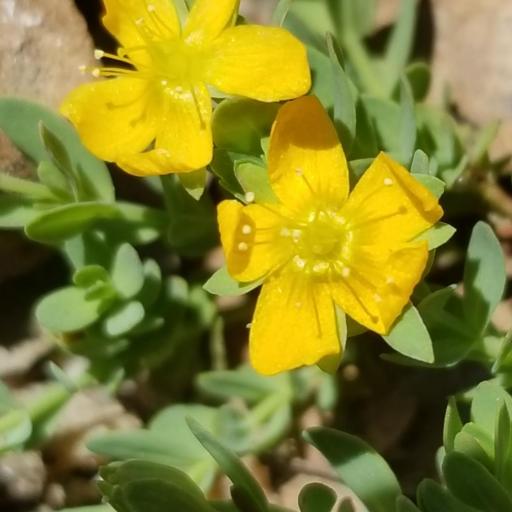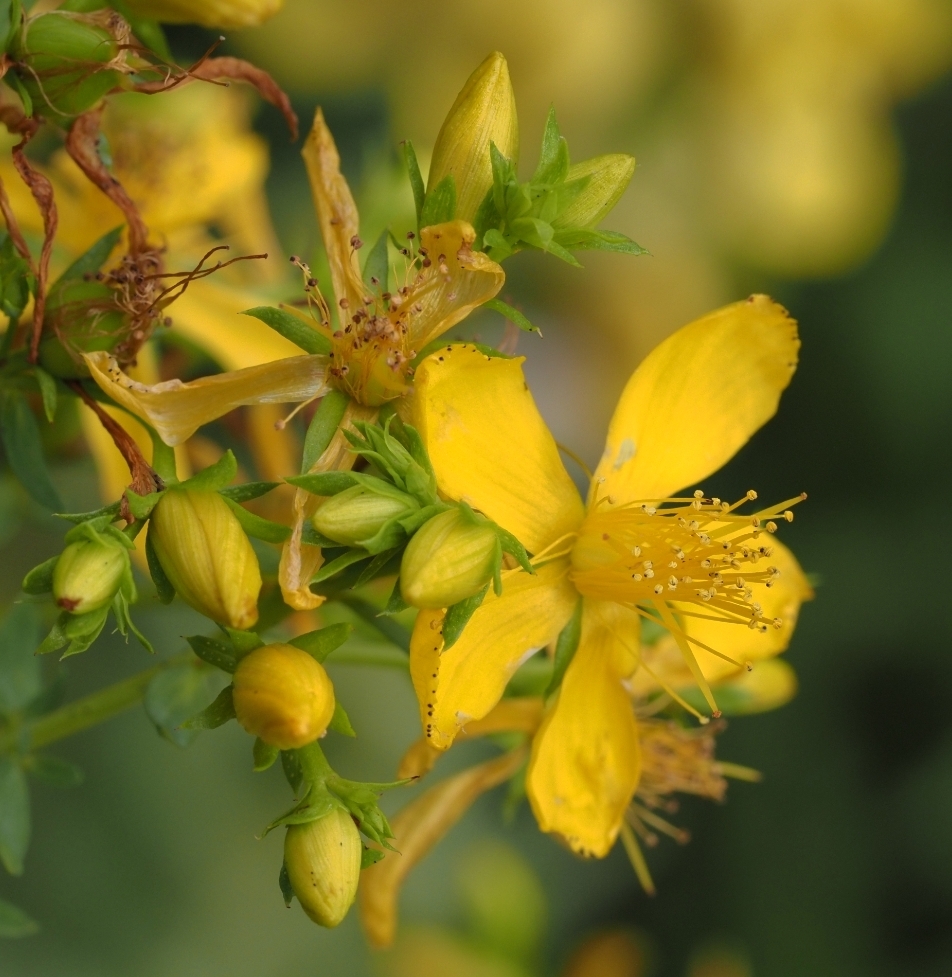
Hypericum perforatum, known as St. John's wort, is a flowering plant in the family Hypericaceae and the type species of the genus Hypericum. Possibly a hybrid between H. maculatum and H. attenuatum, the species can be found across temperate areas of Eurasia and has been introduced as an invasive weed to much of North and South America, as well as South Africa and Australia. While the species is harmful to livestock and can interfere with prescription drugs, it has been used in folk medicine over centuries, and remains commercially cultivated in the 21st century. Hyperforin, a phytochemical constituent of the species, is under basic research for possible therapeutic properties.
Common St. John's wort gets its name from its blooming period, which coincides with the summer solstice in late June, around St. John's Feast Day on June 24th. Traditionally, people hung this herb on the doors of their homes and barns on St. John's Feast Day, believing it would protect them and their livestock from evil spirits, harm, and illness.
St. John's Wort has strong disease resistance and is generally not prone to illnesses. Still, it can be affected by pests and diseases present in its surroundings. Such infections are typically mild. Regarding care, this plant needs a moderate amount of attention. It should be pruned regularly to preserve an attractive appearance and support healthy growth. Applying fertilizer can also encourage flowering. St. John's Wort is appropriate for anyone with outdoor space, like a garden or patio, and does not demand extensive gardening experience. It may need extra care when grown indoors.
How to keep Hypericum Perforatum.
Light
St. John's Wort prefers plenty of sun and will thrive in abundant sunlight, though it does not require constant exposure. It can also tolerate and survive with reduced light when necessary. These needs reflect its native habitat, which is generally tolerant of strong sun. Both insufficient and excessive sunlight can negatively affect its healthy growth.
Water
Common St. John's wort thrives in temperate regions and prefers moderate soil moisture without becoming waterlogged. Watering it once a week helps maintain optimal hydration. It is a resilient plant that performs better outdoors, where it benefits from natural rainfall patterns that align with its growth cycles.
Temperature
The st. John's Wort plant originates from temperate regions and prefers temperatures between 5 to 35 ℃ (41 to 95 ℉) for optimal growth. In winter, it's advisable to maintain temperatures above 5 ℃ (41 ℉) to prevent damage, while in hot summers providing some shade and watering can help the plant tolerate warmer conditions.
Fertilizer
One fertilizer application in spring is generally enough for St. John's Wort, although several feedings can optimize growth. Fertilize every month to every month and a half. Feeding improves the appearance and function of the leaves, helping maintain even color and a healthy texture. It also promotes root development and nutrient uptake, supporting the plant's long-term health.
Pruning
Common St. John's Wort requires minimal pruning. To encourage growth, trim 1/5 to 1/4 of the branch length by late spring. Winter is the best time for more extensive pruning. As perennials, these plants can be cut back completely to regenerate. However, due to their short lifespan, it may be worth replacing old plants with new seedlings.
Botanical profile.
- Plant Type
- Herb
- Life Cycle
- Perennial
- Genus
- Hypericum
- Family
- Hypericaceae
- Hardiness Zone
- 4-9
- Mature Height
- 30 cm to 91 cm
- Mature Spread
- 30 cm to 61 cm
- Leaf Color
- Green
- Leaf Type
- Deciduous
- Flower Color
- Yellow, Gold
- Flower Size
- 2.03 cm to 3.56 cm
- Bloom Time
- Early summer, Mid summer
- Planting Time
- Autumn, Winter
- Harvest Time
- Mid summer
- Native Area
- Turkey, Sweden, India, Austria, Slovakia, Montenegro, Pakistan, Slovenia, Morocco, Croatia, Belarus, Uzbekistan, Iraq, Germany, Estonia, Romania, Belgium, Portugal, Netherlands, Saudi Arabia, France, Tajikistan, Tunisia, Czech Republic, Cyprus, Bulgaria, Poland, Armenia, Greece, Ukraine, Serbia, Lebanon, China, Norway, Afghanistan, Syria, Kyrgyzstan, Kazakhstan, Italy, Switzerland, Denmark, Mongolia, Israel, Finland, Bosnia and Herzegovina, Iran, Albania, Ireland, United Kingdom, Hungary, Algeria, Turkmenistan
Other names.
Reader questions.
How should I water my Common St. John's wort plant?
To properly water the Common St. John's wort, use filtered water at room temperature. Tap water may have harmful particles, so filtered water is preferable. The plant prefers warm conditions, so avoid using cold water as it can shock the plant. Instead of overhead watering, apply filtered room temperature water directly to the soil until it is fully soaked. This helps moisten the roots, aiding in their growth and nutrient absorption.
When should I fertilize my Common St. John's Wort for the best results?
If you grow your Common St. John's wort outdoors each year, it will send out new growth in early spring. This is a signal to start fertilizing for the year. Usually, one application of fertilizer in the spring is sufficient. However, if you want to promote maximum growth, you can fertilize multiple times during the spring and early summer. In this case, you can feed your Common St. John's wort once every month to a month and a half.
What are the sunlight requirements for Common St. John's Wort?
Common St. John's Wort thrives best under generous sunlight, ideally above 6 hours of direct sunlight per day, classified as full sun. It can also grow in partial sun, requiring about 3-6 hours of sunlight. However, it's adaptable and can survive with less sunlight if necessary, reflecting its native habitat's robust sunlight conditions. Attention to the right balance of light and shade is vital to ensure the plant's healthy growth, as both insufficient and excessive sunlight can have adverse effects.
What are the optimal growth temperatures for Common St. John's wort?
Common St. John's wort thrives in temperate climates, preferring temperatures between 5°C (41°F) and 35°C (95°F) for optimal growth. To prevent damage, it's advisable to maintain temperatures above 5°C (41°F) during winter and offer some shade and watering during hot summers to help the plant adjust. Despite its strong cold resistance, if temperatures are expected to drop below the critical limit (not specified), steps should be taken to protect the plant from frost by covering it with materials such as soil or straw. Additionally, watering the plant abundantly before the first freeze in autumn helps ensure the soil remains moist, aiding the plant through winter and early spring.
What should I do if I give my Common St. John's wort too much or too little water?
Overwatering is a common issue that can harm your Common St. John's wort. It can cause wilting and yellowing of the leaves and stems. Over time, it can also lead to root rot, mold, and mildew, which can be fatal for the plant. Underwatering is less common, but it can still happen. In this case, the leaves of the plant will become brittle and brown. It is important to recognize the signs of overwatering early on to prevent irreversible damage. If you notice these signs, reduce your watering frequency and consider using well-draining soil. If you suspect underwatering, simply water your plant more regularly until the symptoms improve.
When is the best time to not add plant food to my Common St. John's wort?
During late fall and winter, your Common St. John's wort goes into a dormant phase with no new growth. So, avoid fertilizing it then. In spring and summer, if you choose to fertilize multiple times, start reducing the amount as summer approaches because the growth rate of your Common St. John's wort slows down too. Remember, it's not a good idea to fertilize during extremely hot weather or when the soil is exceptionally dry. Doing so can stress your Common St. John's wort and cause it to die early.
How does artificial lighting support plant growth indoors?
Indoor plants, including Common St. John's Wort, may require artificial lighting to thrive, especially when natural sunlight is inadequate. Artificial lights, such as LEDs, are beneficial for providing the wavelengths of light plants need for optimal growth. Full sun plants need about 30-50W/sq ft of artificial light, partial sun plants require 20-30W/sq ft, and full shade plants 10-20W/sq ft. The light source should be placed 12-36 inches above the plant, simulating natural sunlight's distance, and kept on for 8-12 hours per day to mimic natural daylight hours for the species.
How should I care for Common St. John's wort in cold temperatures?
Common St. John's wort is notable for its cold tolerance. It's best kept at temperatures above the unspecified minimum suitable growth temperature. During winter, temperatures should not drop below the minimum tolerable growth temperature. If temperatures fall below the critical growth limit, while there might not be apparent changes in the plant during winter, you might observe decreased sprouting or even absence of sprouting in spring. The recommended action for spring is to remove any parts of the plant that have failed to sprout, ensuring healthier growth moving forward.
How often do I need to water my Common St. John's wort plant?
If you have a potted plant, the best way to determine if your Common St. John's wort needs water is to stick your finger in the soil. If the top two to three inches are dry, it's time to water. If your Common St. John's wort is planted outside, you can use the same method. When the top few inches of soil are dry, it's time to water. Typically, during spring and early fall, you should water this plant about once a week. However, during extremely hot weather, you may need to water it twice or more per week. It's worth noting that mature, well-established Common St. John's wort can handle drought quite well.
How can I make my Common St. John's wort grow better?
To ensure the healthy growth of your Common St. John's wort, wait for the first leaves to emerge in early spring. Once you see the leaves, apply a balanced slow-release fertilizer to the soil around the plant's base. You can repeat this process later in the season if desired. Remember to apply the fertilizer to the soil, not the plant itself, even if you need to move some leaves aside. It is also recommended to water the plant before and after fertilizing.
What are the symptoms of inadequate lighting for St. John's Wort?
Common St. John's Wort shows several symptoms when exposed to inadequate lighting, including smaller new leaves, leggy or sparse growth, faster leaf drop, slowed or halted growth, and lighter-colored new leaves. Excess sunlight can lead to chlorosis (loss of green leaf color), sunscald (damage from intense light), leaf curling (to minimize sunlight exposure), wilting (from excess water loss), and leaf scorching (brown, dry leaf edges). These symptoms indicate the need for lighting adjustments to promote healthy plant growth.
What are the effects of high temperatures on Common St. John's wort and how can I mitigate them?
In summer, it's essential to keep Common St. John's wort at temperatures below the specified maximum suitable growth temperature. Exposure to temperatures above the tolerable maximum can result in lighter leaf color, curling, susceptibility to sunburn, and in extreme cases, wilting and drying of the entire plant. To mitigate these issues, you should trim away any sunburned and dried-up parts of the plant. Move the plant to a shaded location during midday and afternoon sun or use a shade cloth. Also, watering the plant in the morning and evening helps keep the soil adequately moist, supporting the plant's health during high temperatures.