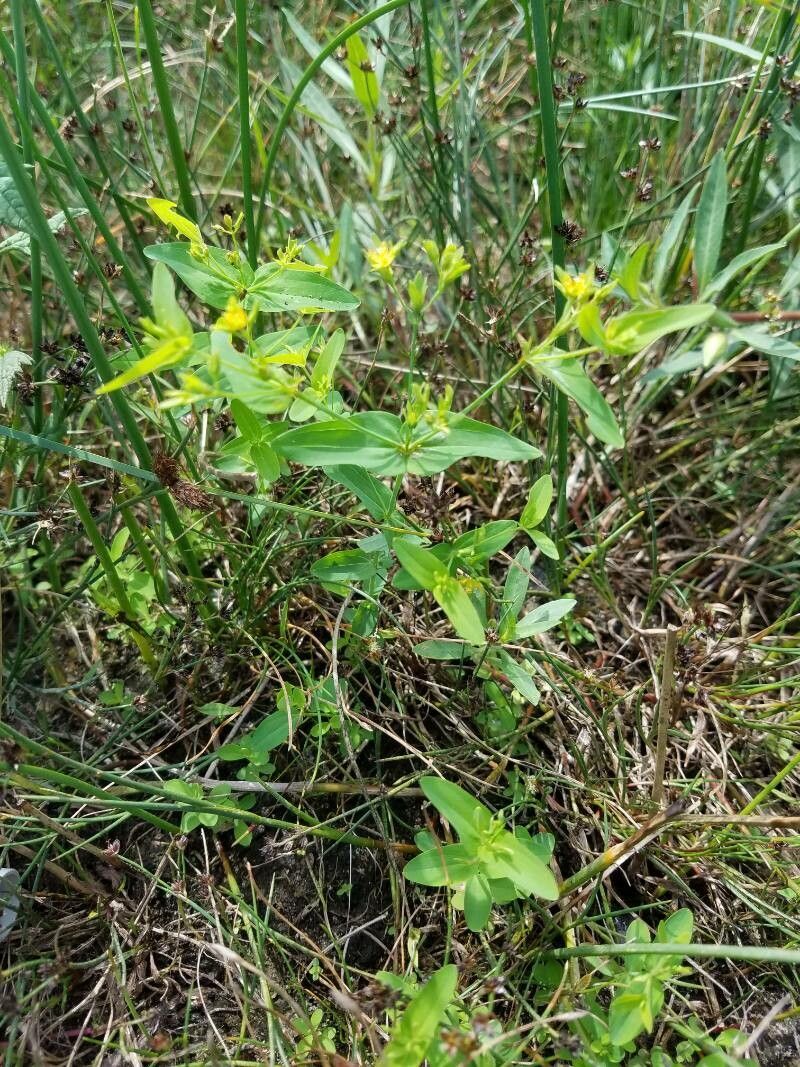
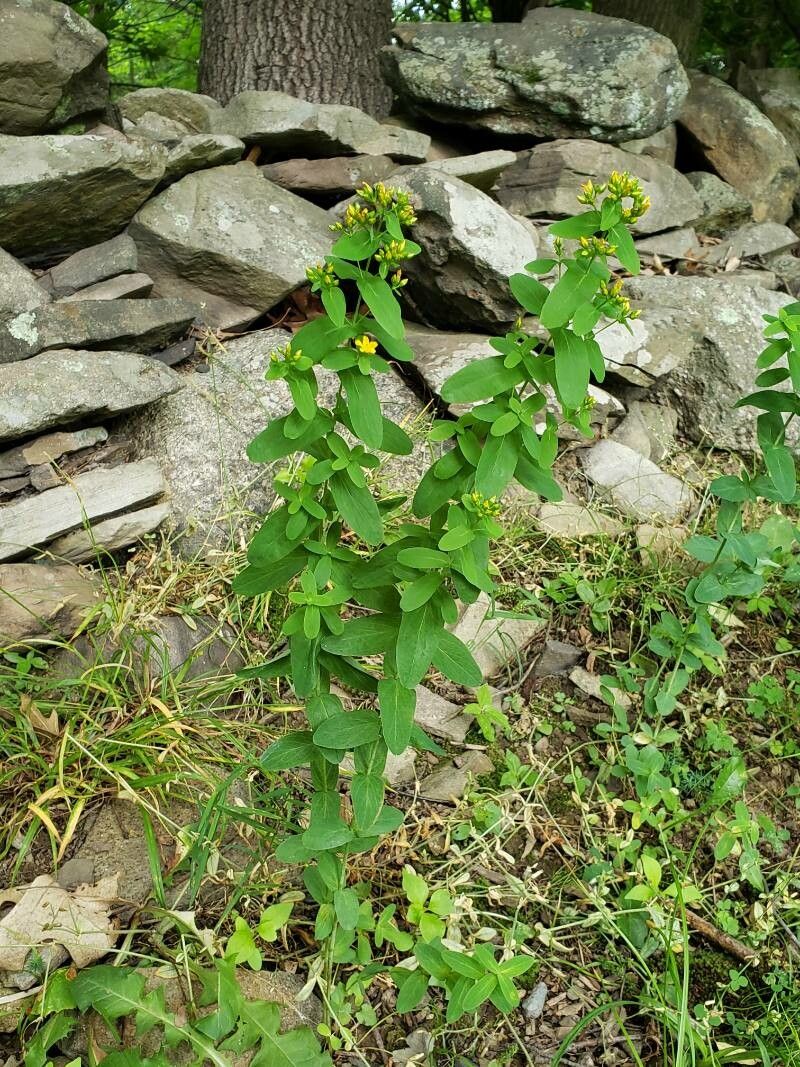
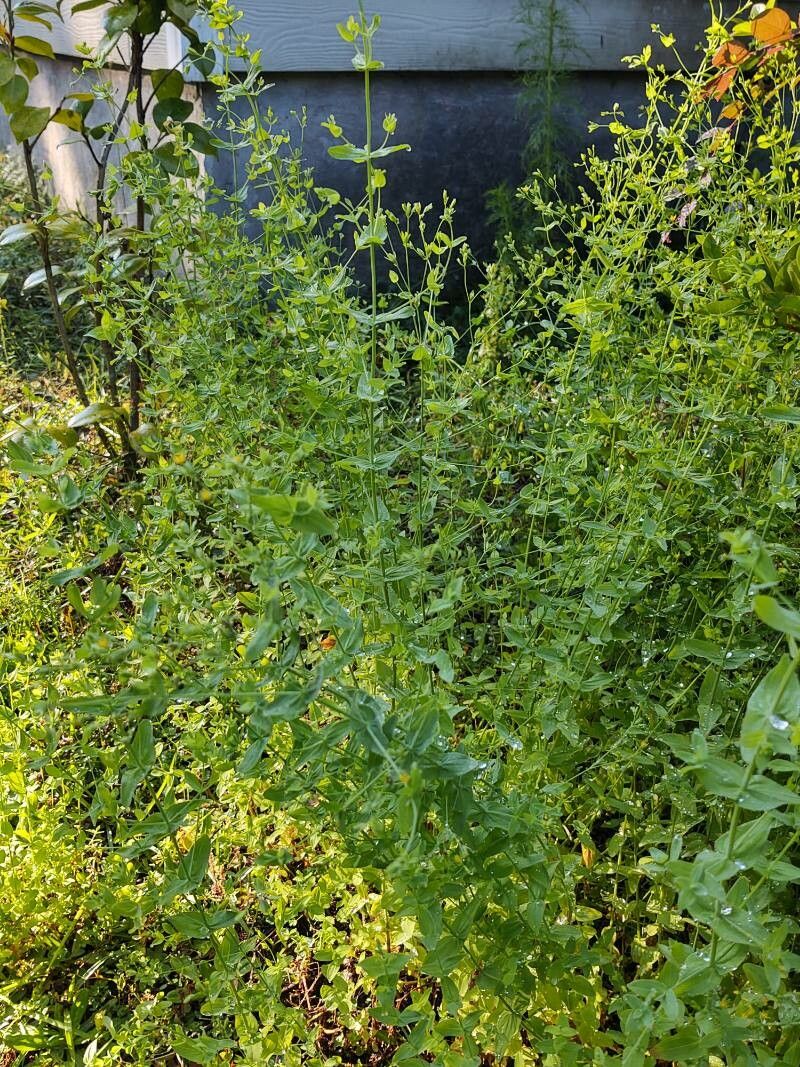
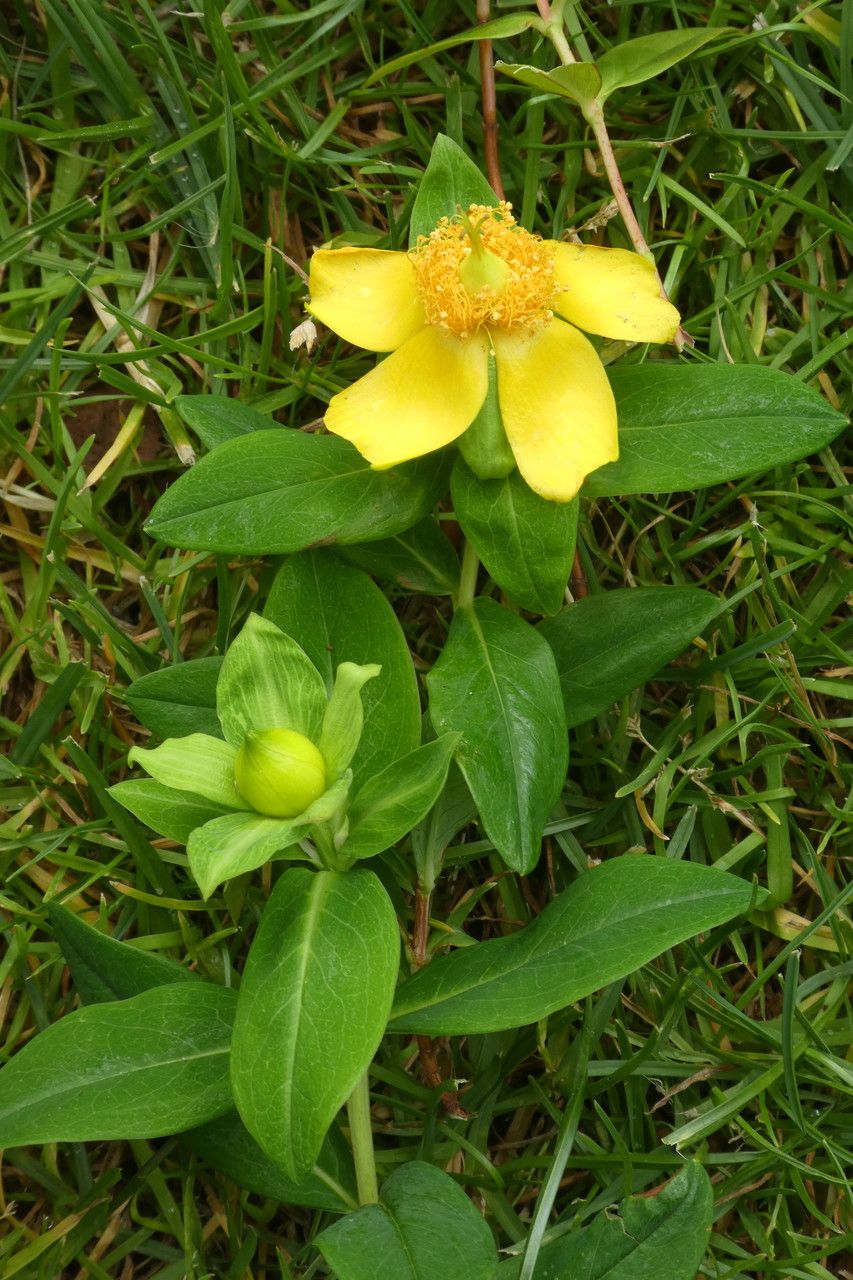
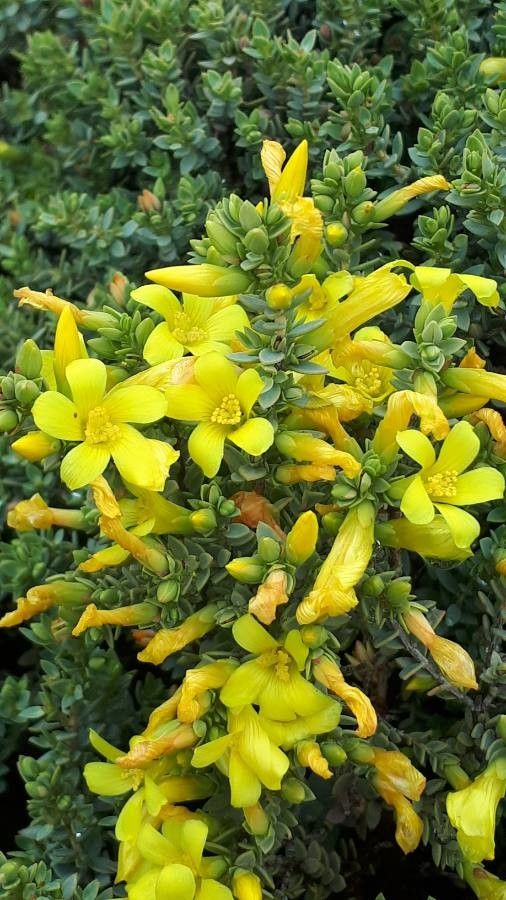
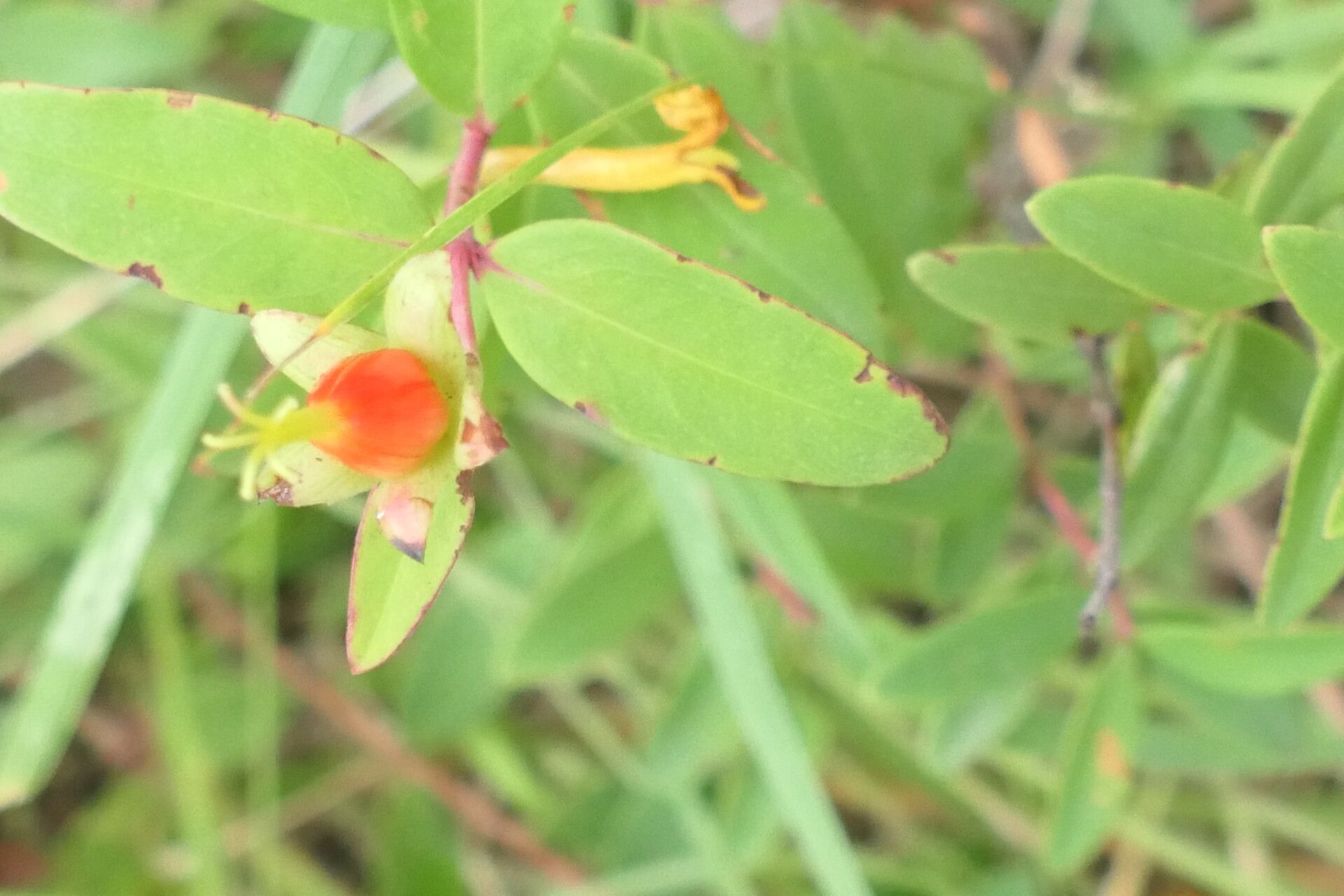
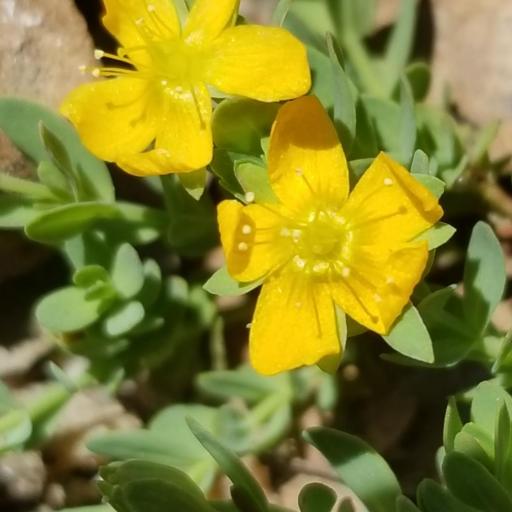
Hypericum mutilum, commonly known as dwarf St. John's wort, is a small perennial herbaceous plant in the Hypericaceae family. Native to North America, this plant thrives in a variety of habitats, including meadows, forests, and wetlands.
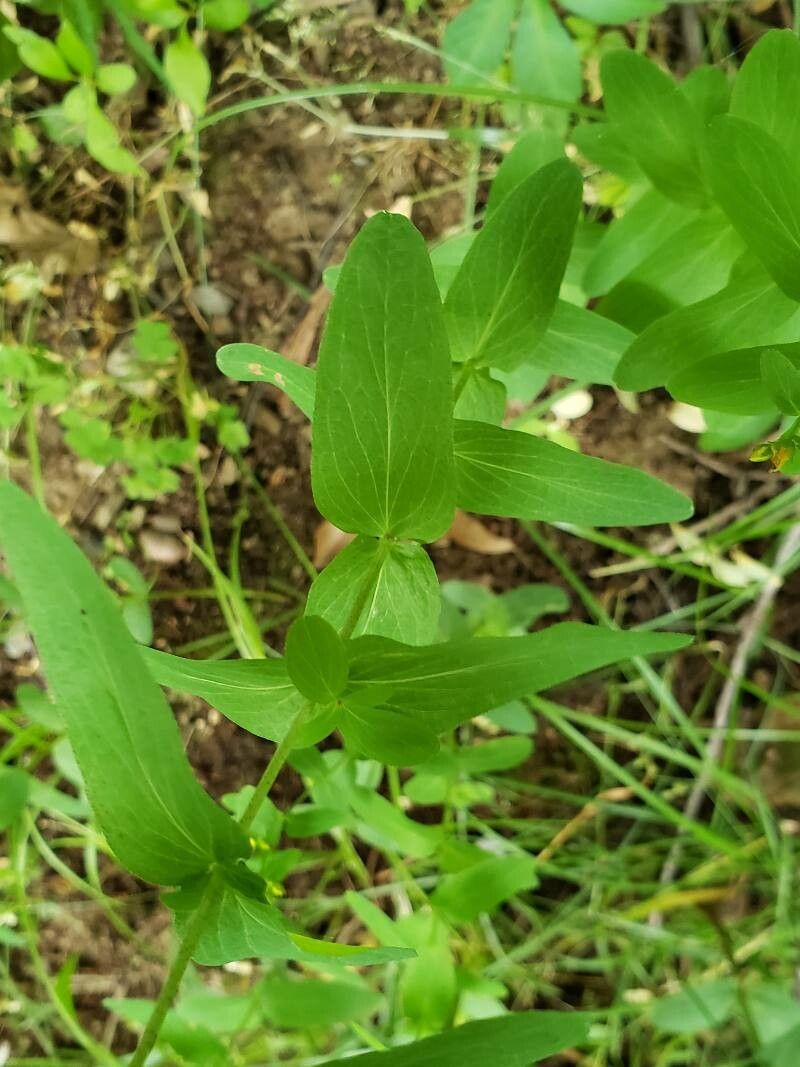
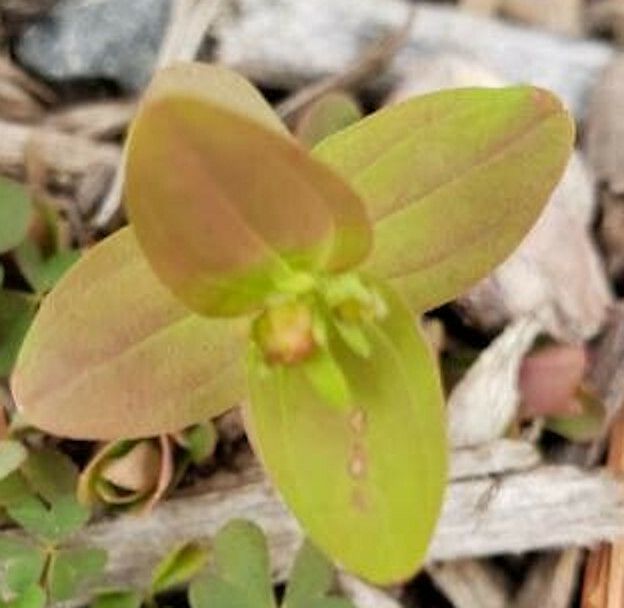
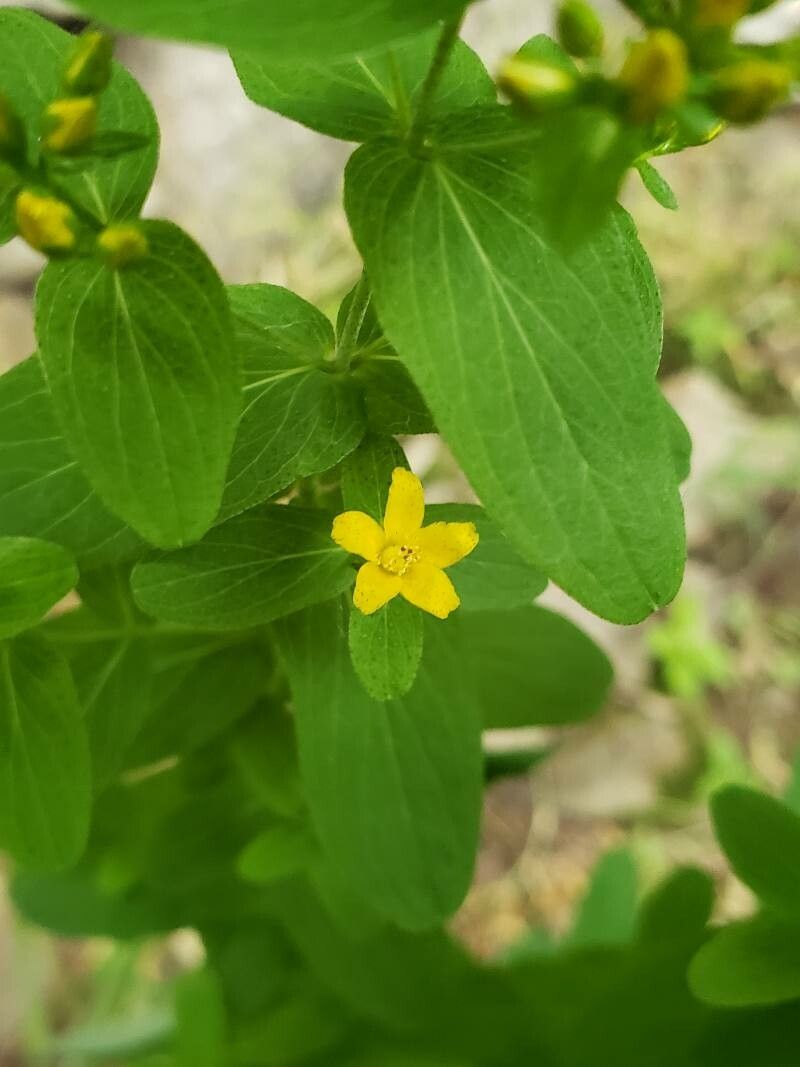
Growing up to 30 cm tall, the plant features a woody base with numerous branches. Its leaves are opposite, narrow-elliptic in shape, with smooth margins, and measure approximately 1-2 cm in length. The bright yellow flowers, each with five petals, bloom from June to August.
Hypericum mutilum has a long history of medicinal use among Native Americans, who employed it as a remedy for various ailments such as depression, anxiety disorders, and wound healing.
The plant contains hypericin, which is believed to have antidepressant properties due to its ability to inhibit the reuptake of serotonin in the brain. Additionally, it contains flavonoids known for their anti-inflammatory properties, which help reduce swelling and pain.
Beyond its medicinal uses, Hypericum mutilum plays an important ecological role by providing food sources for pollinators like bees and butterflies.
In summary, Hypericum mutilum is a valuable plant species both medicinally and ecologically, making it a crucial component of North American flora and biodiversity conservation efforts.
Dwarf St. John's wort is fairly disease-resistant and generally not prone to illnesses. However, it can be affected by pests and diseases present in its environment. These problems are typically not serious. In terms of care, this plant requires moderate maintenance. It should be pruned regularly to maintain a neat appearance and healthy growth. Fertilizing can also help encourage flowering. Dwarf St. John's wort is suitable for anyone with outdoor space, such as a garden or patio, and does not need extensive plant-care experience. It may need more attention when grown indoors.
How to keep Hypericum Mutilum.
Light
Dwarf St. John's wort prefers moderate sunlight and should avoid intense light. Originating from habitats with filtered sun, it performs best in similar conditions. Excessive exposure can harm its health. Adequate sunshine—not necessarily strong—is important at every growth stage of this dwarf species for healthy development.
Water
Dwarf St. John's Wort flourishes in moist environments and needs regular watering to stay healthy. To replicate its natural wetland habitat, water it weekly. As a herbaceous perennial, it is best to plant dwarf St. John's Wort outdoors, where it can take advantage of natural rainfall and maintain the right moisture levels throughout the year.
Temperature
Dwarf St. John's wort comes from temperate regions and prefers warm conditions of 68 to 100 °F (20 to 38 ℃). For best growth, keep temperatures within that range and adjust them as the seasons change.
Fertilizer
When most of the Dwarf St. John's wort blooms are fully open, resume fertilizing. At the peak of bloom production, apply fertilizer every three to four weeks, weather permitting. Once the plant begins to produce fewer new blooms, stop fertilizing—there is no need to feed it when it can no longer produce more flowers.
Pruning
Dwarf St. John's wort is a low-growing plant recognized for its vibrant yellow flowers. To maintain its health and appearance, prune the plant between early and late spring. This helps remove dead wood, stimulate growth, and improve flowering. Additionally, thinning crowded sections enhances air circulation and sunlight exposure, which promotes a dense and attractive form throughout the growing season.
Botanical profile.
- Plant Type
- Herb
- Life Cycle
- Annual, Perennial
- Genus
- Hypericum
- Family
- Hypericaceae
- Hardiness Zone
- 4-11
- Mature Height
- 15 cm to 61 cm
- Mature Spread
- 20 cm to 40 cm
- Leaf Color
- Green, Dark Green
- Leaf Type
- Deciduous
- Flower Color
- Yellow, Gold
- Flower Size
- 0.25 cm to 0.51 cm
- Bloom Time
- Summer, Early fall
- Planting Time
- Spring, Summer, Autumn
- Harvest Time
- Late summer, Fall
Other names.
Reader questions.
How should I water my Dwarf St. John's wort?
To water Dwarf St. John's wort, you have a few options: use a garden hose with a spray nozzle, a watering can, or any other common watering tool. This plant is not too particular about its water source, so rainwater, tap water, and filtered water all work fine. However, it's best to avoid watering from above as it can harm the leaves and flowers and potentially cause disease. A drip irrigation system is often the most effective watering method for Dwarf St. John's wort because it delivers water evenly and directly to the soil. For container-grown Dwarf St. John's wort, a similar watering approach can be used, but with different tools. Use a cup, watering can, or tap water to apply water directly to the soil of the container plant.
What are the sunlight requirements for Dwarf St. John's Wort?
Dwarf St. John's wort requires partial sun, which means about 3-6 hours of sunlight daily. It's important to observe how sunlight moves through your garden to choose spots that offer the optimal balance of light and shade, ensuring the plants' well-being. Moderation is key as both under and overexposure to sunlight can harm the plant's health. Originally from habitats with filtered sunlight, it thrives best under those conditions, favoring sufficient but not necessarily intense sunlight throughout its growth stages.
What is the native climate for Dwarf St. John's Wort?
Dwarf St. John's wort, botanically known as Hypericum mutilum, thrives in temperate climates, preferring temperatures between 68 to 100 °F (20 to 38 °C) for optimal growth. This range is crucial for its development, emphasizing the need for temperature adjustments with seasonal changes to maintain its health and growth.
What should I do if I give my Dwarf St. John's wort too much or too little water?
To prevent underwatering Dwarf St. John's wort, simply water it more regularly when you notice it lacks moisture. Overwatering, on the other hand, can cause serious issues like diseases and death. To avoid this, choose a sunny location with good drainage to prevent water from sitting and causing waterlogged soil. If your potted Dwarf St. John's wort is overwatered, consider changing it to a new pot with better drainage and loose soil.
How can artificial lighting be used for indoor plants?
For indoor plants, when natural sunlight is inadequate, artificial lighting becomes crucial for promoting healthy growth. LED lights are a popular choice due to their ability to provide specific wavelengths needed by plants. For optimal growth, full sun plants require 30-50W/sq ft, partial sun plants need 20-30W/sq ft, and full shade plants need 10-20W/sq ft of artificial light. The light source should be placed 12-36 inches above the plant to mimic natural sunlight and kept on for about 8-12 hours per day to mimic natural daylight hours, depending on the plant species.
Does Dwarf St. John's Wort need special frost protection measures during winter?
Dwarf St. John's wort exhibits strong cold resistance, generally obviating the need for special frost protection measures during winter. However, if temperatures are anticipated to plummet below -30°C, it's important to safeguard the plant against the cold. This is achievable by insulating the plant with soil or straw coverings. Additionally, it's advised to water the plant abundantly before the first freeze in autumn, ensuring the soil remains moist and becomes frozen, which aids in preventing drought and water scarcity for the plant throughout the winter and early spring periods.
How often do I need to water my Dwarf St. John's wort?
Dwarf St. John's wort needs regular watering during the growing season. In spring, water once per week. As it gets warmer, increase watering to two to three times per week, but be careful not to exceed this rate as it can harm the plant. The soil should be moist but not wet. Watering Dwarf St. John's wort in a pot is different. Potted plants may dry out faster, so water them a few times per week, compared to just once per week for plants in the ground.
What are the symptoms of inadequate lighting for Dwarf St. John's Wort?
Under inadequate light, Dwarf St. John's wort may exhibit symptoms such as smaller new leaves, leggy or sparse growth, faster leaf drop, slower or no new growth, lighter-colored new leaves, chlorosis, sunscald, leaf curling, wilting, and leaf scorching. These symptoms range from physical deformities and discoloration to growth issues, indicating the plant's struggle with either too little or too much sunlight.
How does Dwarf St. John's Wort respond to low temperature conditions?
In its natural resilience, Dwarf St. John's wort withstands cold efficiently, flourishing best when temperatures are above 20°C and maintaining well above 0°C during winter. Notwithstanding, when temperatures dive below -30°C, the plant might not exhibit visible stress in winter, but it's likely to face decreased sprouting or fail to sprout at all in spring. In such cases, the best course of action is to remove any parts of the plant that have not sprouted as spring arrives.
How much water does my little St. John's wort plant require?
Determining how much water to give your Dwarf St. John's wort can be approached in a few different ways. One method is to feel the soil to assess moisture and water until the first six inches are moist. Alternatively, you can use a set measurement, such as approximately two gallons per week, taking into account factors like temperature and soil dryness. It's important to be mindful of overwatering if your plant requires less water than the set guideline. When growing in a container, a different method is needed. Moistening all dry layers of soil and testing for moisture by sticking your finger in the soil or observing excess water drainage can help determine the proper watering amount.
What solutions can help improve light conditions for Dwarf St. John's Wort?
Improving light conditions involves gradual adaptation and the use of artificial light if necessary. Gradually shift the plant to sunnier spots or use artificial lighting for plants that are large or not easily movable. For outdoor plants, avoid sudden changes in light intensity to prevent sunburn. If trees obstruct sunlight, consider pruning them to allow more light through. For smaller plants, transplanting during their dormant period to a location with better sunlight and drainage might be beneficial. Note that parts of the plant damaged by insufficient sunlight may not recover, but new growth after adjusting light conditions should be healthy.
What should be done if Dwarf St. John's Wort experiences high temperatures?
Summer poses a unique challenge for the Dwarf St. John's wort if temperatures crest above 38°C. The plant's leaves may lighten in color, become prone to curling, suffer from sunburn, and in extreme scenarios, the entire plant may wilt and dry out. To ameliorate these conditions, the recommended steps include trimming the sunburned and dried-up areas of the plant. Furthermore, relocating the plant to a shaded location or employing a shade cloth to mitigate the harsh midday and afternoon sun is advisable. Adequate watering in the morning and evening is crucial to maintain soil moisture and support the plant's well-being during higher temperatures.