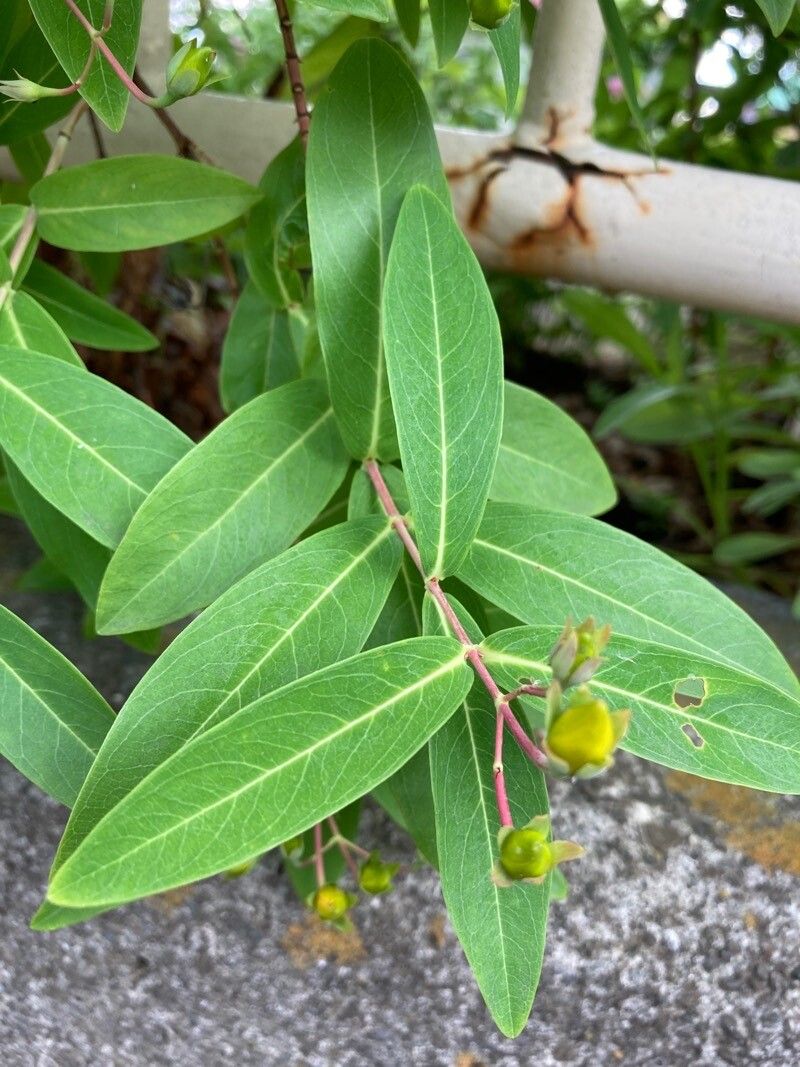
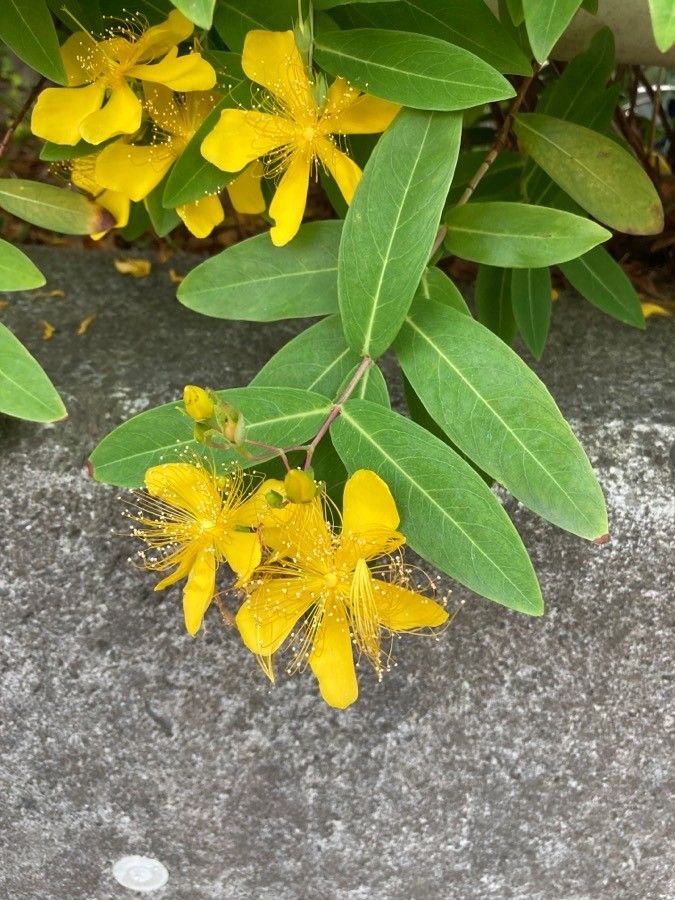
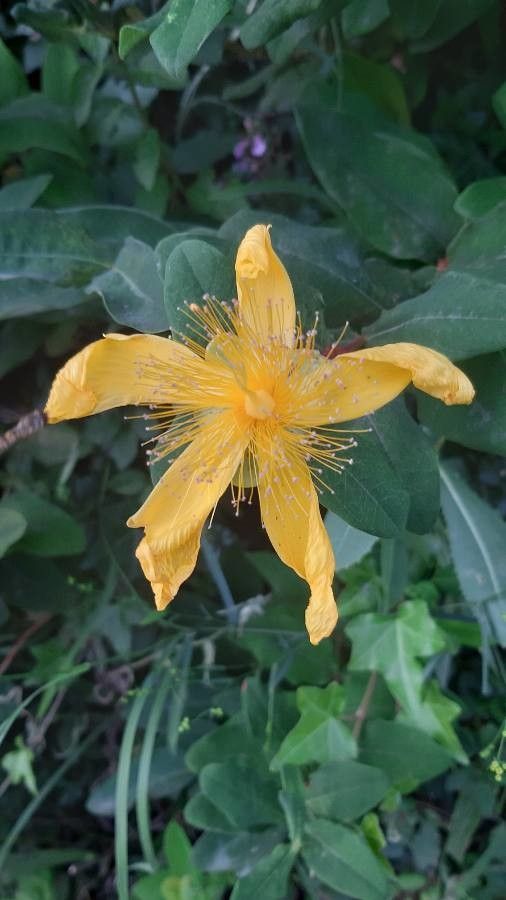
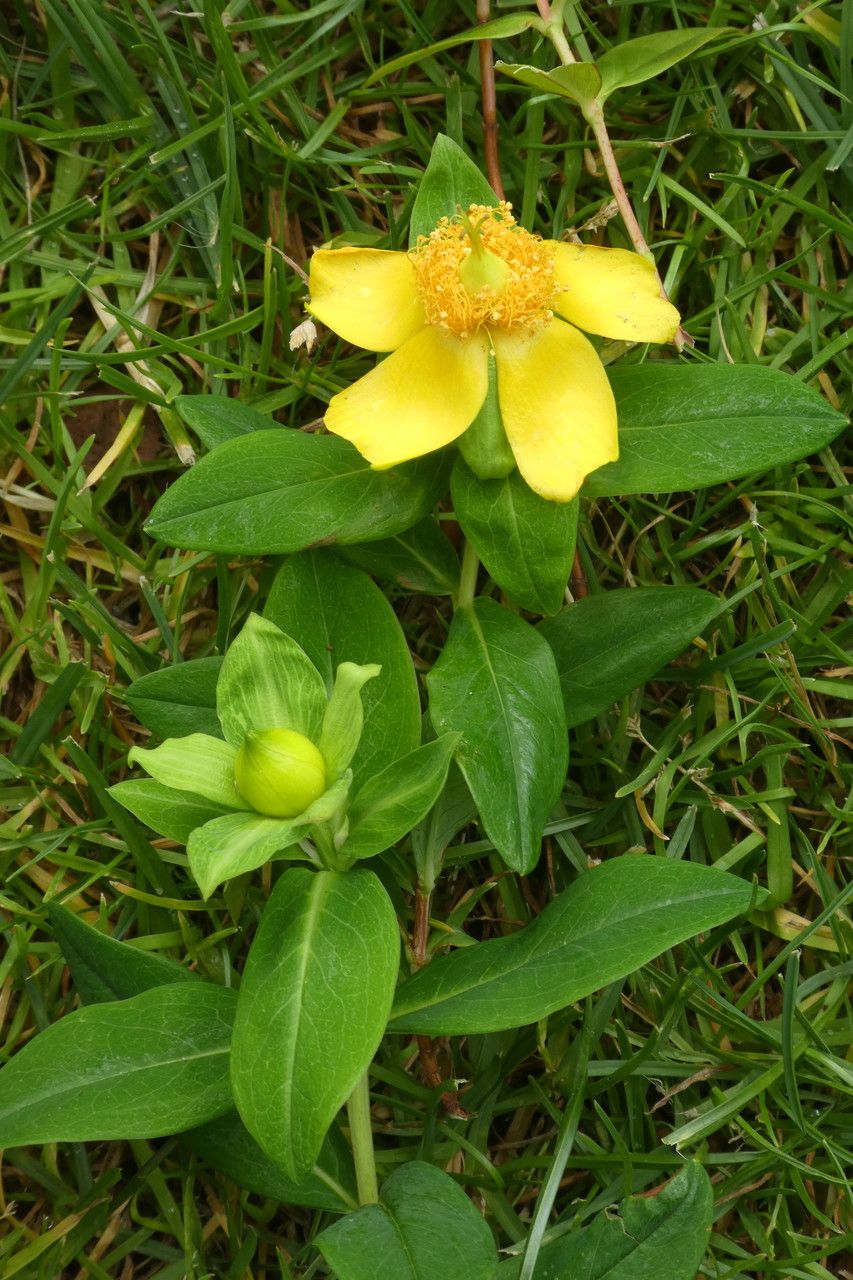
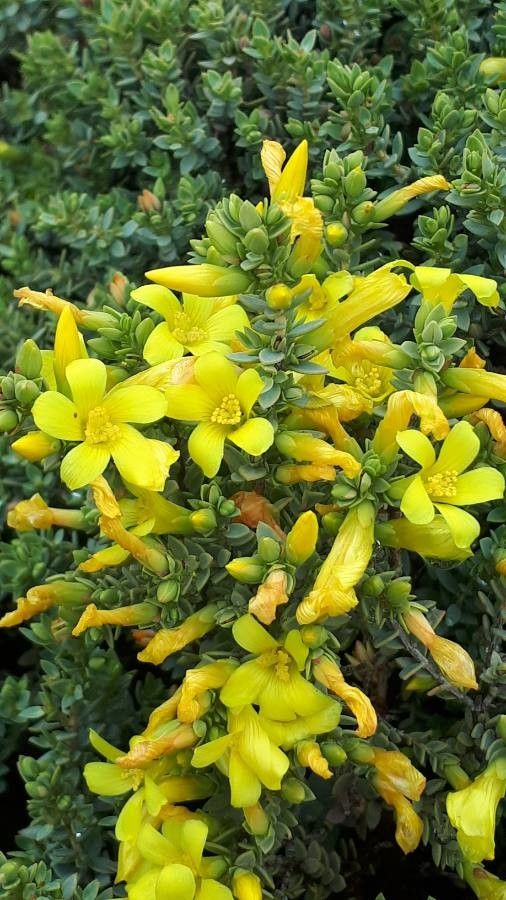
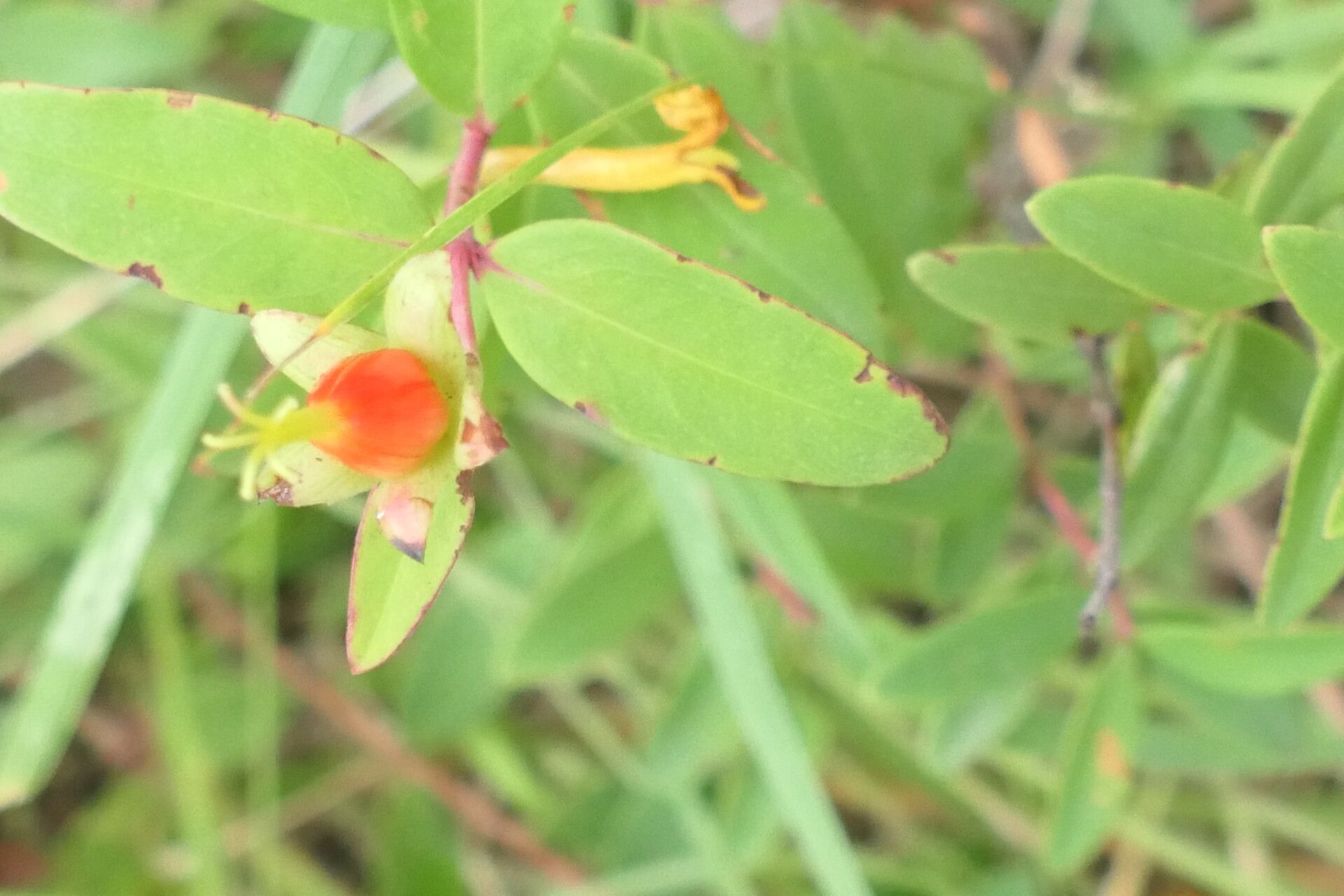
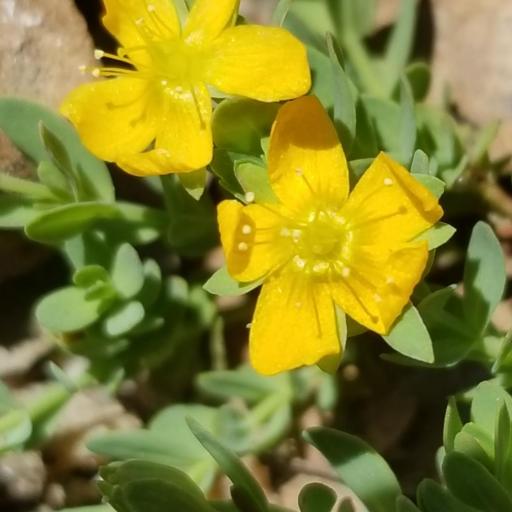
Chinese St. John's Wort: The name "St. John's Wort" for the Chinese variety is linked to its flowers, which bloom and are harvested on St. John's Day, June 24th, around the summer solstice. All plants within the genus Hypericum are generally referred to as St. John's wort. However, Hypericum monogynum is specifically known as Common St. John's Wort.
Chinese St John's wort has strong resistance to disease and is usually not susceptible to illnesses. In terms of care, this plant is fairly low-maintenance. When grown outdoors it needs little water, and larger plants usually do not require pruning. Smaller plants, however, should be trimmed after they have finished flowering. Chinese St John's wort is suitable for anyone with an outdoor area, such as a garden or a deck, and does not demand much gardening experience.
How to keep Hypericum Monogynum.
Light
Chinese St John's wort prefers several hours of uninterrupted daily sunlight for optimal growth and health, yet it can tolerate moderate light levels. Both excessive and insufficient sun exposure can affect its growth. It typically originates from environments with abundant solar radiation.
Water
Chinese St John's wort grows best in moist, well-drained soil and needs consistent moisture, requiring watering every two weeks. Since it is adapted to temperate regions, it is important to adjust the watering schedule according to seasonal rainfall patterns and local climate conditions.
Temperature
Chinese St John's wort needs moderate temperatures to do well, with an ideal range of 59 to 100 °F (15 to 38 °C). It occurs naturally in regions with mild winters and hot summers. Consider adjusting indoor temperatures to mimic that climate by providing extra heat and insulation during the colder months.
Fertilizer
The timing of fertilizing Chinese St John's wort is important. Apply fertilizer in early spring and repeat monthly until early summer. Fertilizer promotes attractive blooms and supplies energy during both dormant and active growth phases.
Pruning
The Chinese St. John's Wort is known for its vibrant yellow flowers and dense growth. To maintain its health and appearance, prune the plant in early spring by removing any dead branches and thinning out the center. This allows for better air circulation, which promotes bushiness and abundant blooming. Be sure to use clean, sharp tools to minimize any damage to the plant.
Pot & Repot
When repotting Chinese St John's wort, select a pot 1-2 inches (2.5–5.1 cm) bigger that provides ample drainage. Use a well-draining potting mix. Repot during spring or fall, making sure the root ball sits slightly below the rim of the flower pot. Water thoroughly after repotting and keep it in a warm place with indirect sunlight.
Botanical profile.
- Plant Type
- Shrub
- Life Cycle
- Perennial
- Genus
- Hypericum
- Family
- Hypericaceae
- Hardiness Zone
- 8-11
- Mature Height
- 0.49 m to 1.22 m
- Mature Spread
- 49 cm to 91 cm
- Leaf Color
- Green
- Leaf Type
- Semi-evergreen
- Flower Color
- Yellow
- Flower Size
- 3.05 cm to 6.35 cm
- Bloom Time
- Late spring, Early summer, Mid summer
- Planting Time
- Spring, Autumn
- Harvest Time
- Mid summer
- Native Area
- China
Reader questions.
How should I water my Chinese St John's wort?
To promote excellent root development, place a garden hose at the base of the plant. Avoid spraying the leaves directly, especially if they are exposed to direct sunlight outdoors. Instead, consider using bubblers or soaker hoses to keep the roots moist. When adding or removing plants, utilize soaker hoses that cover the entire garden or bed to ensure deep root penetration. After watering, drain any excess water and allow the soil to dry before watering again. It's important to water at ground level to prevent diseases. On a sunny day, consider spraying the entire bush with water. Whether potted or planted in the ground, keep in mind that Chinese St John's wort prefers deep watering rather than light sprinkling.
Why should I put fertilizer on my Chinese St John's wort?
To ensure that your Chinese St John's wort produces beautiful flowers, it's important to fertilize it. Fertilizing in early spring is particularly effective in promoting excellent blooms during that season. Additionally, fertilizers provide your Chinese St John's wort with the energy it needs during dormant growth phases, which can be stored in the ground. Adding extra nutrients during fall planting or late spring helps the plant store more energy for when it resumes active growth.
How many hours of sunlight per day does Chinese St. John's wort need to grow healthy?
To ensure healthy growth, Chinese St John's wort needs a minimum of 3–6 hours of sunlight per day. However, most plants that can tolerate part sun can also do well in full sun. These plants are more adaptable because they require less light for photosynthesis. In contrast, plants that need full sun or part shade are less flexible.
What temperature is best for growing Chinese St John's wort?
Plants are affected by cold temperatures because they match the temperature of the air around them. When they are in the sun, they can warm up, but this doesn't happen in winter. The Chinese St John's wort typically thrives in temperatures between 70-85℉ (21-30℃). They can tolerate temperatures as low as 20-30℉ (-6-0℃), and in some cases as low as 15℉ (-10℃), but not for extended periods as it can lead to frost damage. To ensure their optimal growth, keep the maximum temperature around 70-85℉ (21-30℃), but remember to occasionally spray them with water and provide some shade to prevent wilting.
What should I do if I give the Chinese St John's wort too much or too little water?
An overwatered Chinese St John's wort can show signs such as yellowing, dropping leaves, and wilting. The plant may also appear dull and unhealthy, with mushy stems. If these signs are present, it's best to adjust your watering schedule. Wilting can also indicate under watering, with crispy and dry leaves being a common sign. If the soil is dry and simply watering is not enough, give the plant a thorough watering. This will help the Chinese St John's wort recover, but it may still have dry and yellow leaves for a few days due to root damage. Once the plant returns to normal, the yellowing of leaves will stop. When growing the Chinese St John's wort indoors, always check the moisture levels in the pot and avoid overwatering. Look for signs of black spots, and if present, allow the soil to dry out by withholding water for a few days. Overwatering can lead to root rot, so if you notice discolored and slimy roots, consider transferring the plant to a different pot. Preventing root rot is essential, so avoid letting the soil become too soggy. When planting Chinese St John's wort outdoors, make sure to dig a little deeper and check the soil moisture level with your fingers. If the soil is too dry, it indicates underwatering, and adequate watering is necessary for the plant to recover.
When should I put fertilizer on my Chinese St John's wort?
To ensure the best results when fertilizing Chinese St John's wort, it is important to consider timing. If fertilizer is applied too early when the plant is still dormant, it will not be effective and may get washed away by rainwater, resulting in waste and pollution. It is recommended to apply the first round of fertilizer in early spring and continue with monthly applications until early summer.
What kind of sunlight does Chinese St John's wort need?
Chinese St. John's wort thrives when exposed to full or part sun. Ideally, it should receive direct morning light for optimal performance. However, during summer, it is essential to shield it from the intense afternoon sun as excessive heat can cause leaf burn and harm the overall appearance and health of the plant in temperate environments.
Do I need to change the temperature for Chinese St John's wort at different stages of growth?
To successfully grow Chinese St John's wort, it's important to research and ensure the right temperature conditions. Some growers might consider lowering thermostats during the growing season to save on HVAC expenses. However, it's crucial to understand that temperature directly affects flowering, pest management, and overall plant quality. During winter, certain species of Chinese St John's wort may enter a dormant state, causing growth to halt. As the seasons change and temperature rises, the base temperature for growth increases, leading to faster growth. Species naturally found in warmer habitats require higher optimum temperatures than those thriving in cooler climates. Exposing Chinese St John's wort seeds to cool temperatures can result in decreased uniformity and delays. Adjusting the temperature during flowering but not other stages may be advisable. Additionally, cooler nighttime temperatures necessitate less water, so irrigation should be adjusted accordingly.
How many times should I water my Chinese St. John's wort plant?
The Chinese St John's wort prefers deep and infrequent watering. For potted plants, you should soak them in a gallon of water each time. Pots have limited water storage, so the soil dries out faster. In cold regions, water every 3 to 5 days. Water in the morning when the soil is dry, both indoors and outdoors. You can check if watering is needed by looking at the soil. When the top 2-3 inches are dry, water the plant thoroughly. On hot days, check the soil moisture daily because it dries out quickly. If you have a garden, you also need to irrigate the soil. In hot climates, water once a week when about 2-3 inches of soil become dry. Be mindful of rainfall and avoid overwatering to prevent root rot. Chinese St John's wort grows mainly in spring and fall. Use 3-4 inches of mulch outside to help conserve water. Sandy soil drains faster, so water more frequently. Clay soil requires less frequent watering to avoid root rot. Keep track of watering dates on a calendar and pay attention to drooping leaves as a sign that you might need to water sooner.
When is it not a good idea to put fertilizer on my Chinese St John's wort?
To ensure optimal growth and blooming of Chinese St John's wort, it is important to be mindful of fertilization practices. Avoid using a nitrogen-heavy fertilizer, as this can result in an abundance of leaves but fewer blooms. Instead, opt for a fertilizer that has a lower nitrogen content in comparison to other nutrients. Additionally, refrain from fertilizing after early autumn, as this can lead to excessive growth just before winter. Furthermore, it is advisable not to fertilize Chinese St John's wort during periods of hot and dry weather, as dry soil hampers the effective delivery of nutrients. Fertilizing during such times can also encourage growth that requires additional water which may not be readily available. It is recommended to apply fertilizer earlier in the season when temperatures are cooler. Lastly, it should be noted that Chinese St John's wort can absorb fertilizer from neighboring plants or lawns, so caution should be exercised to prevent inadvertently over-fertilizing the shrub or tree.
Can the sun harm Chinese St John's wort? How can I keep Chinese St John's wort safe from the sun and heat damage?
Chinese St John's wort that is grown indoors can be easily harmed by direct sunlight if it is suddenly moved outside. To avoid this, it is best to gradually move the pots from a shaded area to a brighter location. Even if the plants are acclimated to the summer sun, they can still be damaged by extreme heat. During a heatwave, it is crucial to keep the soil consistently moist so that the plants can withstand high levels of heat. To protect sensitive Chinese St John's wort during extreme weather events, consider moving plants in containers to areas with afternoon shade or using a shade cloth to cover them.
How can I keep my Chinese St. John's wort warm when it's cold outside?
To help the plant adapt to colder temperatures, stop fertilizing it to prevent new growth. Instead, focus on making the existing growth hardy. You can accomplish this by constructing structures like cages or trellises around the Chinese St John's Wort to provide insulation. Additionally, using heat mats can gently warm the soil, ensuring that the plant stays within the ideal temperature range consistently.