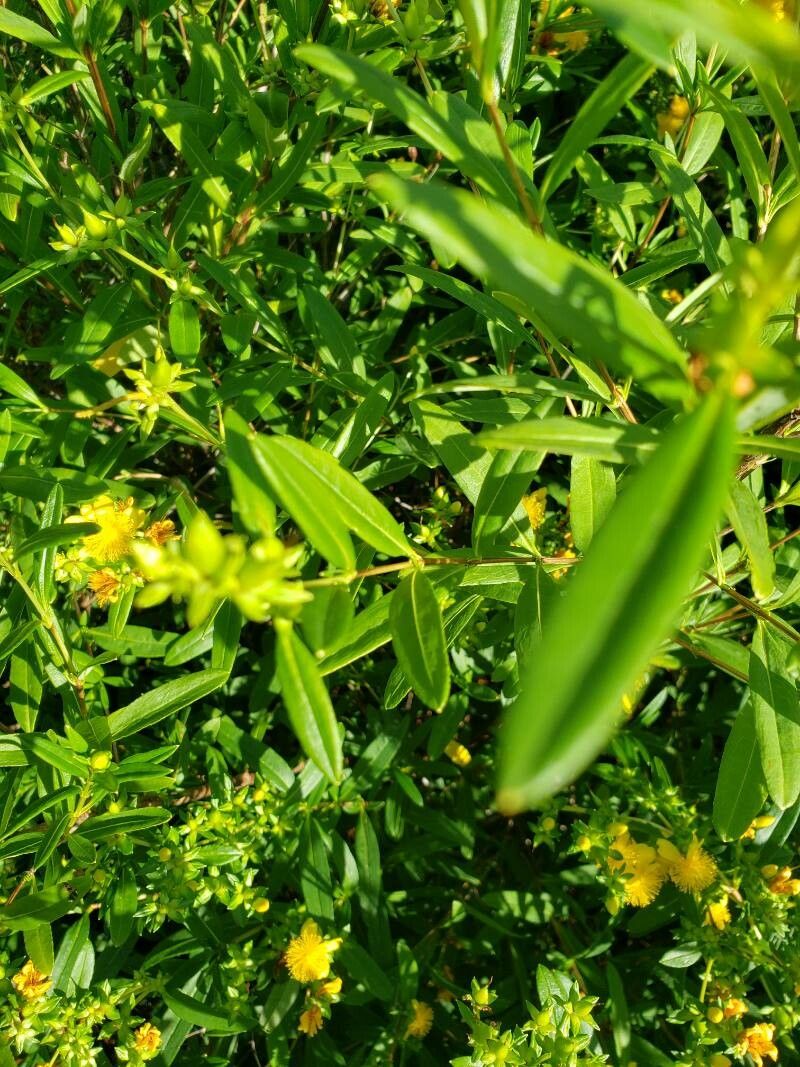
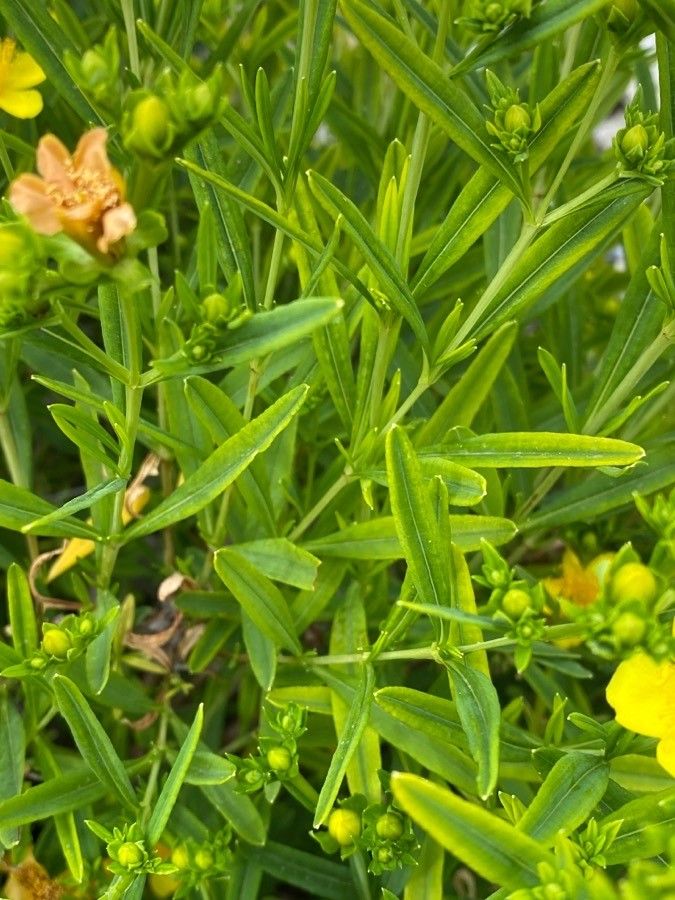
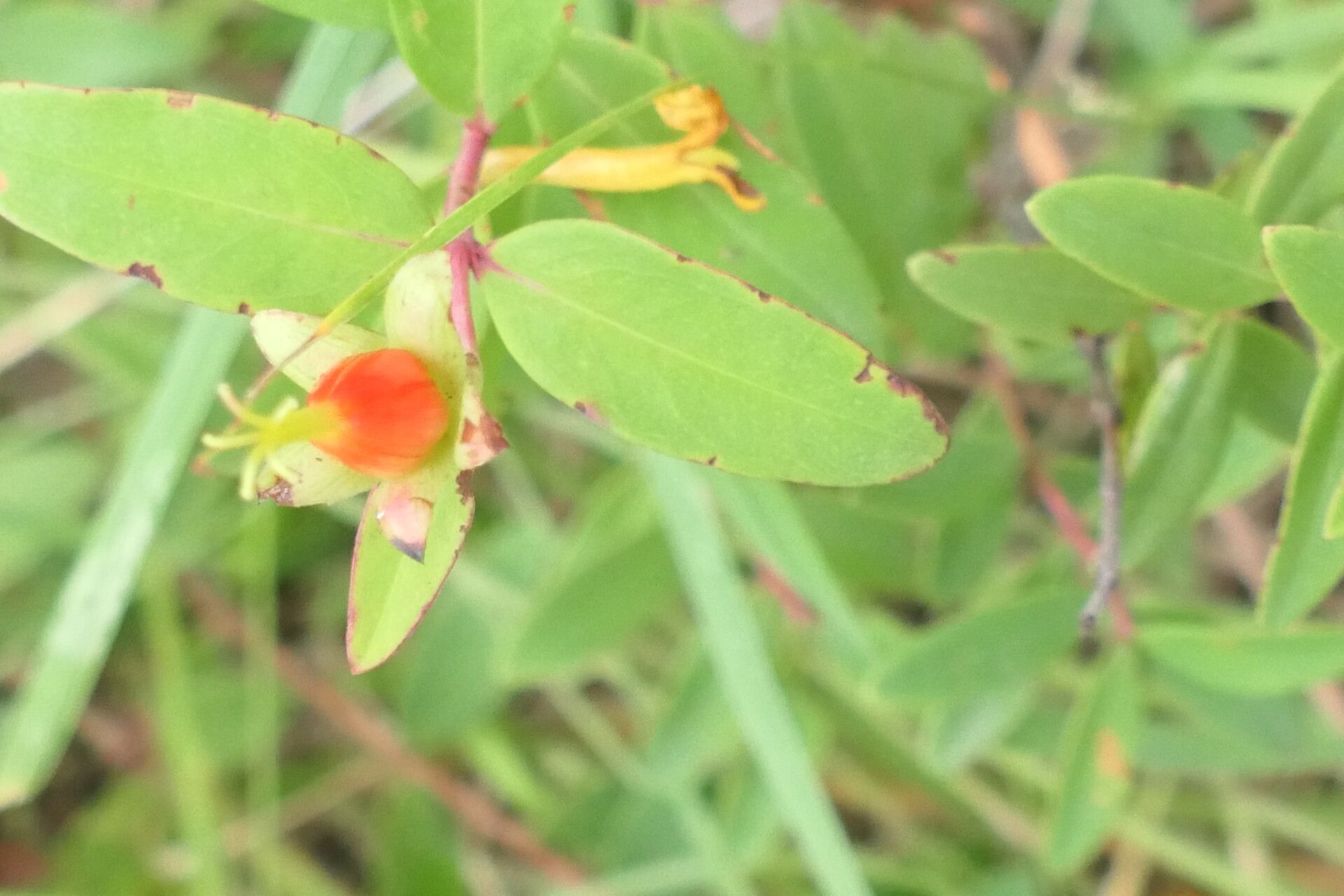
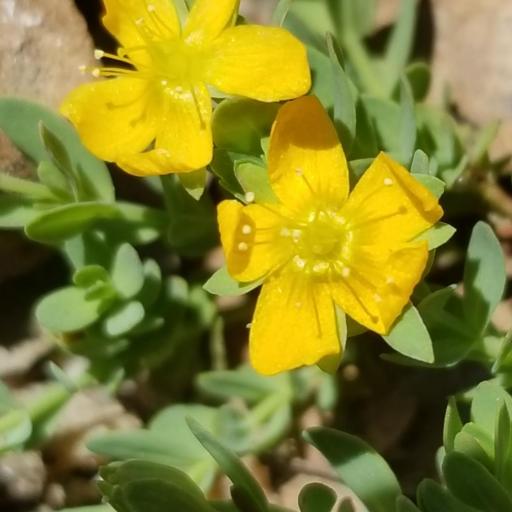
Hypericum kalmianum, commonly known as Kalm's St. John's Wort, is a small shrub that belongs to the Hypericaceae family. Native to North America, it thrives in various habitats such as rocky slopes, open woods, and prairies.
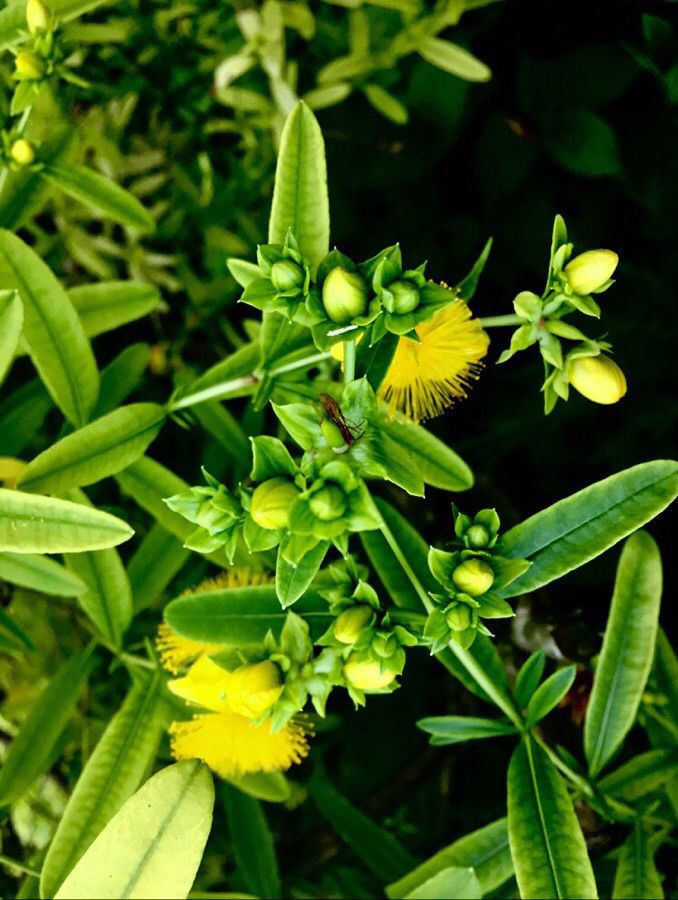
Typically, the plant grows up to 2-3 feet tall and features a rounded shape with dense foliage. Its small, oval-shaped leaves sport a glossy green color that turns reddish-purple in the fall.
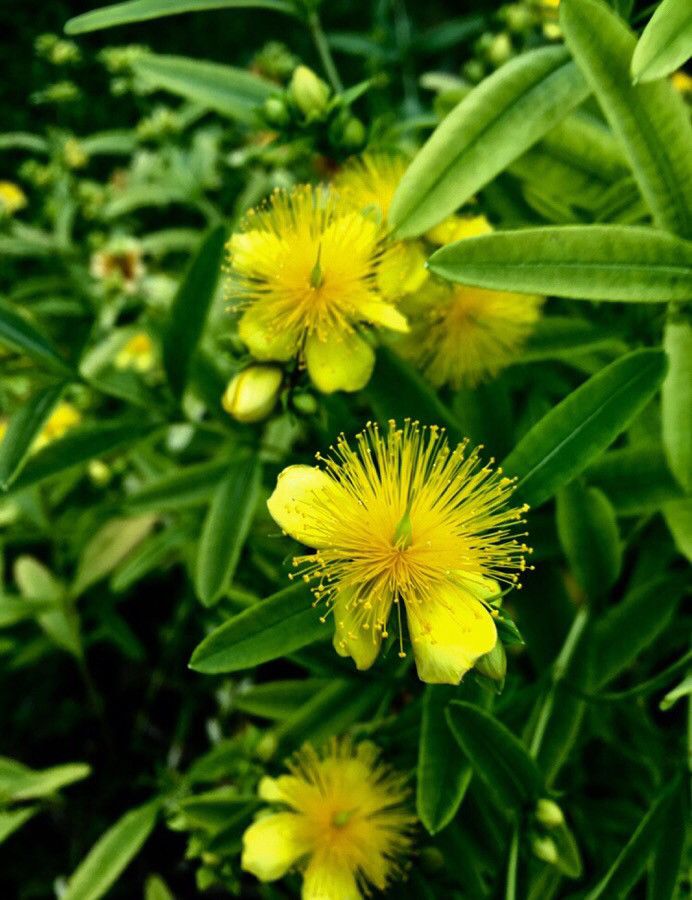
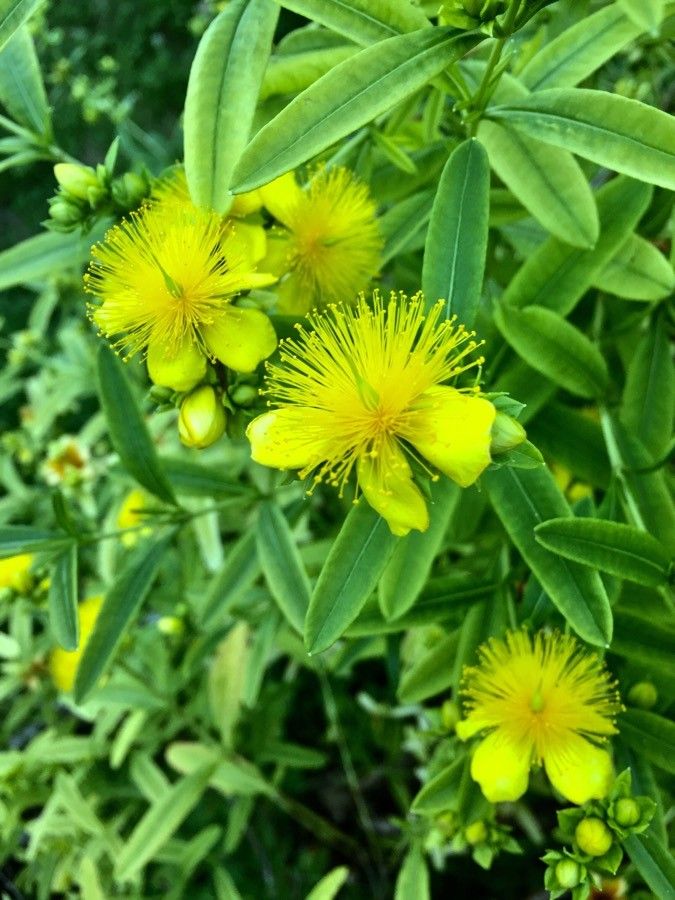
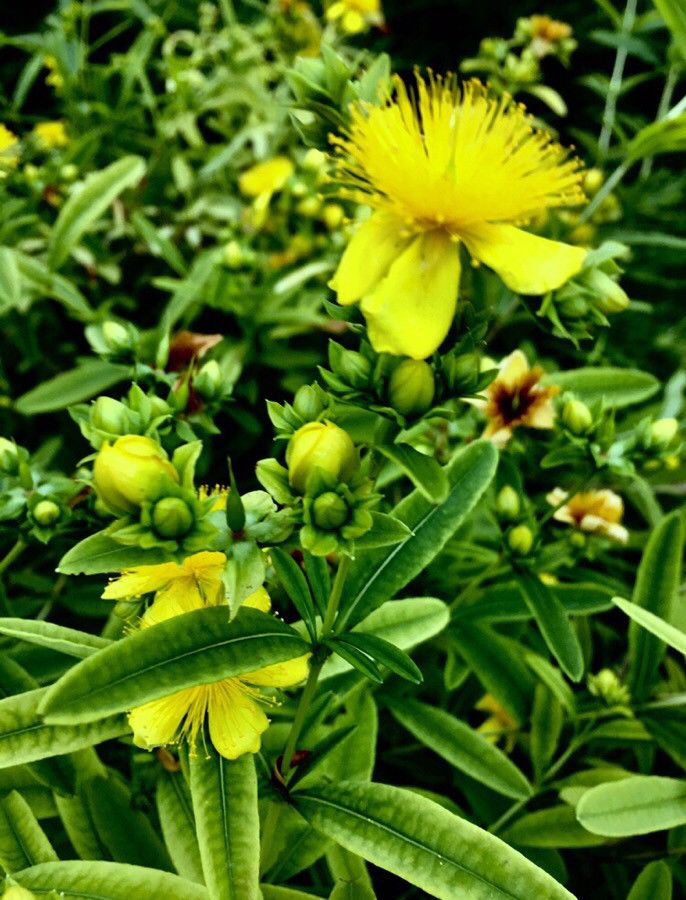
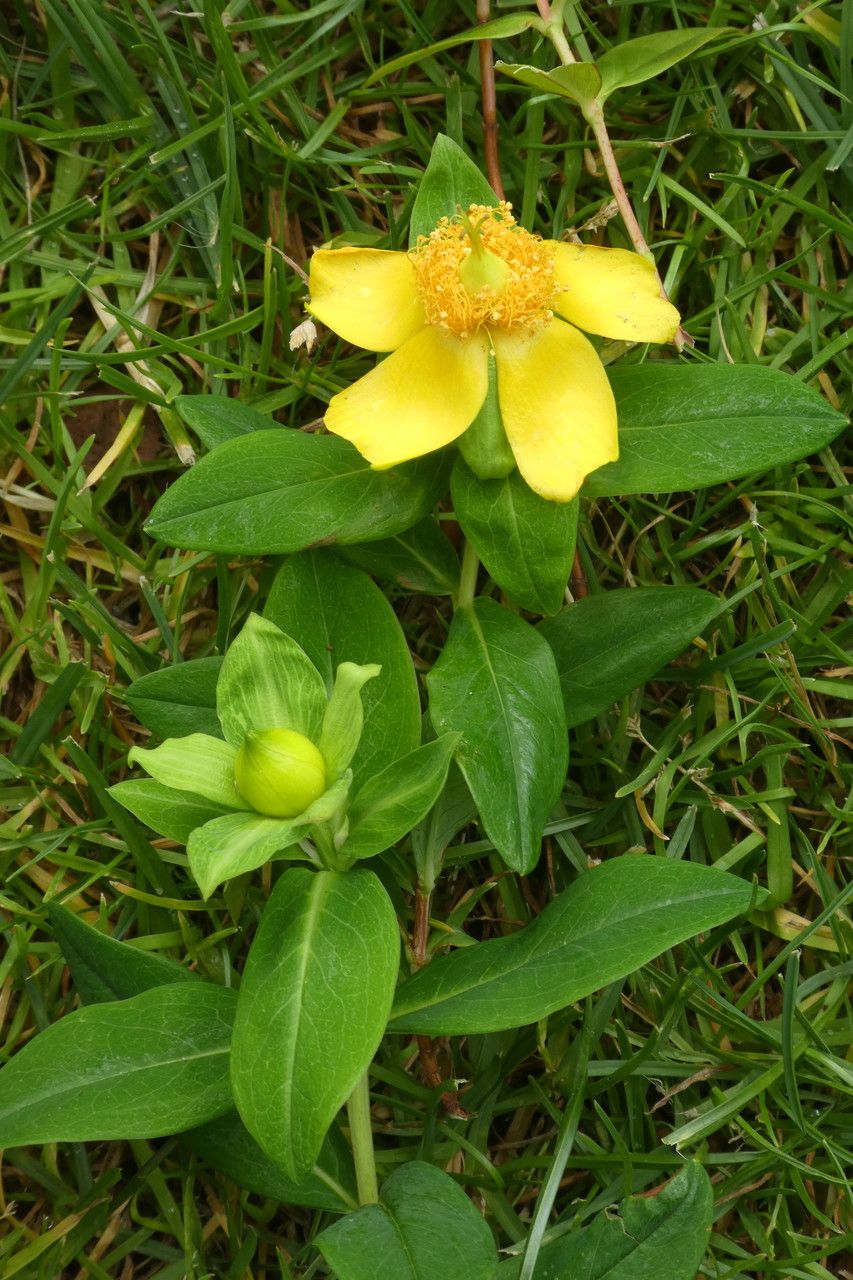
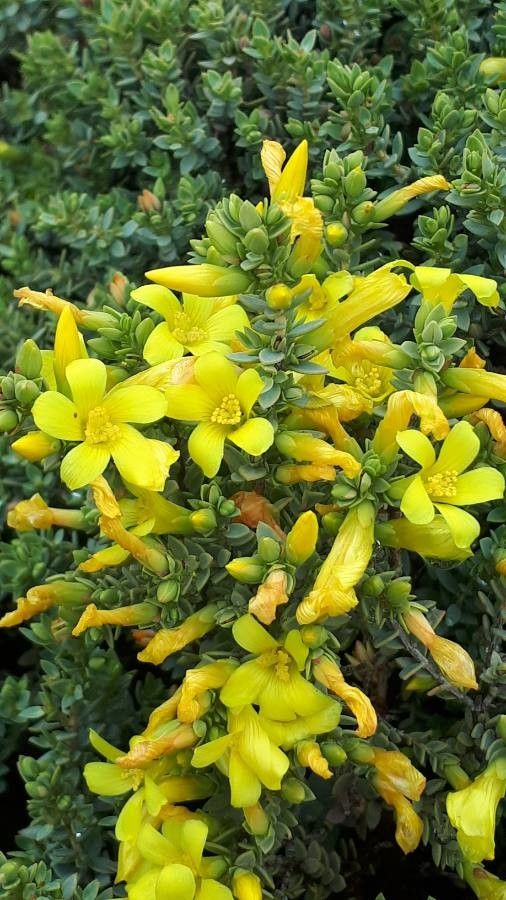
During the summer, Hypericum kalmianum produces bright yellow flowers approximately 1 inch in diameter. Each flower has five petals, with numerous stamens arranged around a central disk.
The plant is renowned for its medicinal properties, primarily due to its hypericin content, which has been used for centuries to treat depression and anxiety disorders. Additionally, it has anti-inflammatory properties, making it useful for treating skin conditions such as burns and wounds.
Hypericum kalmianum thrives in full sun or partial shade and well-drained soil conditions. It can be propagated through seeds or cuttings but requires regular pruning to maintain its shape.
Overall, Hypericum kalmianum is an attractive shrub that offers both ornamental and medicinal benefits, making it an excellent addition to any garden or landscape design project.
Bushy St. John's wort has strong resistance to disease and is generally unlikely to develop illnesses. Regarding care, this plant is relatively low maintenance. When grown outdoors it needs little watering, and larger plants typically do not need pruning, though smaller plants should be pruned after they finish blooming. Bushy St. John's wort is appropriate for anyone with outdoor space, such as a garden or a deck, and does not demand much gardening experience.
How to keep Hypericum Kalmianum.
Light
Bushy St. John's wort is native to open habitats, such as sunny meadows and the edges of forests, which offer plentiful light. It prefers Full Sun but will also tolerate Partial Sun, adapting well to various light levels.
Water
Kalm's St. John's Wort, native to the Great Lakes region in North America, flourishes in well-drained soils and can moderately tolerate drought. To maintain healthy growth, water the plant every 1-2 weeks, letting the soil dry slightly between waterings. Applying mulch can help retain moisture and regulate root temperature, promoting robust growth for this garden plant.
Temperature
Bushy St. John's wort is very adaptable to a range of climates, from blistering summers to freezing winters. Nevertheless, it has an ideal temperature range for growth. When temperatures get too high, the plant is susceptible to heat and humidity stress, which can kill it. In locations where temperatures approach the lower limit of its cold tolerance, it is important to provide insulation to protect the plant.
Fertilizer
The timing of fertilizing Bushy St. John's wort is important. Apply fertilizer in early spring and continue monthly until early summer. Fertilizer encourages attractive blooms and supplies energy during both dormant periods and active growth.
Pruning
Kalm's St. John's Wort is a shrub with yellow flowers that benefits from pruning in early spring. To encourage healthy growth and vibrant blooms, remove any weak branches during this time. Be sure to use clean cutting tools to prevent the spread of disease. Prune before new growth begins each season to promote fuller blooming and enhance both the ornamental appeal and overall health of the plant.
Botanical profile.
- Plant Type
- Shrub
- Life Cycle
- Perennial
- Genus
- Hypericum
- Family
- Hypericaceae
- Hardiness Zone
- 5-9
- Mature Height
- 0.61 m to 2.13 m
- Mature Spread
- 0.91 m to 1.83 m
- Leaf Color
- Green
- Leaf Type
- Deciduous
- Flower Color
- Yellow
- Flower Size
- 2.54 cm
- Bloom Time
- Summer
- Planting Time
- Spring, Summer, Autumn
- Harvest Time
- Fall
Other names.
Reader questions.
What are the sun requirements for Kalm's St. John's wort (Hypericum kalmianum)?
Kalm's St. John's wort (Hypericum kalmianum) thrives in conditions that meet its sunlight requirements. It needs 'Full sun' which is defined as receiving above 6 hours of sunlight daily, or 'Partial sun,' which means about 3-6 hours of sunlight each day. It's crucial to observe the movement of sunlight through your garden to identify areas that offer a perfect balance of light and shade. This careful selection of planting spots ensures the plants' wellness and happiness, allowing them to flourish.