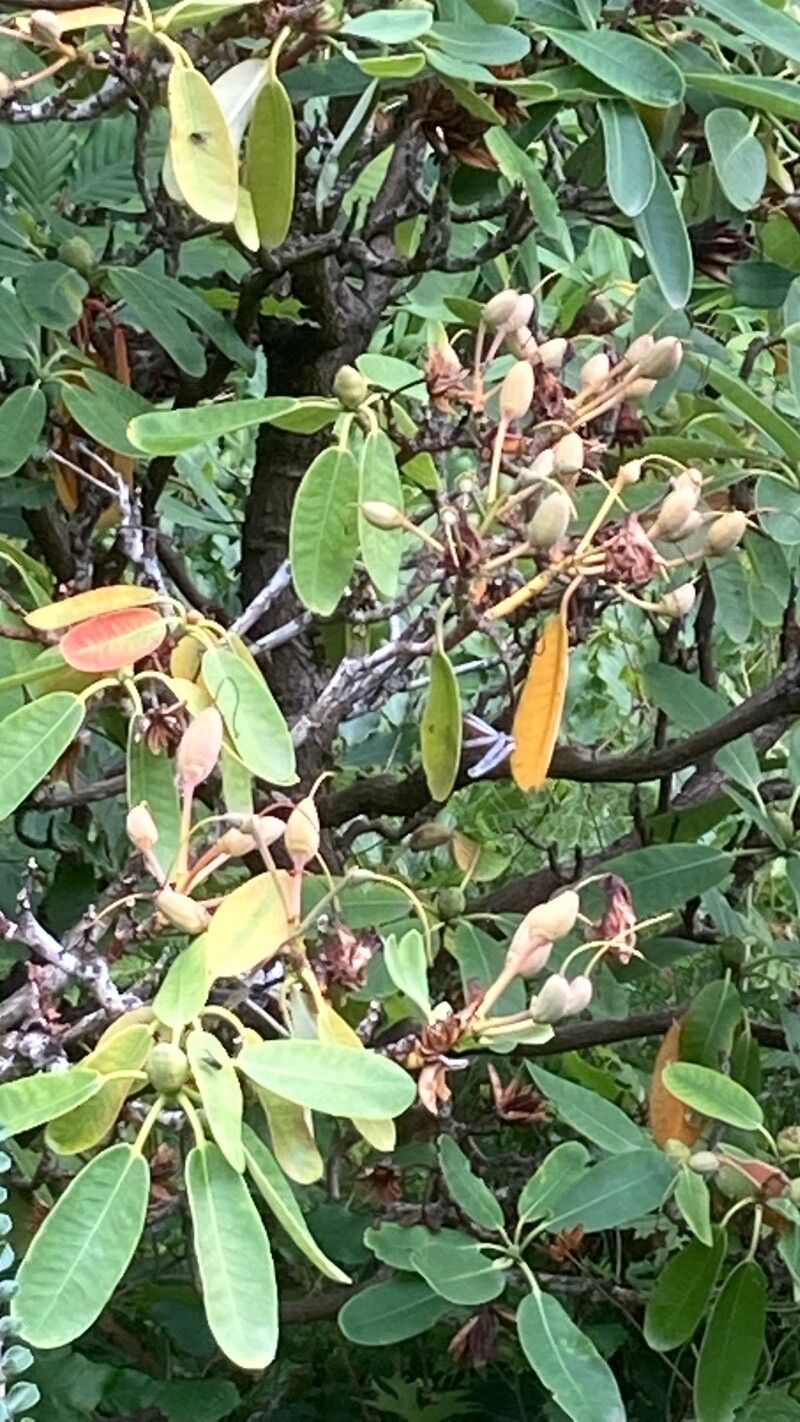
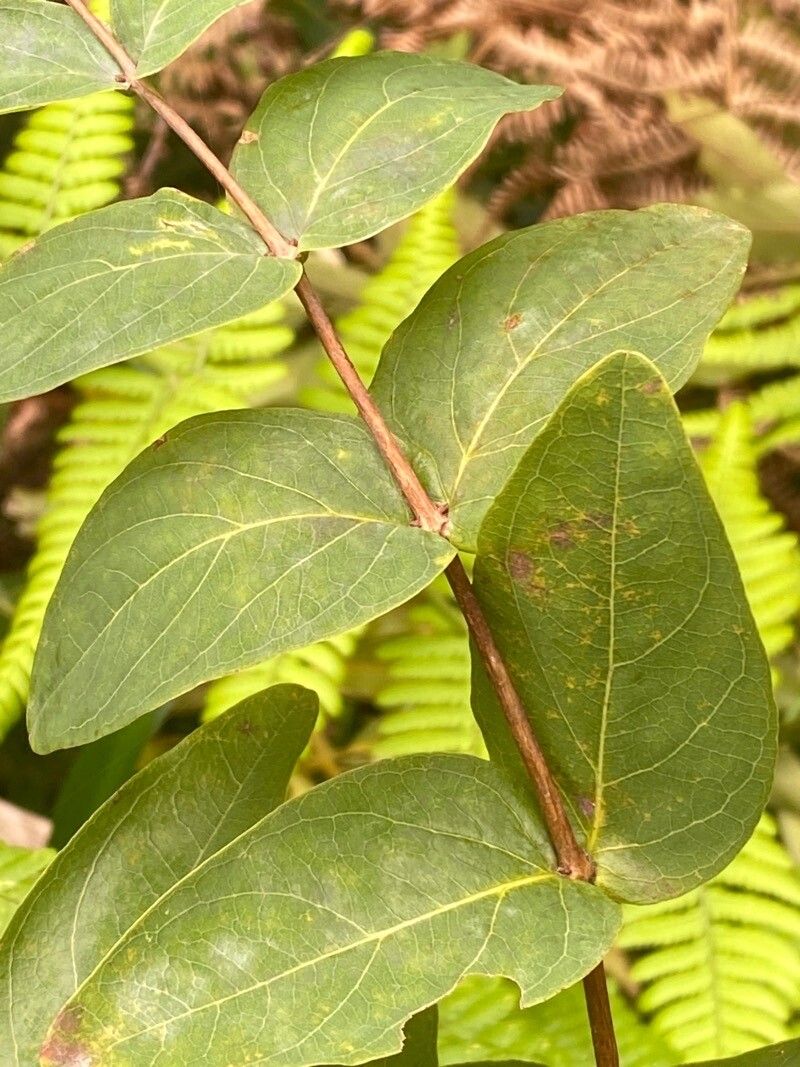
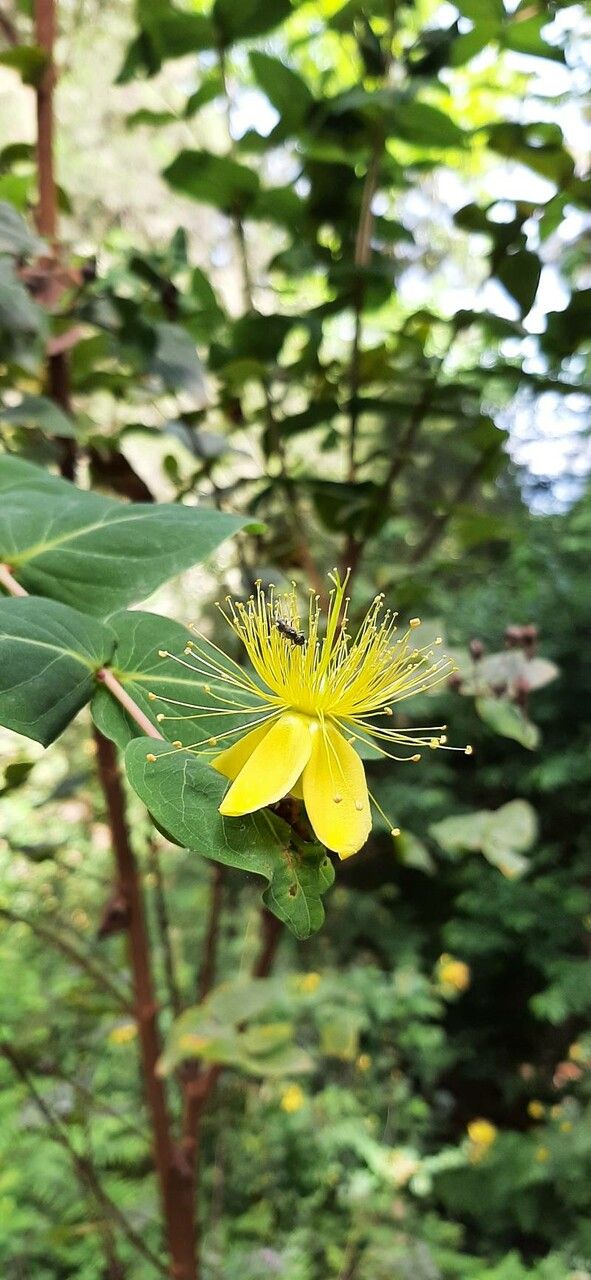
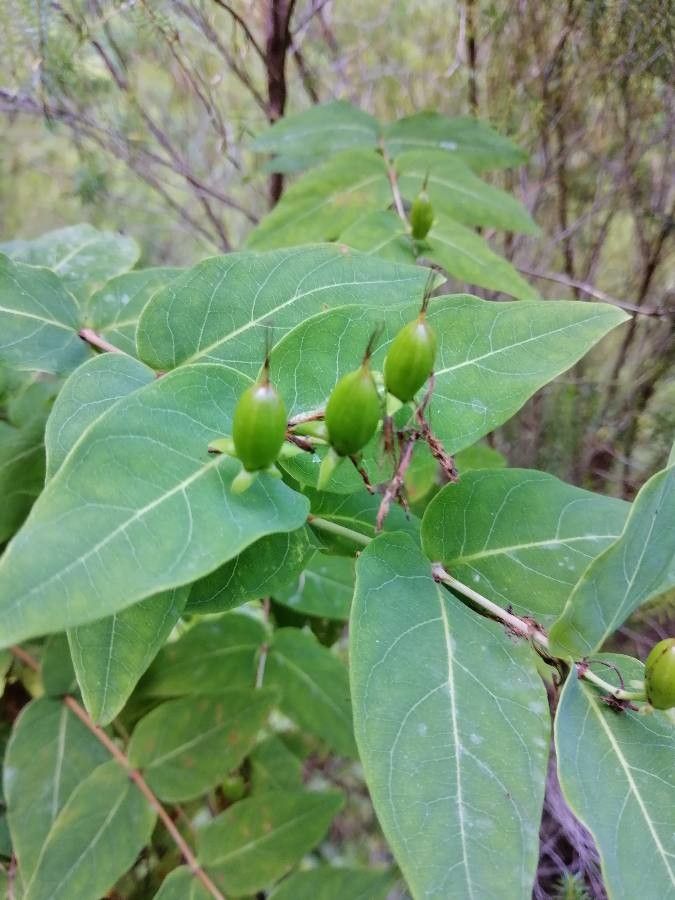
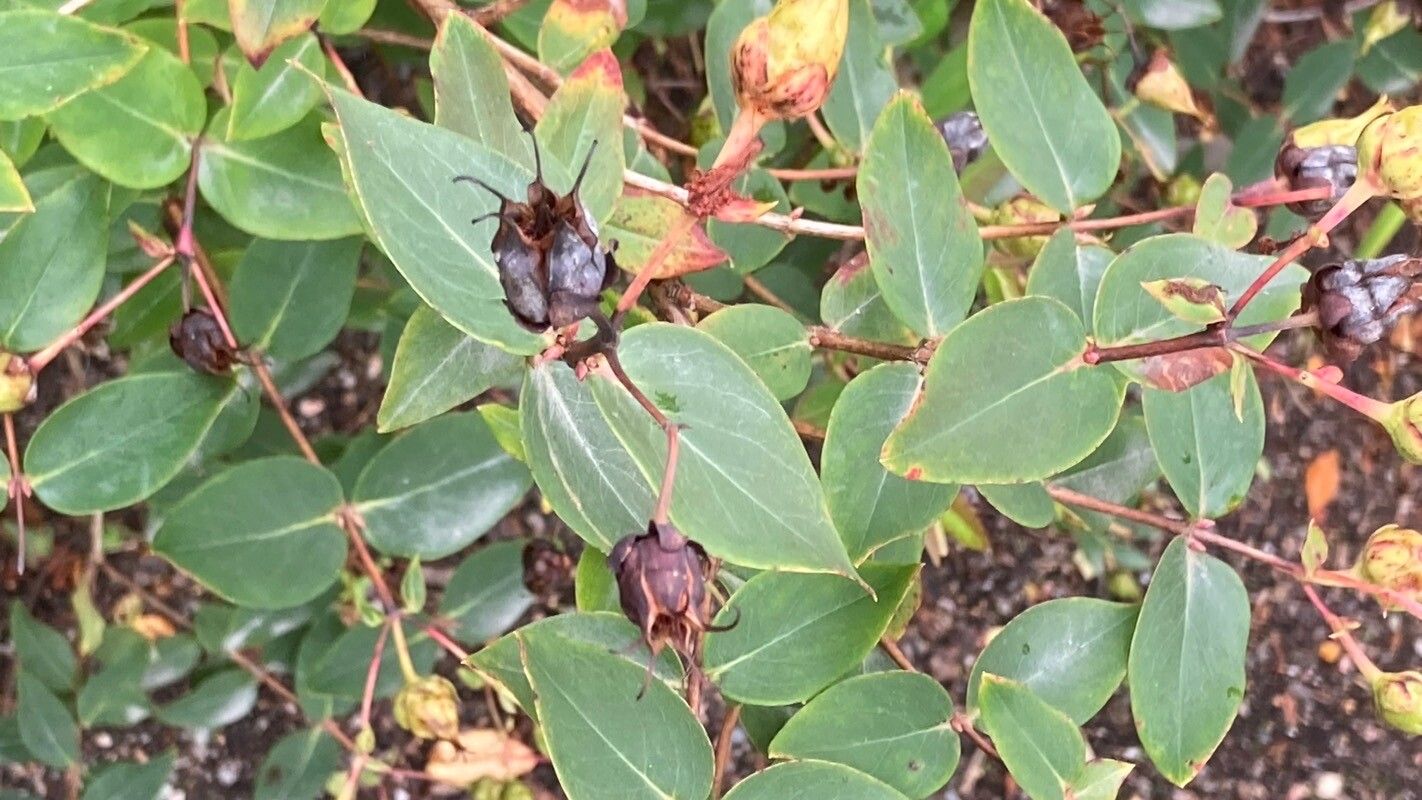
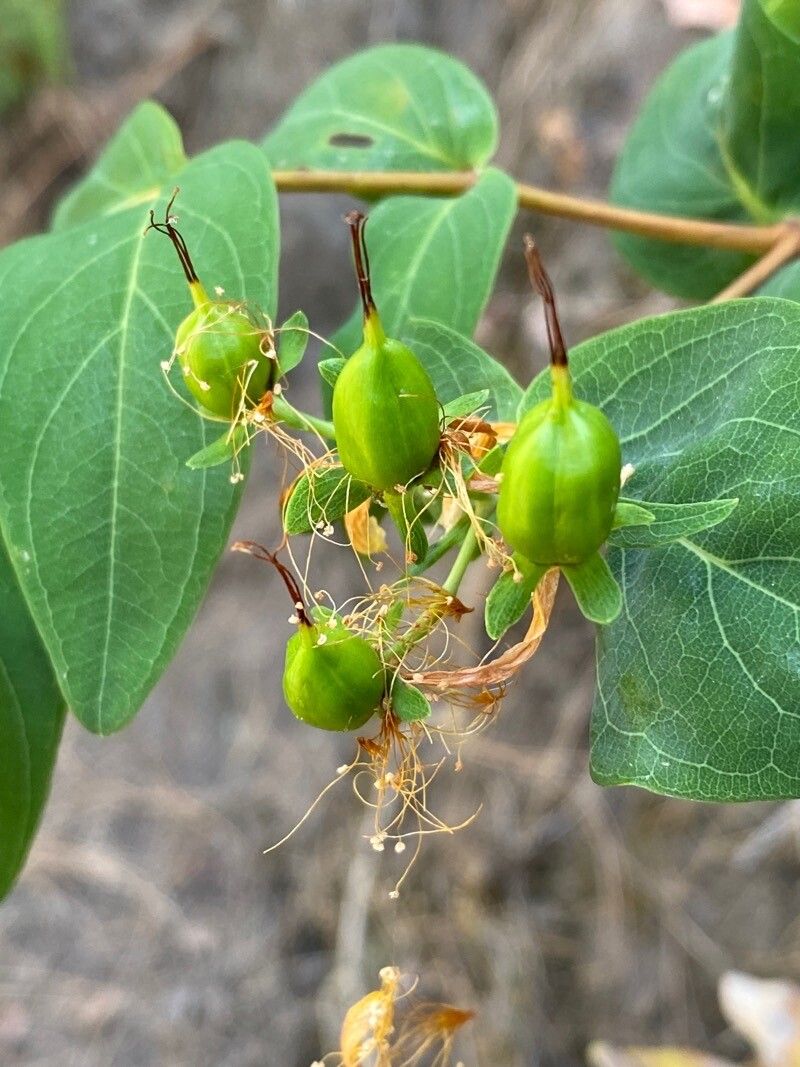
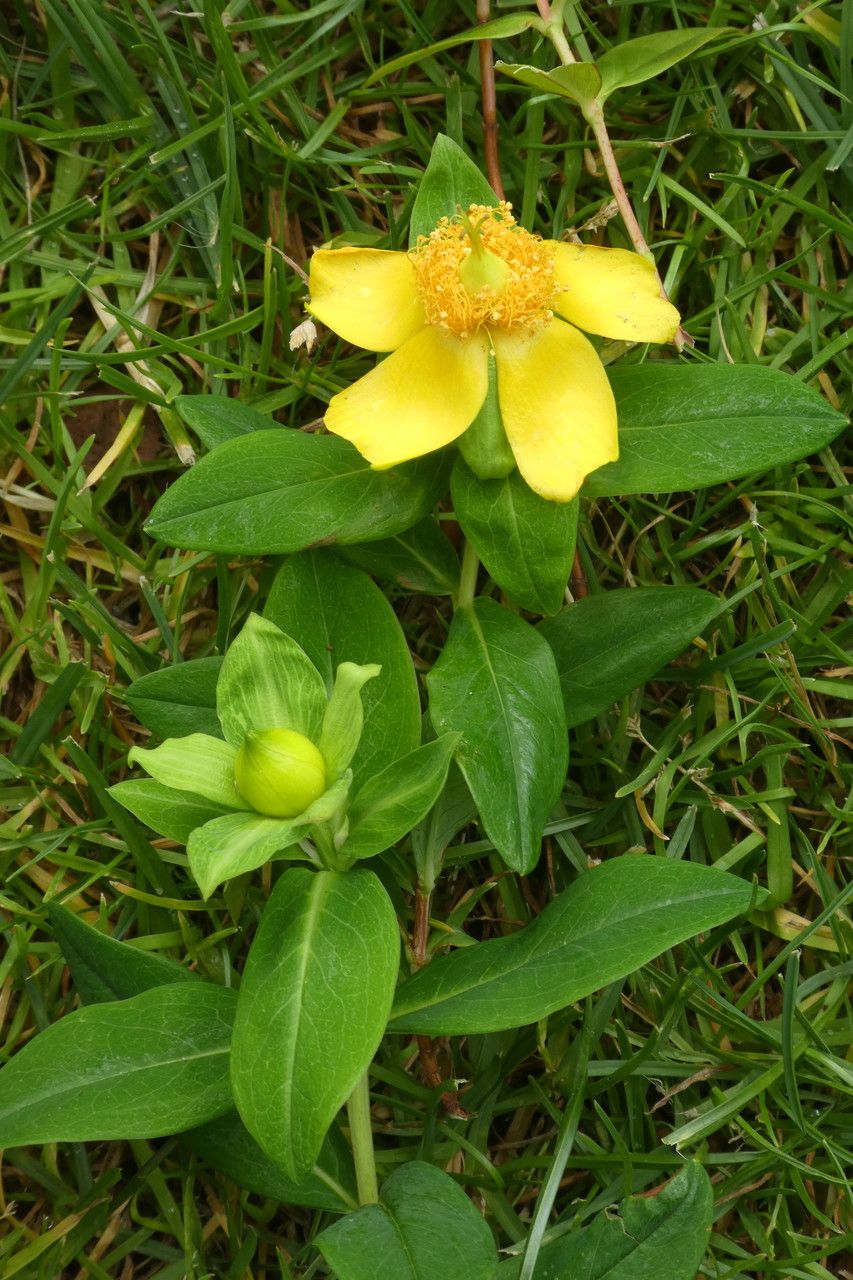
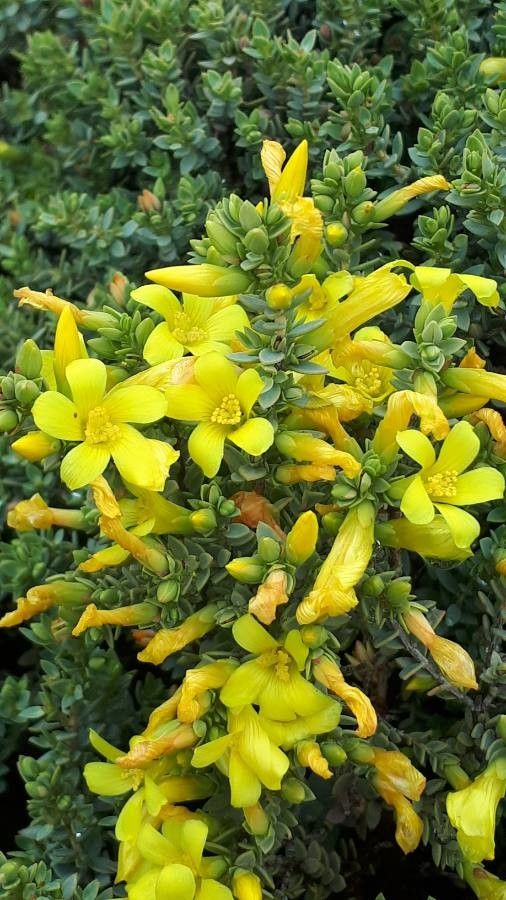
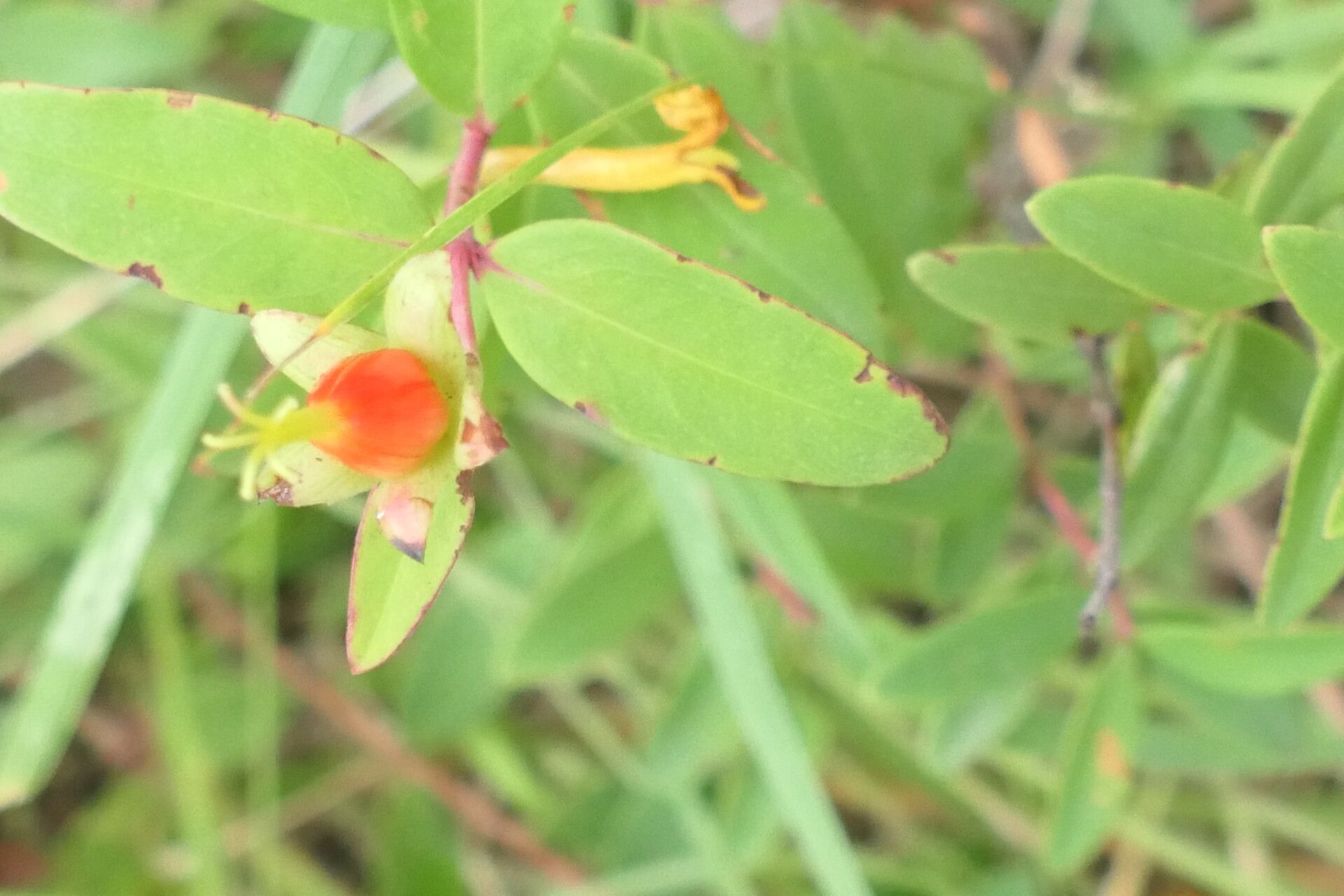
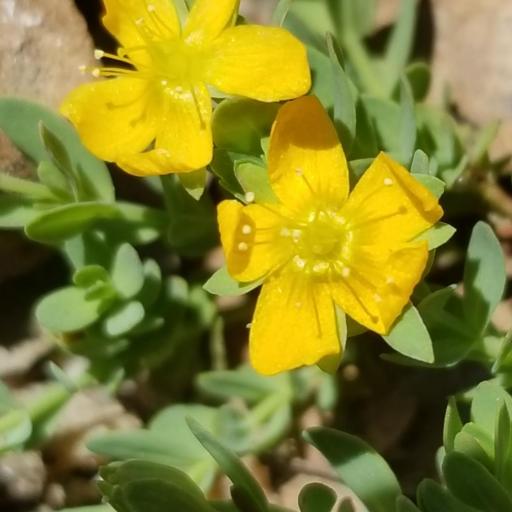
Hypericum grandifolium is a species of flowering plant in the St. John's wort family Hypericaceae. It is native to Madeira and the Canary Islands. It is an evergreen shrub up to 1.8 m in height, with dark green, leathery leaves covered with warty glands, and bright yellow flowers up to 4.5 cm broad. It is an important constituent of the shrub layer in the laurisilva of La Gomera. Hypericum grandifolium has shown analgesic properties in studies on mice.Its common name in Spanish is malfurada.
Large-leaved Saint John's Wort is fairly disease-resistant and generally not susceptible to illnesses. As for care, this plant is relatively low-maintenance. When grown outdoors it needs only light watering, and larger plants typically do not require pruning. Smaller plants, however, should be pruned after they finish blooming. Large-leaved Saint John's Wortt is suitable for anyone with an outdoor area, such as a garden or deck, and does not demand much plant-care experience.
How to keep Hypericum Grandifolium.
Light
Large-leaved Saint John's Wort naturally grows in settings like forest understories or rocky sites, where it receives natural shade. It prefers partial sun but can tolerate both full sun and full shade, showing its versatile and hardy character.
Water
Hypericum grandifolium is a drought-resistant plant, but it cannot tolerate waterlogged soil. During the first year, it needs about 25 mm (1 inch) of water each week. Starting from the second year, natural rainfall is usually enough to meet its water requirements. Be cautious not to overwater, as this can cause root rot and wilting leaves.
Temperature
Large-leaved Saint John's Wort is highly adaptable to a variety of climate conditions, whether facing scorching summers or chilly winters. That said, it does have a preferred temperature range for growth. When temperatures rise too much, the plant is susceptible to heat and humidity stress, which can lead to its death. In areas where temperatures approach the lower edge of its cold tolerance, providing insulation to protect the plant is important.
Fertilizer
Fertilize your Large-leaved Saint John's Wort in early spring to encourage healthy growth. Regular feeding boosts the plant’s overall health, leading to vigorous development, greater tolerance of harsh conditions, and improved resistance to pests and diseases. Keep a consistent fertilization schedule for your Large-leaved Saint John's Wort to preserve vibrant foliage with deep color and a lush appearance.
Pruning
Hypericum grandifolium produces bright yellow flowers and benefits from pruning in early spring. By removing dead wood and up to one-third of the older stems, you can encourage healthy growth, abundant flowering, and better air circulation, all while reducing the risk of disease. This practice helps maintain the plant's shape, prevents overcrowding, and allows sunlight to reach all parts of the plant for balanced growth.
Botanical profile.
- Plant Type
- Shrub
- Life Cycle
- Perennial
- Genus
- Hypericum
- Family
- Hypericaceae
- Hardiness Zone
- 8-11
- Mature Height
- 0.91 m to 2.13 m
- Mature Spread
- 0.76 m to 1.52 m
- Leaf Color
- Dark Green
- Leaf Type
- Evergreen
- Flower Size
- 3.05 cm to 5.08 cm
- Bloom Time
- Summer
- Planting Time
- Autumn, Winter
- Harvest Time
- Fall
Reader questions.
What are the sunlight requirements for Hypericum grandifolium?
Hypericum grandifolium, also known by its botanical name Hypericum grandifolium, thrives in conditions that offer full sun to partial sun. Specifically, full sun exposure means the plant should receive above 6 hours of direct sunlight per day, whereas partial sun exposure is about 3-6 hours of sunlight daily. It's important to observe the way sunlight moves through your garden throughout the day to find locations that provide an ideal balance of light and shade. This careful selection of planting spots is crucial for the health and happiness of your plants.