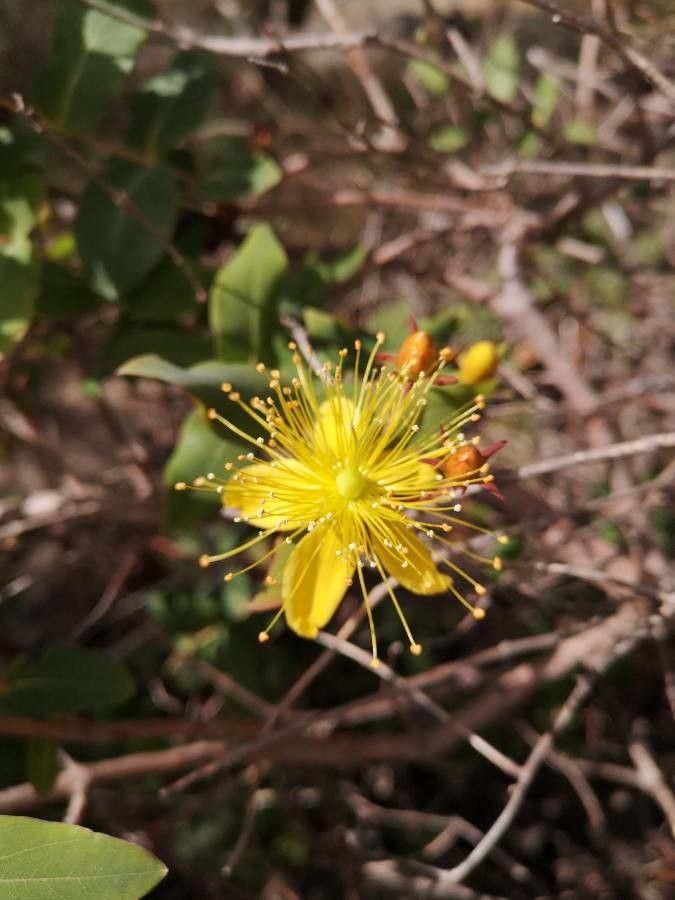
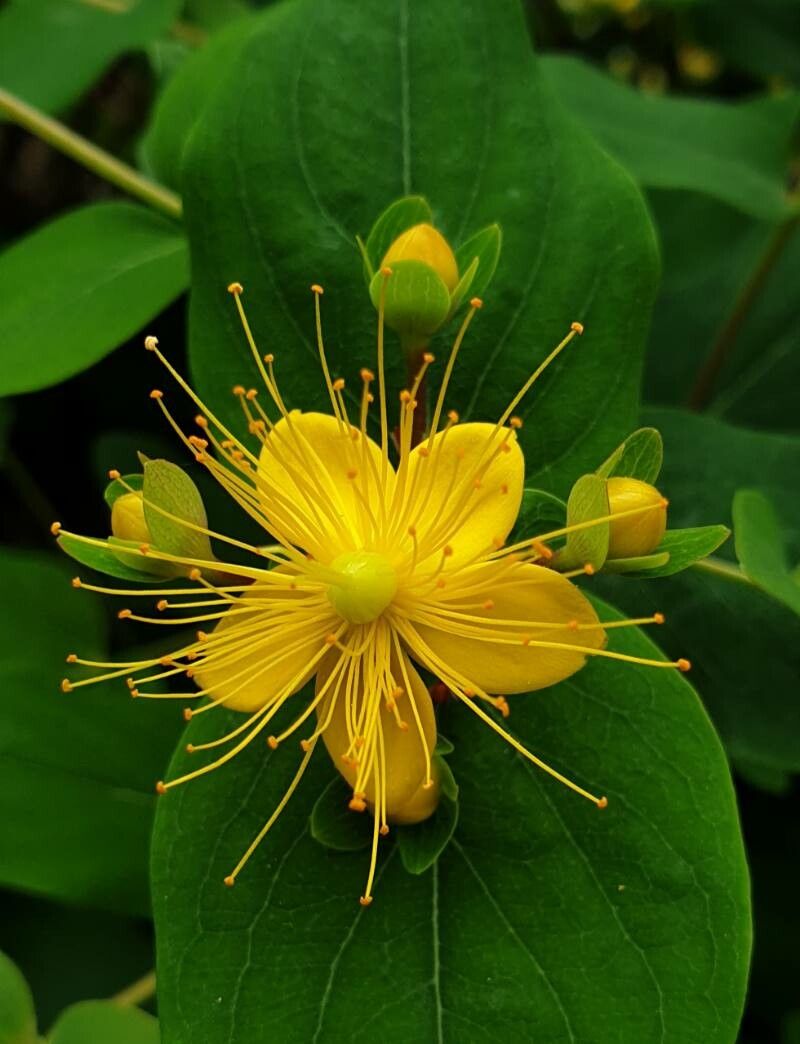
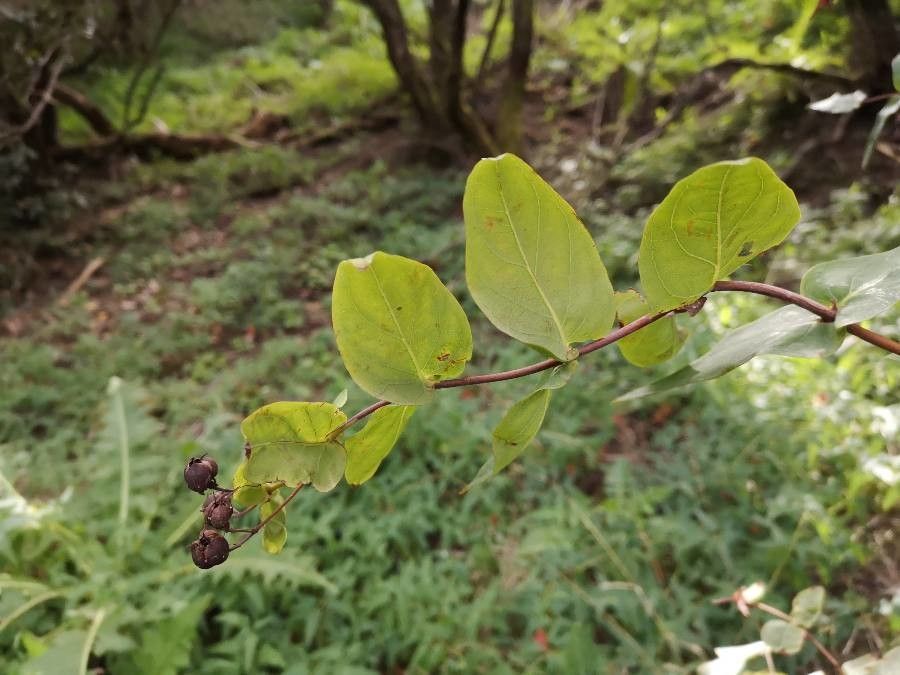
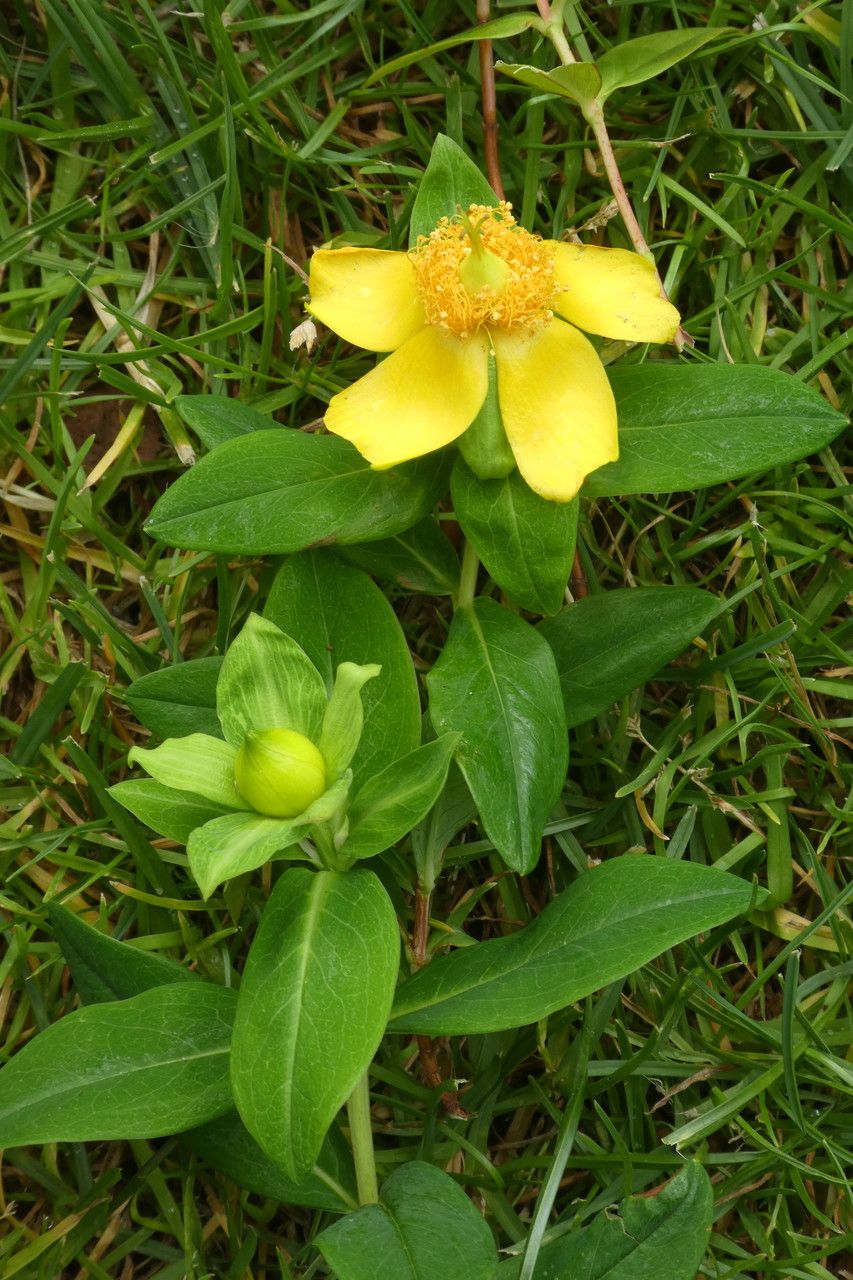
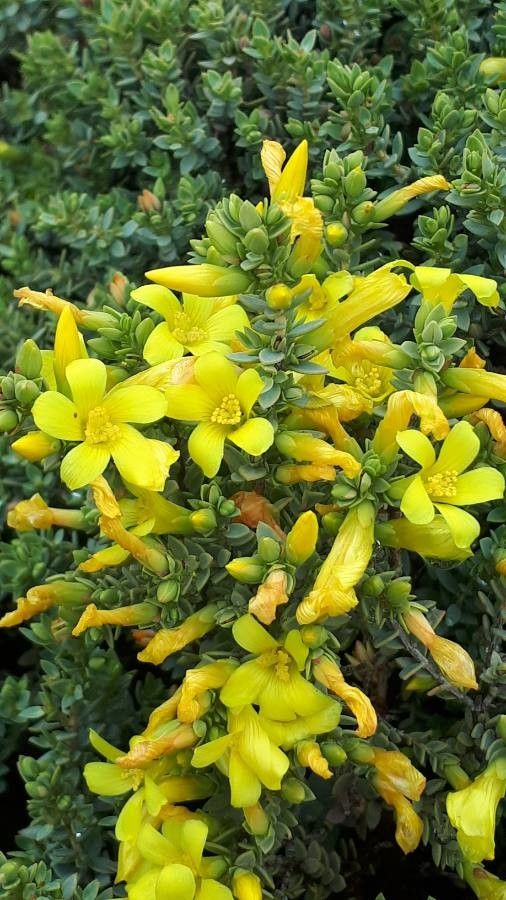
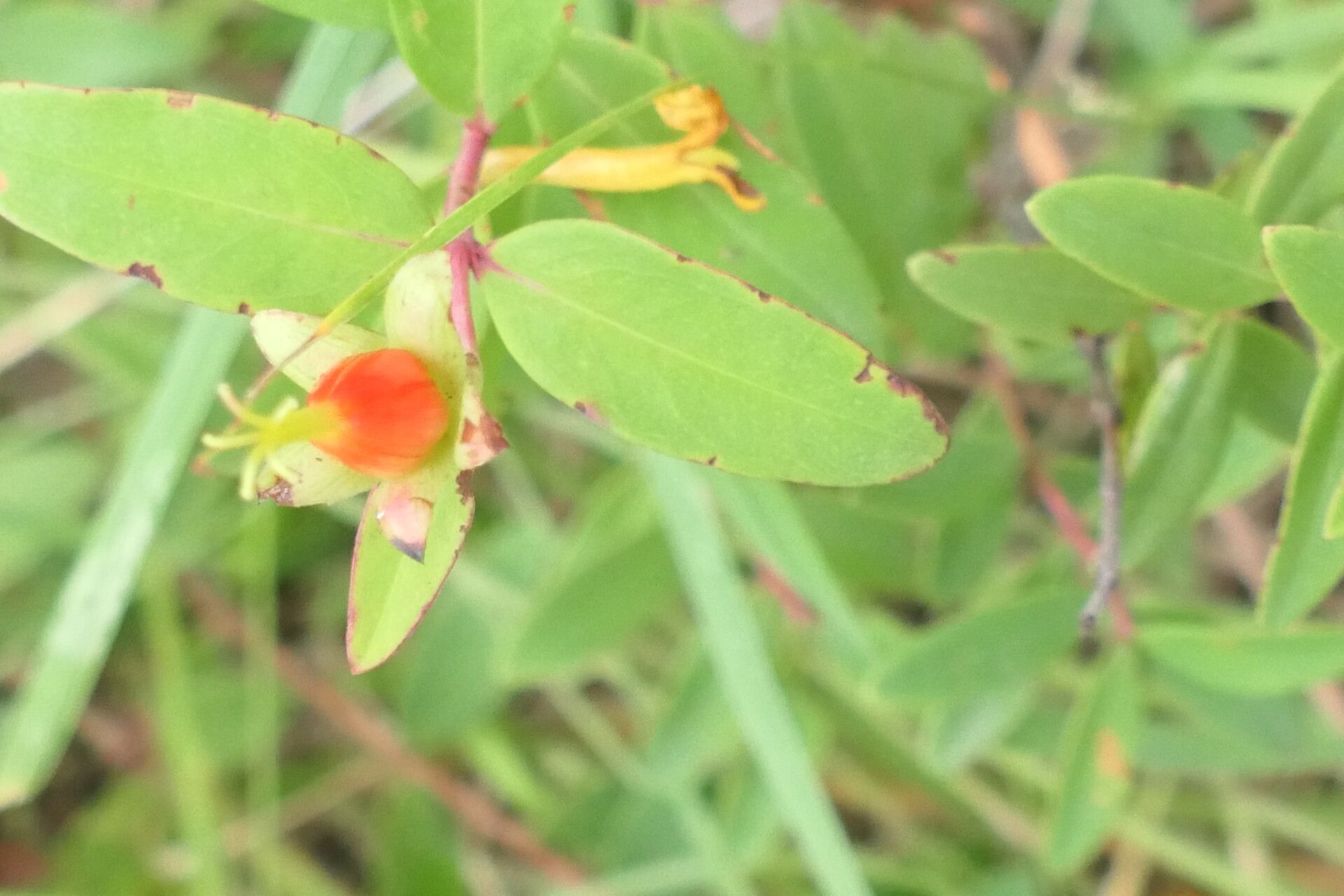
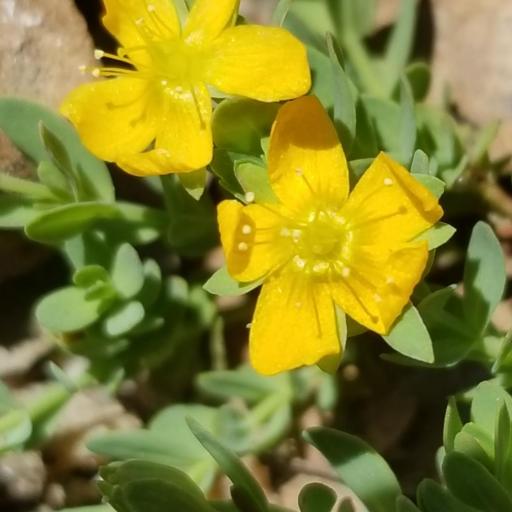
Creeping St. John's wort is highly disease-resistant and is typically not vulnerable to illnesses. Regarding care, the plant is fairly low-maintenance. Planted outdoors it needs little watering, and larger specimens usually do not require pruning. Smaller plants, however, should be trimmed after they finish blooming. Creeping St. John's wort is appropriate for anyone with an outdoor area, such as a garden or a deck, and does not demand extensive gardening experience.
How to keep Hypericum Grandiflorum.
Light
Creeping St. John's wort flourishes best in locations that receive ample daylight. A moderate amount of sunlight can also support its vigorous growth. It has the ability to endure in spots with limited light, though this might restrain its progress. Originating from a setting with varied sunlight, intense exposure could be harmful, resulting in burned leaves. Likewise, limited sunlight could result in less blooming and a weaker overall constitution.
Temperature
Creeping St. John's wort naturally thrives in climates with temperatures that oscillate between 41 to 95 °F (5 to 35 ℃). To promote ideal growth, aim to uphold this temperature range. As the seasons change, adjust appropriately so as to avoid excessively high or low temperatures.
Fertilizer
Fertilizing Creeping St. John's wort at the right times is vital. Begin fertilization in the early spring and continue it on a monthly basis until the start of summer. The addition of fertilizer aids in creating beautiful flowers and supplies energy during both dormant and active periods of growth.
Botanical profile.
- Plant Type
- Shrub
- Life Cycle
- Perennial
- Genus
- Hypericum
- Family
- Hypericaceae
- Hardiness Zone
- 4-9
- Mature Height
- 91 cm
- Mature Spread
- 0.91 m to 2.13 m
- Leaf Color
- Green
- Leaf Type
- Evergreen
- Flower Color
- Yellow
- Flower Size
- 3.05 cm to 5.08 cm
- Bloom Time
- Early summer, Mid summer
- Planting Time
- Spring, Autumn
- Harvest Time
- Mid summer
- Native Area
- Croatia, Bulgaria, Turkey