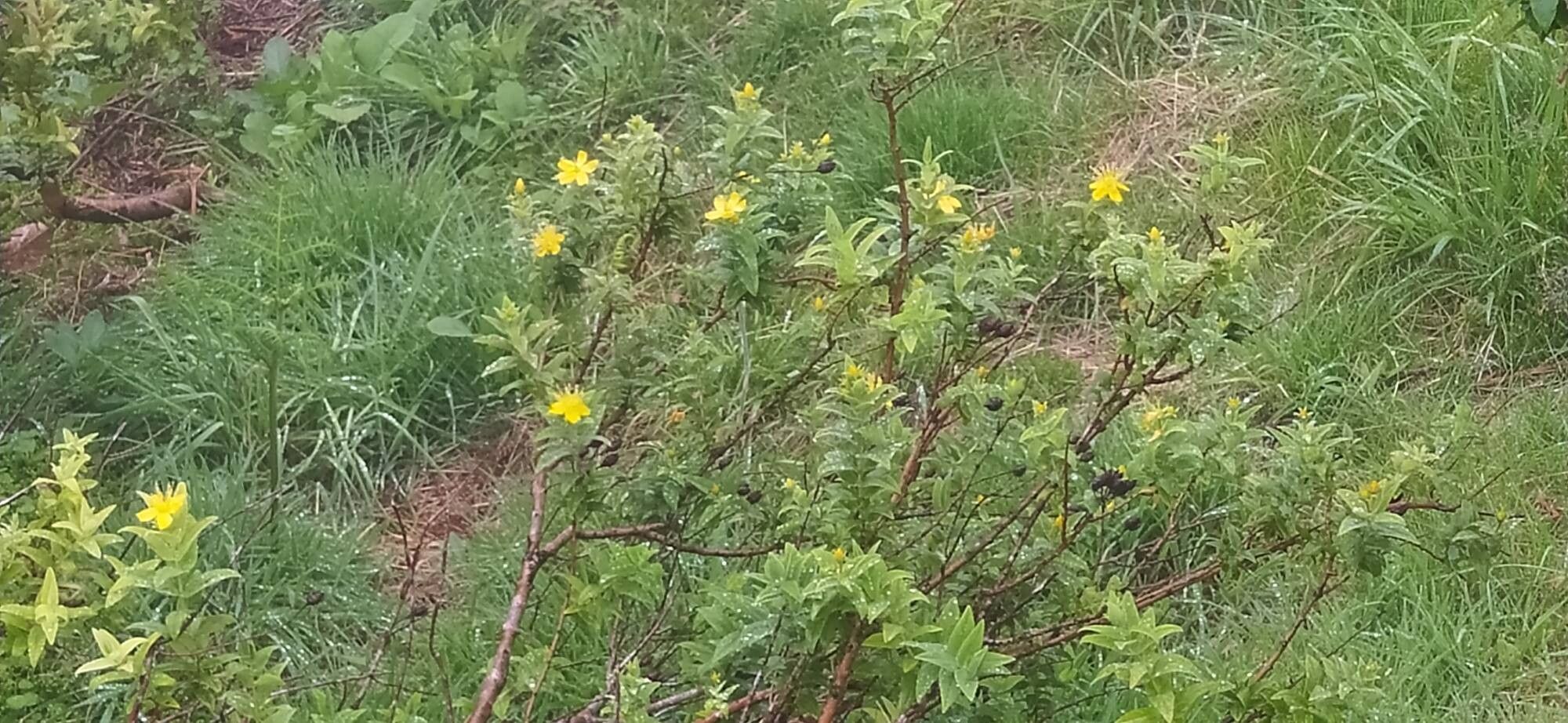
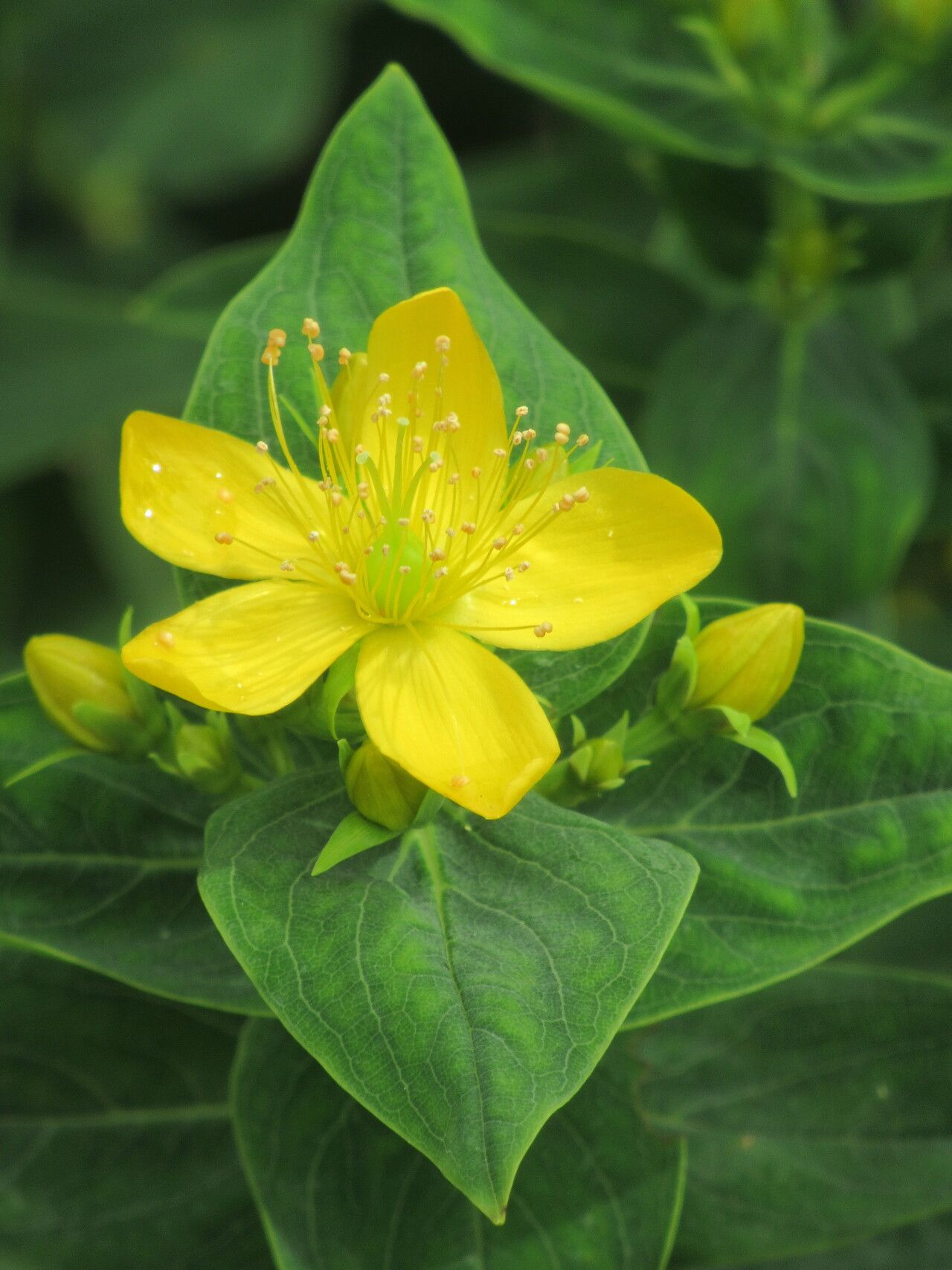
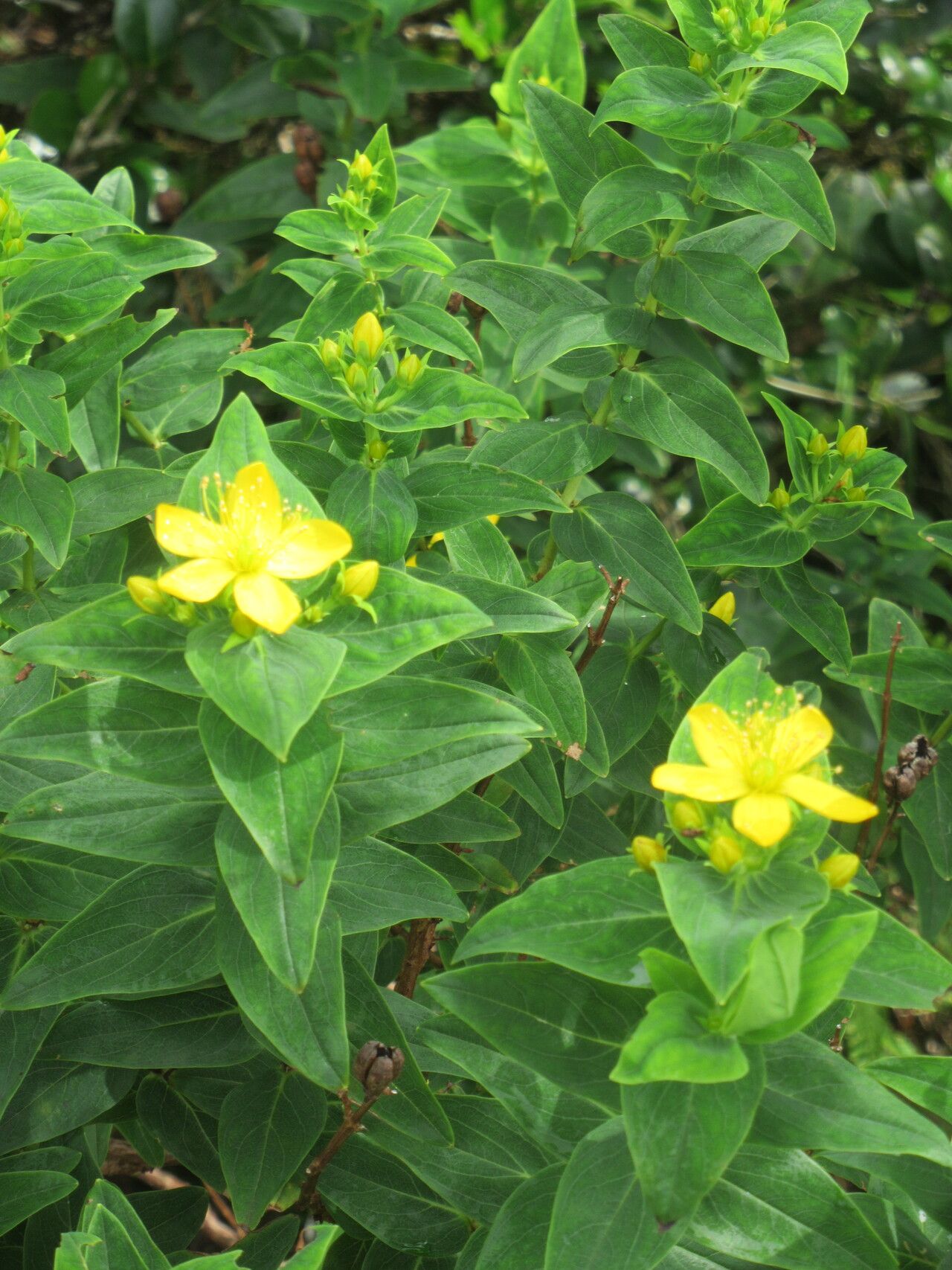
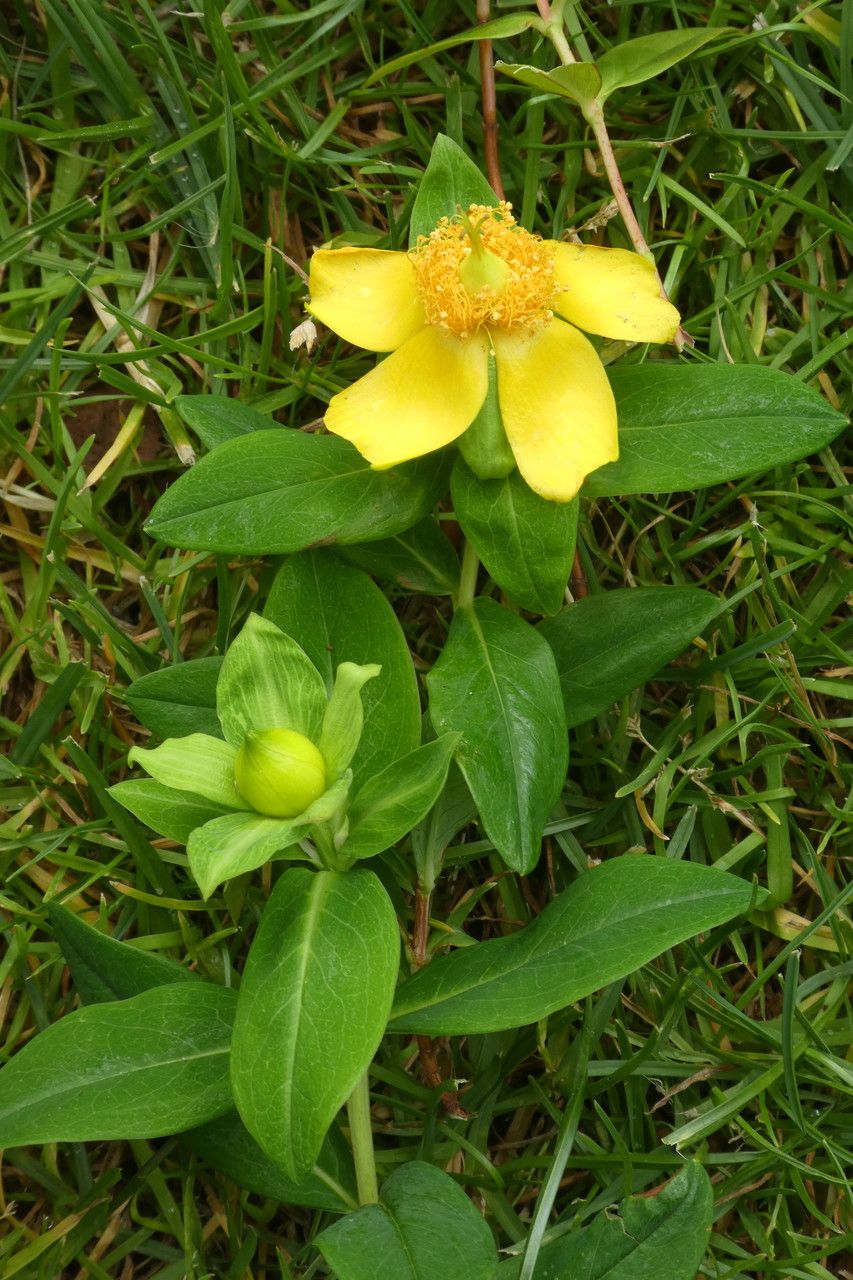
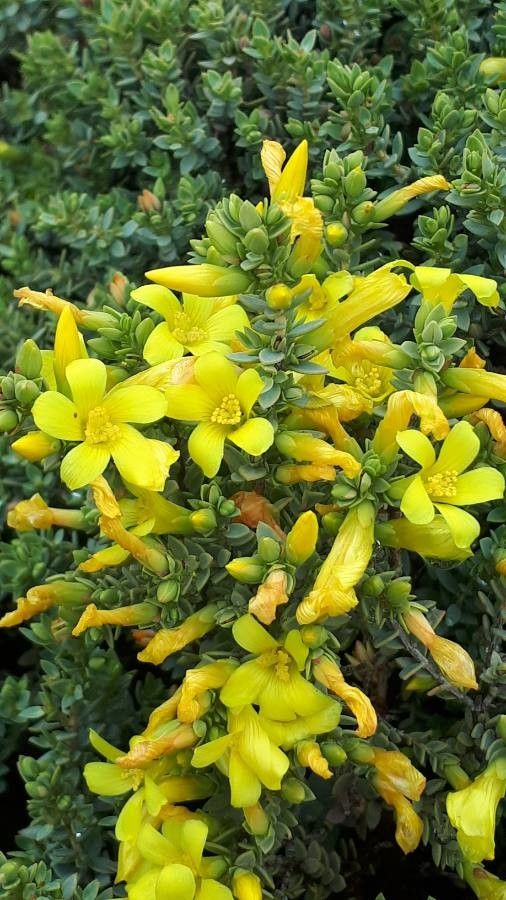
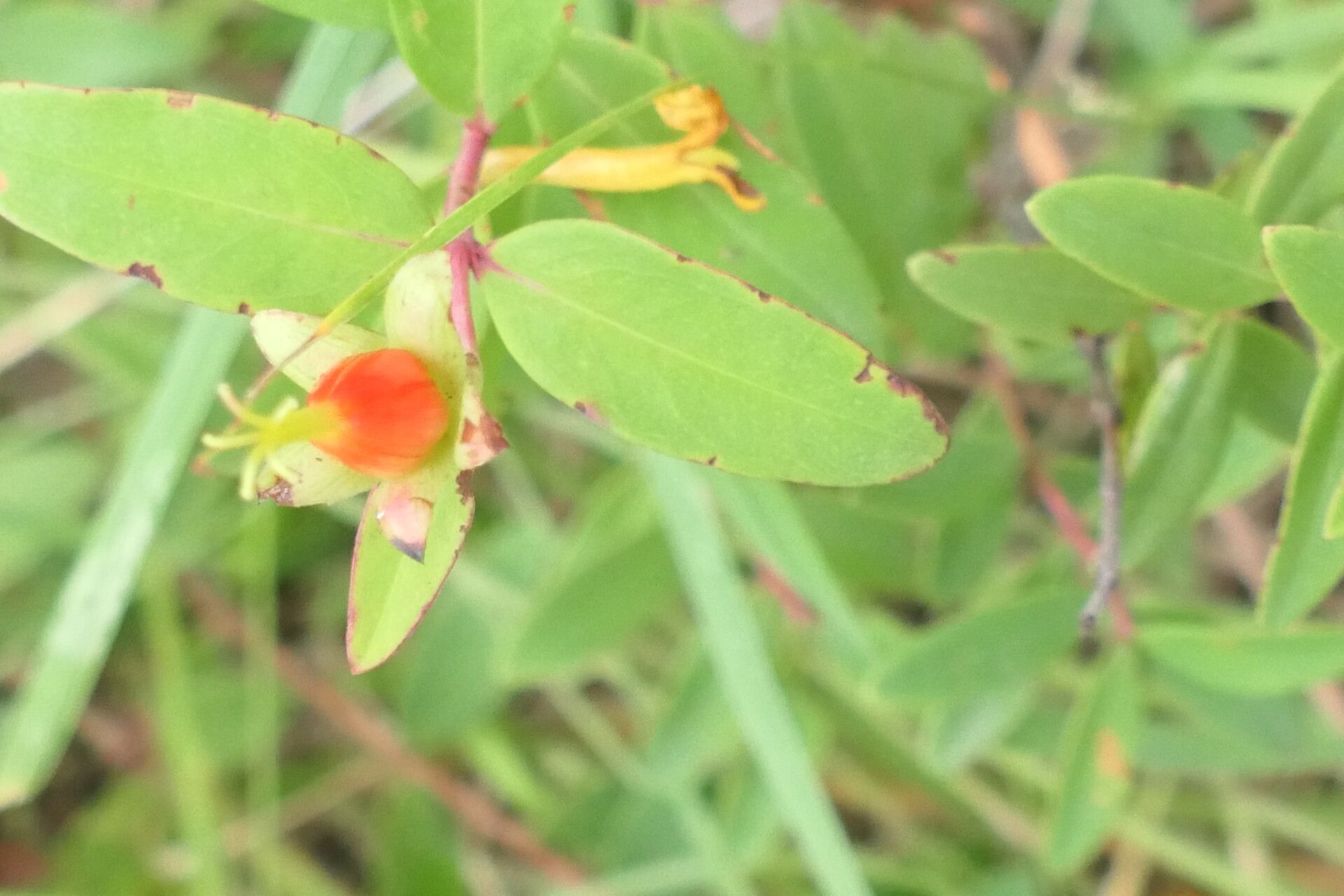
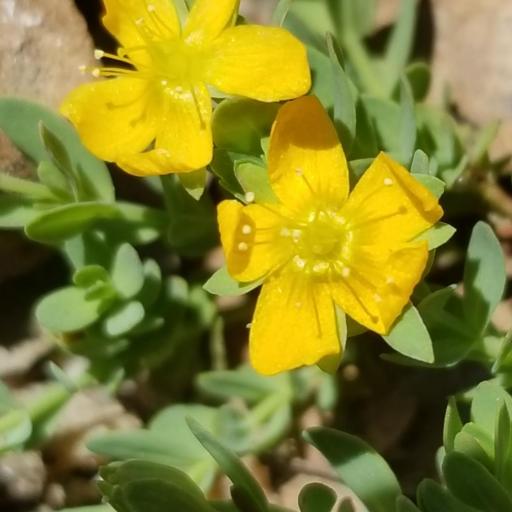
Hypericum foliosum, the shining St John's wort, is a species of flowering plant in the family Hypericaceae. It is a bushy shrub endemic to the Portuguese Azores Islands with golden yellow petals and many stems. The species was described by William Aiton in 1789 and was later placed into section Androsaemum of the genus Hypericum by Norman Robson in 1984. It has a diverse essential oil profile made up mostly of monoterpene hydrocarbons, and significant concentrations of various medicinally useful phenols and carotenoids. Populations of the plant are small in number, but quick to colonize cleared areas like groves, landslide areas, and volcanic ash deposits. It is parasitized by fungus and by moth species, but is not considered endangered by the IUCN. H. foliosum is used in traditional medicine on the Azores for diuretic, hepatoprotective, and antihypertensive purposes. It also has in vitro antibiotic and antioxidizing capabilities.
Shrubby St. John's wort is resistant to disease and is generally not susceptible to illnesses. When it comes to care, this plant is fairly low-maintenance. Planted outdoors it needs little watering, and larger plants typically do not require pruning. Smaller plants, however, should be pruned after they finish blooming. Shrubby St. John's wort is suitable for anyone with an outdoor area, such as a garden or deck, and does not demand much gardening experience.
How to keep Hypericum Foliosum.
Light
The bushy St. John's wort prospers in regions where the sunlight drenches the surroundings for the majority of the day. However, it can also adapt to locations with less generous sunlight. Too much or too little exposure to sunlight can negatively impact its overall health and development. Being native to areas abundant in light, it requires adequate light exposure for wholesome growth at all phases.
Temperature
The shrubby St. John's wort is naturally found in regions with a temperate climate, so it can withstand a variety of temperatures ranging from 5℉ (-15℃) to 95℉ (35℃). During warmer periods, this plant can adapt to the reduced availability of water and nutrients in order to preserve its resources.
Fertilizer
Fertilize your Shrubby St. John's wort in early spring to encourage healthy growth. Regular feeding improves overall health, leading to vigorous growth, greater resilience to harsh conditions, and enhanced resistance to pests and diseases. Keep to a consistent fertilization schedule for your Shrubby St. John's wort to ensure foliage that is vibrant, richly colored, and lush in appearance.
Pot & Repot
While repotting the Shrubby St. John's wort, opt for a pot that's 1-2 inches (2.5–5 cm) larger than the previous one and has sufficient drainage. Utilize a potting mix with good drainage properties. Carry out the repotting either during springtime or in the fall, positioning the root ball a bit beneath the edge of the pot. After the repotting, provide adequate water and place the pot in a warm area that receives indirect sunlight.
Botanical profile.