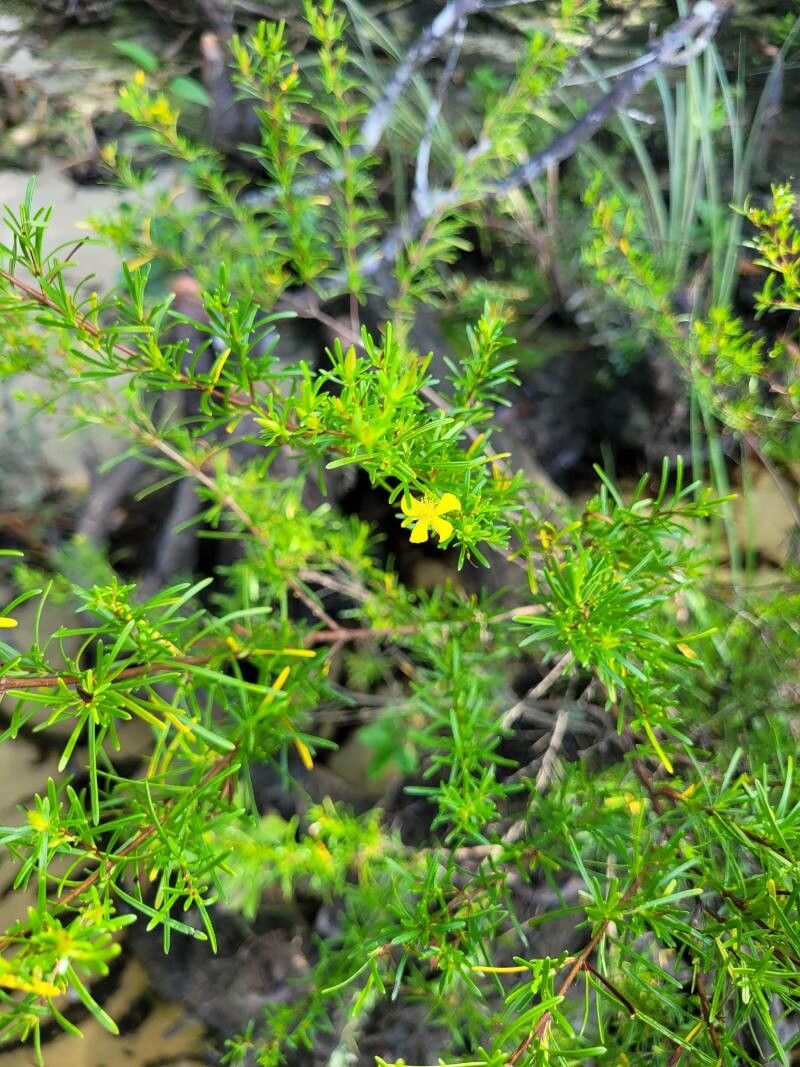
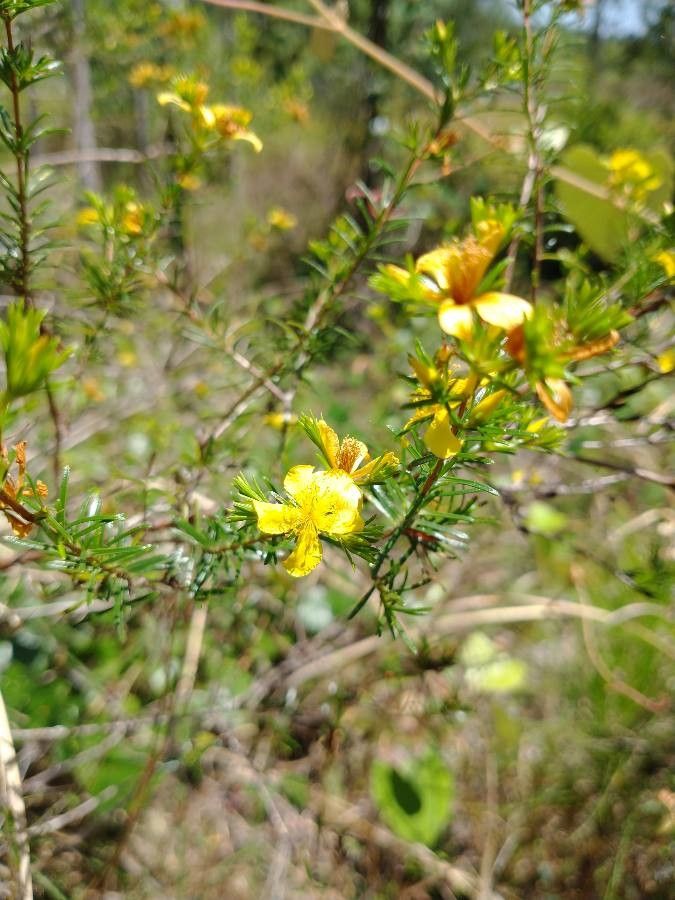
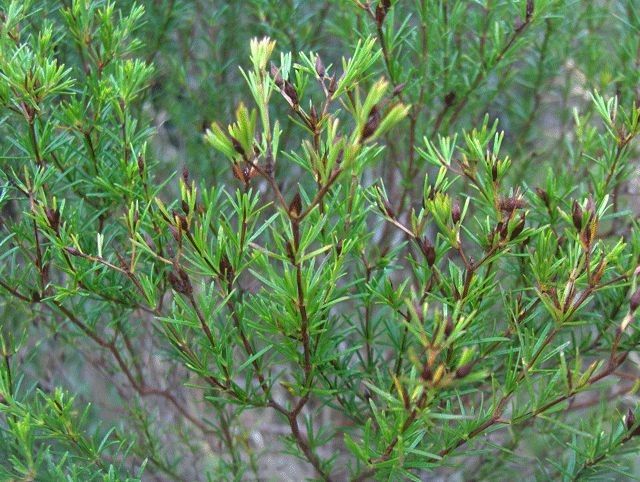
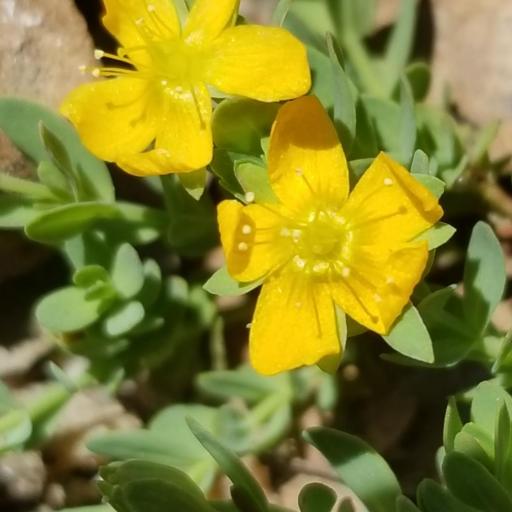
Hypericum fasciculatum, commonly known as clustered St. John's wort, is a perennial shrub belonging to the Hypericaceae family. Native to North America, this plant thrives in a variety of habitats, including meadows, forests, and wetlands.
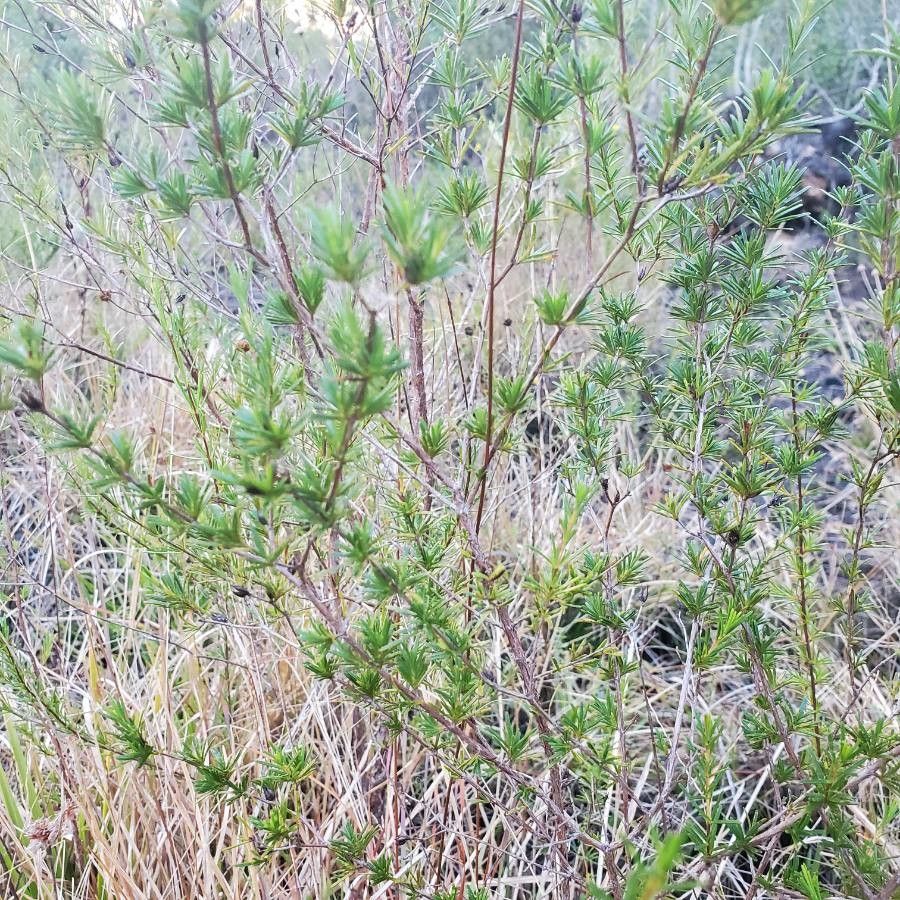
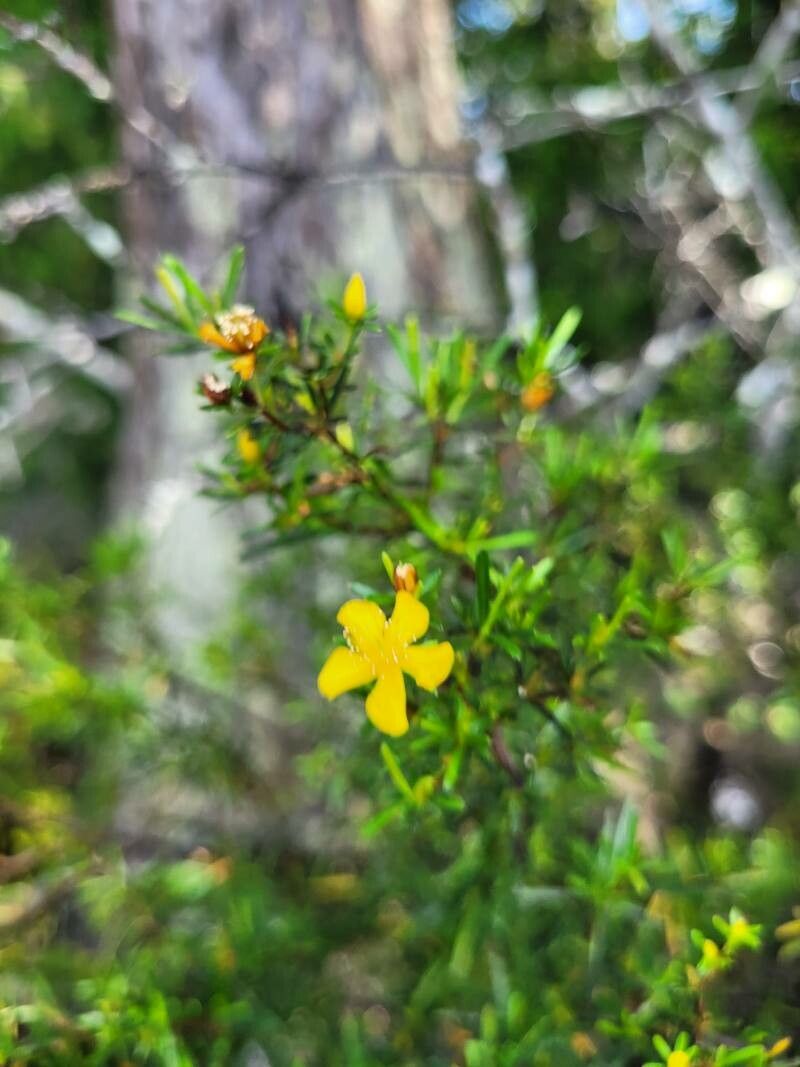
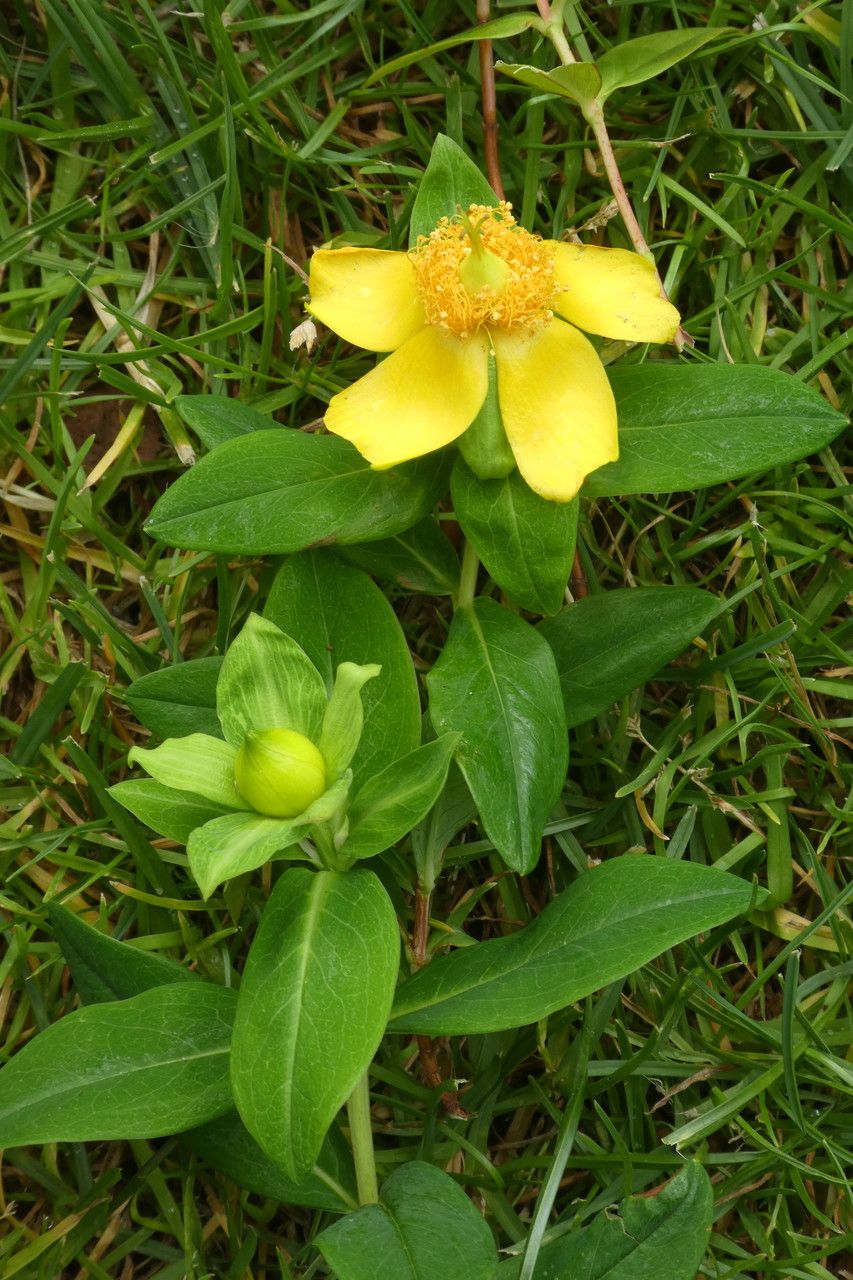
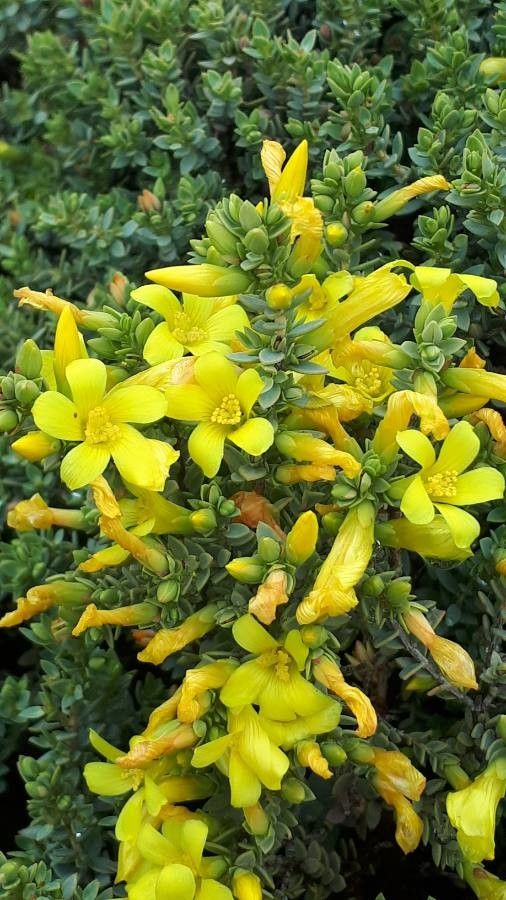
The shrub can grow up to 3 feet tall and has a bushy appearance with numerous branches. Its leaves are opposite, narrow-elliptical, have smooth margins, and are about 1 to 2 inches long. The flowers are bright yellow with five petals and bloom from June through August.
For centuries, Native Americans have utilized Hypericum fasciculatum for medicinal purposes, using it to treat various ailments such as wounds, burns, depression, and anxiety disorders.
The plant contains hypericin, which is believed to have antidepressant properties by inhibiting the reuptake of serotonin in the brain. It also contains hyperforin, which possesses antibacterial properties that can aid in treating skin infections.
In addition to its medicinal uses, Hypericum fasciculatum is an important food source for bees, which collect nectar from its flowers during the blooming season.
Overall, Hypericum fasciculatum is an important plant species both medicinally and ecologically. Its unique properties make it a valuable addition to any garden or natural habitat restoration project.
Hyssop-leaved st john's wort is fairly disease-resistant and typically not vulnerable to illnesses. Still, it can be affected by pests and diseases present in its environment. These problems are generally minor. For care, the plant requires moderate maintenance. It should be pruned regularly to keep a tidy appearance and support healthy growth. Fertilizing can also help encourage flowering. Hyssop-leaved st john's wort is appropriate for anyone with outdoor space, such as a garden or patio, and does not demand extensive care experience. It may need extra attention when grown indoors.
How to keep Hypericum Fasciculatum.
Light
Hyssop-leaved St John's wort is a sun-loving perennial herbaceous plant that comes from open habitats and commonly grows in meadows and grasslands. It prefers full sun but can also tolerate partial sun.
Water
Peelbark St. John's Wort is drought-resistant but is unable to tolerate waterlogged soil. During its first year, it needs about 25 mm (1 inch) of water each week. From the second year onward, normal rainfall is typically sufficient. Be careful not to over-water, as this can lead to root rot, which causes the leaves to wither and dry up.
Temperature
Hyssop-leaved st john's wort can tolerate a wide range of temperatures, though its range may still be restricted by certain combinations of moisture and heat. It grows best in warm summer conditions with sufficient rainfall or watering. Extended spells of cloudy, rainy weather, as well as prolonged high temperatures, can raise the chance of hyssop-leaved st john's wort dying. In winter, adequate protection from cold improves the plant's survival prospects.
Fertilizer
Early spring, when Hyssop-leaved st john's wort is coming out of dormancy and beginning active growth, is the best time to fertilize it. Fertilizing supplies the essential nutrients needed for healthy growth. Although Hyssop-leaved st john's wort has relatively modest fertilizer requirements, giving it fertilizer once a year can improve its survival and encourage better, longer-lasting flowers.
Pruning
Peelbark St. John's Wort is known for its yellow flowers and exfoliating bark. To encourage better airflow and bushier growth, prune the plant in early spring by removing up to one-third of it. Avoid heavy pruning in late summer, as this can make the plant susceptible to frost damage. Regular pruning not only enhances flowering but also promotes the overall health of the plant, ensuring a vibrant presence in your garden.
Botanical profile.
- Plant Type
- Herb
- Life Cycle
- Perennial
- Genus
- Hypericum
- Family
- Hypericaceae
- Hardiness Zone
- 5-9
- Mature Height
- 20 cm to 61 cm
- Mature Spread
- 30 cm to 49 cm
- Leaf Color
- Green, Dark Green
- Leaf Type
- Deciduous
- Flower Color
- Yellow
- Flower Size
- 1.52 cm to 2.54 cm
- Bloom Time
- Early summer, Mid summer
- Planting Time
- Spring, Autumn
- Harvest Time
- Late summer, Early fall
- Native Area
- Italy, Spain, France, Bulgaria, Ukraine, Serbia
Other names.
Reader questions.
What are the sunlight requirements for Peelbark St. John's Wort (Hypericum fasciculatum)?
Peelbark St. John's Wort, scientifically known as Hypericum fasciculatum, prospers in various sunlight conditions. It requires full sun, which means it needs above 6 hours of sunlight daily, to thrive fully. However, it can also grow well in partial sun, needing about 3-6 hours of sunlight. It's essential to observe how sunlight moves through your garden throughout the day to find the ideal spot. Ensuring the right balance of light and shade will keep your Peelbark St. John's Wort healthy and happy.
What is Peelbark St. John's wort?
Peelbark St. John's wort, scientifically known as Hypericum fasciculatum, is a plant species belonging to the family of plants identified by their genus Hypericum. Detailed specific information including essentials, content, and symptoms related to Peelbark St. John's wort is not provided.