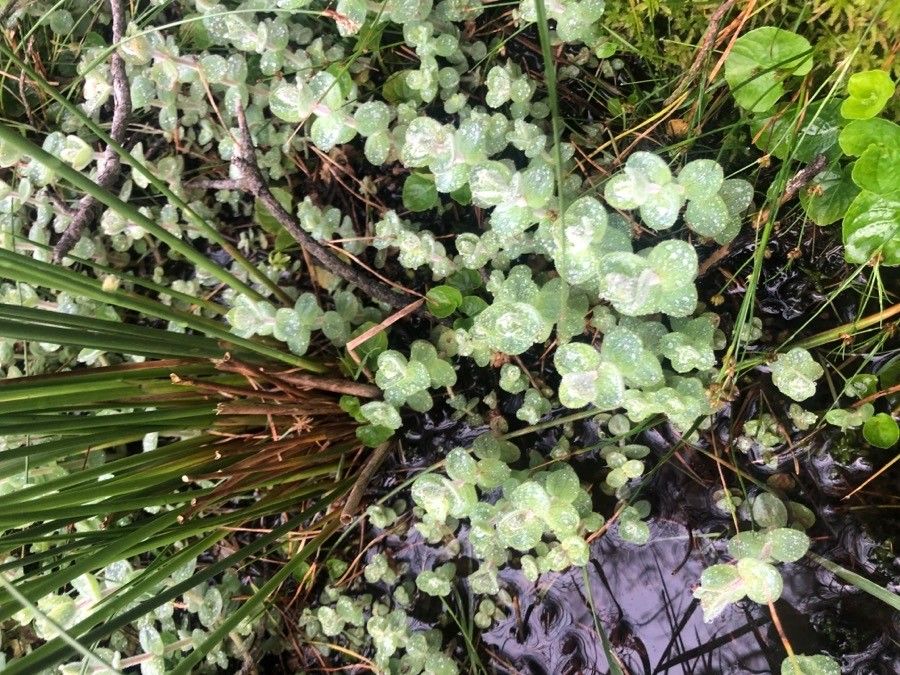
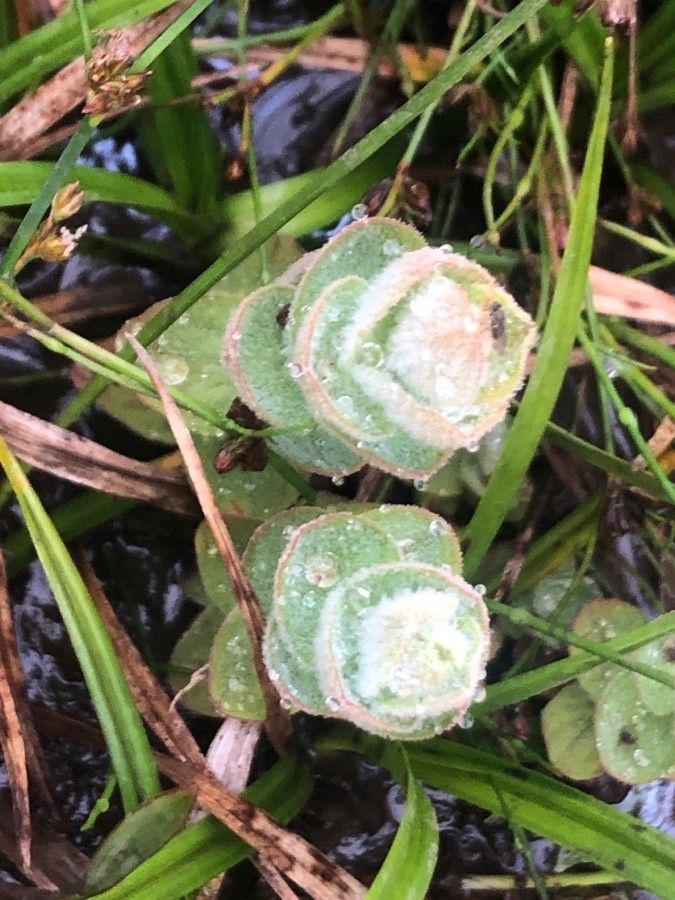
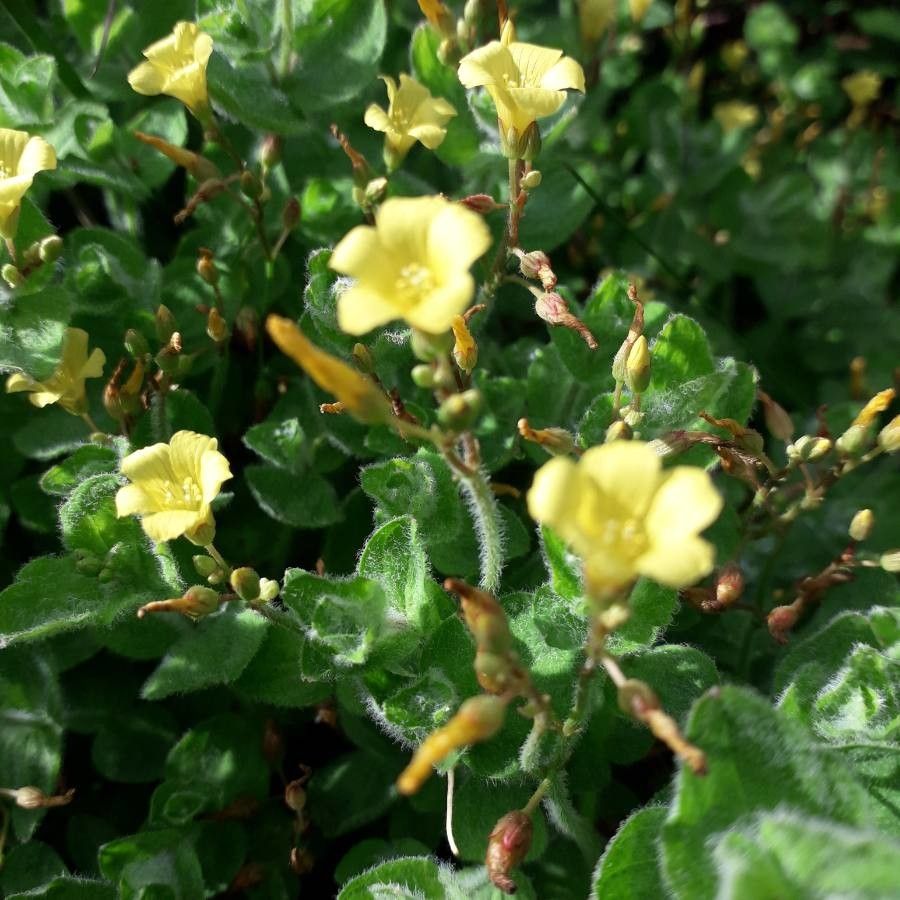
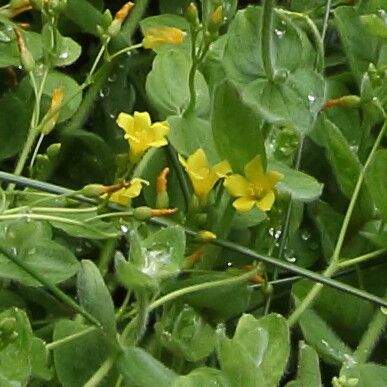
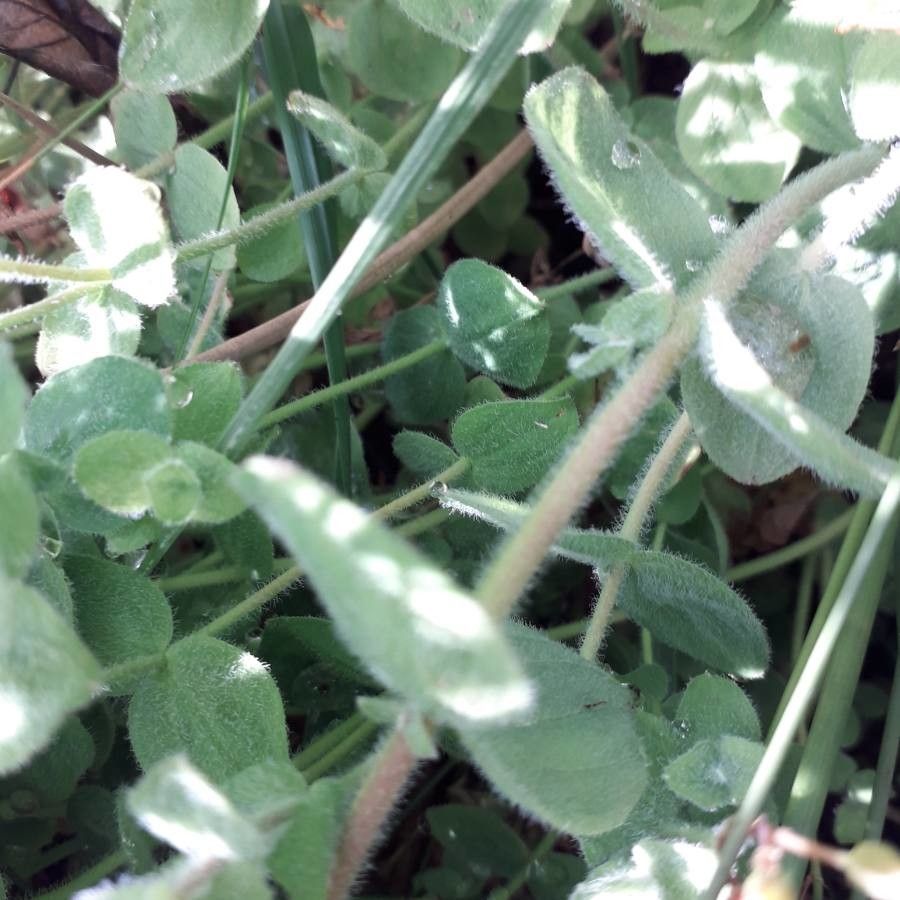
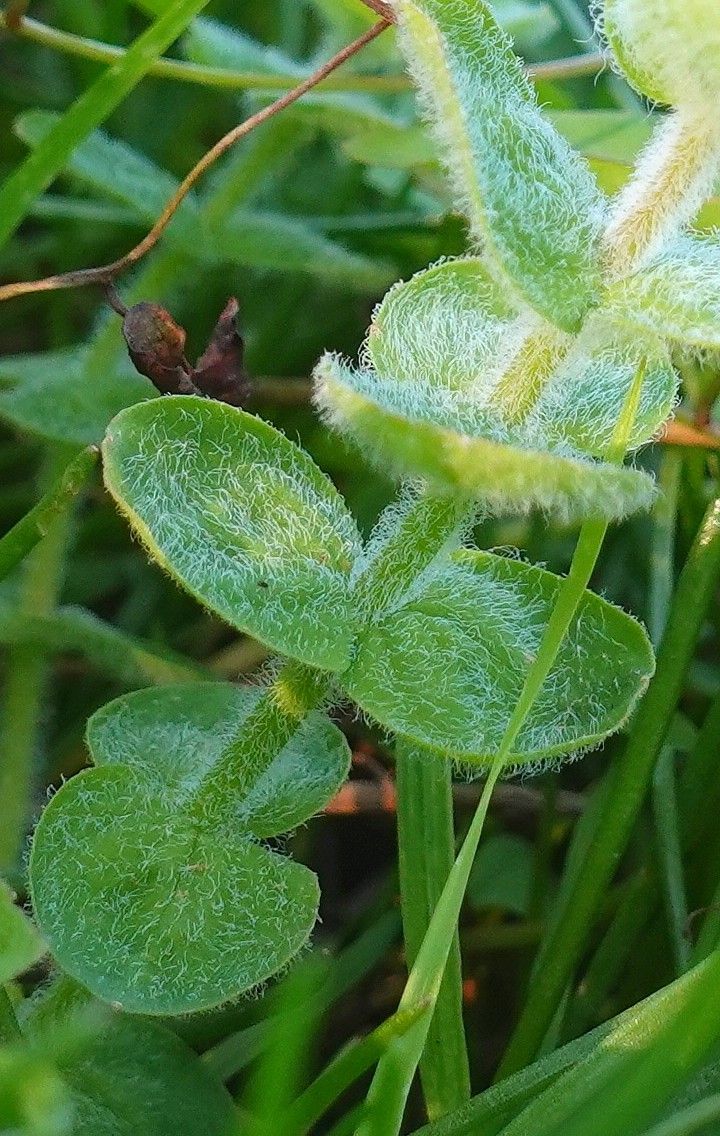
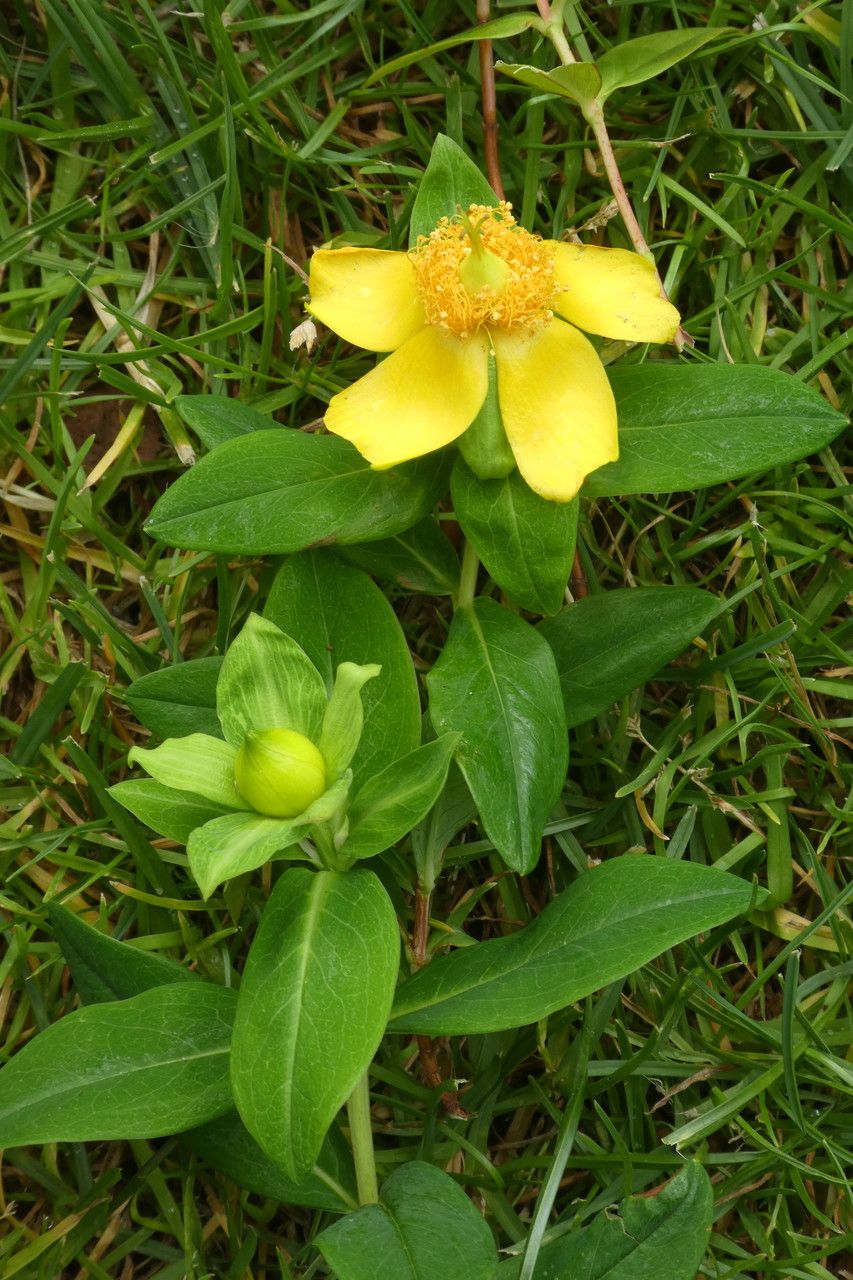
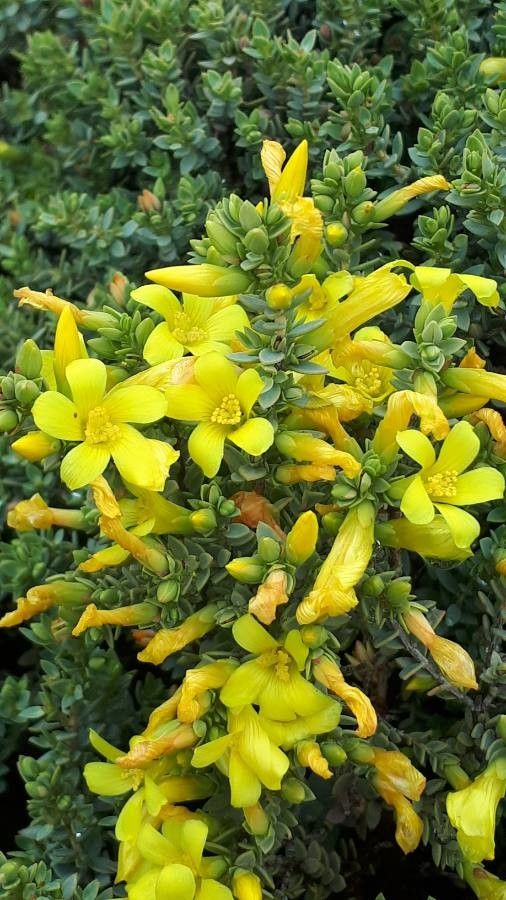
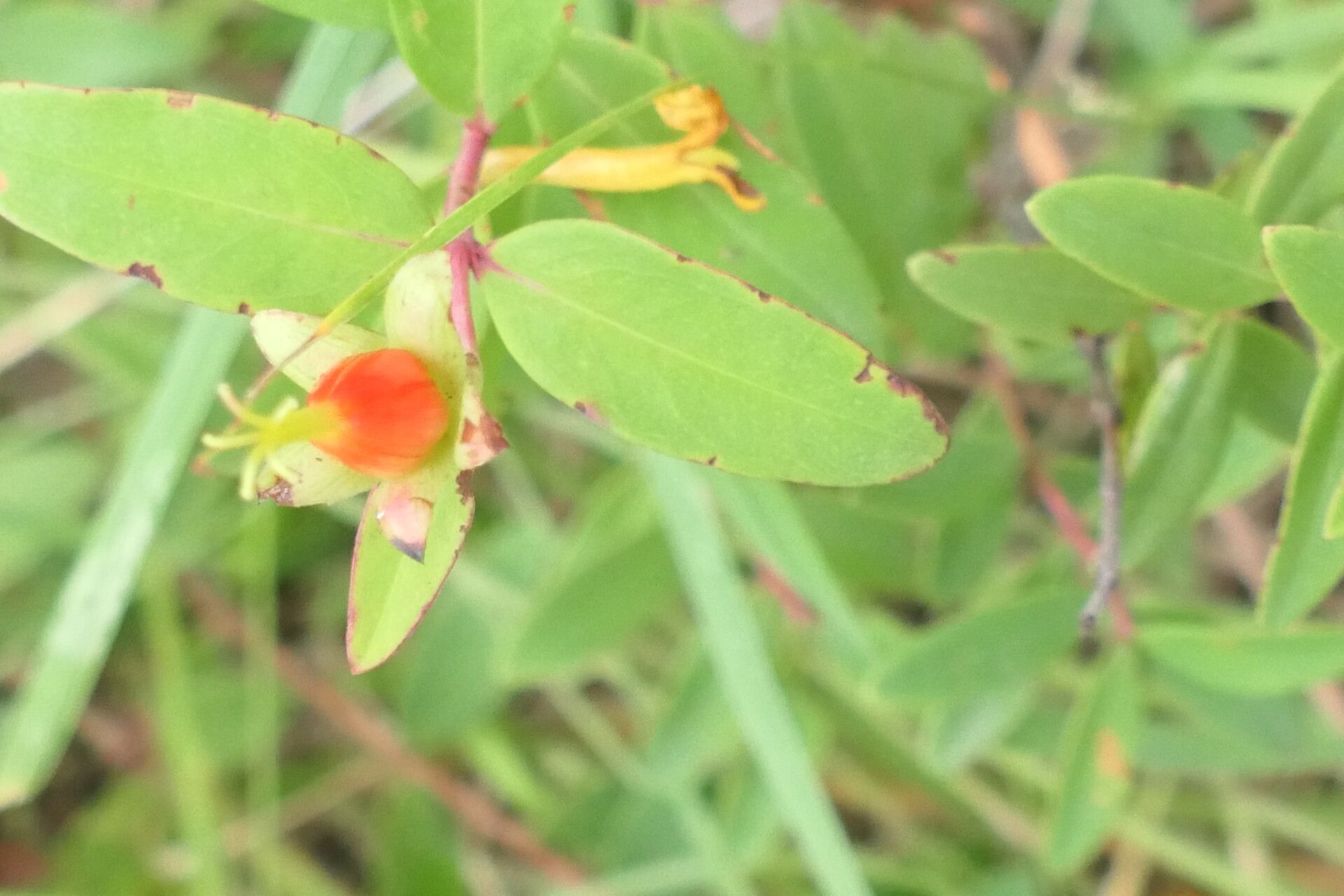
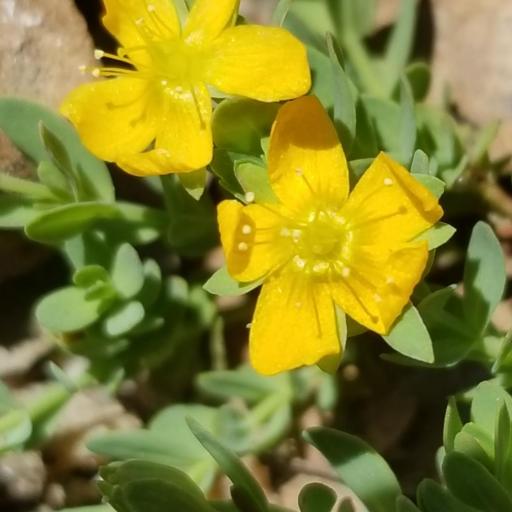
Hypericum elodes, commonly known as bog St. John's wort, is a perennial herbaceous plant belonging to the Hypericaceae family. It is indigenous to wetlands and bogs in North America and Europe. The plant can grow up to 60 cm tall and features a woody base with numerous branches that produce small yellow flowers from June to August. The leaves of Hypericum elodes are opposite, narrow, and lance-shaped. They are attached directly to the stem without stalks. The upper surface of the leaves is dark green, while the lower surface is pale green with translucent dots containing essential oils. For centuries, Hypericum elodes has been used for its medicinal properties, particularly its anti-inflammatory effects. It has been traditionally used as a natural remedy for depression, anxiety disorders, nerve pain relief, and wound healing. This plant thrives in moist soil conditions but can tolerate some drought once established. It naturally grows in wetlands or bogs, requiring environments that mimic these conditions. Overall, this herbaceous perennial is an attractive addition to any garden or landscape design when planted in suitable conditions like moist soil or boggy areas. It provides a beautiful display of yellow flowers during the summer months when many other plants have finished blooming. Additionally, it offers medicinal benefits when harvested properly. It is important that trained professionals harvest and process this plant to ensure its safe use in products such as teas, tinctures, and salves.
Marsh St. John's wort has good disease resistance and is generally not prone to illnesses. Still, it can be affected by pests and diseases present in its environment. These problems are typically not serious. For care, the plant requires moderate maintenance. It should be pruned regularly to keep a neat appearance and support healthy growth. Fertilizing can also help encourage flowering. Marsh St. John's wort is appropriate for anyone with outdoor space, such as a garden or patio, and does not demand extensive experience in plant care. It may need additional attention if grown indoors.
How to keep Hypericum Elodes.
Light
Marsh St. John's wort is native to habitats like forest understories and rocky areas, where it naturally grows in shade. It prefers partial sun but can tolerate both full sun and full shade, showing its adaptable and hardy character.
Water
Marsh St. John's Wort is drought-resistant but cannot survive in waterlogged soil. During its first year, it needs approximately 25 mm (1 inch) of water each week. Starting from the second year, it typically relies on natural rainfall for its water needs. Be careful not to over-water, as this can lead to root rot and wilting leaves.
Temperature
Marsh St. John's wort can tolerate a wide range of temperatures, but its distribution may still be constrained by various combinations of moisture and heat. It does best in warm summer climates with sufficient rainfall or watering. Extended periods of cloudy, rainy weather or prolonged high temperatures can raise the chance of Marsh St. John's wort dying. In winter, adequate protection from the cold can enhance the plant's survival.
Fertilizer
The optimal time to fertilize a Marsh St. John's wort is in early spring, as it comes out of dormancy and starts active growth. Fertilization supplies essential nutrients needed for healthy development. Although Marsh St. John's wort has relatively low fertilizer requirements, applying fertilizer annually can improve its survival and encourage better, longer-lasting flowers.
Pruning
Marsh St. John's Wort flourishes in wetland environments, displaying vibrant yellow flowers. To encourage growth and maintain its shape, prune it in early spring. Remove any weak stems to strengthen the plant. Keep the soil moist to aid recovery, and use sharp, clean tools to minimize damage and promote the plant's health and appearance.
Botanical profile.
- Plant Type
- Herb
- Life Cycle
- Perennial
- Genus
- Hypericum
- Family
- Hypericaceae
- Hardiness Zone
- 6-9
- Mature Height
- 20 cm
- Mature Spread
- 91 cm
- Leaf Color
- Light Green, Pale Green
- Leaf Type
- Semi-evergreen
- Flower Color
- Yellow
- Flower Size
- 1.02 cm to 1.52 cm
- Bloom Time
- Summer
- Planting Time
- Spring, Summer, Autumn
- Harvest Time
- Late summer, Early fall, Mid fall
- Native Area
- Germany, Portugal, Italy, Spain, Netherlands, Ireland, United Kingdom, Slovenia, Belgium, France
Other names.