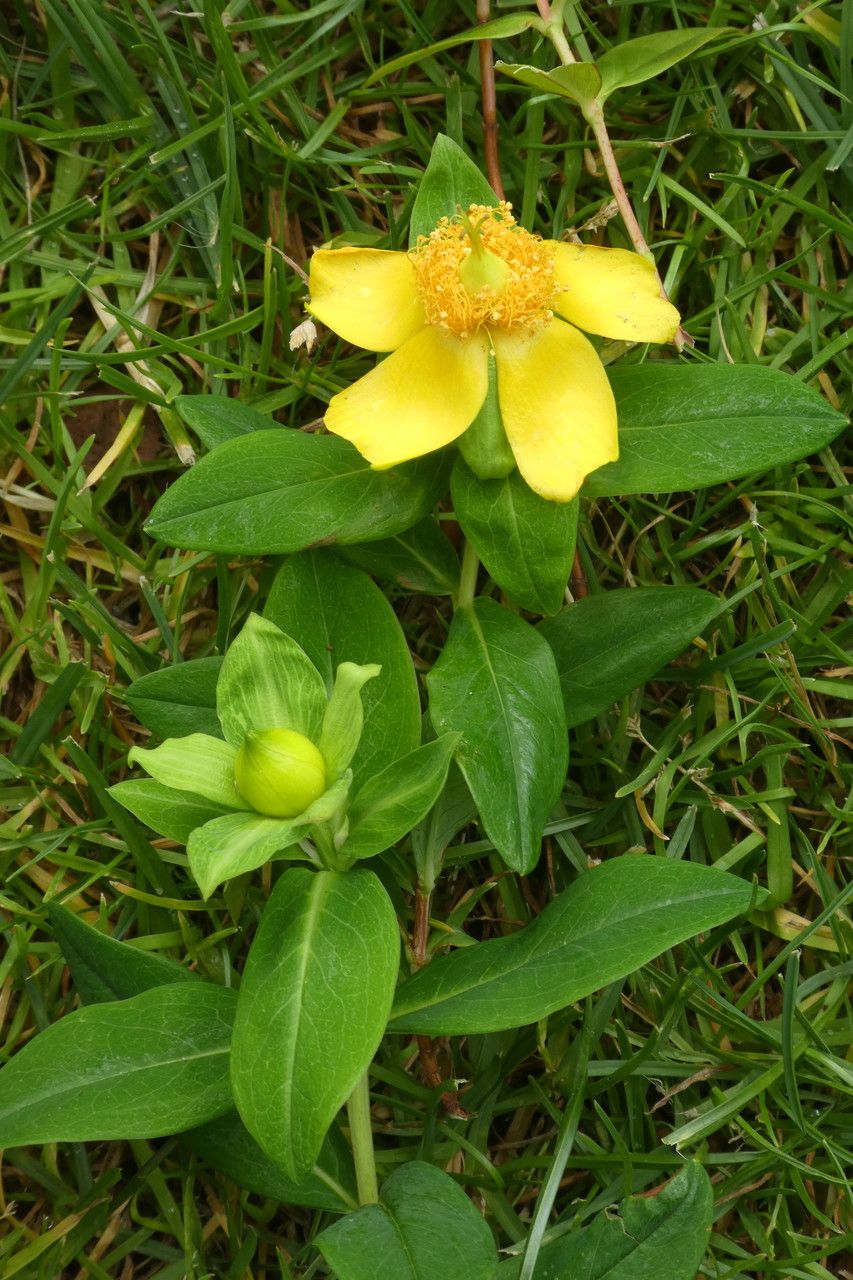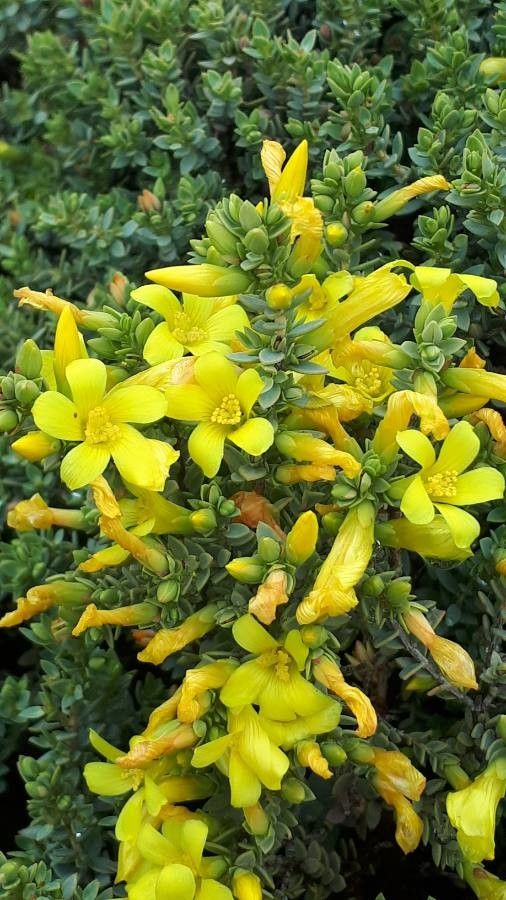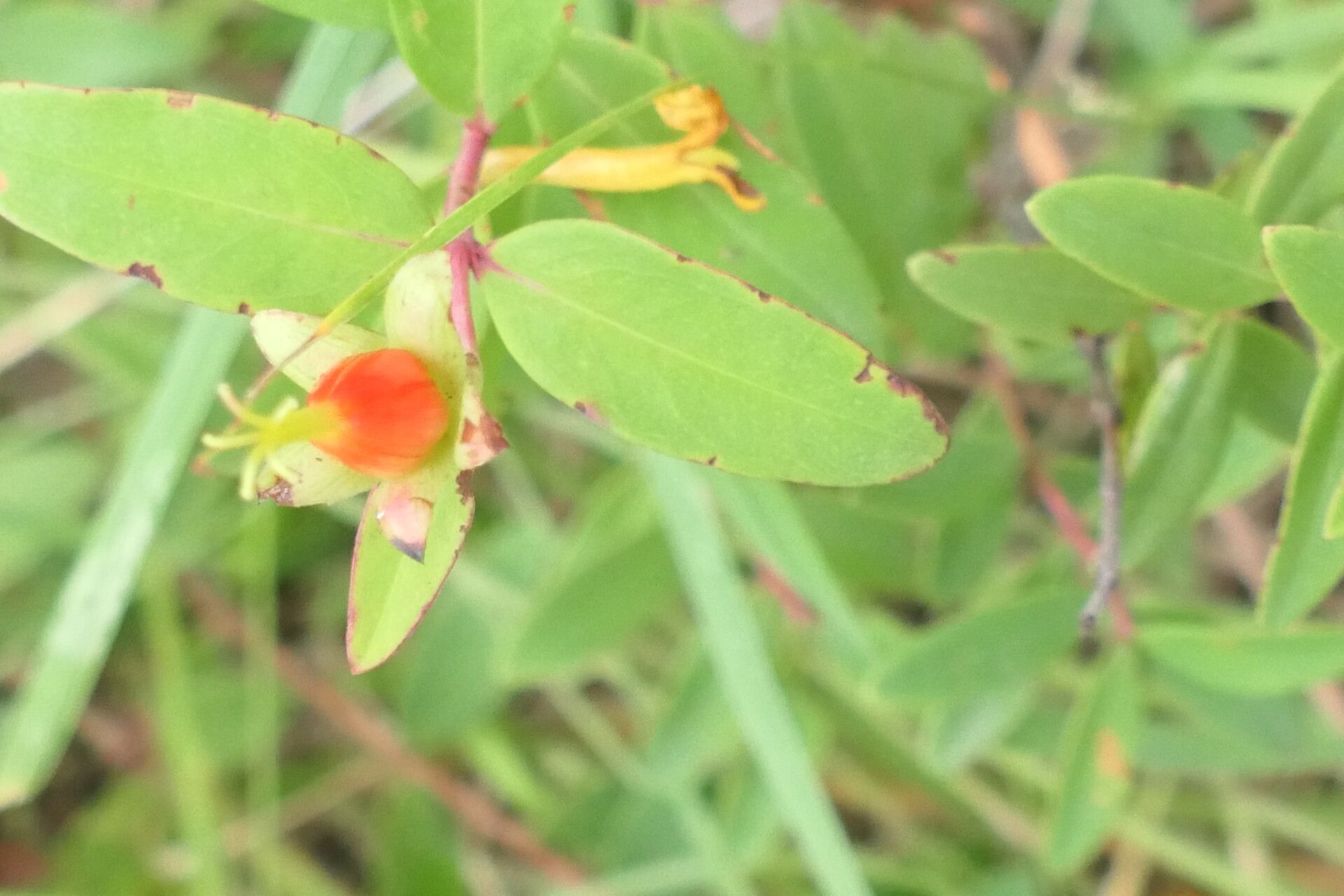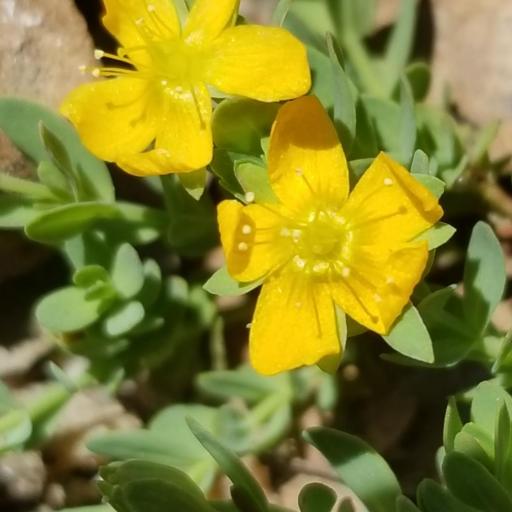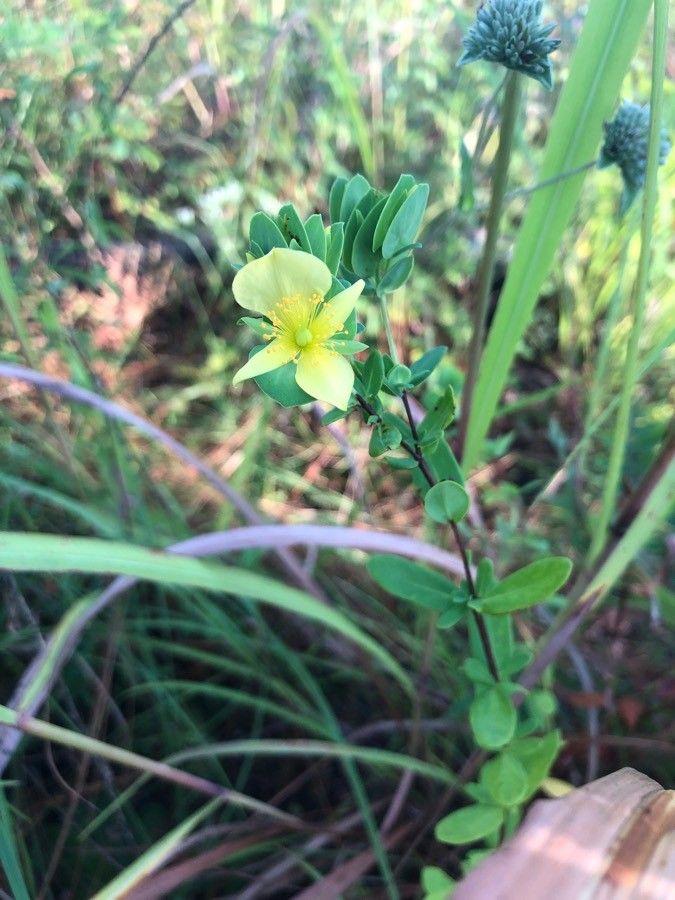
Hypericum crux-andreae, commonly called St. Peter's-wort, is a small shrubby flowering plant in the St. John's wort family Hypericaceae. It is native to Eastern North America, where it is primarily found in the sandy soils of the Coastal Plain with extensions into the Piedmont and Cumberland Plateau.It is found in wet flatwoods, and generally in wet, open, sandy areas such as bogs or seeps, although it is occasionally found in drier habitats.
St. Peter's wort has good resistance to disease and is generally not susceptible to illnesses. Regarding care, this plant is fairly low-maintenance. When grown outdoors it needs little watering, and larger plants usually do not require pruning. However, smaller plants should be trimmed after they have finished blooming. St. Peter's wortt is appropriate for anyone with an outdoor area, such as a garden or deck, and does not demand a great deal of care experience.
How to keep Hypericum Crux Andreae.
Light
St. Peter's wort prefers an environment filled with sunlight rather than unfiltered light. This need for sunlight allows it to grow vigorously. In its natural habitat, it flourishes in such sun-soaked conditions. Too little light can stunt its growth, while too much may be harmful.
Water
St. Peter's Wort thrives in relatively dry climates, requiring only moderate watering every 2-3 weeks. It is highly drought-tolerant, so when caring for it outdoors, be sure to consider seasonal rainfall patterns, particularly in areas with distinct wet and dry seasons.
Temperature
St. Peter's wort prospers in temperate conditions, preferring temperatures between 50 and 95°F (10 to 35℃). In periods of extreme heat or cold, it is recommended to adjust the temperature to replicate its natural habitat for optimal growth.
Fertilizer
Timing is essential for feeding St. Peter's wort. Apply fertilizer in early spring and continue monthly until early summer. Fertilizer supports the development of attractive blooms and supplies energy during both dormant and active growth periods.
Pruning
St. Peter's wort, known for its bright yellow flowers, benefits from pruning in early spring. To promote new growth, trim one-third of the oldest stems and remove any dead wood to prevent disease. Make cuts just above the leaf nodes to encourage branching, control the plant's size, and increase its density. Ensure you use sterilized tools for the best results.
Botanical profile.
- Plant Type
- Shrub
- Life Cycle
- Perennial
- Genus
- Hypericum
- Family
- Hypericaceae
- Hardiness Zone
- 6-9
- Mature Height
- 30 cm to 61 cm
- Mature Spread
- 30 cm to 91 cm
- Leaf Color
- Green, Dark Green
- Leaf Type
- Semi-evergreen
- Flower Color
- Yellow
- Flower Size
- 2.54 cm
- Bloom Time
- Summer
- Planting Time
- Spring, Summer, Autumn
- Harvest Time
- Early fall, Mid fall
Other names.
Reader questions.
How often do I need to water my St. Peter's wort?
The St. Peter's wort plant requires deep and infrequent watering, especially when planted in pots where the soil can dry out quickly. In cold regions, watering every 3 to 5 days is necessary, preferably in the morning when the soil is dry. Checking the top 2-3 inches of soil can help determine if watering is needed. During hot days, daily monitoring may be necessary as the soil can dry out rapidly. For garden plants in hot climates, watering once a week is sufficient. Be mindful of rainwater and avoid overwatering to prevent root rot. Applying mulch around the plants can help conserve water when grown outdoors. Sandy soil requires more frequent watering, while clay soil can be watered less frequently. Keeping track of watering dates and observing drooping leaves can indicate when additional watering is needed.
How much sunlight does St. Peter's wort need to grow?
St. Peter's wort, a plant that thrives in direct sunlight, requires about 3-6 hours of sun each day. However, it is important to protect it from the hottest parts of the day to avoid sun damage. Ideally, it should receive morning sunlight, but it can tolerate some afternoon sun as long as the temperature is not too hot. To provide the ideal sunlight balance, consider planting St. Peter's wort in an area that offers partial sun, like under a tree or on the east side of a building.
What is the best temperature for St. Peter's wort?
St. Peter's wort thrives best at temperatures between 65 to 80℉ (18 to 27℃). During the main growing phase, it can tolerate temperatures as high as 95℉ (35℃) and as low as 15℉ (-10℃). It is also able to survive freezing winters. The ideal temperature range is between 65 to 80℉ (18 to 27℃), with the highest tolerable range being 85 to 95℉ (30 to 35℃), and the lowest tolerable range being -5 to 15℉ (-20 to -10℃) or below.
What is the most effective way to water my St. Peter's wort?
To ensure excellent root development, it's recommended to place a garden hose at the base of the plant. Avoid spraying the leaves directly, and keep in mind that outdoor plants exposed to direct sunlight will need more watering. To moisten the roots, you can use bubblers for individual plants or soaker hoses that cover the entire garden or bed. When adding or removing plants, soaker hoses are especially useful for promoting deep root growth. After watering, drain any excess water and allow the soil to dry before watering again. To prevent diseases, it's best to water at ground level. On a sunny day, spraying the entire bush with water may be beneficial. Whether the plant is potted or in-ground, please remember that St. Peter's wort prefers deep watering instead of light sprinkling.
What happens if St. Peter's wort doesn't get enough sunlight?
St. Peter's wort can experience sun damage if it gets too much direct sunlight. This may cause its leaves to turn yellow, dry out, or burn. Additionally, the plant may wilt or become stunted. To avoid this, it is important to provide some shade for St. Peter's wort during the hottest times of the day. You can achieve this by using a shade cloth or planting it near taller plants that can offer natural shade.
Do I need to change the temperature for St. Peter's wort at different stages of growth?
According to research, prolonged periods of higher temperatures can cause stunted growth in St. Peter's wort, particularly during the development of axillary buds and main shoots. To promote healthy growth after germination or transplanting, it is important to maintain consistent and cooler temperatures, around 65℉ (18℃).
What should I do if I give St. Peter's wort too much or too little water?
If you overwater your St. Peter's wort, its leaves can turn yellow, drop off, and wilt. The plant may also look dull and unhealthy with mushy stems. When you start seeing these signs, adjust your watering schedule as needed. Wilting can also be a sign of under-watering. In this case, the leaves may become crispy and dry while overwatered ones will be soft and wilted. If the soil is dry and simply watering isn't enough, give it a thorough watering. However, even after the plant recovers, it may still have dry and yellow leaves due to damage to the root system. Once it returns to normal, the yellowing of the leaves will stop. When growing St. Peter's wort indoors, always check the moisture levels in the pot. Avoid overwatering and be on the lookout for black spots. If you notice such spots, allow the soil to dry out by not watering for a few days. Overwatering can lead to root rot. If you suspect this is the case and see discolored and slimy roots, consider transferring the plant to a different pot. It's important to prevent root rot by not allowing the soil to become too soggy. When planting St. Peter's wort outdoors, ensure that the soil is sufficiently moist. If you find that the soil is too dry when checking with your fingers, it may indicate that you're underwatering. Adequate watering is necessary for the plant to recover.
What will occur if the St. Peter's wort receives excessive sunlight?
When St. Peter's wort doesn't receive sufficient sunlight, it can become tall and thin, with not enough leaves. Additionally, the leaves may become yellow or pale green, which is a sign that the plant is not producing enough chlorophyll due to insufficient sunlight. To fix this, you can try relocating St. Peter's wort to a sunnier area or trimming surrounding foliage to allow more light to reach the plant.
How do I keep St. Peter's wort warm during cold seasons?
St. Peter's wort can handle freezing temperatures when planted in the ground, as long as the temperatures don't drop below 15℉ (-10℃) during winter. However, if planted in pots or containers, their roots need protection from the cold. To do this, wrap the container in a blanket or bring it indoors to keep it fully shielded from the weather.
How much water should I give my St. Peter's wort plant?
To properly care for St. Peter's wort, it generally requires about a gallon of water on a regular schedule. For potted plants, water them deeply until you see water dripping from the bottom of the pot. Allow the soil to dry before watering again. You can use a water calculator or moisture meter to determine how much water the plant receives in a week. During the flowering period, provide ample water, but allow moisture to evaporate to prevent root rot. If St. Peter's wort is planted outdoors and receives adequate rainfall, additional watering may not be necessary. However, when the plant is young or newly planted, ensure it receives 1-2 inches of rain per week. As the plant matures, it can rely solely on rainfall. Only in extremely hot weather or during extended periods without rain for 2-3 weeks, consider giving the plant a thorough watering during cooler times of the day to prevent heat damage. Additional watering will be needed during prolonged dry spells.
What will happen to St. Peter's wort if the temperature is too high or too low?
St. Peter's wort is more negatively affected when the temperature is consistently too high rather than too low. When it gets too hot, the plant experiences reduced seed germination and photosynthesis efficiency due to heat stress-induced hormone triggers. This is evident through signs such as wilting, leaf browning, and possible death. On the other hand, if the plant gets too cold, its functions like nutrient uptake and photosynthesis stop, potentially leading to plant death. If a freezing event happens during the growing season, a membrane phase transition might occur, causing the plant's functions to cease and leading to plant death.
Do I need to change how often I water my St. Peter's wort based on the time of year or the weather?
The St. Peter's wort plant needs rainwater when grown outdoors, but it can tolerate dry weather. In the spring and fall, the soil should be kept moist but not waterlogged. Alternating between dry and moist soil conditions will help the St. Peter's wort thrive. During hot summer months, the water can evaporate quickly, so you may need to water more often if there is a lack of rainfall. In winter, the plant needs less water as it goes dormant. It is best to use well-draining soil and terracotta pots to allow for proper water evaporation. Once the plant starts leafing out in the spring, you can stop watering as it will rely on rain. Avoid overwatering and ensure good drainage to prevent damage to the St. Peter's wort. When grown in pots, make sure to keep them well-watered, especially in the summer, and provide adequate drainage. Deep watering once or twice a week is recommended, avoiding shallow sprinkling that doesn't reach the roots. During fall and winter, even in dormancy, do not let the plants dry out completely. Avoid waterlogging the plants as they don't like sitting in water for long periods. Applying mulch can help reduce stress, conserve water, and promote healthy blooms.