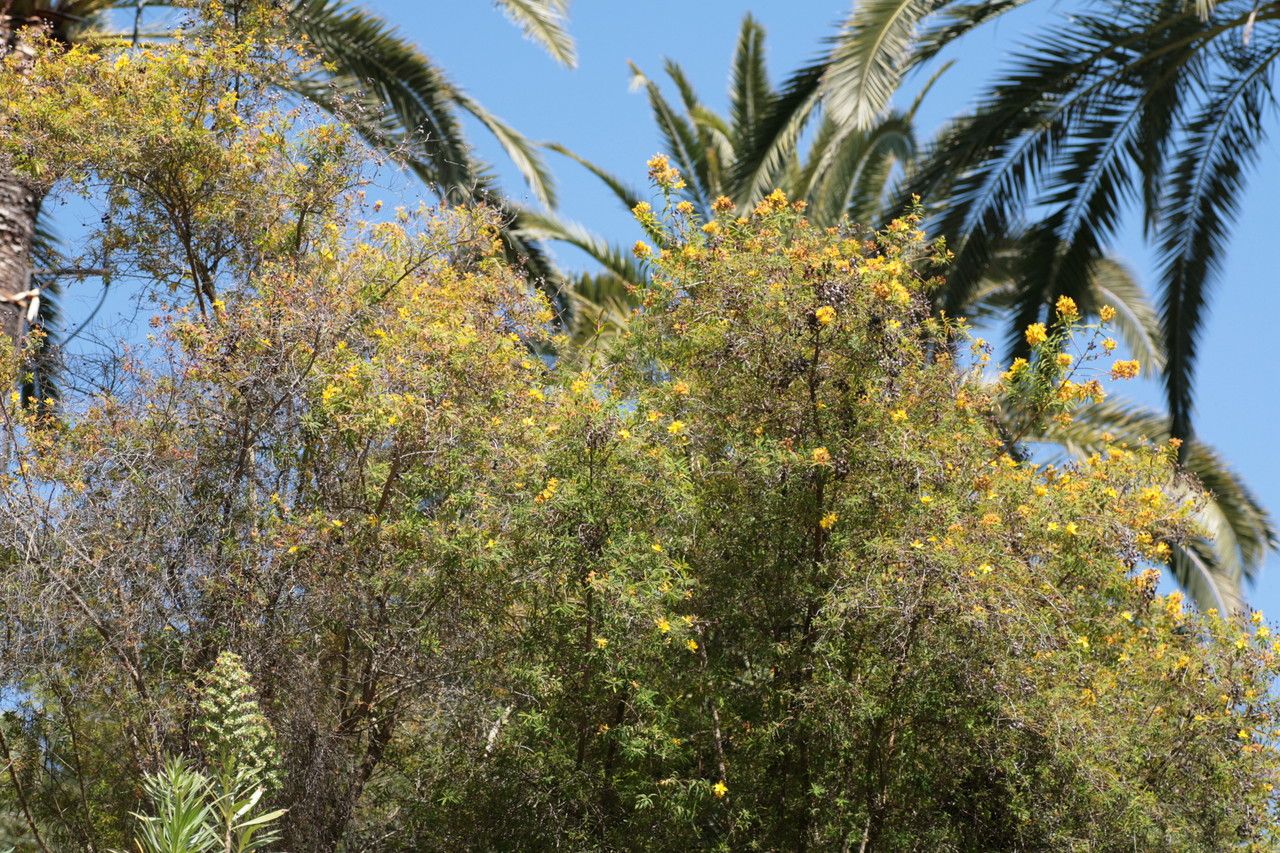
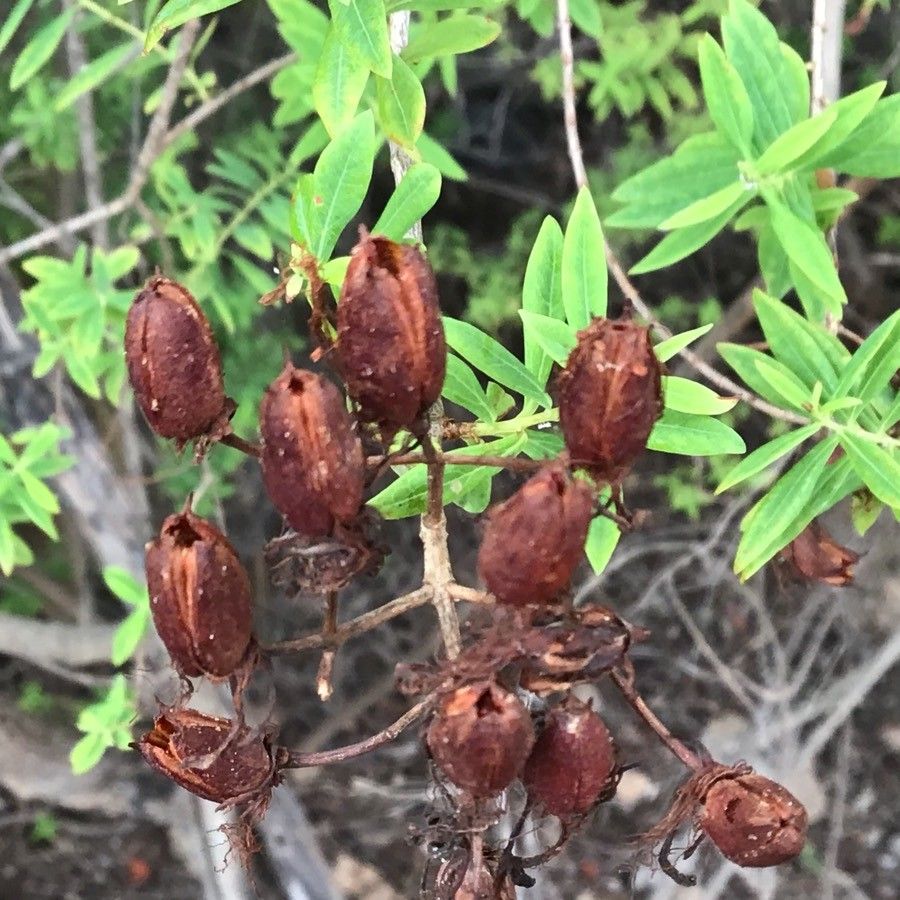
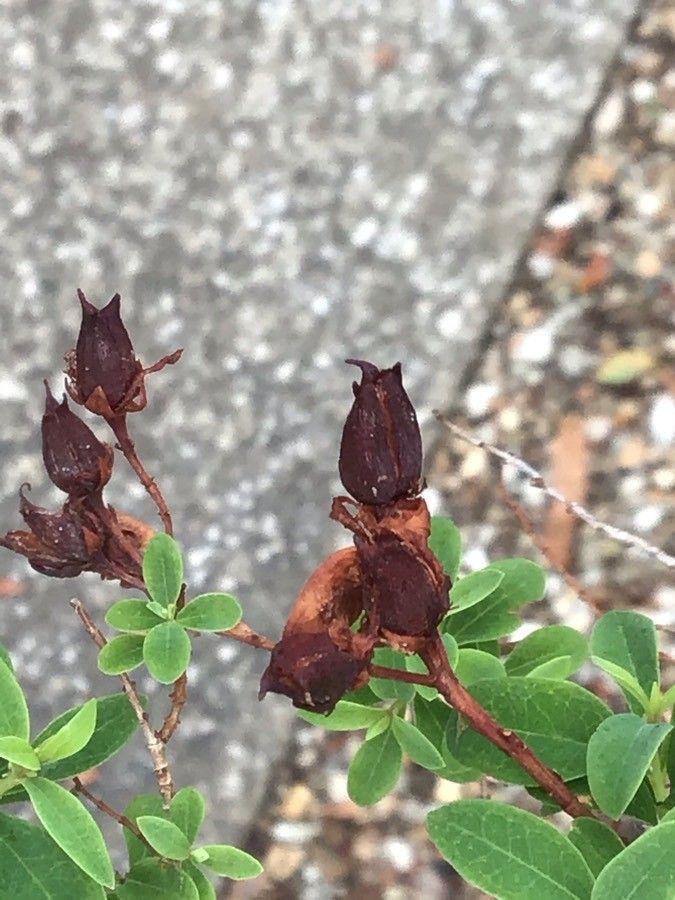
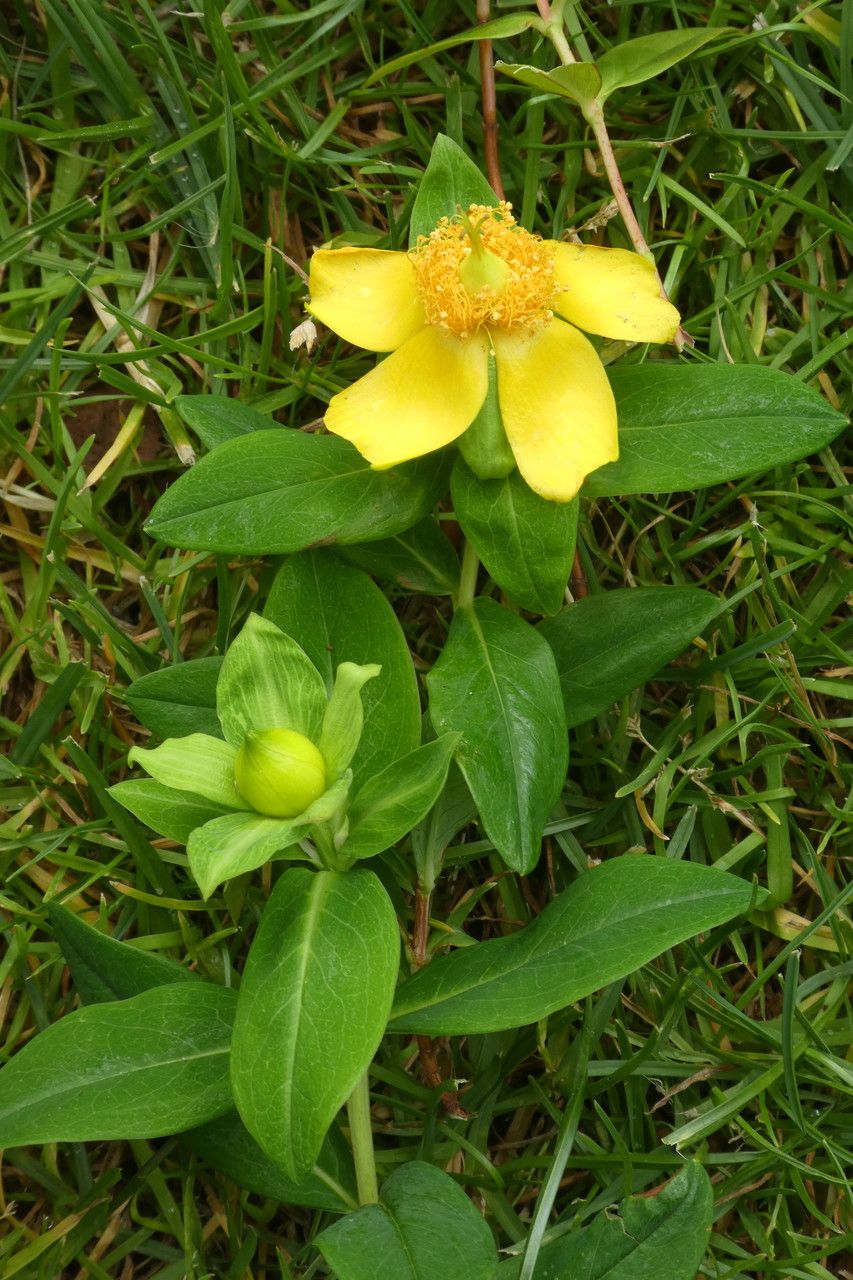
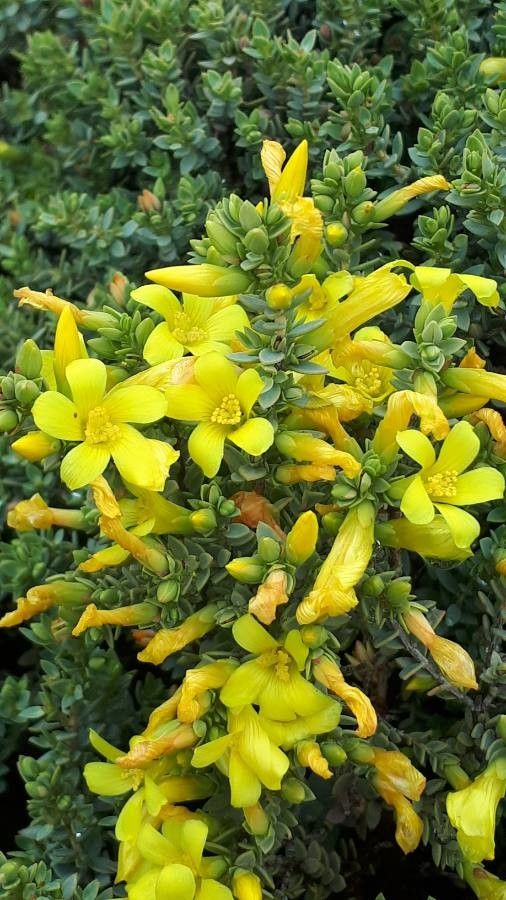
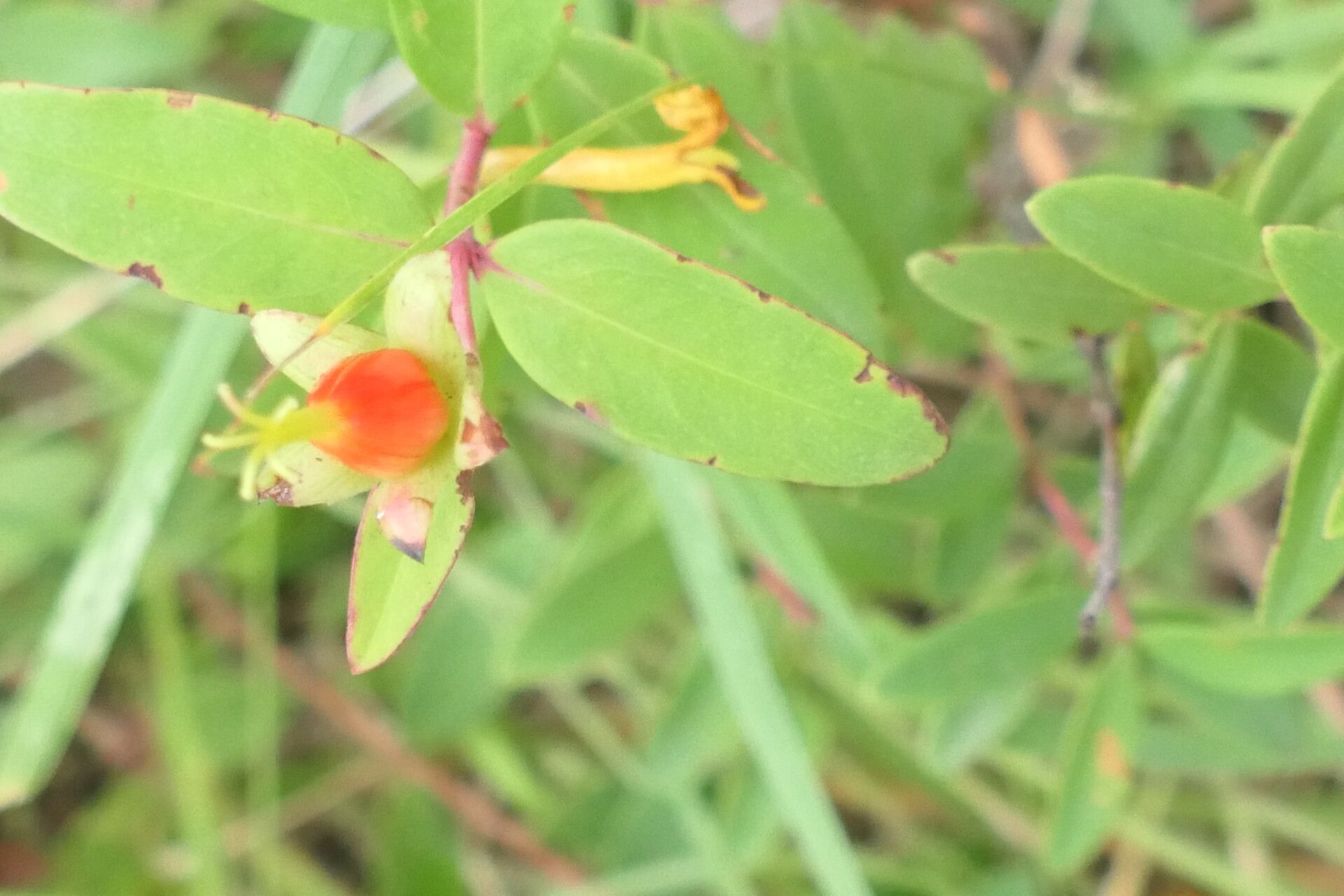
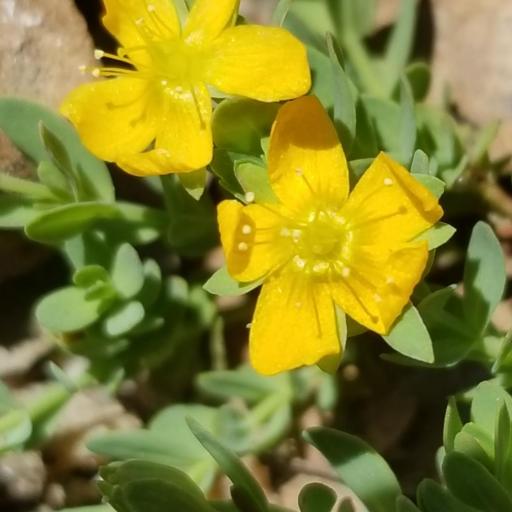
Hypericum canariense, commonly known as Canary Island St. John's Wort, is a perennial shrub belonging to the Hypericaceae family. Native to the Canary Islands, this plant thrives in rocky areas and on cliffs.
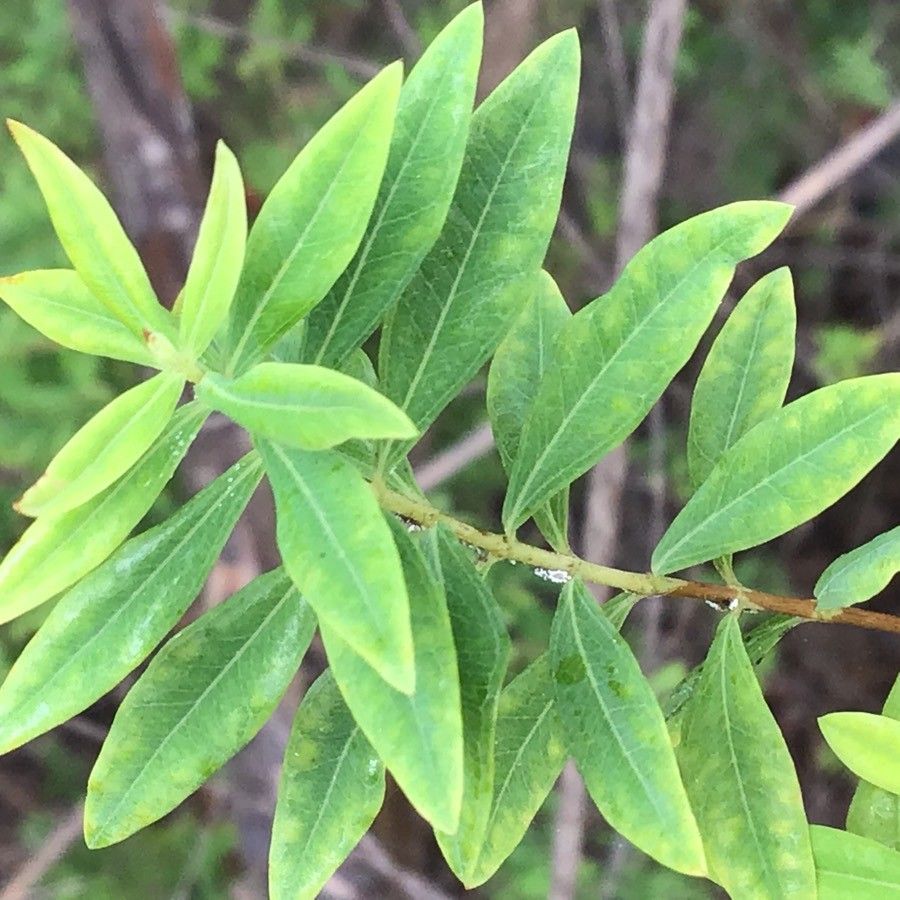
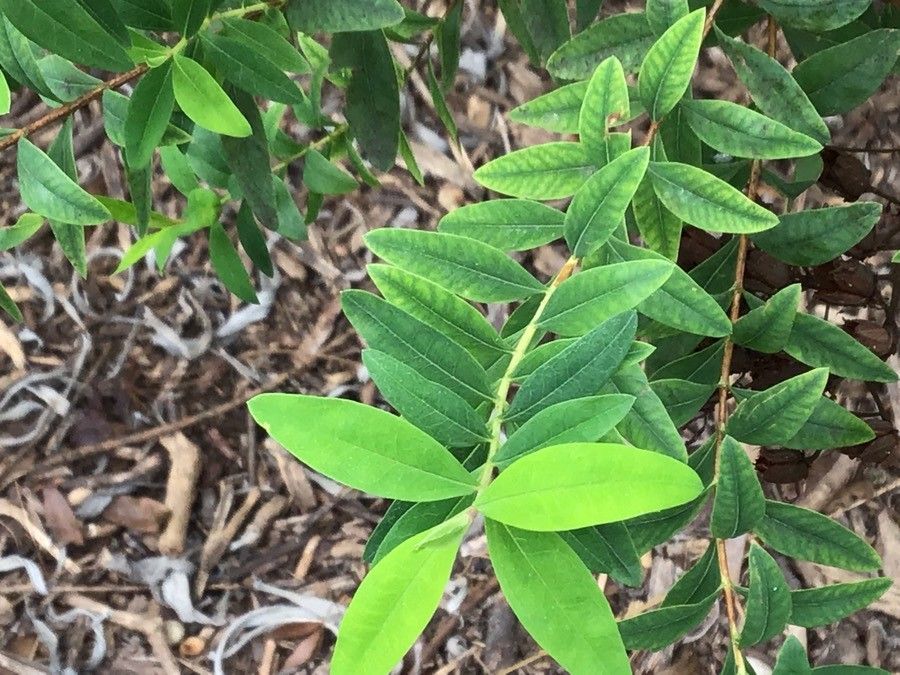
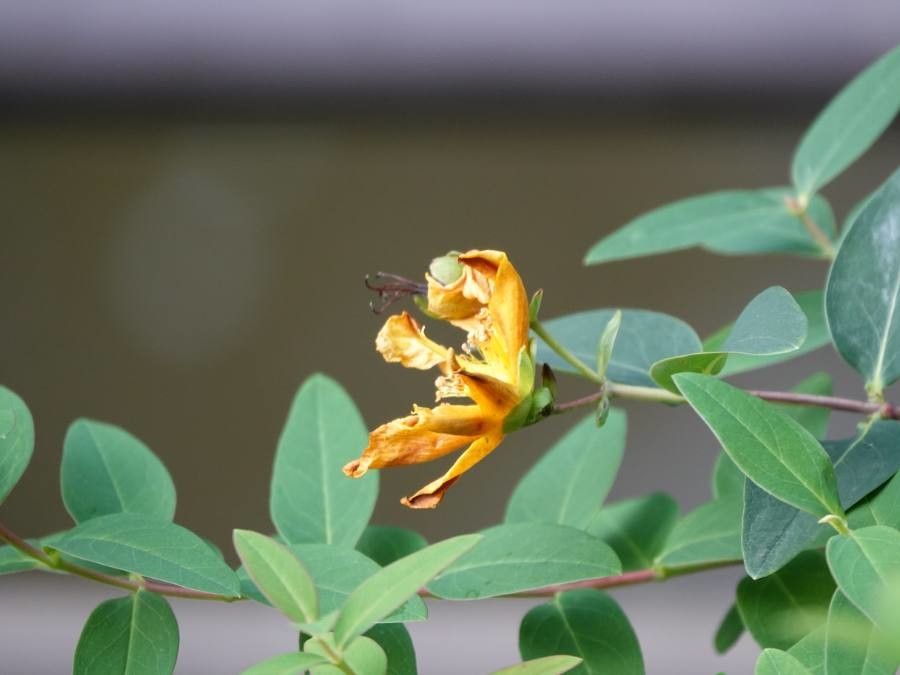
The shrub features a woody stem that can grow up to 1 meter in height, adorned with small, oval-shaped dark green leaves. Its bright yellow flowers, each with five petals, bloom from June to August.
For centuries, Hypericum canariense has been valued for its medicinal properties, including anti-inflammatory, antiviral, and antidepressant benefits. It is also employed as a natural remedy for anxiety disorders.
This plant prefers well-drained soil and full sun exposure but can tolerate partial shade. While it is drought-tolerant, it requires regular watering during its growing season.
Overall, Hypericum canariense is an attractive ornamental plant with medicinal properties, making it an excellent addition to any garden or landscape design project.
Creeping St. John's wort is highly disease-resistant and is typically not vulnerable to illnesses. Regarding care, the plant is fairly low-maintenance. Planted outdoors it needs little watering, and larger specimens usually do not require pruning. Smaller plants, however, should be trimmed after they finish blooming. Creeping St. John's wort is appropriate for anyone with an outdoor area, such as a garden or a deck, and does not demand extensive gardening experience.
How to keep Hypericum Canariense.
Light
Creeping St. John's wort flourishes best in locations that receive ample daylight. A moderate amount of sunlight can also support its vigorous growth. It has the ability to endure in spots with limited light, though this might restrain its progress. Originating from a setting with varied sunlight, intense exposure could be harmful, resulting in burned leaves. Likewise, limited sunlight could result in less blooming and a weaker overall constitution.
Water
Originating from arid regions, Canary Island St. John's Wort thrives with minimal watering, needing hydration only once every 2-3 weeks. Its drought tolerance makes it an excellent choice for xeriscaping and rock gardens, as it efficiently utilizes the sporadic rainfall typical of its native dry climate.
Temperature
Creeping St. John's wort naturally thrives in climates with temperatures that oscillate between 41 to 95 °F (5 to 35 ℃). To promote ideal growth, aim to uphold this temperature range. As the seasons change, adjust appropriately so as to avoid excessively high or low temperatures.
Fertilizer
Fertilizing Creeping St. John's wort at the right times is vital. Begin fertilization in the early spring and continue it on a monthly basis until the start of summer. The addition of fertilizer aids in creating beautiful flowers and supplies energy during both dormant and active periods of growth.
Pruning
Canary Island St. John's Wort is a fast-growing shrub famous for its bright yellow flowers. To keep it healthy and promote new growth and flower production, prune it from early to late winter. Start by removing any dead wood, then trim one-third of the stems. Use sharp tools to make clean cuts just above the nodes. This will enhance air circulation and help prevent disease.
Botanical profile.
- Plant Type
- Shrub
- Life Cycle
- Perennial
- Genus
- Hypericum
- Family
- Hypericaceae
- Hardiness Zone
- 4-9
- Mature Height
- 91 cm
- Mature Spread
- 0.91 m to 2.13 m
- Leaf Color
- Green
- Leaf Type
- Evergreen
- Flower Color
- Yellow
- Flower Size
- 3.05 cm to 5.08 cm
- Bloom Time
- Early summer, Mid summer
- Planting Time
- Spring, Autumn
- Harvest Time
- Mid summer
- Native Area
- Croatia, Bulgaria, Turkey
Other names.
Reader questions.
How should I water my Canary island St. John's wort plant?
When watering your Canary island St. John's wort, you have various tools to choose from such as watering cans, hoses, or even cups. It's important to water the plant directly on the soil, making sure to evenly moisten all areas so that the entire root system receives adequate water. It's recommended to use filtered water to avoid harmful particles found in tap water. Additionally, using water that is at or slightly above room temperature is beneficial, as very cold or hot water can be a bit shocking to the plant. However, the Canary island St. John's wort is generally adaptable and responds well to any type of water.
How much sunlight is required for optimal growth?
Canary island St. John's wort requires above 6 hours of sunlight for full sun conditions, and about 3-6 hours of sunlight for partial sun conditions. It's crucial to observe how sunlight moves through your garden to ensure spots provide the right balance of light and shade, ensuring plant happiness and robust growth. While the plant is tolerant of some shade, a well-lit environment is still necessary. Insufficient light may hinder growth, and excessive light could stress the plant, potentially affecting its health.
What is the ideal temperature range for Canary Island St. John's Wort?
Canary Island St. John's Wort, scientifically known as Hypericum canariense, thrives in climates where temperatures range between 68 to 95°F (20 to 35°C). This range is optimal for the plant's growth, and it generally requires adjustments if the weather conditions fall outside of this spectrum to ensure its survival and health.
What should I do if I give too much or too little water to my Canary island St. John's wort?
For outdoor plants, especially newly planted ones or seedlings, it's common for them to not receive enough water. Remember to consistently water these plants for a few months while they are small or newly planted. This is because once the roots are established, Canary island St. John's wort can rely on rain for hydration most of the time. If you have potted Canary island St. John's wort, be wary of overwatering. If you accidentally overwater your plant, take immediate action to fix the situation. Stop watering the plant right away to minimize the effects of overwatering. Then, remove the plant from its pot to check the roots. If the roots show no signs of root rot, you can place the plant back in its container. However, if you do find root rot, trim away the affected roots and consider using a fungicide to prevent further damage. Finally, repot the Canary island St. John's wort in well-draining soil. On the other hand, when underwatered, a Canary island St. John's wort can easily be revived. If you notice the plant's leaves drooping, drying out, or falling off, simply water it more frequently. The leaves should regain their fullness after sufficient watering. Remember to adjust your watering frequency as soon as you notice signs of underwatering.
What are the implications of insufficient lighting indoors?
Indoor Canary island St. John's wort may face insufficient lighting, especially during winter, indicating symptoms of light deficiency such as smaller new leaves, leggy or sparse growth, faster leaf drop, slower or no new growth, lighter-colored new leaves, chlorosis, sunscald, leaf curling, wilting, and leaf scorching. These issues suggest that indoor environments may not always provide adequate light for the plant, necessitating the use of artificial lighting solutions.
How does Canary Island St. John's Wort react to temperatures below 0°C?
Canary Island St. John's Wort possesses some level of cold tolerance, meaning it doesn’t usually need extra protection if temperatures stay above 0°C. However, if temperatures are forecasted to dip below 0°C, it's essential to implement temporary cold protection measures. Wrapping the plant in plastic film, fabric, or similar materials can help shield it from the cold. Such protective measures should be removed once the temperature begins to rise again, to avoid any potential negative effects on the plant.
How often should I water my Canary island St. John's wort plant?
When growing plants outdoors, most can rely on rainfall for adequate water. If your area lacks rainfall, you should water your plants every two weeks in the spring and fall. In the summer, you will need to water them more often, but in the winter, you can water them less frequently since growth slows down. In fact, you may not need to water them at all during the winter. If your Canary island St. John's wort is young or newly planted, it will need more frequent watering to help it establish and grow. For potted plants, there are two ways to determine how often to water your Canary island St. John's wort. The first is to follow a predetermined watering schedule, such as once a week or once every other week. However, this may not account for the specific growing conditions of your plant. Another approach is to check the soil moisture before watering. Wait until the top two to four inches of soil, about one-third to half the depth of the pot, has dried out completely before watering again. Adjusting the watering frequency according to the season is also important, as the plant's water needs are higher during the summer.
How can artificial lighting help indoor plants?
Artificial lighting is essential for indoor plants when natural sunlight is inadequate. It promotes faster, healthier growth by providing optimal light conditions. LED lights, for example, can offer the specific wavelengths needed by plants. For full sun plants, 30-50W/sq ft of artificial light is recommended, 20-30W/sq ft for partial sun plants, and 10-20W/sq ft for full shade plants. The light source should be placed 12-36 inches above the plant to mimic natural sunlight, and the duration should match the natural daylight hours, typically 8-12 hours per day.
What should be done if Canary Island St. John's Wort is exposed to temperatures below -5°C?
If the Canary Island St. John's Wort experiences temperatures below -5°C, the plant’s leaves may start to droop, indicating stress from the cold. In mild cases, the plant can recover, but if the condition is severe, leaves may wilt and eventually fall off. To assist the plant in recovery and future cold spells, damaged parts of the plant should be trimmed away. Additionally, wrapping the plant with non-woven fabric or cloth and setting up a wind barrier can offer significant protection against cold wind.
How much water does my Canary island St. John's wort plant need?
To water your Canary island St. John's wort, you don't always need to give it a lot of water. If only a few inches of soil have dried since the last watering, give it about five to ten ounces of water. You can determine the water volume based on how much the soil has dried out. If more than half of the soil is dry, you should give it more water until you see excess water draining from the pot's drainage holes. If your plant is in an area that gets plenty of rain, it may not need extra watering. When the plant is young, give it 1-2 inches of rain per week, but as it grows, it can rely on rainwater unless there is no rainfall for 2-3 weeks during hot weather, then give it a full watering to prevent stress.
What solutions are available for plants with light deficiency?
For indoor plants, gradually increasing sunlight exposure to at least 6 hours daily or using artificial light can aid in optimal growth. Outdoor plants benefit from being gradually moved to sunnier locations to prevent sunburn. Reducing obstructions, such as pruning trees, can improve sunlight access. Transplanting smaller plants during their dormant period to a location with ample sunlight and good drainage is recommended for ground plants. While parts of the plant affected by insufficient sunlight may not recover, new growth will be healthy following these adjustments.
How should Canary Island St. John's Wort be cared for during high temperatures?
During the summer, when temperatures rise, it's crucial to prevent Canary Island St. John's Wort from getting too hot, especially exceeding 35°C. Exposure to temperatures above 38°C can cause the leaves’ color to lighten, tips to dry and wither, and leaves to curl, making the plant more prone to sunburn. To mitigate these issues, trim away any sunburned or dry parts of the plant, relocate it to a shaded area during the most intense sunlight hours, or use shade cloth for protection. Ensuring the plant is watered in the morning and evening will help keep the soil moist, further aiding in its care during hot conditions.