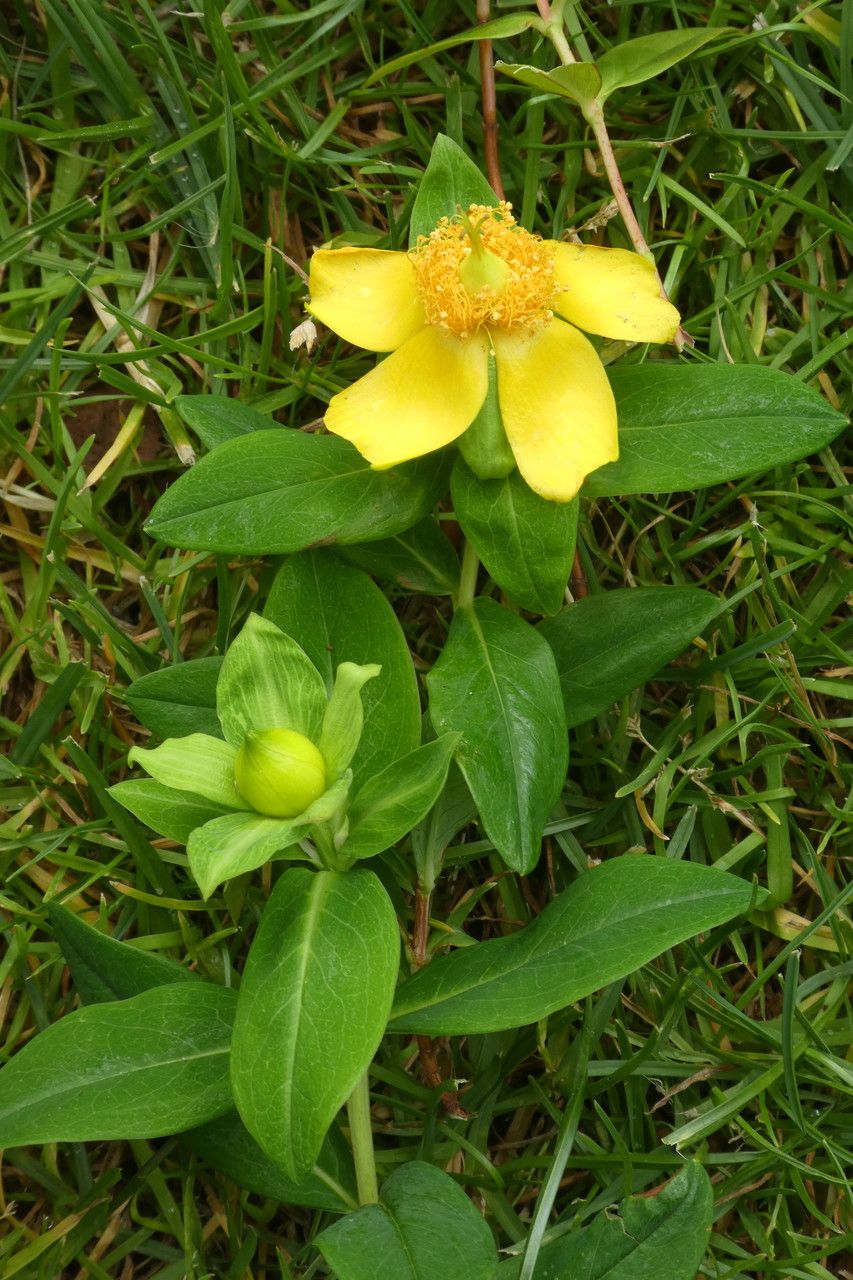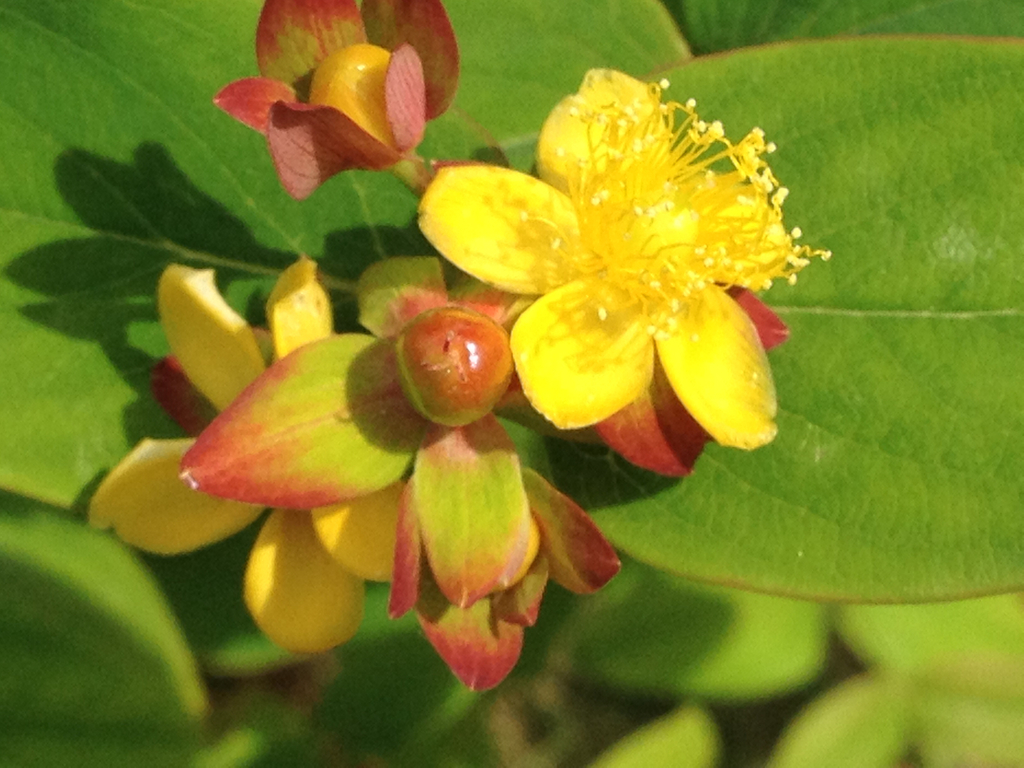
Hypericum androsaemum, commonly known as Tutsan or Sweet Amber, is a deciduous shrub that belongs to the Hypericaceae family. Native to Europe and Asia, it has also been introduced to other parts of the world. The plant can grow up to 1.5 meters tall and features dark green, oval-shaped leaves with pointed tips.
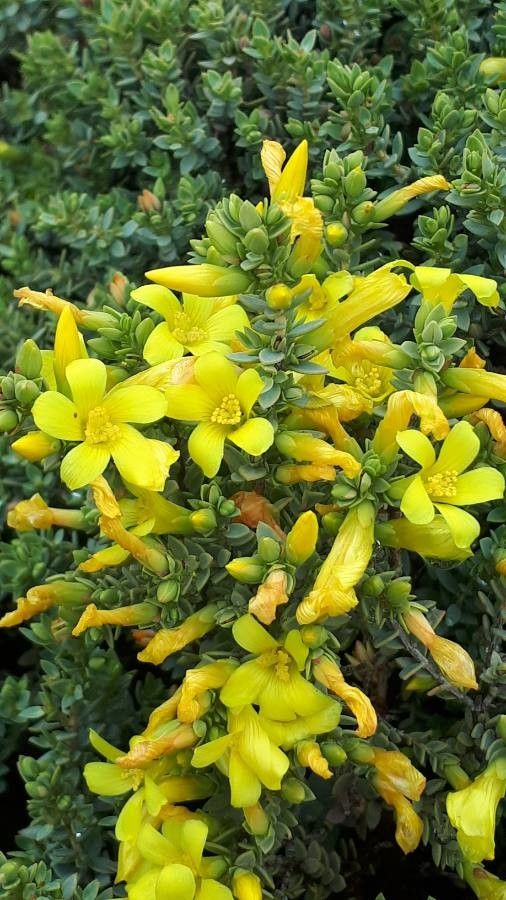
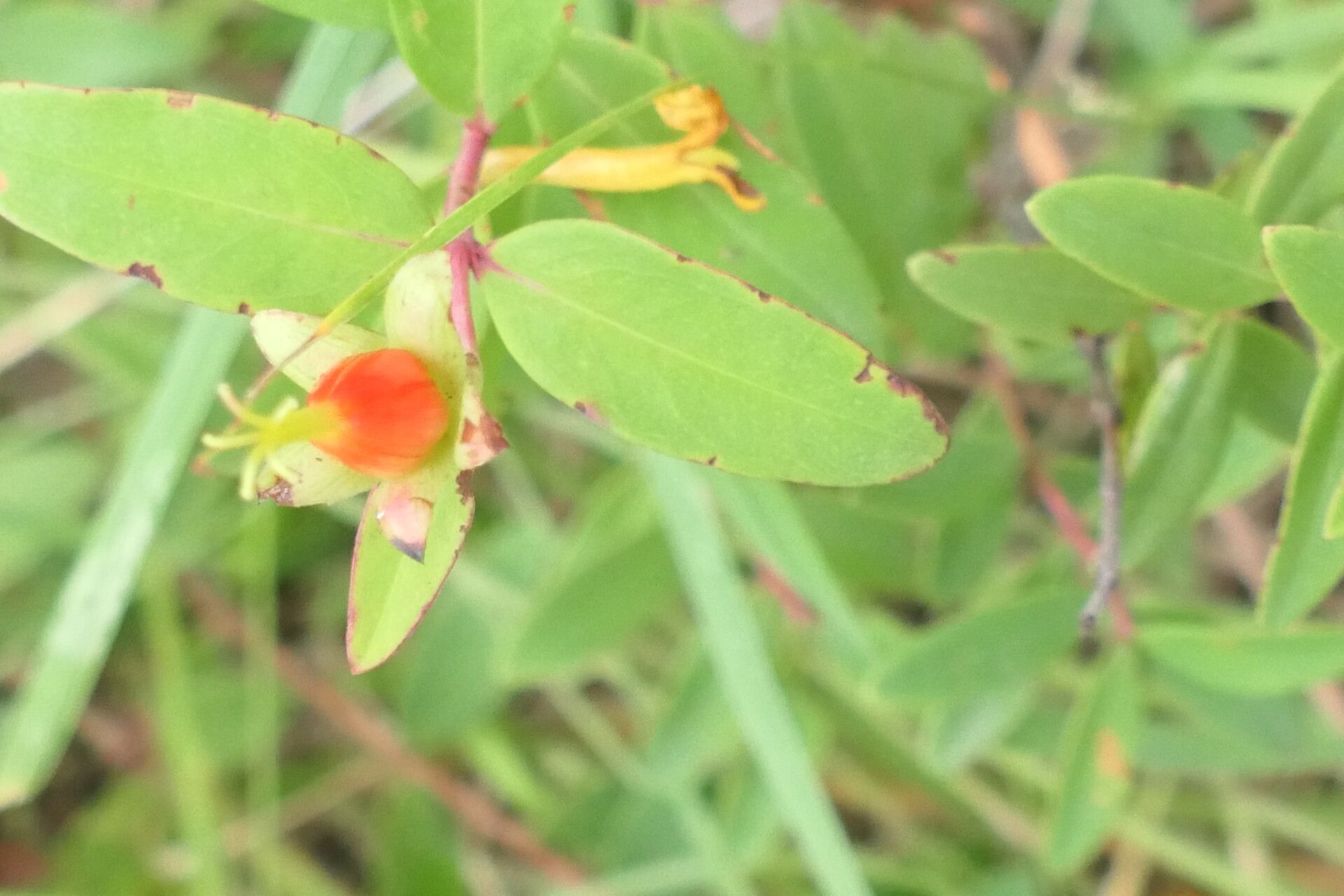
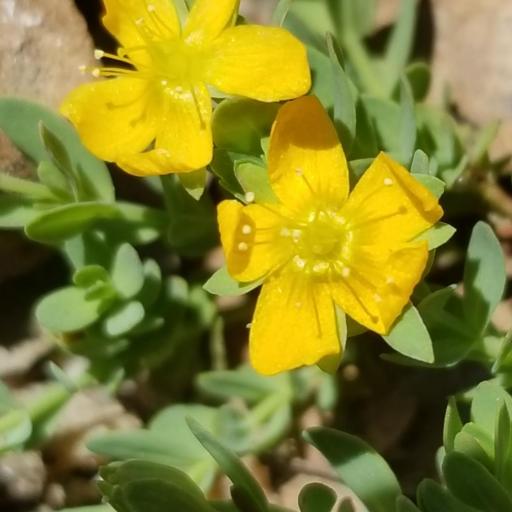
The flowers of Hypericum androsaemum are yellow with five petals and bloom from June to August. The plant produces berry-like capsules that transition from green to red as they ripen.
Historically, Hypericum androsaemum has been used for its anti-inflammatory properties in medicinal practices for centuries. Ancient Greeks even believed it could ward off evil spirits.
Besides its medicinal uses, this plant is popular in landscaping due to its attractive foliage and vibrant flowers, which add color during the summer months.
Overall, Hypericum androsaemum is an intriguing shrub with both medicinal and ornamental value, making it an excellent addition to any garden or landscape design project.
Tutsan is fairly disease-resistant and typically not susceptible to illnesses. Regarding care, this plant is fairly low-maintenance. Planted outdoors, it needs only light watering, and larger specimens generally do not require pruning. Smaller plants, however, should be pruned after they finish blooming. Tutsant is appropriate for anyone with an outdoor area—such as a garden or deck—and does not demand extensive care experience.
How to keep Hypericum Androsaemum.
Light
Tutsan performs best with full sun for most of the day, although it can tolerate conditions where sunlight is diffused or partially filtered at times. Too much or too little sun can impair its healthy growth. Its original habitat is characterized by abundant sunlight.
Water
Tutsan, which comes from damp woodlands, prefers moist conditions and consistent soil moisture. It typically needs watering every 1-2 weeks. While it can tolerate moderate drought, it thrives in higher humidity. Adding mulch is helpful, as it helps retain moisture and mimics the plant's natural habitat.
Humidity
This plant prefers dry conditions, so don't mist it. However, watering it less often can also thrive in higher humidity.
Temperature
Tutsan is a woody plant of temperate regions native to Europe, Asia, and North Africa. It typically grows where average temperatures range from 5 to 35 ℃ (41 to 95 ℉). In summer it favors cooler conditions and can tolerate direct sunlight, but in winter it must be protected from frost and prefers cooler temperatures. During autumn and spring, temperatures should be maintained between 15 to 20 ℃ (59 to 68 ℉) to encourage growth and flowering.
Fertilizer
Fertilize your Tutsan in early spring to encourage healthy growth. Regular fertilization improves overall health, leading to vigorous growth, better resilience in harsh conditions, and increased resistance to diseases and pests. Stick to a consistent fertilizing schedule for your Tutsan to keep the foliage vibrant, deeply colored, and lush.
Pruning
The semi-evergreen tutsan is known for its bright yellow flowers and berries. To encourage new growth, prune one-third of the old stems in early spring. Remove any damaged wood to improve air circulation. Regular pruning helps maintain the plant's shape and overall health. Always use clean, sharp tools to prevent the spread of disease.
Pot & Repot
When repotting Tutsan, select a pot 1-2 inches (2.5–5.1 cm) larger with good drainage. Use a well-draining potting mix. Repot in spring or fall, making sure the root ball sits slightly lower than the rim of the pot. Water thoroughly after repotting and place in a warm spot with indirect sunlight.
Toxicity
The fruits and seeds of all Hypericum plants are considered toxic and will cause digestive distress if eaten.
Further reading →
The toxicity and danger assessments provided are for reference only. We do not assure their accuracy, so it's crucial not to depend on them. Seek professional advice when necessary for accurate guidance.
Botanical profile.
- Plant Type
- Shrub
- Life Cycle
- Perennial
- Genus
- Hypericum
- Family
- Hypericaceae
- Hardiness Zone
- 5-10
- Mature Height
- 61 cm to 91 cm
- Mature Spread
- 91 cm
- Leaf Color
- Green
- Leaf Type
- Deciduous
- Flower Color
- Yellow
- Flower Size
- 1.52 cm to 2.03 cm
- Bloom Time
- Early summer, Mid summer
- Planting Time
- Spring, Autumn
- Harvest Time
- Mid summer
- Native Area
- Turkey, Tunisia, Montenegro, Bulgaria, Slovenia, Morocco, Serbia, Russia, Italy, Spain, Switzerland, France, Iran, Ireland, United Kingdom, Algeria, Azerbaijan, Belgium, Turkmenistan, Portugal
Other names.
Reader questions.
What is the best way to water my Tutsan plant?
To ensure excellent root development, consider placing a garden hose at the base of your plants. Avoid spraying the leaves directly, as this can be detrimental. Keep in mind that outdoor plants exposed to direct sunlight may need more watering for their leaves. For moistening the roots, you can try using bubblers. If you have a garden or bed with multiple plants, soaker hoses can help by covering the entire area and reaching deep into the roots when adding or removing plants. Drain any excess water and allow the soil to dry before watering again. Watering at ground level is recommended to prevent diseases. Additionally, on a sunny day, consider spraying the entire bush with water. Whether your Tutsan plants are potted or in the ground, remember that they prefer deep watering rather than light sprinkling.
Why is it necessary to use fertilizer on my Tutsan?
No matter what type of Tutsan you have, regularly fertilizing it will improve its overall health. Providing the right nutrients will result in stronger growth and make your Tutsan better equipped to handle difficult conditions and fight off pests and diseases. Keeping the foliage intact is important since it is one of the most attractive aspects of your Tutsan. To achieve this, follow a consistent fertilization schedule tailored to your particular Tutsan. This will encourage the development of vibrant, lush leaves.
What are the sunlight requirements for Tutsan?
Tutsan flourishes best under full sun conditions, requiring more than 6 hours of direct sunlight each day to thrive optimally. It can also adapt to partial sun exposure, which consists of about 3-6 hours of sunlight daily. Observing how sunlight moves through your garden is crucial to finding the ideal location that balances light and shade, ensuring your plants remain healthy and happy.
What is Tutsan and where is it native to?
Tutsan, botanically known as Hypericum androsaemum, is a temperate woody plant native to Europe, Asia, and North Africa. This plant thrives in areas that experience average temperatures ranging from 5 to 35°C (41 to 95°F), adapting well to the varying conditions of these regions.
What should I do if I give Tutsan too much or too little water?
An overwatered Tutsan can display several signs of distress. The leaves may turn yellow, drop off, and wilt, giving the plant a dull and unhealthy appearance. Mushy stems may also be visible. If you observe these signs, it is advisable to adjust your watering schedule accordingly. On the other hand, wilting can also occur as a result of under watering. In such cases, the leaves may become crispy and dry. To determine the moisture level of the soil, check if it is dry. If watering alone is insufficient, provide a thorough watering. However, keep in mind that even with adequate water, the damaged root system may cause the plant to display dryness and yellow leaves for a few days. Once it returns to its normal state, the yellowing of leaves will cease. For indoor Tutsan plants, always monitor the moisture levels in the pot. Avoid overwatering and be on the lookout for signs of black spots. If these spots are present, allow the soil to dry by refraining from watering it for a few days. Overwatering can lead to root rot, so if you observe discolored and slimy roots, consider transferring the plant to a different pot. It is crucial to prevent root rot by not letting the soil become excessively soggy. When planting Tutsan outdoors, make sure to dig a little deeper. If you find that the soil is too dry upon checking with your fingers, it could indicate under watering. In this case, providing adequate water is necessary to facilitate the plant's recovery.
When should I fertilize my Tutsan plant?
To ensure healthy growth, fertilize your Tutsan for the first time in late winter or early spring. This gives the plant the necessary nutrients for when the weather gets warmer. In warm climate regions, it is also helpful to provide a second fertilizer feeding in early fall. This not only adds nutrients for the following growing season but also makes the Tutsan more resistant to winter cold, reducing the risk of foliage damage. Fertilizing earlier will allow new branches to grow and withstand the cold winter better.
How does sunlight exposure affect Tutsan's growth?
Tutsan requires full exposure to sunlight for most of the day for healthy growth. It can tolerate environments with scattered or filtered sunlight for part of the day. Both overexposure and underexposure to sunlight can negatively impact its growth. Its natural habitat is abundant in sunlight, hinting at its substantial light needs. When natural sunlight isn’t enough, especially during winter or in less sunny areas, artificial lighting can supplement growth. LED lights, which can be customized to a plant's specific needs, are preferred. Adequate wattage varies based on light conditions: 30-50W/sq ft for full sun plants, 20-30W/sq ft for partial sun plants, and 10-20W/sq ft for full shade plants. The light source should be placed 12-36 inches above the plant, and the lighting should last for 8-12 hours a day to mimic natural daylight conditions as closely as possible.
What are the ideal temperature conditions for Tutsan throughout the year?
For optimal growth and blooming, Tutsan requires specific temperature conditions throughout the year. During the summer, it prefers cooler temperatures and can handle direct sunlight. In contrast, winter requires safeguarding from frost, with the plant favoring cooler conditions. In the transitional seasons of fall and spring, maintaining temperatures between 15 to 20°C (59 to 68°F) is ideal to promote its growth and blooming.
How often do I need to water my Tutsan?
The Tutsan plant prefers deep and infrequent watering, especially when grown in pots. In pots, water storage is limited and the soil dries out quickly, so it's important to soak the plant in a gallon of water each time. In cold regions, watering is needed every 3 to 5 days. Water in the morning when the soil is dry, both indoors and outdoors. Check the soil by feeling the top 2-3 inches - if it's dry, it's time to water. On hot days, check the moisture daily as the heat can dry out the soil rapidly. If you have a garden, irrigation is necessary. In hot climates, water once a week when you notice 2 to 3 inches of dry soil. Consider the amount of rainfall and avoid watering if there is already plenty of rainwater, as it can cause root rot. Tutsan plants tend to grow during spring and fall, so when outdoors, use mulch about 3 to 4 inches deep to conserve water. Sandy soil drains quickly, so water more frequently, while clay soil requires less frequent watering to avoid root rot. Mark the date on the calendar when you water and keep an eye on drooping leaves, as they may indicate the need for watering.
When is the best time to not use fertilizer on my Tutsan plant?
There are specific periods in the year when you should refrain from fertilizing your Tutsan. Firstly, during the early and mid-winter months when your Tutsan is dormant and doesn't require any feeding. Secondly, it is not recommended to fertilize this plant in late spring and throughout summer because the weather is usually hotter and drier, which can have a negative impact on your Tutsan if fertilized. To prevent any potential issues, it is best to stick to a fertilization schedule that focuses on feeding only during early spring and early fall.
What symptoms indicate insufficient sunlight in Tutsan?
Tutsan shows several symptoms when it doesn't receive adequate sunlight. These include smaller new leaves, leggy or sparse growth, early leaf drop, halted or no new growth, lighter-colored new leaves, and symptoms of sun damage like chlorosis, sunscald, leaf curling, wilting, and leaf scorching. Chlorosis leads to yellowing leaves due to chlorophyll breakdown, sunscald presents as pale or necrotic patches, leaf curling minimizes sun exposure and water loss, wilting is a sign of severe dehydration, and leaf scorching results in brown, crispy leaf edges. Addressing these issues promptly can help restore plant health.
How does Tutsan handle cold temperatures and frost?
Tutsan has strong cold resistance, allowing it to withstand cold temperatures without special frost protection measures under normal winter conditions. However, in extreme cases where temperatures are expected to plunge below -25°C, it’s crucial to wrap the plant’s trunk and branches with insulating materials like non-woven fabric or cloth. Additionally, it’s advisable to water the plant abundantly before the first freeze of autumn to keep the soil moist, preventing drought and water scarcity during the colder months.