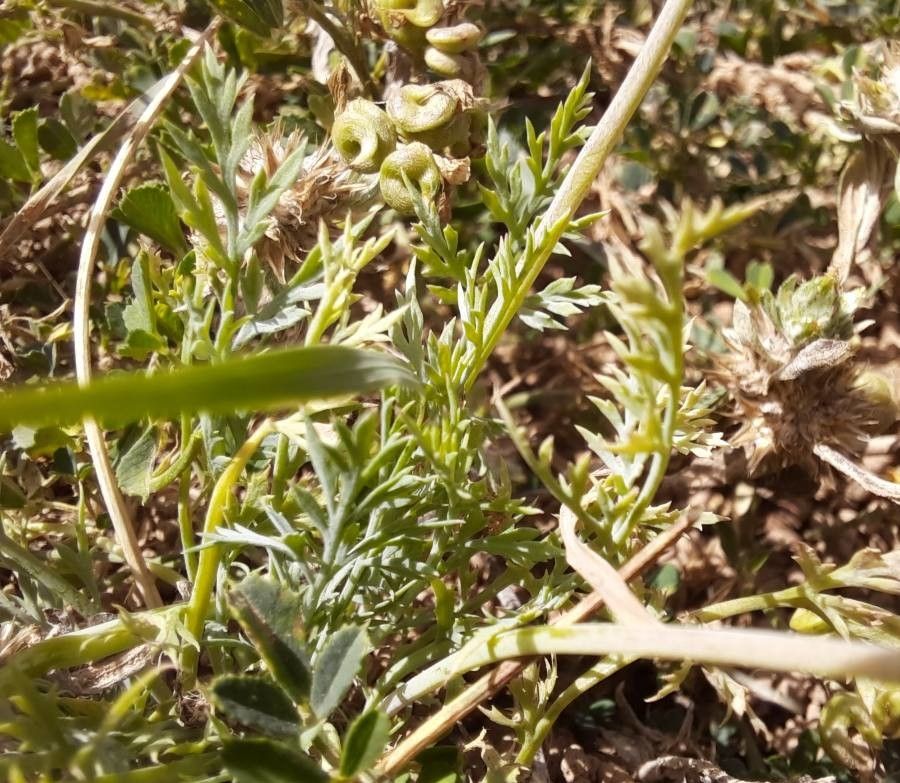
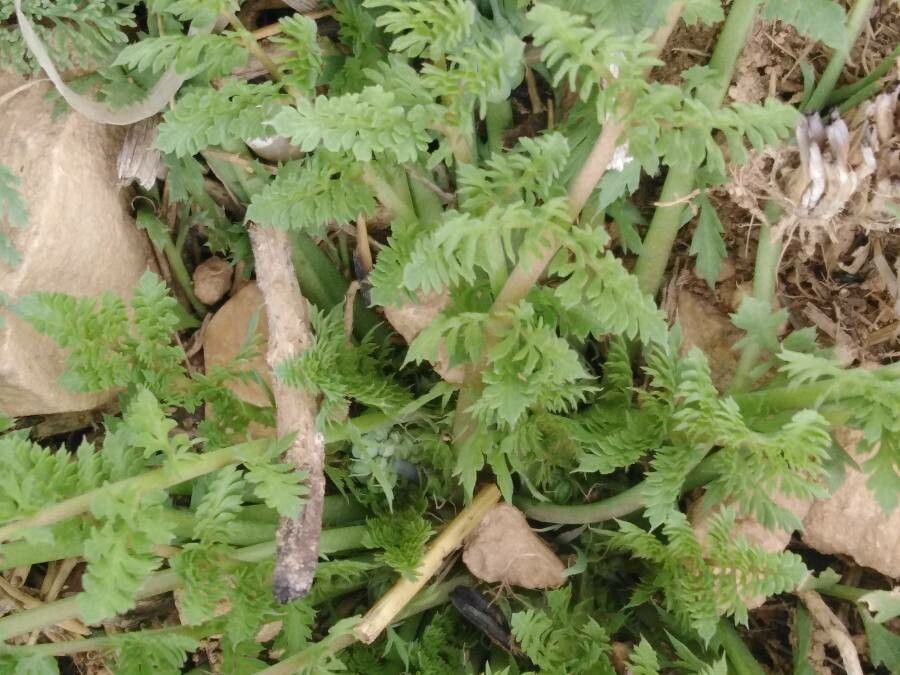
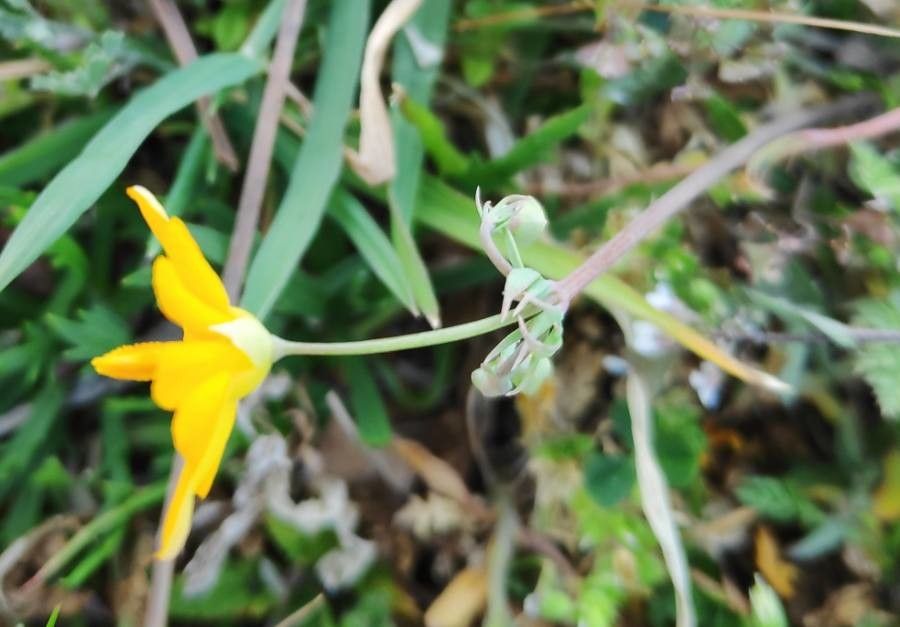
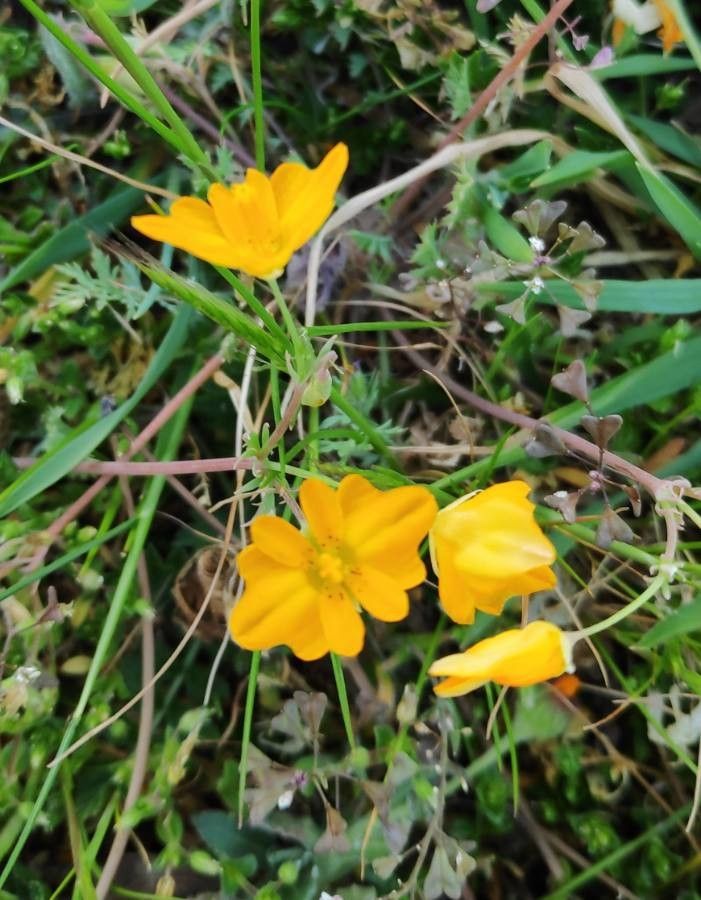
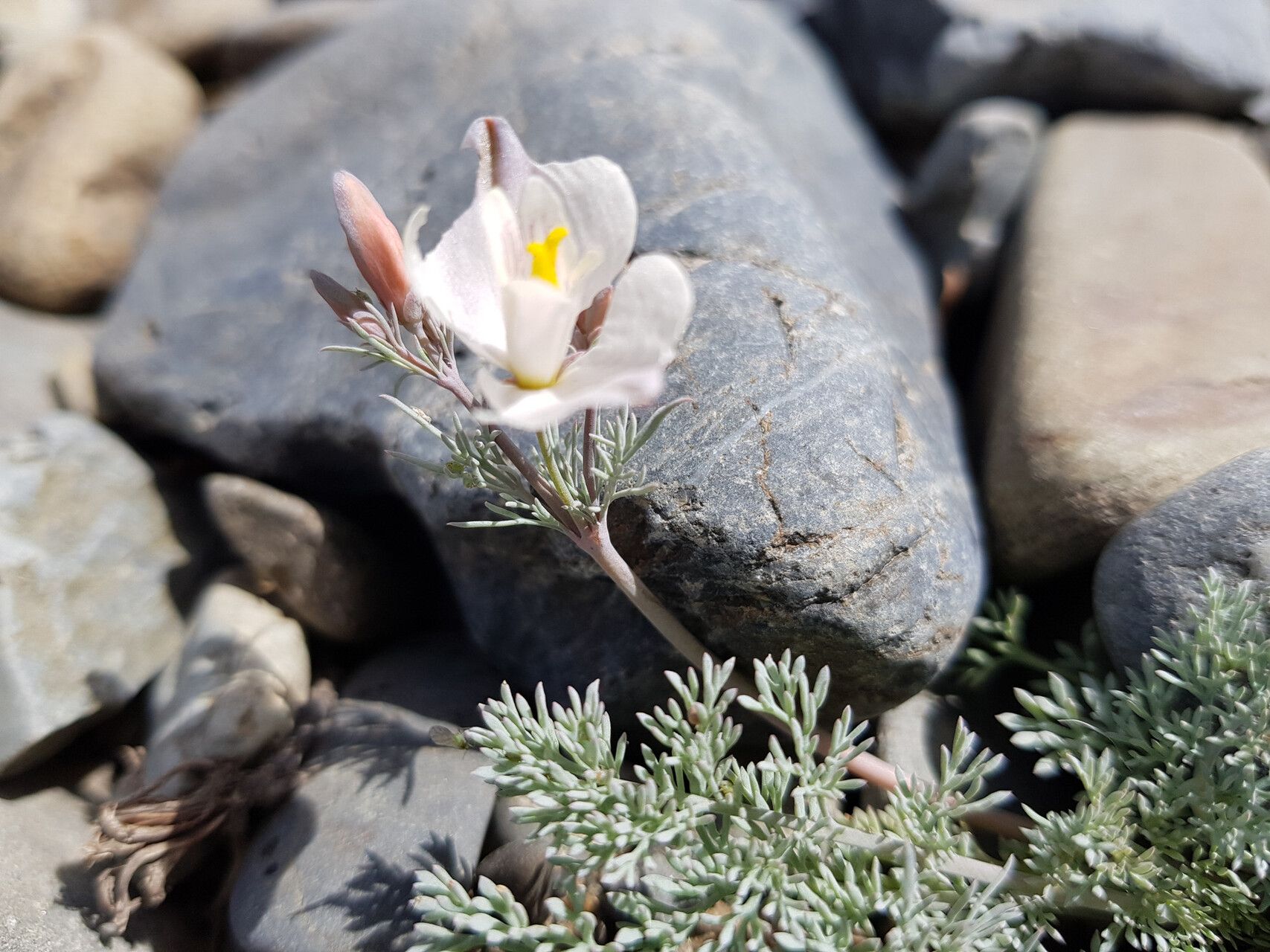
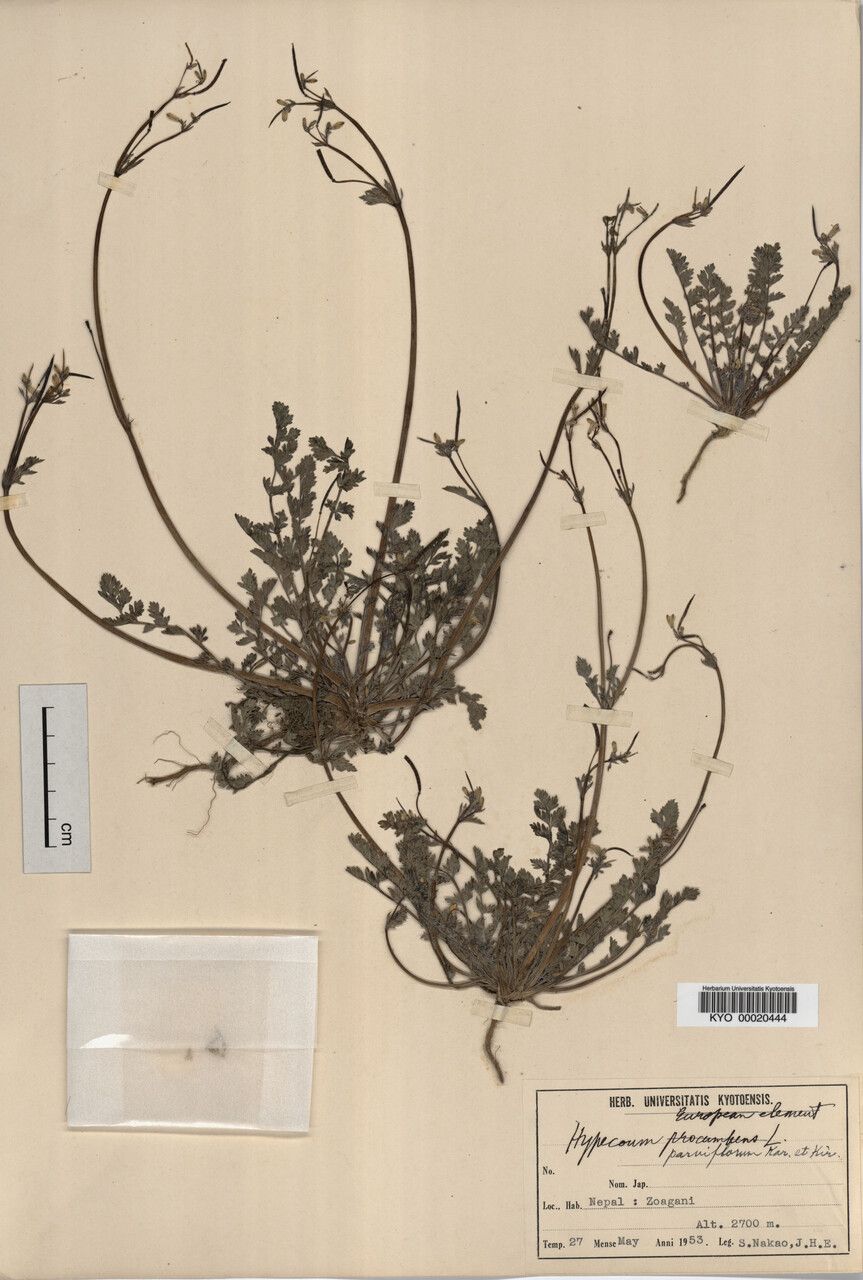
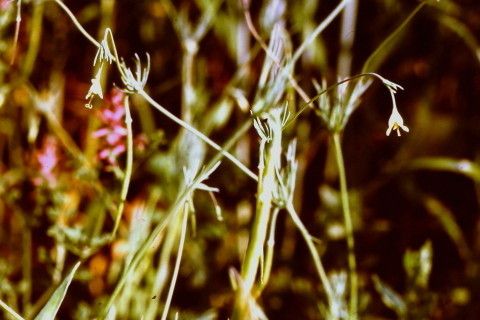
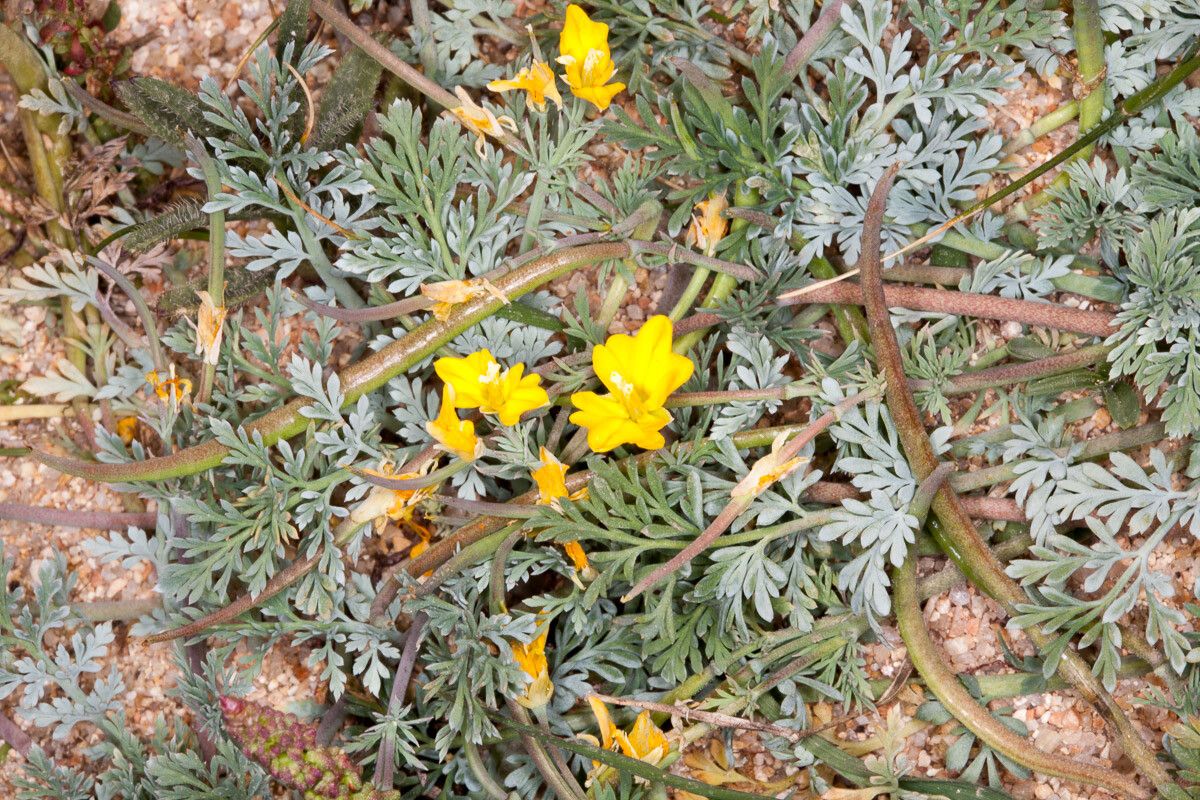
Hypecoum imberbe, the sicklefruit hypecoum, is a species of annual herb in the family Papaveraceae. Flowers are visited by Lycaena phlaeas (small copper).
Sicklefruit hypecoum is fairly disease-resistant and typically not prone to illnesses. However, it can be vulnerable to pests and diseases present in its surroundings. These infections are generally not severe. For care, this plant requires a moderate level of maintenance. It should be pruned regularly to maintain a neat appearance and support healthy growth. Fertilizing can also help encourage flowering. Sicklefruit hypecoum is suitable for anyone with outdoor space, such as a garden or patio, and does not demand extensive care experience. It may need more attention when grown indoors.
How to keep Hypecoum Imberbe.
Light
Sicklefruit hypecoum comes from bright, open habitats and does best in full sun. It can tolerate some shade but prefers direct sunlight for best growth. This plant, which can be annual or biennial, is known for its sun-loving nature.
Water
Sicklefruit hypecoum, native to semi-arid regions, is drought-tolerant and only needs watering twice a week. This schedule mimics its natural pattern of dry spells followed by moisture. As an outdoor plant, it thrives in open spaces, where its growth cycle is influenced by seasonal rains that affect its water uptake.
Temperature
Sicklefruit hypecoum comes from temperate regions and prospers in temperatures of 68 to 95 °F (20 to 35 ℃). It adapts to seasonal temperature changes and tolerates a drop in summer warmth, though precautions should be taken during frosty winters.
Fertilizer
Sicklefruit hypecoum does well with regular, light applications of fertilizer to encourage healthy leaf development. You should apply fertilizer to Sicklefruit hypecoum about once a month during the summer months. Nitrogen is important for foliage, and providing nitrogen-rich sources helps Sicklefruit hypecoum thrive.
Pruning
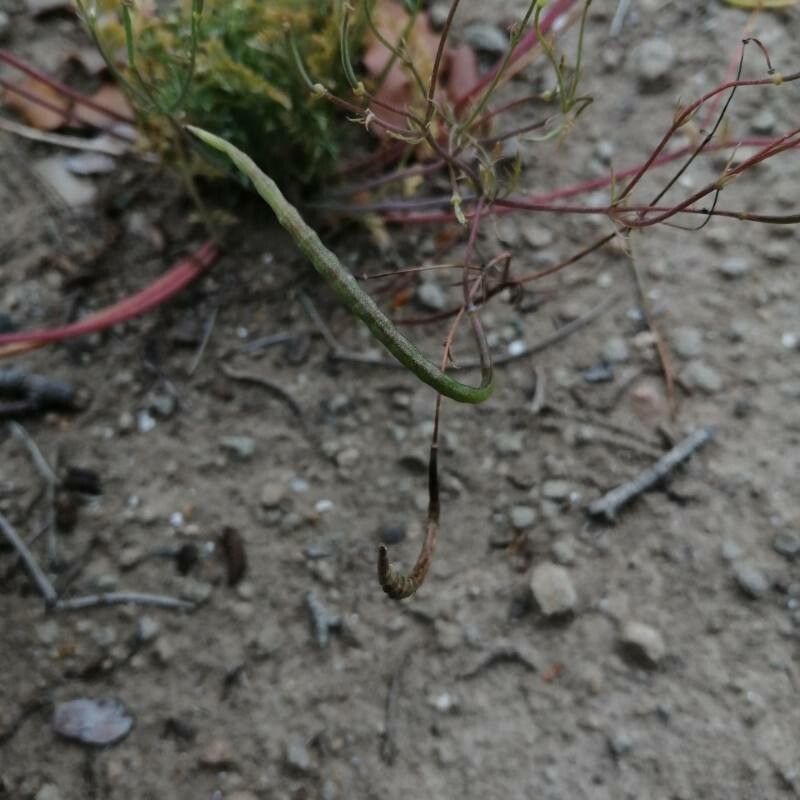
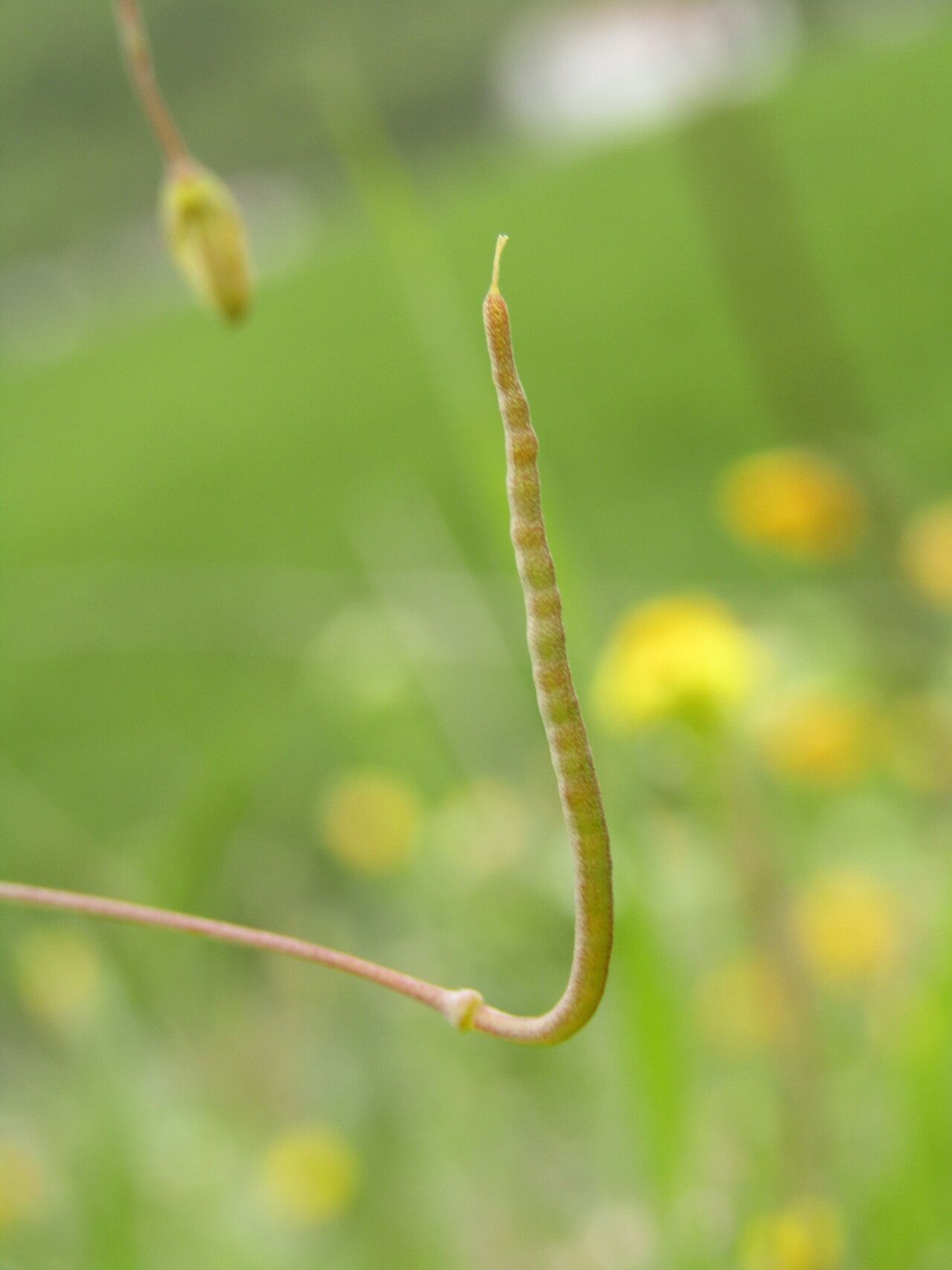
Sicklefruit hypecoum produces distinctive sickle-shaped fruits. For optimal growth and health, it is best to prune this plant from early to late spring. During pruning, remove any dead stems and overgrown branches to improve air circulation and encourage new growth. This practice not only revitalizes the plant and encourages blooming but also reduces the risk of disease, enhancing its overall appeal in the garden.
Botanical profile.
- Plant Type
- Herb
- Life Cycle
- Annual
- Genus
- Hypecoum
- Family
- Papaveraceae
- Hardiness Zone
- 9-10
- Mature Height
- 15 cm to 30 cm
- Mature Spread
- 10 cm to 20 cm
- Leaf Color
- Green Yellow, Light Green
- Leaf Type
- Semi-evergreen
- Flower Color
- Yellow, White
- Flower Size
- 1.02 cm to 2.03 cm
- Bloom Time
- Early spring, Mid spring
- Planting Time
- Spring
- Harvest Time
- Late spring, Early summer
- Native Area
- Turkey, Syria, Italy, Spain, France, Cyprus, Bulgaria, Armenia, Albania, Greece, Lebanon, Portugal
Other names.
Reader questions.
What are the sunlight requirements for Sicklefruit hypecoum (Hypecoum imberbe)?
Sicklefruit hypecoum (Hypecoum imberbe) thrives under specific sunlight conditions. Plants placed in areas receiving full sun should get above 6 hours of sunlight daily. For those in partial sun, about 3-6 hours of sunlight is ideal. It’s important to observe how sunlight moves through your garden throughout the day. Choosing the right spots that offer a harmonious balance of light and shade will greatly contribute to the well-being and happiness of your Sicklefruit hypecoum.
Where is Sicklefruit hypecoum native to?
Sicklefruit hypecoum, with its botanical name Hypecoum imberbe, is native to temperate regions. It thrives in temperatures that range between 68 to 95 °F (20 to 35 °C), indicating its preference for warmer climates. Despite this preference, the plant is adaptable to seasonal temperature changes and can adjust well even if the summer heat drops. However, it is crucial to take care during frosty winters as these conditions may be more challenging for the plant.