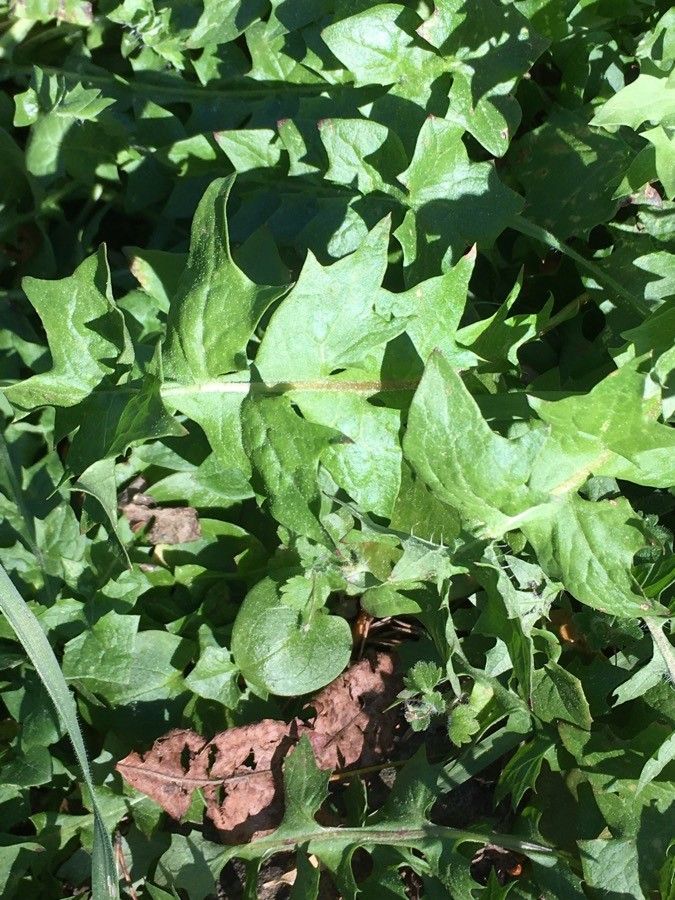
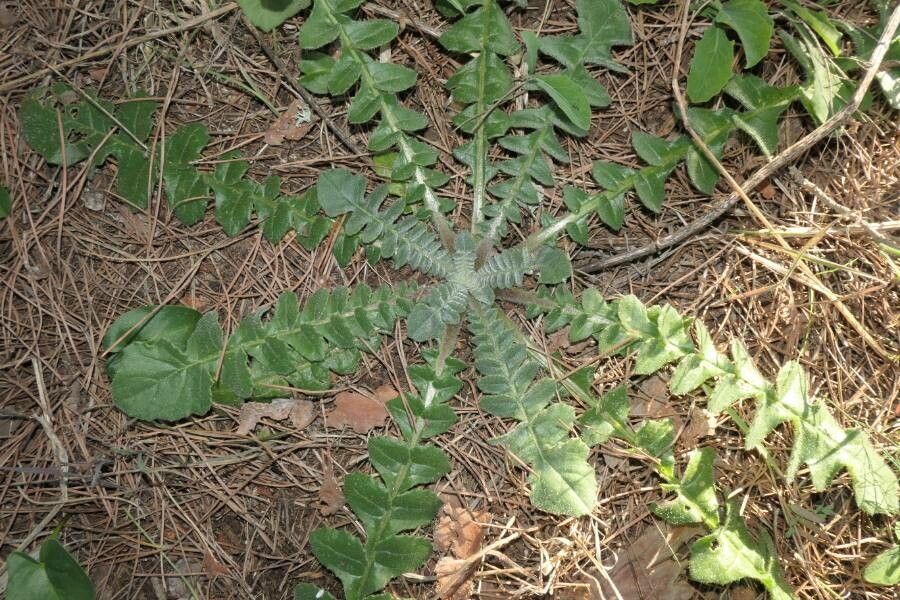
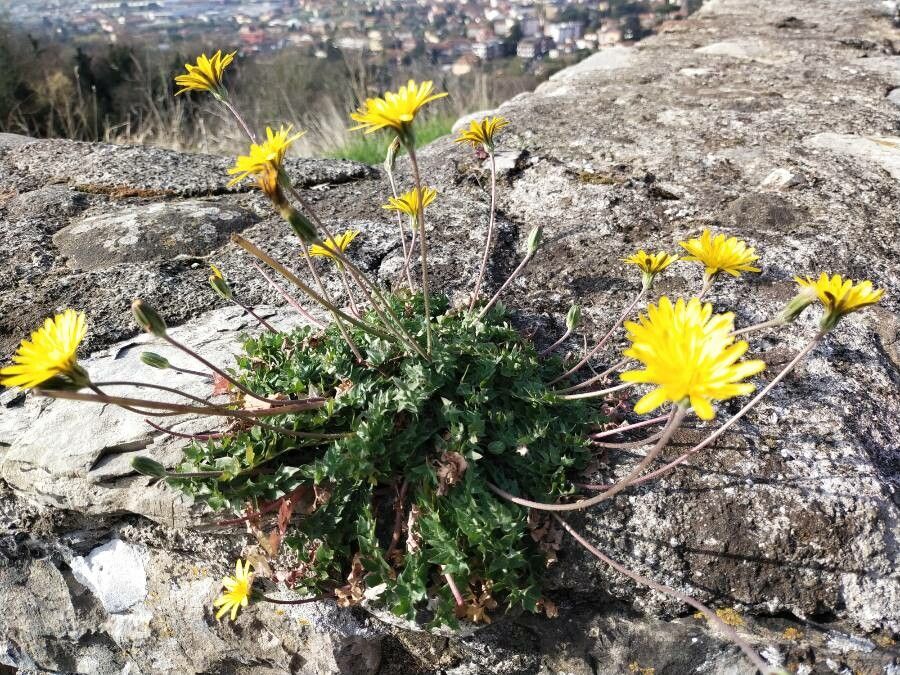
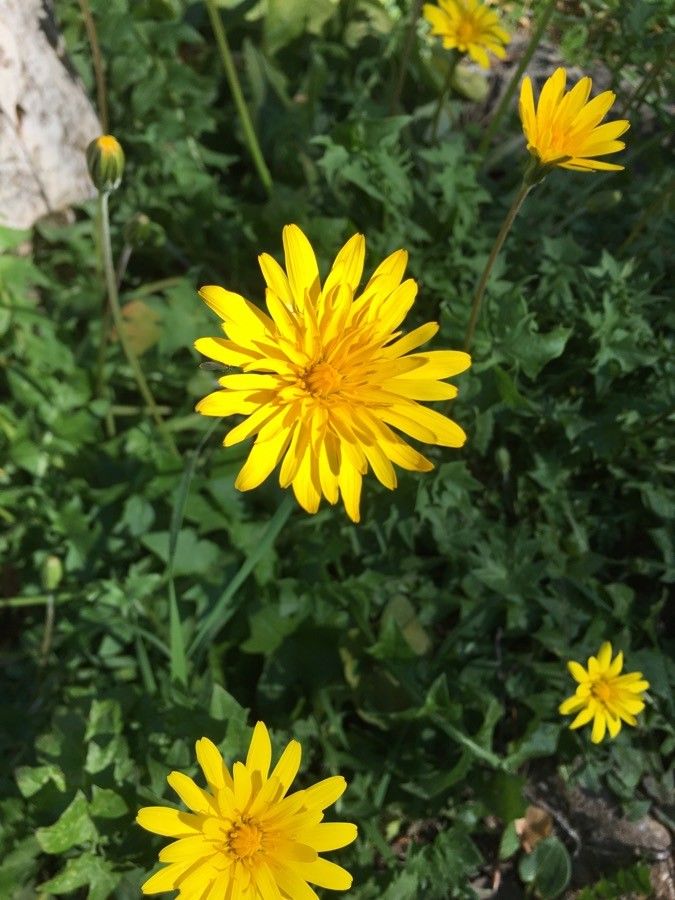
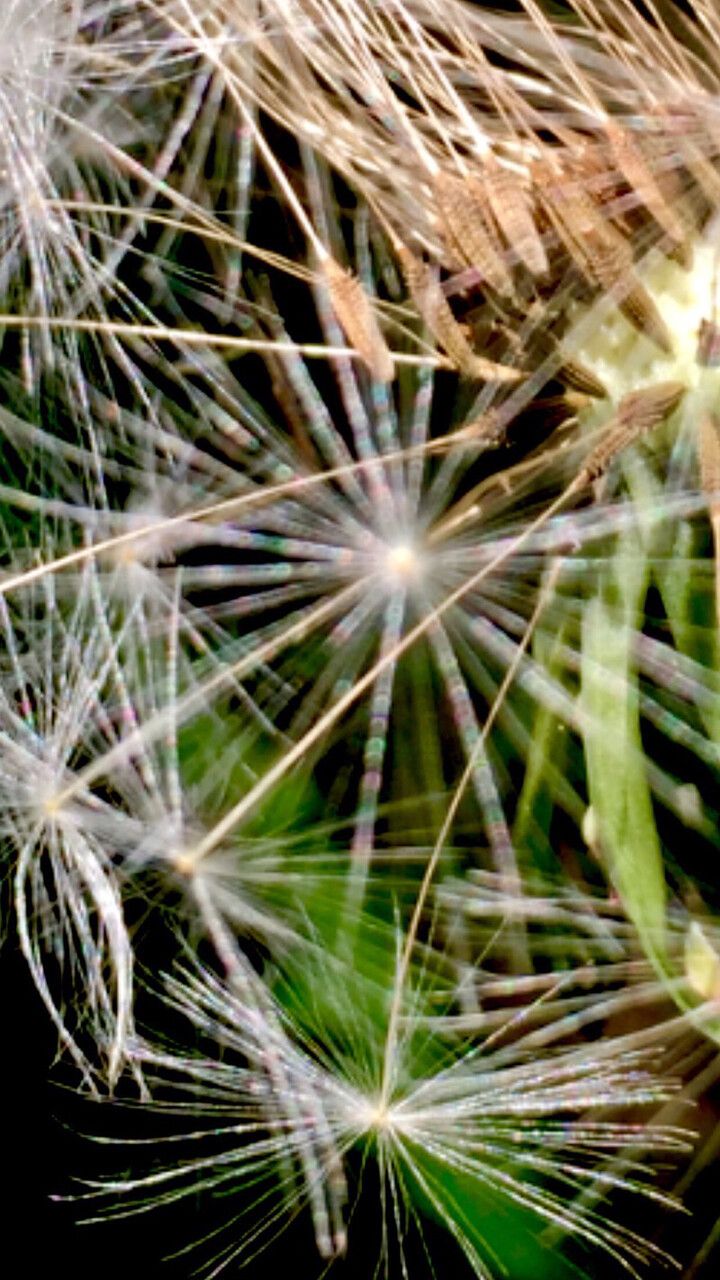
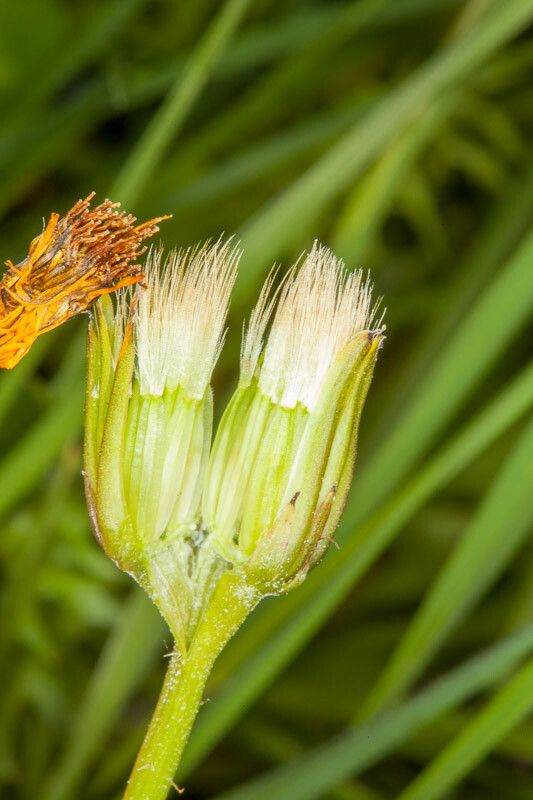
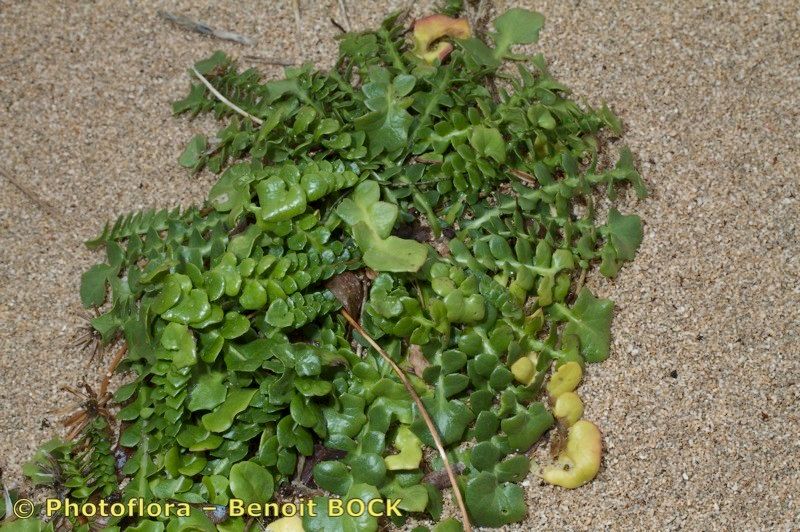
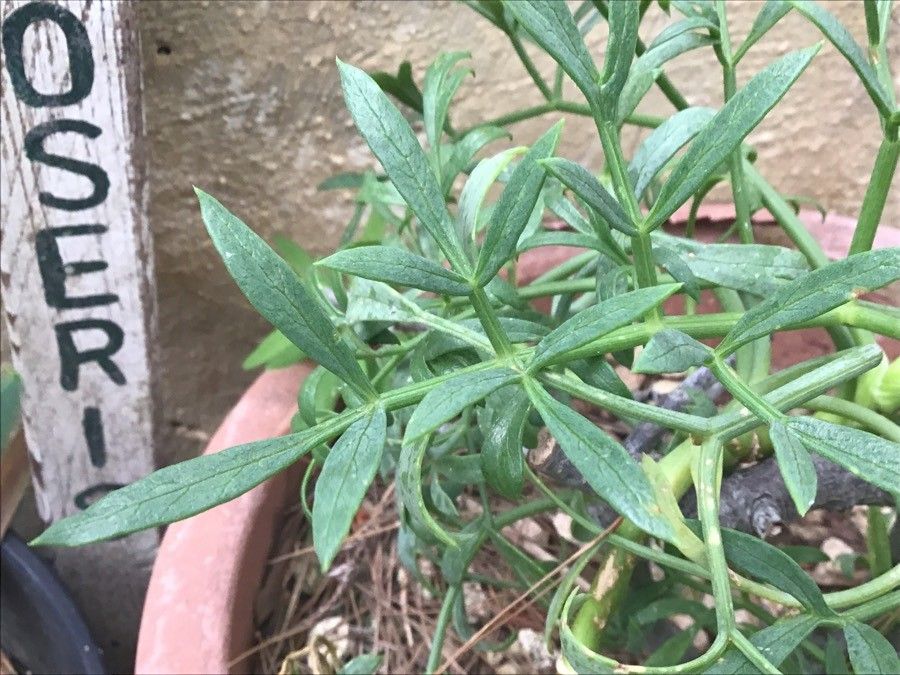
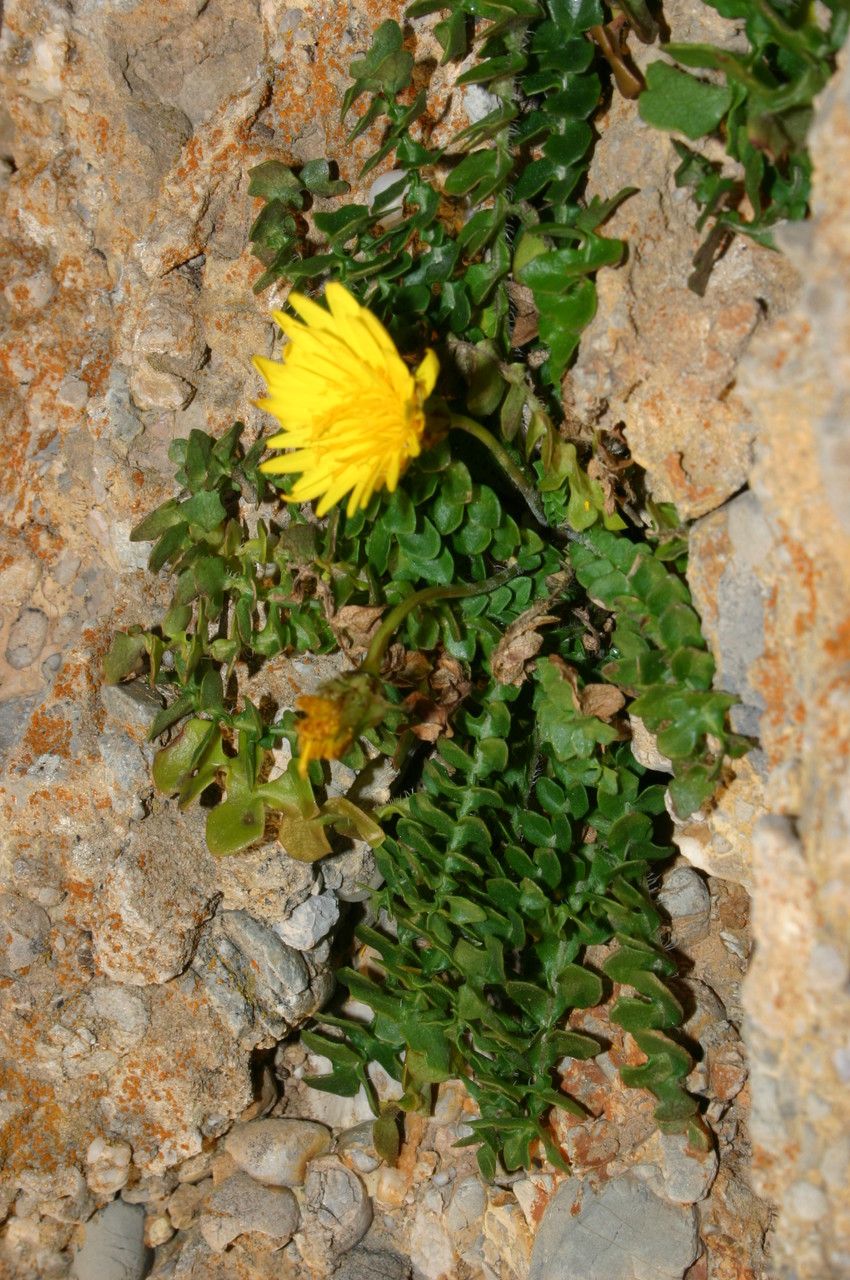
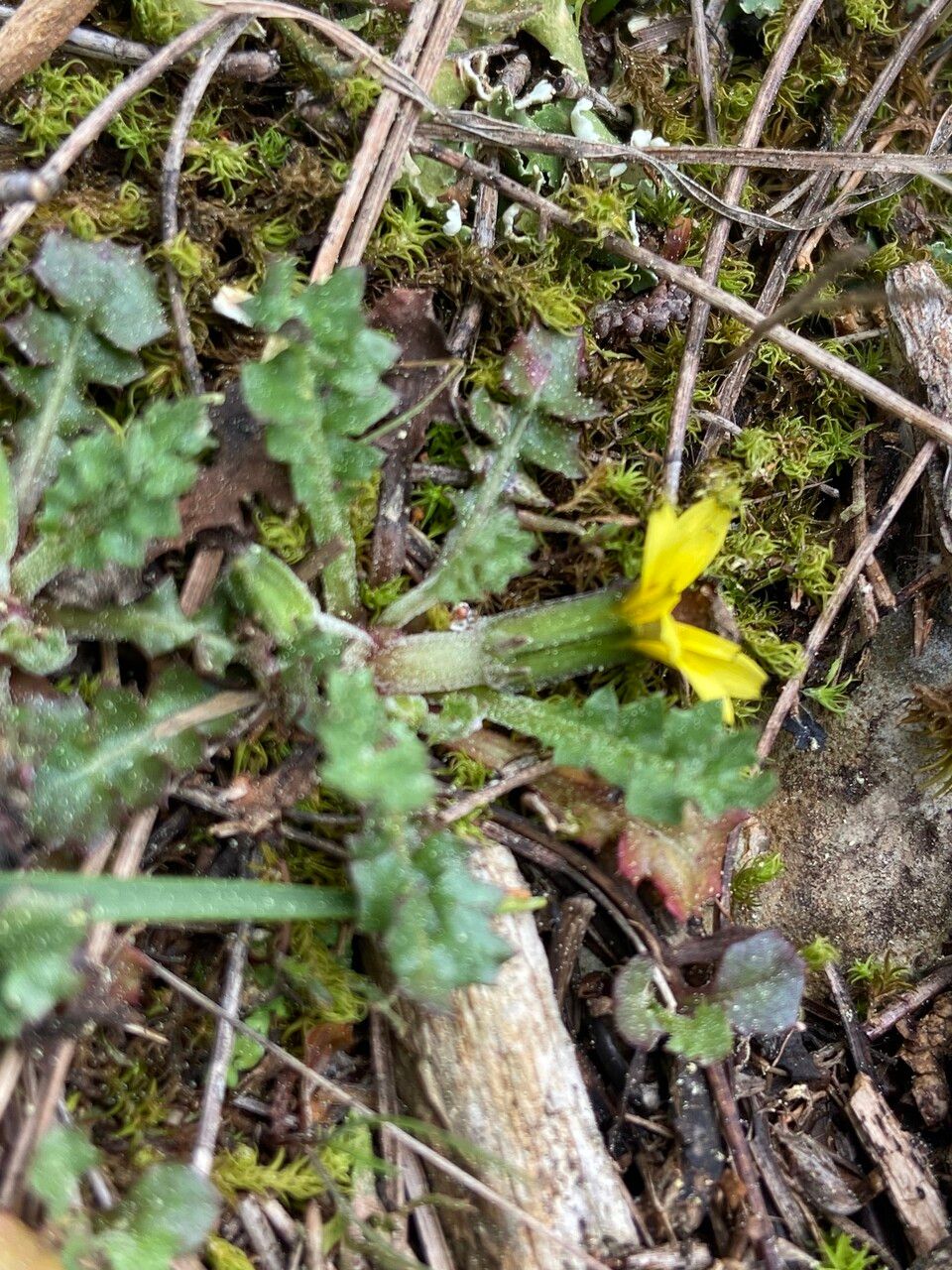
Hyoseris radiata is a species of herb in the family Asteraceae. They have a self-supporting growth form and broad leaves. Individuals can grow to 23 cm.
Perennial hyoseris is generally disease-resistant and not highly prone to illnesses. However, it can be affected by pests and diseases present in its surroundings. These problems are usually minor. For care, the plant needs moderate maintenance. It should be pruned regularly to keep a neat appearance and promote healthy growth. Fertilizing can also encourage more flowering. Perennial hyoseris is suitable for people with outdoor spaces like a garden or patio and does not require extensive care experience. It may need extra attention if grown indoors.
How to keep Hyoseris Radiata.
Light
Perennial hyoseris is an evergreen herb that loves the sun, and typically originates from open environments, routinely flourishing in grasslands and meadows. It has a preference for full sunlight, but is able to withstand conditions of partial sun as well.
Water
Perennial hyoseris, native to Mediterranean climates, thrives in well-draining soil with moderate moisture. To develop drought resilience, it needs to be watered weekly. As an outdoor plant, it benefits from rainwater during the growing season, which enhances its strength and aligns with its natural water cycle.
Temperature
Perennial hyoseris possesses the capability to acclimate to a broad spectrum of temperature conditions, though its spread may continue to be constrained by various configurations of moisture and heat conditions. It flourishes optimally in hot climates during the summer months, provided there is sufficient rain or irrigation. Extended phases of overcast and rainy conditions, as well as prolonged exposure to high temperatures, can heighten the chances of Perennial hyoseris perishing. During the winter months, effectively defending against cold can enhance the survival rate of the plant.
Fertilizer
Usually, one round of fertilizer application in the springtime is enough for Perennial hyoseris, however, repeated feedings can optimize growth. You should feed the plant either monthly or every one and a half months. The act of fertilizing boosts the appearance and functionality of the leaves, leading to a consistent color and robust texture. Additionally, it encourages the growth of the roots and better absorption of nutrients, contributing positively to the overall well-being of the plant in the long run.
Pruning
To promote vigorous growth in perennial hyoseris, it's important to prune at the right time, which is from early to late spring. Start by removing any weak stems to encourage blooming and help maintain the plant's shape. Light and frequent pruning will improve the health of the foliage and enhance the plant's overall appearance. However, be careful not to over-prune, as excessive cutting can stress the plant.
Botanical profile.
- Plant Type
- Herb
- Life Cycle
- Perennial
- Genus
- Hyoseris
- Family
- Asteraceae
- Hardiness Zone
- 8-9
- Mature Height
- 10 cm to 40 cm
- Mature Spread
- 15 cm to 25 cm
- Leaf Color
- Green, Dark Green
- Leaf Type
- Deciduous
- Flower Color
- Yellow
- Flower Size
- 2.54 cm to 4.06 cm
- Bloom Time
- Mid spring, Late spring, Early summer
- Planting Time
- Spring, Autumn
- Harvest Time
- Summer
- Native Area
- Tunisia, Italy, Spain, Algeria, Greece, Croatia, Morocco, France
Other names.
Reader questions.
How should I water my Perennial hyoseris?
To properly water the Perennial hyoseris, use filtered water at room temperature. Tap water may contain harmful particles, so it's best to avoid it. The plant prefers warmer water as it comes from a warm environment, and cold water can shock its system. Avoid overhead watering as it can result in foliage problems. Instead, soak the soil with your filtered room temperature water until it's completely moistened. This benefits the plant by providing moisture to the roots and aiding in nutrient absorption.
What are the sunlight requirements for Perennial hyoseris?
Perennial hyoseris thrives in conditions of full sun, necessitating more than 6 hours of sunlight daily, but it can also tolerate partial sun, which amounts to about 3-6 hours of sunlight. It's crucial to observe how sunlight moves through your garden to ensure plants receive the ideal balance of light and shade, guaranteeing their growth and well-being.
What is Perennial hyoseris?
Perennial hyoseris, scientifically known as Hyoseris radiata, is a species of plant. However, detailed descriptions regarding its characteristics, essential information, symptoms (if applicable), or any additional facts are not provided in the data shared.
What should I do if I give too much or too little water to my Perennial hyoseris?
Overwatering is a more common issue for Perennial hyoseris than underwatering. When this plant receives too much water, its stems and leaves may wilt and turn yellow. Overwatering for a prolonged period can lead to diseases like root rot, mold, and mildew, which can be fatal. Underwatering, although less common, can cause the leaves to become brittle and brown. It's important to detect signs of overwatering early to prevent irreversible damage. If you notice early signs, reduce watering and check the soil's drainage. If the soil drains poorly, replace it with well-draining potting mix. If your plant shows signs of needing more water, simply increase your watering schedule until the signs improve.
How do artificial lights support the growth of indoor plants?
Indoor plants, including Perennial hyoseris, demand adequate lighting to grow optimally, especially when natural sunlight is scarce, such as in winter or less sunny spaces. Artificial lighting, such as LED lights which can be customized to emit specific wavelengths, plays a crucial role. Full sun plants require 30-50W/sq ft, partial sun plants need 20-30W/sq ft, and full shade plants need 10-20W/sq ft of artificial light. The light should be placed 12-36 inches above the plant, simulating natural sunlight, and maintained for 8-12 hours a day depending on the plant species.
How often should I water my Perennial hyoseris? -> How often do I need to water my Perennial hyoseris?
If your Perennial hyoseris is planted in a pot, the most accurate way to determine if it needs watering is by sticking your finger into the soil. If the top two to three inches of soil are dry, it's time to water it. For Perennial hyoseris grown outdoors in the ground, you can use a similar method to test the soil. Again, if the top few inches of soil have dried out, it's time to water it. Typically, during the spring and early fall, watering once a week is sufficient. However, during extremely hot weather, watering may need to be increased to twice or more per week. Nevertheless, mature and well-established Perennial hyoseris plants have a remarkable ability to withstand drought.
What are the symptoms of inadequate light in Perennial hyoseris?
Inadequate lighting can lead to several issues for Perennial hyoseris, including smaller new leaves, leggy or sparse growth, premature leaf drop, reduced or halted growth, paler new leaves, chlorosis (yellowing leaves), sunscald, leaf curling, wilting, and leaf scorching. These symptoms indicate the plant's struggle to adapt to insufficient light, affecting its health and growth.
How much water does my Perennial hyoseris require?
To properly water your Perennial hyoseris, don't hold back on the amount of water you give. Make sure the top two to three inches of soil are dry before watering. It's best to thoroughly soak the soil, allowing excess water to flow through the drainage holes at the bottom of the pot. If you don't see water draining from the pot, it means you haven't given enough water. However, be careful not to let water accumulate in the soil, as this can harm the plant. On the other hand, if water doesn't drain well through the pot, it's important to avoid using poorly draining soils, as this can negatively affect the plant's health. If the plant is outside, around 1 inch of rain per week should be enough.
How can I solve light deficiency issues for Perennial hyoseris?
To address light deficiency in Perennial hyoseris, gradually relocate the plant to sunnier spots to ensure at least 6 hours of direct sunlight daily for outdoor plants. For indoor settings or large plants, consider using artificial light sources like desk or ceiling lamps or professional grow lights for a minimum of 8 hours daily. If natural sunlight is obstructed, prune blocking trees or transplant smaller plants to sunnier locations during their dormant period for better light exposure and healthier growth. Note that parts of the plant damaged by insufficient light might not recover, but new growth should be healthy with improved light conditions.
How should I water my Perennial hyoseris as it grows?
The water needs of the Perennial hyoseris can vary depending on its growth stages. In the first few years or after transplanting, it requires more water due to the energy it expends on developing new roots. These roots need additional moisture to support future growth. As the plant matures, it will require less water. Additionally, during the bloom period, the Perennial hyoseris may need more water to support flower development.
How do I water my Perennial hyoseris throughout the year?
The water needs of the Perennial hyoseris are highest in the hottest months of the year, especially during the peak of summer. Depending on how quickly the soil dries out, you may need to water this plant more than once a week. However, during the winter, the plant goes into a dormant phase and requires significantly less water. In fact, you may not need to water it at all during winter. If you choose to water it during this time, limit it to about once a month. Overwatering during winter can increase the risk of disease in the Perennial hyoseris.
What's the difference between watering my Perennial hyoseris inside and outside?
The Perennial hyoseris is commonly grown indoors by gardeners who live in non-temperate and non-tropical regions. It's important to note that soil in a container can dry out faster than ground soil, especially in the presence of drying elements like air conditioning units. If you choose to plant it outside, your Perennial hyoseris may need more frequent watering. However, if you receive regular rainfall, this may be sufficient to keep your plant alive and you may not need to water it much. On the other hand, if you grow this plant indoors, you'll need to water it more often since it won't have the option of rainwater soaking the soil.