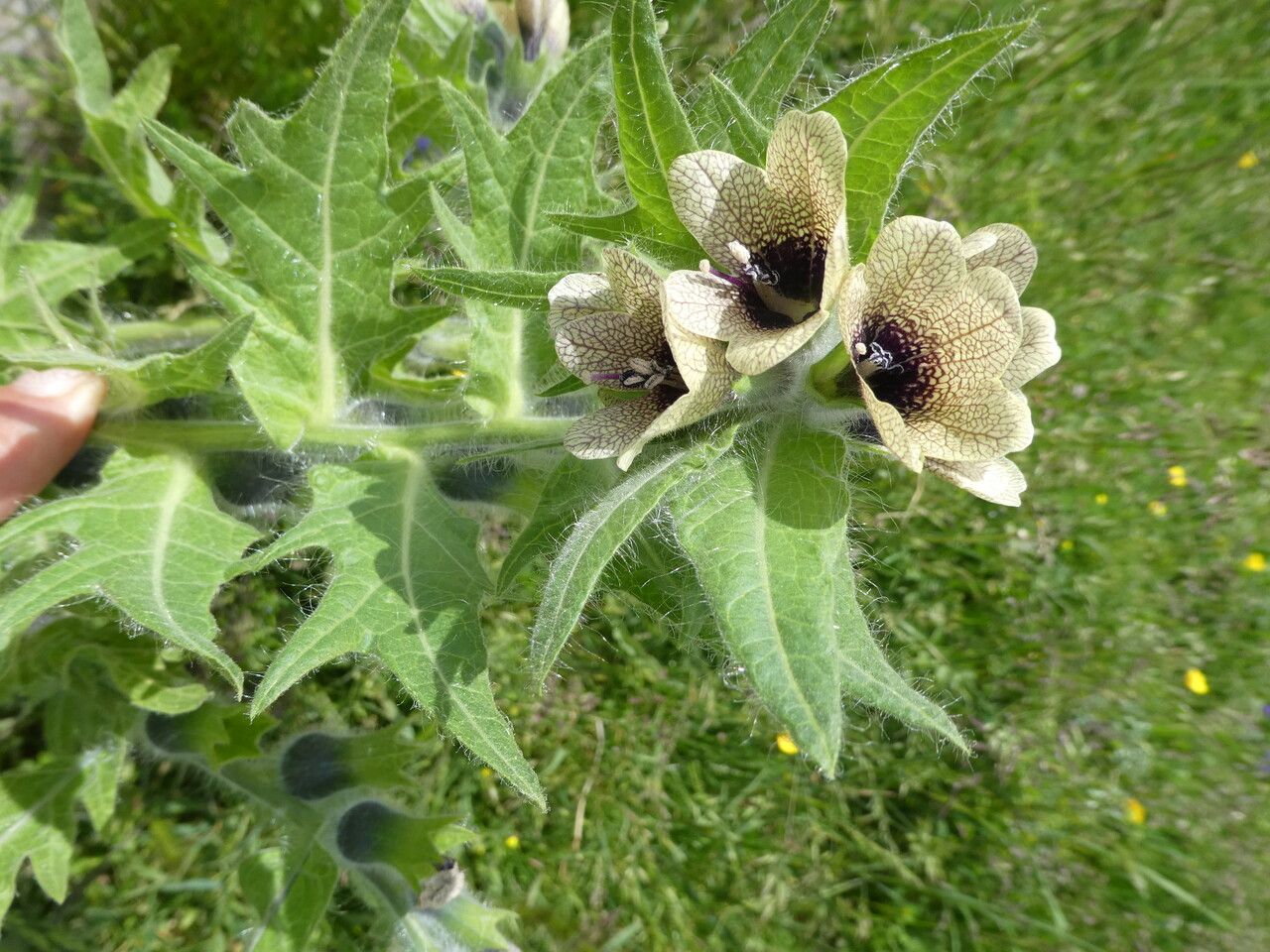
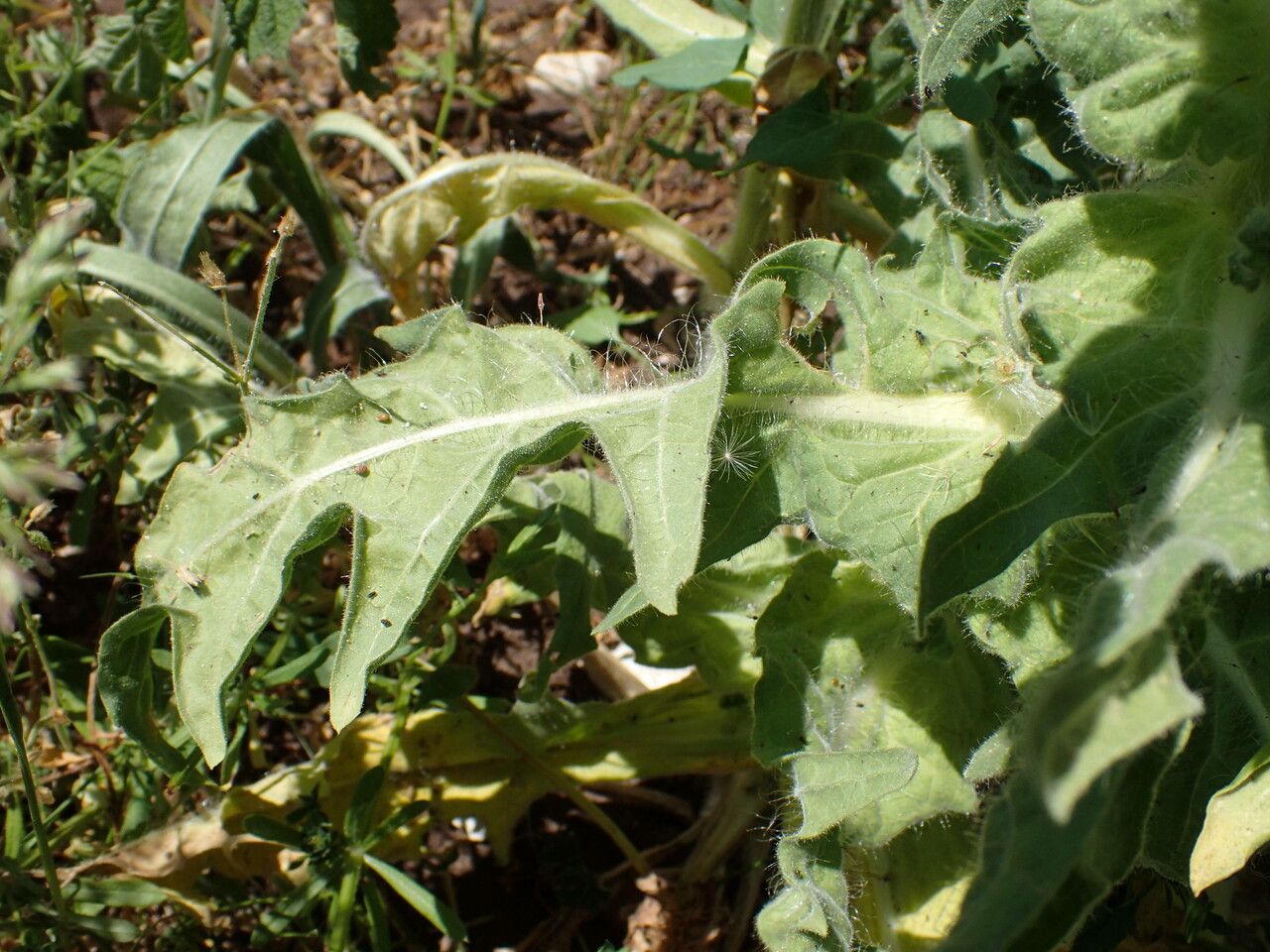
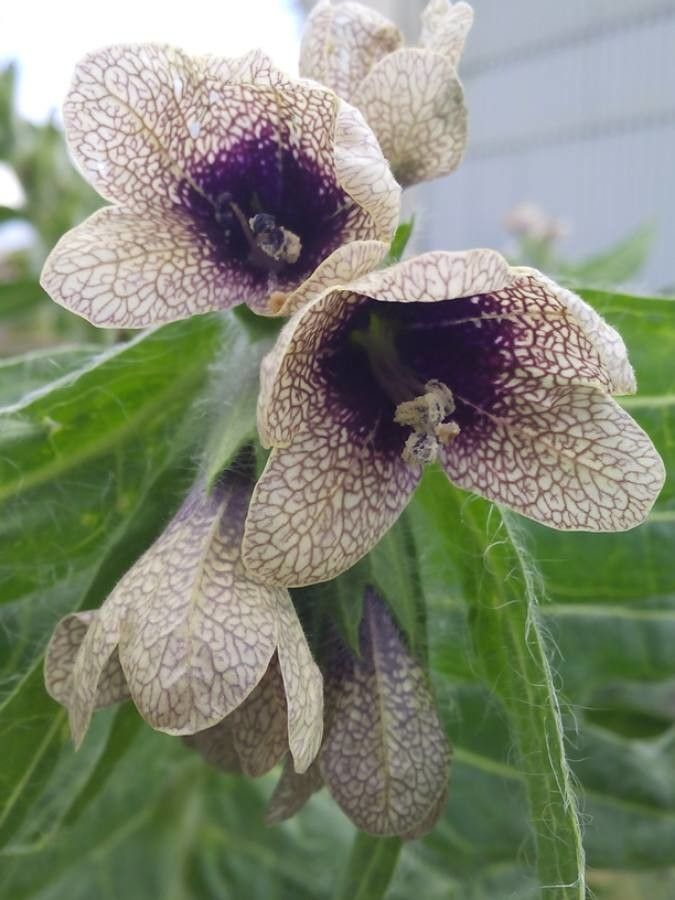
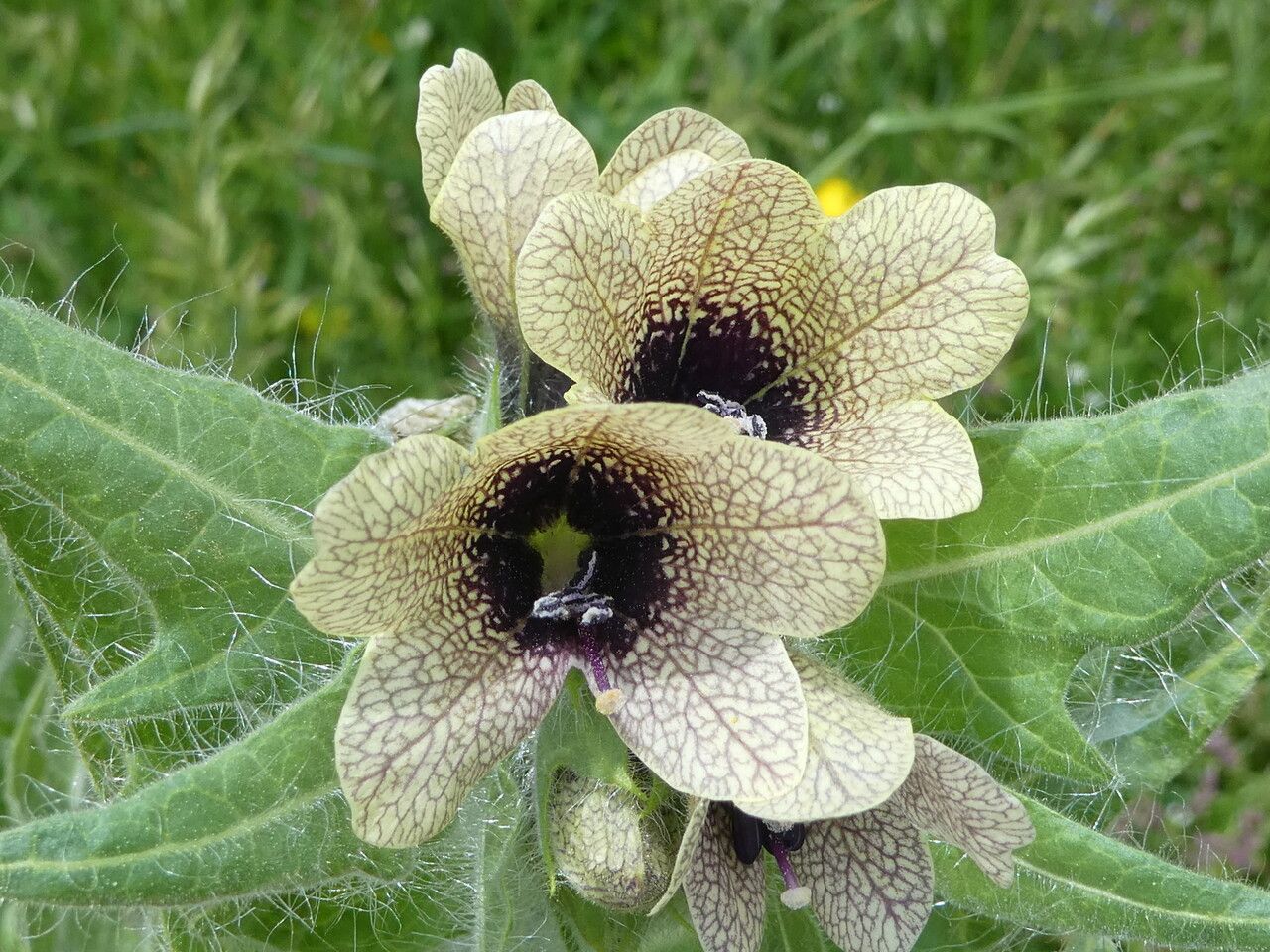
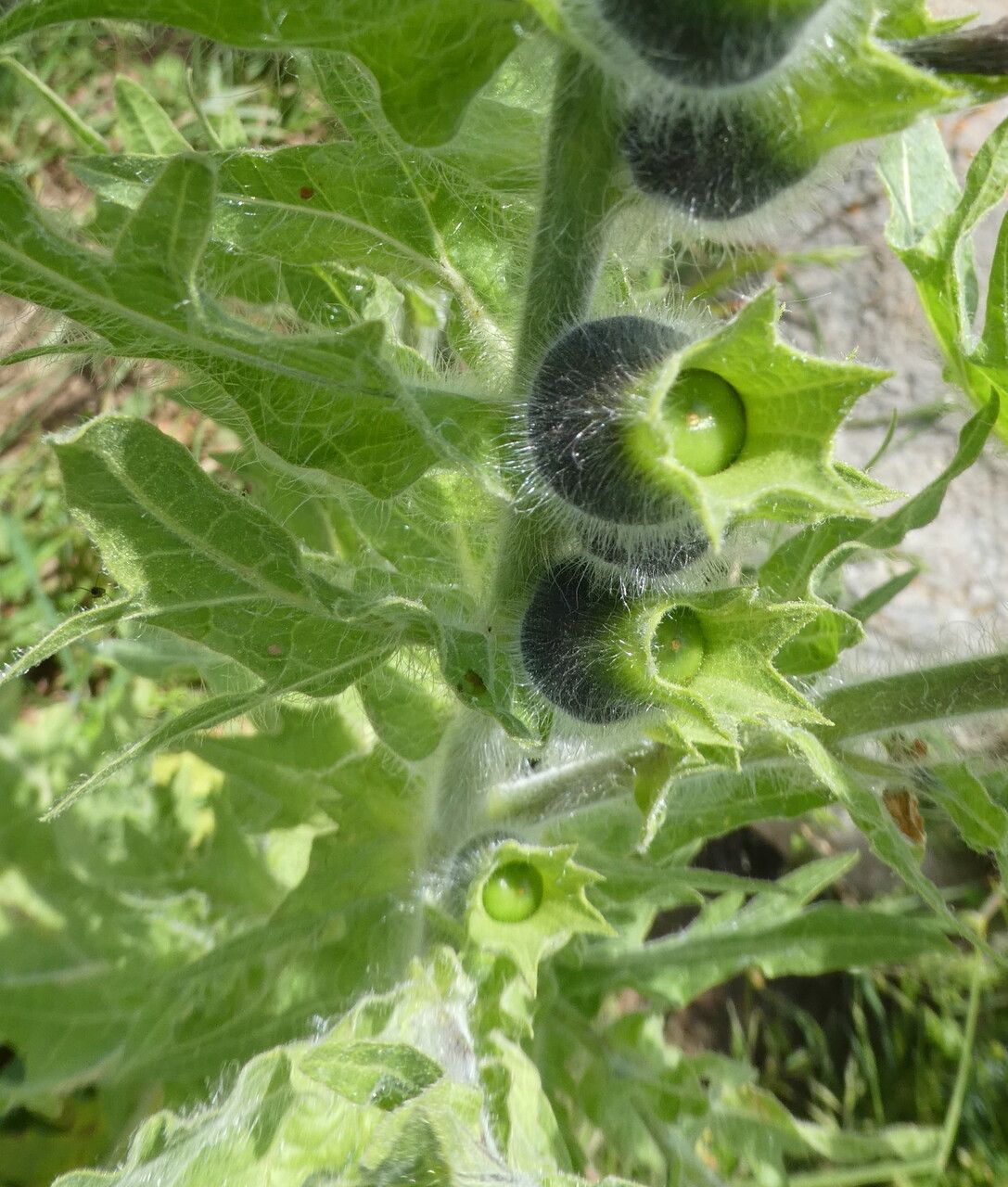
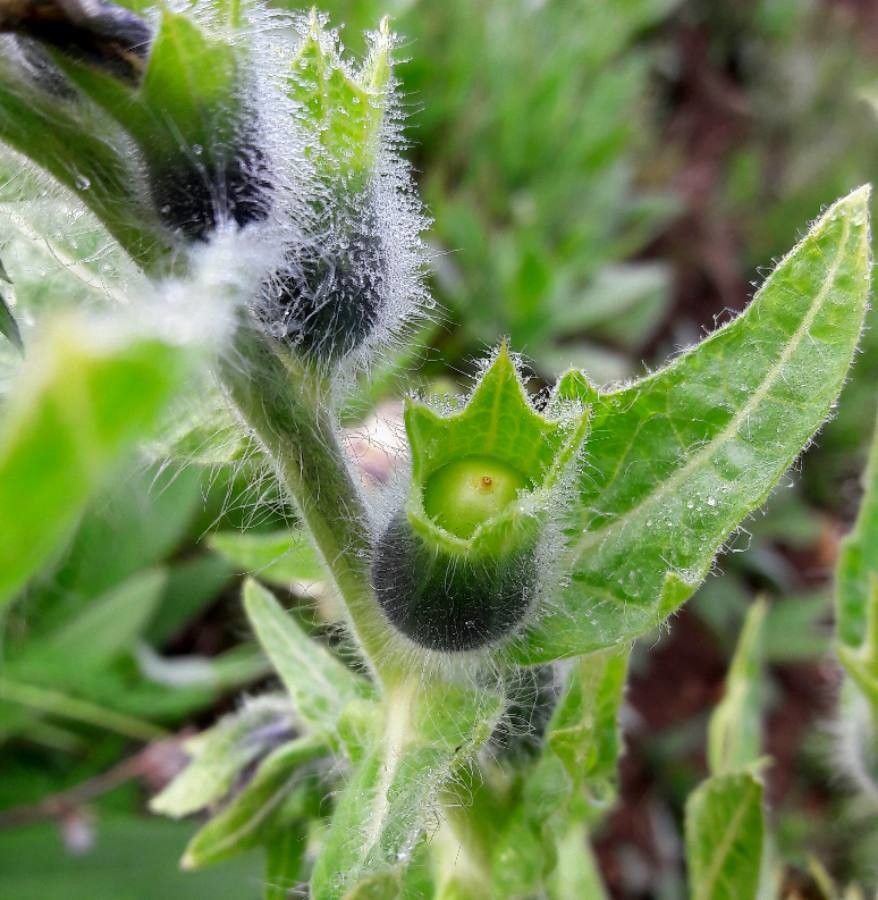
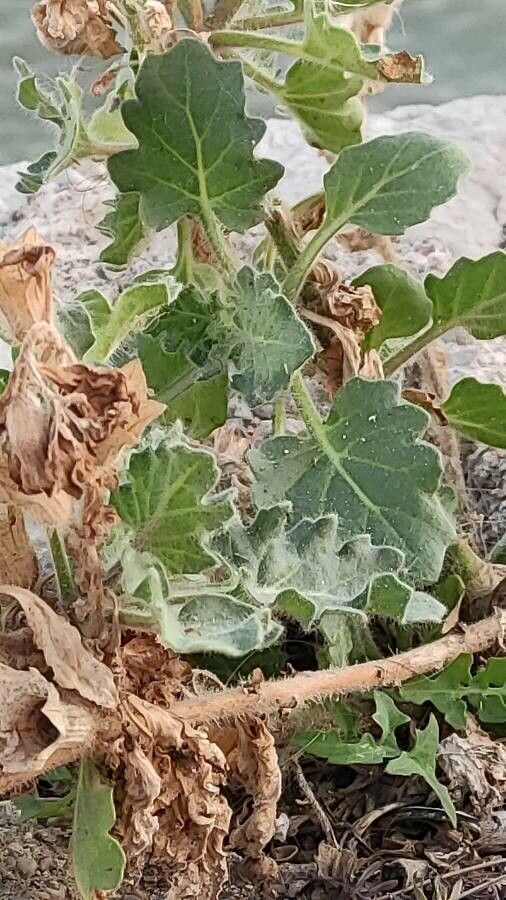
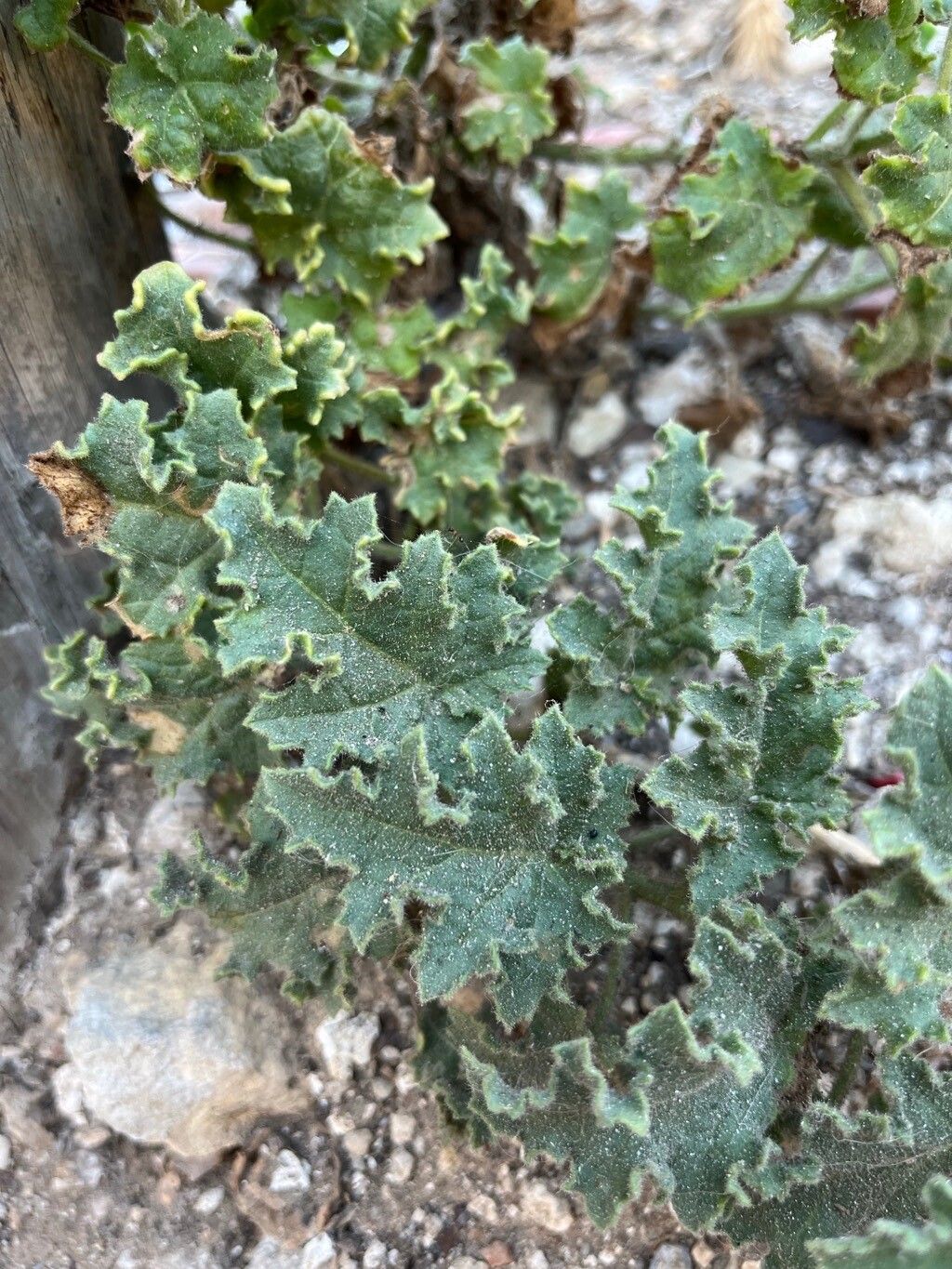
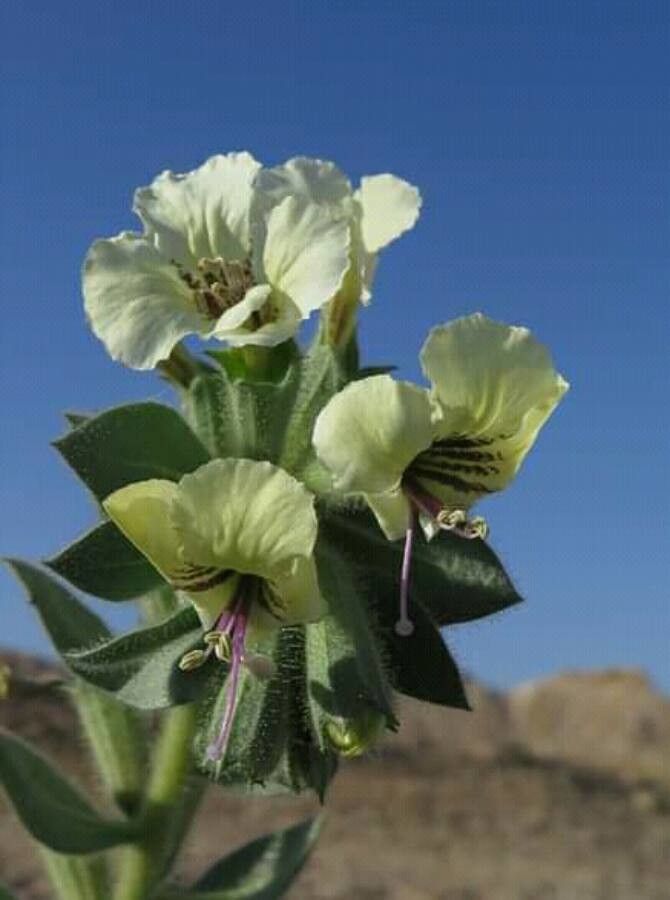
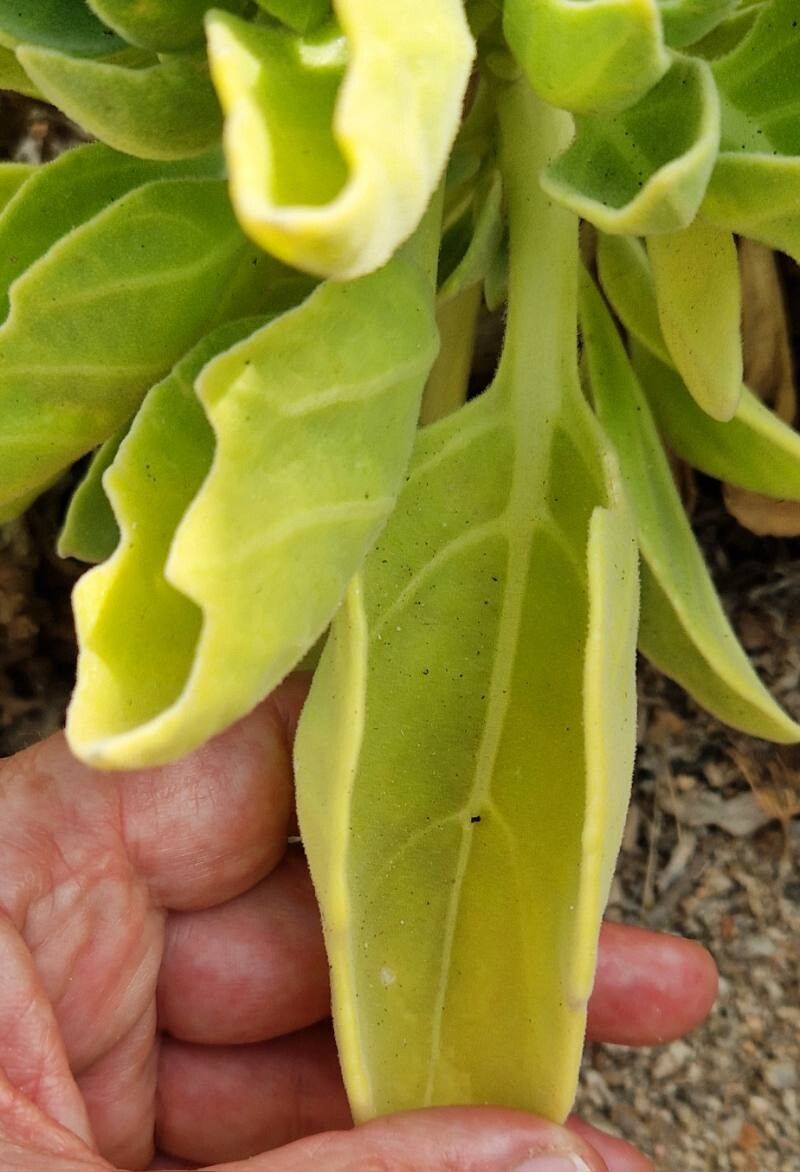
Hyoscyamus niger, commonly known as henbane, black henbane, or stinking nightshade, is a poisonous plant in the nightshade family Solanaceae. It is native to temperate Europe and Siberia, and naturalised in Great Britain and Ireland.
Henbane is fairly resistant to disease and typically does not suffer from many illnesses. Still, it can be vulnerable to pests and diseases present in its environment. Such infections are generally mild. In terms of care, the plant requires moderate maintenance. Regular pruning is needed to keep a neat appearance and encourage healthy growth. Fertilizing can also aid in promoting blooms. Henbane is suitable for anyone with outdoor space, such as a garden or patio, and does not require extensive care experience. It may demand more attention when grown indoors.
How to keep Hyoscyamus Niger.
Light
Henbane grows best with plenty of light, like the conditions it finds in its natural habitat. Too little light can cause stunted growth, while too much can scorch the leaves. Although it can survive without any shade, it needs abundant sunlight at all stages of growth to do well.
Water
Henbane flourishes in dry, open environments and is drought-tolerant, requiring weekly watering to prevent the soil from becoming too saturated. It thrives in temperate regions where its growth coincides with seasonal rainfall, making it an excellent choice for water-efficient gardening.
Temperature
Henbane is native to temperate regions and needs a climate with temperatures between 68 and 95 °F (20 and 35 °C). It naturally flourishes in moderate climates and is sensitive to frost. To maintain healthy growth, adjust temperatures as the seasons change.
Fertilizer
Henbane benefits from regular fertilization to encourage flowering but does not tolerate excessive amounts. It requires light, frequent applications of fertilizer throughout its life, especially during peak active growth and while it is flowering. You should continue feeding your Henbane until it stops blooming.
Botanical profile.
- Plant Type
- Herb
- Life Cycle
- Biennial, Annual
- Genus
- Hyoscyamus
- Family
- Solanaceae
- Hardiness Zone
- 4-8
- Mature Height
- 15 cm to 91 cm
- Mature Spread
- 91 cm
- Leaf Color
- Green
- Leaf Type
- Deciduous
- Flower Color
- Purple, Yellow, Green, Cream, Lavender, Gold
- Flower Size
- 2.54 cm to 4.57 cm
- Bloom Time
- Late spring, Early summer, Mid summer
- Planting Time
- Summer
- Harvest Time
- Mid summer, Late summer, Early fall
- Native Area
- Turkey, Sweden, India, Austria, Slovakia, Montenegro, Pakistan, Slovenia, Morocco, Croatia, Belarus, Uzbekistan, Russia, Iraq, Germany, Estonia, Romania, Latvia, South Korea, Belgium, Moldova, Portugal, Nepal, Netherlands, France, Tajikistan, Tunisia, Czech Republic, Bulgaria, Armenia, Poland, Greece, Ukraine, Serbia, Lebanon, Lithuania, Norway, China, Afghanistan, Kyrgyzstan, Kazakhstan, Italy, Spain, Switzerland, Denmark, Mongolia, Finland, Iran, Albania, Ireland, United Kingdom, Hungary, Algeria, Azerbaijan, Turkmenistan
Other names.
Reader questions.
What do I do if I give my Henbane plant too much water or too little water?
Both overwatering and underwatering can harm the health of your Henbane plant, but overwatering is a more common problem. Excessive watering can cause wilting, yellowing of leaves, and diseases like root rot, mold, and mildew that can kill the plant. Henbane has decent tolerance to drought, so underwatering is less likely, but it can still occur, causing brittle and brown leaves. It's important to spot signs of overwatering early and reduce watering immediately to prevent irreversible damage. Check the soil's drainage quality and replace it with a well-draining potting mix if it's poor. If your Henbane shows signs of insufficient watering, simply increase the frequency of watering until the signs disappear.
Why should I put fertilizer on my Henbane plant?
Properly fertilizing flowering plants, such as Henbane, can lead to more robust growth and vibrant blooming. As prolific bloomers, these plants require ample fertilizer to replenish essential nutrients for their growth. Nitrogen is beneficial for promoting early-season vegetative growth and maintaining green foliage through photosynthesis and chlorophyll production. Phosphorus is crucial for enhancing flower formation, strengthening stems, and converting sunlight into energy for growth. Additionally, potassium aids in the movement of water, nutrients, and sugars within plants, promoting root growth and increasing drought tolerance.
What are the sunlight requirements for Henbane (Hyoscyamus niger)?
Henbane requires full sun, meaning it needs to be exposed to more than 6 hours of sunlight daily to thrive. It's crucial to observe how sunlight moves through your garden and select locations that offer a balance of light and shade, suitable for your plants. Henbane flourishes under ample illumination, a condition it naturally prefers. Insufficient light can lead to stunted growth, while too much sunlight may cause issues such as leaf scorching. However, the plant generally needs plenty of sun exposure through all its growth stages to prosper optimally.
What is the origin and suitable climate for Henbane?
Henbane, scientifically known as Hyoscyamus niger, is of temperate origin. It requires a climate where the temperature ranges from 68 to 95 °F (20 to 35 °C) to thrive naturally. Henbane is well-suited to moderate climates and does not tolerate frost well. To ensure its healthy growth, it's important to adjust temperatures accordingly during seasonal changes. Despite its strong cold resistance, special frost protection measures are not usually necessary. However, ensuring the soil remains moist entering winter can help prevent drought and water scarcity for the plant during the colder months.
How frequently should I give water to my Henbane plant?
If your Henbane plant is in a pot, the most precise way to determine if it needs water is by checking the soil. Just stick your finger into the soil and if the top two to three inches are dry, then it's time to water it. If you're growing Henbane outdoors in the ground, you can use a similar method to test the soil. Again, check if the top few inches of soil are dry before watering. Typically, during the spring and early fall, you'll need to water this plant about once every week using this method. However, as the weather gets hotter, you may need to increase watering frequency to about twice per week or even more. That being said, mature and well-established Henbane plants have an impressive ability to withstand drought.
When should I fertilize my Henbane plant?
Henbane has a consistent appetite, but it doesn't want to be overwhelmed with fertilizer. It requires small but regular doses of fertilizer, especially during its peak growth and flowering stages. You should continue feeding your Henbane until it stops blooming. Keep in mind that container-grown plants need more frequent fertilization compared to plants grown in the ground because their root zones are smaller and they have limited access to nutrients.
How can artificial lighting be used for Henbane when natural sunlight is insufficient?
When Henbane is grown indoors or in areas where natural sunlight is lacking, especially during winter or in less sun-exposed spaces, artificial lighting becomes crucial for optimal growth. It's advisable to use LED lights as they can provide specific wavelengths needed by plants. For full sun plants, 30-50W/square foot of artificial light is recommended, partial sun plants need 20-30W/square foot, and full shade plants require 10-20W/square foot. The light source should be placed 12-36 inches above the plant, mimicking natural sunlight conditions, and ensuring the plants receive 8-12 hours of light daily.
How should Henbane be cared for during low temperature conditions?
Henbane is cold-tolerant and prefers temperatures above a certain minimum suitable growth temperature. In winter, it is important to keep it above the tolerable growing temperature minimum to prevent damage. If winter temperatures drop below the limit growth temperature, you might not notice immediate changes, but there could be a decrease in sprouting or even a lack of sprouting come springtime. To assist plants affected by low temperatures, remove any parts that have failed to sprout in the spring.
How much water does my Henbane plant require?
To properly water your Henbane, don't hesitate to give it a generous amount of water. Wait until the top few inches of soil are dry, then thoroughly soak the soil. Make sure you water enough for excess water to drain out of the bottom of the pot. If you don't see any excess water draining, you probably haven't watered enough. However, be careful not to let water accumulate in the soil as it can harm the plant. On the other hand, if water isn't draining properly, it may indicate that the soil is not draining well, which can negatively affect the plant's health. If the plant is outside, one inch of rain per week should be enough.
When is it not a good idea to use fertilizer on my Henbane plant?
Sometimes, fertilizer can do more harm than good for Henbane, especially if the plant is already dealing with other issues. If Henbane is struggling with diseases or insect problems, such as downy mildew, powdery mildew, gray mold, aphids, spider mites, or whiteflies, it's best to avoid fertilizing. Adding fertilizer can weaken the plant's defenses, making it more prone to pest problems or disease infections. Additionally, it's important not to fertilize when the soil surface has hardened or become too dry as this can potentially cause fertilizer burn on the roots. In these cases, it's better to water the soil slightly before fertilizing. In the hottest part of summer, Henbane may go dormant until temperatures cool down. During this time, it's advised to hold off on fertilizing until the plant resumes growth.
What symptoms indicate Henbane is getting inadequate light?
When Henbane receives insufficient light, several symptoms might appear, including small or new leaves growing in smaller than mature ones, leggy or sparse growth, early leaf drop to conserve resources, slower or halted new growth, leaves developing pale or irregular colors indicating a lack of chlorophyll, and various symptoms of excessive sunlight exposure such as chlorosis, sunscald, leaf curling, wilting, and leaf scorching. These signs demonstrate the plant's struggle in inadequate lighting conditions, affecting its overall health and growth.
What actions should be taken when Henbane is exposed to high temperatures?
During the summer, it's crucial to ensure that the temperature around Henbane does not exceed the suitable growth temperature maximum. Exceeding the tolerable growing temperature max can cause the leaves to become lighter, curl, become prone to sunburn, and in severe cases, result in the plant wilting and drying out completely. To mitigate these risks, trim away any sunburned and dried-up parts. Additionally, moving the plant to a shaded location or using a shade cloth can protect it from direct sun exposure. Keeping the soil moist by watering in the early mornings and evenings can also help the plant cope with high temperatures.