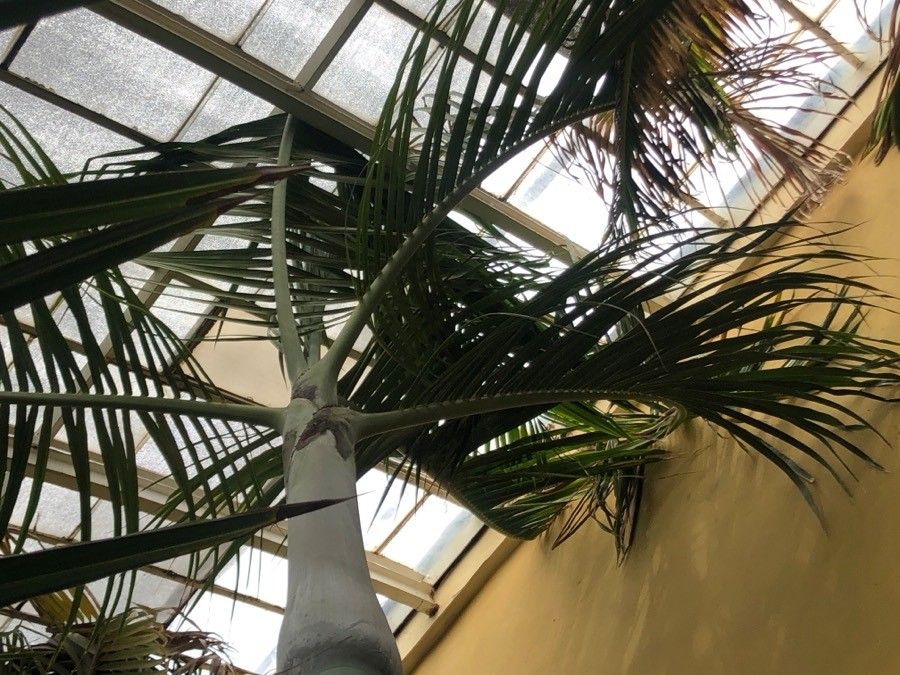
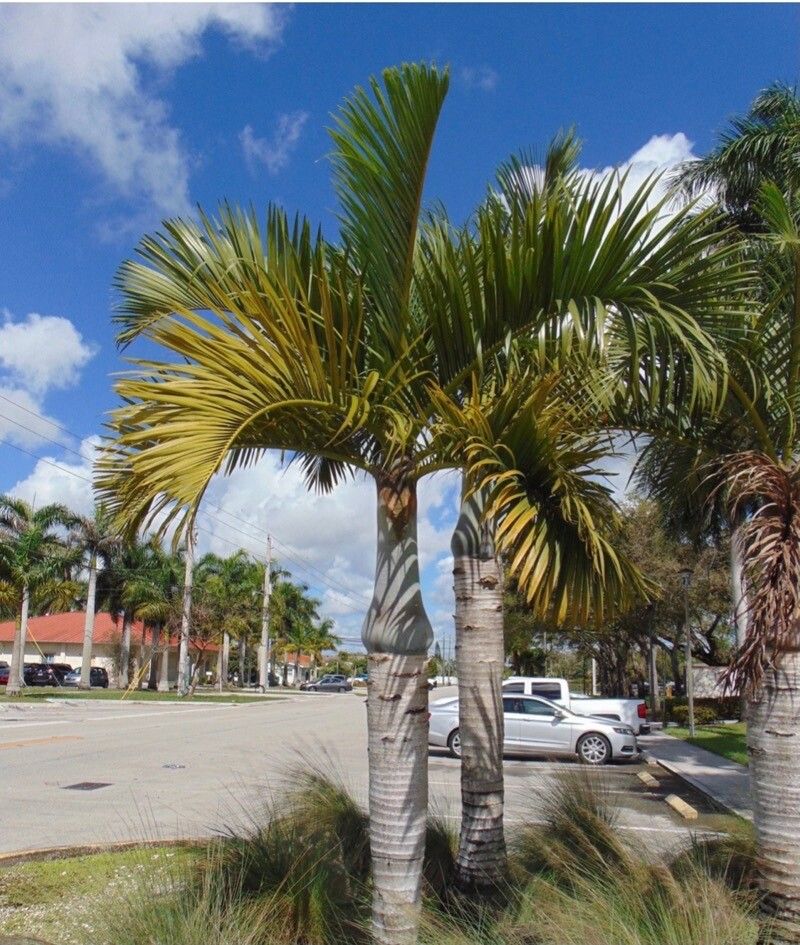
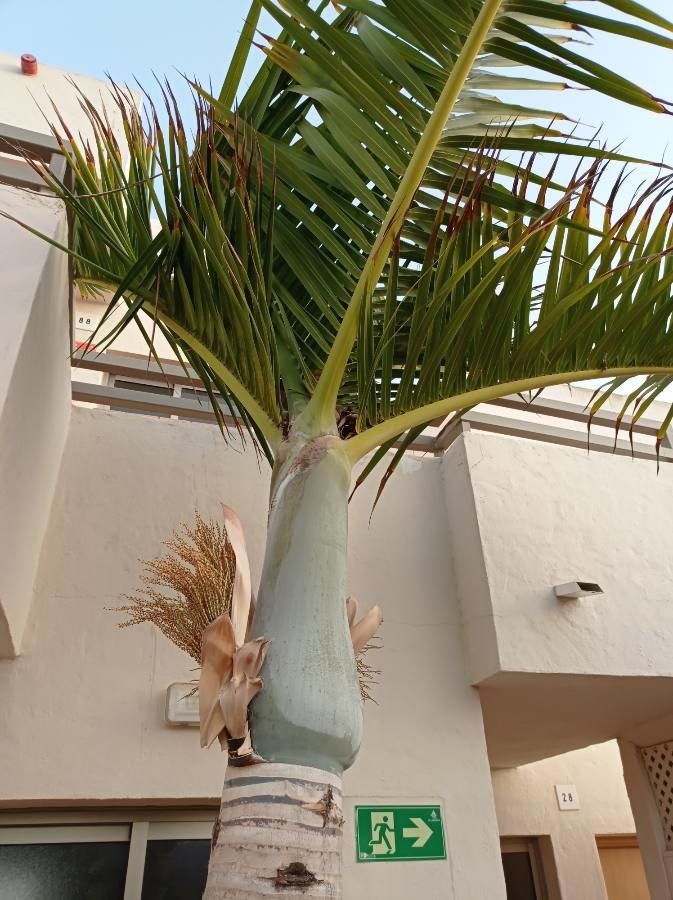
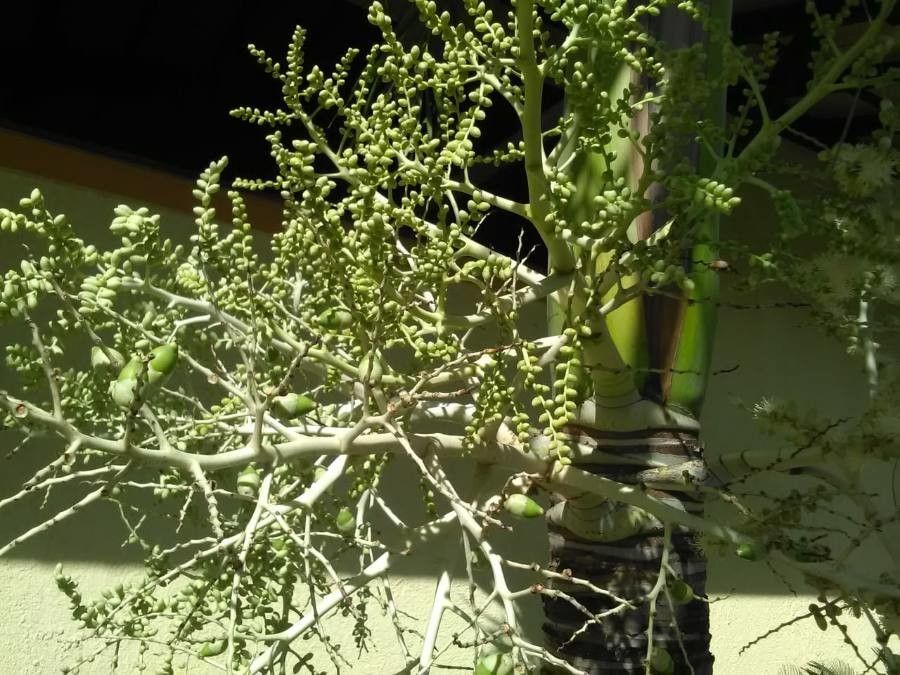
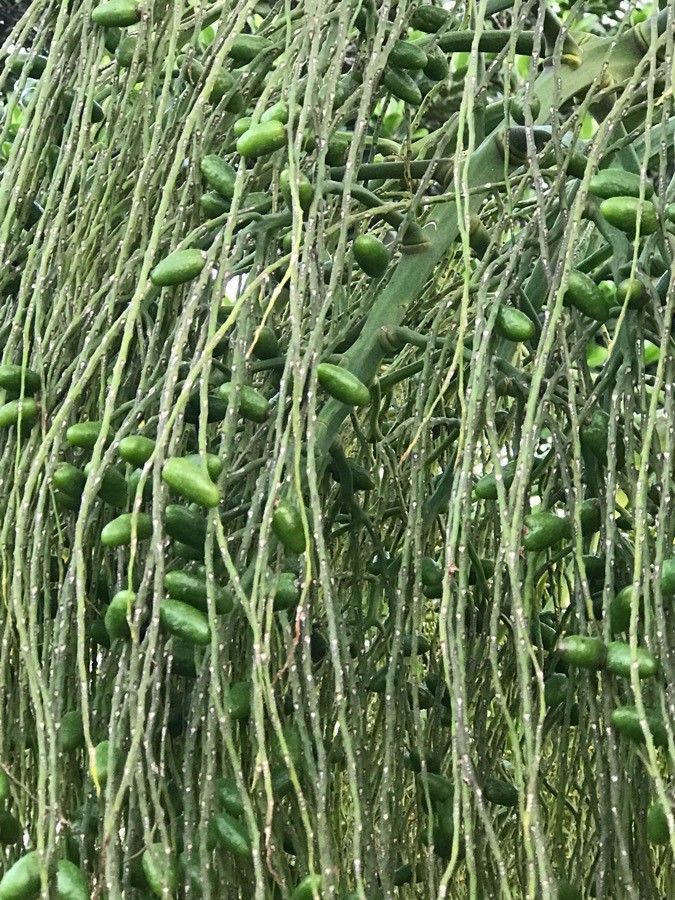
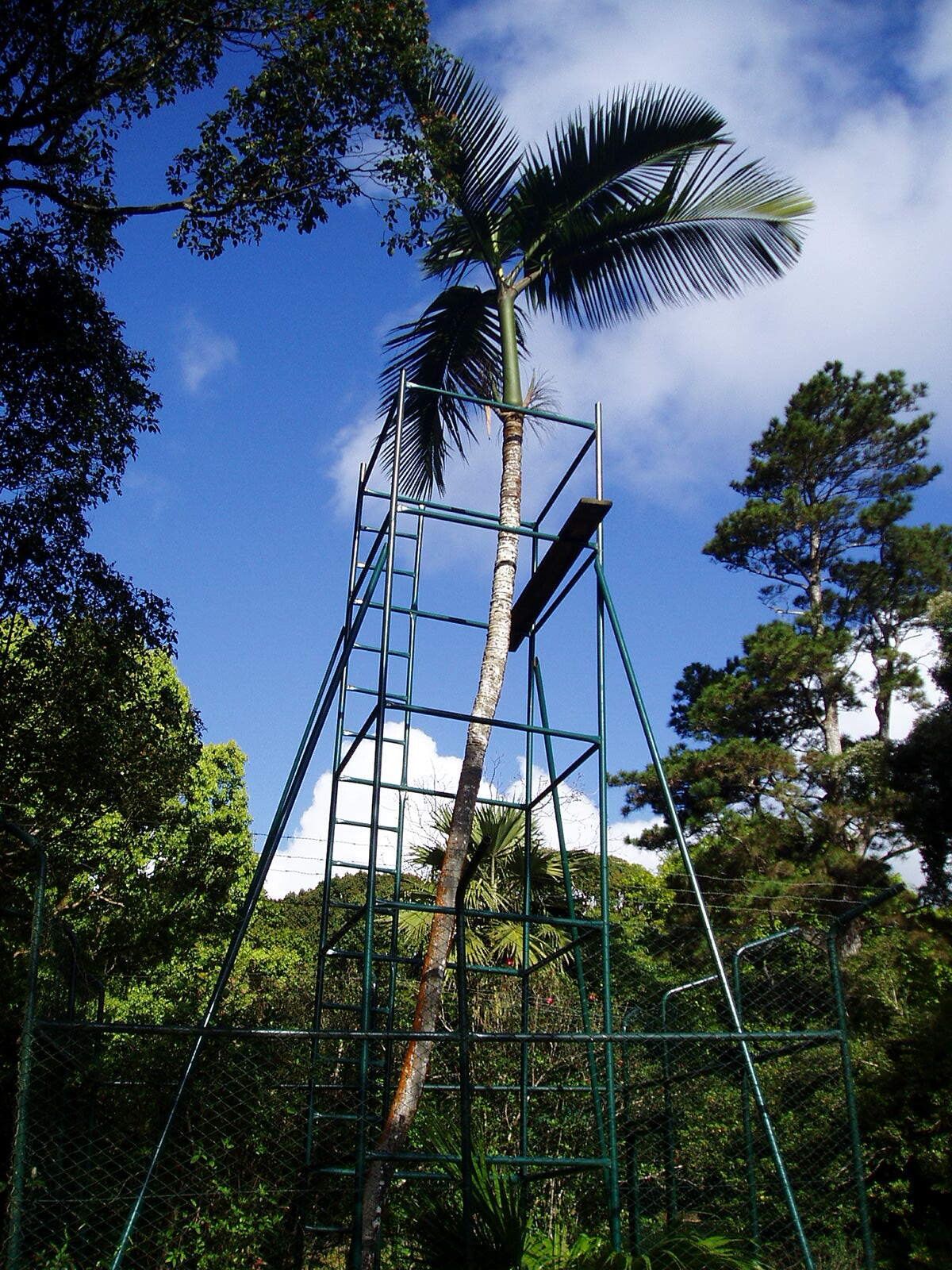
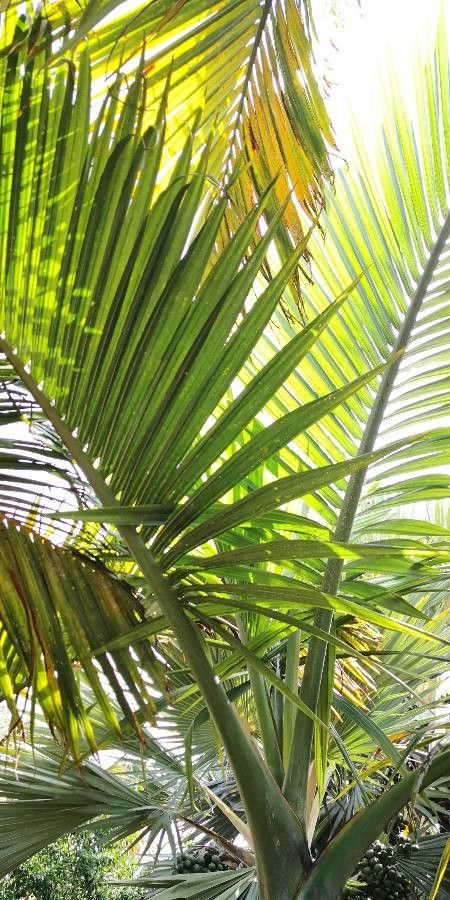
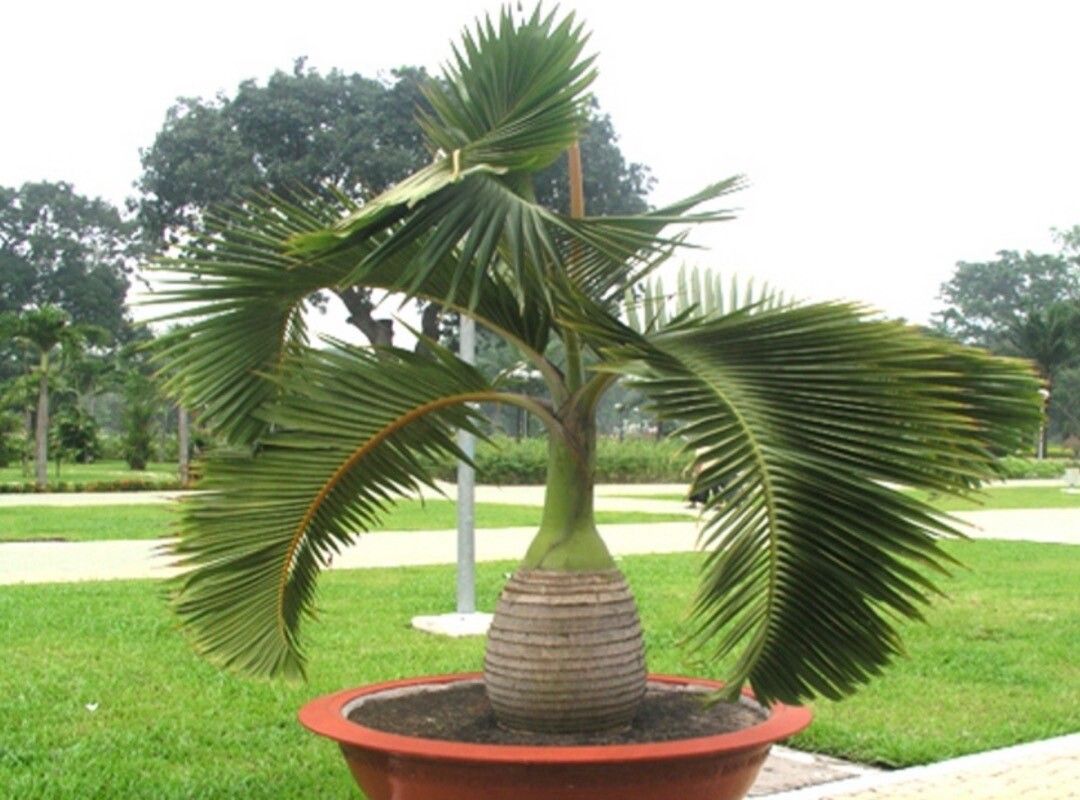
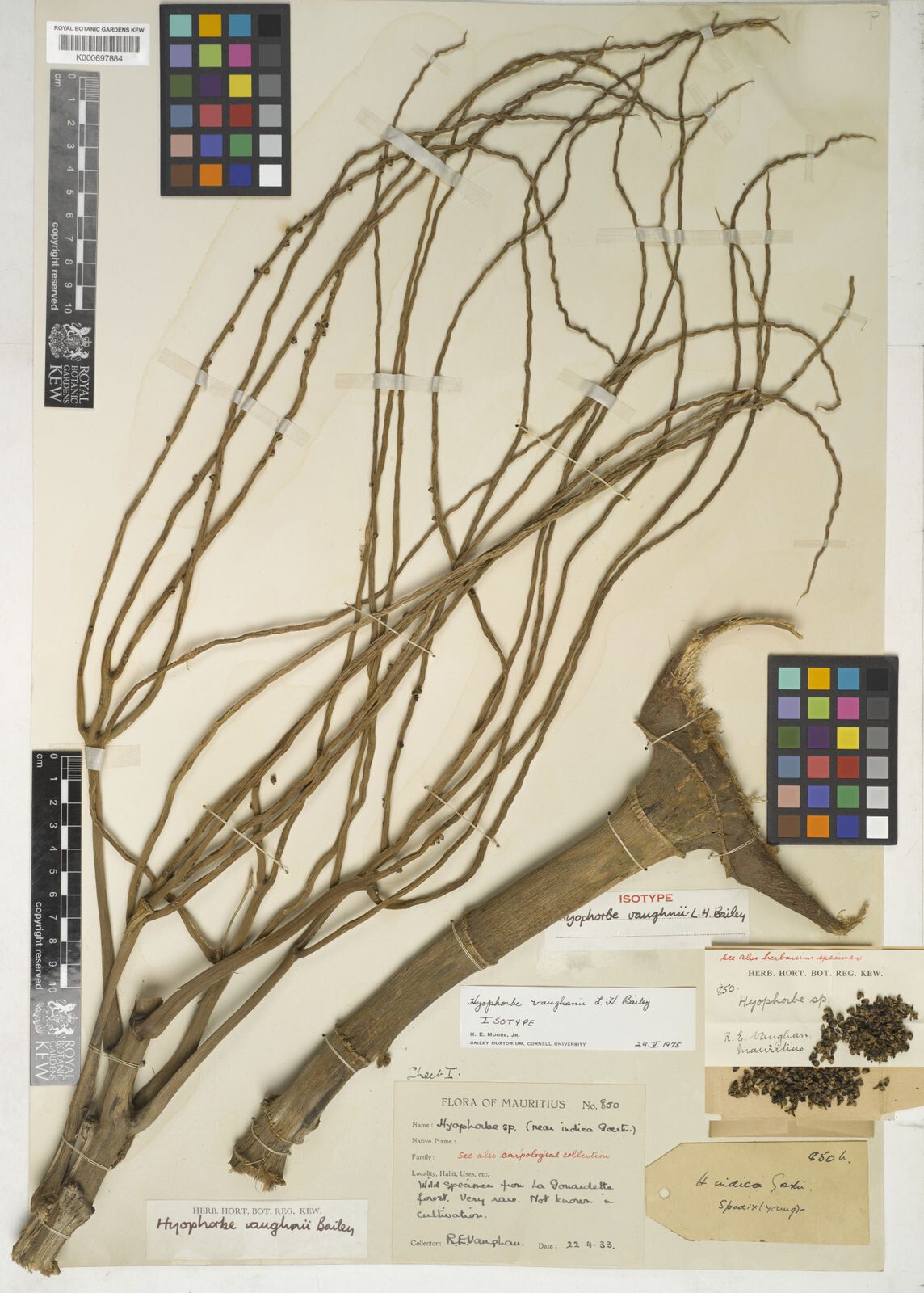
Hyophorbe verschaffeltii, commonly known as the Spindle Palm, is a palm tree species native to the island of Mauritius in the Indian Ocean. This slow-growing palm can reach heights of up to 10 meters and features a slender trunk that tapers toward the top. Its pinnate leaves can extend up to 3 meters in length, with numerous leaflets arranged along either side of the central stem.
The Spindle Palm is an attractive ornamental plant, prized for its unique shape and striking appearance. It thrives in well-drained soil and full sun but can also tolerate partial shade. The plant requires regular watering; however, overwatering should be avoided to prevent root rot.
Unfortunately, the Spindle Palm has become endangered due to habitat loss from human activities such as deforestation for agriculture and urbanization. Botanic gardens worldwide are making conservation efforts through seed collection programs and propagation techniques to preserve this species for future generations.
Spindle palm is resistant to disease and, overall, not prone to illnesses. Regarding care, this plant is fairly low-maintenance. When grown outdoors it needs little watering, and larger plants typically do not require pruning. Smaller plants, however, should be pruned after they finish blooming. Spindle palm is suitable for anyone with outdoor space, such as a garden or deck, and does not demand much care experience.
How to keep Hyophorbe Verschaffeltii.
Light
The spindle palm comes from open habitats, such as sunny meadows and the edges of forests, which supply abundant light. It performs best in Full Sun but can also endure Partial Sun, adjusting well to a range of sunlight conditions.
Humidity
This plant needs special care because it loves high humidity levels of 60-80% or more. The best way to achieve this is by placing a humidifier near the plant. Daily misting is also essential! Make sure the room has good ventilation.
Temperature
Spindle palm comes from tropical areas where the climate is usually warm and humid. Consequently, it is adapted to high heat and humidity. It does not tolerate sudden temperature shifts and does best in a steady temperature environment, so avoiding indoor temperature fluctuations is important. It generally cannot endure cold conditions and needs warmer temperatures to grow. If the surrounding temperature falls too low, the plant may stop growing or even die.
Fertilizer
Fertilize your Spindle palm in early spring to encourage healthy growth. Regular feeding improves the plant’s overall condition, producing vigorous growth, greater tolerance of harsh conditions, and increased resistance to diseases and pests. Keep a set fertilization schedule for your Spindle palm to preserve vibrant, richly colored foliage and a lush appearance.
Pruning
The spindle palm is known for its distinct spindle-shaped trunk and graceful, feather-like fronds. To promote better health and prevent pest infestations, prune any dead or yellowing fronds in early spring. Be careful to avoid cutting the green fronds. Regular pruning not only enhances the palm's appearance but also supports healthy growth, aligning with reliable horticultural practices.
Botanical profile.
- Plant Type
- Palm
- Life Cycle
- Perennial
- Genus
- Hyophorbe
- Family
- Arecaceae
- Hardiness Zone
- 10-12
- Mature Height
- 6.1 m to 10.06 m
- Mature Spread
- 3.05 m to 4.88 m
- Leaf Color
- Green, Olive Drab
- Leaf Type
- Evergreen
- Flower Color
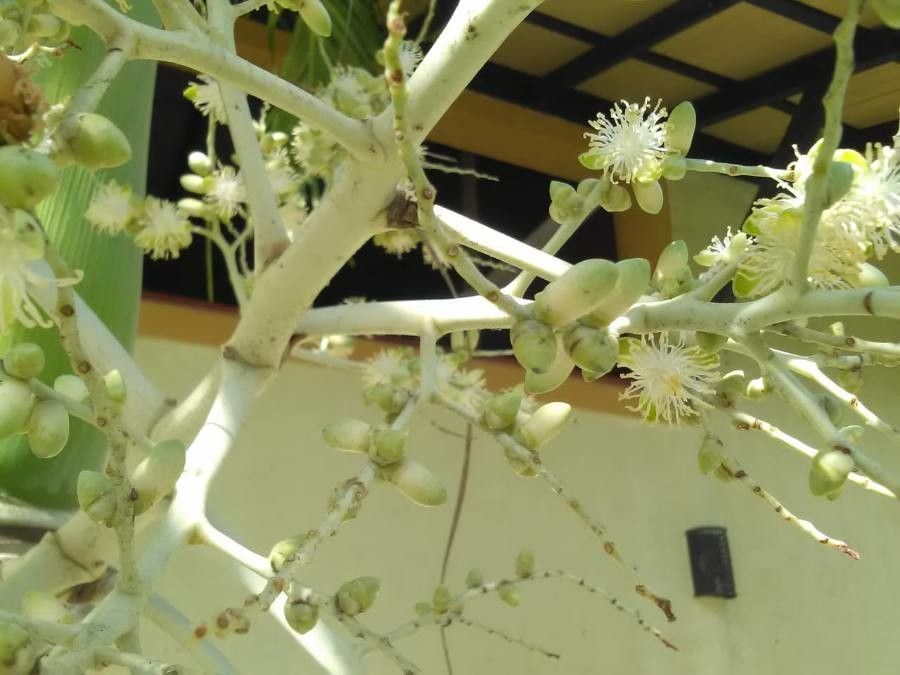
- Yellow
- Flower Size
- 0.25 cm to 0.51 cm
- Bloom Time
- Summer, Early fall
- Planting Time
- Spring, Summer, Autumn
- Harvest Time
- Late summer, Fall
Other names.