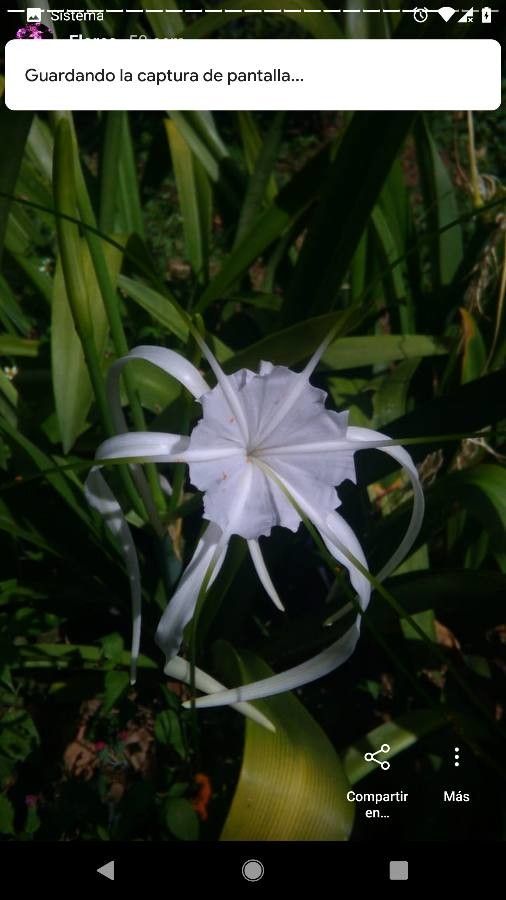
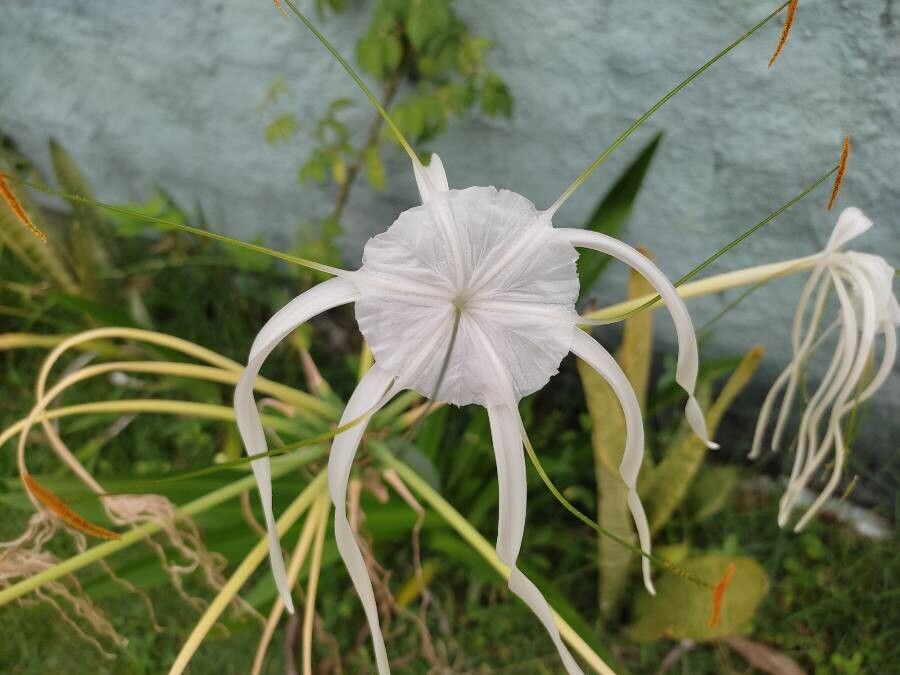
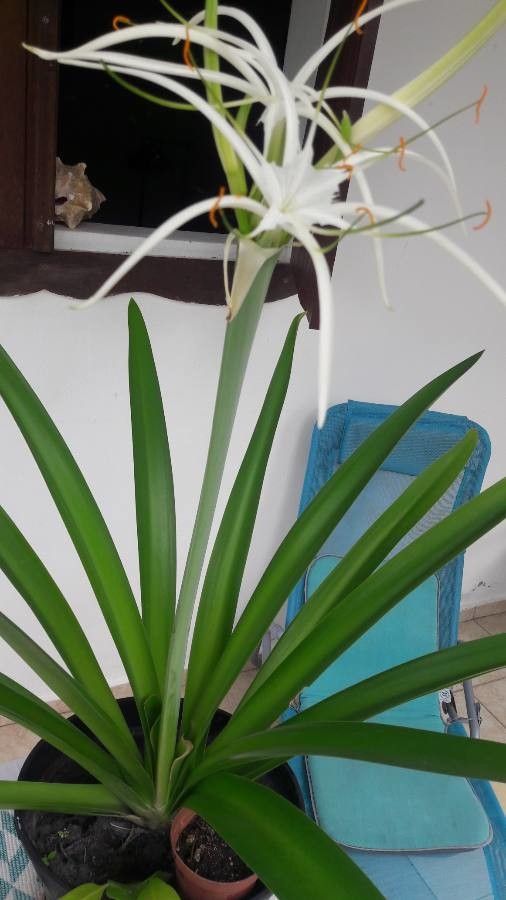
Hymenocallis occidentalis, commonly known as the Western Spider Lily, is a perennial bulbous plant that belongs to the Amaryllidaceae family. Native to the southeastern United States, this plant typically thrives in wetlands, marshes, and along riverbanks.
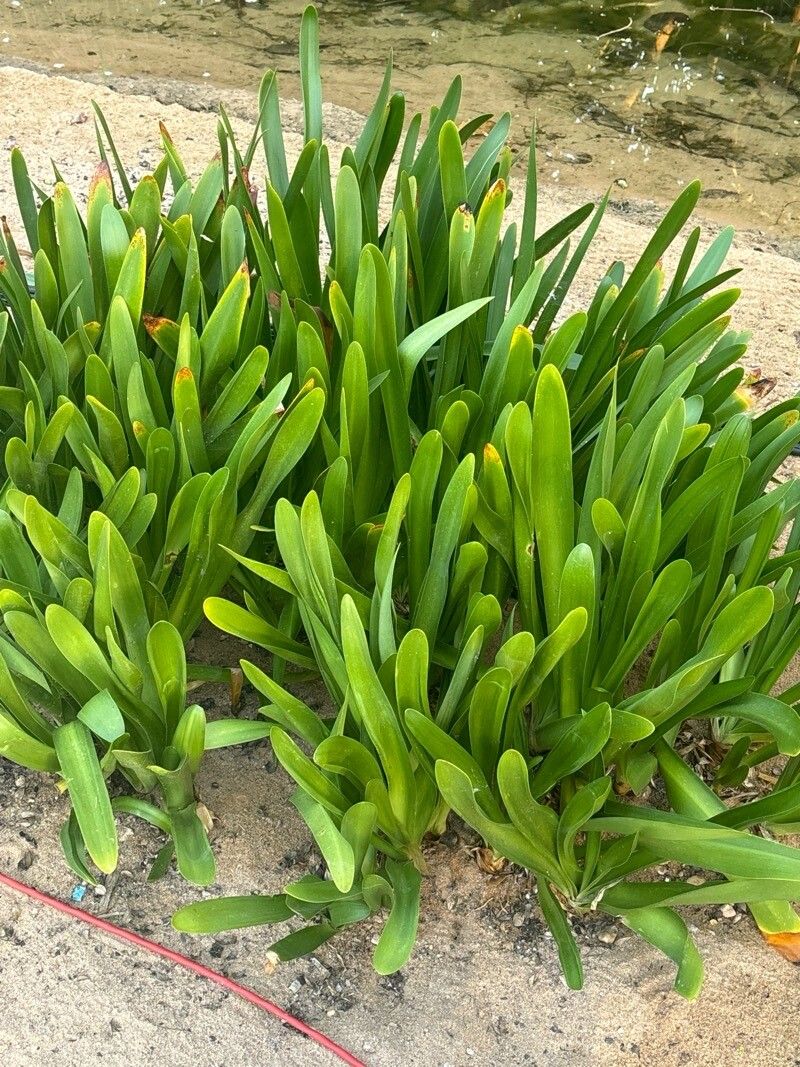
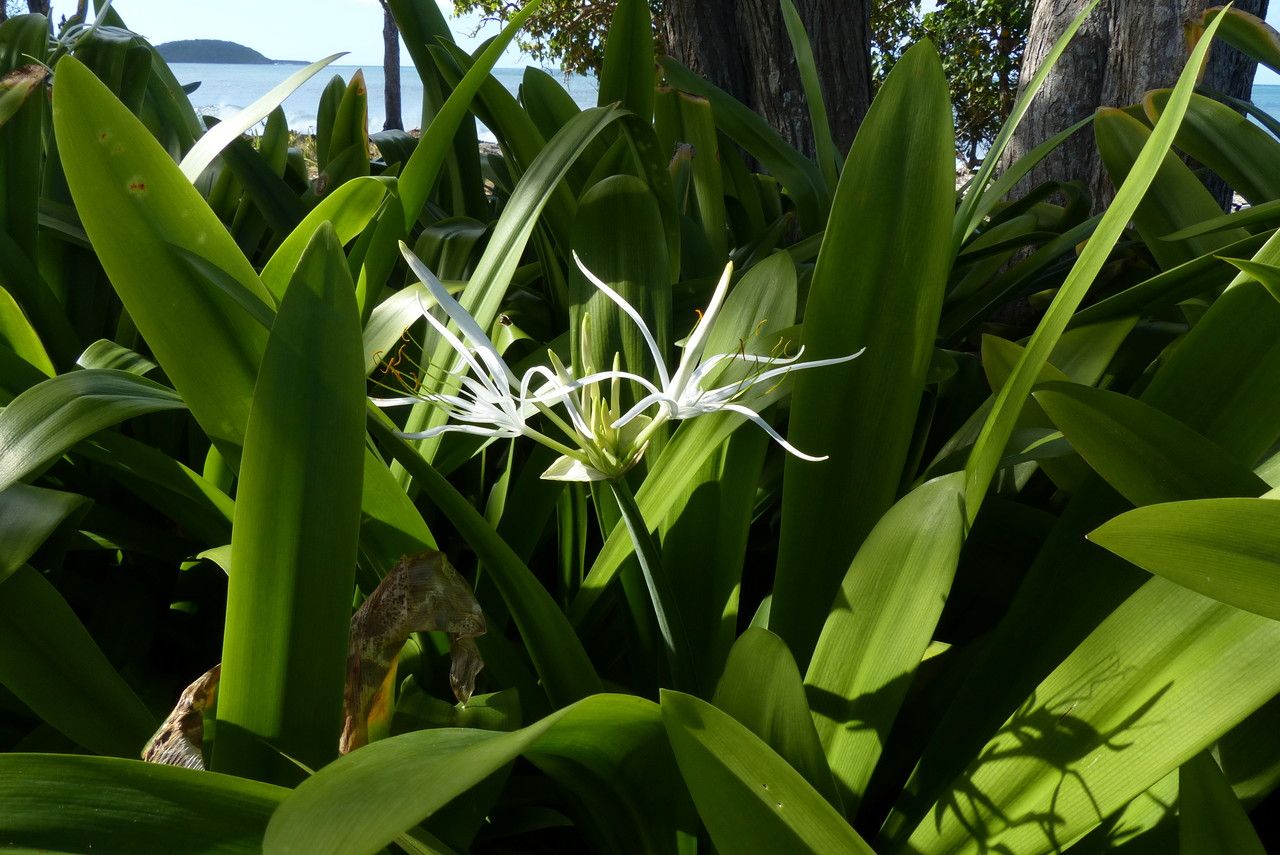
The Western Spider Lily features long, strap-like leaves that can grow up to 60 cm in length and 2 cm in width. These dark green leaves have a glossy texture and emerge from a central bulbous base.
During late spring through summer, the plant produces large, white flowers with six petals arranged in a star shape around a trumpet-shaped corona. These striking blooms are supported by tall stems that can reach up to 90 cm in height.
This plant prefers moist soil conditions but is quite drought-tolerant once established. It also withstands salt spray, making it an excellent choice for coastal gardens.
Hymenocallis occidentalis has been used medicinally by Native American tribes for its anti-inflammatory properties and its ability to treat skin conditions such as eczema.
Overall, this beautiful flowering plant adds an elegant touch to any garden or landscape with its striking white blooms and glossy green foliage, while also offering some medicinal benefits.
Northern spider-lily is fairly resistant to disease and is generally not prone to illnesses. However, it can be vulnerable to pests and diseases present in its environment. These problems are typically not serious. For care, this plant needs a moderate amount of maintenance. It should be pruned regularly to preserve a neat appearance and support healthy growth. Fertilizing can also help encourage flowering. Northern spider-lily is suitable for anyone with outdoor space, such as a garden or patio, and does not require extensive care experience. It may need more attention when kept indoors.
How to keep Hymenocallis Occidentalis.
Light
Northern spider-lily naturally occurs in habitats like forest understories or rocky sites, where it grows in natural shade. It favors partial sun but can tolerate full sun or full shade, showing its adaptable, hardy nature.
Water
The northern spider-lily is well-suited to changes in moisture levels, thriving when watered every 1-2 weeks. It prefers moderately moist conditions but can tolerate short dry periods. Typically grown outdoors, this plant benefits greatly from a growing season that mirrors the rainfall patterns of its native habitat, ensuring optimal growth and flowering.
Temperature
Northern spider-lily can tolerate a wide range of temperatures, but its range may still be constrained by various combinations of moisture and heat. It performs best in warm summer climates with sufficient rainfall or irrigation. Extended periods of cloudy, rainy weather or prolonged high temperatures can raise the risk of the Northern spider-lily dying. In winter, shielding the plant from cold can help improve its survival rate.
Fertilizer
The best time to fertilize a Northern spider-lily is in early spring, when it is coming out of dormancy and starting active growth. Fertilization supplies essential nutrients for healthy development. Although the Northern spider-lily has relatively low fertilizer needs, applying fertilizer annually can improve its survival and encourage better, longer-lasting flowers.
Pruning
The northern spider-lily is known for its striking white, spider-like flowers. To ensure these plants thrive, prune them early in the spring. Removing dead leaves and spent stalks will promote growth and encourage more blooming. Using clean, sharp tools will help you make precise cuts, improving air circulation and reducing the risk of disease, which leads to a vigorous and attractive plant.
Botanical profile.
- Plant Type
- Herb
- Life Cycle
- Perennial
- Genus
- Hymenocallis
- Family
- Amaryllidaceae
- Hardiness Zone
- 7-10
- Mature Height
- 61 cm to 91 cm
- Mature Spread
- 30 cm to 46 cm
- Leaf Color
- Green
- Leaf Type
- Deciduous
- Flower Color
- White
- Flower Size
- 7.62 cm to 15.24 cm
- Bloom Time
- Early summer, Mid summer
- Planting Time
- Spring, Summer
- Harvest Time
- Late summer, Early fall
Other names.
Reader questions.
What are the sunlight requirements for the Northern spider-lily (Hymenocallis occidentalis)?
The Northern spider-lily (Hymenocallis occidentalis) thrives under varying sunlight conditions. For partial sun, it requires about 3-6 hours of sunlight daily. If you're aiming for full sun exposure, it should receive above 6 hours of sunlight each day. It's important to observe how sunlight moves through your garden throughout the day. By doing so, you can find spots that offer the perfect balance of light and shade, ensuring your Northern spider-lily plants grow healthy and happy.