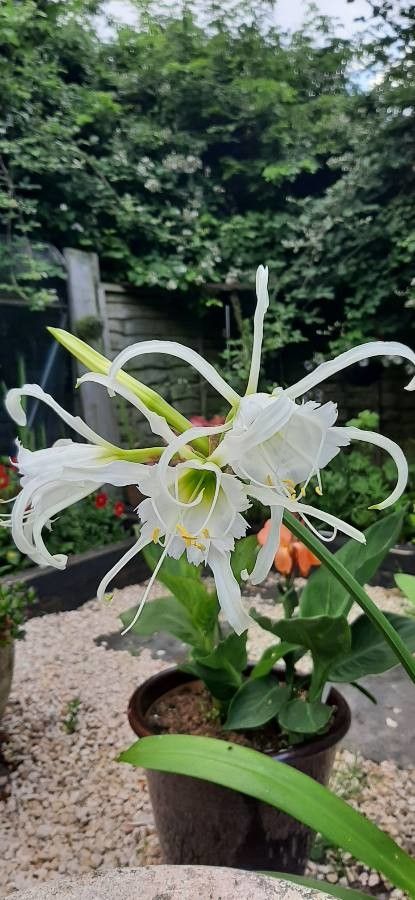
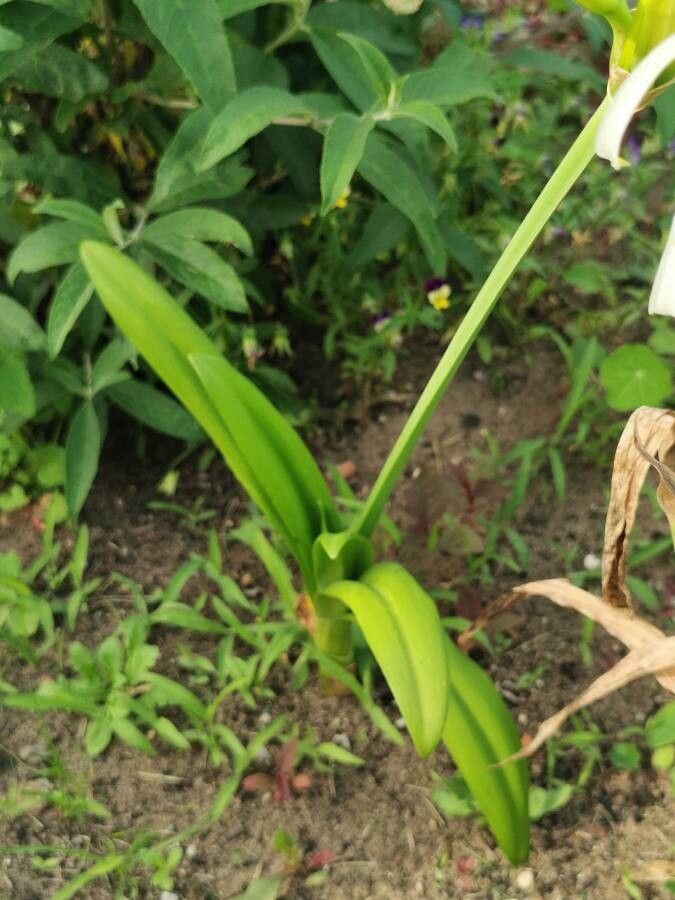
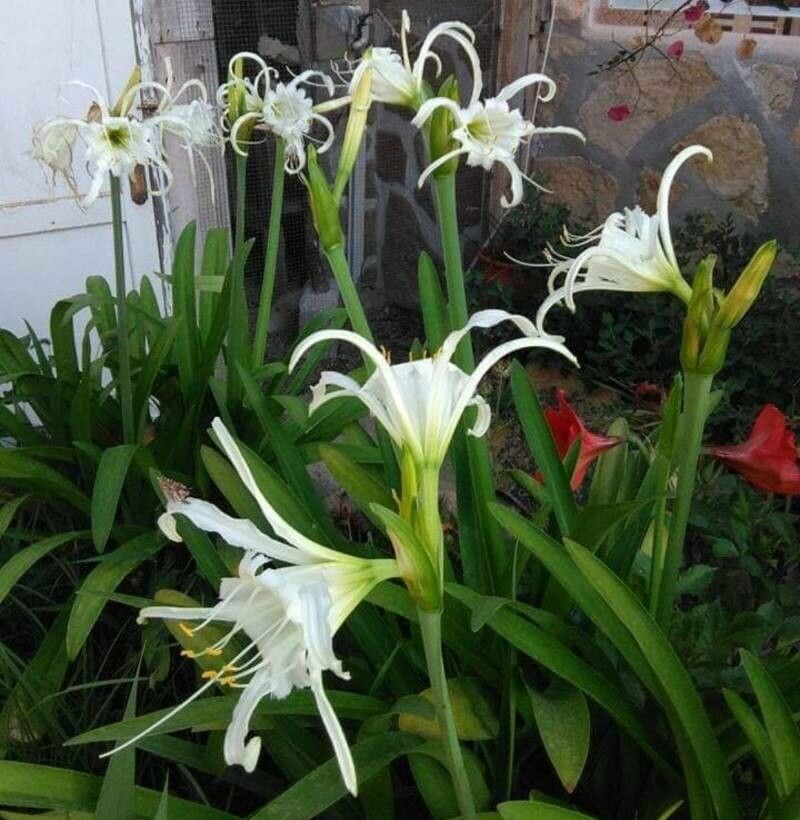
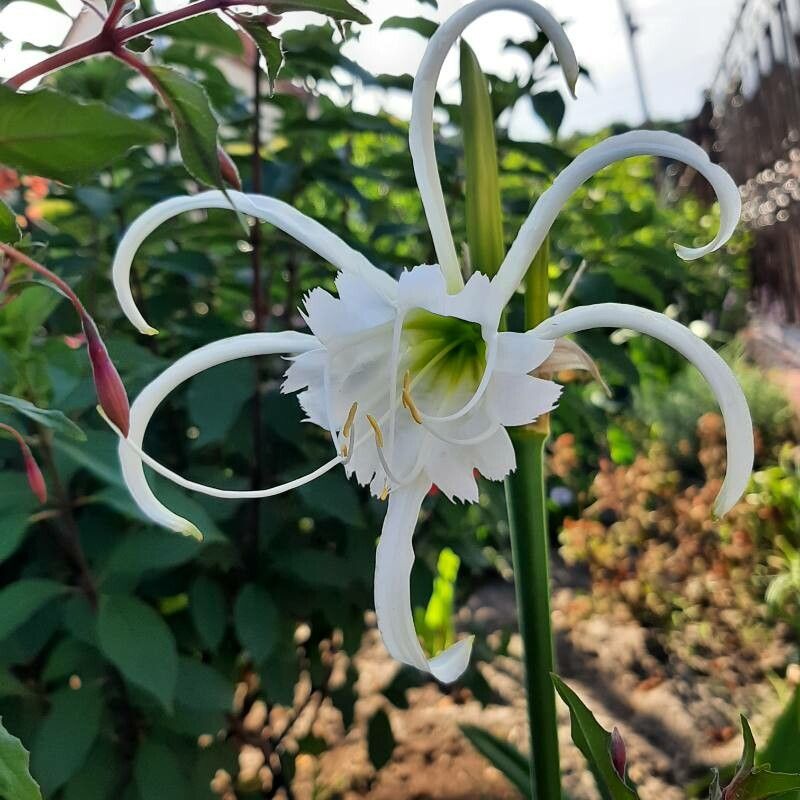
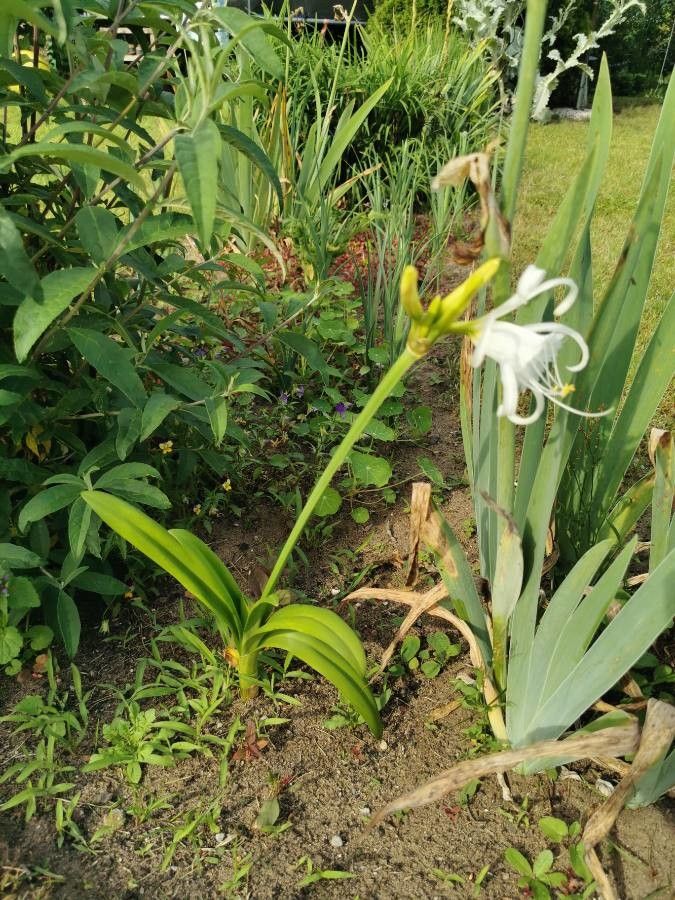
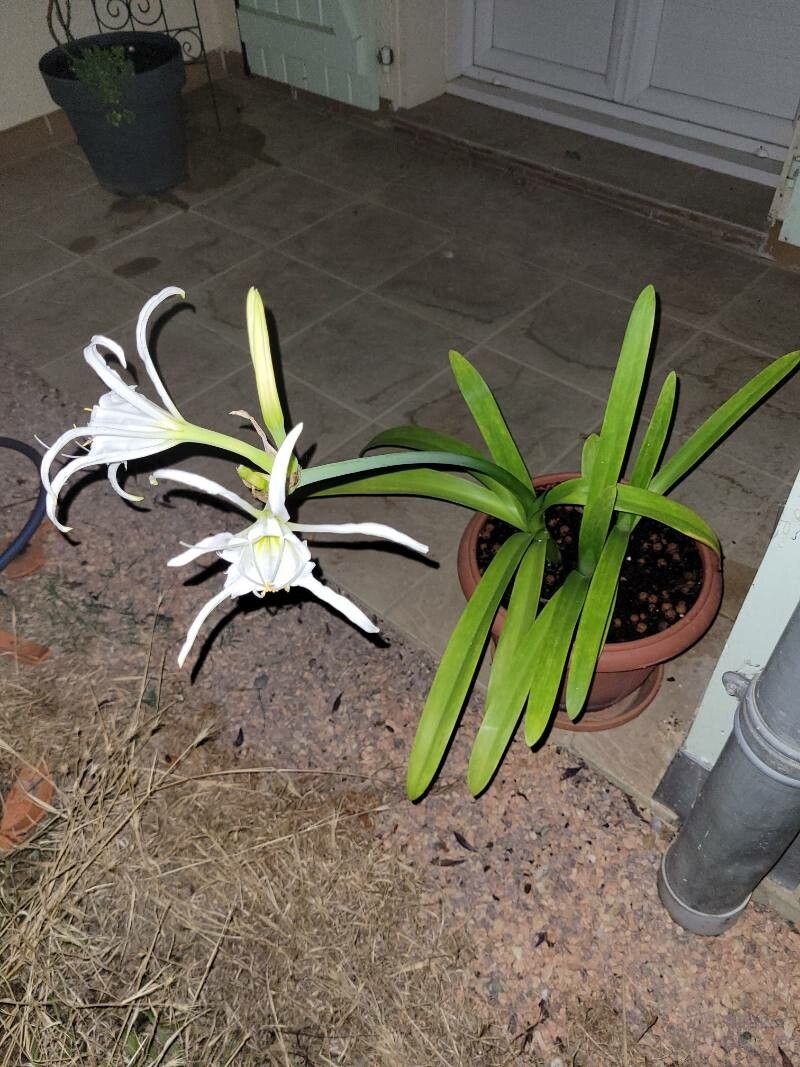
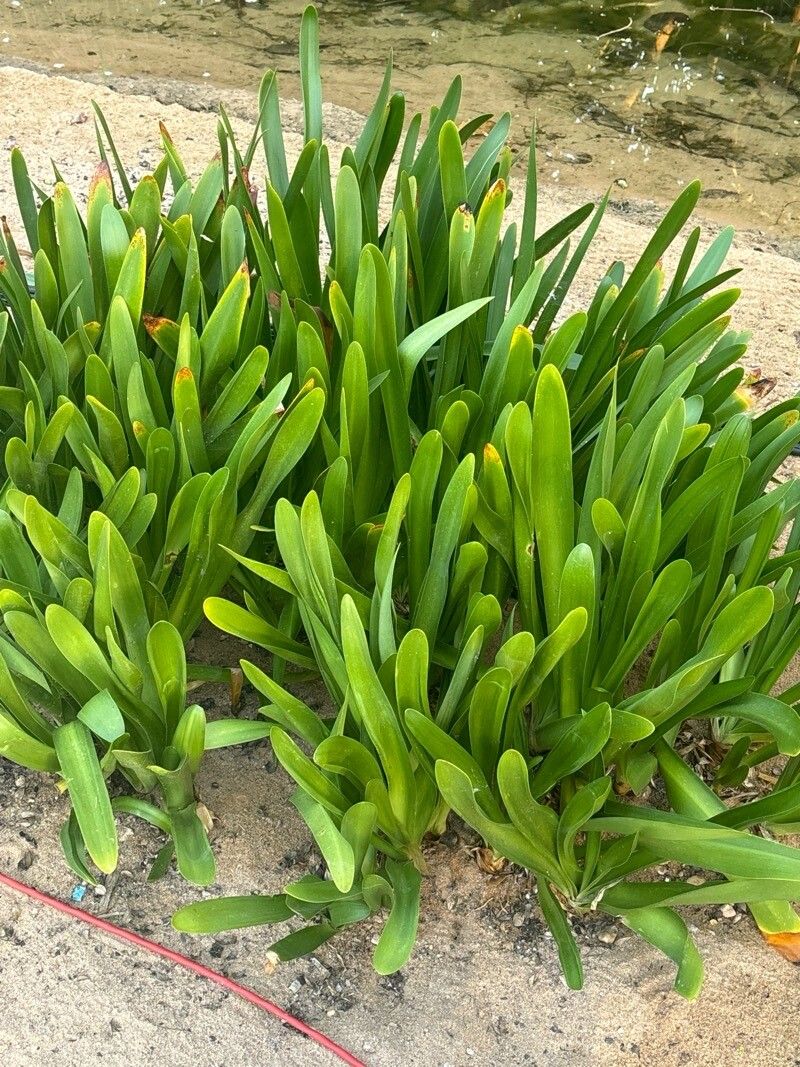
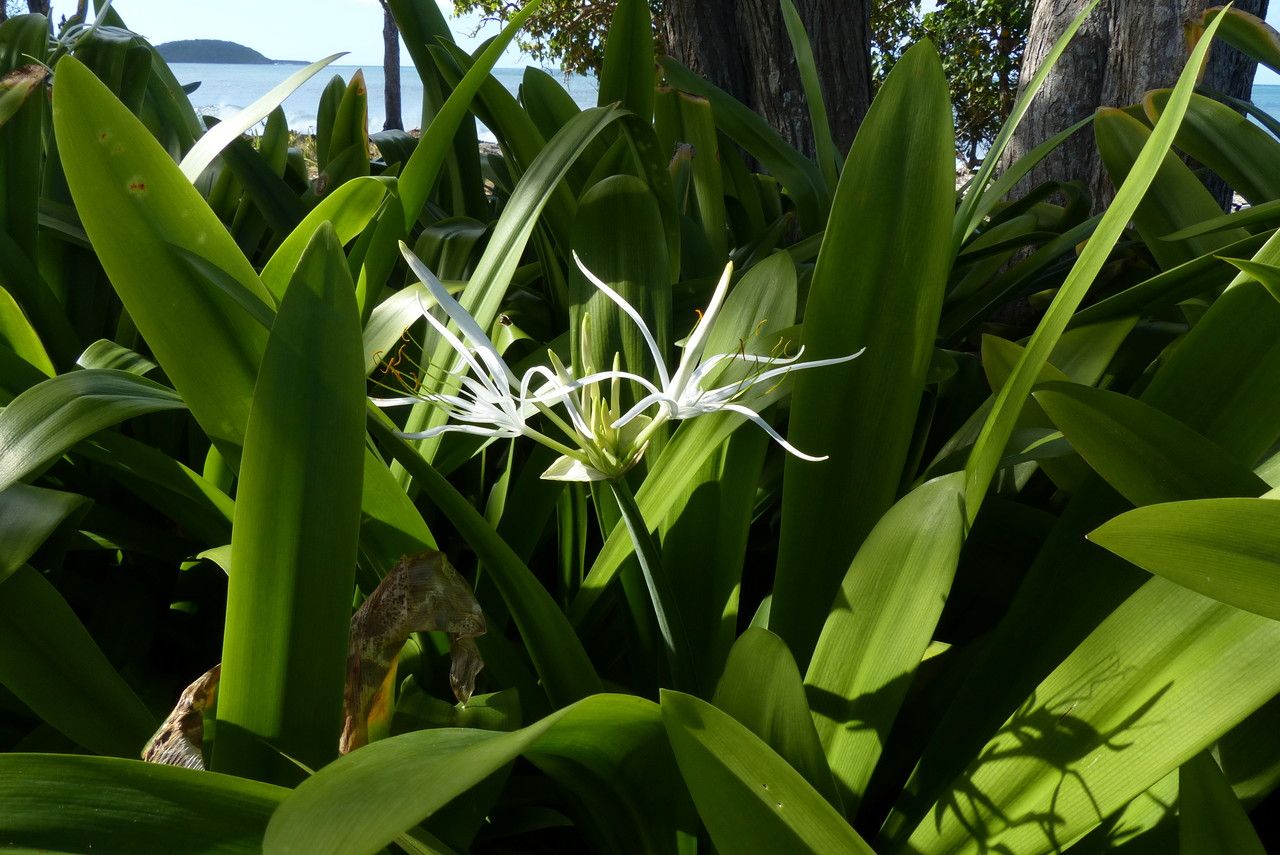
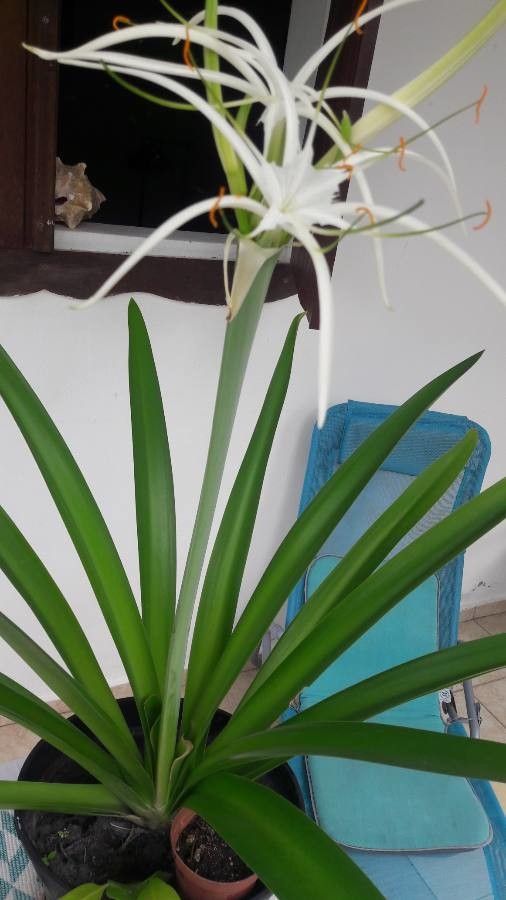
Hymenocallis liriosme, commonly known as the spider lily, is a perennial bulbous plant belonging to the Amaryllidaceae family. Native to Central and South America, it thrives in wetlands, swamps, and along riverbanks. The plant features long green leaves that can reach up to 60 cm in length and 2-3 cm in width. Its flowers are white with a yellow center and exhibit long petals that resemble spider legs.
The spider lily blooms from late spring through summer, with each flower lasting only one day. It prefers full sun or partial shade and thrives in well-drained soil rich in organic matter. Hymenocallis liriosme can be propagated by dividing its bulbs or through seeds.
This plant has been used for medicinal purposes by indigenous people for centuries due to its alkaloid content, which has antifungal properties. However, it is important to note that all parts of the plant are toxic if ingested.
Hymenocallis liriosme is a popular ornamental plant, valued for its attractive flowers, making it an excellent choice for gardens or as cut flower arrangements indoors. Its unique appearance has also drawn the interest of rare plant collectors worldwide, solidifying its importance in horticulture today.
Spring spiderlily has good resistance to disease and is usually not prone to illnesses. However, it can be vulnerable to pests and diseases present in its surroundings. These infections are generally not severe. Care-wise, this plant requires moderate maintenance. It should be pruned regularly to maintain an attractive appearance and support healthy growth. Fertilizing can also help encourage flowering. Spring spiderlily is suitable for anyone with outdoor space, such as a garden or patio, and does not need extensive care experience. It may demand more attention when cultivated indoors.
How to keep Hymenocallis Liriosme.
Light
The spring spiderlily grows best in places where it receives plenty of daytime sun, though it can tolerate locations with somewhat reduced light. However, both excessive exposure and insufficient light can impede its growth and vigor, potentially causing the plant to appear dull or unhealthy.
Water
The spring spiderlily flourishes in moist conditions, requiring consistent watering and enduring only short dry periods. To encourage lush growth, water it weekly. Although usually grown outdoors, the spring spiderlily prefers soil that remains evenly moist but not waterlogged, particularly during its active growing season.
Temperature
The spring spiderlily is native to temperate climates. It prefers temperatures of 59 to 95°F (15 to 35°C). Slight temperature changes between seasons may be needed for optimal growth.
Fertilizer
The ideal time to fertilize a Spring spiderlily is in early spring, as it comes out of dormancy and begins active growth. Fertilizing supplies essential nutrients for healthy growth. Although Spring spiderlilies have relatively low fertilizer requirements, annual feeding can improve their survival and promote better, longer-lasting flowers.
Pruning
The Spring Spiderlily boasts striking white blooms and slender leaves, and it requires minimal pruning to maintain its beauty. In early spring, remove any dead or damaged foliage, and lightly shape the plant in late spring. Pruning at the right times helps promote healthy growth, reduces the risk of disease, and ensures vibrant displays year after year.
Toxicity
Hymenocallis contains a toxin called lycorine which can induce various toxicity symptoms upon ingestion. Eating this plant may result in stomach upset, vomiting, diarrhea, dizziness, obscured vision, spasms, hypotension, and even unconsciousness.
Further reading →
The toxicity and danger assessments provided are for reference only. We do not assure their accuracy, so it's crucial not to depend on them. Seek professional advice when necessary for accurate guidance.
Botanical profile.
- Plant Type
- Herb
- Life Cycle
- Perennial
- Genus
- Hymenocallis
- Family
- Amaryllidaceae
- Hardiness Zone
- 8-9
- Mature Height
- 46 cm to 61 cm
- Mature Spread
- 30 cm
- Leaf Color
- Green
- Leaf Type
- Semi-evergreen
- Flower Color
- White
- Flower Size
- 17.78 cm
- Bloom Time
- Mid spring, Late spring
- Planting Time
- Spring, Summer
- Harvest Time
- Early summer, Mid summer
Other names.
Reader questions.
How should I water my Spring spiderlily in the best way?
To properly water the Spring spiderlily, follow these steps for optimal health. Use filtered water at room temperature rather than tap water, as tap water may contain harmful particles. This plant prefers warm water to avoid shock. Avoid overhead watering, as it can cause issues with the foliage. Instead, apply the filtered room temperature water directly to the soil until it is completely soaked. This will benefit the plant by keeping the roots moist and aiding in nutrient absorption.
Why should I put fertilizer on my Spring spiderlily?
Fertilization is important for the Spring spiderlily for various reasons. It provides essential nutrients for the plant's growth above and below ground. However, the Spring spiderlily has relatively low fertilization needs and can survive without it at times. Still, annual fertilization can greatly benefit the plant, keeping it alive and promoting the development of better, longer-lasting flowers. Therefore, those who want their Spring spiderlily to thrive should regularly fertilize it.
What are the sunlight requirements for Spring spiderlily?
Spring spiderlily requires full sunlight to thrive, with optimal growth observed in areas receiving more than 6 hours of sunlight daily. However, they can also adapt to partial sun conditions, where they receive about 3-6 hours of sunlight. It's essential to monitor the movement of sunlight through your garden to select the best spots that offer a balance of light and shade, ensuring the plant's health.
What is the ideal temperature range for the Spring spiderlily?
The Spring spiderlily, botanically known as Hymenocallis liriosme, thrives best in temperate climates within a temperature range of 59 to 95°F (15 to 35°C). However, its growth may necessitate slight temperature adjustments across different seasons to ensure optimal development. While the plant exhibits some cold tolerance and generally doesn't require special care for temperatures above -5°C, precautions should be taken through temporary protective measures such as wrapping with plastic film, fabric, or other materials if temperatures are expected to drop below this point. It is important to remove these protective materials once temperatures warm again to allow the plant to readjust.
What should I do if I give my Spring spiderlily too much or too little water?
Overwatering is a more common issue than underwatering for the health of your Spring spiderlily. When this plant receives too much water, its stems and leaves may wilt and turn yellow. Overwatering can also lead to diseases like root rot, mold, and mildew, which can be deadly for the plant. While underwatering is less common, it can still happen and cause the leaves to become brittle and brown. It's important to notice the signs of overwatering early on. Diseases like root rot may not be fixable if you wait too long. If you see early signs of overwatering, reduce your watering schedule and check the soil's drainage. If the soil doesn't drain well, replace it with a loose, well-draining potting mix. If you notice signs of underwatering, simply water more regularly until the signs go away.
When should I fertilize my Spring spiderlily?
The best time to fertilize a Spring spiderlily is in late winter to early spring. During this time, the plant is coming out of dormancy and starting to grow. Fertilizing at this time will promote healthy growth and help the plant thrive for the season. While early spring is the most recommended time for fertilization, it is also acceptable to fertilize in the fall. However, it is not advisable to fertilize in the summer or winter seasons.
How does sunlight affect the growth of Spring spiderlily?
The growth and vitality of Spring spiderlily are significantly impacted by the amount of sunlight it receives. Adequate sun exposure during the day is crucial, but the plant can also tolerate slightly less light. Excessive or insufficient light can lead to issues, such as dullness or an unhealthy state of the plant. Proper lighting is key, including the use of artificial lights when natural light is not enough, especially in winter or less sunny spaces. LED lights are advisable for indoor plants, ensuring they receive the specific wavelengths needed for growth.
How does the Spring spiderlily respond to low temperatures?
The Spring spiderlily has a moderate tolerance to low temperatures, favoring environments where the temperature remains above 15°C and should ideally be protected from falling below -5°C during winter. If the thermometer dips below -10°C, the spiderlily's leaves may begin to droop, indicating a mild response, which can progress to leaves wilting and falling off in more severe cold exposures. To recover from frost damage, the affected plant parts should be trimmed, and before further cold spells, the plant can be protected with non-woven fabric or cloth, accompanied by a wind barrier to shield it from cold winds.
How frequently do I need to water my Spring spiderlily?
If your Spring spiderlily is in a pot, the best way to check if it needs water is to stick your finger into the soil. If the top two to three inches are dry, it's time to water it. The same method applies if you're growing the plant outdoors in the ground. In spring and early fall, watering once a week is usually sufficient. However, during very hot weather, you may need to water twice or more per week. It's worth noting that mature, well-established Spring spiderlilies are quite good at surviving in drought conditions.
When is it best not to use fertilizer on my Spring spiderlily?
To ensure proper care of your Spring spiderlily, remember to fertilize it only during late winter and early spring. This plant has low fertilization needs, so a single annual feeding is sufficient. Avoid fertilizing during spring, summer, and fall to prevent overfertilization and its associated complications. However, if you missed fertilizing in spring, you can feed the plant during fall. Similarly, refrain from fertilizing during winter since the Spring spiderlily is in a dormant phase and does not experience new growth during this time.
What are common symptoms of light deficiency in Spring spiderlily?
Common symptoms exhibited by Spring spiderlily when exposed to inadequate lighting include smaller new leaves, leggy or sparse growth, faster leaf drop, slower or no new growth, lighter-colored new leaves, chlorosis, sunscald, leaf curling, wilting, and leaf scorching. These symptoms can indicate either a deficiency or an excess of sunlight, affecting the plant's ability to photosynthesize and maintain healthy growth.
How should the Spring spiderlily be cared for in high temperatures?
During the hot summer months, it's crucial to ensure that the Spring spiderlily's environment does not exceed 35°C to maintain its health. Exposing it to temperatures above 38°C might lead to symptoms such as lighter leaf color, dry and withered leaf tips, curling of the leaves, and increased susceptibility to sunburn. To address damage from high temperatures, sunburned and dried parts of the plant should be trimmed. Additionally, relocating the plant to shaded areas or using shade cloths during peak sun exposure, coupled with watering in the morning and evening, can help keep the soil adequately moist and protect the plant.