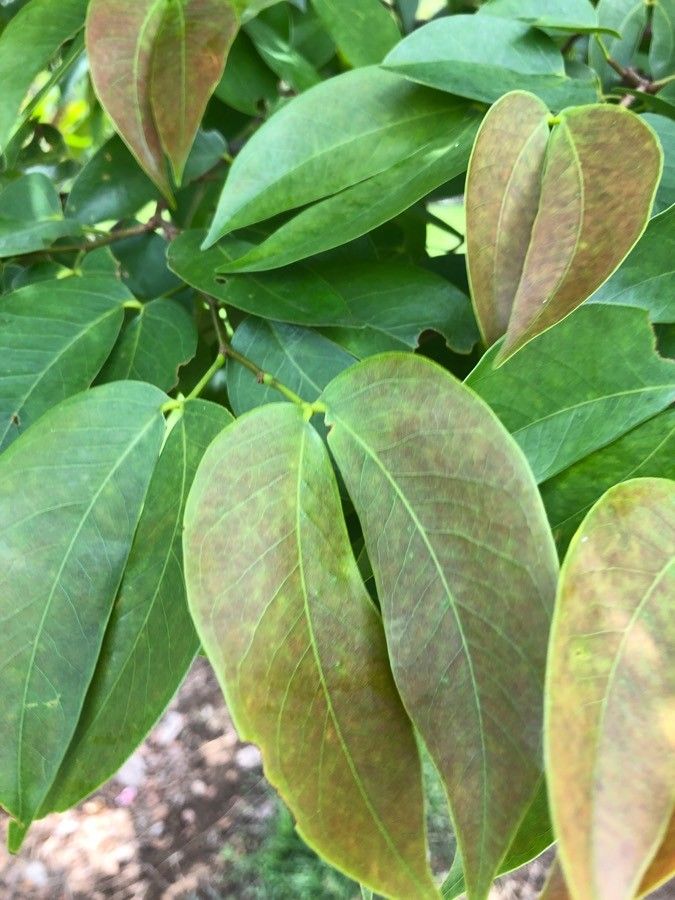
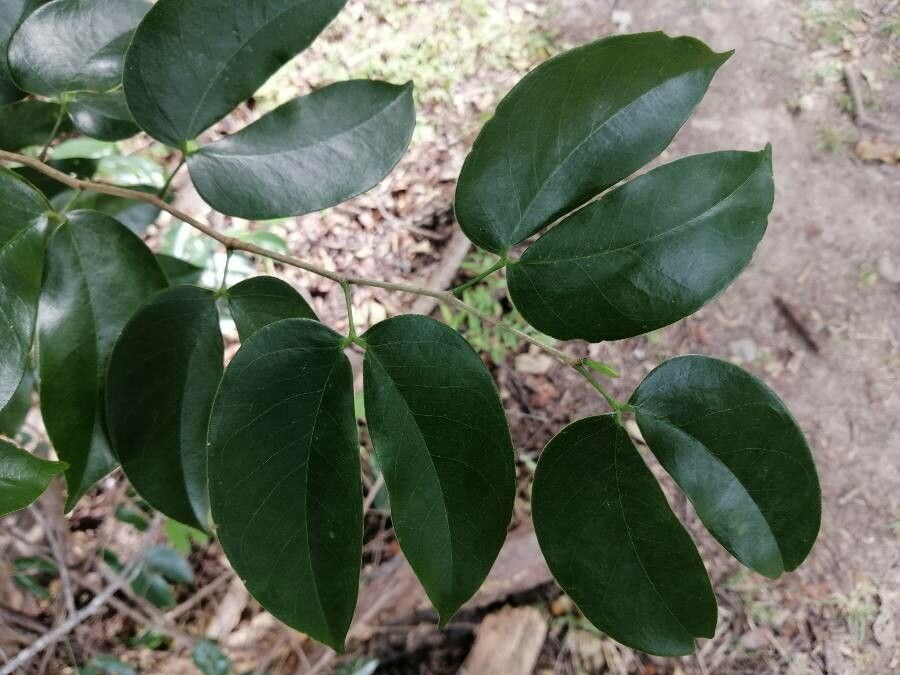
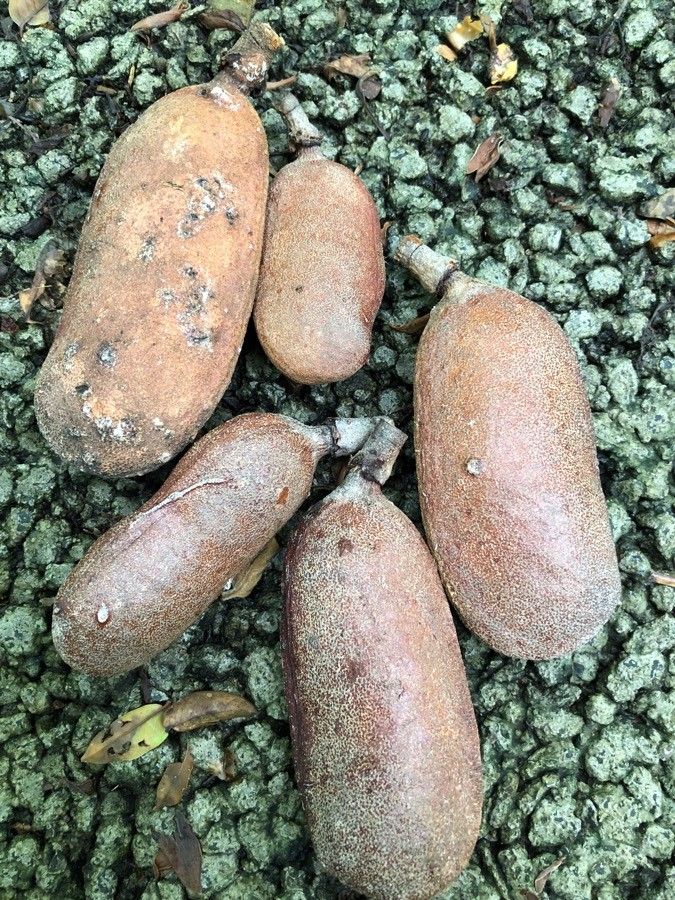
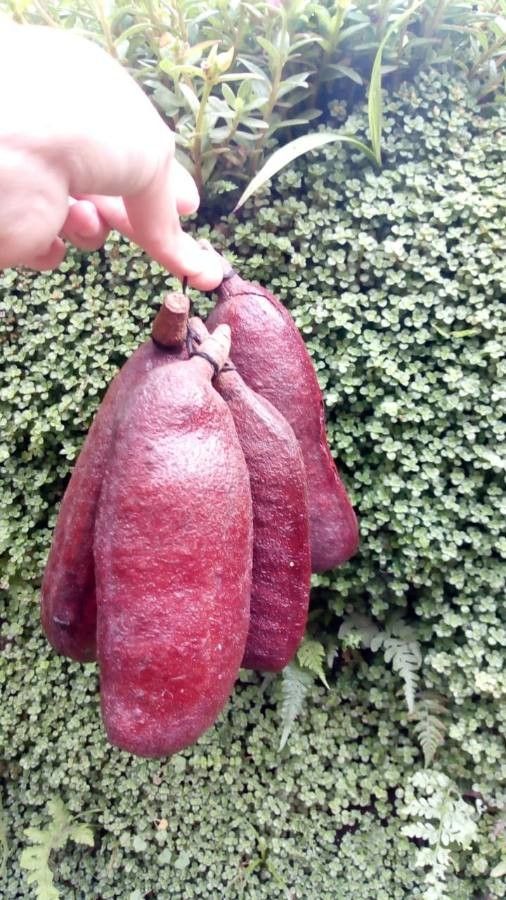
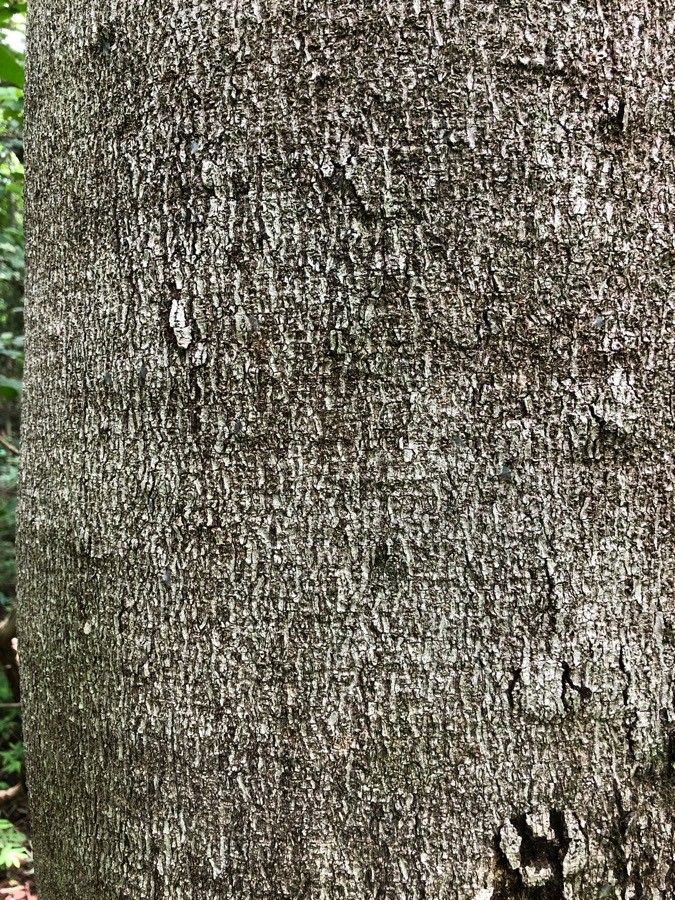
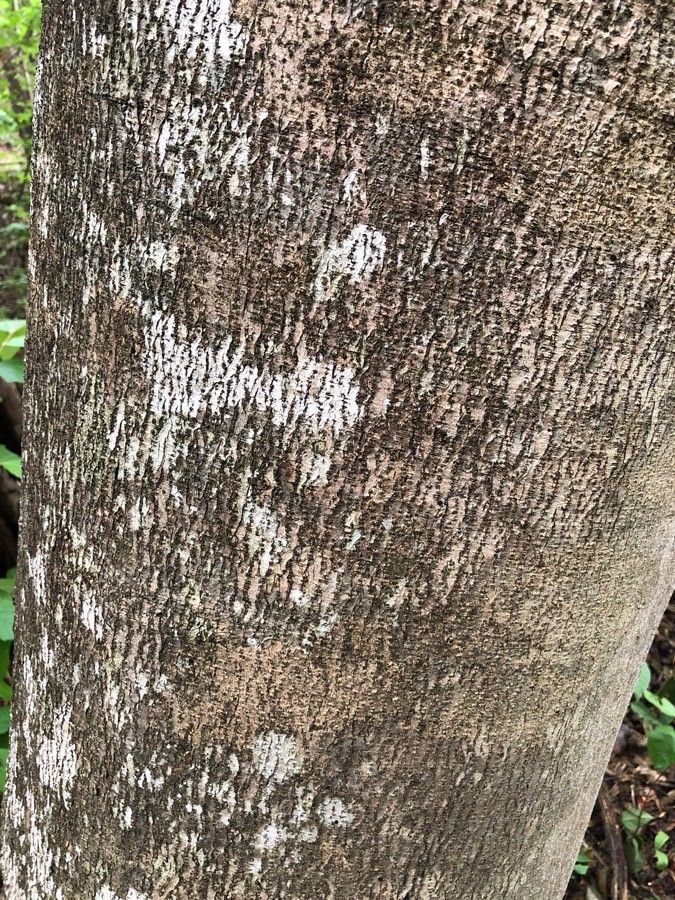
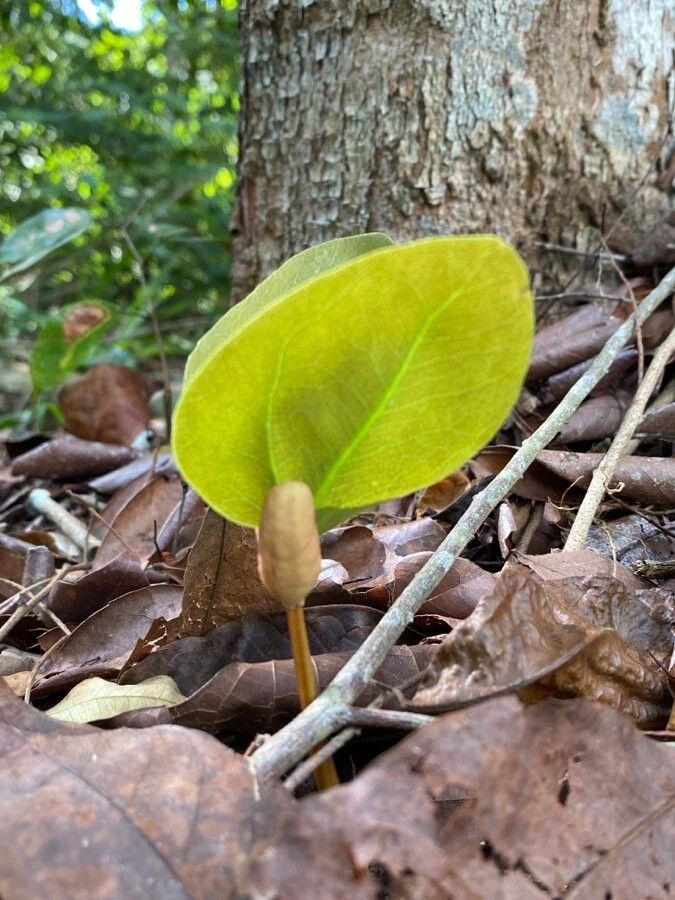
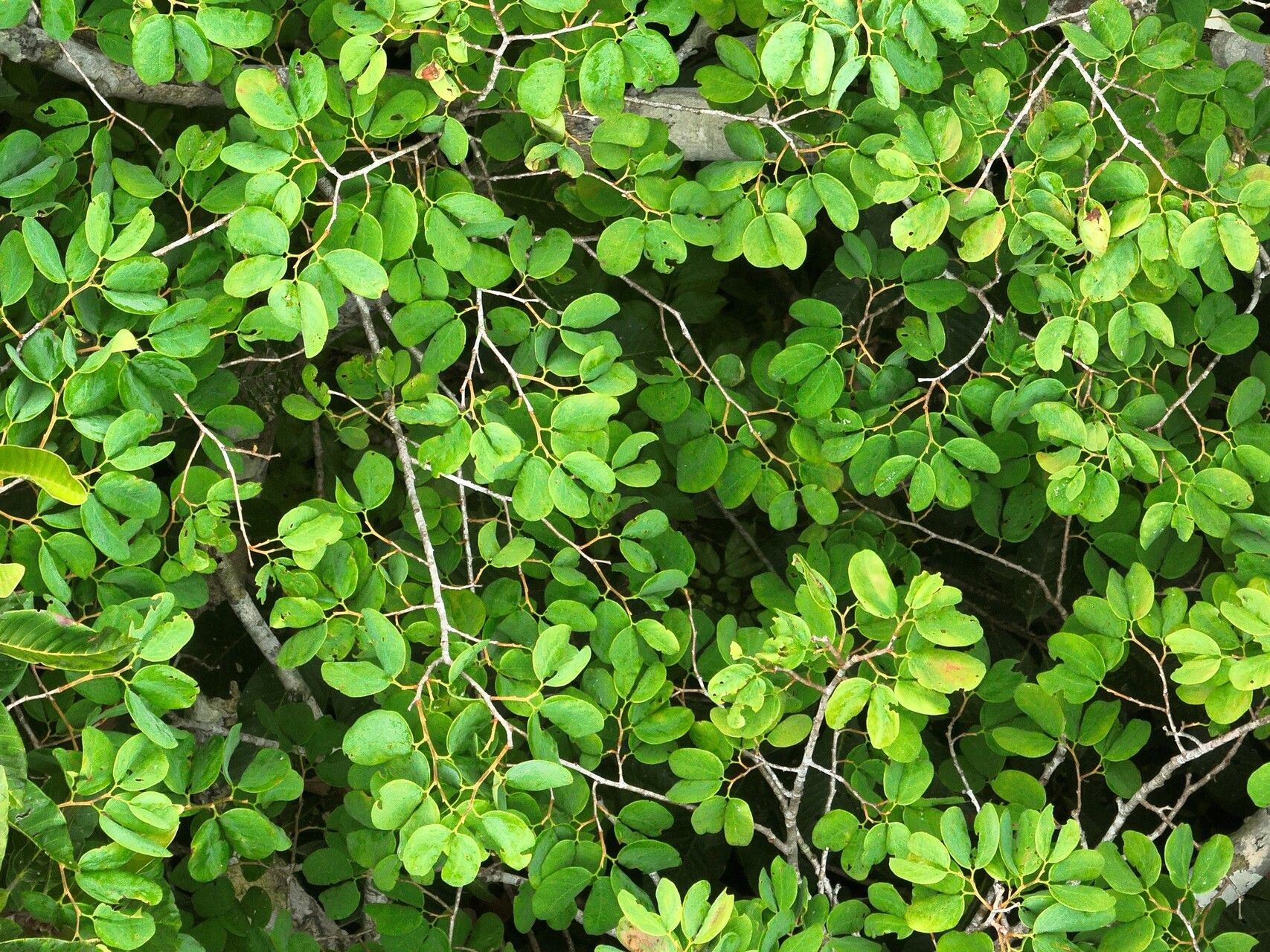
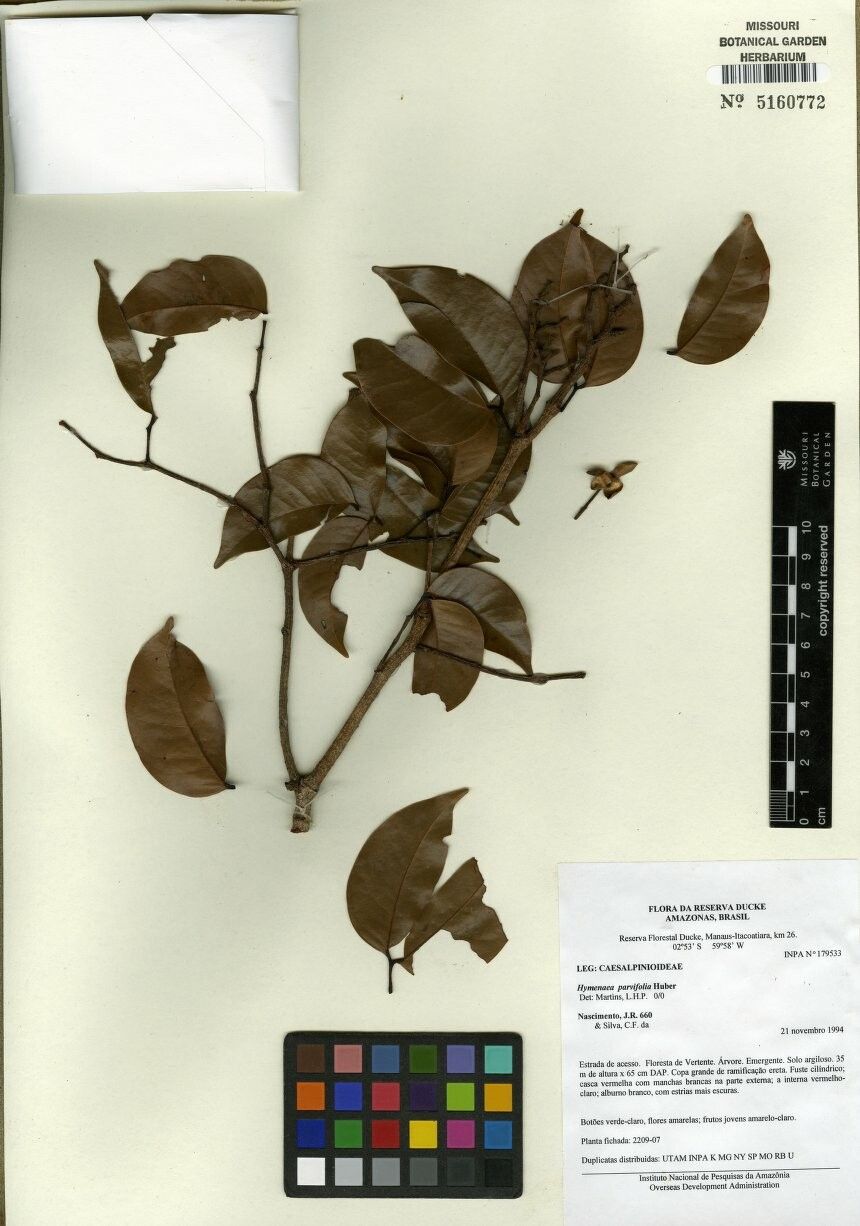
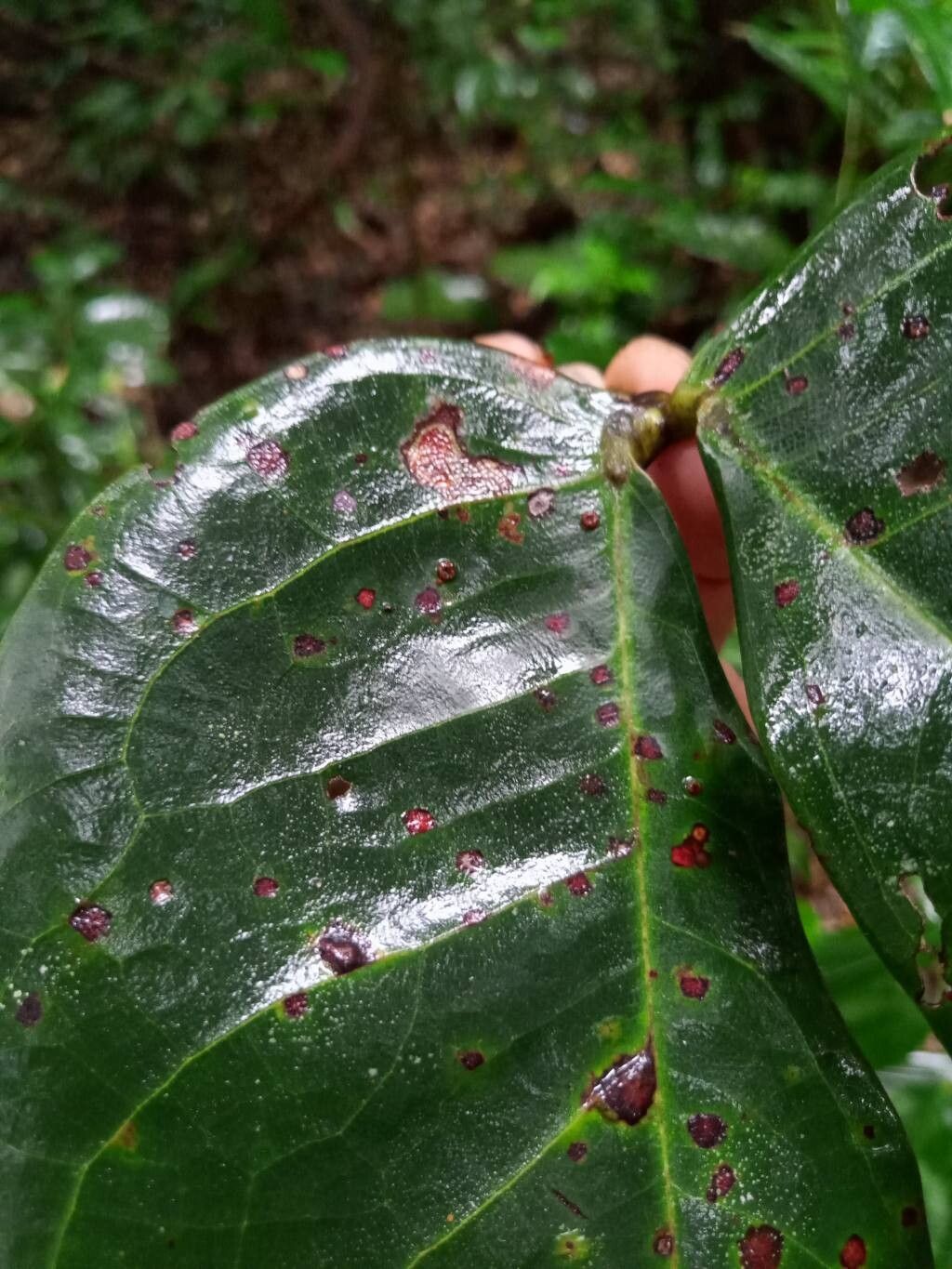
Hymenaea courbaril, commonly known as the courbaril or West Indian locust, is a large tree species belonging to the Fabaceae family. Native to the tropical regions of Central and South America, this tree can grow up to 40 meters tall. It features a straight trunk that can reach a diameter of up to 2 meters and produces large pods containing edible seeds.
Indigenous communities have utilized Hymenaea courbaril for various purposes for centuries. The seeds are believed to have anti-inflammatory properties and are used in traditional medicine. Additionally, the wood of this tree is highly valued for its durability and resistance to termites.
Ecologically, Hymenaea courbaril plays a crucial role in its native habitat by providing food and shelter for a variety of animal species, including birds, monkeys, bats, and insects.
Unfortunately, deforestation and overexploitation of its wood have led to its classification as a vulnerable species on the IUCN Red List. Conservation efforts are currently underway to protect this valuable plant from extinction, including reforestation programs aimed at restoring the degraded habitats where it naturally grows.
Stinkingtoe is disease-resistant and is generally not susceptible to illnesses. In terms of care, this plant is fairly low maintenance. Planted outdoors, it needs little watering, and larger plants typically do not require pruning. Smaller plants, however, should be pruned after they bloom. Stinkingtoe is suitable for anyone with outdoor space, such as a garden or deck, and does not demand much care experience.
How to keep Hymenaea Courbaril.
Light
Stinkingtoe does best with abundant sunlight in its typical habitat. Ample sun exposure greatly supports its healthy growth. Nevertheless, too much or too little light can hinder its development and may result in photosynthesis functioning improperly.
Water
Stinkingtoe thrives in high-humidity environments similar to its tropical habitat. It prefers consistent moisture and typically needs watering every two weeks, but it's important to avoid waterlogging. Although it is better suited for outdoor growth, stinkingtoe requires less water during its dormancy period when temperatures are cooler or daylight is reduced.
Temperature
Stinkingtoe is native to environments where temperatures range from 68 to 100°F (20 to 38°C). It favors warmer climates, and in cooler seasons artificial heating may be necessary to replicate its native environment.
Fertilizer
Fertilizing is essential for the care of Stinkingtoe. Feeding it regularly during the growing season preserves the energy needed for its showy leaves and aids overall growth. Failing to fertilize can lead to unhealthy foliage, reduced ornamental value, and stunted or weak growth that is liable to break.
Pruning
To maintain a healthy and attractive stinkingtoe plant, it is important to prune it in early spring. Start by removing any dead wood and then shape the plant as desired. Thinning out crowded branches will help improve air circulation. Be careful not to over-prune, as this can stress the plant. Additionally, always use clean and sharp tools to minimize damage and prevent disease, which in turn encourages better growth and flowering.
Botanical profile.
- Plant Type
- Tree
- Life Cycle
- Perennial
- Genus
- Hymenaea
- Family
- Fabaceae
- Hardiness Zone
- 10-12
- Mature Height
- 4.88 m to 10.06 m
- Mature Spread
- 0.61 m to 1.52 m
- Leaf Color
- Green
- Leaf Type
- Deciduous
- Flower Color
- White
- Flower Size
- 2.54 cm to 3.05 cm
- Bloom Time
- Summer, Early fall
- Planting Time
- Spring
- Harvest Time
- Late summer, Fall, Early winter
- Native Area
- Belize, Honduras, Mexico, Peru, Panama, Jamaica, Colombia, Cuba, Bolivia, Venezuela, Guyana, El Salvador, Nicaragua, Brazil, Costa Rica
Other names.
Reader questions.
How should I water my Stinkingtoe plant in the best way?
To ensure excellent root development, place a garden hose at the base of the plant. Avoid spraying the leaves directly, as this can lead to overwatering. Remember, leaves may need more water if they are exposed to direct sunlight outside. To moisten the roots, consider using bubblers or soaker hoses. When adding or removing plants, use soaker hoses that cover the entire garden or bed to encourage deep-rooted growth. After watering, make sure to drain any excess water and allow the soil to dry before watering again. To prevent diseases, water at ground level rather than spraying the bushes. On sunny days, it may be beneficial to spray the entire bush with water. Whether the plant is in a pot or planted in the ground, keep in mind that Stinkingtoe prefers deep watering rather than light sprinkling.
Why should I put fertilizer on my Stinkingtoe?
Stinkingtoe plants require regular fertilization because their showy leaves have high energy needs for production and maintenance. It's a challenge for these plants to allocate enough energy for leaf health while also supporting the growth of stems, branches, roots, and other important structures. Neglecting fertilization can lead to two likely outcomes: firstly, the leaves will lose their natural color and texture, making the plant look unhealthy and less visually appealing; secondly, overall growth will slow down or weak growth may occur, increasing the risk of breakage.
What are the sun requirements for Stinkingtoe?
Stinkingtoe requires full sun, meaning it thrives best with above 6 hours of sunlight daily. It is crucial to observe how sunlight moves through your garden, ensuring you select locations that provide a perfect balance of light and shade. This balance is necessary for the plant's happiness and health. An abundance of sun is vital for its growth, yet, both excess and insufficient light can impede its development by affecting the photosynthesis process.
What is the native environment of Stinkingtoe?
Stinkingtoe, also known by its botanical name Hymenaea courbaril, is native to environments where temperatures range between 68 to 100°F (20 to 38°C). It thrives in hotter climates, indicating a preference for environments that closely mimic its native habitat. During cooler seasons, it may be necessary to provide artificial heat to maintain the ideal temperature conditions for the plant, ensuring its health and growth.
What do I need to do if I give Stinkingtoe too much or too little water?
When a Stinkingtoe plant is overwatered, its leaves may turn yellow, drop off, and wilt. The plant may also appear dull and unhealthy, with mushy stems. If you notice these signs, it's best to adjust your watering schedule. Additionally, wilting can also indicate under watering, in which case the leaves may become crispy and dry. When the soil is dry and regular watering is not enough, give the plant a thorough watering. Sufficient water will help the Stinkingtoe recover, but the plant may still have dry and yellow leaves for a few days due to damage to the root system. Once it returns to normal, the yellowing of the leaves will stop. When you have a Stinkingtoe plant indoors, always check the moisture levels in the pot. Avoid overwatering and be on the lookout for black spots on the plant. If you see these spots, allow the soil in the pot to dry by refraining from watering for a few days. Overwatering can cause root rot, so if you notice discolored and slimy roots, consider transferring the plant to a different pot. Preventing root rot is important, so avoid letting the soil become too soggy. If you are planting a Stinkingtoe outdoors, make sure to dig a little deeper. If the soil feels too dry when you check with your fingers, it may indicate under watering. Proper watering is necessary to help the plant recover.
When should I fertilize my Stinkingtoe?
Stinkingtoe plants do not require a set feeding schedule, but they will benefit from occasional feedings. One easy way to fertilize them is to apply fertilizer while watering from time to time. Additionally, Stinkingtoe plants need a good amount of water during the growing season. Ideally, you should feed them once every two to three weeks, consistently throughout their period of new growth.
How can artificial lighting benefit indoor Stinkingtoe plants?
For indoor Stinkingtoe plants that cannot receive adequate natural sunlight, especially during winter or in less sunny spaces, artificial lighting is a beneficial solution. It promotes faster, healthier growth by providing the essential light needed. LED lights are a popular choice because they can be customized to provide specific wavelengths of light required by your plants. For full sun plants, 30-50W/sq ft of artificial light is advised, partial sun plants need 20-30W/sq ft, and full shade plants require 10-20W/sq ft. The light source should be placed 12-36 inches above the plant to simulate natural sunlight and set for 8-12 hours per day, depending on the type of plant.
How should I care for Stinkingtoe during the cooler months?
In the autumn, it's recommended to bring Stinkingtoe plants that are grown outdoors indoors to protect them from the cold. Place them near a bright window to ensure they receive ample sunlight, but keep them at a safe distance from heaters to avoid damage. It's important to maintain temperatures above 20°C (68°F) during the winter months, as any temperatures approaching 5°C (41°F) can be detrimental to the plant.
How frequently should I water my Stinkingtoe plant?
The Stinkingtoe prefers deep and infrequent watering, especially when planted in pots. In pots, the limited water storage causes the soil to dry out faster. If you live in a cold region, water every 3 to 5 days, early in the morning when the soil is dry. Check the soil inside the pot - if the top 2-3 inches are dry, it's time to water. On hot days, check the soil moisture daily. For gardens in hot climates, water once a week when 2 to 3 inches of soil become too dry. Avoid watering if there's already ample rainfall to prevent root rot. Mulch 3-4 inches deep when Stinkingtoe is grown outdoors to conserve water. Sandy soil requires more frequent watering, while clay soil needs watering less often. Keep track of watering dates and watch for droopy leaves as a sign of possible delay in watering.
When should I not put fertilizer on my Stinkingtoe plant?
You can maintain a regular fertilization schedule for your Stinkingtoe for most of the year. This includes the active growing season of spring, summer, and early fall. However, it is important to not fertilize this plant during the winter. This is because the Stinkingtoe enters a dormant growth phase during that time, where it either doesn't grow or grows very little. Since the plant is using less energy during this phase, fertilization is unnecessary.
What are the common symptoms of insufficient light in Stinkingtoe?
Common symptoms of light deficiency in Stinkingtoe include smaller new leaves, leggy or sparse growth, faster leaf drop, slower or halted new growth, lighter-colored new leaves, chlorosis (where leaves turn yellow due to chlorophyll breakdown), sunscald (damage from intense sunlight), leaf curling (to minimize water loss and sun damage), wilting (due to increased water loss), and leaf scorching (brown, dry, and crispy leaf edges due to excessive sunlight). These symptoms highlight the plant's struggle with inadequate lighting conditions.
What are the symptoms of low temperature exposure on Stinkingtoe?
Stinkingtoe prefers warm temperatures and does not fare well in cold. Optimal growth is achieved when temperatures remain above 20°C (68°F). During winter, it is crucial to keep the plant above 5°C (41°F). Exposure to temperatures below 1°C (34°F) might cause the leaves to lighten in color. Following frost damage, the plant's leaves might gradually turn brown or black, showing signs of wilting and drooping. These symptoms indicate the plant's intolerance to cold temperatures and need for warmer conditions.