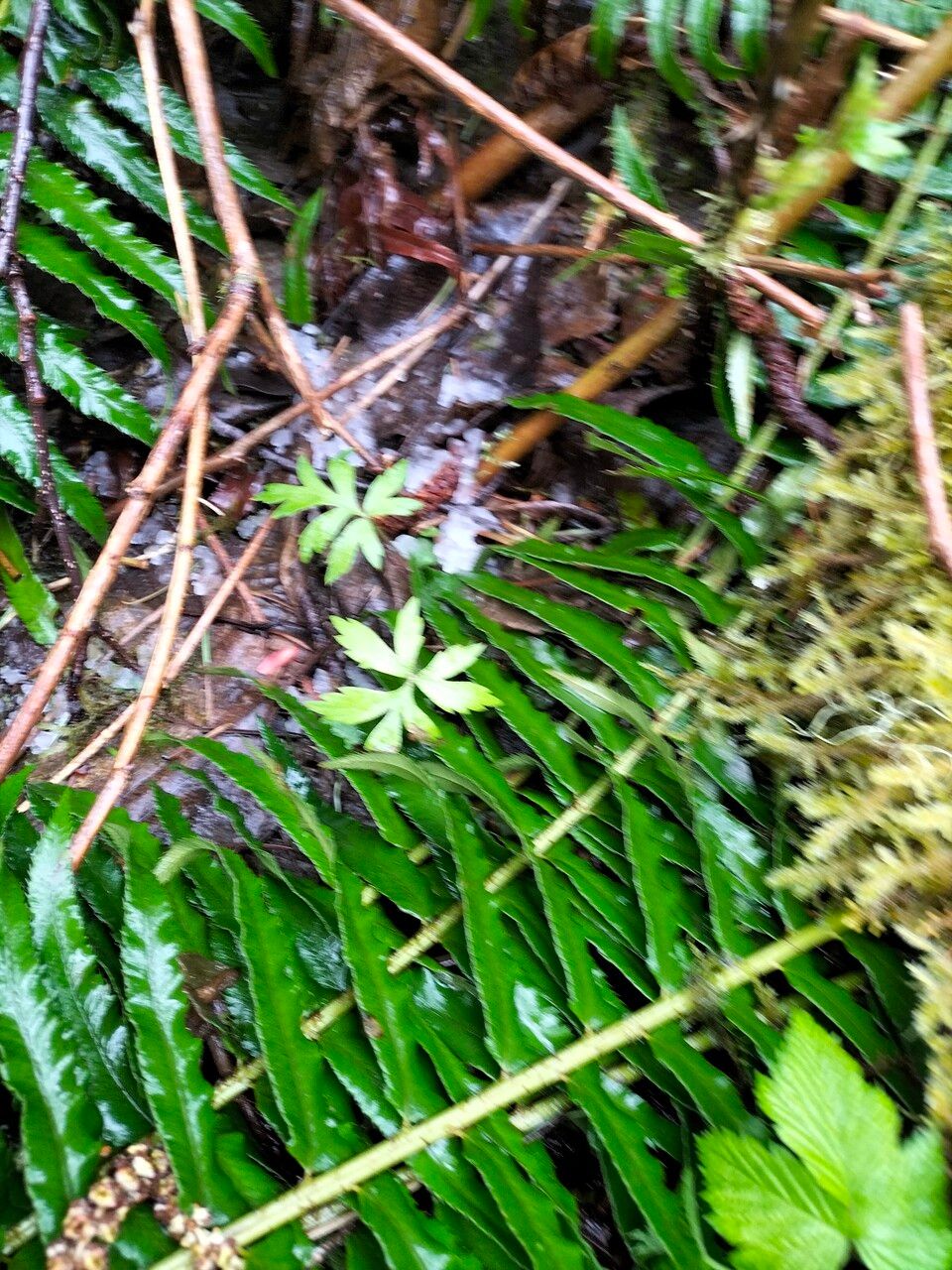
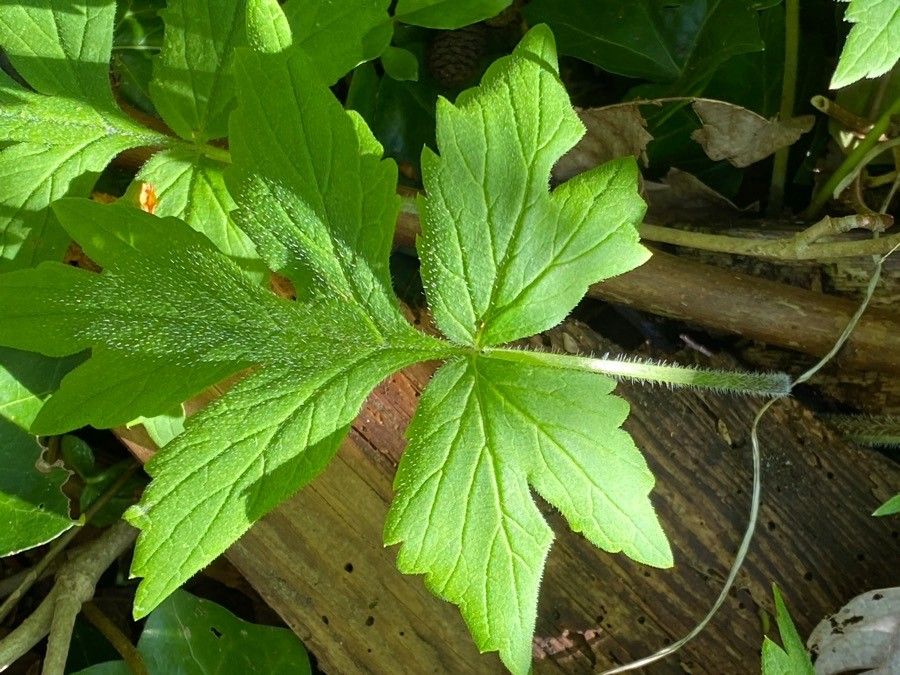
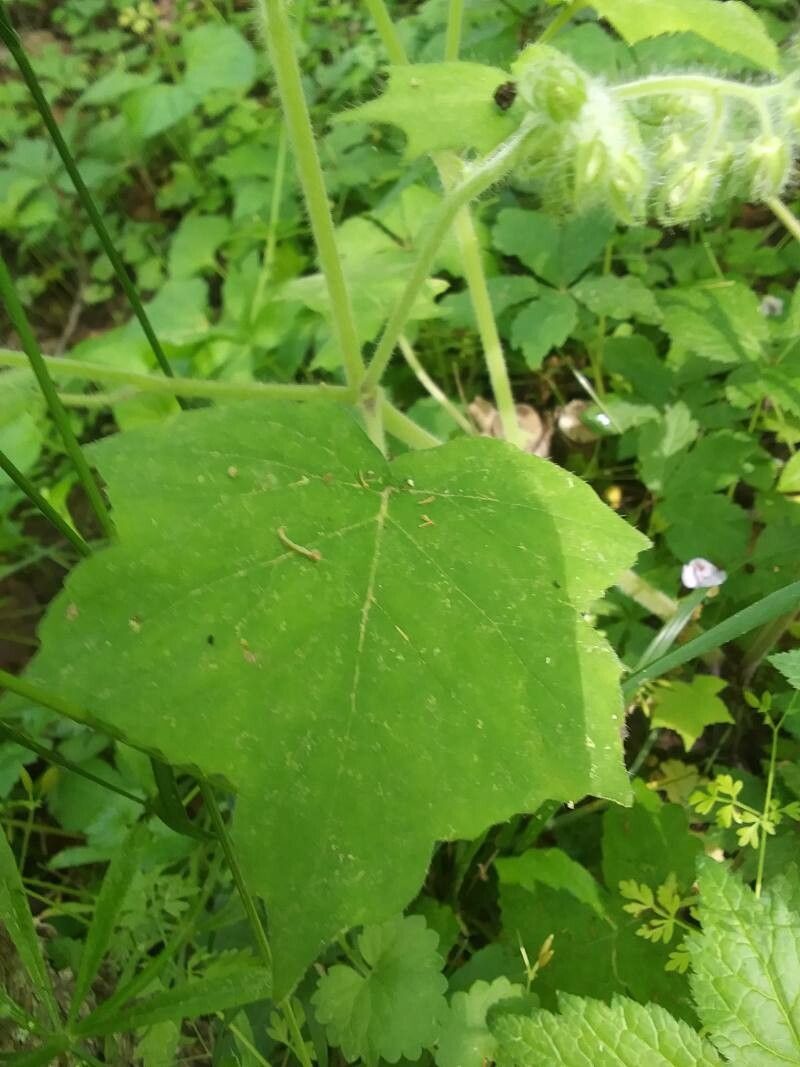
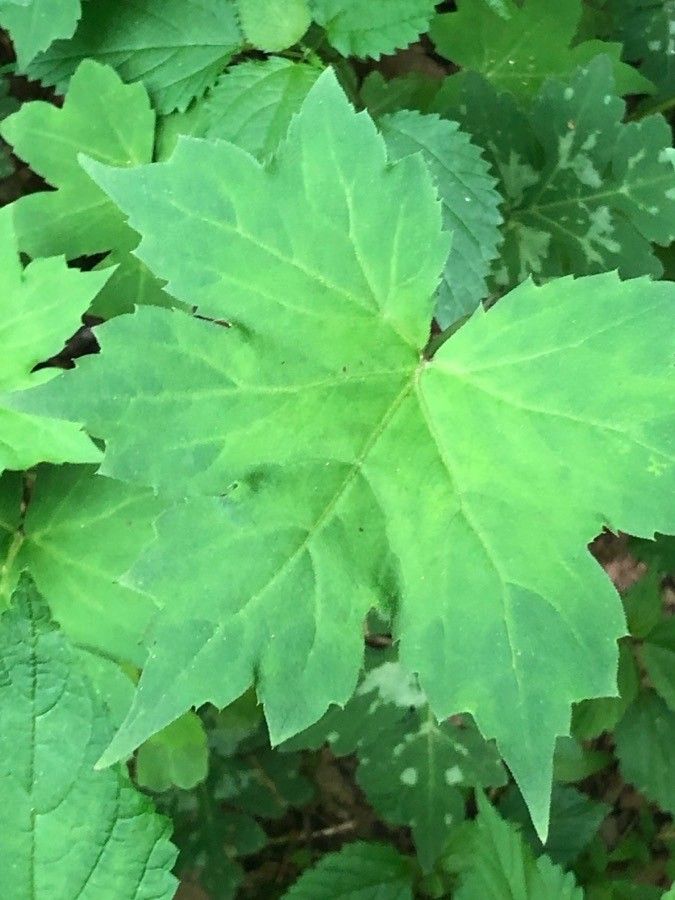
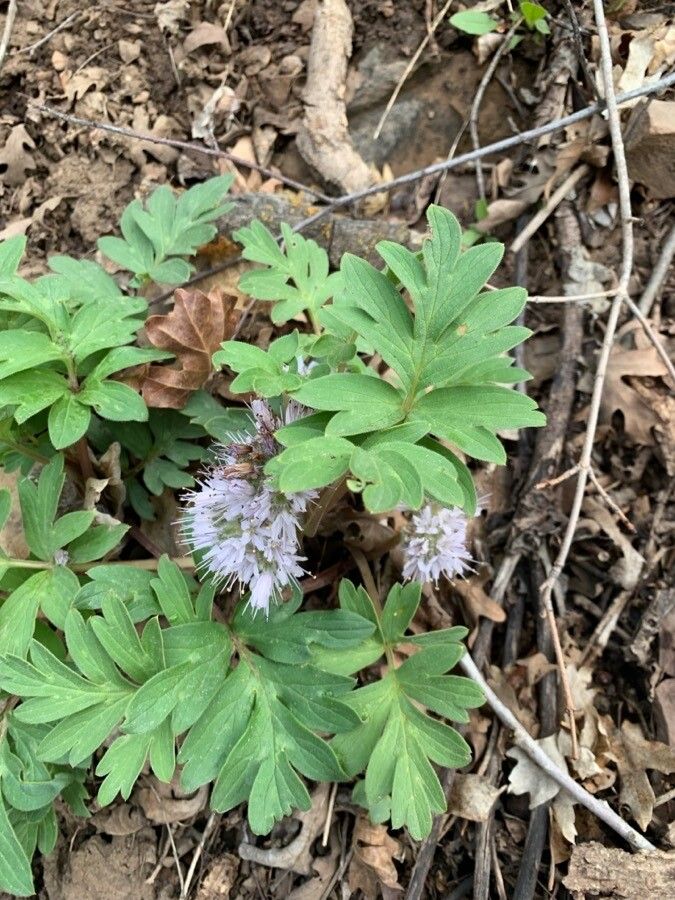
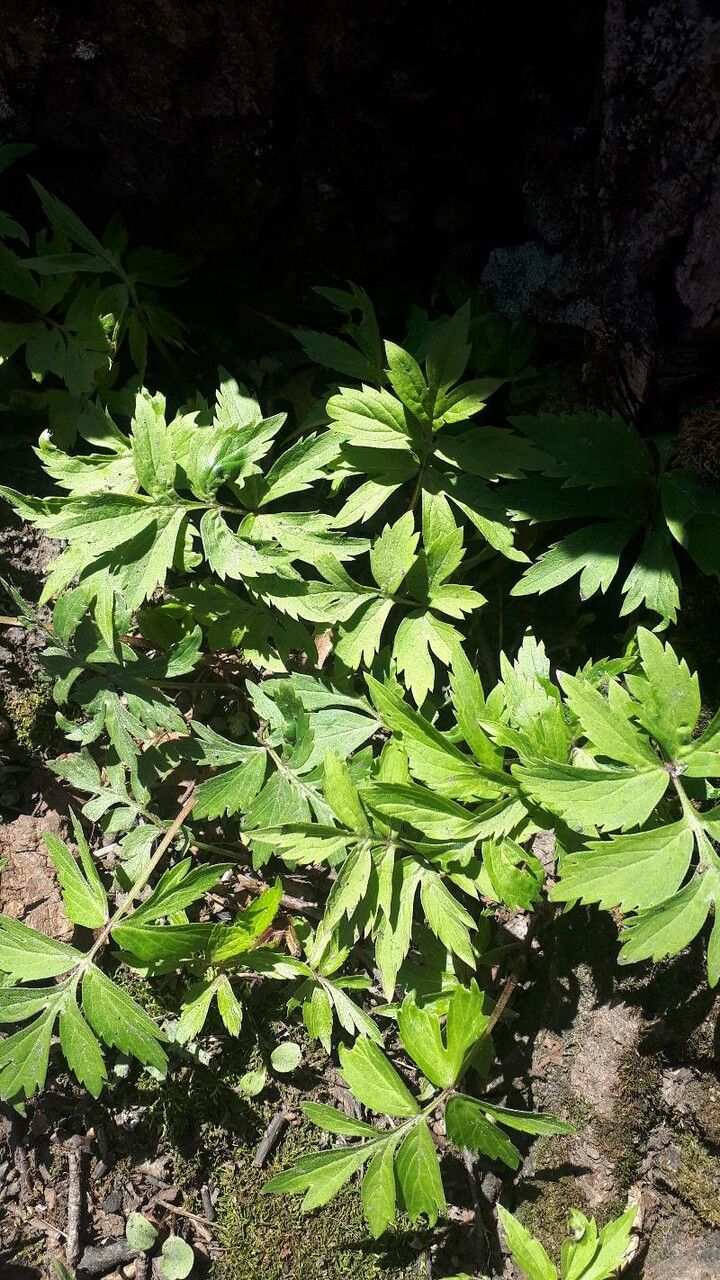
Hydrophyllum tenuipes, the Pacific waterleaf, is an herbaceous perennial plant native to North America. It is found in western North America from British Columbia to northern California.
Pacific Waterleaf is fairly resistant to disease and typically not prone to illnesses. However, it can be susceptible to pests and diseases present in its surroundings. These infections are usually mild. In terms of care, the plant requires moderate maintenance. It should be pruned regularly to preserve a good appearance and support healthy growth. Fertilizing can also help encourage flowering. Pacific Waterleaf is suitable for anyone with an outdoor space, such as a garden or patio, and does not require much care experience. It may need more attention when grown indoors.
How to keep Hydrophyllum Tenuipes.
Light
Pacific Waterleaf is found in settings such as forest understories or rocky areas that offer natural shade. It favors Full Shade but can tolerate Partial Sun.
Water
Pacific Waterleaf, which originates from moist environments, thrives in high humidity and prefers consistently damp soil. To support its robust growth and flowering as an herbaceous perennial, especially during its active growing season, it is essential to water it weekly. This plant is commonly cultivated outdoors.
Temperature
Pacific Waterleaf is adapted to a temperature range of 32 to 95 ℉ (0 to 35℃), a typical fluctuation in its native temperate region. Adjust heating settings seasonally to reproduce this temperature gradient for optimal plant health.
Fertilizer
Usually a single fertilizer application in spring is enough for Pacific Waterleaf, but repeated feedings can maximize growth. Apply fertilizer roughly every month to a month and a half. Fertilization improves leaf appearance and function, supporting uniform color and a healthy texture. It also promotes root development and nutrient uptake for sustained plant health.
Pruning
Prune Pacific waterleaf from early to late spring to remove old stems and encourage new growth. To extend the flowering period, regularly deadhead the spent blooms. Always use clean tools to prevent disease, and make sure to prune during the plant's active growth phase for healthier and more robust development.
Botanical profile.
- Plant Type
- Herb
- Life Cycle
- Perennial
- Genus
- Hydrophyllum
- Family
- Boraginaceae
- Hardiness Zone
- 3-9
- Mature Height
- 30 cm to 76 cm
- Mature Spread
- 1.52 m
- Leaf Color
- Dark Green
- Leaf Type
- Deciduous
- Flower Color
- White, Pink
- Flower Size
- 0.51 cm to 0.76 cm
- Bloom Time
- Mid spring, Late spring
- Planting Time
- Spring, Summer, Autumn
- Harvest Time
- Early summer, Mid summer
Other names.
Reader questions.
What is the ideal temperature range for Pacific Waterleaf?
Pacific Waterleaf is best suited to temperatures ranging from 32 to 95°F (0 to 35°C), reflecting the typical temperature variations of its native temperate region. To ensure the plant's optimal health, it's important to adjust heat settings seasonally to mimic this natural temperature gradient. The plant is notably resilient to cold and usually doesn't require special frost protection measures during winter. However, if temperatures are forecasted to fall below -35°C, measures like covering the plant with soil or straw are recommended for cold protection. It's also advisable to water the plant abundantly before the first freeze of autumn to keep the soil moist, aiding in preventing drought and water scarcity during the winter and early spring periods.
How does Pacific Waterleaf handle low temperatures?
Pacific Waterleaf is cold-tolerant, thriving best when temperatures remain above 0°C. It generally withstands winters well, but care should be taken to ensure that the temperature doesn't fall below -30°C. If the temperature dips below -35°C, while there may not be noticeable changes during the winter, a decrease in sprouting or a complete lack thereof might occur in spring. To manage any parts that have failed to sprout by spring, it's advised to remove them.
What should I do if Pacific Waterleaf experiences high temperatures?
During summer, it's crucial that Pacific Waterleaf's surrounding temperature does not exceed 35°C. Exposure to temperatures above 38°C can lead to the leaves becoming lighter in color, curling, and becoming susceptible to sunburn. In severe cases, the plant may wilt and dry up. To mitigate these risks, trim away any sunburned or dried-up parts of the plant. Providing shade from the midday and afternoon sun, either by relocating the plant or using a shade cloth, is recommended. Regularly watering the plant in the morning and evening will help keep the soil moist and further protect the plant from the heat.