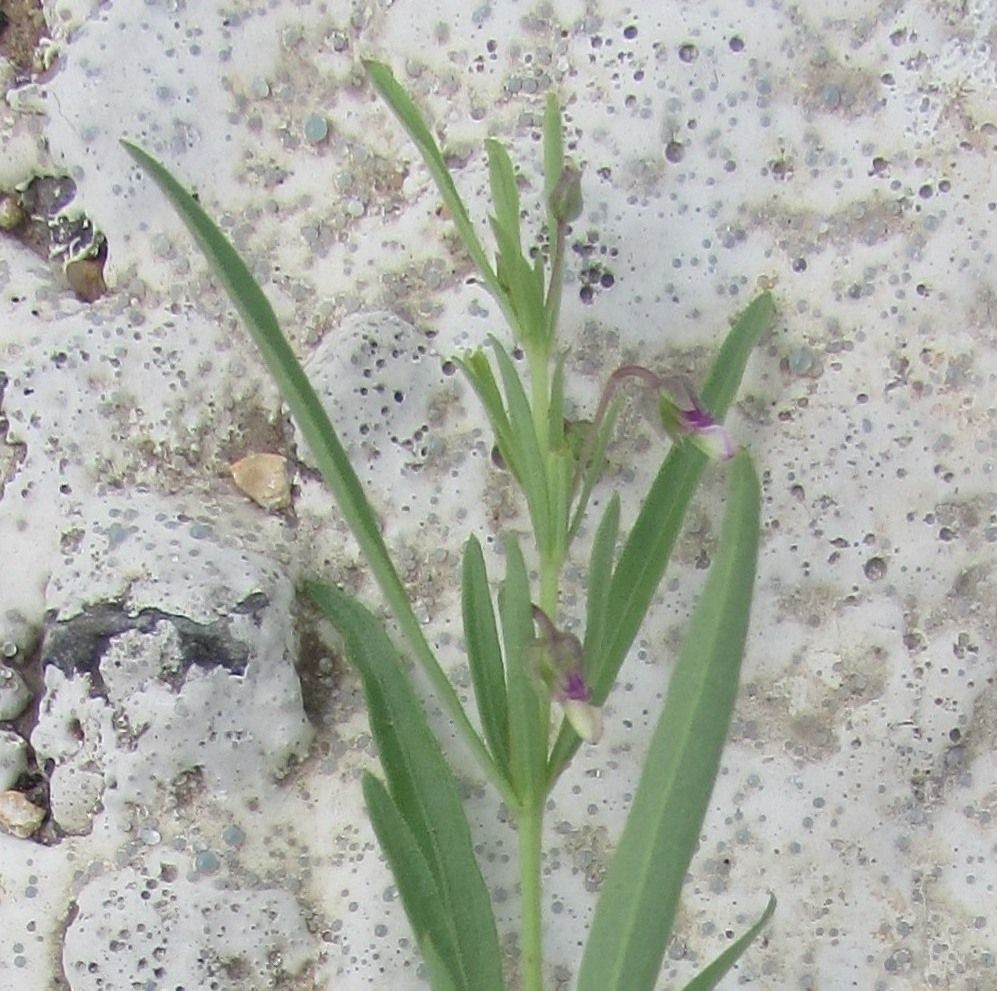
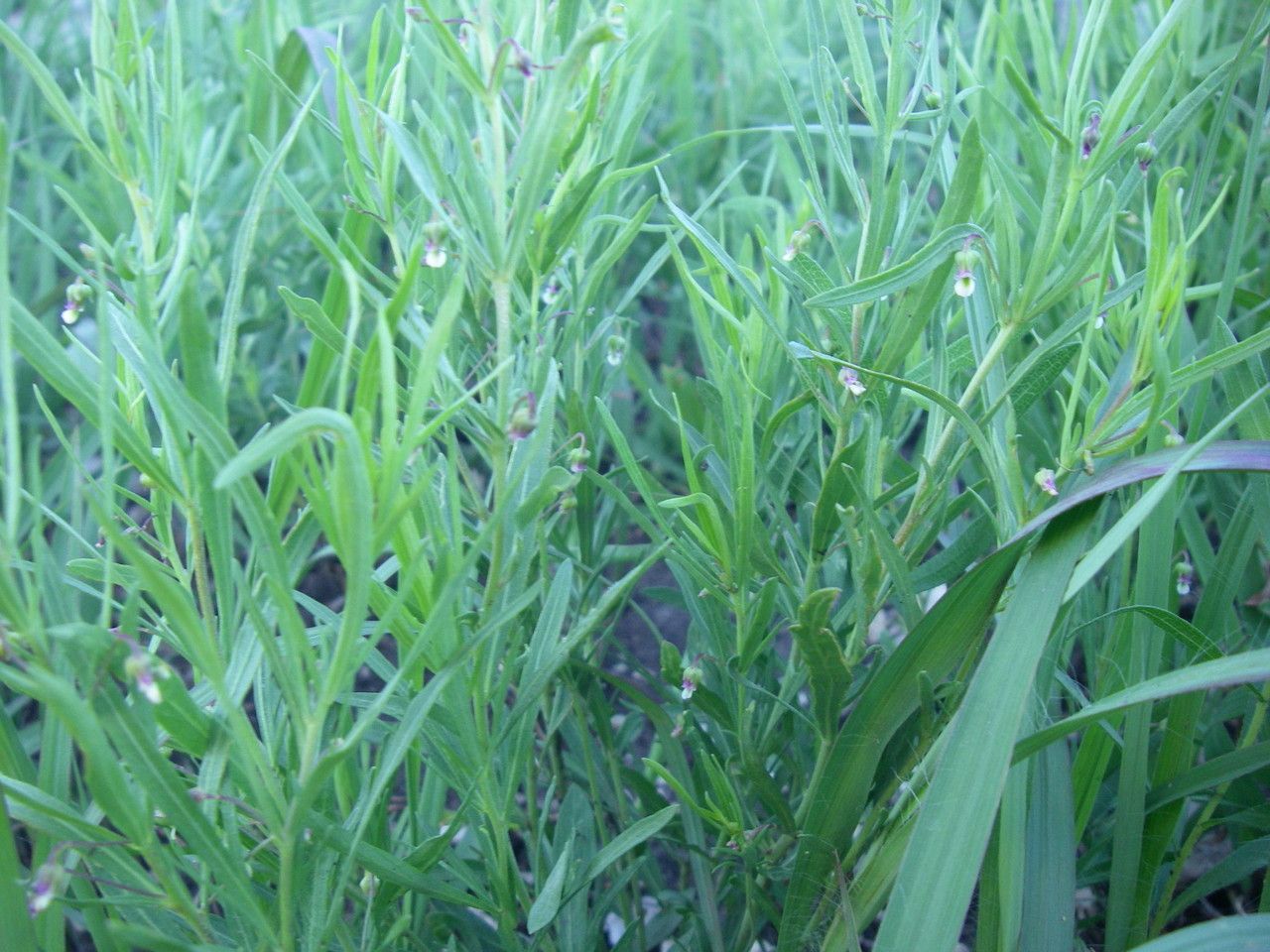
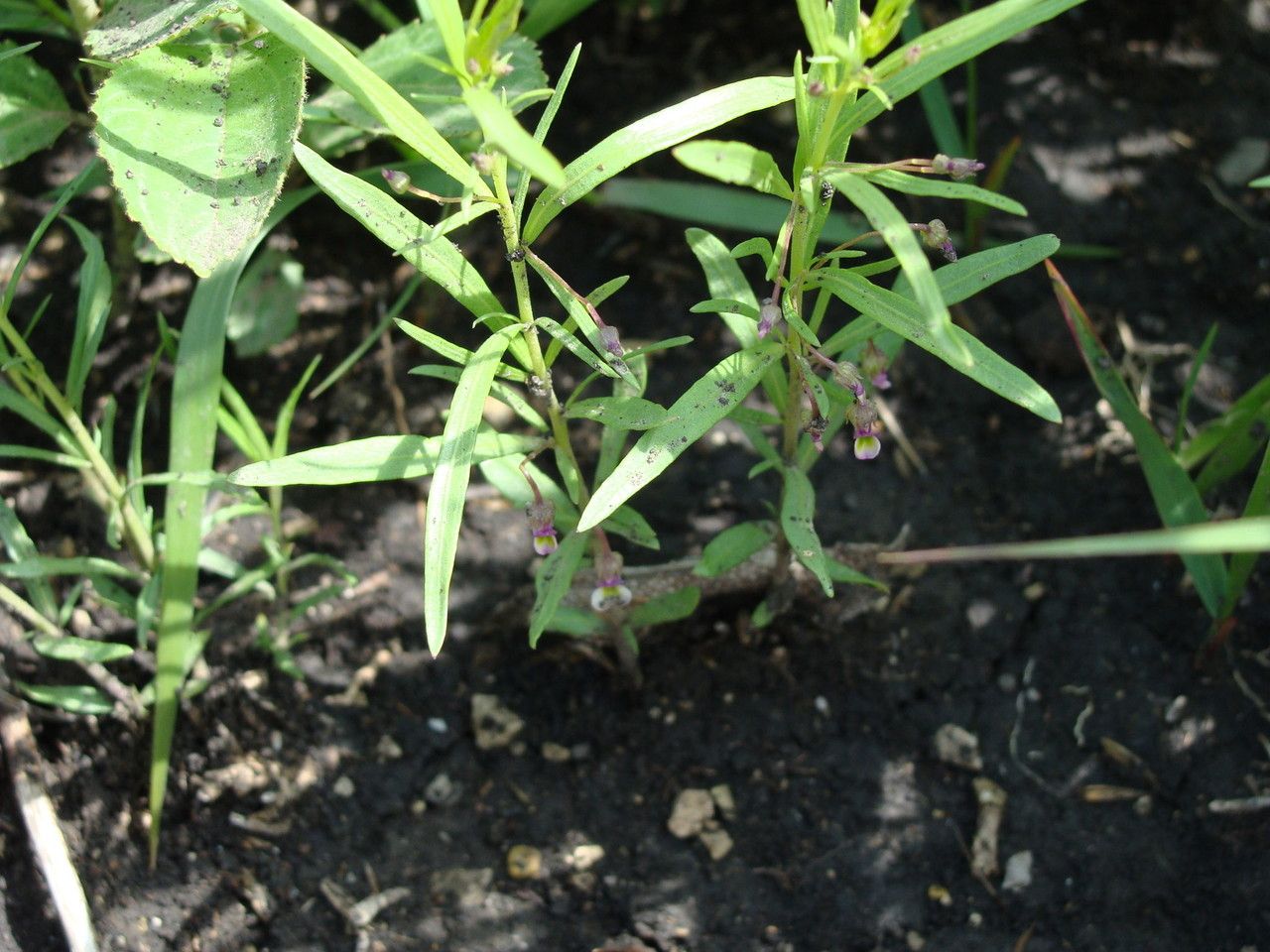
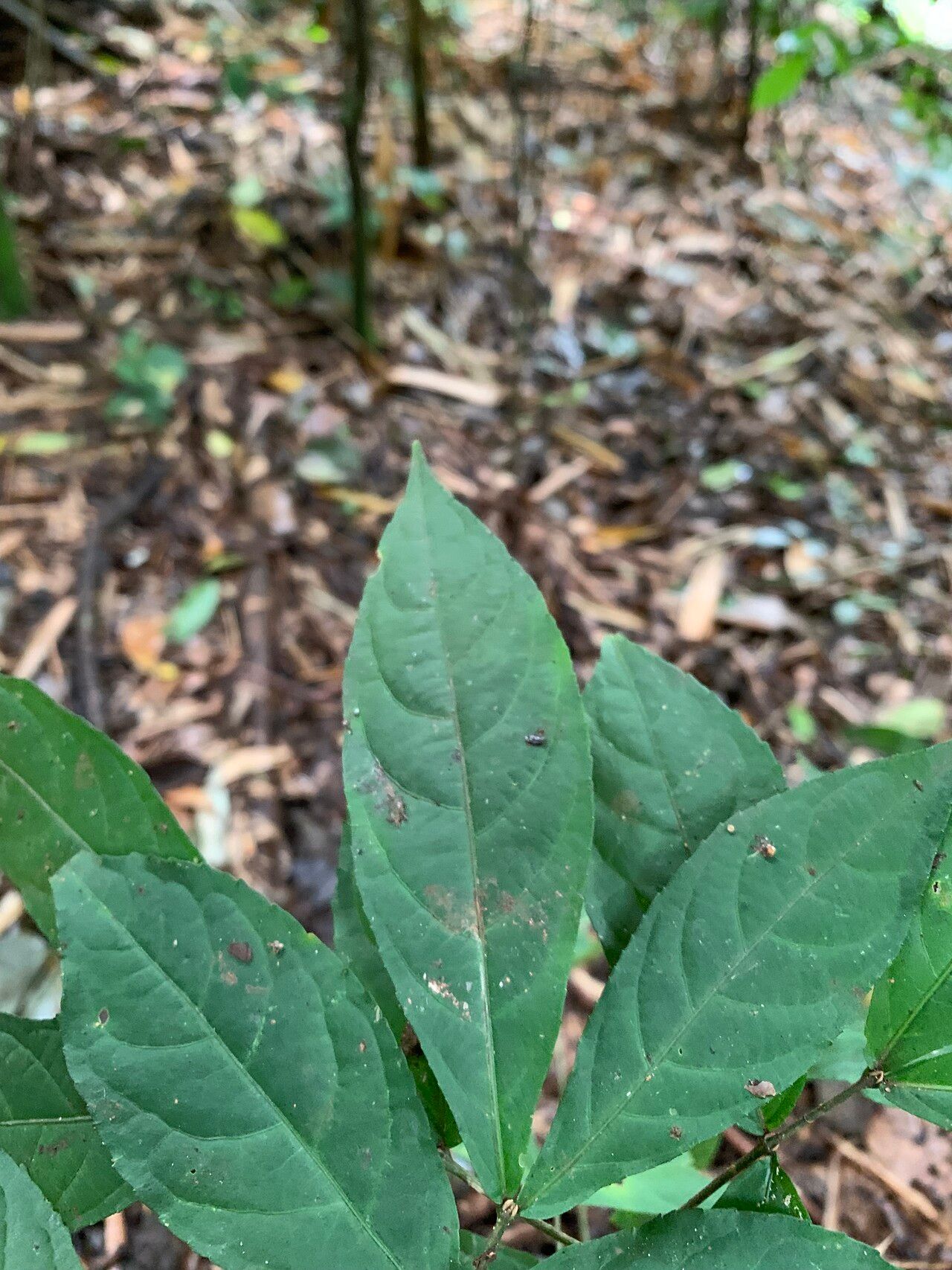
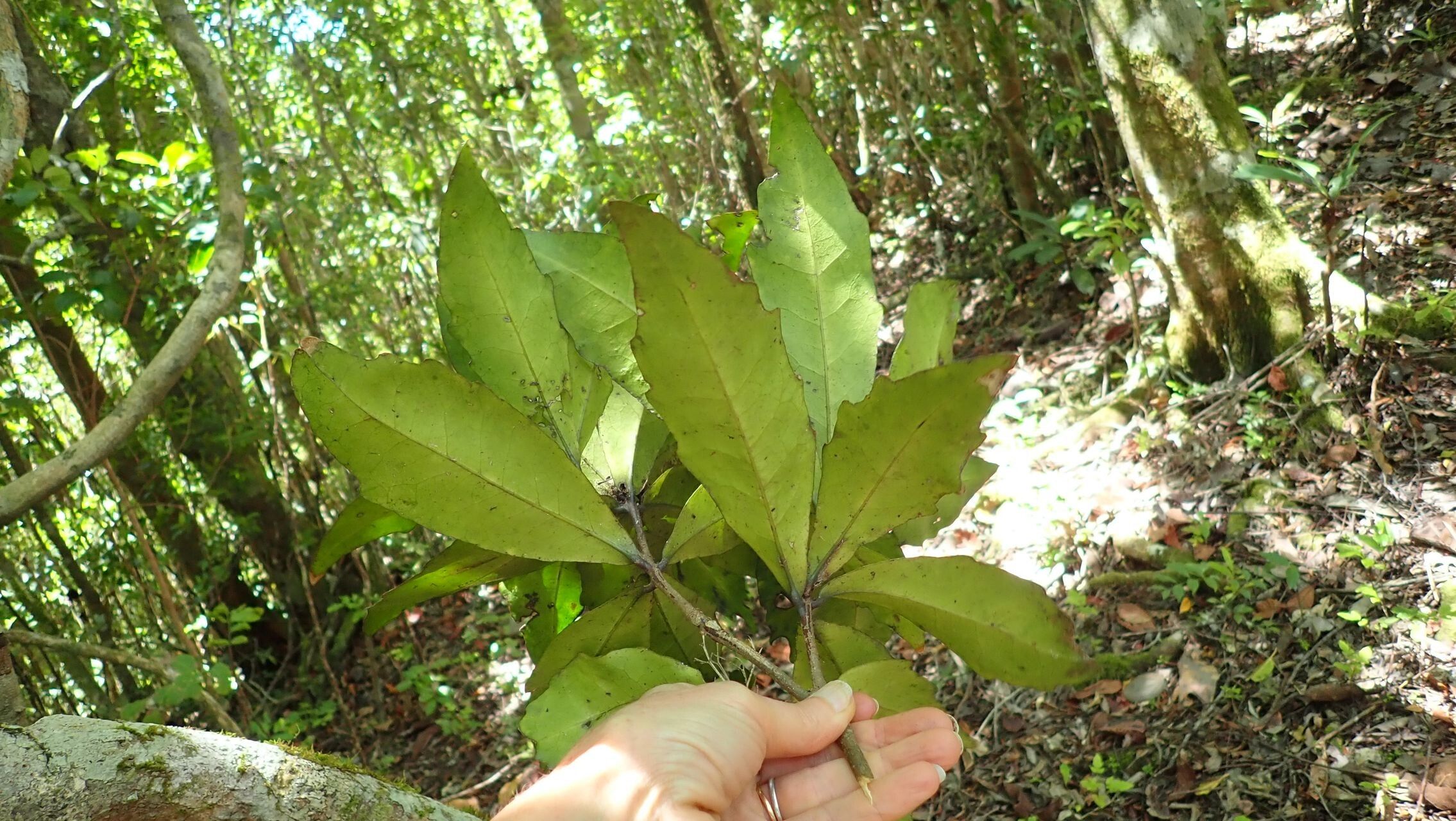
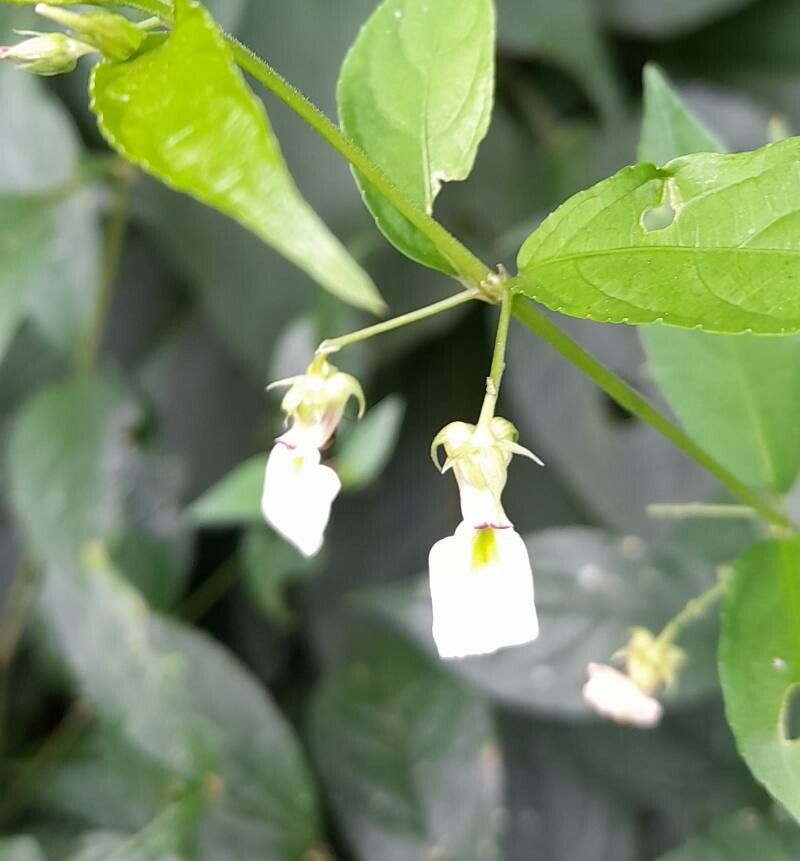
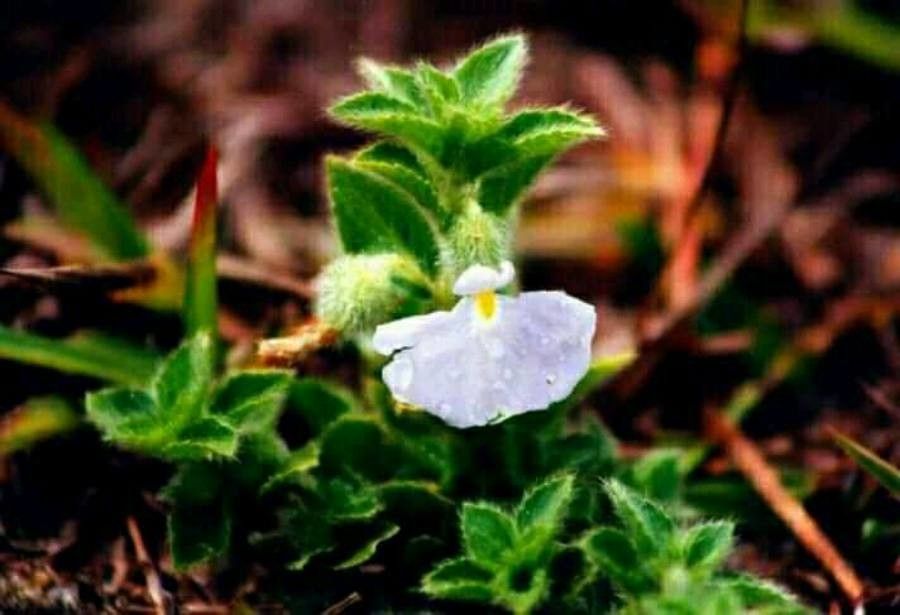
Nodding green violet has strong resistance to disease and is generally not vulnerable to illnesses. Still, it can be affected by pests and diseases present in its environment. These infections are typically mild. Regarding care, this plant needs moderate maintenance. It should be pruned regularly to preserve a neat appearance and healthy growth. Fertilizing can also encourage flowering. Nodding green violet is suitable for anyone with outdoor space, such as a garden or patio, and does not demand extensive care experience. It may need more attention when grown indoors.
How to keep Hybanthus Verticillatus.
Light
The nodding green violet thrives naturally in shaded spaces such as the undergrowth of forests or rocky terrains. While it flourishes most in semi-sunny conditions, it is also capable of growing in fully lit or fully dark areas, emphasizing its resilient and adaptable properties.
Temperature
The nodding green violet hails from the tropics, an area known for its warm and moist climate. Consequently, it is acclimated to high heat and dampness. This plant dislikes abrupt changes in temperature, thus it's critical to maintain a consistent indoor temperature to prevent its displeasure. Typically, it has a low tolerance to cold conditions and necessitates an environment with increased warmth for it to develop properly. If the temperature of its surroundings falls excessively, it might halt its growth, or worse, perish.
Fertilizer
The Nodding green violet requires a significant amount of fertilizer predominantly during its growth season, mainly during spring, summer, and the beginning of fall. Adding fertilizer is crucial as it supplies vital nutrients that might be deficient in the soil, thus facilitating healthy development of roots and stems, along with lush foliage, which is a significant characteristic of this particular plant.
Botanical profile.
Other names.