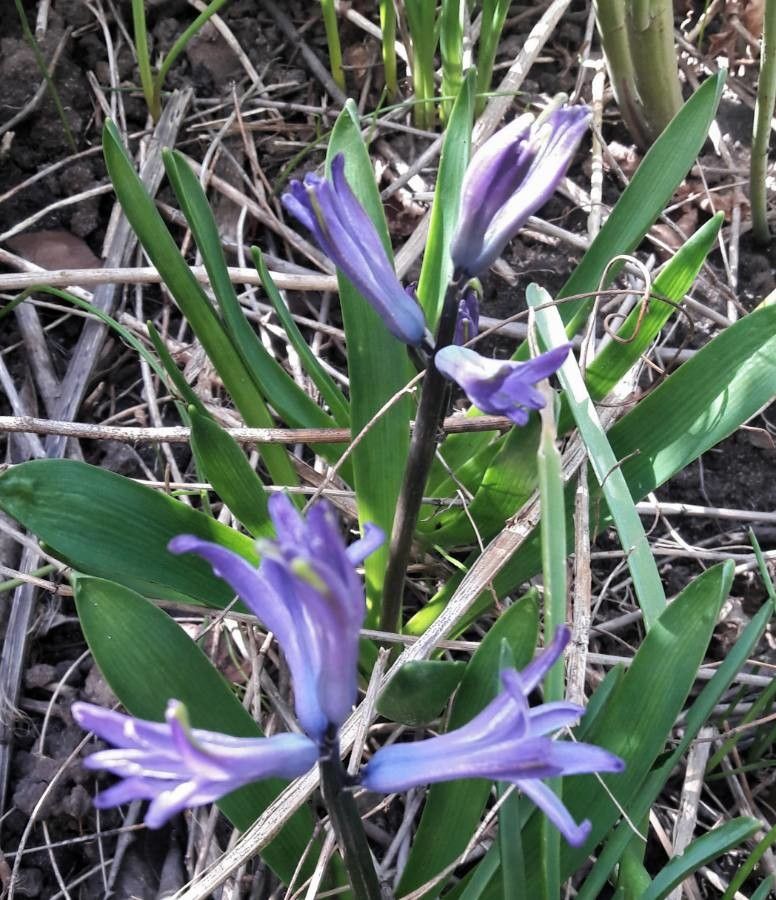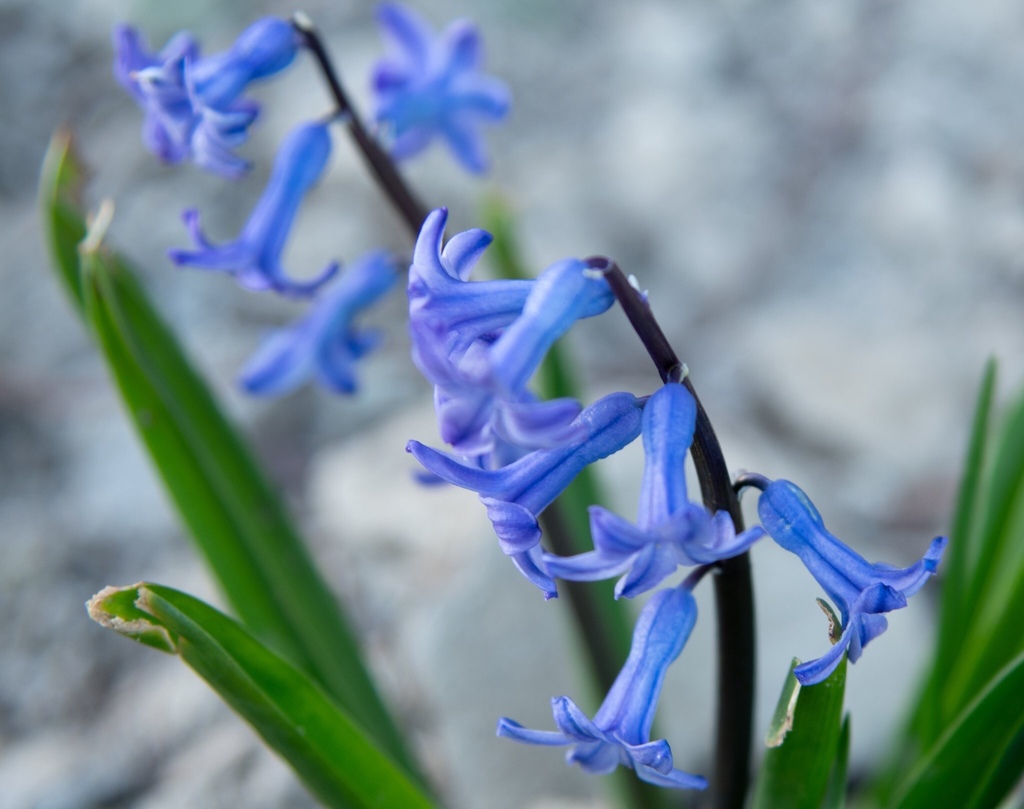
Hyacinthus orientalis, commonly known as the hyacinth, is a bulbous perennial plant belonging to the Asparagaceae family. Native to the eastern Mediterranean region, it has been cultivated for centuries for its fragrant and colorful flowers. The plant produces a dense spike of flowers in shades of pink, purple, blue, or white, which bloom in early spring. Its leaves are strap-shaped and grow from the base of the plant.
Hyacinthus orientalis thrives in well-drained soil and prefers full sun or partial shade. It can be grown both indoors and outdoors, in gardens or containers. The bulbs should be planted in autumn at a depth of 10-15 cm, with a spacing of 10-15 cm between them.
The hyacinth has long been valued for its medicinal properties. Its anti-inflammatory qualities can help relieve pain caused by conditions such as rheumatism and gout.
The common hyacinth is grown both as an ornamental plant and for its use in perfumes. Although the plant naturally blooms early in the year, some horticulturists take steps to force the bulb to flower even earlier, ensuring blooms are ready in time for Christmas. FUN FACT · FROM THE LIBRARY
In summary, Hyacinthus orientalis is an attractive ornamental plant with beautiful, fragrant flowers that can add color to any garden or indoor space. Additionally, it offers medicinal benefits when used appropriately.
Garden hyacinth: Known for its enchanting fragrance and beautiful flowers, the garden hyacinth is a popular choice for planting in gardens. Its common name, "hyacinth," is steeped in legend. According to Greek mythology, Hyakinthos was a young man admired by both Apollo and Zephyr. Tragically, he was killed by a discus during a jealousy-fueled rivalry between the two gods. The flower is said to have been named after him when it grew from his spilled blood.
Common hyacinth is fairly resistant to disease and is generally not prone to illnesses. Nevertheless, it can develop leaf spots if light and ventilation are inadequate and watering is excessive. Its care level is considered easy, since it only needs regular watering and not much else. Common hyacinth is appropriate for people who do not have the time or energy to commit to frequent maintenance.
How to keep Hyacinthus Orientalis.
Light
The common hyacinth performs best with a substantial amount of daily sunlight, although it can tolerate some shade. Its growth and vigor are closely linked to this light exposure, and overcast conditions often result in poor plant health. The common hyacinth's native habitat was exposed to abundant sunshine, a trait reflected in its sunlight needs.
Water
Originating from the eastern Mediterranean, the common hyacinth thrives in well-drained, moderately moist soils and becomes drought-tolerant once established. To prevent waterlogging, water the plant every 1 to 2 weeks. It benefits from spring rains during its growing season, which enhance its vibrant flowering.
Humidity
This plant will thrive in moderate humidity, which is probably the level in your home. However, misting it a few times a week can be very beneficial. Make sure the room has good ventilation.
Temperature
Common hyacinth originates from temperate regions and therefore needs moderate temperatures to thrive. In its natural habitat it favors a temperature range of 5 to 35 ℃ (41 to 95 ℉). During the summer months, it is advisable to keep the plants in a cool location with temperatures of 25 to 30 ℃ (77 to 86 ℉) to allow for proper growth and development.
Fertilizer
For Common hyacinth, the best time to apply fertilizer is in early spring as the flowers are beginning to form. The appropriate fertilizer promotes improved blooms and helps Common hyacinth produce attractive flowers. Fertilizing in early spring ensures strong flowers during the season and supplies energy for dormant growth phases.
Pruning
The common hyacinth is known for its vibrant and fragrant flowers and requires minimal pruning. For optimal health, cut the stems back to ground level after they have finished blooming and remove any yellow leaves. This process encourages regrowth and more flowering. Regular pruning also helps prevent disease and improves the plant's appearance, in line with best horticultural practices.
Pot & Repot
To maintain healthy growth, repot the bulbous 'common hyacinth' every 2-3 years, ideally after it has finished flowering and entered its dormant phase. Choose a pot that is just slightly larger than the current one and use well-draining soil to promote proper root health. Water the plant moderately, being careful not to overwater, as this can lead to rot. Ensure the plant fits snugly in its pot to support sturdy growth.
Botanical profile.
- Plant Type
- Herb
- Life Cycle
- Perennial
- Genus
- Hyacinthus
- Family
- Asparagaceae
- Hardiness Zone
- 4-10
- Mature Height
- 15 cm to 49 cm
- Mature Spread
- 6 cm to 10 cm
- Leaf Color
- Green
- Leaf Type
- Deciduous
- Flower Color
- Pink, White, Purple, Blue
- Flower Size
- 2.54 cm
- Bloom Time
- Early spring, Mid spring
- Planting Time
- Spring, Autumn, Winter
- Harvest Time
- Late spring, Early summer
- Native Area
- Eastern Mediterranean
Other names.
Reader questions.
When Should I Water My Common Hyacinth?
Watering common hyacinth (Hyacinthus orientalis) is essential for its growth and blooming. The ideal time to water is when the top 1-2 inches of soil feel dry. Pay attention to signs like soil dryness, browning leaf tips, and wilting leaves, which indicate the plant needs water. Also, consider the light conditions; more light means the plant might need watering more frequently. However, be careful to avoid both overwatering and underwatering to prevent diseases or stunted growth.
Why should I put fertilizer on my Common hyacinth?
Fertilizing a Common hyacinth is important for several reasons. One of the most obvious reasons is that it helps the plant produce beautiful blooms. It is especially beneficial to fertilize in early spring to ensure excellent flowers during that season. In addition to this, fertilizer provides the hyacinth with the energy it needs during its dormant growth phases. By giving your hyacinth extra nutrients during fall planting or late spring, you help it store more energy to use for active growth.
What are the sunlight requirements for common hyacinth?
Common hyacinth thrives best with a significant amount of daily sun exposure but can tolerate some shade. It requires full sun, defined as above 6 hours of sunlight, or partial sun, which is about 3-6 hours of sunlight daily. The plant's health and vitality are closely linked to the amount of light it receives, with its growth often hampered by overcast conditions. This requirement mirrors the ample sunshine of its original habitat, ensuring the plant's happiness.
What is the ideal temperature range for the growth of Common Hyacinth?
The Common Hyacinth, a native to temperate regions, thrives in moderate temperatures, ideally between 5 to 35°C (41 to 95°F). To promote proper growth and development, especially during summer, it is advisable to maintain a cooler temperature range of 25 to 30°C (77 to 86°F). The plant possesses strong cold resistance, eliminating the need for special frost protection measures in winter. However, in anticipation of temperatures dropping below its growth limit, precautions like covering the plant with soil or straw and watering it abundantly before the first autumn freeze can be beneficial. These steps ensure the soil stays moist, helping the plant resist drought and water scarcity during the winter and early spring.
How Should I Water My Common Hyacinth?
Common hyacinth requires careful watering due to its bulbous nature that stores water, making it sensitive to both overwatering and underwatering. Bottom-watering or using a watering can with a narrow spout to target the soil directly without wetting the foliage is recommended. A moisture meter can help in ensuring the right moisture level. Focus on keeping the soil evenly moist around the base and avoid foliage. Water slowly to promote better absorption and prevent root rot by letting the top layer of the soil dry out between waterings.
When should I fertilize my Common hyacinth?
To maximize the blooming of a Common hyacinth, there are a few key times to consider fertilizing. The first opportune moment is in early spring when the flowers are beginning to form. Using the right fertilizer at this time will promote more vibrant blooms. Additionally, you can fertilize the Common hyacinth later in the spring once the flowers have faded. This will provide the plant with ample energy reserves that it can utilize for the following year. If you are planting a Common hyacinth for the first time in the fall, it is also beneficial to apply some fertilizer during the planting process. This gives the hyacinth the best chance of producing a healthy display of flowers during its initial growing season.
How can artificial lighting supplement sunlight for common hyacinth indoors?
Indoor common hyacinths can benefit from artificial lighting, especially when natural sunlight is insufficient. Suitable lights, such as LEDs, can be customized to provide necessary wavelengths, mimicking natural sunlight. Full sun plants need 30-50W/sq ft, partial sun plants need 20-30W/sq ft, and full shade plants 10-20W/sq ft of artificial light. The light source should be placed 12-36 inches above the plant, ensuring it receives 8-12 hours of light per day to mimic natural daylight hours and promote healthy growth.
How does low temperature affect Common Hyacinth and what are the solutions?
Common Hyacinth is cold-tolerant and shows optimal growth when temperatures remain above its minimal tolerable limit. In winters, maintaining the temperature above this limit is crucial. Exposure to temperatures below the plant's growth limit might not show immediate effects during the cold season, but could lead to a decrease in sprouting or a complete absence of it come springtime. If this happens, it is recommended to remove the parts of the plant that have failed to sprout as a solution to this issue.
How Much Water Does Common Hyacinth Really Need?
The amount of water needed for a common hyacinth depends on factors like pot size and plant size, aiming for a thorough deep watering that reaches the root depth of 6-8 inches. Typically, a mature plant in a 6-inch pot requires about 300-400 ml per watering session when the top inch of soil feels dry. Signs of proper hydration include green, healthy leaves and vibrant flowers. Be cautious of overwatering and underwatering, addressing them by ensuring the soil is well-drained yet moist, adapting to the plant's tolerance for occasional standing water.
When is the best time to not apply fertilizer to my Common hyacinth?
The Common hyacinth should be fertilized during the fall planting, early spring bloom, and late spring after blooming. Fertilizing at other times is unnecessary and may harm the plant. Keep in mind that the Common hyacinth has a dormant phase during winter and summer. During these phases, it requires less fertilizer and water. After the flowers fade, the leaves will briefly remain before dying back to the ground, indicating the plant's return to dormancy and its reduced need for fertilizer.
What are the symptoms of inadequate lighting for common hyacinth?
Inadequate lighting can lead to various symptoms in common hyacinth, including leggy or sparse growth, slower or no new growth, and negative impacts on flowering and fruiting. Other symptoms include chlorosis, where leaves turn yellow due to a breakdown of chlorophyll; sunscald, characterized by pale or necrotic areas on leaves or stems; leaf curling as a defense against excessive sunlight; wilting from increased water loss; and leaf scorching, with dry and crispy leaf margins. These symptoms highlight the importance of proper lighting for the plant's health.
What are the impacts of high temperature on Common Hyacinth and how can they be mitigated?
Common Hyacinth should be kept under its maximum temperature threshold during the hot summer months. Exceeding this threshold can result in the leaves becoming lighter, curling, and being prone to sunburn. In severe cases, it might cause the plant to wilt and dry out completely. To mitigate these effects, any sunburned or dried parts of the plant should be trimmed away. Relocating the plant to a shaded location or using a shade cloth can protect it from harsh midday and afternoon sun. Moreover, watering the plant during cooler times of the day, such as morning and evening, will help keep the soil adequately moist.