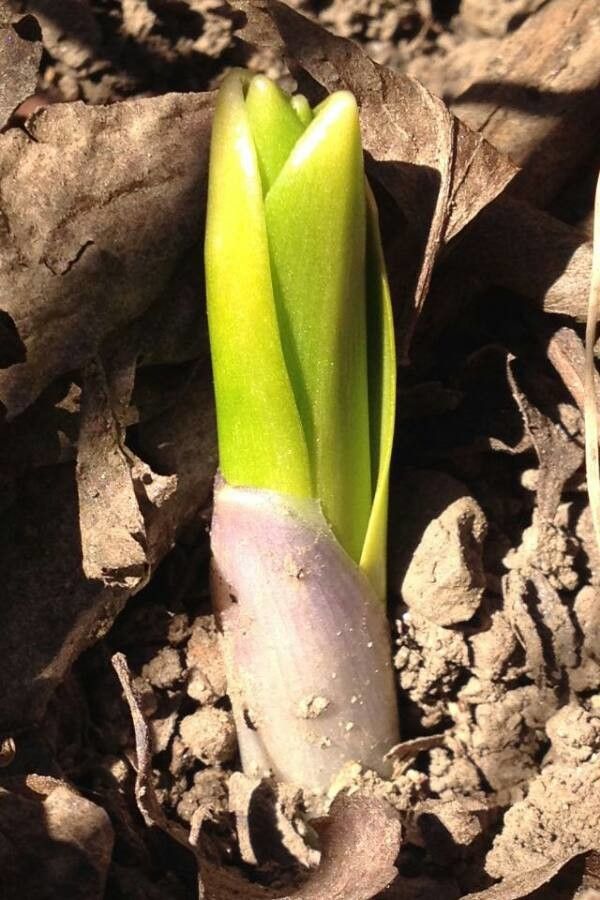
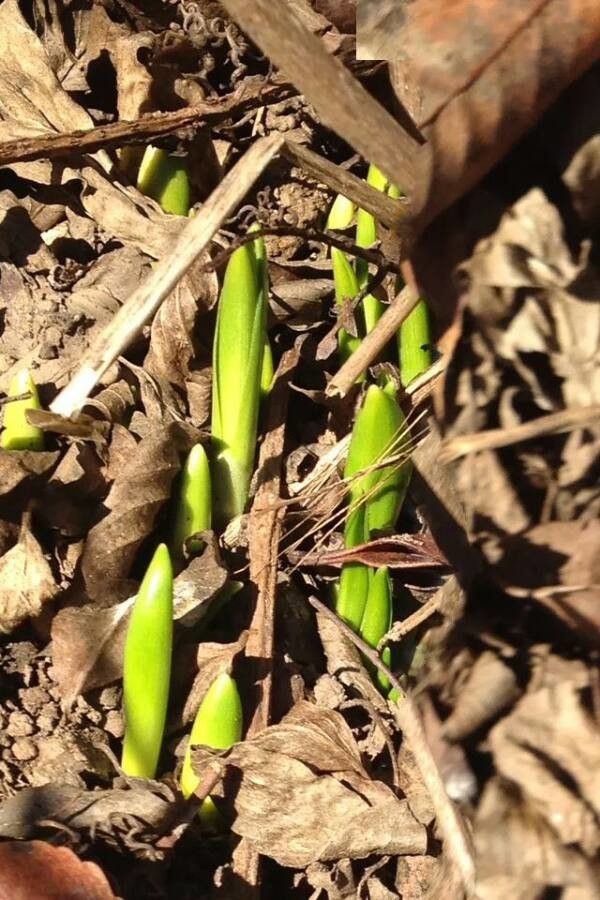
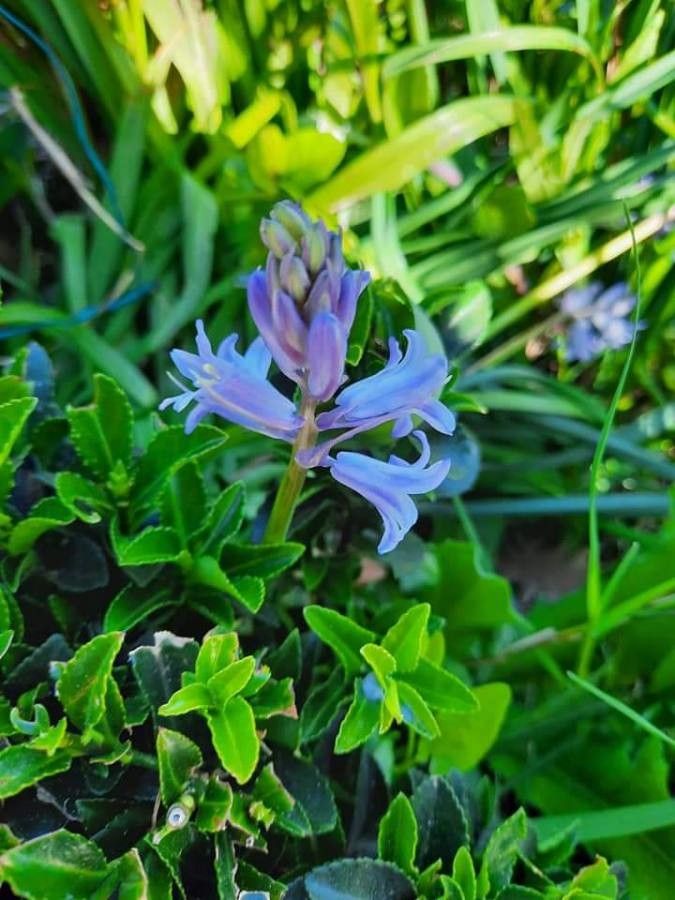
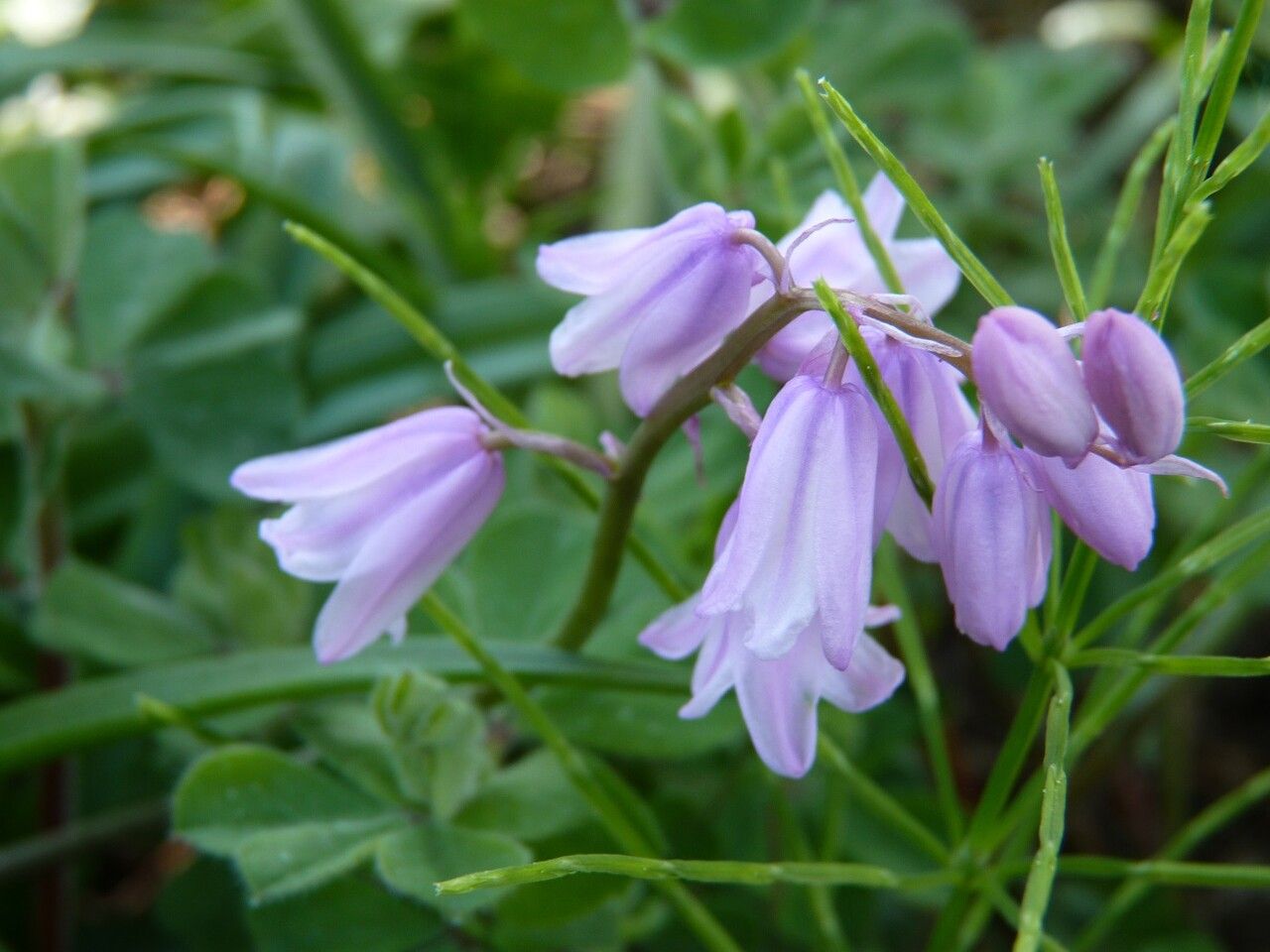
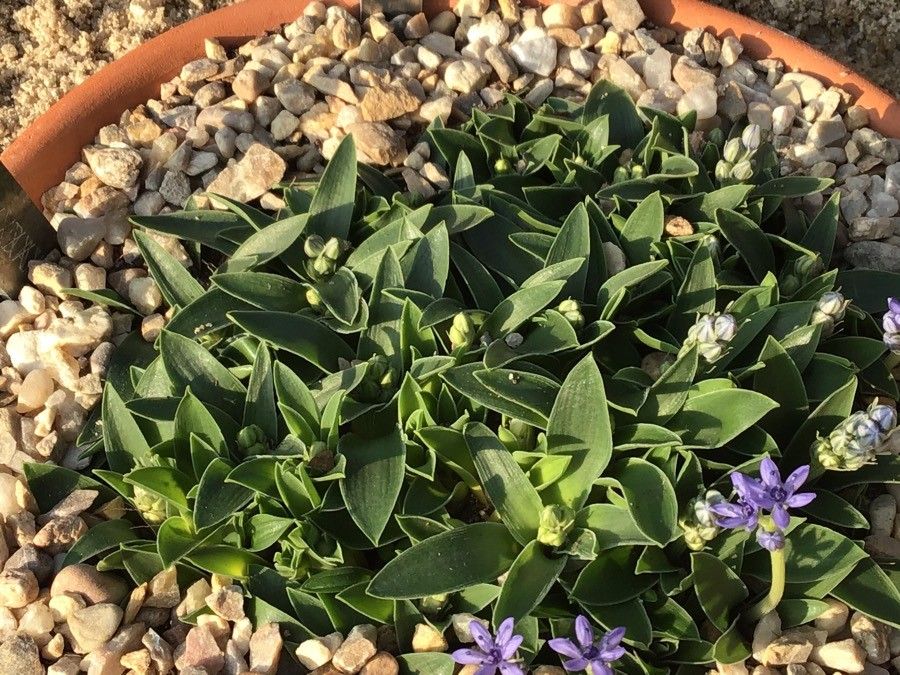
Hyacinthoides hispanica, commonly known as the Spanish bluebell, is a perennial bulbous plant in the Asparagaceae family. Native to Spain and Portugal, it has been widely cultivated in gardens and has naturalized in many parts of Europe.
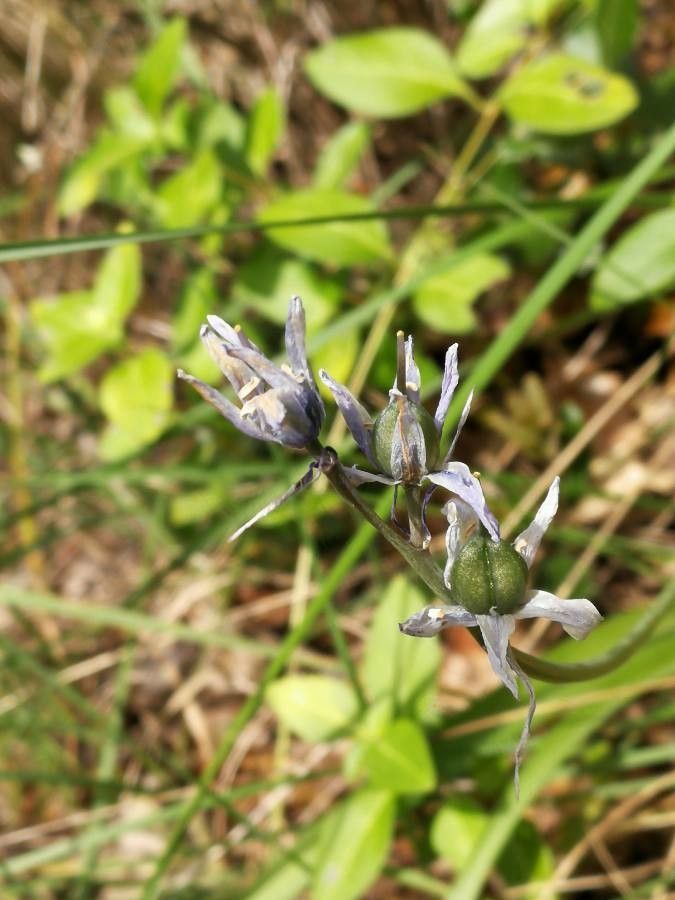
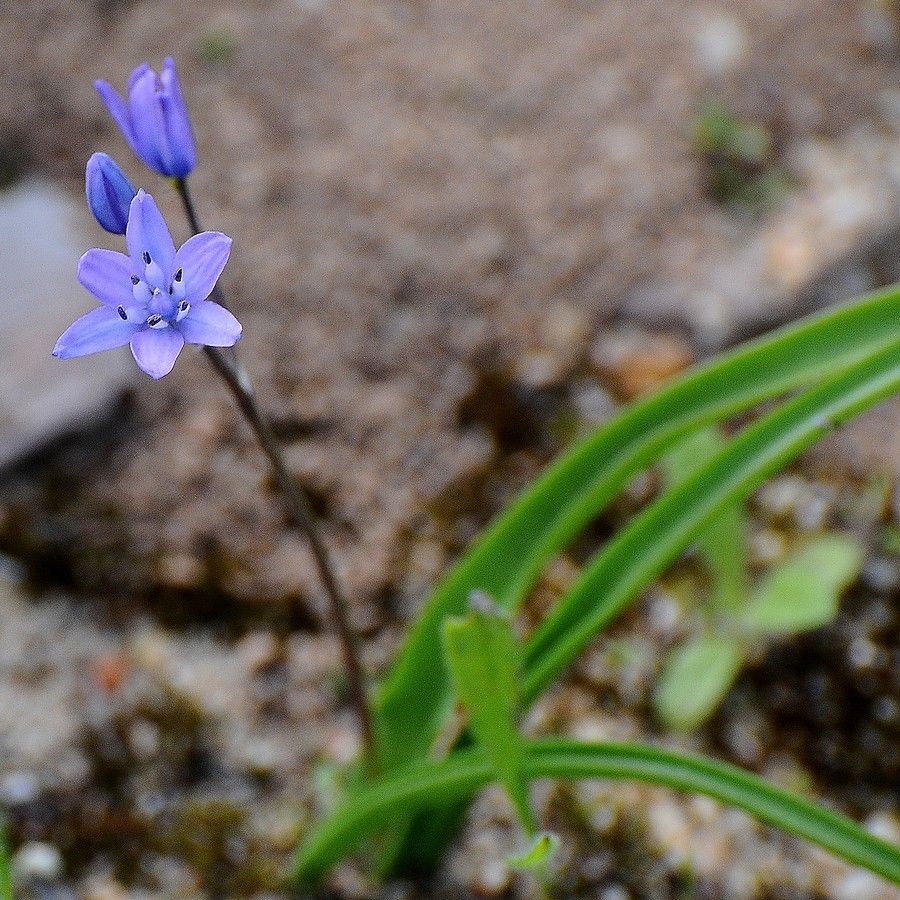
This plant reaches a height of 30 to 50 cm and features narrow, strap-like leaves that are about 30 cm long. Its bell-shaped flowers have six petals fused at the base, forming a tube-like structure. The flowers bloom in shades of blue, pink, or white from late spring to early summer.
Hyacinthoides hispanica thrives in well-drained soil and prefers partial shade or full sun exposure. While it can tolerate drought conditions, it requires regular watering during its growing season.
The Spanish bluebell is regarded as an invasive weed because it has a tendency to hybridize with native bluebell species, such as the common bluebell, or other distinct bluebell varieties. When Spanish bluebells are planted near these species, they can crossbreed, and by the following season, the resulting hybrid species often outcompetes the original parent plants. This process is what led to the Spanish bluebell being classified as invasive in the United Kingdom, where it poses a threat to the common bluebell. To prevent this issue, gardeners are encouraged to remove any invasive Spanish bluebells from their gardens. FUN FACT · FROM THE LIBRARY
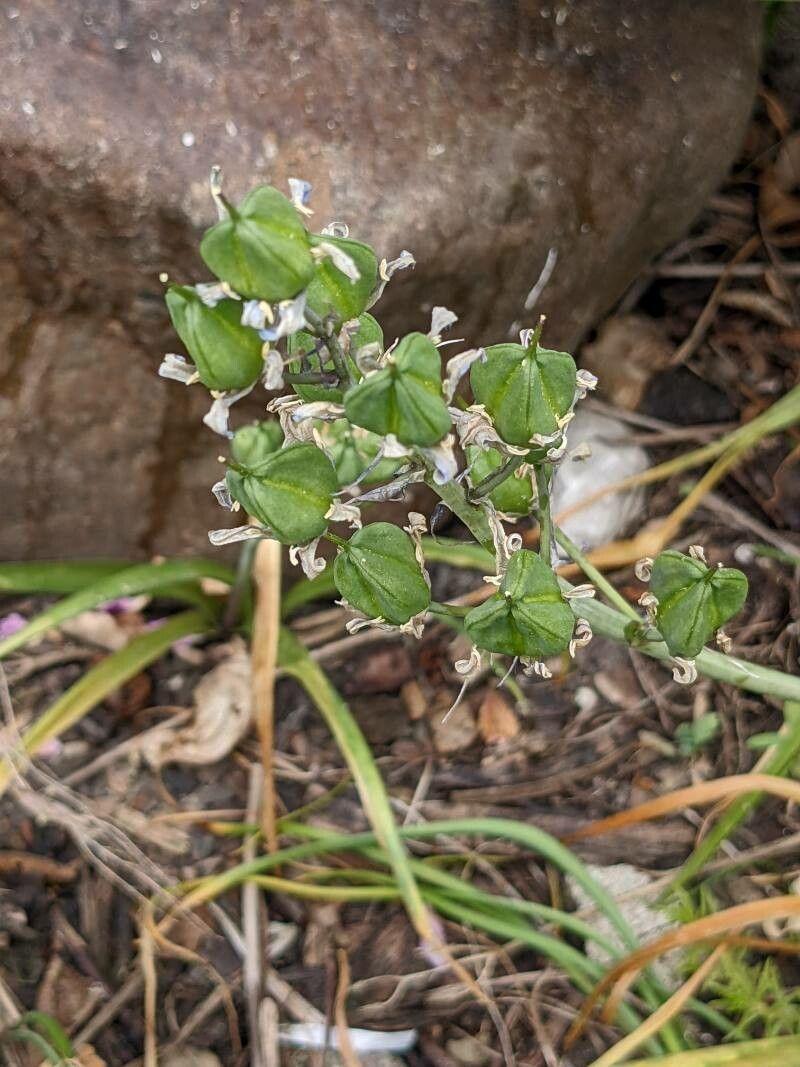
The Spanish bluebell is a popular garden plant because of its beautiful flowers and ease of cultivation. However, it can become invasive, spreading quickly through self-seeding or bulb offsets, potentially competing with native plants for resources.
In summary, Hyacinthoides hispanica is a charming addition to any garden, but it should be planted responsibly to avoid negatively impacting local ecosystems.
The term "Spanish bluebell" is somewhat misleading, possibly due to its resemblance to the common bluebell. Despite its name, the typical Spanish bluebell features a lavender color with blue highlights. This bulbous perennial blooms in the spring and is native to the Iberian Peninsula, which is why it is called the Spanish bluebell.
Spanish bluebell shows strong resistance to disease and is generally not prone to illnesses. However, it can be affected by pests and diseases present in its environment. These problems are typically not serious. In terms of care, this plant needs moderate maintenance. It requires regular pruning to keep a good appearance and support healthy growth. Fertilizing can also help encourage flowering. Spanish bluebell is suitable for anyone with an outdoor area, such as a garden or patio, and does not demand extensive gardening experience. It may need more attention when grown indoors.
How to keep Hyacinthoides Hispanica.
Light
The Spanish bluebell grows best in spots with moderate sunlight, though it can also tolerate areas where the sun is abundant all day. Its growth and flowering may be influenced by either excessive or insufficient light. Due to its native habitat, it has become adapted to a variety of light conditions.
Water
The Spanish bluebell thrives in moderate moisture and is commonly found in temperate regions of Spain. This resilient plant requires weekly watering, but it can also withstand periods of drought thanks to its ability to store water in its bulbs. This adaptability makes the Spanish bluebell suitable for both indoor and outdoor gardening.
Temperature
The Spanish bluebell is native to regions with a temperate climate and prefers a temperature range of 32 to 95 ℉ (0 to 35 ℃). During the winter months, the plant may benefit from cooler temperatures around 32 to 50 ℉ (0 to 10 ℃) to provide a suitable dormancy period. In the summer months, it can tolerate temperatures up to 95 ℉ (35 ℃) if given adequate water.
Fertilizer
The best time to fertilize a Spanish bluebell is in early spring, as it breaks dormancy and starts active growth. Fertilizing supplies essential nutrients for healthy development. Although Spanish bluebells have fairly low fertilizer requirements, applying fertilizer annually can improve their survival and encourage better, longer-lasting blooms.
Pruning
The Spanish bluebell is known for its vibrant blue flowers. To encourage prolonged blooming, it's important to deadhead the flowers in early spring. Once the foliage turns yellow in late spring, it should be cut back. It's also a good idea to remove spent flowers to prevent self-seeding. Additionally, promptly pruning any damaged parts will help maintain healthy growth and prevent overcrowding.
Pot & Repot
Repot Spanish bluebell in early spring. Choose a pot that is wider than it is deep and provides good drainage. Use a loamy, well-draining potting mix enriched with compost. Gently remove old soil from the bulb and plant it at a depth equal to the bulb’s height. Water thoroughly after repotting and place the pot in a sunny spot. Avoid overwatering to prevent bulb rot.
Toxicity
All parts of Spanish bluebell plants are highly poisonous to humans and animals. The plant can cause skin irritation or allergic reaction when touched. It induces extreme digestive symptoms and may even lower the heart rate if ingested.
Further reading →
The toxicity and danger assessments provided are for reference only. We do not assure their accuracy, so it's crucial not to depend on them. Seek professional advice when necessary for accurate guidance.
Botanical profile.
- Plant Type
- Herb
- Life Cycle
- Perennial
- Genus
- Hyacinthoides
- Family
- Asparagaceae
- Hardiness Zone
- 3-9
- Mature Height
- 15 cm to 49 cm
- Mature Spread
- 23 cm to 30 cm
- Leaf Color
- Green
- Leaf Type
- Deciduous
- Flower Color
- Blue, Pink, White
- Flower Size
- 1.52 cm to 2.03 cm
- Bloom Time
- Mid spring, Late spring
- Planting Time
- Autumn, Winter, Spring
- Harvest Time
- Early summer, Mid summer
- Native Area
- Spain, Portugal
Other names.
Reader questions.
What should I do if I give too much or too little water to my Spanish bluebell?
The Spanish bluebell is prone to overwatering, which can cause bulb rot. Some symptoms of overwatering include mushy bulbs, spotted and flopping stems, droopy flowers, and yellowed stalks. Yellow leaves are normal at the end of the blooming period, but if they turn yellow before the flowers bloom, it indicates overwatering. Unfortunately, bulb rot cannot be reversed, but if caught early, you can dig up the bulb, remove the rotten parts, and disinfect the pot and tools. For outdoor plants, replant them elsewhere. Underwatering is not as big of an issue, but signs include no blooms, sagging stalks, and browning on the edges of the petals. If you've underwatered your Spanish bluebell, give it a good drink without saturating the soil. However, be careful not to overwater, as extended periods in water can cause root rot and fungus growth. This is noticed through spots on leaves and buds, as well as discolored and dying leaf tips.
Why do I have to put fertilizer on my Spanish bluebell plant?
Fertilization is important for the Spanish bluebell because it provides essential nutrients for the plant's growth. While the overall fertilization needs of a Spanish bluebell are relatively low, annual fertilization can be very beneficial. It helps keep the plant alive and encourages better flowers that last longer. Therefore, those who want their Spanish bluebell to thrive should keep up with annual fertilization.
What are the sunlight requirements for Spanish bluebells?
Spanish bluebells require partial sun, which means about 3-6 hours of sunlight, or full sun, which is above 6 hours of sunlight per day. It's crucial to observe how sunlight moves through your garden to ensure you provide your plants with a balance of light and shade, optimizing their growth and health.
What is the native climate for Spanish bluebell?
The Spanish bluebell is native to areas with a temperate climate, thriving in temperatures ranging from 32 to 95°F (0 to 35°C). It benefits from cooler temperatures between 32 to 50°F (0 to 10°C) during the winter months, which provide a suitable dormancy period. In the summer, it can tolerate temperatures up to 95°F (35°C), provided it receives adequate water. Spanish bluebell also exhibits strong cold resistance, making special frost protection measures generally unnecessary. However, during winters where temperatures may drop below -35°C, protective measures should be taken, such as covering the plant with soil or straw. Additionally, watering the plant abundantly before the first freeze in autumn is recommended to ensure the soil remains moist and enters a frozen state, helping prevent drought and water scarcity during winter and early spring.
How frequently should I water my Spanish bluebell?
The Spanish bluebell is a hardy plant that doesn't require much attention. It's best to grow it directly in the ground in the sunniest part of your garden, although it can also be grown in a pot. Since it's a bulb plant, be careful not to overwater it as this can cause the bulb to rot. After planting, water the Spanish bluebell well once and then leave it. This initial watering will stimulate growth, but after that, you can let it be until you see shoots appear. To ensure optimal results, check the soil moisture after new leaves have grown. Stick your finger about 2-3 inches below the soil surface. If it's still wet, there's no need to water the plant. For potted plants, check the water collection tray for any standing water. If there is standing water, avoid watering the plant. For a more accurate soil moisture reading, use a moisture sensor inserted about 2-3 inches into the soil. The reading should be in the middle of the 'moist' category. It is recommended to water your Spanish bluebell once per week.
When should I fertilize my Spanish bluebell for the best results?
To ensure healthy growth, it is best to fertilize Spanish bluebells in late winter to early spring when they are transitioning from dormancy to active growth. This timing allows the plant to thrive during the season. Although it is also possible to fertilize Spanish bluebells in the fall, it is not recommended to do so in summer or winter.
How do Spanish bluebells adapt to different light conditions?
Spanish bluebells are versatile and thrive best in areas with balanced sunlight exposure but can also manage well in regions with generous sunlight throughout the day. Their growth and flowering can be influenced by the amount of light they receive, with adaptations to various light conditions due to their original habitat.
How does low temperature affect Spanish bluebell and what are the solutions?
Spanish bluebell is quite cold-tolerant, preferring to be kept above 0°C during winter and should remain above -30°C. If temperatures plummet below -35°C, the plant may not show immediate adverse effects during winter but come spring, there could be a decrease in sprouting or, in some cases, no sprouting at all. To combat this, any parts that have failed to sprout in the spring should be removed. This encourages healthier growth and ensures the vigor of the plant.
How do I change how much I water my Spanish bluebell based on different conditions?
The Spanish bluebell is a tough plant that can withstand difficult conditions. When planting it outdoors, you can rely on natural rainfall for hydration. It doesn't require much water and can survive in droughts. Just make sure the soil has good drainage. If you're growing it in a pot, be cautious with watering, as overwatering can lead to bulb rot. Water less frequently indoors, and ensure your pots have drainage holes. Use high-quality soil with added sand or rocks for better drainage. During the growing phase, water about one inch per week to promote blooming. Adjust watering based on humidity and temperature, with more watering needed in hot and dry climates. In humid regions, you can water less. Always check soil moisture to avoid excessive wetness. These plants prefer well-drained soil that is moist.
When is the best time to not use fertilizer on my Spanish bluebell plant?
To ensure proper fertilization of your Spanish bluebell, it is recommended to only fertilize during late winter and early spring. This plant has low fertilization needs, so one feeding per year is sufficient. Fertilizing during spring, summer, and fall can lead to overfertilization and its complications, unless you skipped fertilizing in spring, then fertilizing in fall is acceptable. Additionally, there is no need to fertilize during winter as the plant is in a dormant growth phase and does not produce new growth.
Can artificial lighting be used for Spanish bluebells, and how?
Yes, artificial lighting can be used for Spanish bluebells, especially during winter or in less sunny spaces where natural sunlight is insufficient. LED lights are recommended, providing specific light wavelengths. Full sun plants need 30-50W/sq ft, partial sun plants require 20-30W/sq ft, and full shade plants need 10-20W/sq ft of artificial light. The light source should be placed 12-36 inches above the plant, mimicking natural sunlight for 8-12 hours per day.
What impact does high temperature have on Spanish bluebell and how can it be mitigated?
During summer, it's important for the Spanish bluebell to remain below 35°C. Exceeding 38°C can lead to the leaves becoming lighter in color, curling, and becoming prone to sunburn; in severe cases, the plant may wilt and become excessively dry. To mitigate these effects, the sunburned and dried-up parts should be trimmed away. Moving the plant to a shaded location during the midday and afternoon sun or using a shade cloth can help, as will watering the plant in the morning and evening to maintain soil moisture.